Common Baking Mistakes and How to Fix Them
Disclosure: Some of the links in this post are affiliate links. This means if you click on the link and purchase an item, I will receive an affiliate commission at no extra cost to you.
You followed the recipe. You measured everything carefully. You did all the right things and yet, what came out of your oven looks absolutely nothing like what was promised. The cake sank in the middle. The cookies weren’t properly baked.
The bread is too dense. If this is you, then stick to the end. Here’s something nobody tells you when you start baking: failing is completely normal, and almost every baking disaster has a specific, fixable cause.
It’s not bad luck. It’s not that you’re “not a baker.” It’s almost always one of a very common mistake bakers make and once you know what they are, you can spot them, fix them, and make sure they never ruin your bake again. This post is your go-to guide for diagnosing baking disasters and understanding exactly what went wrong.
We’ll walk through the most common baking mistakes beginners (and even experienced bakers!) make, explain why they happen, and give you practical, fast fixes for each one. Think of it as your baking troubleshooting handbook.
Common Baking Mistakes and How to Fix Them
1. Not Reading the Recipe All the Way Through First
This is one of the common baking mistakes and how to fix them is here. Though it sounds so basic that it’s almost embarrassing to put at the top of the list. But it genuinely is the number one mistake that leads to baking disasters — and experienced bakers are just as guilty of it as beginners.
You start a recipe, you get excited, you begin measuring and mixing — and then halfway through you discover that the dough needs to chill in the fridge for two hours, or the butter needs to be at room temperature (and yours is stone cold), or the recipe makes 24 cupcakes but you only have a 12-cup muffin tin.
This can happen because of excitement and impatience. We just want to start baking, not read.
How to fix: Before you touch a single ingredient, read the entire recipe from start to finish. Every single word. Check the timing, check if anything needs to be prepared in advance, make sure you have every ingredient and every piece of equipment. Then start baking. It takes just few minutes and saves hours of frustration.
2. Measuring Ingredients Incorrectly
Inaccurate measurements are responsible for more failed bakes than almost anything else. And the sneaky thing is that most people think they’re measuring correctly when they’re not.
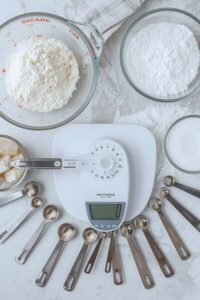
The most common culprit is flour. When you dip a measuring cup directly into a bag of flour and scoop, you’re packing the flour in and can end up with 30–50% more than the recipe actually calls for. That extra flour makes cakes dry and dense, cookies tough and crumbly, and quick breads almost brick-like.
Other common common baking mistakes and how to fix them include:
Using a dry measuring cup for liquids (or vice versa)
Not levelling off dry ingredients with a flat edge
Not packing brown sugar when it should be packed
Eyeballing small amounts like baking powder or salt instead of measuring properly
How to fix: For dry ingredients, spoon them into your measuring cup and level off with the back of a knife — never scoop directly from the bag. For the most accuracy, invest in a kitchen scale and measure by weight. Once you start measuring flour in grams, you’ll never go back.
And for small measurements like baking powder and bicarbonate of soda, always use proper measuring spoons and level them off.
3. Using Ingredients at the Wrong Temperature
This is one of those common baking mistakes and how to fix them that feels minor but has major consequences. Baking recipes are written with specific ingredient temperatures in mind, and using ingredients at the wrong temperature changes how they behave in the recipe.
Some of them includes:
Cold butter in a creaming recipe: When butter is too cold, it won’t cream properly with sugar. Instead of turning light and fluffy, it stays in dense lumps. The result is a cake that’s denser and doesn’t rise as well.
You might also enjoy this: The Ultimate Beginners Guide to Baking (Everything You Need To Know to Start)
Cold eggs added to creamed butter: Cold eggs cause the butter to seize up and the batter to look curdled or split. While this doesn’t always ruin the final product, it’s not ideal and can affect texture.
Melted (rather than softened) butter: Some recipes call for softened butter specifically because you need it to hold air during creaming. Melted butter doesn’t do this — it results in a different (often denser or flatter) texture.
Liquid that’s too hot added to yeast: Yeast is a living organism. Water or milk that’s too hot (above about 43°C / 110°F) kills the yeast before it has a chance to work. Your bread will not rise.
How to fix: Take butter and eggs out of the fridge 30–60 minutes before baking so they reach room temperature naturally. If you forget, you can speed-soften butter by cutting it into small cubes and leaving it on the counter, or microwaving it in very short 5-second bursts. For yeast breads, use warm liquid — it should feel comfortably warm on your wrist, not hot.
4. Overmixing the Batter
This is one of those common baking mistakes and how to fix them. Once you add flour to a wet batter and start mixing, gluten begins to develop. A small amount of gluten is necessary for structure but too much gluten makes baked goods tough, chewy, and dense instead of soft and tender.
This is the biggest issue with cakes and muffins. Recipes that use the muffin method (wet and dry ingredients combined briefly) are especially sensitive to overmixing. When you see those few streaks of flour still visible in the batter, that’s often the signal to stop mixing.
Signs you’ve overmixed:
Cakes are tough and rubbery instead of soft
Read this: Why Your Cakes Keep Failing (and How to Fix Them)
Muffins have a peaked, domed top with a tunnelled interior (large air holes running through the crumb)
Pancakes are chewy and dense instead of fluffy
How to fix: Mix your batter only until the ingredients are just combined. A few small lumps in a muffin batter are perfectly fine. They’ll sort themselves out in the oven. Use the gentlest mixing method appropriate for the recipe: fold with a spatula instead of beating with a mixer where possible, and stop as soon as you no longer see dry streaks of flour.
5. Underbaking or Overbaking
This is one of the most common struggles for beginners, and it comes down to learning how to read doneness rather than just relying on the timer.
Underbaked goods are gummy, dense, and sometimes raw in the centre. A cake that hasn’t baked long enough will sink in the middle as it cools because the structure hasn’t set.
Overbaked goods are dry, crumbly, or hard. Cookies that bake even two or three minutes too long can go from perfectly chewy to disappointingly hard and dry.
Here’s the issue with just following the timer: every oven is different. A recipe that says “bake for 25 minutes” was tested in a specific oven at a specific altitude. Your oven might run 25°F hotter, or your pan might be darker, or your batter might be slightly thinner, all of which affect baking time.
How to fix: learn to test for doneness:
For cakes and muffins, insert a toothpick or skewer into the centre. If it comes out clean or with just a few moist crumbs, it’s done. If it comes out with wet batter, give it more time.For cookies, remember that they continue cooking on the hot pan after you take them out of the oven (this is called carryover baking). Pull them when they look slightly underdone — when the edges are set but the centre still looks a bit soft. They’ll finish cooking as they cool.
For bread, the internal temperature should reach around 88–93°C (190–200°F) when probed with an instant-read thermometer. You can also tap the bottom of the loaf — a hollow thud means it’s done.
6. Not Preheating the Oven
It’s tempting to skip preheating the oven to save time, especially when you’re in a hurry. Don’t. Putting batter or dough into a cold oven means it starts baking before the oven is at the right temperature — and this has a cascade of negative effects.
Cakes and quick breads that go into a cold oven often rise unevenly, set before developing proper structure, or come out with a dense, gummy layer at the bottom. Cookies spread too much. Pastry doesn’t get that initial burst of heat that creates its flaky layers.
Take a look at this next: Essential Baking Tools Every Home Baker Needs (with budget options)
How to fix: Always preheat your oven for at least 15–20 minutes before baking. Even when the preheat indicator says it’s ready, give it a few extra minutes to fully stabilize at temperature. A cheap oven thermometer (hanging inside your oven) will confirm when you’ve actually reached the right temperature and will also reveal if your oven runs hotter or cooler than the dial says, which many do.
7. Using the Wrong Pan Size
Swapping a 9-inch pan for an 8-inch pan seems like a small change, but it can significantly affect your results. Pan size determines how thick or thin your batter is spread, which directly affects how long it takes to cook, and whether the edges overbake before the centre is done.
A smaller pan means a thicker layer of batter, it needs more time and will bake differently. A larger pan means a thinner layer it’ll cook faster and can easily overbake.
How to fix: Always try to use the pan size specified in the recipe. If you need to substitute, adjust your baking time accordingly: a smaller, deeper pan will need more time; a larger, shallower pan will need less. Keep a closer eye on it and start checking for doneness earlier than the recipe suggests. Also remember that dark pans absorb more heat and can cause faster browning on the outside — lower the temperature by about 10°C (25°F) if using a dark pan.
8. Opening the Oven Door Too Early
We know. The temptation to open the oven door and check on your beautiful bake is almost irresistible. But opening the oven door too early before a bake has had time to set its structure, lets heat escape and can cause a dramatic temperature drop that makes cakes sink right in the middle.
This is especially true for cakes, soufflés, and quick breads during the first two-thirds of their baking time. Once a cake’s structure has set (usually in the last 10–15 minutes of baking), opening the door briefly is fine.
How to fix: Use the oven light and look through the glass instead of opening the door. Resist the urge to open the oven until at least the minimum baking time on the recipe has passed. If your oven doesn’t have a light or window, wait until you can smell the bake properly before checking — that aroma is a good indicator that it’s close to done.
9. Not Preparing Your Pans Properly
Greasing and lining your pans properly isn’t just about preventing sticking — it’s about making sure your baked goods bake evenly and release cleanly without losing half the cake to the pan.
Under-prepared pans lead to stuck cakes, broken loaves, and muffins that come out in two pieces. Over-greased pans (drowning in butter or oil) can cause the edges to fry and go greasy rather than bake properly.
How to fix: Line cake pans with parchment paper on the bottom (and up the sides for loaves and brownies). For muffin tins, use paper liners or grease well with butter and a light dusting of flour. For bread pans, butter and flour them thoroughly. Parchment paper is your best friend here, it’s far more reliable than greasing alone and makes cleanup effortless.
10. Substituting Ingredients Without Understanding the Impact
Baking is chemistry. Every ingredient plays a specific role, and swapping one for another without understanding the impact can completely change the chemistry of a recipe.
Common things that go wrong:
Baking powder for baking soda (or vice versa): These are not interchangeable. Baking soda is about three times stronger than baking powder and needs an acid in the recipe to activate it. Using the wrong one gives you a flat bake or an off, metallic taste.
Butter for oil (or vice versa): These give very different textures. Butter adds flavour and creates structure through creaming. Oil keeps things moist and tender but doesn’t add structure the same way. Some recipes work fine either way — others don’t.
Self-rising flour for all-purpose flour: Self-rising flour already contains baking powder and salt. Using it in place of all-purpose flour without adjusting means you’re adding extra leavening that can cause your bake to rise too fast and collapse.
How to fix: Follow the recipe as written the first time. Once you understand how the recipe works and what each ingredient does, you can experiment with substitutions from a place of knowledge. If you must substitute, research the specific swap before making it.
11. Not Letting Things Cool Properly
This is one of the common baking mistakes and how to fix them is easy. Cutting into a cake straight from the oven feels deeply satisfying, but it’s a mistake. The interior of a baked good is still finishing its cooking process as it cools — the starches and proteins are setting, the steam is redistributing, and the structure is firming up.
Cutting a cake too early gives you a gummy, underset crumb. Trying to frost a warm cake melts the frosting into a drippy mess. Slicing bread before it’s fully cool results in a dense, gummy interior even if the bread itself is fully baked.
How to fix: Let baked goods cool on a wire rack. Most cakes need at least 20–30 minutes in the pan before being turned out, and then another 30–60 minutes on the rack before frosting. Bread needs at least 30–60 minutes to cool completely before slicing. Cookies should stay on the baking sheet for 5 minutes before being moved to a rack. Yes, it’s hard to wait. It’s worth it.
12. Ignoring Altitude and Climate
This one catches a lot of people off guard. If you live at high altitude (above about 3,000 feet / 900 metres), the lower air pressure means that gases in batters and doughs expand faster and liquid evaporates more quickly. This can cause cakes to rise too fast and collapse, cookies to spread more, and bread to over-proof.
Similarly, baking in a very humid climate can cause flour to absorb moisture from the air and baked goods to take longer to set, while a very dry climate can cause the opposite. This is one of the common baking mistakes and how to fix them is easy.
How to fix: If you’re at high altitude, you may need to reduce your leavening agents slightly (less baking powder/soda), increase flour slightly, and increase liquid. Many recipes now include high-altitude notes. For humidity, trust the look and feel of your dough or batter rather than just the measurements — if it seems too wet, hold back a little liquid.
Common Baking Mistakes and How to Fix Them
Easy Solutions to Common Baking Mistakes
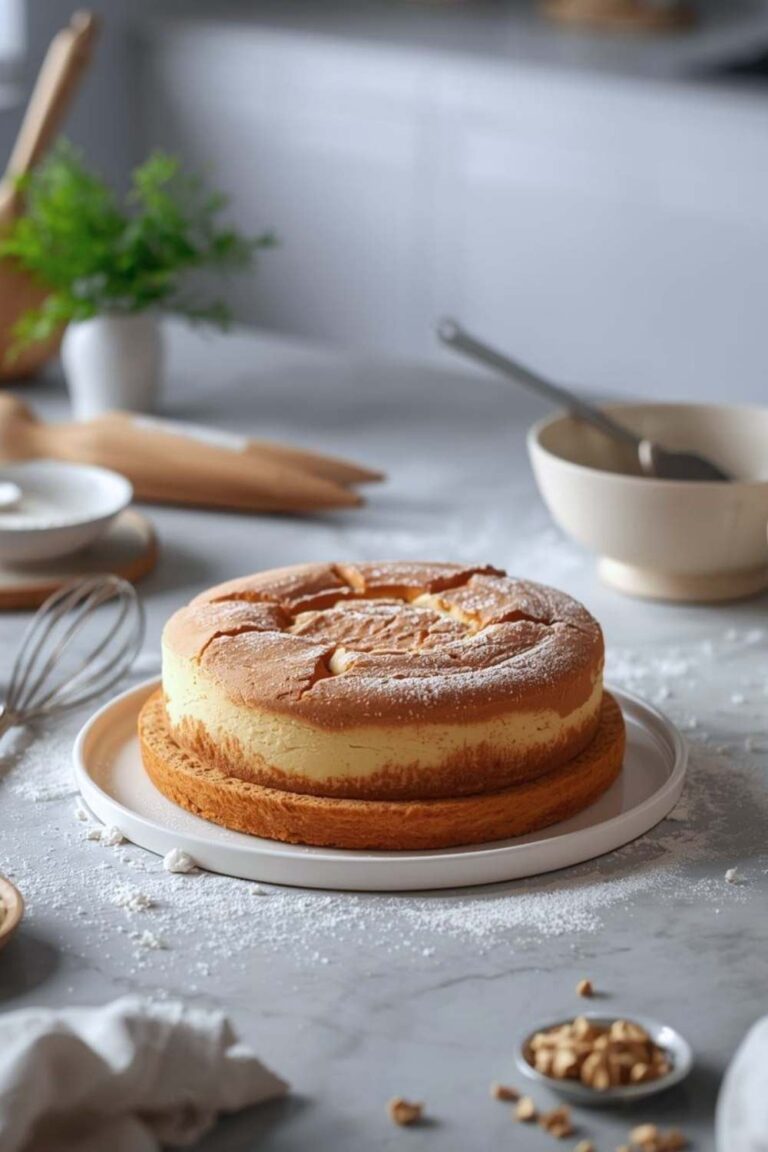
Cake sank in the middle: Underbaked, oven door opened too early, too much leavening, or batter was overmixed.
Cake is dense and heavy: Too much flour, not enough leavening, butter too cold to cream properly, or overmixed after flour was added.
Cookies spread too much: Butter too warm or melted, too little flour, baking sheet too warm (reusing a hot pan straight from the oven).
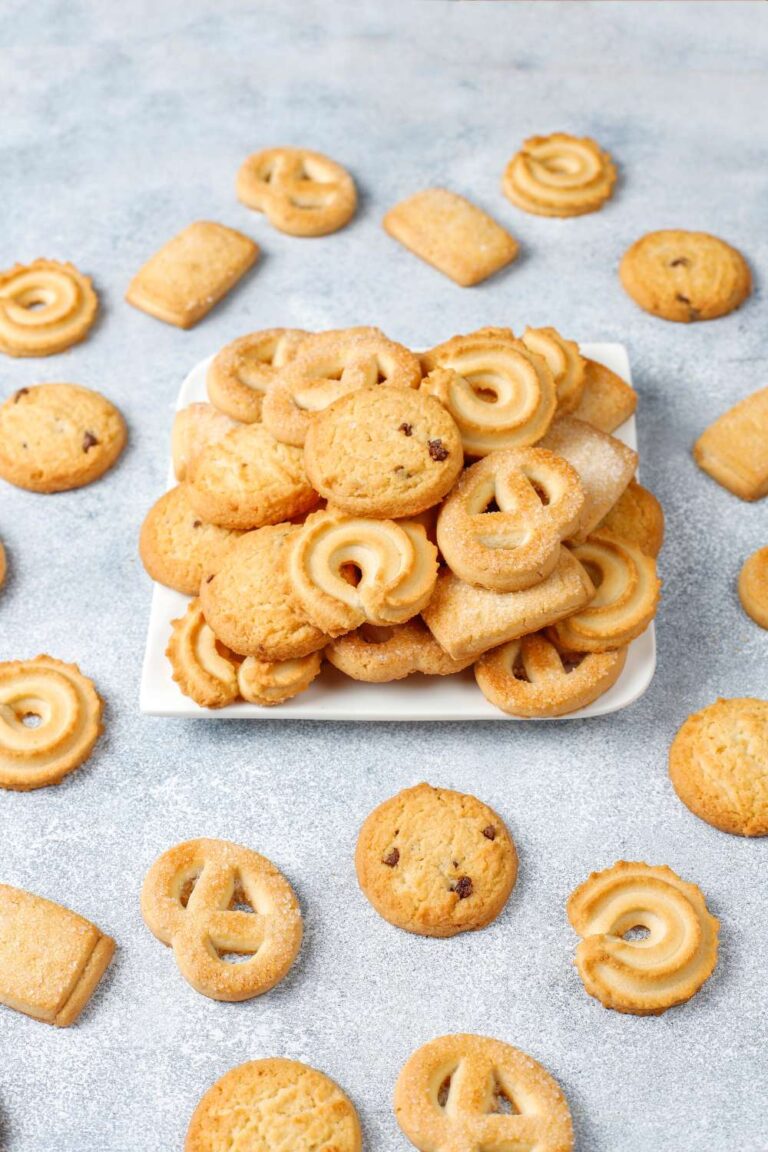
Cookies are too hard: Overbaked, too much flour, or not enough fat/sugar.
Bread didn’t rise: Yeast was old or dead, liquid was too hot and killed the yeast, room was too cold for proofing, or not enough kneading
Muffins are tough with tunnels: Overmixed after flour was added.
Pastry is tough: Too much water, overworked, or butter was too warm when rubbed in.
Baked goods are pale and uncoloured: Oven temperature too low, or baked on a rack that’s too high or too low.
Baked goods are burning on the bottom: Oven temperature too high, dark pan, or baking on the lowest rack.
Final Thoughts
Every failed bake is a lesson wearing a disappointing disguise. Now that you know the most common baking mistakes and exactly what causes them, you have the knowledge to troubleshoot in real time, fix problems before they fully unfold, and — most importantly — avoid making the same common baking mistake twice.
The best bakers aren’t the ones who never mess up. They’re the ones who understand why things go wrong, and know exactly how to fix it fast. That’s you now.
So preheat that oven, read that recipe all the way through, and bake with confidence.