
Types of Baking Flour and When to Use Them
Disclosure: Some of the links in this post are affiliate links. This means if you click on the link and purchase an item, I will receive an affiliate commission at no extra cost to you.
If you have ever walked through the baking aisle and wondered why there are so many different types of flour, you are not alone. Understanding the different types of baking flour and when to use them can completely change the way your cakes, cookies, bread, and pastries turn out.
Many beginner bakers assume flour is just flour, but each type has a different protein content, texture, and purpose. Using the wrong flour can lead to dry cakes, dense bread, chewy cookies, or pastries that completely fall apart.
In this detailed beginner-friendly guide, you will learn everything you need to know about the most common baking flours, their uses, and how to choose the right one for every recipe.
If you are new to baking, start with our complete guide: The Ultimate Beginners Guide to Baking (Everything You Need To Know to Start)
Why Flour Matters in Baking
Flour is one of the most important ingredients in baking because it provides structure. Different flours contain different levels of protein, which directly affects gluten formation.
More protein means more gluten.
More gluten creates chewier and stronger baked goods.
Less protein creates softer and lighter baked goods.
That is why bread flour makes chewy bread while cake flour makes soft cakes.
If you are struggling with baking fails, read Common Baking Mistakes and How to Fix Them Fast and Why Your Cakes Keep Failing (and How to Fix Them).
Understanding Protein Content in Flour
Before learning the types of baking flour and when to use them, it helps to understand protein levels.
| Flour Type | Protein Level | Best For |
|---|---|---|
| Cake Flour | Low | Cakes, cupcakes |
| Pastry Flour | Low-Medium | Pastries, pie crusts |
| All-Purpose Flour | Medium | General baking |
| Bread Flour | High | Bread, pizza dough |
| Whole Wheat Flour | Medium-High | Healthy baked goods |
The higher the protein, the stronger the gluten network.
1. All-Purpose Flour
All-purpose flour is the most common baking flour found in most kitchens. It is designed to work for many recipes, making it the best choice for beginners.
Protein content usually ranges from 10% to 12%.
When to Use All-Purpose Flour
All-purpose flour works well for cookies, muffins, pancakes, brownies, quick breads, basic cakes, and homemade biscuits. It creates a balanced texture that makes it ideal for everyday baking recipes.
It creates balanced texture and works well for everyday baking
Best Baking Tip
If a recipe simply says “flour,” it usually means all-purpose flour.
For accurate results, use our Baking Measurements Conversion Chart (Cups, Grams, Ounces Explained).
2. Cake Flour
Cake flour is a finely milled flour with very low protein content, usually around 7% to 9%.
This low protein level produces soft, fluffy, and delicate cakes.
When to Use Cake Flour
Cake flour is perfect for birthday cakes, sponge cakes, cupcakes, red velvet cakes, chiffon cakes, and layered celebration cakes. Because of its fine texture and low protein content, it produces soft and delicate crumbs that many bakers love.
Why Bakers Love Cake Flour
Cake flour creates:
- Softer texture
- Lighter crumbs
- Fluffier cakes
- Better rise
When NOT to Use Cake Flour
Do not use cake flour for yeast bread because it lacks enough protein to build strong gluten.
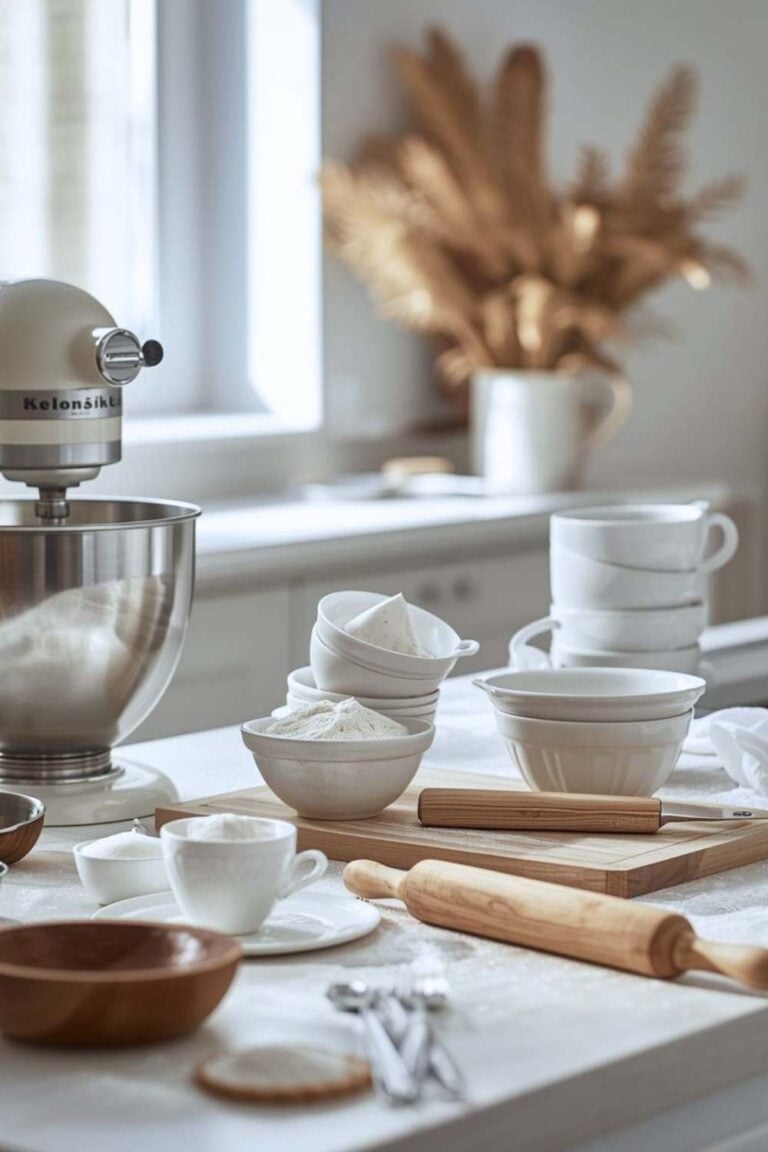
If you love aesthetic cakes and baking setups, check out:
- Aesthetic Baking Setup Ideas For Beginners
- Dream Baking Kitchen Inspiration (Pinterest-Worthy Setup)
- Baking Flat Lay Ideas For Instagram & Pinterest
3. Bread Flour
Bread flour contains higher protein than all-purpose flour, usually around 12% to 14%.
This higher protein creates more gluten, giving bread its chewy texture and structure.
When to Use Bread Flour
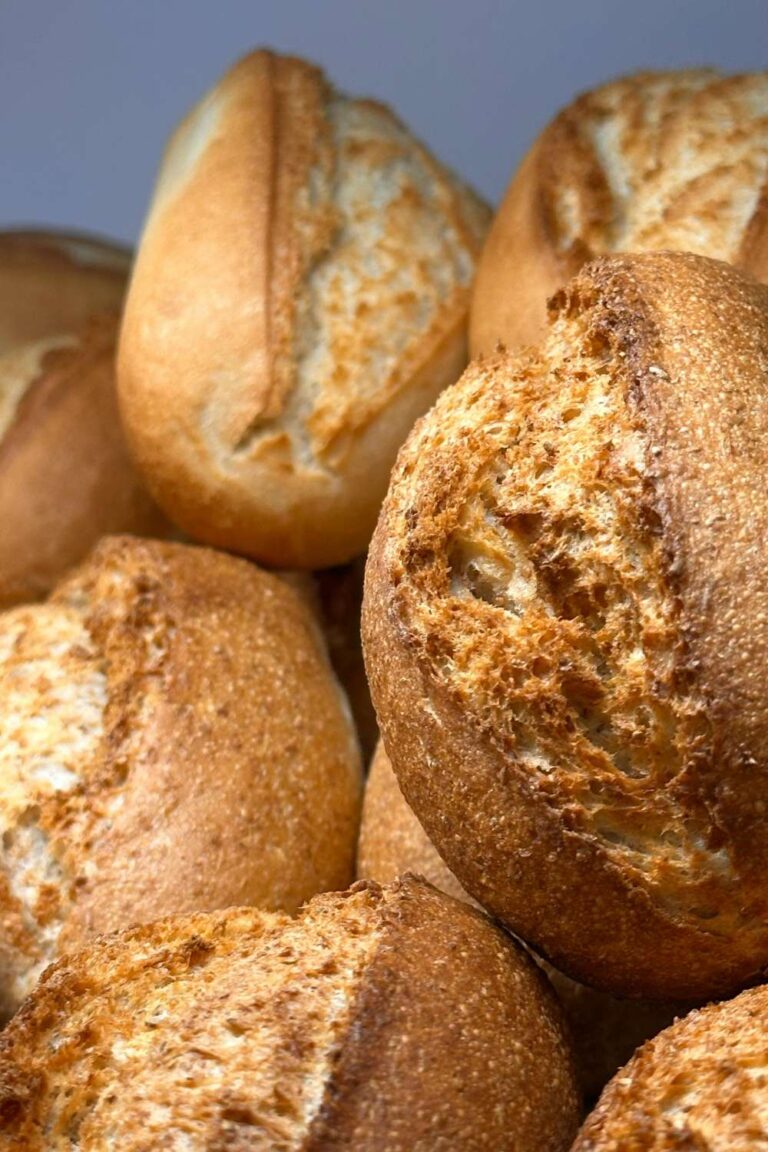
Bread flour is commonly used for sandwich bread, artisan bread, pizza dough, cinnamon rolls, bagels, pretzels, and brioche. The extra protein helps the dough become stretchy and elastic while producing a chewy and satisfying texture.
Why Bread Flour Works Best
Bread flour helps dough:
- Stretch better
- Hold air bubbles
- Rise properly
- Develop chewy texture
Beginner Tip
Kneading is very important when using bread flour. Learn more in Baking Terms Explained (Fold, Cream, Knead & More For Beginners).
4. Self-Rising Flour
Self-rising flour already contains:
- Baking powder
- Salt
This makes it convenient for quick recipes.
When to Use Self-Rising Flour
Self-rising flour is best for biscuits, pancakes, quick breads, scones, and simple cakes that need a convenient leavening boost without adding separate baking powder.
Important Warning
Do not substitute self-rising flour directly unless the recipe is designed for it.
Using it incorrectly can make baked goods rise too much or taste salty.
5. Whole Wheat Flour
Whole wheat flour is made from the entire wheat kernel, including:
- Bran
- Germ
- Endosperm
It contains more nutrients and fiber than white flour.
When to Use Whole Wheat Flour
Whole wheat flour works well for healthy bread, muffins, banana bread, pancakes, and healthier cookie recipes. It adds a nutty flavor and extra fiber to baked goods.
Texture Difference
Whole wheat flour creates denser baked goods because the bran cuts through gluten development.
Beginner Tip
Try replacing only half of the white flour with whole wheat flour at first.
6. Pastry Flour
Pastry flour falls between cake flour and all-purpose flour in protein content.
It creates tender baked goods while still providing some structure.
When to Use Pastry Flour
Pastry flour is ideal for pie crusts, tarts, danishes, croissants, muffins, and soft cookies because it creates tender and flaky baked goods.
Why Pastry Flour Is Great
It helps create:
- Flaky texture
- Tender pastries
- Soft baked goods
7. Gluten-Free Flour
Gluten-free flour is made without wheat. Common varieties include:
- Rice flour
- Almond flour
- Coconut flour
- Oat flour
- Gluten-free baking blends
When to Use Gluten-Free Flour
Gluten-free flour is used for gluten-free cakes, cookies, pancakes, and bread recipes. Many bakers rely on ready-made gluten-free baking blends for easier results.
Important Baking Tip
Gluten-free flour behaves differently from regular flour.
Most recipes require:
- Xanthan gum
- Extra eggs
- More moisture
Best Beginner Option
Use a “1:1 gluten-free baking flour blend” for easier results.
8. Almond Flour
Almond flour is made from finely ground almonds.
It is naturally gluten-free and low in carbohydrates.
When to Use Almond Flour
Almond flour is excellent for macarons, gluten-free cakes, cookies, keto desserts, and tart crusts because it creates rich and moist textures.
Texture Notes
Almond flour creates moist and rich baked goods.
However, it does not behave like wheat flour, so recipes must be adjusted carefully.
9. Coconut Flour
Coconut flour is made from dried coconut meat.
It absorbs a lot of liquid and cannot be substituted directly for regular flour.
When to Use Coconut Flour
Coconut flour is commonly used for keto baking, paleo recipes, and gluten-free desserts. It absorbs a large amount of liquid, so recipes must be carefully balanced.
Important Tip
A little coconut flour goes a long way.
Most recipes need additional eggs and liquid.
10. Oat Flour
Oat flour is made from ground oats.
It creates soft and slightly chewy baked goods.
When to Use Oat Flour
Oat flour is perfect for pancakes, muffins, cookies, and healthier cake recipes. It creates soft baked goods with a slightly hearty texture.
Easy DIY Option
You can make oat flour at home by blending rolled oats.
Best Flour for Different Baked Goods
Best Flour for Cakes
The best flour for cakes is:
- Cake flour
- All-purpose flour
Cake flour gives softer and fluffier results.
Best Flour for Bread
The best flour for bread is bread flour because of its high protein content.
Best Flour for Cookies
All-purpose flour works best for most cookies.
For softer cookies, pastry flour is also excellent.
Best Flour for Pastries
Pastry flour is ideal because it creates flaky texture.
Can You Substitute Different Flours?
Sometimes yes — but not always.
Here are simple beginner guidelines.
| Replace | With | Result |
|---|---|---|
| Cake Flour | All-Purpose Flour | Slightly denser cakes |
| Bread Flour | All-Purpose Flour | Less chewy bread |
| Whole Wheat Flour | All-Purpose Flour | Lighter texture |
| Almond Flour | Wheat Flour | Not direct substitute |
Always expect slight texture differences.
How to Store Flour Properly
Proper flour storage helps maintain freshness and prevents bugs.
Best Storage Tips
- Store in airtight containers
- Keep in cool dry places
- Avoid moisture exposure
- Label expiration dates
Whole wheat and nut flours should often be refrigerated because of natural oils.
Read more in How to Store Baked Goods to Keep Them Fresh Longer.
Common Flour Mistakes Beginners Make
1. Scooping Flour Incorrectly
Scooping directly with a measuring cup packs flour too tightly.
Instead:
- Spoon flour into the cup
- Level with a knife
2. Using the Wrong Flour Type
Cake flour and bread flour are not interchangeable.
Using the wrong one changes texture completely.
3. Overmixing Dough
Too much mixing develops excess gluten.
This creates:
- Tough cakes
- Dense muffins
- Chewy cookies
4. Ignoring Measurements
Baking requires precision.
Use digital scales whenever possible.
5. Not Reading Recipes Carefully
Some recipes specifically depend on certain flour types.
Budget Baking Tips for Beginners
You do not need to buy every flour immediately.
Start with:
- All-purpose flour
- Bread flour
- Cake flour
These three cover most beginner baking recipes.
Also read:
- Essential Baking Tools Every Home Baker Needs (with budget options)
- Cute Baking Supplies You Didn’t Know You Needed
- Baking Station Organisation Ideas That Will Transform Your Kitchen
Flour Tips for Home Baking Businesses
Choosing the right flour can significantly improve the quality of your baked goods and increase customer satisfaction. In a baking business, consistency matters just as much as taste, and flour plays a major role in both.
Different flours create different results. For example, cake flour produces soft, fluffy cakes, while bread flour gives structure and chewiness. All-purpose flour is a versatile option for cookies, muffins, and everyday baking. Understanding these differences helps you deliver consistent products that customers can trust.
If you plan to start selling baked goods, here are helpful guides to support your journey:
Using the right flour is a simple but powerful step toward improving your baking results and building a successful home baking business.
Frequently Asked Questions About Baking Flour
1. Which flour is best for beginners?
All-purpose flour is the best flour for beginners because it works for many recipes including cakes, cookies, pancakes, muffins, and quick breads. It is affordable, easy to find, and flexible enough for everyday baking.
2. Can I use all-purpose flour instead of cake flour?
Yes, you can use all-purpose flour instead of cake flour, but the texture may be slightly denser. Cake flour contains less protein, which helps cakes become softer and lighter.
3. Which flour makes bread chewy?
Bread flour makes bread chewy because it contains more protein and forms stronger gluten. This gives bread structure and elasticity.
4. What flour is healthiest?
Whole wheat flour is often considered one of the healthiest baking flours because it contains more fiber, vitamins, and minerals than white flour.
5. Does flour expire?
Yes, flour can expire. Whole wheat flour and nut-based flours spoil faster because of their natural oils. Always store flour properly and check for strange smells before baking.
6. Can I mix different flours together?
Yes. Many bakers mix flours to improve flavor and texture. For example, combining all-purpose flour with whole wheat flour can make baked goods healthier while still keeping them soft.
7. Why are my cakes dense and heavy?
Dense cakes are often caused by using the wrong flour, overmixing the batter, or measuring flour incorrectly. Cake flour usually produces softer and fluffier cakes.
8. What is the difference between bread flour and all-purpose flour?
Bread flour has higher protein content than all-purpose flour. This helps create stronger gluten, making bread chewy and elastic.
9. Is gluten-free flour healthier?
Not always. Gluten-free flour is necessary for people with gluten intolerance or celiac disease, but it is not automatically healthier than regular flour.
10. Which flour is best for cookies?
All-purpose flour is the most common flour for cookies because it creates balanced texture. Pastry flour can also be used for softer cookies.
Additional Baking Flour Tips Every Beginner Should Know
Always Read the Recipe Carefully
Different baking recipes are carefully designed around specific flour types. Even small changes can affect texture, rise, and flavor. Before substituting flour, always understand why the original recipe uses that particular type.
For example, bread recipes rely on strong gluten formation, while cake recipes require soft and delicate structure. This is why professional bakers are very intentional about the flour they choose.
Learn How Flour Affects Texture
One of the easiest ways to improve your baking is by paying attention to texture. Flour plays a major role in whether your baked goods become:
- Soft
- Dense
- Chewy
- Crispy
- Flaky
- Moist
- Dry
Once you understand the connection between flour and texture, baking becomes much easier.
Invest in Proper Baking Storage
Flour can absorb odors and moisture from the kitchen environment. Investing in airtight storage containers helps maintain freshness for longer periods.
Clear containers also make your baking station look cleaner and more organized, especially if you enjoy aesthetic kitchen setups.
Experiment With Different Flour Blends
Many experienced bakers mix different flours together for better texture and flavor.
For example:
- Combining all-purpose flour with whole wheat flour creates healthier bread with softer texture.
- Mixing cake flour with all-purpose flour can improve cake softness.
- Combining gluten-free flour blends often improves structure.
Experimenting with flour combinations can help you create unique recipes and better baking results.
Flour Quality Matters
Higher-quality flour often produces better baking results because it is milled more consistently. While budget-friendly flour works well for beginners, premium flour brands can improve texture and consistency in advanced baking.
Practice Makes Baking Easier
Many beginners become discouraged after a few baking mistakes, but baking is a skill that improves with practice. The more recipes you try, the easier it becomes to recognize how different flours behave.
Even professional bakers continue learning and experimenting with ingredients.
Final Thoughts
Learning the different types of baking flour and when to use them can completely transform your baking results. Flour is not just a basic ingredient — it determines the texture, softness, structure, and overall quality of your baked goods.
When beginners first start baking, it is easy to feel overwhelmed by the many flour options available in stores. However, once you understand protein levels and how each flour behaves, choosing the right flour becomes much easier.
All-purpose flour is the best starting point because it works for many recipes. As your baking skills improve, you can experiment with cake flour for softer cakes, bread flour for chewy bread, pastry flour for flaky pastries, and specialty flours for healthier or gluten-free recipes.
Remember that baking is part science and part creativity. Small ingredient changes can create completely different textures and flavors. The more you practice, the more confident you will become in selecting the perfect flour for every recipe.
If you are building a home bakery, creating content for Pinterest, or planning to turn baking into a business, understanding flour is one of the most important foundational skills you can learn.
Keep experimenting, keep learning, and most importantly, enjoy the baking process.
Whether you are making fluffy birthday cakes, artisan bread, chewy cookies, or healthy muffins, choosing the right flour will help you achieve better and more professional results every time.