Why Your Cakes Keep Failing (and How to Fix Them)
Disclosure: Some of the links in this post are affiliate links. This means if you click on the link and purchase an item, I will receive an affiliate commission at no extra cost to you.
You followed the recipe. You measured everything. You did exactly what it said. And yet the cake came out sunk in the middle, stuck to the pan, dense as strong as a brick, or tasting different. Have you been experiencing this?
Cake failures are genuinely one of the most frustrating experiences in baking — mostly because they happen after so much effort and anticipation. You can’t just adjust on the fly the way you can with cooking. By the time you know something has gone wrong, the cake is already out of the oven.
Check this guide: Common Baking Mistakes and How to Fix Them Fast
The good news: almost every common cake problem has a specific, identifiable cause — and once you know what it is, fixing it is straightforward. This post on why your cakes keep failing (and how to fix them) goes through the most frequent reasons cakes fail, explains exactly why each problem happens, and tells you precisely what to do differently next time.
Let’s dive right into it.
Why Your Cakes Keep Failing (and How to Fix Them)
Let’s take a look at the problems
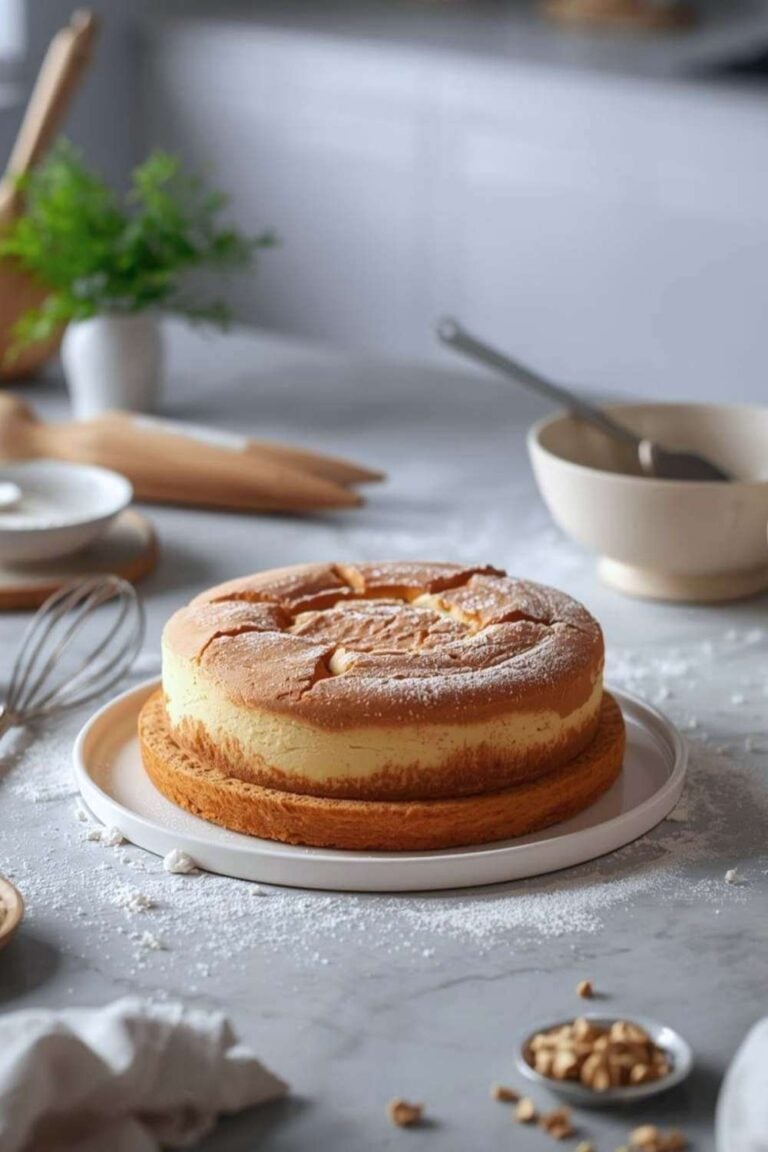
1. Your Cake Sinks in the Middle
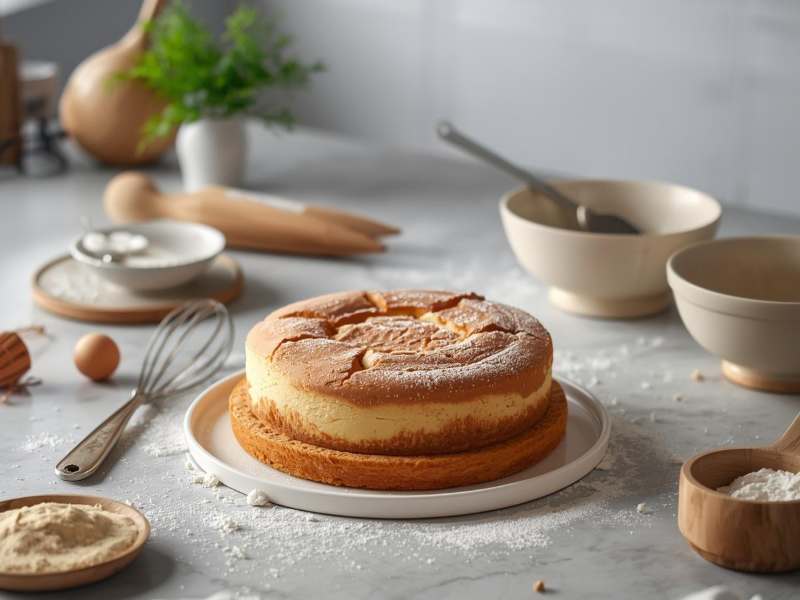
Why Your Cake Is Sinking and How to Stop It
A sunken middle is one of the most common cake problems beginners face, and it has several possible causes. The good news is that it’s almost entirely preventable once you know what to look for.
1. Too Much Leavening
This is counterintuitive but true: too much baking powder or bicarbonate of soda causes a cake to rise too fast in the oven. The structure can’t keep up with the rapid expansion, so the centre rises quickly and then collapses before it has set. The result is a sunken middle and sometimes a cracked top.
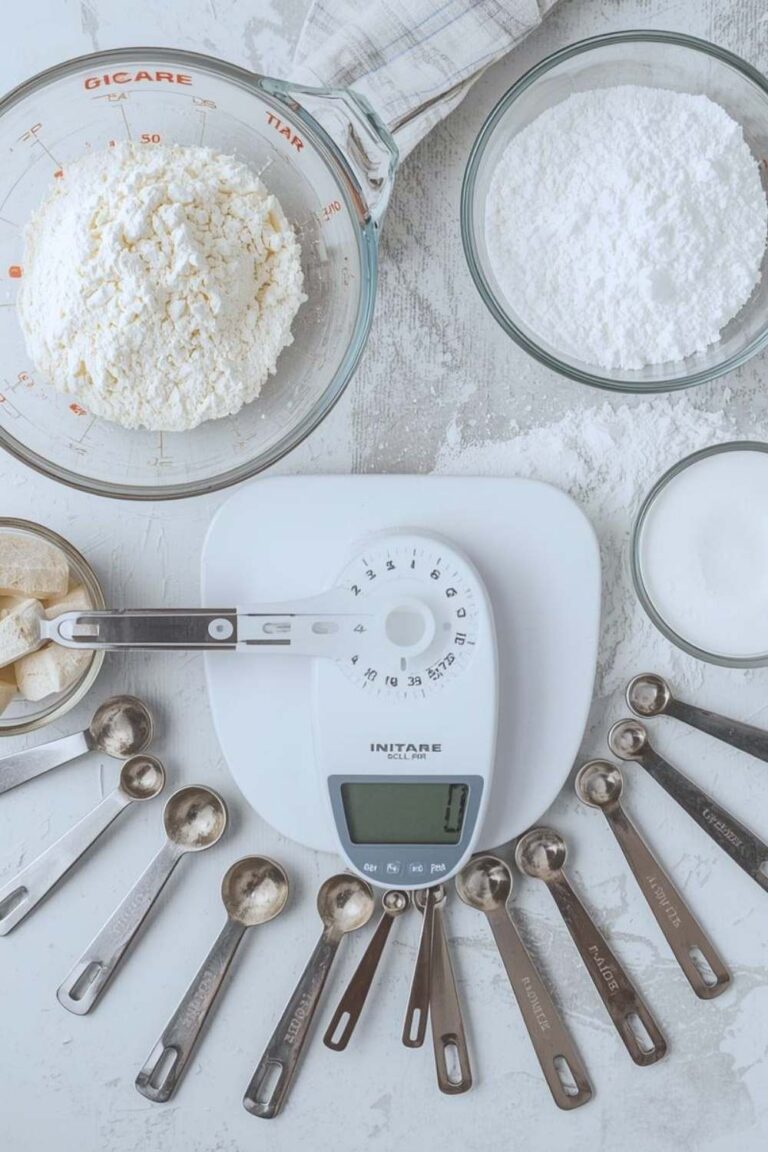
How to fix: Always measure leavening agents with proper measuring spoons and level them off precisely. Never estimate or “add a bit extra for good measure.” More leavening does not mean more rise — it means a faster rise and a subsequent collapse.
2. Opening the Oven Door Too Early
This one is worth repeating every time cake failures come up: opening the oven door during the first two-thirds of baking lets heat escape and can cause a rapid temperature drop. The cake, which has been rising steadily, is suddenly exposed to cooler air before the structure has set — and it sinks.
How to fix: Do not open the oven door until at least the minimum baking time stated in the recipe. Use your oven light and look through the glass. If your oven doesn’t have a window, use your nose — when the kitchen smells properly of baked cake, you’re close. Only then open the door to test.
This is worth a look: The Ultimate Beginners Guide to Baking (Everything You Need To Know to Start)
3. Underbaking
A cake that looks done on top but hasn’t fully baked through will sink as it cools. The exterior sets in the oven but the uncooked centre collapses once it cools and the steam trapped inside releases.
How to fix: Always test your cake before calling it done. Insert a skewer or cake tester into the very centre of the cake — not near the edge, which always cooks first. If it comes out with wet batter, the cake needs more time. If it comes out clean or with a few moist crumbs, it’s done.
4. Batter Was Too Wet
If the batter has too much liquid relative to the dry ingredients and fat, it can’t hold its risen structure and sinks in the middle as it cools.
How to fix: Measure liquid ingredients carefully, especially milk and other dairy. Adding extra liquid “to loosen the batter” is a common mistake that creates more problems than it solves.
2: Your Cake Is Dense and Heavy
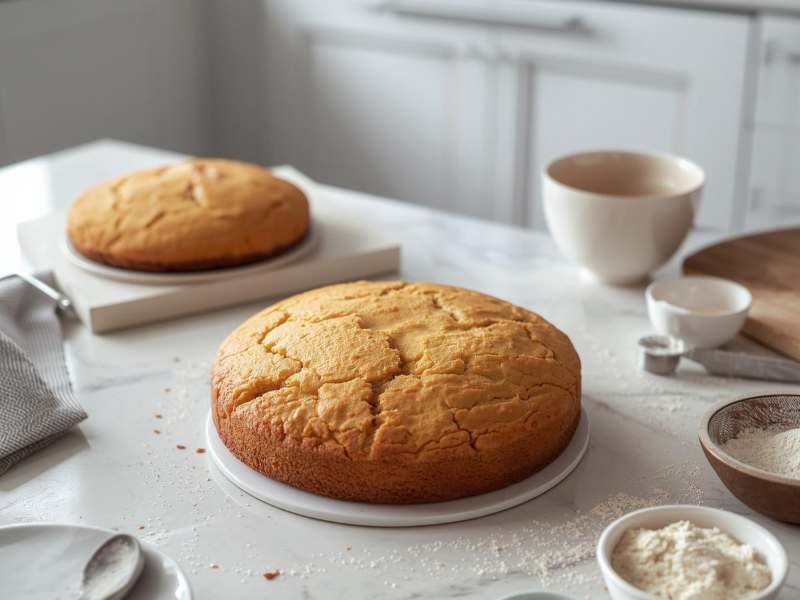
Why Your Cake Has No Lift and What to Change
A dense, heavy cake is usually the result of one of a few specific issues — and most of them come back to either the fat, the leavening, or the mixing process.
1. Butter Was Too Cold
Cold butter doesn’t cream. When you beat cold butter with sugar, instead of forming a light, fluffy, aerated mixture, it stays dense and lumpy. Those air bubbles that creaming creates are crucial for a light cake — without them, the cake has no lift and ends up heavy.
How to fix: Always start with butter at room temperature. It should leave a clean indentation when you press it with your finger, but not feel greasy or slick. Take it out of the fridge at least 30–60 minutes before you start baking.
2. Not Creaming Long Enough
Even with room-temperature butter, under-creaming is one of the most common causes of dense cakes. Most bakers stop creaming far too early. The mixture should be visibly pale almost white noticeably increased in volume, and genuinely fluffy before you add anything else.
How to fix: Cream for a minimum of 4–5 minutes on medium-high speed. Set a timer. Watch for the colour to change from yellow to very pale cream. The volume should increase significantly. This step is where the lightness of your cake is built — don’t rush it.
3. Too Much Flour
Too much flour is one of the most common reasons cakes end up dense, dry, and heavy. It almost always comes down to how flour is measured. Scooping directly from the bag with a measuring cup packs flour in and gives you 20–30% more than you need.
How to fix: Spoon flour into the measuring cup and level off with a flat edge. Or — the better solution — use a kitchen scale and weigh your flour in grams. 120g of all-purpose flour is always exactly 120g, regardless of how it’s been stored or handled.
4. Eggs Added Too Quickly
Adding cold eggs too quickly to creamed butter can cause the batter to curdle — the fat and liquid separate, and the emulsion breaks down. A curdled batter traps less air and produces a denser, sometimes gummy cake.
How to fix: Use room temperature eggs and add them one at a time, beating well after each addition before adding the next. If the batter starts to look slightly curdled, add a tablespoon of flour from your measured amount before adding the next egg — this usually brings it back together.
3. Your Cake Is Dry
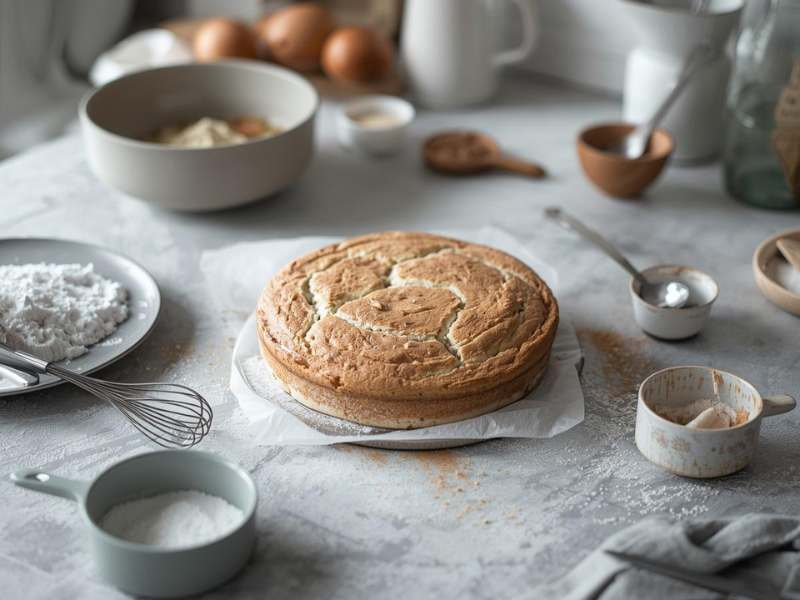
How to Stop Your Cakes From Coming Out Dry
A dry cake is almost always caused by one of three things: too much flour, not enough fat or liquid, or overbaking.
1. Overbaking
This is the most common cause of dry cakes by far. Cakes continue to cook for a short while after they come out of the oven due to residual heat. If you bake until the cake feels completely firm in the centre and the skewer comes out completely dry, you’ve probably already overbaked it.
How to fix: Pull the cake when the skewer comes out with just a few moist crumbs. The very centre should still have a slight spring but feel mostly set. It will finish setting as it cools.
Also: know your oven. If your oven runs hot (a cheap oven thermometer will tell you this), reduce your baking temperature accordingly. A 25°F / 15°C difference in oven temperature has a significant effect on baking time.
2. Too Much Flour
Yes, too much flour causes both density and dryness. Flour absorbs moisture from the batter, and excess flour means excess absorption — leaving the finished cake dry and sometimes crumbly.
How to fix: Same as above — measure carefully or weigh. This single change solves an enormous number of cake problems.
3. Not Enough Fat
Fat keeps cakes moist. If a recipe calls for a specific amount of butter or oil and you reduce it, or make a substitution that lowers the fat content, the cake will be noticeably drier.
How to fix: Follow the recipe’s fat quantities precisely. If you want to reduce fat in a recipe, understand that it will affect texture and either be prepared for a slightly drier result or research a specific low-fat cake recipe designed to compensate for the reduced fat through other means.
4. Your Cake Is Stuck to the Pan
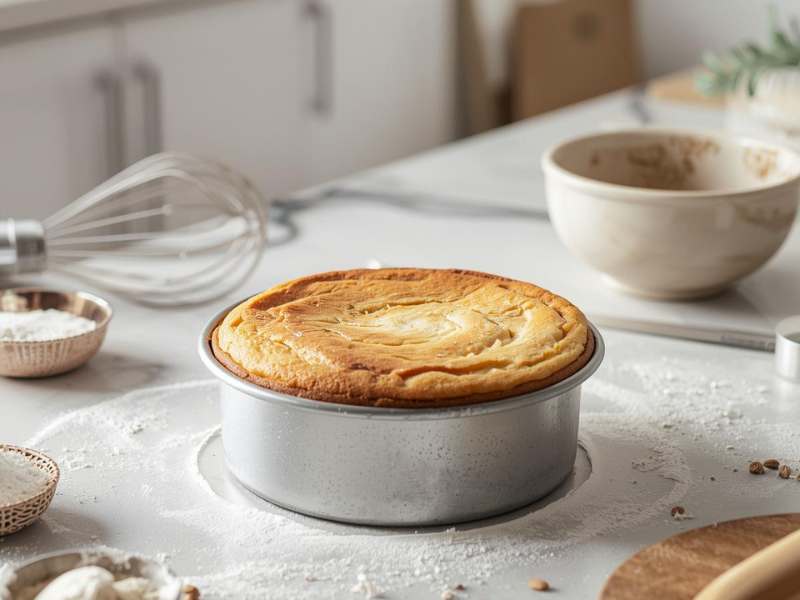
Why Cakes Get Stuck and How to Prevent It
A cake that won’t release from the pan is a heartbreaking problem — especially after all the effort of baking it. But it’s almost entirely preventable with proper pan preparation.
1. Not Greasing Properly
The most common cause. If butter or oil doesn’t reach every surface of the pan — corners, edges, the crease where the side meets the base — the batter makes contact with bare metal and sticks.
The fix: Grease the pan thoroughly with softened butter using a piece of folded parchment, a pastry brush, or your fingers. Then add a spoonful of flour, tilt and shake the pan to coat every surface, and tap out any excess. This butter-and-flour coating is reliable for most cakes.
For extra insurance, line the base of the pan with a circle of parchment paper cut to fit. For loaf cakes and brownies, line the pan completely with a sheet of parchment paper that hangs over the sides — this gives you handles to lift the cake out cleanly.
2. Trying to Remove the Cake Too Early
A warm cake is fragile. Its structure is still setting as it cools, and trying to remove it from the pan too soon — while it’s still hot — almost always causes it to break or stick. Even if the pan is perfectly greased, hot cakes need time to firm up before they’ll release cleanly.
How to fix: Cool the cake in the pan for at least 15–20 minutes before attempting to turn it out. Then run a thin knife or spatula around the edge of the cake to loosen it, place a cooling rack on top, flip the whole thing, and the cake should release cleanly. If it doesn’t, give it another few minutes and try again.
3. Using a Dark, Scratched, or Warped Pan
Dark non-stick pans absorb more heat and cause the cake to bake (and sometimes overbrown) faster on the outside. Scratched non-stick pans lose their non-stick properties in the damaged areas. Warped pans don’t sit flat, causing uneven baking.
You may find this helpful: Essential Baking Tools Every Home Baker Needs (with budget options)
How to fix: Use light-coloured aluminium pans for most cakes. If using a dark pan, reduce the oven temperature by 10–15°C / 25°F. Replace non-stick pans once the coating is scratched or flaking — scratched non-stick isn’t just ineffective, it’s something you probably don’t want in your food.
5. Your Cake Has a Domed or Cracked Top
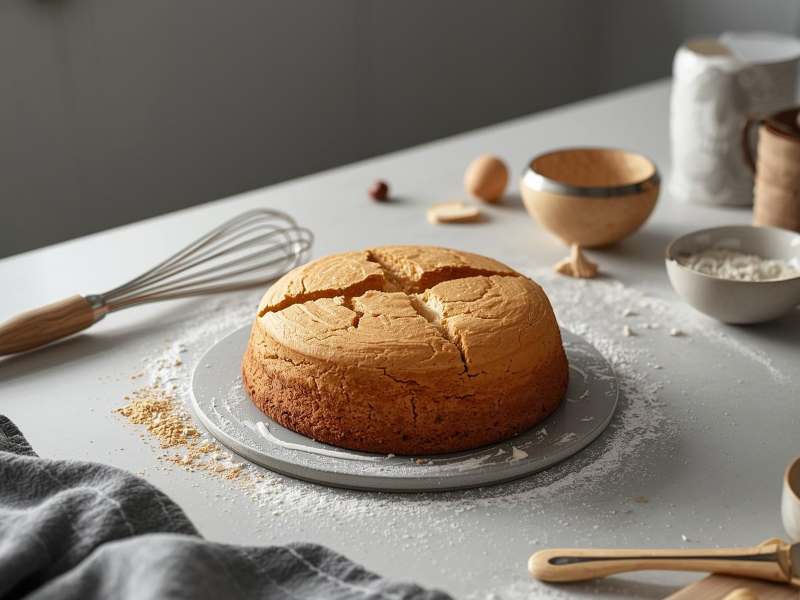
Why Cakes Dome and How to Get a Flat Top
A domed or cracked cake top is very common and usually comes down to oven temperature and how quickly the outside of the cake sets.
1. Oven Temperature Too High
When the oven is too hot, the outside of the cake sets too quickly — before the centre has finished rising. The centre then pushes upward through the set crust, creating a dome or crack.
How to fix: Reduce your oven temperature by 10–15°C / 25°F and bake for slightly longer. A slower, lower bake gives the cake time to rise evenly before the crust sets.
2. Too Much Leavening (Again)
Excess baking powder causes an overly rapid, uneven rise that often results in cracking at the top. The cake rises too fast in the centre before the batter around it has time to catch up.
How to fix: Measure leavening agents precisely every time. Level off your measuring spoon with a straight edge.
3. Cake Strips
A useful trick for getting flat-topped cakes is using cake strips — strips of wet fabric wrapped around the outside of the pan before baking. They insulate the edges of the pan so the outside of the cake bakes at a similar rate to the centre, resulting in a more even rise and flatter top.
Reusable cake strips are inexpensive and work well. You can also make a DIY version by dampening strips of old towelling and wrapping them around your pan — the principle is the same.
6: Your Cake Tastes Odd or Flat
Why Your Cake Doesn’t Taste Right
Getting the texture right is one thing. Getting the flavour right is another.
1. Too Much Bicarbonate of Soda
Bicarbonate of soda has a distinctly metallic, almost soapy taste when used in excess. This taste comes through clearly in the finished cake and is one of the most unpleasant results of over-measuring leavening agents.
How to fix: Measure baking soda with precise measuring spoons and level off every time. If your baked goods have a consistently soapy or metallic aftertaste, leavening is almost certainly the cause.
2. No Salt
Salt is one of those ingredients that seems skippable in sweet recipes but absolutely isn’t. Salt enhances every other flavour in the cake and balances sweetness. A cake without salt tastes flat and one-dimensional — sweet, but not interesting.
How to fix: Always include the salt in a recipe, even if the amount seems tiny. Even ¼ teaspoon makes a noticeable difference.
3. Low-Quality Vanilla
If your vanilla tastes artificial or your cake has a faintly chemical sweetness, the culprit is often imitation vanilla extract. Imitation vanilla is made from synthetic vanillin and lacks the depth and complexity of real vanilla.
How to fix: Use pure vanilla extract made from real vanilla beans. It costs more, but you use small amounts and the difference in flavour is significant.
4. Old Leavening Agents
Baking powder and bicarbonate of soda don’t last forever. Old leavening agents lose their potency and your cake won’t rise properly — resulting in a dense, flat cake that also often tastes slightly off.
How to fix: Test your baking powder by dropping a teaspoon into hot water. If it fizzes actively, it’s still good. If nothing much happens, replace it. As a rule, replace baking powder and bicarbonate of soda every 6–12 months.
7.Your Cake Has Tunnels or a Coarse, Uneven Crumb
Why Your Cake Has Large Air Pockets Inside
Large, irregular holes or tunnels running through the crumb of your cake are almost always caused by overmixing.
When you add flour to a creamed batter and mix beyond the point of combination, you develop excess gluten. That gluten makes the batter tight and causes trapped air to form irregular pockets rather than distributing evenly through the batter.
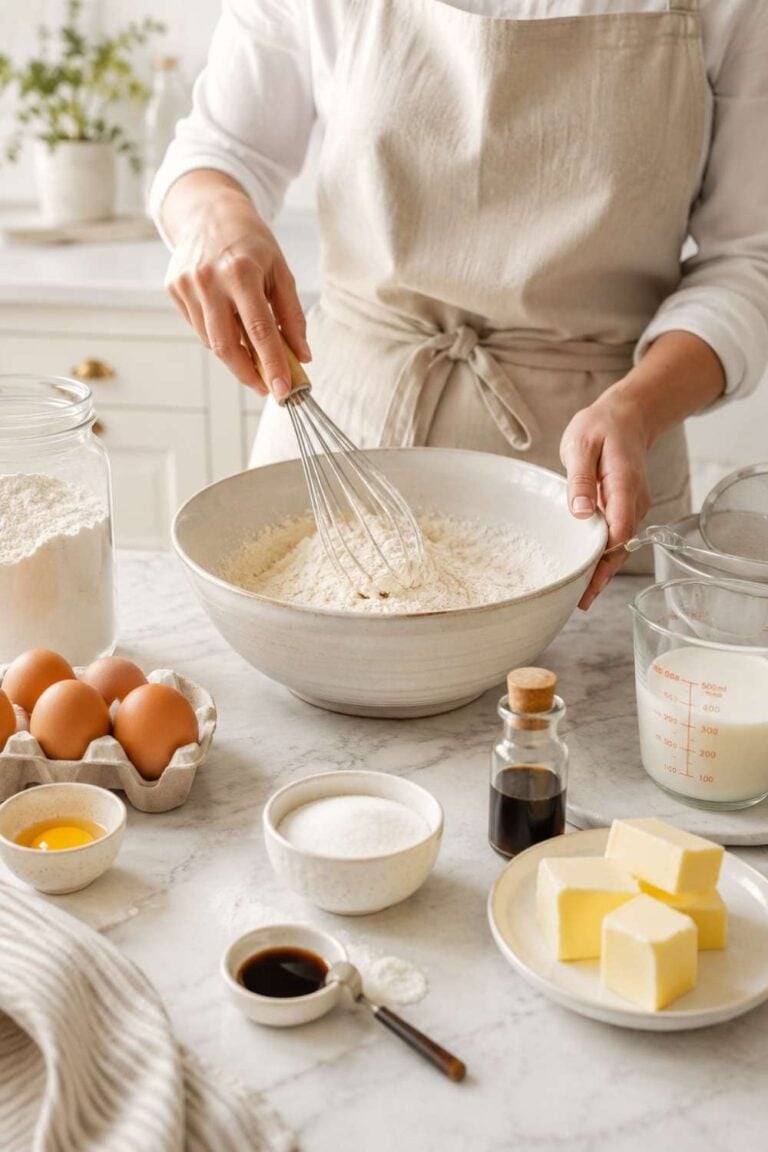
How to fix: Once the flour goes in, mix as little as possible. Fold it in gently with a spatula rather than using an electric mixer, or switch to the lowest speed on your mixer and stop the moment you no longer see streaks of flour. A few small lumps in the batter are fine — they’ll disappear in the oven.
A Quick Cake Reference Guide to Cake Problems
Sinking in the middle: Too much leavening / oven door opened too early / underbaked / batter too wet.
Dense and heavy: Under-creamed butter / butter too cold / too much flour / eggs added too quickly.
Dry crumb: Overbaked / too much flour / not enough fat.
Stuck to the pan: Insufficient greasing / removed from pan too early / damaged pan.
Domed or cracked top: Oven too hot / too much leavening.
Metallic or soapy taste: Too much bicarbonate of soda.
Flat, one-dimensional flavour: Missing or insufficient salt / imitation vanilla / old leavening agents.
Tunnels in the crumb: Overmixed after flour was added.
Pale, uncoloured surface: Oven temperature too low / baked on wrong rack / pan too light.
Burning on the bottom: Oven temperature too high / dark pan / baking on too low a rack.
Final Thoughts
Cake failures are frustrating in the moment, but every single one of them tells you something useful. Was it dense? You now know to cream longer and check your flour measurement. Did it sink? You’ll check your leavening and resist opening the oven door. Is it dry? You’ll check your oven temperature and pull it slightly earlier next time.
The difference between a baker who keeps failing and one who keeps improving isn’t talent. It’s whether they stop to understand why something went wrong. Now you have the knowledge to do exactly that.
Your next cake will be better. Your one after that, better still.