What You Need to Start Selling Cakes From Home
Disclosure: Some of the links in this post are affiliate links. This means if you click on the link and purchase an item, I will receive an affiliate commission at no extra cost to you.
Selling cakes from home is one of those ideas that lives in the back of many home bakers’ minds for a long time before they do anything about it. You know your cakes are good. People tell you they’re good. You’ve been gifting them for years and everyone keeps suggesting you should sell them.
So what’s actually stopping you?
For most people, it’s not the baking, it’s the uncertainty around everything else. What are the legal requirements for selling cakes from home? What equipment do you actually need? How do you price your baked goods? How do you find customers? How do you make the leap from baking for fun to running a real home cake business?
This post answers all of that. Whether you’re completely new to selling cakes from home or you’ve already started taking informal orders and want to set things up properly, this is your complete practical guide to what you need — legally, practically, and operationally — to start selling cakes from home with confidence.
Is Selling Cakes From Home Legal?
This is almost always the first question people have when they consider selling homemade cakes, and it’s the right one to start with. The short answer is yes — selling cakes from home is legal in most places, but there are specific requirements you need to meet before you start taking paid orders. Skipping this step isn’t just a legal risk,
it’s a reputational one too. Getting set up properly from the beginning means you can sell with confidence.
1. Register as a Food Business
Most countries and regions require anyone selling food from home to register as a food business with their relevant local authority before they start selling. In most cases this registration is free or very low cost, is done online, and needs to be completed a set number of days before you begin trading. Your home kitchen doesn’t need to be a commercial setup — domestic kitchens are widely accepted for small home food businesses — but registering puts you on the official record as a legitimate food seller and means you’re operating within the law.
Check what your local authority requires, complete the registration, and keep a copy of your confirmation. It takes very little time and is one of the simplest foundations you can put in place for your home cake selling business.
2. Complete a Food Hygiene Certification
Alongside registration, most regions expect anyone selling food to hold a basic food hygiene or food safety qualification. These courses are widely available online, take just a few hours to complete, cost very little, and cover the essential principles of safe food handling, storage, temperature control, and hygiene practices.
Even where it isn’t strictly mandatory, having a food hygiene certificate is worth doing. It demonstrates to customers and any inspecting authority that you understand safe food handling practices — and it genuinely teaches you things that make your home cake business safer and more professional. It’s a small investment that signals you take your home cake selling business seriously.
3. Understand Your Cottage Food or Home Food Business Rules
Many regions have specific frameworks often called cottage food laws or home food business regulations — that govern exactly what home bakers are and aren’t permitted to sell, where they can sell it, and sometimes how much they can earn annually before additional licences are required. These rules exist specifically for small home food operations and are generally designed to be accessible rather than prohibitive.
The specifics vary depending on where you live, so it’s worth spending an hour researching the exact rules in your area before you start selling cakes from home. Key things to look into: whether certain cake types (such as cream-filled or custard-based items) fall under different rules, whether there are restrictions on selling cakes from home online versus in person, and whether there are any income thresholds that trigger additional requirements.
Selling cakes from home is accessible and achievable from a legal standpoint for most people. The requirements that exist — registration, food hygiene certification, understanding your local rules are not designed to be barriers. They’re designed to ensure that anyone buying food from a home baker is protected.
To achieve selling cakes from home, do the research for your specific location, complete the necessary steps, and you’ll have a solid, legitimate foundation for your home cake selling business before your first order is even placed.
Food Safety and Hygiene Requirements for Selling Cakes From Home
Meeting legal registration requirements is the minimum. Running a home cake selling operation with genuine food safety standards is what protects your customers, your reputation, and your business.
1. Your Kitchen Must Be Clean and Food-Safe
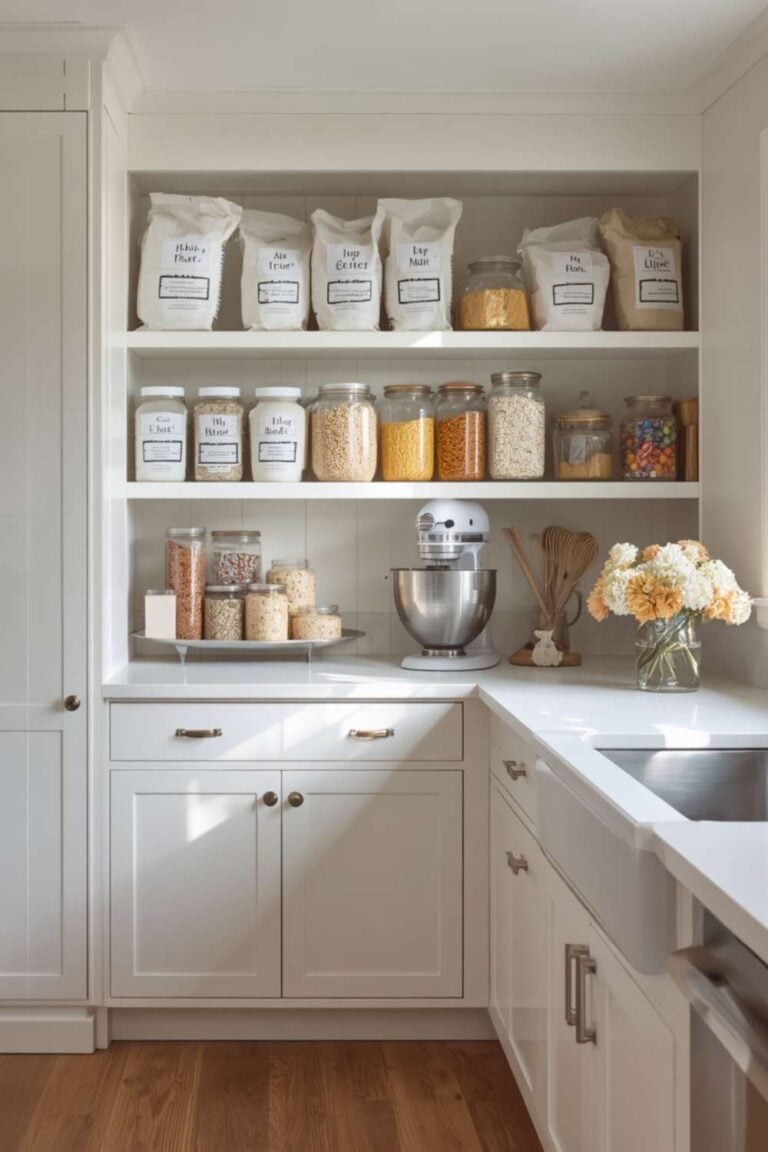
When you’re selling cakes from home, your domestic kitchen is your production environment. This means maintaining a higher standard of cleanliness than you might for personal cooking. Surfaces should be clean and sanitized before every baking session. Ingredients should be stored properly sealed, labelled, off the floor. Raw and ready-to-eat ingredients should be kept separate.
Pin this guide: Baking Station Organization Ideas
If you have pets, they should be kept out of the kitchen during food production. Cross-contamination from pet hair is a real concern in a home cake business and something food safety inspectors specifically check for.
2. Temperature Control
Cakes containing dairy-based fillings, cream cheese frosting, fresh fruit, or custard must be kept refrigerated and have a shorter shelf life than shelf-stable cakes. Understanding which of your cakes require temperature control — and communicating this clearly to customers — is part of running a safe home cake selling operation.
3. Allergen Management
Allergen management is one of the most critical aspects of selling cakes from home. In most countries, you are legally required to provide clear information about the 14 major allergens present in your cakes. This means knowing exactly what’s in every recipe, being able to communicate it clearly on labels or verbally, and being honest about the limitations of your home environment (cross-contamination risk from nuts, gluten, etc.).
Do not claim your cakes are “free from” an allergen unless your kitchen is genuinely set up to prevent cross-contamination. Vague or inaccurate allergen information is one of the most serious risks in a home cake business — for your customers and for you.
Essential Equipment for a Home Cake Selling Business
You don’t need a commercial kitchen worth of equipment to start selling cakes from home, but you do need equipment that’s reliable, sufficient for your production volume, and capable of producing consistent results.
1. Baking Equipment Essentials
Stand mixer. For a home cake business producing regular orders, a stand mixer is essential rather than optional. A hand mixer doesn’t hold up to the volume, and inconsistent mixing affects your results. A quality stand mixer is one of the best investments you’ll make when selling cakes from home.
Reliable oven. Your oven is your most critical piece of equipment. If it runs hot or cold, your cakes will be inconsistent. An oven thermometer (inexpensive and very useful) tells you your actual oven temperature so you can adjust accordingly. If your oven is unreliable or too small for your production needs, upgrading is worth prioritising as your home cake business grows.
Cake tins in multiple sizes. A home cake selling operation needs round tins in at least 6-inch and 8-inch sizes, a square tin, and a loaf tin as a minimum starting kit. Investing in good quality, light-coloured aluminium tins produces better, more consistent results than cheap, dark non-stick tins.
Digital kitchen scale. Every cake you sell must be made to exactly the same standard every time. Weighing ingredients in grams is the only way to guarantee this consistency. A digital scale is non-negotiable for selling cakes from home professionally.
Cooling racks. Multiple cooling racks allow you to cool several layers or batches at once — important when you’re producing multiple orders.
2. Decorating Equipment
The decorating equipment you need depends on the style of cakes you’re selling from home. At minimum, most home cake businesses need:
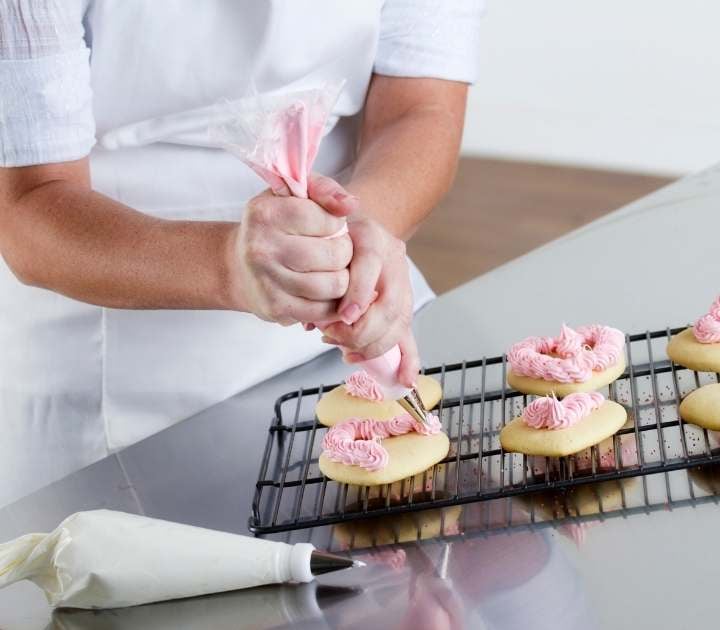
A cake turntable for smooth, even frosting application. A set of offset spatulas in small and large sizes. A cake scraper or bench scraper for smoothing buttercream. Piping bags and a selection of piping tips. A set of cake boards in appropriate sizes — every cake you sell should leave on a cake board, not just on a plate.
As your cake selling from home business grows and your style develops, your decorating toolkit will grow with it. Start with what you need for your current menu and add tools as specific techniques require them.
3. Packaging and Presentation
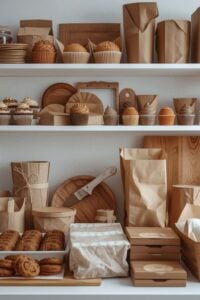
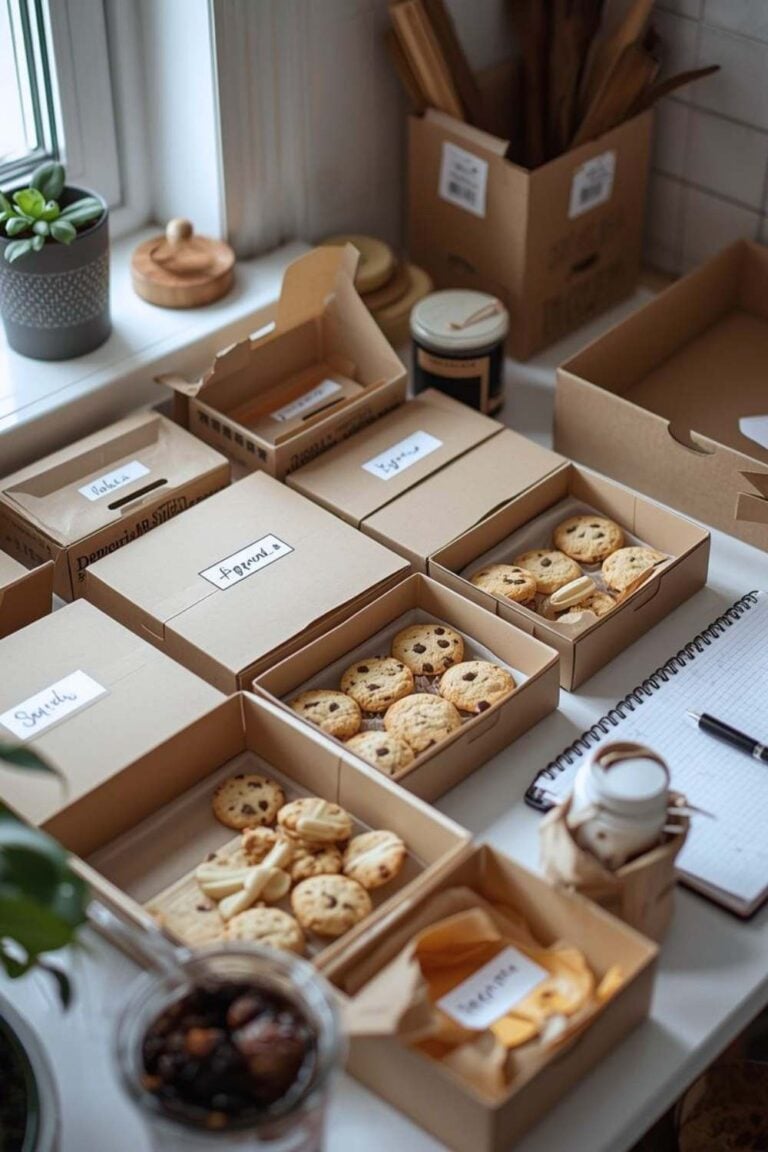
One of the things you need to start selling cakes from home is packaging. Packaging is not an afterthought in a home cake selling business — it’s part of the product. A beautiful cake delivered in a plain, flimsy box loses some of its value in the customer’s eyes. A beautiful cake in a branded, sturdy box with a ribbon and a personalized label arrives as a complete experience.
For selling cakes from home, invest in:
Cake boxes. Proper cake boxes in sizes that match your cake tins. Window boxes (with a clear plastic panel) allow customers to see the cake inside. These are available from cake decorating suppliers and online wholesale suppliers at reasonable prices when bought in small quantities.
Cake boards. Drum boards (thicker, more substantial) for base boards under the cake. Thin boards for between layers on tiered cakes if applicable.
Labels. A simple personalised label with your business name, the cake flavour, the date made, ingredients, and allergen information. These can be designed cheaply on Canva and printed at home or through an online printing service.
Ribbon or twine. A simple finishing touch that makes the package feel deliberate and gift-worthy.
How to Price Your Cakes When Selling From Home
Pricing is where most people starting a home cake selling business struggle most — and get wrong most often. Underpricing your cakes doesn’t make them more accessible, it makes your business unsustainable.
Every cake you sell must be priced to cover four things: the full ingredient cost (including every element of the decoration), your overhead costs (energy, equipment wear, packaging), your time at a fair hourly rate, and a profit margin.
For a custom decorated 8-inch two-layer cake, your costs might break down like this: ingredients $12–$15, packaging $3–$5, overhead $2–$3, labour (4 hours at $15/hr) $60. Total cost: approximately $80. Applying a standard 2–2.5x markup brings the selling price to $160–$200 — which is the realistic price range for a quality custom cake from a home cake business in most markets.
That number surprises a lot of beginners. The key is understanding that a quality handmade custom cake is not competing with a supermarket cake — it’s competing with a local professional bakery, and your prices should reflect that positioning.
For a full pricing formula and worked examples, see our dedicated guide on how to price your baked goods for profit.
How to Get Orders When Selling Cakes From Home
Getting your first customers when you start selling cakes from home is the part most people find most daunting. It’s actually more straightforward than it feels.
1. Start With People You Know
Your first customers are almost always people in your existing network — friends, family, colleagues, and neighbours. Tell everyone you know that you’re taking cake orders. Bring a cake to a social gathering. Share photos on your personal social media. The first few orders come from personal connections in almost every home cake selling business, and those first customers are the foundation of your reputation and your referral network.
2. Build an Instagram Presence
Instagram is the most important social media platform for a home cake selling business. Cake content performs extraordinarily well on Instagram — beautiful photographs of finished cakes, in-progress decorating shots, and before-and-after content all attract engagement and enquiries.
Post consistently. Photograph in good natural light. Include your location and how to order in your bio and posts. Respond to every comment and message quickly. Instagram is where a huge proportion of home cake selling enquiries originate, and an active, professional-looking account directly drives orders.
3. Word of Mouth and Reviews
Word of mouth is the most powerful marketing tool for selling cakes from home — and it’s entirely free. Every customer who receives a beautiful, delicious cake from your home cake business is a potential referrer who tells their network about you.
Make every order an exceptional experience — from the first enquiry through to the delivery or collection. Follow up after delivery to check the customer is happy. Ask satisfied customers to leave a review or share a photo. These small touchpoints build the reputation that sustains a home cake selling business long-term.
4. Local Markets and Events
Seasonal fairs, farmers’ markets, and local food events are excellent opportunities to get your home cake selling business in front of a large local audience quickly. Check market requirements in advance — many require food business registration and public liability insurance, which you should have in place before selling anywhere.
Common Mistakes When Selling Cakes From Home
Skipping the legal setup. Selling cakes from home without registering as a food business or completing food hygiene requirements is a genuine risk. Sort the legal foundations first.
Underpricing out of nervousness. Starting with low prices to attract customers and planning to raise them later creates problems. Customers anchor to initial prices and resist increases. Price correctly from your first order.
Taking on more than you can handle. Overcommitting on orders — particularly around busy seasons like Christmas — leads to rushed work, lower quality, and stress. Set realistic order limits and honour them.
Neglecting packaging. A beautiful cake in disappointing packaging undermines the whole product. Packaging is part of the experience when selling cakes from home — invest in it.
Not documenting allergen information. Every cake you sell must have clear allergen information. This is not optional and not something to manage informally.
Everything You Need Before You Take Your First Order
Legal and compliance:
- Research cottage food / home food business laws in your area
- Register as a food business with your local authority
- Complete Level 2 Food Hygiene certification (or equivalent)
- Obtain public liability insurance
- Set up allergen labelling system for all products
Kitchen and equipment:
- Assess your kitchen for food safety compliance
- Stand mixer, cake tins, digital scale, decorating tools in place
- Ingredient storage organised and labelled
- Cleaning and hygiene protocols established
Business basics:
- Menu defined and all products priced correctly
- Order form created (Google Form works perfectly)
- Deposit and cancellation policy written and ready to share
- Separate bank account for business income and expenses
Marketing and presence:
- Business name chosen
- Instagram and/or Facebook business page set up
- Initial portfolio of cake photos ready to post
- Packaging ordered and ready
When all of these boxes are ticked, you’re ready to start selling cakes from home properly — legally, professionally, and with the foundations in place for a home cake business that can actually grow.
Final Thoughts
Selling cakes from home is genuinely achievable — but the home cake businesses that thrive are the ones that take the time to set things up properly from the start. The legal foundations, the pricing structure, the food safety protocols, the packaging — none of these are glamorous parts of starting a home cake selling business, but all of them are what separates a serious operation from an informal one.
Do the groundwork. Price your cakes properly. Deliver exceptional quality every single time. And then let the cakes speak for themselves.