The Different Types of Sugar Used in Baking Explained
Disclosure: Some of the links in this post are affiliate links. This means if you click on the link and purchase an item, I will receive an affiliate commission at no extra cost to you.
Before you start baking, it’s easy to think that sugar is just sugar. You grab whatever is in the cupboard, add it to the bowl, and expect the recipe to work. Then one day you notice your cookies spread too much, your cake isn’t as soft as you hoped, or your frosting has a grainy texture. That’s when you realize that the different types of sugar you use can make a bigger difference than you imagined.
If you’re new to baking, understanding the role of each sugar can feel confusing. Granulated sugar, caster sugar, brown sugar, powdered sugar, demerara sugawhy are there so many, and do you really need all of them? The good news is that once you know what each one does, choosing the right sugar becomes much easier. Before diving in, it also helps to understand baking ingredients explained so you know how every ingredient works together in a recipe.
In this guide, we’ll break down the most common sugars used in baking, explain what each one does, when to use it, and whether you can substitute one for another. By the end, you’ll feel much more confident reading recipes and selecting the right sugar for every bake. And if you’re still learning how recipes come together, our guide on how to read a baking recipe correctly is a great next step.
What Makes Sugar So Important in Baking?
Many beginners think sugar only makes baked goods taste sweet. While sweetness is important, sugar does much more than that. Understanding the different types of sugar helps you choose the right ingredient for every recipe and avoid disappointing results.
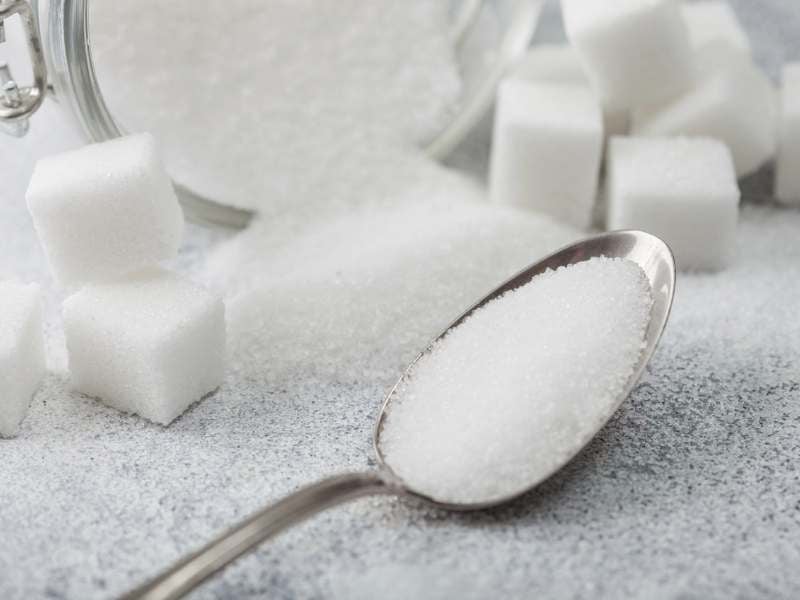
Every type of sugar affects texture, colour, moisture, and even how long your baked goods stay fresh. That explains why recipes often specify a particular sugar instead of simply saying “add sugar.”
If you are still learning how ingredients work together, our guide on baking ingredients explained will help you understand the role each ingredient plays in successful baking.
The different types of sugar also influence how a batter behaves in the oven. Some sugars dissolve quickly, while others stay coarse. Some create a soft crumb, while others produce crisp edges or a chewy texture. Once you understand these differences, recipes become much easier to follow.
Instead of wondering whether you can swap one sugar for another, you will know exactly when it works and when it does not.
Why Recipes Call for Specific Types of Sugar
Every baking recipe has been developed to produce a particular result. That result depends on more than measurements. It also depends on choosing the right ingredients.
The different types of sugar each have unique crystal sizes, moisture levels, and flavours. Those characteristics affect every stage of baking.
For example, fine sugar mixes into butter much faster than coarse sugar. Brown sugar adds moisture because it contains molasses. Powdered sugar disappears almost instantly into frostings because it has been ground into a very fine powder.
When you replace one sugar with another, you change much more than sweetness. You also change the structure of the finished bake.
Understanding measurements also makes substitutions easier. If you need a refresher, take a look at baking measurement conversions before experimenting with ingredients.
Now let’s explore the most common different types of sugar used in home baking.
Granulated Sugar
Granulated sugar is the sugar most people already have in their kitchens. It is often called white sugar or table sugar. This sugar works well in cakes, cookies, muffins, brownies, and countless other recipes.
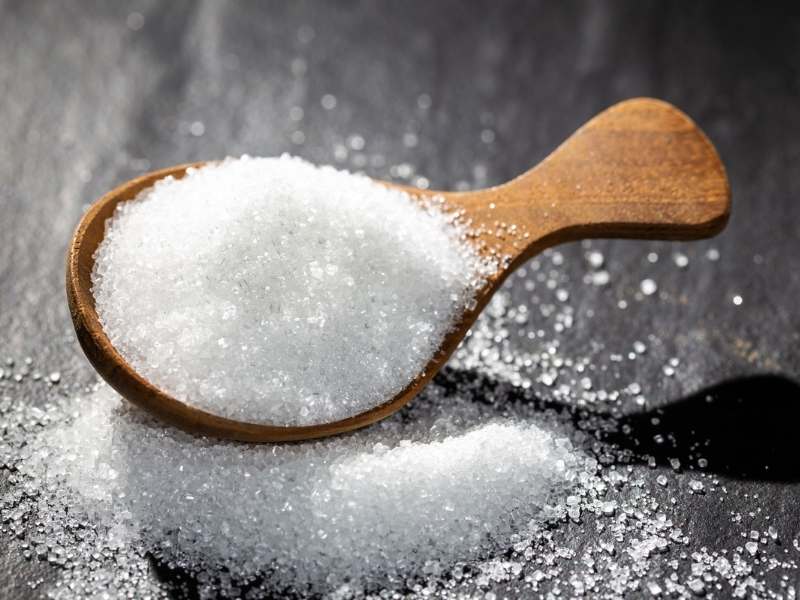
The crystals have a medium size, making them easy to measure and simple to mix into batters and doughs.
What Does Granulated Sugar Do?
Granulated sugar creates sweetness, but its job goes much further.
When you cream butter and sugar together, the sugar crystals create tiny air pockets. Those pockets expand during baking and help cakes become lighter.
Granulated sugar also attracts water. That means cakes stay softer for longer because they lose moisture more slowly.
As sugar heats inside the oven, it caramelises. This process gives baked goods their golden colour and deeper flavour.
Without enough sugar, cakes often look pale and taste flat.
If you are still learning techniques like creaming butter correctly, our guide to basic baking terms explains them in simple language.
Best Recipes for Granulated Sugar
Granulated sugar works especially well in:
- Butter cakes
- Sponge cakes
- Muffins
- Brownies
- Cookies
- Cupcakes
- Quick breads
It performs consistently because it dissolves at a moderate speed while still creating enough air during mixing.
Can You Substitute Granulated Sugar?
Sometimes you can.
You can replace granulated sugar with caster sugar in many recipes because both dissolve easily.
Replacing it with brown sugar changes the texture and flavour. Brown sugar adds moisture and produces a softer bake.
Replacing it with powdered sugar usually causes problems because powdered sugar contains anti-caking ingredients.
Whenever possible, use the sugar listed in the recipe.
Caster Sugar
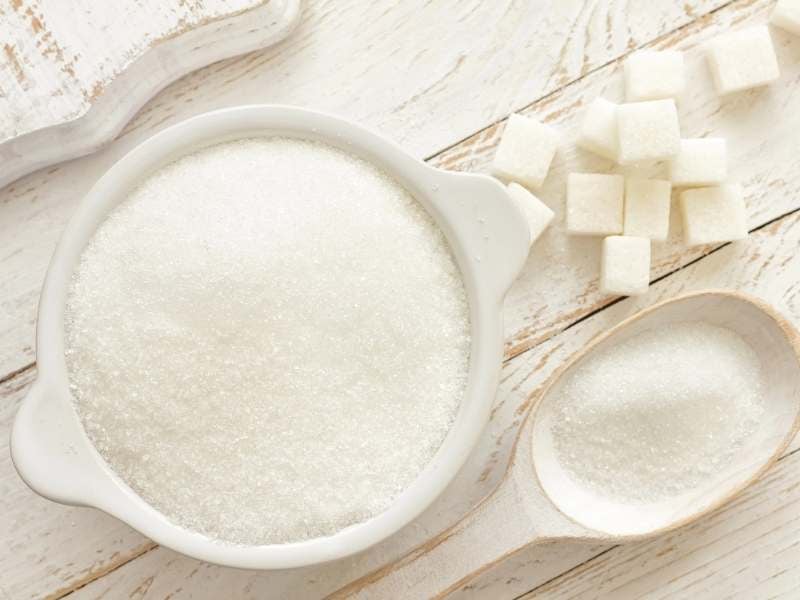
Caster sugar looks similar to granulated sugar, but its crystals are much finer.
Because the crystals are smaller, caster sugar dissolves much faster.
Many recipes rely on this quick dissolving ability to create delicate textures.
Among the different types of sugar, caster sugar remains one of the best choices for light cakes.
Why Bakers Love Caster Sugar
Caster sugar blends smoothly into butter during creaming.
That creates many tiny air pockets instead of fewer large ones.
The result is a finer crumb and a lighter cake.
It also dissolves quickly in whipped egg whites, making it perfect for recipes where smooth texture matters.
Many professional bakers keep both granulated and caster sugar because each serves a different purpose.
Best Uses for Caster Sugar
Caster sugar shines in recipes like:
- Victoria sponge
- Pound cake
- Meringues
- Swiss rolls
- Buttercream
- Cupcakes
The fine crystals disappear almost completely during mixing.
That creates an exceptionally smooth batter.
If you have struggled with dense cakes before, reading why cakes keep failing can help you identify several common causes beyond ingredient choice.
Can You Replace Granulated Sugar With Caster Sugar?
Yes, in most cases.
The finished bake often becomes slightly finer and softer.
However, because caster sugar dissolves faster, cookies may spread a little more during baking.
For cakes, the difference usually remains minimal.
Brown Sugar
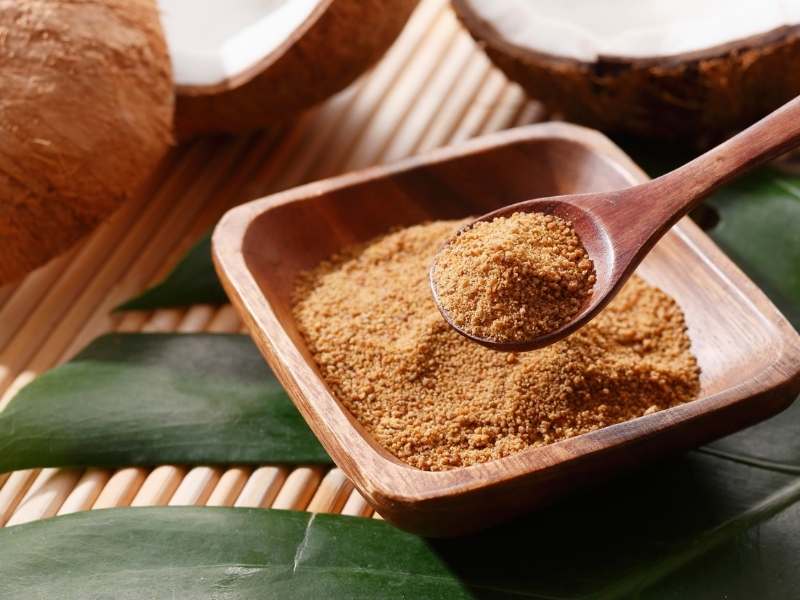
Brown sugar combines white sugar with molasses.
That extra molasses completely changes how the sugar behaves during baking.
Among the different types of sugar, brown sugar adds the richest flavour.
It also creates more moisture than white sugar.
Light Brown Sugar
Light brown sugar contains a smaller amount of molasses.
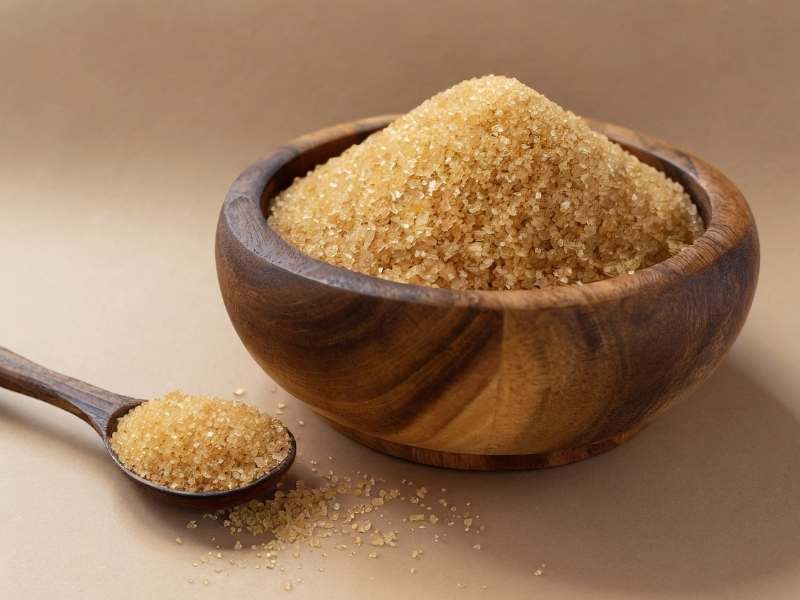
It produces a gentle caramel flavour without overpowering other ingredients.
Many cookie recipes call for light brown sugar because it creates soft centres with slightly chewy edges.
Banana bread also benefits from light brown sugar because it stays moist for several days.
If you enjoy baking quick breads, you might also enjoy learning about types of baking flour and how flour choices affect texture.
Dark Brown Sugar
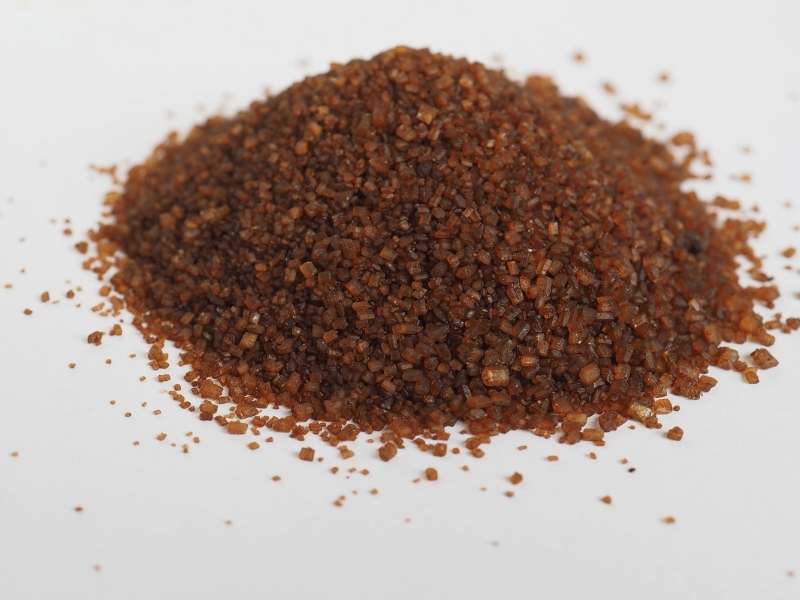
Dark brown sugar contains even more molasses.
That gives baked goods a stronger caramel flavour and a darker appearance.
Dark brown sugar works beautifully in:
- Gingerbread
- Chocolate cookies
- Sticky cakes
- Rich muffins
- Spice cakes
The extra moisture also produces a softer crumb.
Many recipes combine both granulated sugar and brown sugar.
This combination balances crispness with softness.
Instead of choosing one or the other, recipes often use both to achieve the ideal texture.
Can Brown Sugar Replace White Sugar?
Sometimes.
Brown sugar makes cakes softer and more moist.
However, it also darkens the batter and changes the flavour.
That means it works well in chocolate cakes, banana bread, carrot cake, and cookies.
It usually does not work as well in light vanilla cakes where a clean flavour matters most.
Understanding the different types of sugar helps you decide whether that flavour change improves the recipe or takes away from it.
In the next section, we’ll cover powdered sugar, pearl sugar, demerara sugar, turbinado sugar, coconut sugar, liquid sweeteners, common substitution mistakes, storage tips, and the most frequently asked questions about baking with sugar.
Powdered Sugar
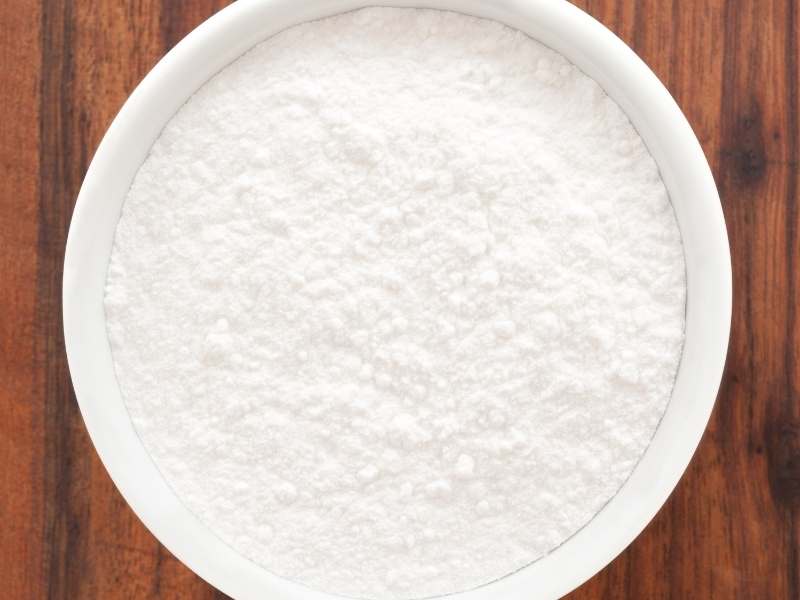
Powdered sugar goes by several names. You may also see it called icing sugar or confectioners’ sugar. Regardless of the name, it serves the same purpose. It consists of finely ground white sugar mixed with a small amount of cornstarch. The cornstarch prevents clumping and keeps the sugar free flowing.
Among the different types of sugar, powdered sugar dissolves the fastest. That quality makes it perfect for smooth frostings and delicate finishes.
What Does Powdered Sugar Do?
Powdered sugar creates a silky texture because the particles are extremely fine. Unlike granulated sugar, it leaves no gritty feeling behind.
It also thickens frostings without adding large crystals. That helps buttercream hold its shape while remaining smooth enough for decorating cakes and cupcakes.
Many bakers dust powdered sugar over cakes, brownies, pastries, and doughnuts. This simple finish adds sweetness while giving baked goods a professional look.
If you plan to decorate cakes regularly, learning the essential baking tools will make the process much easier.
Best Uses for Powdered Sugar
Powdered sugar works best in:
- Buttercream frosting
- Cream cheese frosting
- Royal icing
- Glazes
- Whipped cream
- Dusting desserts
- No bake desserts
Its fine texture blends quickly into liquids and fats without extra mixing.
Can You Bake With Powdered Sugar?
Yes, but only in recipes designed for it.
Some cookies use powdered sugar to create a delicate, melt in your mouth texture. However, you should not replace granulated sugar with powdered sugar in most cake recipes.
The cornstarch changes the recipe’s balance. The texture often becomes softer than intended, and the bake may not rise properly.
Demerara Sugar
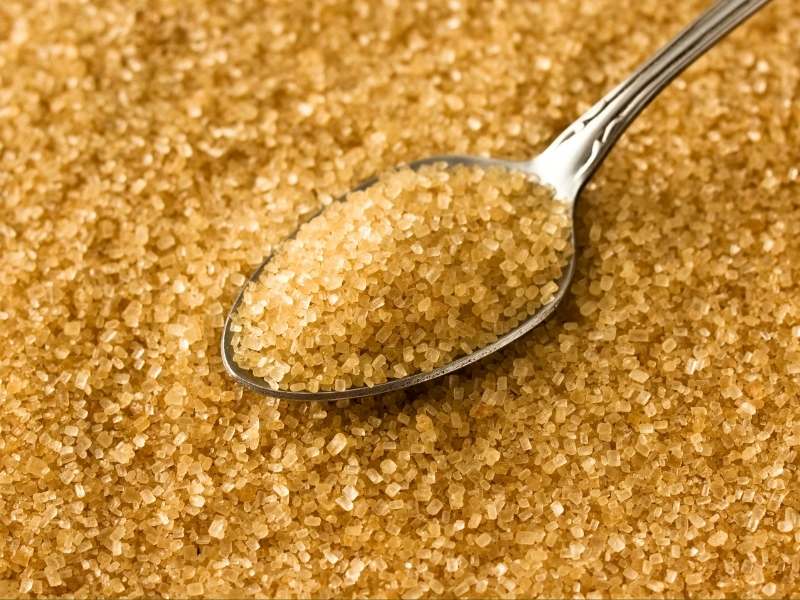
Demerara sugar contains large golden crystals with a light caramel flavour. Unlike brown sugar, the crystals remain coarse and crunchy.
Among the different types of sugar, demerara sugar usually acts as a finishing sugar rather than the main sweetener.
Why Bakers Use Demerara Sugar
Its large crystals do not melt completely during baking.
Instead, they create a crisp topping with a pleasant crunch.
That crunchy texture makes muffins, scones, and fruit cakes look more appealing.
The sugar also adds a subtle caramel flavour without overwhelming the recipe.
Many coffee cakes and breakfast bakes benefit from a sprinkle of demerara sugar before going into the oven.
Best Uses for Demerara Sugar
Demerara sugar works well for:
- Muffin toppings
- Scones
- Fruit loaves
- Crumble toppings
- Coffee cakes
- Banana bread
It performs best as a topping rather than inside delicate cake batters.
If you enjoy experimenting with recipes, understanding how to read a baking recipe correctly will help you know when toppings affect the final result.
Turbinado Sugar
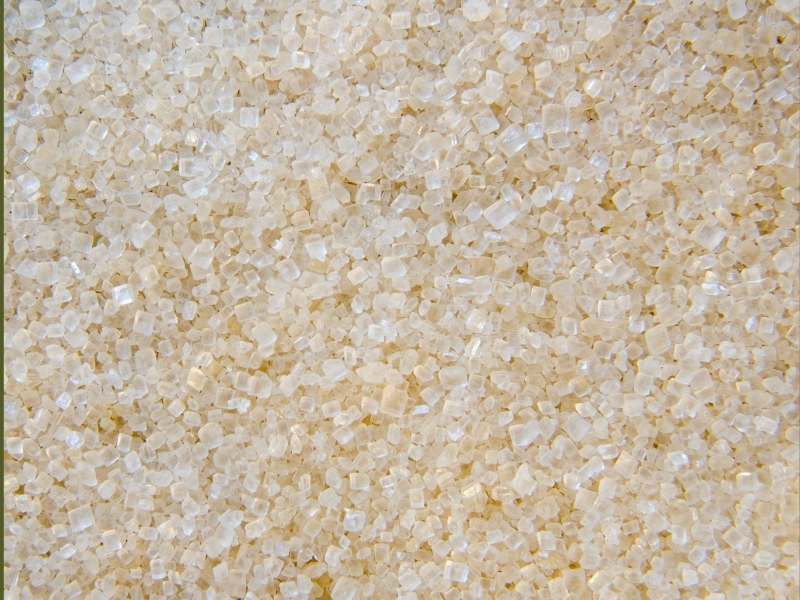
Turbinado sugar resembles demerara sugar. However, its crystals often appear slightly lighter and less sticky.
It retains a small amount of natural molasses, giving it a mild caramel taste.
Among the different types of sugar, turbinado sugar remains another excellent finishing option.
When Should You Use Turbinado Sugar?
Turbinado sugar creates beautiful texture on top of baked goods.
Many bakeries sprinkle it over muffins before baking because the crystals stay crisp after coming out of the oven.
It also works well on cinnamon rolls, pie crusts, and sweet breads.
Because the crystals stay intact, they create an attractive sparkle.
Can Turbinado Sugar Replace White Sugar?
Not usually.
Its coarse crystals dissolve much more slowly.
That makes it unsuitable for recipes requiring smooth batters or creamed butter.
Instead, reserve it for toppings where texture matters most.
Pearl Sugar
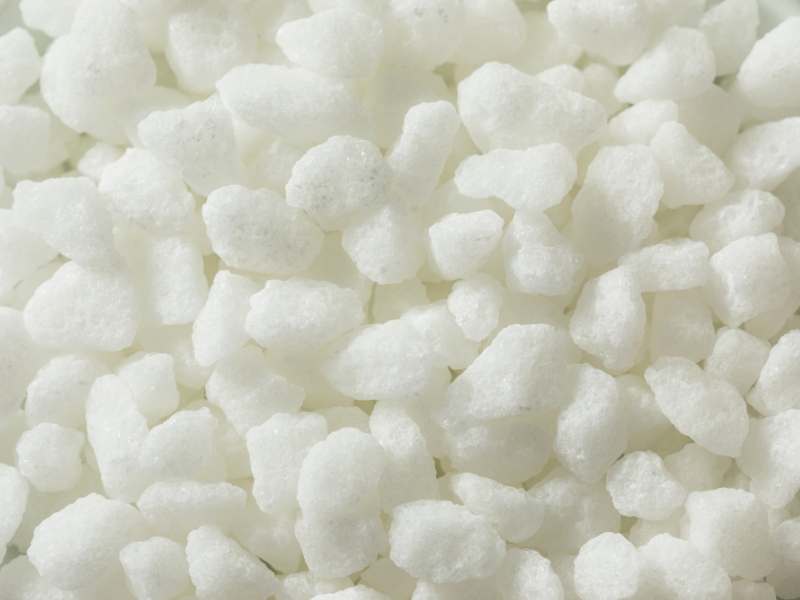
Pearl sugar consists of large white sugar pieces that hardly melt during baking.
You often see it on Belgian waffles and Scandinavian pastries.
Among the different types of sugar, pearl sugar creates the most dramatic decorative effect.
Why Does Pearl Sugar Stay Crunchy?
Pearl sugar contains compressed sugar pieces instead of loose crystals.
Those pieces resist melting in the oven.
As a result, baked goods develop little pockets of sweetness and crunch.
Pearl sugar works best as a decoration rather than a primary ingredient.
Coconut Sugar
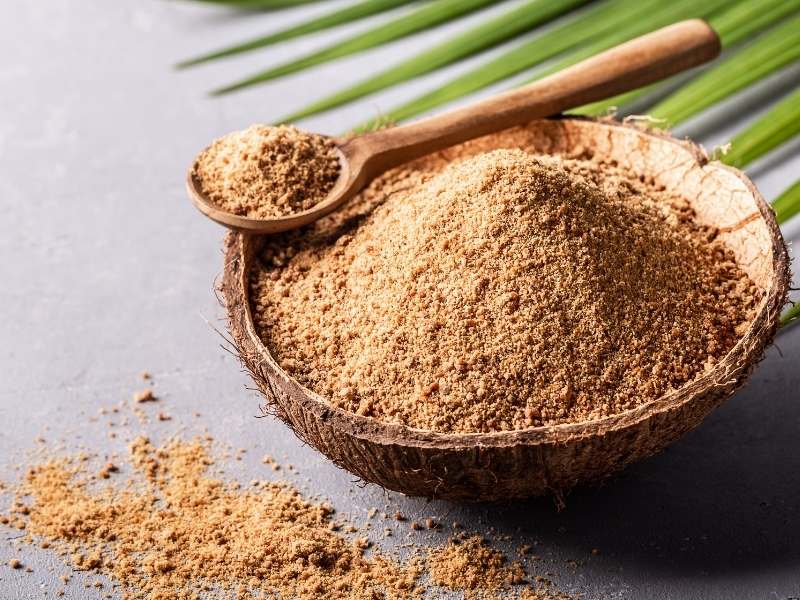
Coconut sugar has become increasingly popular among home bakers.
Despite its name, it does not taste strongly like coconut.
Instead, it offers a mild caramel flavour with earthy notes.
Among the different types of sugar, coconut sugar provides a deeper flavour than white sugar.
How Does Coconut Sugar Affect Baking?
Coconut sugar absorbs moisture differently.
It also dissolves more slowly than granulated sugar.
That means cakes often become slightly denser.
Cookies usually develop a darker colour and richer flavour.
Some bakers enjoy these changes, while others prefer the lighter texture of white sugar.
Choosing the right sugar depends entirely on the result you want.
Can Coconut Sugar Replace White Sugar?
Yes, in many recipes.
However, expect noticeable changes.
The finished bake often looks darker and tastes more caramel like.
For rustic recipes such as banana bread or oatmeal cookies, those changes can work beautifully.
Liquid Sweeteners
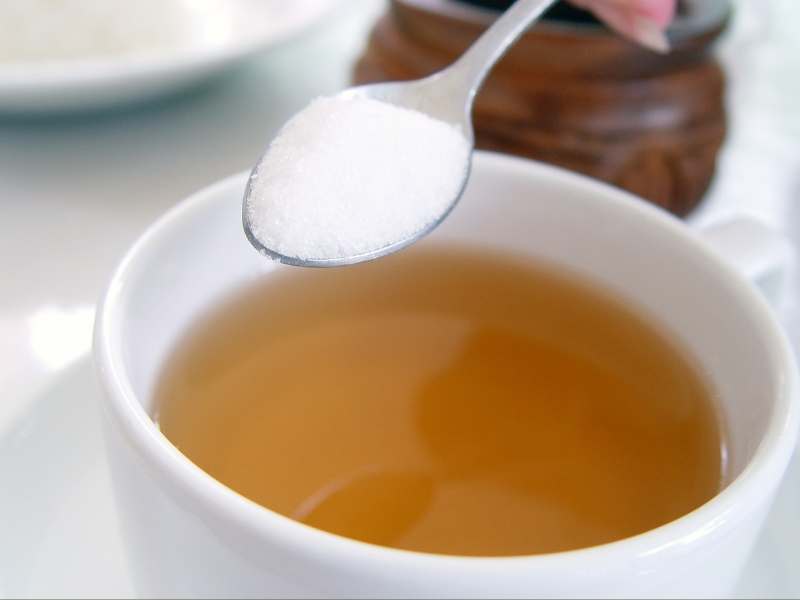
Not every recipe uses dry sugar.
Some rely on liquid sweeteners like honey, maple syrup, or golden syrup.
These ingredients belong among the different types of sugar because they provide sweetness while adding moisture.
Honey
Honey produces soft cakes with excellent moisture.
Its natural sugars brown quickly.
That means baked goods often need slightly lower baking temperatures.
Honey also brings its own flavour, which pairs well with spice cakes and loaf cakes.
Maple Syrup
Maple syrup adds sweetness together with a rich flavour.
It works especially well in muffins, pancakes, and breakfast bakes.
However, recipes usually require adjustments because maple syrup adds extra liquid.
Golden Syrup
Golden syrup creates chewiness.
Many flapjacks, cookies, and caramel desserts rely on it.
It also prevents sugar crystals from forming, creating smoother textures.
Understanding these different types of sugar helps you appreciate why recipes often specify one liquid sweetener instead of another.
Common Sugar Substitution Mistakes
Many beginner bakers assume every sugar behaves the same way.
That assumption often leads to disappointing results.
One common mistake involves replacing brown sugar with white sugar without expecting texture changes.
The finished bake usually becomes drier.
Another mistake involves replacing granulated sugar with powdered sugar.
The extra cornstarch affects the batter and changes the final texture.
Some people also replace caster sugar with coarse sugars.
That slows dissolving and reduces the amount of air created during mixing.
If your recipes often produce unexpected results, reading about common baking mistakes can help you avoid many beginner errors.
The safest approach always involves following the recipe first.
Once you understand how the different types of sugar behave, you can experiment with confidence.
Final Thoughts
Understanding the different types of sugar used in baking can completely change the way your recipes turn out. From adding sweetness and moisture to creating the perfect texture and color, each type of sugar has a unique role in the baking process.
The next time you’re following a recipe, you’ll know why it calls for a specific sugar and when it’s safe to make substitutions. Whether you’re baking soft cookies, fluffy cakes, chewy brownies, or crusty breads, choosing the right sugar will help you achieve better, more consistent results.
Don’t be afraid to experiment with different sugars to discover the flavors and textures you enjoy most. With a little practice, you’ll feel more confident in the kitchen and be able to create delicious homemade treats every time.