Baking Challenges to Improve Your Skills Faster
Disclosure: Some of the links in this post are affiliate links. This means if you click on the link and purchase an item, I will receive an affiliate commission at no extra cost to you.
Baking can feel frustrating when every new recipe brings another mistake to figure out. You might follow the instructions closely, yet still end up with dry cakes, flat cookies, or uneven pastries. The good news is that you can improve faster by turning practice into small baking challenges.
Each challenge gives you one skill to focus on instead of trying to master everything at once. You can practice measuring ingredients, controlling oven temperatures, decorating desserts, or improving your mixing technique. These simple exercises also help you understand why your bakes change when you adjust certain steps.
Start with skills that match your current level, then increase the difficulty as your confidence grows. You can also keep notes after every challenge to track what worked and what needs more practice. If you need help with the basics first, check out The Ultimate Beginners Guide to Baking before starting your challenges.
The best part comes from seeing small improvements turn into reliable baking skills. Grab your mixing bowl, choose your first challenge, and give yourself room to learn from imperfect results.
meta: Try these fun baking challenges to improve your skills faster, build confidence, fix common mistakes, and become a better home baker.
Baking Challenges to Improve Your Skills Faster
Baking gets easier when you stop treating every recipe like a test you must pass. Instead, use each bake as a chance to practice one specific skill. A simple challenge can teach you more than repeatedly making recipes without paying attention to the process.
These baking challenges focus on practical skills you can improve in your own kitchen. You can work through them over several weeks or choose one whenever you feel stuck. Some challenges take only a few minutes, while others require a complete baking session.
1. Measure Everything by Weight
Start your first challenge with accurate measurements. Choose a simple recipe and weigh every ingredient instead of relying only on cups.
A kitchen scale helps you notice how much ingredient quantities can vary. One person might pack flour tightly into a cup, while another might scoop it lightly.
Try weighing your flour, sugar, butter, and other dry ingredients separately. Write down the amounts before mixing anything.
You can also compare your measurements with the recipe’s listed weights. This exercise teaches consistency and makes your results easier to repeat.
If measurements often confuse you, keep a baking measurements conversion chart nearby while you practice.
2. Read the Entire Recipe Before Baking
Many baking mistakes start before the oven even turns on. You can avoid several problems by reading the entire recipe before gathering your ingredients.
Your challenge involves reading one recipe from beginning to end without touching a mixing bowl. Look for preparation steps, resting periods, chilling times, and temperature changes.
Check how many eggs you need and notice their required temperature. Look for ingredients that need melting, softening, or cooling.
Pay attention to the equipment listed as well. A recipe might require a specific pan, piping bag, mixer, or baking sheet.
Practice this habit until recipe instructions feel easier to understand. For extra guidance, learn how to read a baking recipe correctly before tackling complicated bakes.
3. Practice Creaming Butter and Sugar
Creaming butter and sugar looks simple, but the technique affects your final texture. Use this challenge to understand what properly creamed ingredients look and feel like.
Bring your butter to the correct consistency instead of melting it. Beat the butter and sugar together until the mixture becomes lighter and fluffy.
Stop the mixer occasionally and scrape the bowl. This helps the ingredients combine evenly.
Notice how the mixture changes during mixing. You will eventually recognize the difference between under-mixed and properly creamed butter.
This skill becomes especially useful for cakes and cookies. You can explore more easy baking skills every home baker should master first as you build your foundation.
4. Make the Same Cookie Twice
Choose one cookie recipe and bake it twice during the same week. Keep the recipe exactly the same for both attempts.
Record your ingredients, mixing time, dough temperature, oven temperature, and baking time. Compare the cookies after they cool.
Look at their spread, color, texture, thickness, and flavor. Did the second batch improve?
This challenge teaches you that repetition matters. You begin noticing small details that usually disappear when you constantly switch recipes.
Keep your notes somewhere easy to access. Your mistakes can become useful information instead of forgotten disappointments.
5. Change One Cookie Variable
Now make the challenge slightly harder. Bake the same cookie recipe again, but change only one variable.
You could chill the dough longer, use a different baking tray, or adjust the baking time slightly. Avoid changing several things at once.
Observe what happens to the final cookies. A small adjustment can affect their spread, crispness, softness, and color.
Write down your results immediately after tasting them. This exercise introduces you to controlled experimentation.
If your cookies frequently spread too much, compare your results with these 17 common cookie baking mistakes and look for patterns.
6. Practice Oven Temperature Control
Your oven deserves its own challenge because temperature affects almost every bake. Set aside one baking session to focus entirely on temperature.
Check your oven’s actual temperature with an oven thermometer if you have one. Compare that reading with the temperature displayed on your oven.
Give the oven enough time to preheat. Avoid placing your bake inside while the temperature continues rising.
Try baking two identical items at slightly different temperatures during separate sessions. Compare their color, texture, rise, and baking time.
You will start understanding how heat changes your results. A closer look at understanding baking temperatures can make this challenge even more useful.
7. Learn Three Mixing Techniques
Set yourself a three-technique challenge. Practice creaming, folding, and gentle stirring with recipes that use each method.
Focus on the movement rather than rushing through the instructions. Folding requires patience because you want to combine ingredients without unnecessarily deflating the mixture.
Stirring requires enough movement to combine ingredients without overworking the batter. Creaming requires sustained mixing that incorporates air into the mixture.
Notice how each technique feels different. Understanding those differences makes recipes easier to follow.
You can also learn unfamiliar terms through this helpful guide to baking terms explained.
8. Bake Something Without Your Usual Equipment
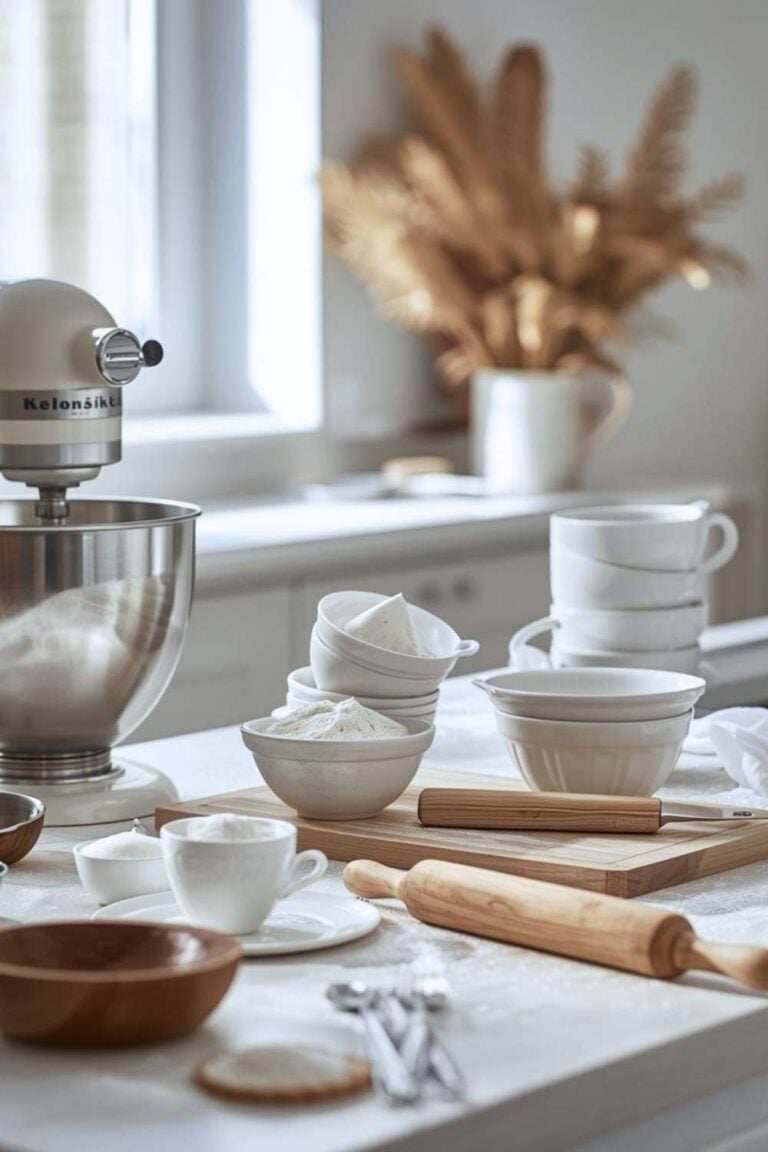
Challenge yourself to make a simple bake using fewer tools. Choose a recipe that does not require your stand mixer or another appliance you normally depend on.
A whisk and mixing bowl can handle many simple recipes. Hand mixing also gives you a better sense of the batter’s consistency.
This challenge helps you understand which equipment actually matters. You might discover that you own several tools you rarely need.
Keep safety and recipe requirements in mind when choosing your bake. For more equipment guidance, check this list of essential baking tools every home baker needs.
9. Practice Baking With a Different Flour
Flour can dramatically change the structure and texture of baked goods. Pick a recipe that allows some experimentation and compare two suitable flour options.
Start by learning what each flour contributes. Protein content, absorption, and texture can affect your final results.
Do not randomly replace flour in delicate recipes. Instead, choose recipes that can handle reasonable experimentation.
Record the dough’s texture before baking. Compare the finished results after cooling.
This challenge can make flour choices feel much less mysterious. Spend some time learning about different types of baking flour before starting.
10. Make a Cake Without Opening the Oven
Choose a simple cake and challenge yourself to leave the oven door closed throughout baking. Use the recipe’s suggested baking time as your starting point.
Opening the oven too early can cause problems with certain cakes. The temperature can drop quickly when you repeatedly open the door.
Use the oven light to observe the cake when possible. Look through the glass and watch how the surface changes.
Check the cake only when you reach the appropriate stage for testing. Then use a skewer, toothpick, or other suitable method to judge doneness.
Learning how to know when your cake is properly baked can help you make this challenge more precise.
11. Decorate One Dessert From Scratch
Decoration deserves practice just as much as mixing and baking. Choose a simple dessert and give yourself a decoration challenge.
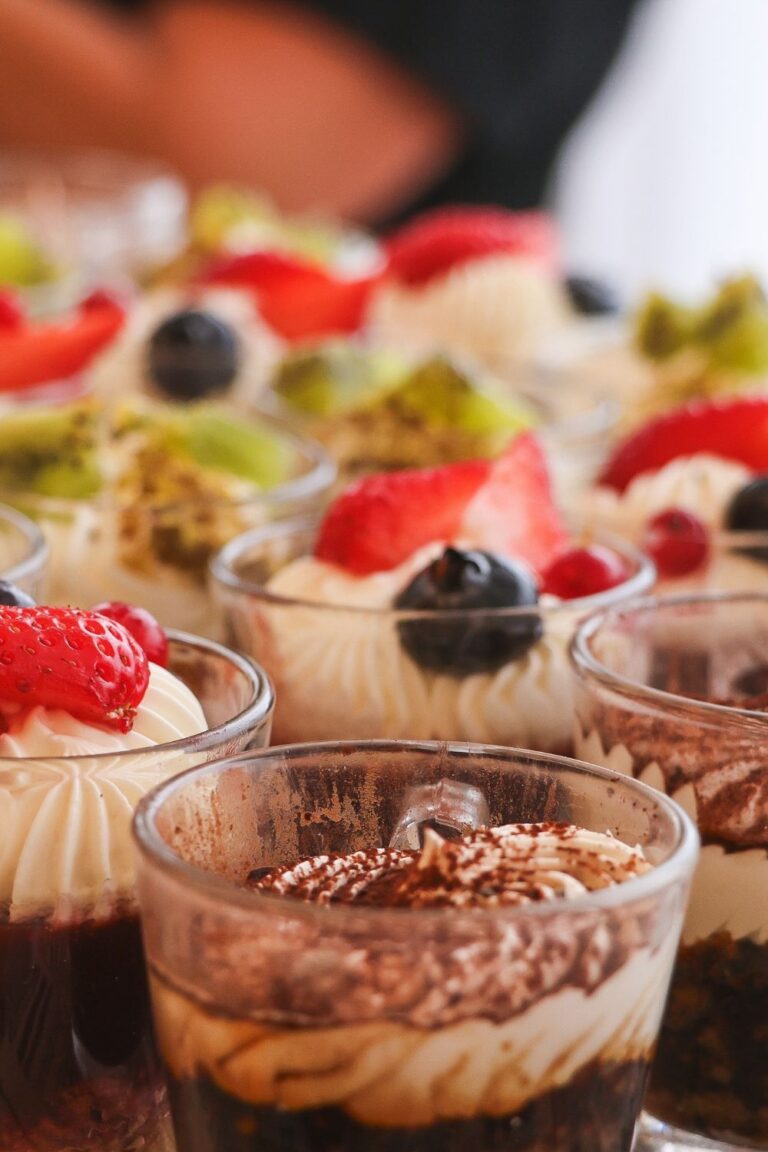
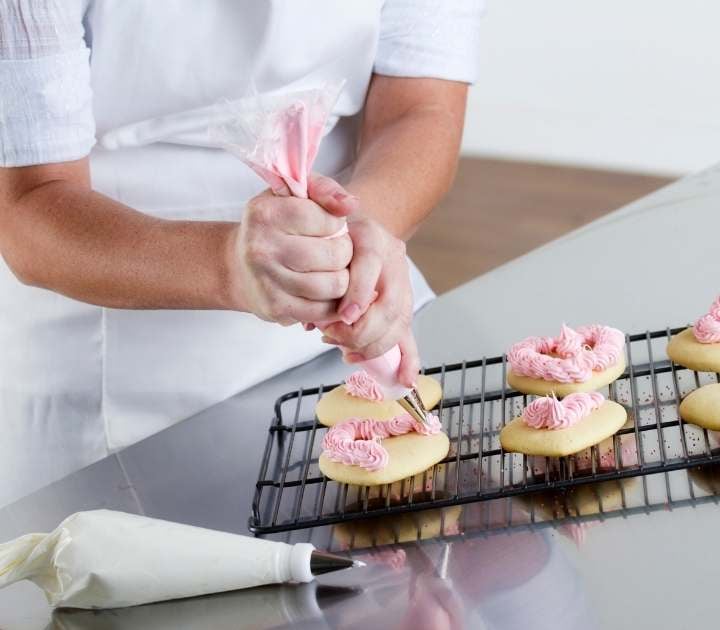
You could pipe buttercream onto cupcakes or add simple designs to cookies. Focus on consistency rather than creating complicated patterns.
Practice the same piping movement repeatedly on parchment paper. Scrape the frosting back into the piping bag and try again.
Take photographs of your first and final attempts. The difference might surprise you.
For additional inspiration, explore these beautiful pastry decorating ideas and choose one technique that matches your level.
12. Bake Without a Recipe
This challenge works best after you gain some basic experience. Choose a familiar baked item and try to recreate it from memory.
Start with something simple, such as pancakes, basic muffins, or a familiar cookie. Write down your ingredient quantities before mixing.
You may make mistakes, but that forms part of the exercise. Compare your result with a trusted recipe afterward.
Notice which ingredients you remembered correctly and which quantities you misjudged. The goal involves developing your understanding rather than producing perfection.
This challenge also reveals how much you actually understand about ingredient functions.
13. Identify Every Ingredient’s Job
Pick a recipe and write down the purpose of each major ingredient. Think about flour, eggs, butter, sugar, salt, and leavening agents.
Ask what would happen if you removed or changed each ingredient. Consider structure, moisture, flavor, tenderness, color, and rise.
Then bake the recipe normally and compare your expectations with the result.
This exercise turns recipes into lessons instead of simple instructions. You begin understanding why certain combinations work.
For a deeper look, read baking ingredients explained and use those ideas during your next challenge.
14. Make a Simple Bread Loaf
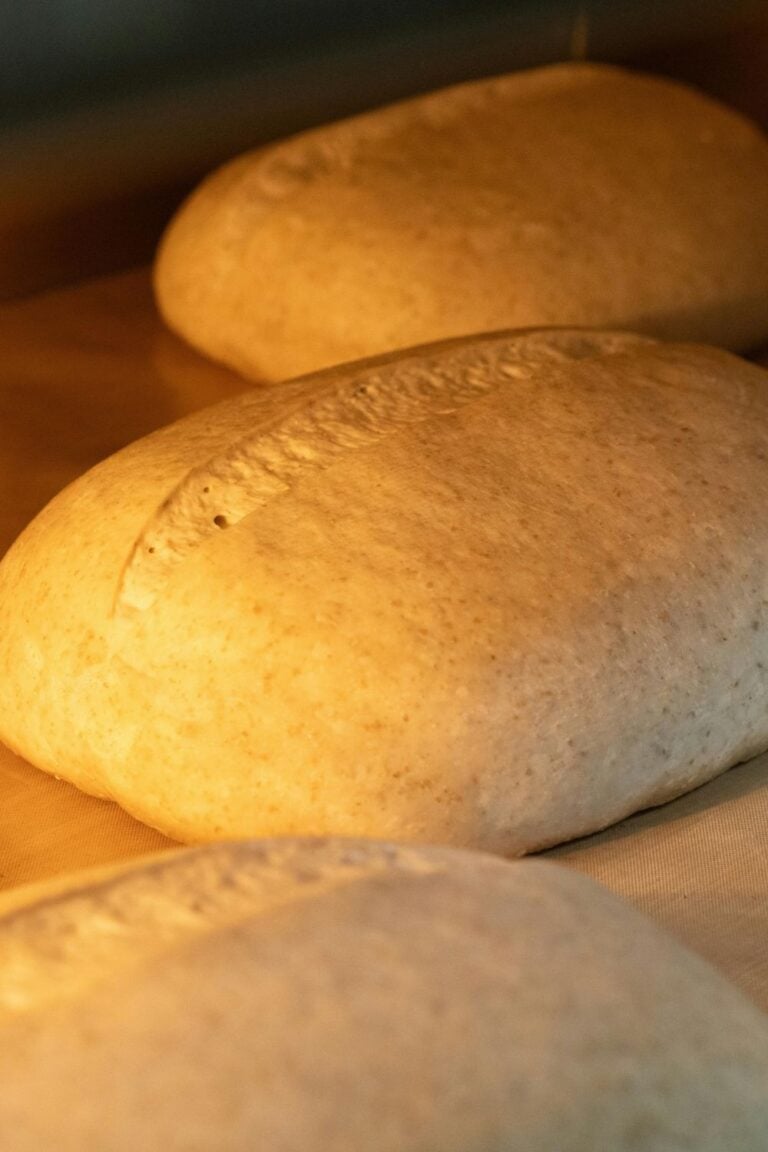
Bread gives you an excellent opportunity to practice patience. Choose a beginner-friendly loaf and focus on kneading, proofing, shaping, and baking.
Feel the dough before kneading and again afterward. Notice how its texture changes as you work with it.
Pay attention to the dough during proofing instead of relying only on the clock. Temperature can influence how quickly dough rises.
Shape the loaf carefully and avoid adding unnecessary flour. Too much flour can create a dense loaf.
Keep notes throughout the process. This challenge becomes even more useful when you follow a beginner’s guide to baking bread at home.
15. Make a Dessert With a Limited Budget
Set yourself a specific ingredient budget and create a dessert within that limit. This challenge encourages creativity without requiring expensive ingredients.
Start by checking what you already have in your pantry. Build your recipe around ingredients that need using.
Choose simple flavors that work well together. You do not need specialty ingredients to create something delicious.
Compare the final dessert with what you normally spend on baking. You may discover several affordable ingredients worth keeping around.
A list of best budget baking ingredients can help you plan this challenge.
16. Try a New Baking Technique
Pick one technique you have never tried before. Keep the rest of the recipe familiar so you can concentrate on the new skill.
You might try piping, blind baking, tempering chocolate, shaping dough, or creating a simple glaze.
Watch how the technique works before attempting it. Then practice without worrying about the final appearance.
Give yourself at least two attempts if the technique feels difficult. Your second attempt will usually feel more controlled.
This challenge helps prevent fear from stopping you from learning new skills.
17. Bake With Substitutions
Choose a recipe and replace one ingredient with a sensible alternative. Research the role of the original ingredient before making the swap.
Avoid replacing ingredients randomly because substitutions can change texture and structure. Start with simple swaps that suit the recipe.
Record the original ingredient and your replacement. Note how the batter or dough changes before baking.
Taste the final result and decide if the substitution worked. You might find a useful alternative for future baking days.
Keep a baking substitutions guide nearby when planning this experiment.
18. Practice Working Cleanly
A messy kitchen can make baking feel much harder than it needs to feel. Challenge yourself to keep your workspace organized from start to finish.
Measure ingredients before mixing. Put containers away after using them.
Wipe spills immediately and keep used utensils in one designated area. Wash tools as you finish with them when possible.
Notice how much easier cleanup becomes. An organized workspace also makes it easier to spot missing ingredients.
If your baking area needs improvement, try these baking station organization ideas for practical inspiration.
19. Bake the Same Recipe in Different Pans
Choose a recipe that works in more than one suitable pan. Bake separate batches using different shapes or sizes.
Compare the baking times and finished textures. A shallow pan can bake differently from a deeper one.
Look at the edges, center, height, and color of each result. Notice which pan produces the texture you prefer.
This experiment helps you understand why pan size matters. You will also become more confident when adapting recipes.
20. Create a Flavor Combination
Choose two familiar flavors and combine them in one dessert. Start with combinations that naturally complement each other.
Try chocolate and orange, lemon and blueberry, cinnamon and apple, or coconut and vanilla.
Think about balance before adding large quantities. One flavor should not completely overpower the other.
Write down your ingredient choices and the amount you use. Then taste the finished dessert and decide what you would change.
This challenge encourages creativity while teaching you how flavors interact.
21. Practice Portion Consistency
Make cookies, cupcakes, muffins, or another individually portioned dessert. Your goal involves making every piece the same size.
Use a cookie scoop, spoon, scale, or another consistent method. Compare the portions before baking.
Watch how evenly they bake when their sizes match. Larger pieces can require more time than smaller ones.
Consistency matters when you want professional-looking results. It also helps every serving finish baking at roughly the same time.
22. Challenge Yourself to Fix a Mistake
Do not throw away every imperfect bake immediately. Choose one problem and investigate what happened.
Perhaps your cookies spread too much. Maybe your cake sank in the center or your bread turned out dense.
Write down everything you remember about the process. Include ingredient temperatures, mixing time, oven temperature, and baking time.
Look for the most likely cause instead of changing everything at once. Then make another attempt with one correction.
Learning to troubleshoot can dramatically improve your confidence. These common baking mistakes and fixes can give you useful ideas.
23. Bake Something With Eggs as the Main Focus
Eggs can influence structure, richness, moisture, color, and texture. Choose a recipe where eggs play an important role.
Pay attention to their temperature and quantity. Notice how the mixture changes after you add them.
Try not to treat eggs as interchangeable with every other ingredient. Their function depends heavily on the recipe.
Write down what you notice during mixing and after baking. Understanding their role can make future recipes easier to troubleshoot.
You can learn more through this guide to eggs in baking and how they affect results.
24. Bake Three Desserts in One Week
Create a small weekly baking challenge for yourself. Choose three different desserts that use different techniques.
For example, make cookies on Monday, cake on Wednesday, and pastry on Saturday.
Keep your recipes at a manageable difficulty level. You want enough variety to learn without overwhelming yourself.
Write one lesson from each bake. At the end of the week, compare those lessons and identify the skill you improved most.
This approach creates regular practice without making baking feel like homework.
25. Make a Dessert From Pantry Ingredients
Open your pantry and choose ingredients you already own. Create a dessert without buying anything specifically for the challenge.
Check your flour, sugar, spices, chocolate, dried fruit, nuts, and other staples. Think about combinations that could work together.
Use your knowledge of ingredient functions to make reasonable decisions. You may need to adjust the recipe around what you have.
This challenge encourages resourcefulness and reduces unnecessary food waste. It also makes spontaneous baking much easier.
26. Practice Baking for Presentation
Taste matters most, but presentation can make a dessert feel more special. Choose one simple bake and focus on how you present it.
Think about shape, color, toppings, spacing, and serving dishes. Avoid adding decorations that hide the actual dessert.
Take a photograph before serving. Try a second arrangement and compare the two images.
This exercise can improve your eye for detail. It also helps if you eventually want to share your baking online.
For more inspiration, explore baking flat lay ideas for Instagram and Pinterest.
27. Bake Something You Usually Avoid
Pick a dessert that intimidates you. Keep the recipe beginner-friendly, but choose something outside your usual comfort zone.
Macarons, pastry, bread, or decorated cookies can make good choices for this challenge.
Break the process into smaller steps before you begin. Focus on completing each stage correctly instead of worrying about the finished result.
Give yourself permission to make an imperfect first attempt. Your second attempt will benefit from everything you learned.
The goal involves expanding your skills, not proving that you can bake perfectly on your first try.
28. Test Your Understanding of Baking Science
Choose one recipe and predict what will happen before you bake it. Think about how heat, mixing, ingredients, and time will affect the result.
Write down your predictions. Then bake the recipe and compare them with what actually happened.
Perhaps you expected more rise or a softer texture. Maybe the edges browned faster than you predicted.
These differences can teach you valuable lessons. You start connecting baking actions with their results instead of following instructions mechanically.
For a beginner-friendly explanation, explore the science of baking made simple.
29. Repeat Your Biggest Failure
This challenge sounds strange, but it can teach you more than another easy success. Choose a failed recipe that you still want to master.
Review your original notes before trying again. Identify one or two likely problems.
Make the recipe carefully and change only the factors that need correction. Avoid making several unplanned adjustments.
Compare the second result with the first. Even a small improvement counts.
You may eventually turn a recipe you once avoided into one of your most reliable bakes.
30. Create Your Own Signature Bake
After completing several challenges, combine your favorite skills into one dessert. Choose a familiar base and add your own flavor or decoration.
Think about what you enjoy making most. Maybe you prefer soft cakes, crisp cookies, flaky pastry, or rich chocolate desserts.
Give your creation a name and write down the recipe. Make it again and adjust anything that needs improvement.
A signature bake can become a personal benchmark. It gives you one recipe you can revisit whenever you want to measure your progress.
31. Complete a Seven-Day Baking Challenge
Finish with a seven-day challenge that combines everything you have practiced. Give each day one specific goal.
Day one can focus on accurate measurements. Day two can focus on mixing technique.
Use day three for oven temperature and day four for ingredient functions. Spend day five experimenting with flavor.
Use day six to decorate something simple. Finish day seven by recreating your favorite bake from the week.
Keep notes throughout the challenge. Record what felt easy, what caused trouble, and what you want to practice next.
You can also review these baking tips that instantly improve your results before starting your final bake.
How to Make Baking Challenges Actually Work
The biggest mistake involves trying to improve everything at once. Pick one skill and give it your full attention.
Keep a simple baking journal with the recipe name, date, ingredients, temperature, timing, and result. Add a few sentences about what you noticed.
Photos can help too. Take pictures of your dough, batter, finished bake, and final presentation.
Avoid judging yourself only by appearance. A cake that looks slightly uneven can still teach you an important technique.
Give yourself several attempts before deciding that a skill feels impossible. Repetition builds familiarity, and familiarity makes complicated steps feel less intimidating.
Track Your Progress
Create a simple list of the skills you want to improve. You might include measuring, mixing, decorating, troubleshooting, bread making, and temperature control.
Mark each skill after completing a challenge. Add a short note about your current confidence level.
Revisit the same skill after several weeks. You may notice improvements that felt invisible during individual baking sessions.
Progress rarely happens in one dramatic moment. Small improvements become obvious when you compare your earlier attempts with your recent ones.
Do Not Fear Failed Bakes
A failed bake can provide useful information. The key involves figuring out what went wrong instead of simply moving on.
Ask yourself what changed during the process. Did you measure differently, mix longer, use colder ingredients, or change the oven temperature?
Look at the evidence before choosing a solution. Guessing often creates another problem.
Your goal should involve learning from every bake. That mindset makes experimentation much less stressful.
Choose Challenges That Match Your Level
Beginners should start with simple challenges involving measurements, recipe reading, mixing, and oven temperature.
Intermediate bakers can experiment with substitutions, flavor combinations, decoration, and recipe adjustments.
More experienced bakers can create their own recipes, test ingredient ratios, and develop signature desserts.
You do not need to complete every challenge in order. Choose the ones that target your weakest skills.
Final Thoughts
Baking challenges give you a practical way to improve without endlessly repeating the same recipes. Each exercise focuses your attention on one skill and gives you a clear way to measure progress.
Start with one challenge this week. Write down what happens, learn from the result, and repeat the skill when necessary.
Your baking will become more consistent as you understand your ingredients, equipment, techniques, and mistakes. Soon, recipes will feel less like instructions you must follow and more like tools you understand.