The Beginner’s Guide to Homemade Pastries
Disclosure: Some of the links in this post are affiliate links. This means if you click on the link and purchase an item, I will receive an affiliate commission at no extra cost to you.
Homemade pastries can look intimidating when you see beautifully layered croissants, golden turnovers, flaky pies, and delicate Danish pastries in a bakery display. The good news is that pastry baking becomes much easier when you understand the basic techniques behind the dough.
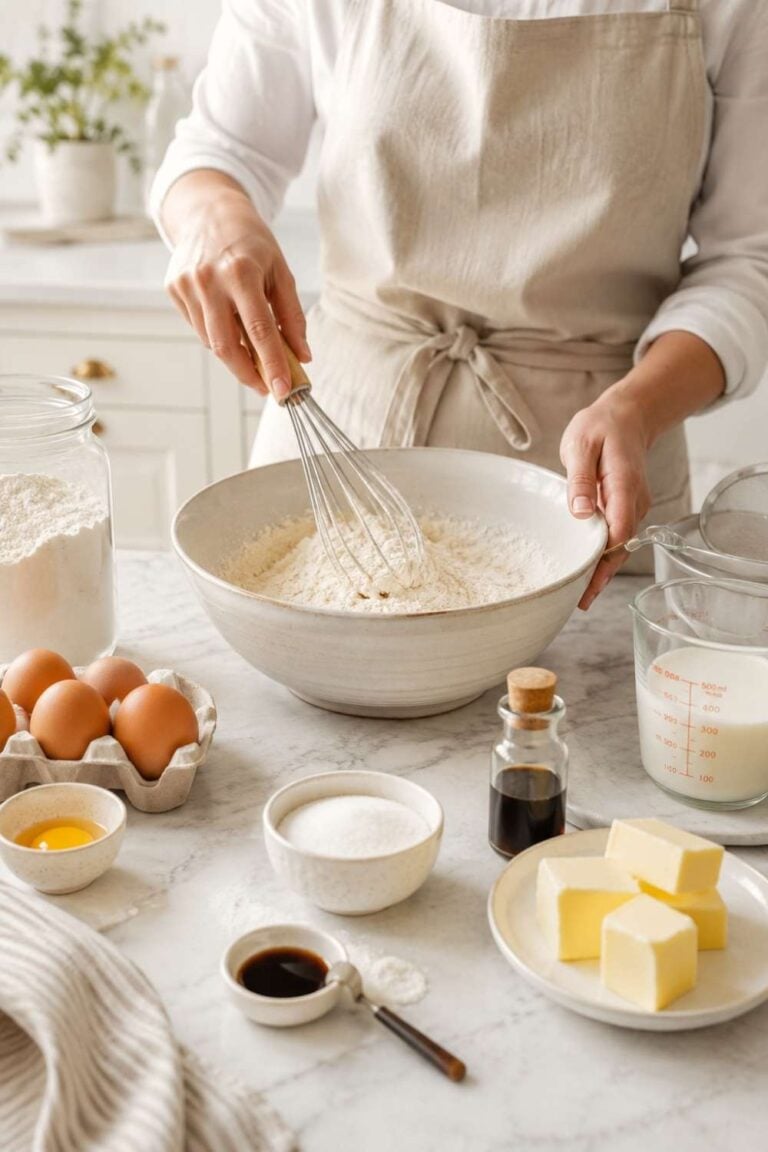
You do not need professional equipment or years of experience to begin. You need reliable ingredients, patience, accurate measurements, and enough practice to understand how pastry dough responds to temperature and handling.
This Beginner’s Guide to Homemade Pastries will help you understand the essential foundations before attempting more advanced recipes. Start by learning the basics in The Ultimate Beginners Guide to Baking (Everything You Need To Know to Start), then gradually explore different pastry styles as your confidence develops. From preparing flaky dough to shaping, chilling, filling, and baking, each step contributes to the final texture and appearance.
With the right approach, homemade pastries can become one of the most rewarding skills in your baking journey.
Understanding Homemade Pastries
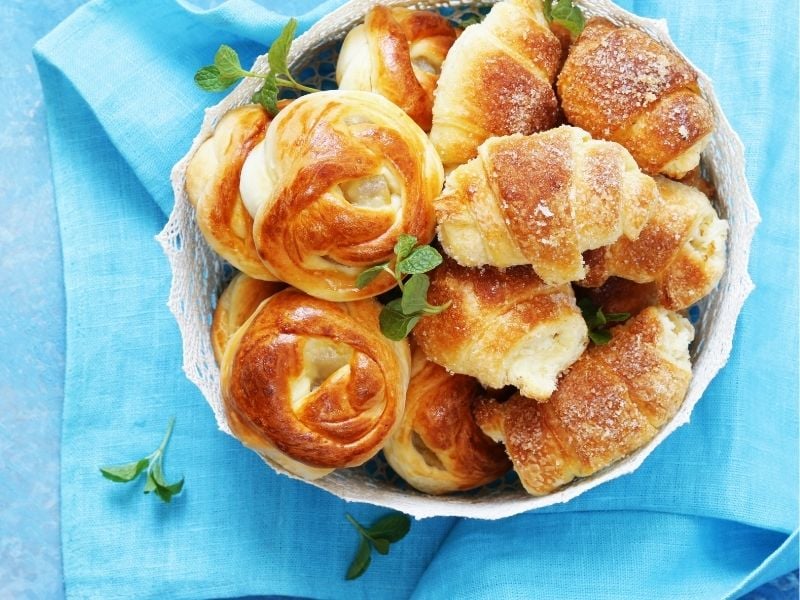
Pastry refers to baked dough made from ingredients such as flour, fat, liquid, and sometimes sugar or eggs.
Different combinations create completely different textures.
Shortcrust pastry becomes tender and crumbly.
Puff pastry develops crisp, elevated layers.
Choux pastry becomes light and hollow.
Danish pastry combines enriched dough with laminated layers.
The differences come from ingredients, mixing techniques, fat distribution, and temperature control.
Learning these distinctions makes pastry recipes much easier to understand.
A beginner does not need to master every pastry type immediately.
Start with one dough.
Learn how it behaves.
Then move to a more advanced technique.
Essential Ingredients for Homemade Pastries
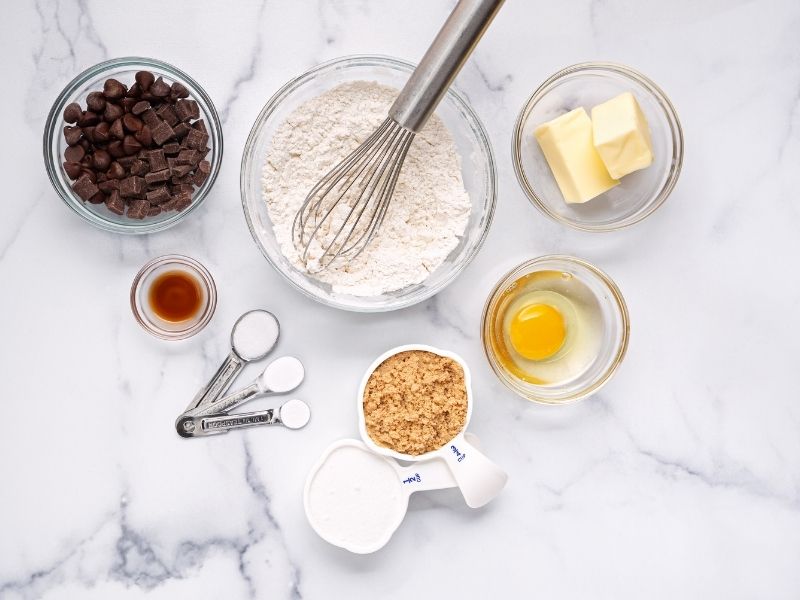
A dependable pastry starts with dependable ingredients.
Flour provides structure.
Butter contributes flavor and creates flaky layers.
Water brings the dough together.
Salt balances the flavor.
Sugar adds sweetness and encourages browning in sweet pastries.
Some recipes also include eggs, milk, cream, yeast, or other ingredients.
Ingredient quality can influence texture significantly.
Fresh butter creates better flavor.
Fresh flour produces a cleaner taste.
Accurate measurements help maintain consistency.
For a deeper explanation of ingredient functions, Baking Ingredients Explained: What Every Ingredient Actually Does can help you understand why each ingredient appears in a pastry recipe.
Choosing the Right Flour
Flour selection affects pastry texture.
All-purpose flour works well for many beginner-friendly pastry recipes.
Pastry flour contains less protein and can create a more tender result.
Bread flour contains more protein and develops stronger gluten.
The best choice depends on the pastry you are making.
Beginners should avoid changing flour varieties without understanding how the substitution affects hydration and structure.
Start with the flour recommended by the recipe.
Once you become comfortable with pastry dough, experiment with different flour types.
Measuring Ingredients Correctly
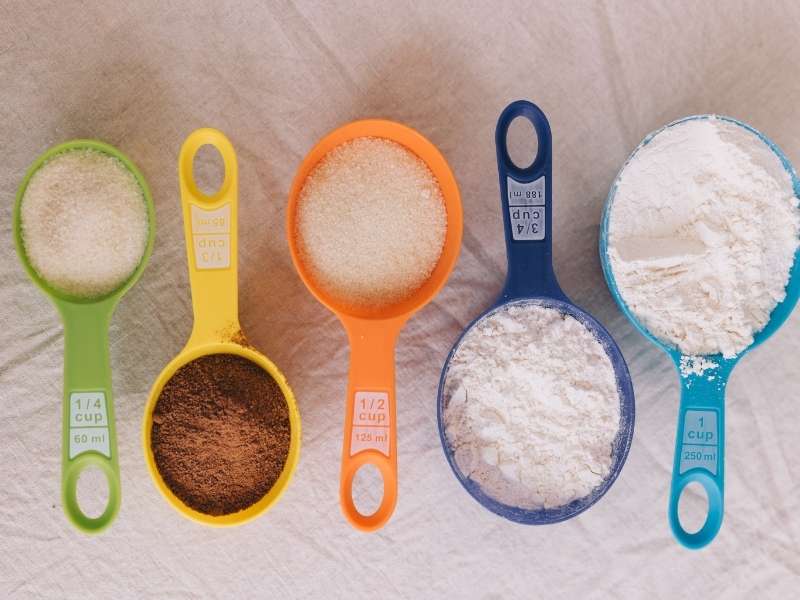
Pastry dough requires precision.
Too much flour can create dry, tough dough.
Too little flour can make the dough sticky and difficult to shape.
Too much liquid can weaken the structure.
Accurate measurements therefore matter throughout the process.
Using a kitchen scale provides excellent consistency.
If your recipe uses cups, learn how those measurements compare with grams.
Baking Measurements Conversion Chart (Cups, Grams, Ounces Explained) provides a useful reference when working between different measurement systems.
The Importance of Cold Butter
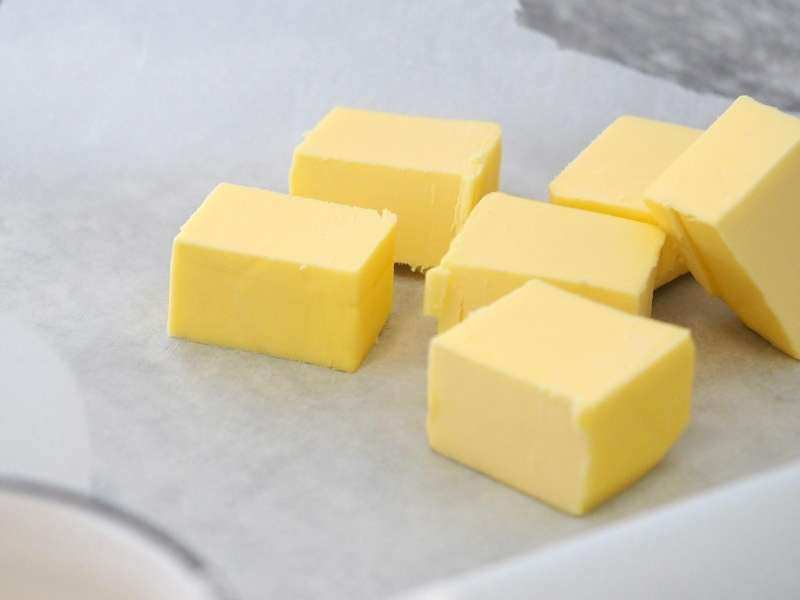
Cold butter plays a major role in flaky pastry.
When incorporated into dough, small pieces of cold butter remain separate from the flour.
During baking, the water inside the butter turns into steam.
That steam helps create pockets and layers.
If the butter becomes too warm before baking, it can blend into the flour.
The result may become dense rather than flaky.
Keep your butter cold while preparing laminated or flaky pastry.
If the kitchen becomes warm, refrigerate the dough between stages.
Temperature control remains one of the most important pastry skills.
Making Shortcrust Pastry
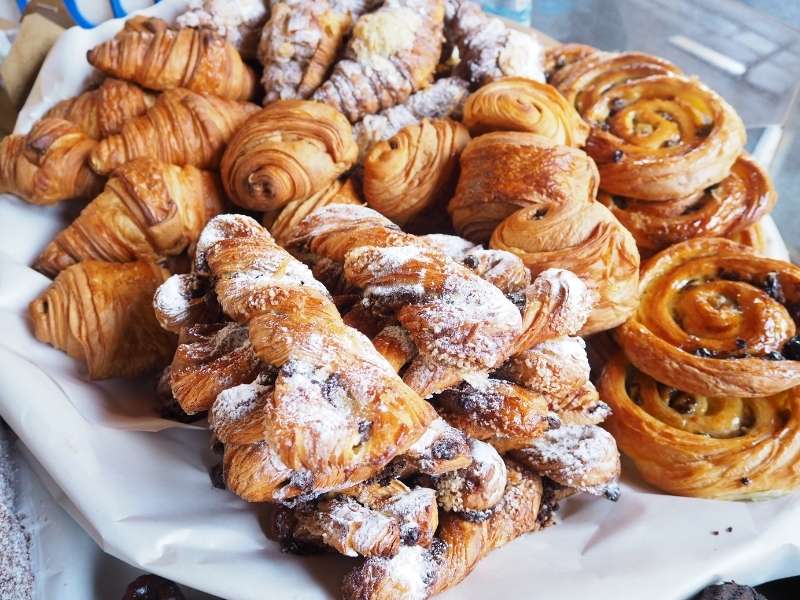
Shortcrust pastry is one of the easiest pastry doughs for beginners.
It creates a tender, crumbly base for pies, tarts, quiches, and other baked dishes.
Start by combining flour with cold butter.
Work the butter into the flour until the mixture resembles coarse crumbs.
Add the required liquid gradually.
Stop mixing once the dough comes together.
Overworking the dough develops gluten.
Too much gluten creates toughness.
Once formed, flatten the dough into a disc and chill it before rolling.
For additional guidance on avoiding problems with pastry dough, 17 Pie Baking Mistakes That Ruin Perfect Crusts covers several common crust issues.
Making Flaky Pastry
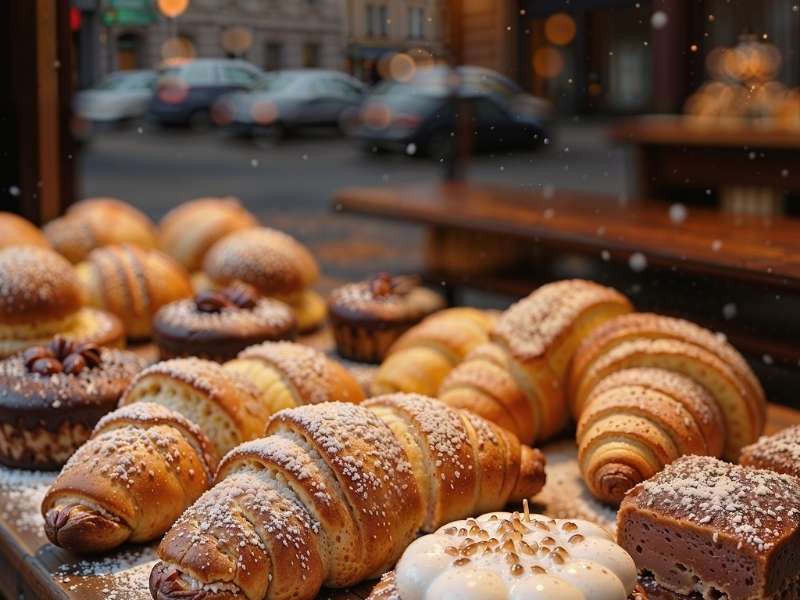
Flaky pastry depends on keeping layers of fat and dough distinct.
Cold butter remains essential.
The dough should be mixed gently and handled efficiently.
Roll the dough into a rectangle.
Fold it according to the recipe.
Chill it between folds when necessary.
Each fold creates additional layers.
The more carefully you handle the dough, the more defined those layers become.
Avoid pressing too aggressively with the rolling pin.
The goal is to flatten the dough while preserving the butter layers.
Puff Pastry for Beginners
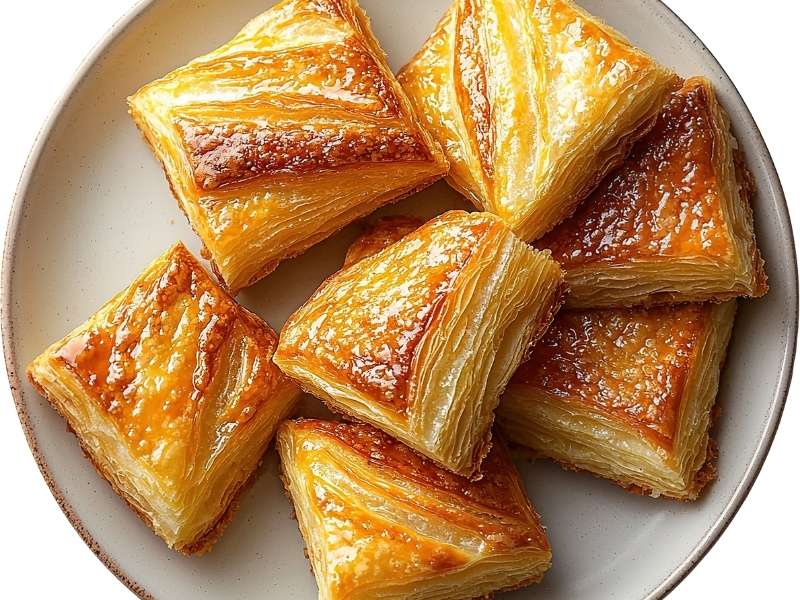
Puff pastry is more advanced than basic shortcrust pastry.
It contains multiple layers of dough and butter.
The dough undergoes repeated rolling and folding.
This process is called lamination.
During baking, steam separates the layers and produces dramatic lift.
Temperature control becomes especially important.
If the butter becomes soft, the layers can merge.
If the dough becomes too cold, rolling becomes difficult.
Work gradually and refrigerate the dough whenever necessary.
For a useful comparison between different pastry types, Puff Pastry vs Phyllo Dough vs Shortcrust: What’s the Difference? explains how these doughs differ in structure and texture.
Learning Choux Pastry
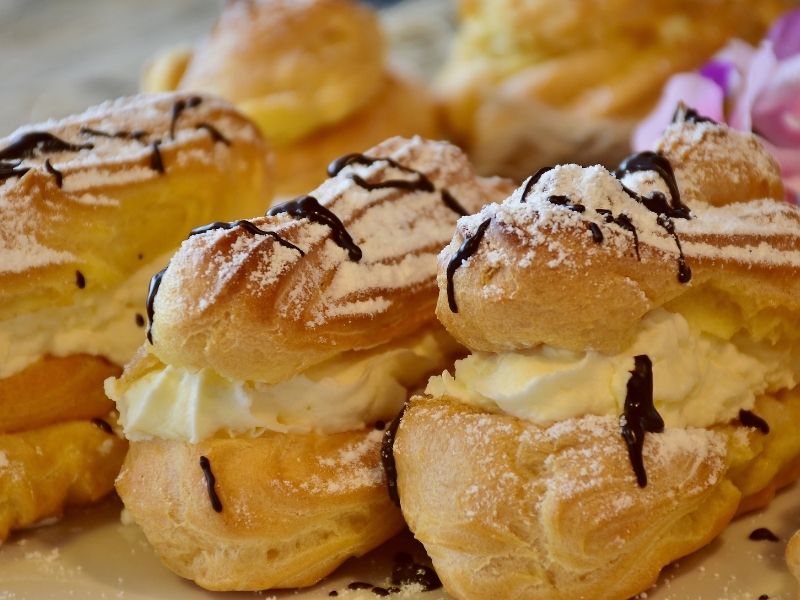
Choux pastry uses a different technique from traditional pastry dough.
Instead of rolling butter into flour, you cook the flour mixture before adding eggs.
The dough becomes thick and smooth.
It can then be piped into shapes such as profiteroles, éclairs, and cream puffs.
Steam creates the hollow interior during baking.
The dough needs enough moisture to expand properly.
Eggs are added gradually to achieve the correct consistency.
Choux pastry can feel unusual at first, but practice makes the technique much easier.
Understanding Laminated Dough
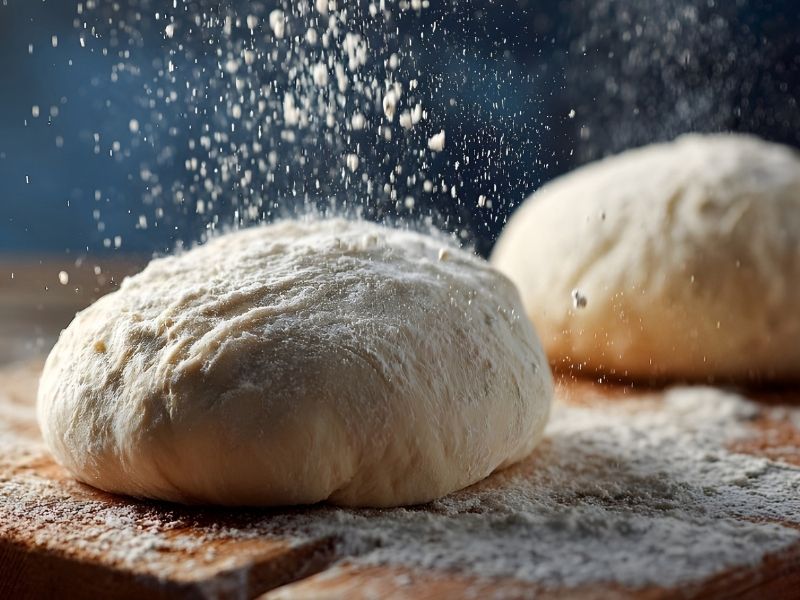
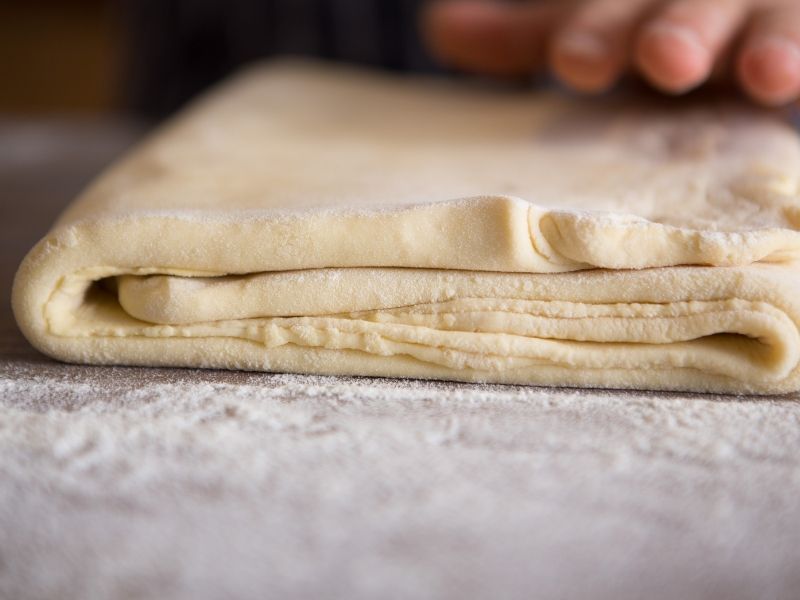
Laminated dough contains alternating layers of dough and butter.
Croissants and Danish pastries are classic examples.
The dough must remain cold enough to keep the butter firm.
The butter also needs enough flexibility to roll without cracking.
This balance takes practice.
Lamination usually involves rolling, folding, chilling, and repeating the process.
Each round creates additional layers.
Rushing these stages can reduce the final flakiness.
Patience produces better results.
How to Keep Pastry Dough Cold
Temperature affects pastry throughout the entire process.
Cold dough is easier to manage when making flaky pastry.
Warm dough becomes soft and sticky.
Butter can leak during baking when it becomes too warm.
Work on a cool surface whenever possible.
Chill mixing bowls if your kitchen is particularly warm.
Return the dough to the refrigerator whenever it becomes difficult to handle.
Do not keep rolling warm dough simply because the recipe says to continue.
Visual and textural cues matter.
Understanding baking temperature more broadly can help you make better decisions. Understanding Baking Temperatures for Better Results explains why temperature affects baking outcomes.
Rolling Pastry Dough Properly
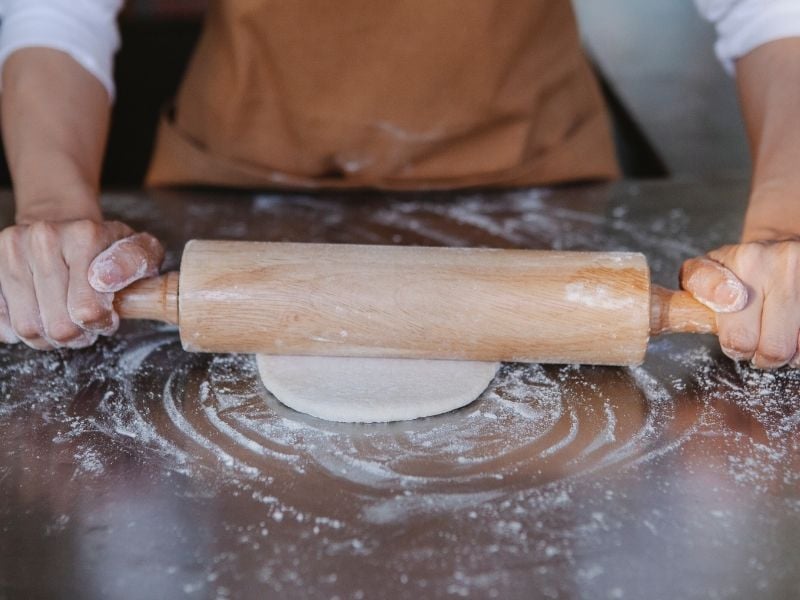
Rolling pastry requires controlled pressure.
Start from the center and roll outward.
Rotate the dough regularly.
This helps maintain an even thickness.
Do not press excessively.
Heavy pressure can compress the layers.
Light flouring prevents sticking, but excessive flour can make the pastry dry.
Use just enough flour to keep the dough moving.
Check the thickness regularly.
Uneven pastry can bake inconsistently.
Thin sections may brown before thicker sections finish.
Preventing Pastry From Shrinking
Pastry shrinkage often occurs because the dough has been overworked.
Gluten becomes more developed when dough receives excessive handling.
That gluten contracts during baking.
Chilling the shaped pastry before baking can help.
Avoid stretching the dough aggressively while placing it into a tart pan.
Instead, gently lower the dough into the corners.
Trim excess pastry without pulling on the edges.
These small techniques can create a more stable crust.
Docking Pastry Dough
Docking means creating small holes in pastry with a fork or specialized tool.
This technique allows steam to escape.
It can prevent bubbles from forming beneath the pastry.
Docking works particularly well for tart and pie crusts that are baked before filling.
Do not dock every pastry automatically.
Some recipes require the dough to remain sealed so steam can create lift.
Follow the instructions for the specific pastry you’re preparing.
Blind Baking Pastry
Blind baking means baking a pastry crust before adding its filling.
It works well for custard pies, cream tarts, and other recipes where the filling requires less baking time.
The pastry is usually lined and weighted before baking.
Pie weights, dried beans, or other suitable baking weights can prevent the crust from puffing.
The crust should become firm and lightly golden before the filling is added.
Proper timing prevents soggy bottoms.
Choosing Pastry Fillings
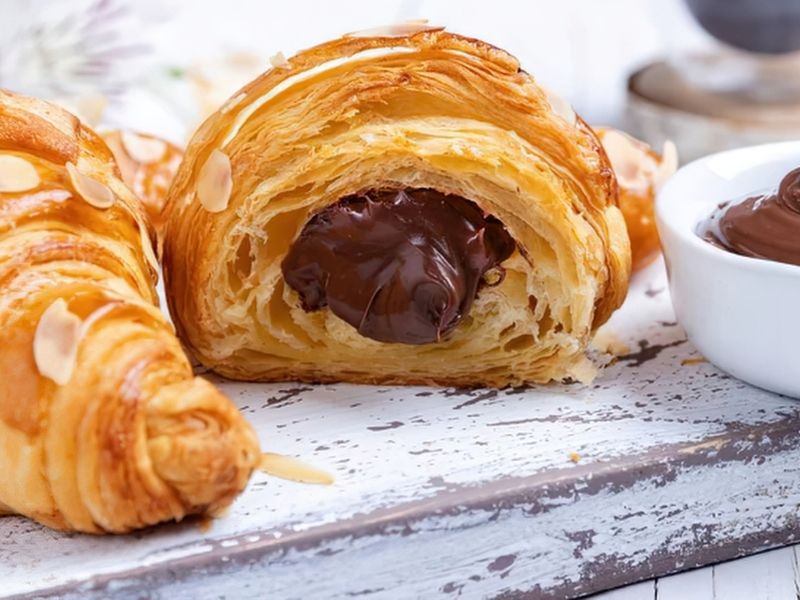
Fillings can transform simple pastry into an impressive dessert.
Fruit fillings work beautifully in turnovers and pies.
Custards suit tarts and cream pastries.
Chocolate creates rich fillings for croissants and Danish pastries.
Cheese pairs well with savory pastry.
Jam provides an easy option for beginners.
Avoid adding excessive filling.
Too much moisture can make pastry soggy.
Some fillings also expand during baking.
Leave enough space around the edges for sealing.
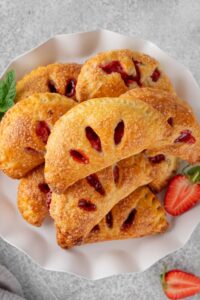
Making Fruit-Filled Pastries
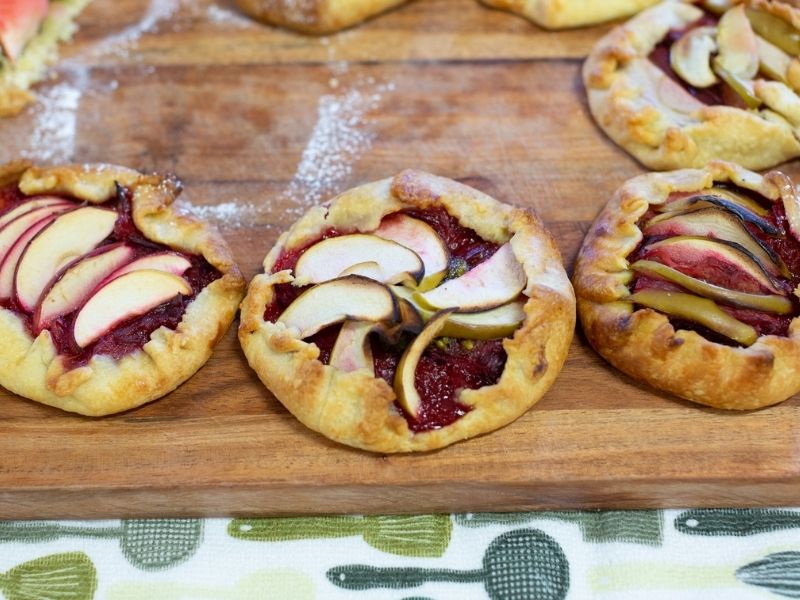
Fresh fruit creates bright flavor and attractive color.
Apples, berries, peaches, cherries, and pears work particularly well.
Fruit releases moisture during baking.
Use ingredients such as cornstarch or flour when the recipe requires thickening.
This helps prevent excessive liquid from soaking into the pastry.
Allow fruit fillings to cool when instructed before assembling.
Hot filling can soften the dough and make shaping difficult.
Sealing Pastry Properly
A good seal prevents filling from escaping.
Moisten pastry edges lightly when the recipe calls for it.
Press the edges firmly together.
A fork can create an attractive decorative seal for turnovers and hand pies.
Do not overfill the pastry.
Excess filling makes sealing difficult.
Check every edge before placing pastries in the oven.
A small opening can expand during baking.
Decorating Homemade Pastries
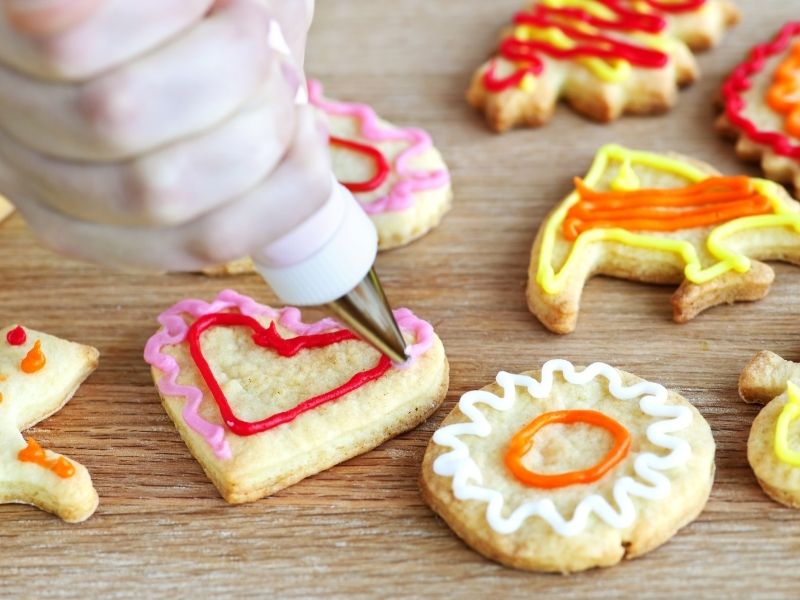
Pastry decoration can remain simple.
Egg wash creates a glossy golden surface.
Sugar adds sparkle and crunch.
Small cuts allow steam to escape while creating decorative patterns.
Fork marks can create attractive borders.
Braided strips provide an elegant finish on pies and tarts.
Beginners do not need elaborate decorating equipment.
Simple details often produce beautiful results.
For additional inspiration, 23 Beautiful Pastry Decorating Ideas offers several techniques for improving pastry presentation.
Using Egg Wash
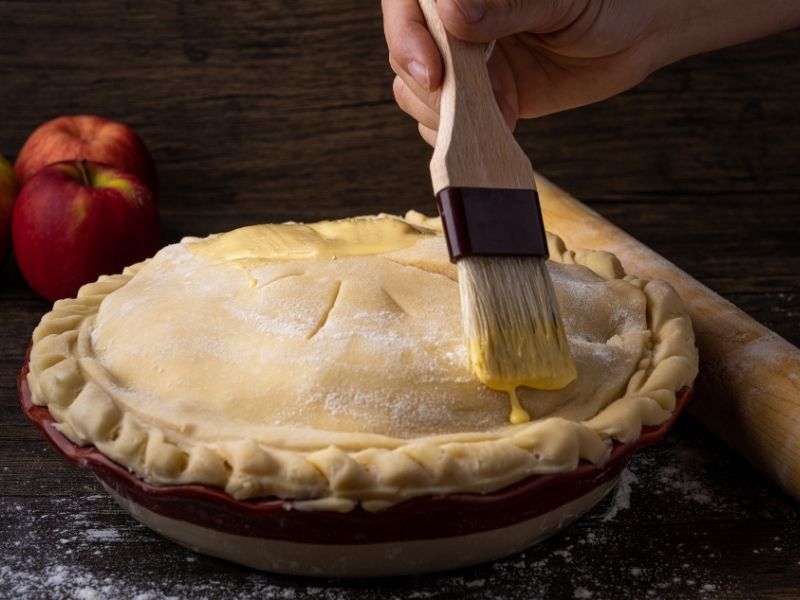
Egg wash helps pastries develop a golden, glossy finish.
It typically consists of beaten egg combined with a small amount of liquid.
Different combinations produce slightly different finishes.
Whole egg creates a rich golden appearance.
Egg yolk creates deeper color.
Milk alone creates a softer finish.
Apply egg wash evenly.
Avoid allowing it to pool around the pastry edges.
Excess egg wash can interfere with proper layering.
Baking Pastries at the Right Temperature
Pastries require sufficient heat to develop crisp texture and proper browning.
An oven that runs too cool can produce pale, greasy pastry.
An excessively hot oven can brown the outside before the inside finishes.
Always preheat your oven.
Do not place delicate pastry into a partially heated oven unless the recipe specifically instructs you to do so.
An oven thermometer can help identify inaccurate temperature readings.
Consistent temperature contributes significantly to pastry quality.
How to Know When Pastry Is Done
Color provides one important clue.
Most baked pastries should appear golden brown.
The bottom should also feel firm rather than soft.
Flaky pastry should have visible layers.
Shortcrust should feel crisp and fully baked.
Undercooked pastry often appears pale and doughy inside.
Avoid relying only on the timer.
Oven performance varies.
Look at the pastry itself before removing it.
Common Homemade Pastry Mistakes
Beginners often make several predictable mistakes.
Overworking the dough creates toughness.
Warm butter destroys flaky layers.
Too much flour creates dryness.
Too much filling causes leaks.
Skipping chilling can affect structure.
Opening the oven repeatedly can interfere with consistent baking.
These problems are fixable with practice.
Understanding the cause behind each mistake helps you improve faster.
For a broader troubleshooting resource, Common Baking Mistakes and How to Fix Them Fast provides practical solutions for frequent baking problems.
How to Handle Sticky Pastry Dough
Sticky dough does not always mean you need more flour.
Temperature may be the real issue.
Place the dough in the refrigerator before adding extra flour.
Chilling firms the butter and makes the dough easier to handle.
If the dough remains excessively sticky after chilling, add flour gradually.
Avoid adding large amounts at once.
Too much flour changes the texture.
Work slowly and evaluate the dough after each adjustment.
How to Handle Crumbly Pastry Dough
Crumbly dough often lacks sufficient moisture or has been mixed incorrectly.
Add liquid gradually when the recipe permits.
Do not pour in a large amount at once.
A small quantity can make a significant difference.
Press the dough gently together rather than aggressively kneading it.
The correct pastry dough should hold together without feeling wet.
Pastry Tools Beginners Actually Need
You do not need a professional pastry kitchen.
A rolling pin, mixing bowl, measuring tools, baking tray, pastry brush, knife, and cooling rack can handle many beginner recipes.
A kitchen scale provides additional accuracy.
A bench scraper helps divide and move dough.
A pastry cutter can help incorporate butter into flour.
Invest in equipment gradually.
If you’re building your baking collection, Essential Baking Tools Every Home Baker Needs (with Budget Options) explains which tools are worth prioritizing.
How to Practice Without Wasting Ingredients
Practice with smaller batches when possible.
Start with simple shortcrust pastry.
Make turnovers before attempting laminated croissants.
Repeat the same recipe several times.
This allows you to notice differences in dough texture, rolling pressure, chilling time, and baking temperature.
Keeping notes can also help.
Record what worked and what went wrong.
Each attempt provides useful information.
Storing Homemade Pastries
Storage depends on the pastry and filling.
Crisp pastries usually need protection from moisture.
Cream-filled pastries often require refrigeration.
Fruit pastries may soften over time.
Allow freshly baked pastries to cool completely before storing them.
Warm pastry trapped inside a sealed container can develop condensation.
That moisture reduces crispness.
For broader storage guidance, How to Store Baked Goods to Keep Them Fresh Longer explains how different baked goods should be stored.
Freezing Homemade Pastry Dough
Freezing dough provides a convenient way to prepare ahead.
Many pastry doughs freeze successfully when wrapped properly.
Divide dough into useful portions before freezing.
Label each portion with the pastry type and date.
Thaw according to the recipe instructions.
Avoid repeatedly freezing and thawing the same dough.
Proper packaging prevents freezer odors and moisture from affecting the pastry.
Making Pastries Without an Oven
Traditional ovens provide the most predictable results, but alternative methods can work for certain baked goods.
Some recipes can be adapted for stovetop cooking, air fryers, or other equipment.
The method depends heavily on the pastry.
Delicate laminated pastries require careful temperature control.
If an oven is unavailable, How to Bake Without an Oven (Realistic Methods That Work) explains alternative approaches and their limitations.
Building Confidence With Pastry Baking
Pastry does not need to be perfect on the first attempt.
Your first crust may crack.
Your first turnover may leak.
Your first laminated dough may not develop dramatic layers.
These experiences provide valuable information.
Focus on improving one technique at a time.
Start by learning how cold butter behaves.
Then practice rolling.
Next, work on shaping and sealing.
Gradual progress makes advanced pastries feel much less intimidating.
A Simple Pastry Practice Plan
Begin with shortcrust pastry.
Make a simple fruit tart.
Repeat the dough until you understand its texture.
Move to turnovers once rolling feels comfortable.
Practice sealing and egg washing.
Then attempt a flaky pastry.
After mastering those techniques, explore laminated dough.
This progression gives you a strong foundation without forcing you to learn every technique simultaneously.
Final Thoughts on Homemade Pastries
The Beginner’s Guide to Homemade Pastries starts with one important idea: pastry baking becomes easier when you understand the reasons behind each step. Cold butter, accurate measurements, gentle handling, proper chilling, controlled rolling, and correct baking temperatures all influence the final result.
You do not need to master croissants, puff pastry, choux pastry, and shortcrust pastry at the same time. Begin with one approachable dough and practice it repeatedly. Each attempt teaches you something about texture, temperature, timing, and technique.
As your skills improve, you can experiment with fillings, decorative finishes, laminated doughs, and more advanced pastry recipes. Baking pastries from scratch takes patience, but the reward is worth the effort. A crisp crust, tender center, buttery layers, or beautifully browned finish can turn simple ingredients into something genuinely special.
The most important skill is learning to observe your dough. Pay attention to its texture, temperature, flexibility, and appearance. These clues often tell you more than the clock does. With regular practice and careful preparation, homemade pastries can become a reliable part of your baking repertoire rather than an intimidating project.