How to Organize Your Baking Ingredients Like a Pro
Disclosure: Some of the links in this post are affiliate links. This means if you click on the link and purchase an item, I will receive an affiliate commission at no extra cost to you.
A well-organized baking pantry can completely change your baking experience. Instead of searching through crowded cabinets for flour, sugar, or baking powder, you’ll know exactly where everything belongs. Learning How to Organize Your Baking Ingredients Like a Pro saves time, reduces waste, and makes every baking session feel smoother and more enjoyable. Good organization also helps you keep track of ingredient freshness, preventing unpleasant surprises in the middle of a recipe.
Many home bakers struggle with cluttered shelves, expired ingredients, and duplicate purchases. A simple organization system solves these problems while making your kitchen more efficient. Clear containers, proper labeling, and smart storage habits help you find ingredients quickly and keep them in excellent condition. If you’re building a baking-friendly kitchen, Baking Station Organisation Ideas That Will Transform Your Kitchen offers additional ideas for creating a space that supports stress-free baking.
In this guide, you’ll learn How to Organize Your Baking Ingredients Like a Pro, including practical storage methods, pantry organization strategies, labeling tips, and simple habits that keep your baking supplies tidy year-round. With a few easy changes, you can create a pantry that looks organized, functions efficiently, and makes baking much more enjoyable.
Why Baking Ingredient Organization Matters
Learning How to Organize Your Baking Ingredients Like a Pro does much more than make your pantry look neat. Good organization helps you bake faster, waste less money, and avoid frustrating mistakes. When every ingredient has a designated place, you spend less time searching through cabinets and more time enjoying the baking process.
Many home bakers discover expired baking powder, forgotten chocolate chips, or duplicate bags of flour hiding in the back of a shelf. These problems often happen because ingredients lack a proper storage system. A well-organized pantry keeps everything visible and easy to access.
Organization also improves recipe success. Fresh ingredients perform better, and a tidy baking space reduces distractions. If you’re still building your baking foundation, The Most Common Beginner Baking Questions Answered explains many of the common challenges new bakers face before creating an efficient baking setup.
How to Organize Your Baking Ingredients Like a Pro
Start by Emptying Your Baking Storage Areas
The first step in How to Organize Your Baking Ingredients Like a Pro is understanding exactly what you own.
Remove everything from your baking shelves, cabinets, and pantry.
Place similar ingredients together.
Group flours in one area.
Keep sugars together.
Create separate sections for spices, chocolate, extracts, leavening agents, and decorating supplies.
This process helps you identify expired products and unnecessary duplicates.
Many bakers feel surprised by how many half-used ingredients they discover during this step.
As you sort everything, check expiration dates carefully. If you recently reviewed ingredient freshness, Shelf Life of Common Baking Ingredients (Printable Guide) can help you decide what should stay and what needs replacing.
Create Ingredient Categories That Make Sense
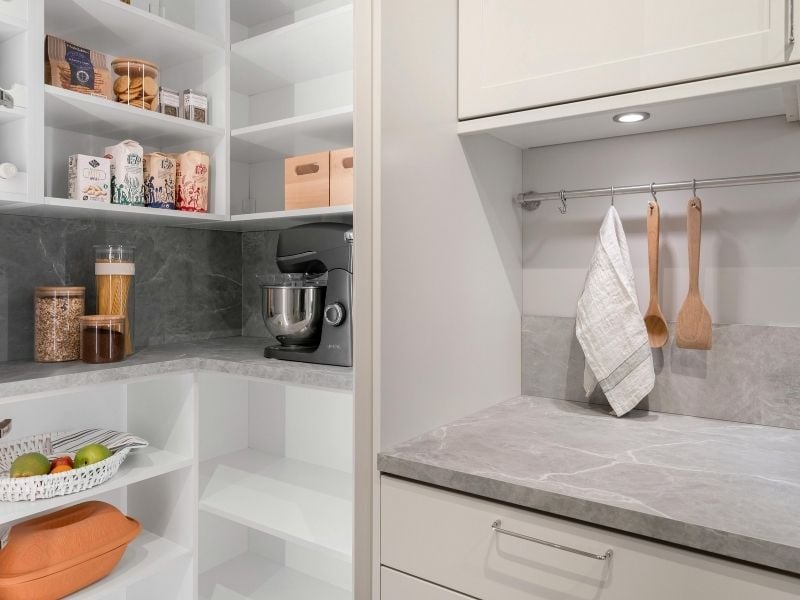
Professional bakers organize ingredients by function.
This system makes recipes easier to prepare.
Store all flours together.
Keep sugars in one section.
Place baking powder, baking soda, and yeast nearby.
Group extracts and flavorings together.
Keep decorating supplies in their own dedicated area.
When ingredients follow a logical arrangement, baking feels much smoother.
You won’t waste time searching through multiple shelves for a single item.
Categorization also makes shopping easier because you can quickly see what needs restocking.
Understanding ingredient purpose helps create better organization systems. Baking Ingredients Explained: What Every Ingredient Actually Does offers a helpful overview of how different ingredients work together.
Transfer Dry Ingredients Into Clear Containers
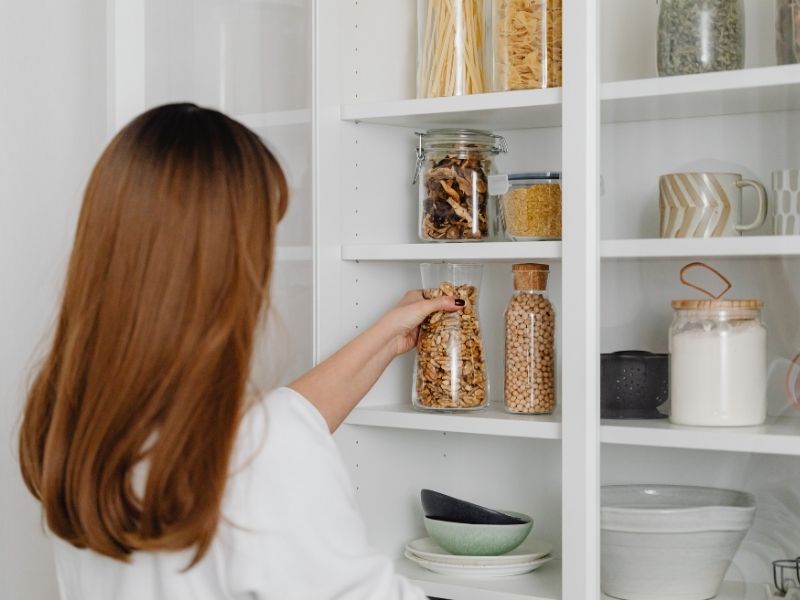
Original packaging often creates clutter.
Bags tear easily.
Boxes stack poorly.
Labels become difficult to read.
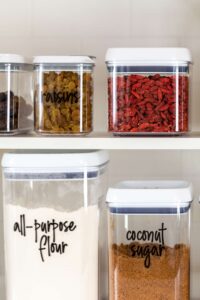
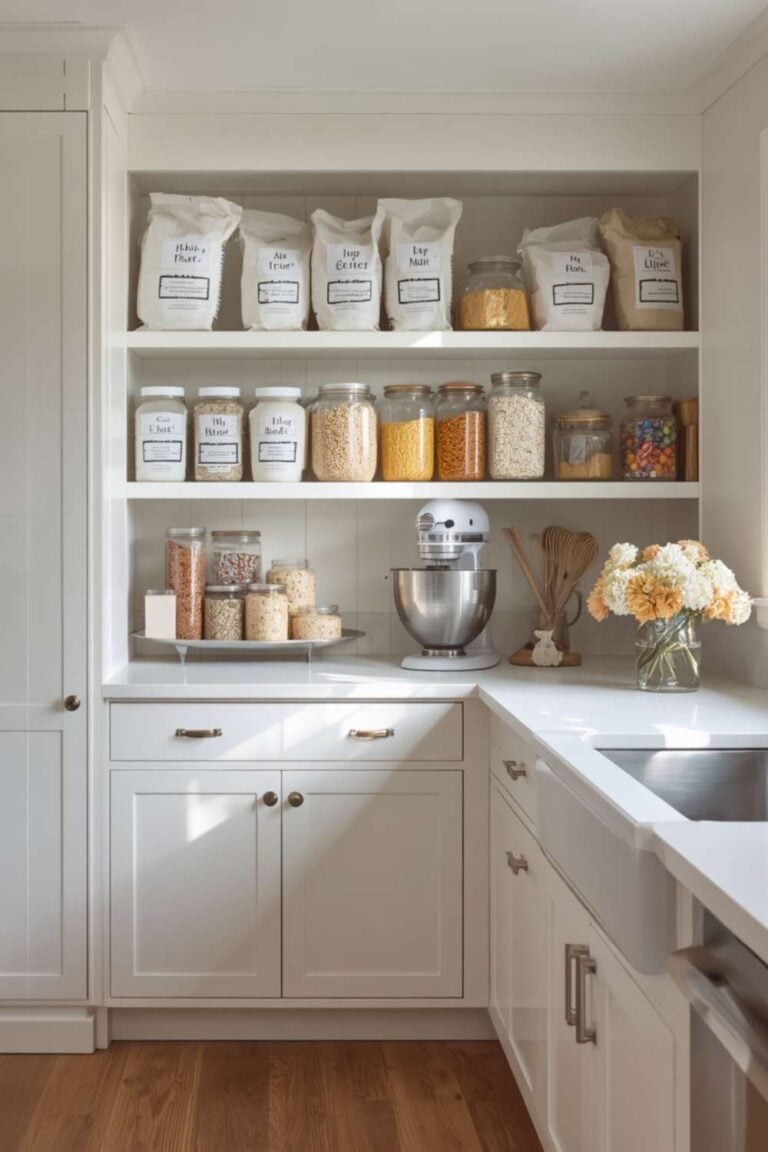
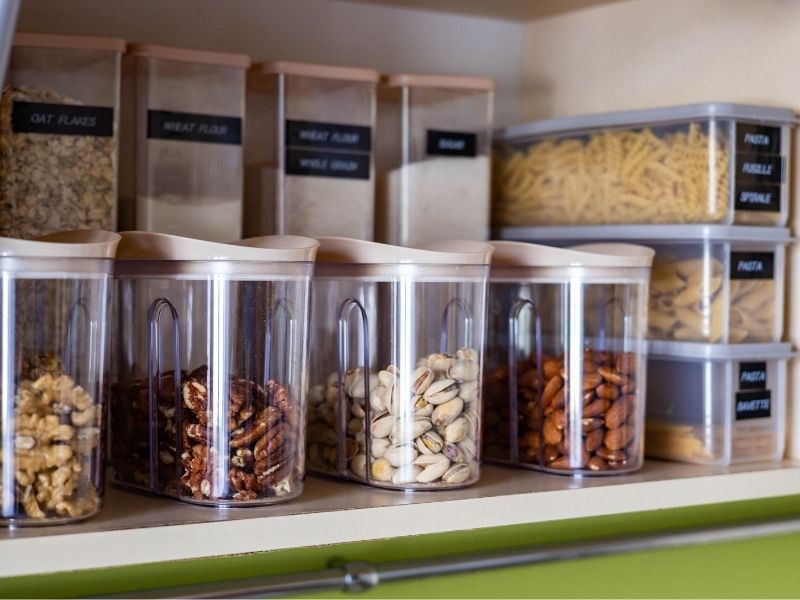
Clear storage containers solve these problems immediately.
You can see ingredient levels at a glance.
Containers stack neatly.
Shelves look cleaner.
Airtight lids also protect ingredients from moisture and pests.
Choose containers that fit your available space rather than buying random sizes.
Uniform containers create a more organized appearance while improving functionality.
Many bakers find that clear containers encourage them to keep their pantry tidy because everything remains visible.
Label Every Container Clearly
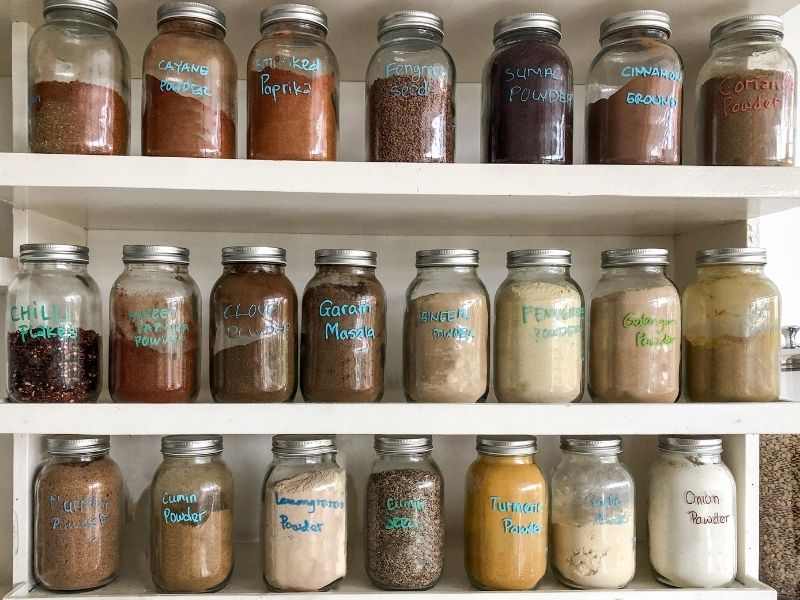
Even if you think you’ll remember what’s inside each container, labels make organization much easier.
Write the ingredient name clearly.
Include purchase dates whenever possible.
Some bakers also add expiration dates.
This extra information helps prevent waste and simplifies pantry maintenance.
Labels become especially useful when storing similar-looking ingredients.
Flour, powdered sugar, and cornstarch often look nearly identical inside clear containers.
A simple label eliminates confusion and prevents costly baking mistakes.
If measuring accuracy matters to you, Baking Measurements Conversion Chart (Cups, Grams, Ounces Explained) works even better when every ingredient remains clearly identified.
Keep Frequently Used Ingredients Within Easy Reach
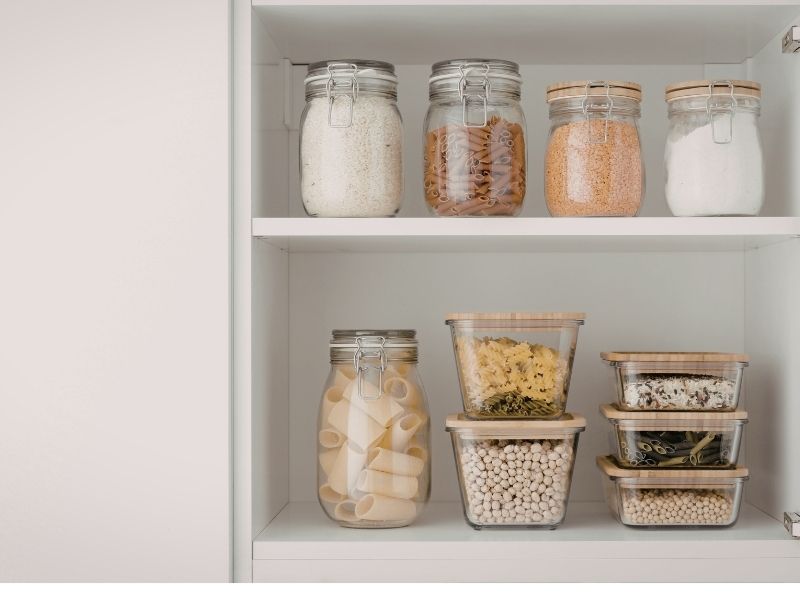
Accessibility plays a major role in How to Organize Your Baking Ingredients Like a Pro.
Store your most frequently used ingredients at eye level.
Keep flour, sugar, baking powder, baking soda, vanilla extract, and chocolate chips where you can reach them quickly.
Place specialty ingredients on higher or lower shelves.
This simple adjustment saves time during every baking session.
Think about the recipes you make most often.
Those ingredients deserve the most convenient locations.
Building your organization system around actual usage patterns creates a more efficient workspace.
Many experienced bakers combine this strategy with the recommendations in Baking Pantry Essentials: What to Always Keep Stocked to create a practical everyday pantry.
Separate Everyday Ingredients From Specialty Supplies
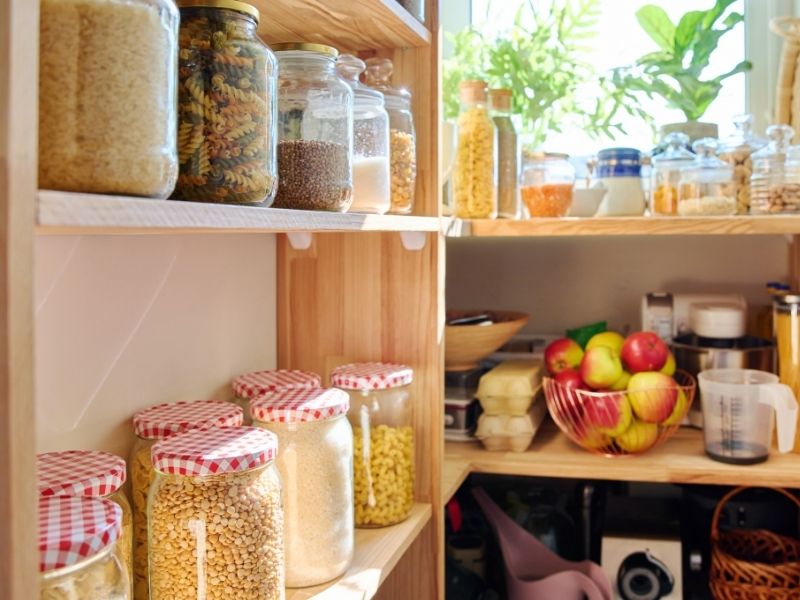
Not every ingredient needs prime shelf space.
Seasonal sprinkles, specialty extracts, rare spices, and holiday decorating supplies often remain unused for months.
Store these items separately from your everyday baking ingredients.
Keeping specialty products together prevents clutter while making seasonal baking projects easier to manage.
A dedicated storage bin works well for this purpose.
When holidays arrive, you’ll know exactly where to find everything.
This strategy also prevents rarely used ingredients from taking over valuable pantry space.
Create a Dedicated Baking Zone
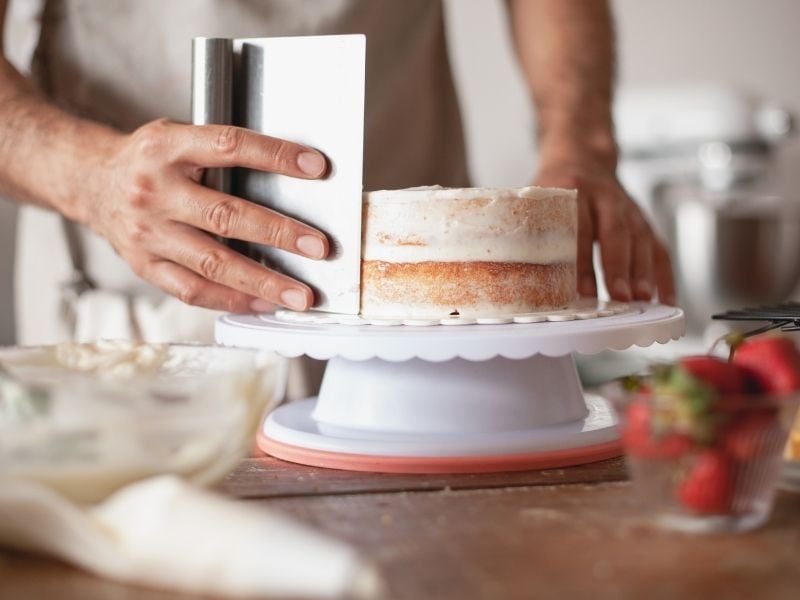
Scattered ingredients create unnecessary frustration.
Try keeping all baking ingredients in one specific area whenever possible.
Store measuring tools nearby.
Keep mixing bowls within easy reach.
Organize baking pans close to your ingredients.
A dedicated baking zone simplifies preparation and cleanup.
You won’t need to move around the kitchen constantly searching for supplies.
This setup becomes even more valuable if you bake several times each week.
If you’re looking for inspiration, Baking Station Organisation Ideas That Will Transform Your Kitchen shares practical ideas for creating a functional baking workspace.
Organize Ingredients by Baking Frequency
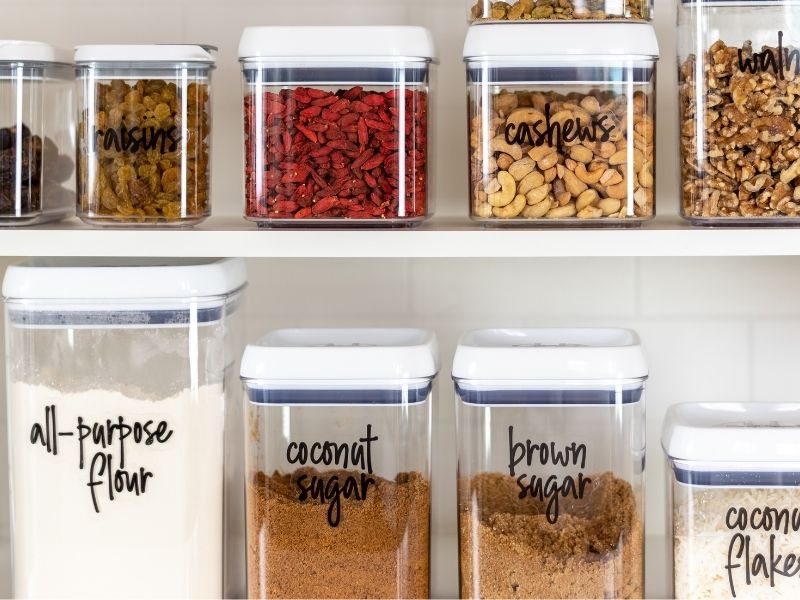
Another useful strategy involves arranging ingredients based on how often you use them.
Daily ingredients belong front and center.
Weekly ingredients can occupy nearby shelves.
Occasional ingredients should move farther back.
This system keeps your most important supplies visible while reducing clutter.
You’ll spend less time searching and more time baking.
Many professional kitchens rely on this approach because it improves efficiency without requiring complicated storage solutions.
Store Flour Properly to Prevent Waste
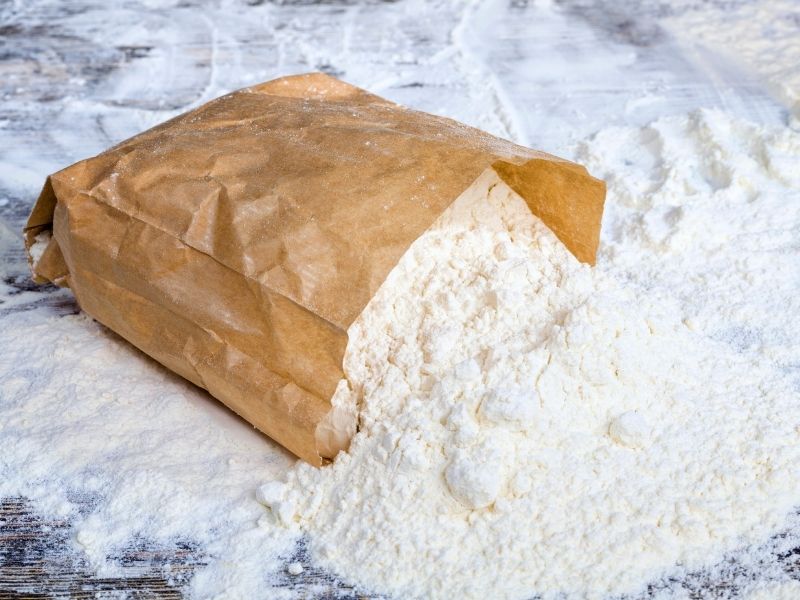
Flour often occupies the largest amount of pantry space.
Proper storage protects its quality and extends freshness.
Use airtight containers whenever possible.
Keep flour away from heat and humidity.
Store specialty flours separately from all-purpose flour.
This arrangement helps you identify the correct product quickly.
Knowing exactly which flour you’re using improves recipe accuracy.
If you’re working with multiple flour varieties, Types of Baking Flour and When to Use Them explains how each one contributes to different baking results.
Build an Organization System You Can Maintain
The best organization system is one you’ll actually use.
Avoid creating complicated rules.
Keep storage simple.
Use labels consistently.
Return ingredients to their designated locations after baking.
Small habits create lasting organization.
The goal isn’t perfection.
The goal is creating a system that supports enjoyable, stress-free baking.
Learning How to Organize Your Baking Ingredients Like a Pro starts with simple changes that make your kitchen easier to use every day.
Organize Baking Spices for Faster Access
Spices often create some of the biggest pantry challenges.
Small containers easily disappear behind larger ingredients.
Many bakers end up purchasing duplicates because they cannot find what they already own.
Create one dedicated section for baking spices.
Keep cinnamon, nutmeg, ginger, cloves, allspice, and pumpkin spice together.
Arrange them alphabetically or by frequency of use.
Choose whichever method feels more natural.
Small spice racks also help maximize vertical storage space.
Keeping spices organized saves time and helps you notice when certain flavors need replacing.
Fresh spices improve everything from cookies to cakes and breads.
If you want stronger flavors in your recipes, Baking Tips That Instantly Improve Your Results explains how ingredient freshness affects the final product.
Give Decorating Supplies Their Own Storage Area
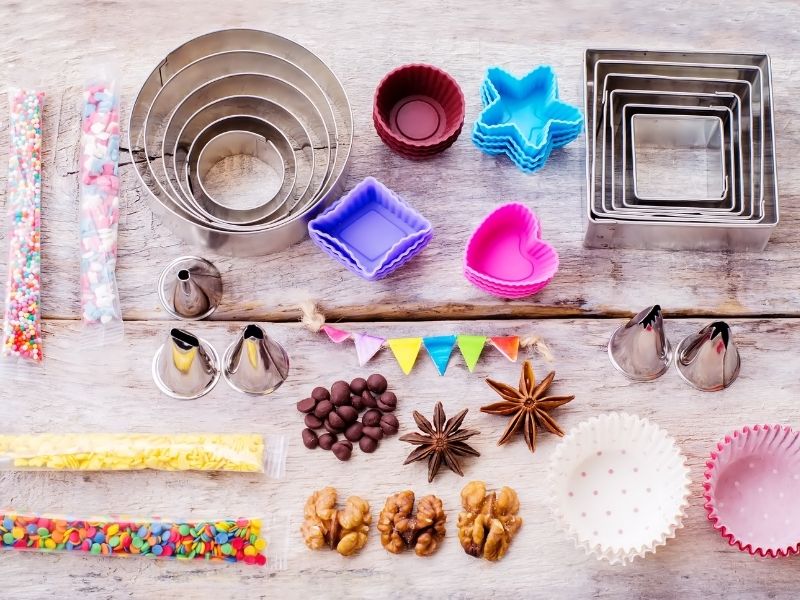
Decorating supplies quickly become messy without a proper system.
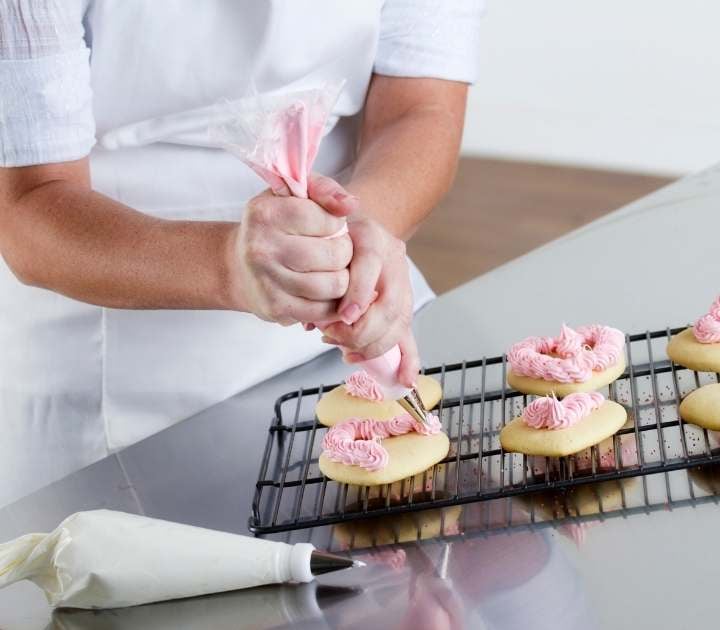
Piping tips, food coloring, sprinkles, edible glitter, cake toppers, and decorating brushes should stay together.
Small storage containers work especially well for these items.
Clear drawers also help you see what you have available.
Keeping decorating supplies separate prevents them from mixing with everyday ingredients.
This approach also makes special baking projects much easier to prepare.
You’ll spend less time searching and more time focusing on creativity.
If you enjoy decorating desserts, 23 Beautiful Pastry Decorating Ideas offers inspiration for putting those supplies to good use.
Store Chocolate Correctly
Chocolate deserves special attention.
Improper storage affects both texture and flavor.
Keep chocolate in a cool, dry location.
Avoid placing it near heat sources.
Separate dark chocolate, milk chocolate, white chocolate, and cocoa products into designated sections.
This simple arrangement prevents confusion while helping you track inventory more easily.
Chocolate often appears in many recipes, so keeping it organized saves time throughout the year.
Good storage also protects quality and extends shelf life.
Keep Baking Tools Near Your Ingredients
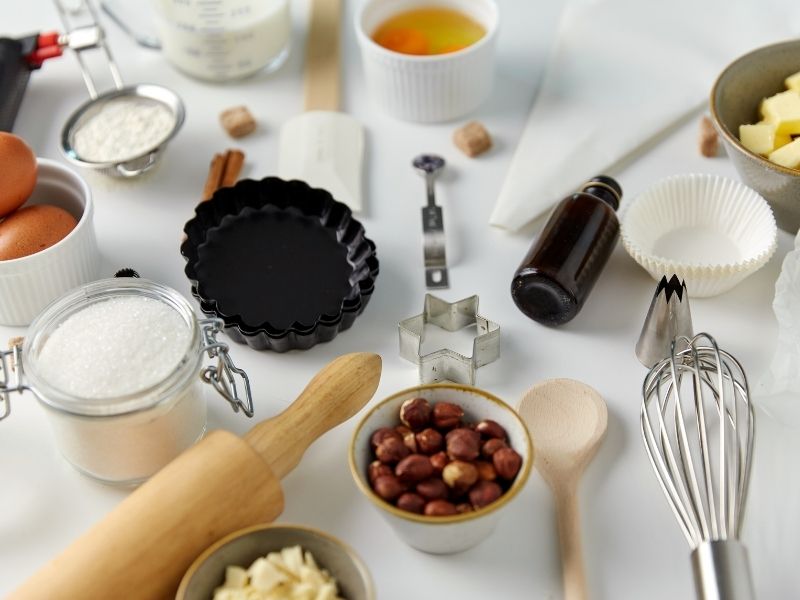
Learning How to Organize Your Baking Ingredients Like a Pro involves more than ingredient storage alone.
Tools play an important role too.
Store measuring cups near flour and sugar.
Keep measuring spoons close to spices and leavening agents.
Place mixing bowls nearby.
Organize whisks, spatulas, and dough scrapers within easy reach.
Reducing unnecessary movement makes baking feel much smoother.
Every item should have a logical location based on how often you use it.
If you’re still building your collection, Essential Baking Tools Every Home Baker Needs (with Budget Options) explains which tools deserve priority.
Create a Refrigerator Section for Baking Ingredients
Many baking ingredients belong in the refrigerator.
Butter, eggs, cream cheese, heavy cream, and certain specialty ingredients stay fresher when chilled.
Reserve one shelf specifically for baking products.
Keeping them together makes preparation easier.
You’ll always know where to find what you need.
This habit also prevents ingredients from getting lost among everyday groceries.
Good refrigerator organization supports better baking results and reduces waste.
Understanding how refrigerated ingredients affect recipes becomes easier with Eggs in Baking: Why They Matter and How They Affect Results.
Organize Extracts and Flavorings Together
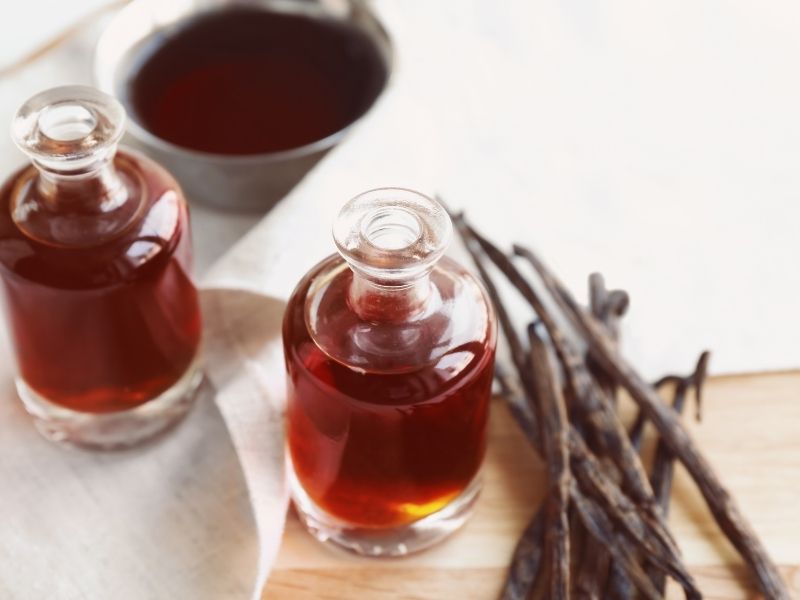
Vanilla extract often receives its own spot in the pantry.
Still, many bakers collect several flavorings over time.
Almond extract, lemon extract, peppermint extract, and specialty flavorings deserve a dedicated section.
Store bottles upright.
Keep them away from direct sunlight.
Group similar products together.
This arrangement helps you see what flavors you already own before purchasing more.
Flavorings may seem small, but they contribute significantly to recipe quality.
Easy access encourages creativity when trying new desserts.
Use Vertical Space Efficiently
Many pantries contain unused vertical space.
Shelf risers help maximize storage capacity.
Stackable containers also create more room.
Small baskets allow you to group similar ingredients together.
Making use of height often doubles your available storage area.
This strategy works especially well in compact kitchens.
Efficient use of space remains one of the most practical parts of How to Organize Your Baking Ingredients Like a Pro.
If space feels limited, Small Kitchen Baking Ideas for Limited Spaces offers additional solutions for maximizing storage.
Organize Ingredients by Recipe Type
Some bakers prefer organizing ingredients according to the recipes they use most often.
Bread-making supplies can occupy one section.
Cake ingredients can stay together.
Cookie ingredients may have their own dedicated area.
This method works especially well for people who bake certain categories frequently.
Gathering ingredients becomes much faster because everything needed for a recipe sits nearby.
Bread bakers often find this system particularly helpful.
If homemade bread appears regularly in your kitchen, Beginner’s Guide to Baking Bread at Home provides additional tips for streamlining your bread-making process.
Create a Restocking System
Organization works best when paired with maintenance.
Keep a small notepad inside your pantry.
Write down ingredients as they run low.
Digital shopping lists work equally well.
Review your inventory before every grocery trip.
This habit prevents duplicate purchases and reduces forgotten items.
A simple restocking system keeps your pantry functional without requiring constant attention.
The more organized your inventory becomes, the easier baking feels.
Avoid Overstocking Ingredients
Many bakers purchase more than they can reasonably use.
Large quantities seem economical.
Still, ingredients eventually lose freshness.
Buy realistic amounts based on your baking habits.
Focus on quality rather than quantity.
Fresh ingredients perform better and reduce waste.
A carefully managed pantry stays cleaner, more organized, and easier to maintain.
If you’re looking for affordable options, Best Budget Baking Ingredients That Still Give Great Results highlights budget-friendly ingredients worth keeping stocked.
Make Your Pantry Easy to Clean
Good organization should simplify maintenance.
Choose wipeable containers.
Avoid overcrowding shelves.
Leave enough room to remove ingredients easily.
Clean spills immediately.
Inspect shelves regularly.
Simple cleaning habits preserve both organization and ingredient quality.
A clean pantry feels more inviting and encourages consistent use of your system.
Learning How to Organize Your Baking Ingredients Like a Pro becomes much easier when cleanliness remains part of the routine.
Rotate Ingredients Before They Expire
One of the most effective habits in How to Organize Your Baking Ingredients Like a Pro is ingredient rotation.
Place newer products behind older ones.
Move older ingredients toward the front of the shelf.
This simple method encourages you to use ingredients before they lose freshness.
Many professional kitchens rely on this system because it reduces waste and improves inventory management.
Checking expiration dates becomes much easier when everything follows a clear rotation pattern.
If ingredient freshness is important to you, The Science of Baking Made Simple for Beginners explains how long common baking products typically last.
Schedule Monthly Pantry Checks
Even the best organization systems need occasional maintenance.
Choose one day each month to inspect your baking pantry.
Check expiration dates.
Wipe shelves.
Review ingredient levels.
Replace anything that has lost freshness.
Monthly reviews prevent small problems from becoming larger ones.
You will also notice missing ingredients before they affect a recipe.
This habit keeps your baking area efficient throughout the year.
A few minutes each month can save hours of frustration later.
Create a Labeling System That Works
Labels do more than identify ingredients.
They help maintain consistency.
Write ingredient names clearly.
Add purchase dates when possible.
Include expiration dates for products with shorter shelf lives.
Some bakers use color-coded labels for different categories.
Flours might use one color.
Sugars might use another.
The specific system matters less than consistency.
Choose a method you can maintain easily.
A reliable labeling system makes How to Organize Your Baking Ingredients Like a Pro much easier to sustain long-term.
Final Thoughts
Learning How to Organize Your Baking Ingredients Like a Pro transforms much more than your pantry. A well-organized system saves time, reduces waste, protects ingredient freshness, and makes every baking session more enjoyable. Instead of searching through cluttered cabinets, you’ll know exactly where everything belongs and how much you have available.
The best organization systems remain simple, practical, and easy to maintain. Clear containers, thoughtful labels, ingredient rotation, and regular pantry checks create lasting results without adding extra work. Small improvements often make the biggest difference.
Most importantly, build a system that supports your personal baking habits. Organize ingredients based on how you bake, how often you use them, and the space available in your kitchen. As you continue refining your pantry, you’ll discover that How to Organize Your Baking Ingredients Like a Pro is less about perfection and more about creating a space that helps you bake with confidence, efficiency, and enjoyment every time you step into the kitchen.