The Most Common Beginner Baking Questions Answered
Disclosure: Some of the links in this post are affiliate links. This means if you click on the link and purchase an item, I will receive an affiliate commission at no extra cost to you.
Starting to bake can feel exciting, but it’s completely normal to have lots of questions. You might wonder why your cake sank, why your cookies spread too much, or why your bread didn’t rise the way you expected. Finding clear answers early helps you avoid frustration and enjoy baking much more. This collection of Beginner Baking Questions covers the topics that new bakers ask most often, so you can build your confidence with every recipe.
Every experienced baker once faced the same challenges. Learning the basics, understanding ingredients, and practicing simple techniques will help you improve faster than trying complicated recipes right away. If you’re still building your foundation, Puff Pastry vs Phyllo Dough vs Shortcrust What’s the Difference is an excellent place to begin before tackling more advanced projects.
In this guide, you’ll find straightforward answers to the most common Beginner Baking Questions, along with practical tips you can use immediately. From measuring ingredients correctly to understanding oven temperatures and choosing the right tools, these answers will help you bake with greater confidence and achieve better results every time you step into the kitchen.
Understanding Why Beginners Have So Many Baking Questions
Every baker starts with questions.
Some wonder why a cake sank.
Others struggle with flat cookies or dense bread.
Many simply want to understand what recipes are asking them to do.
These Beginner Baking Questions are completely normal.
Baking combines ingredients, techniques, timing, and temperature.
Learning how they work together takes practice.
The good news is that every question you answer helps you become a more confident baker.
Instead of guessing, take time to understand the basics.
Small lessons lead to big improvements.
If you’re just beginning your baking journey, The Ultimate Beginners Guide to Baking (Everything You Need To Know to Start) will give you a solid foundation before you try more advanced recipes.
The Most Common Beginner Baking Questions
1. Why Do Baking Recipes Need Exact Measurements?
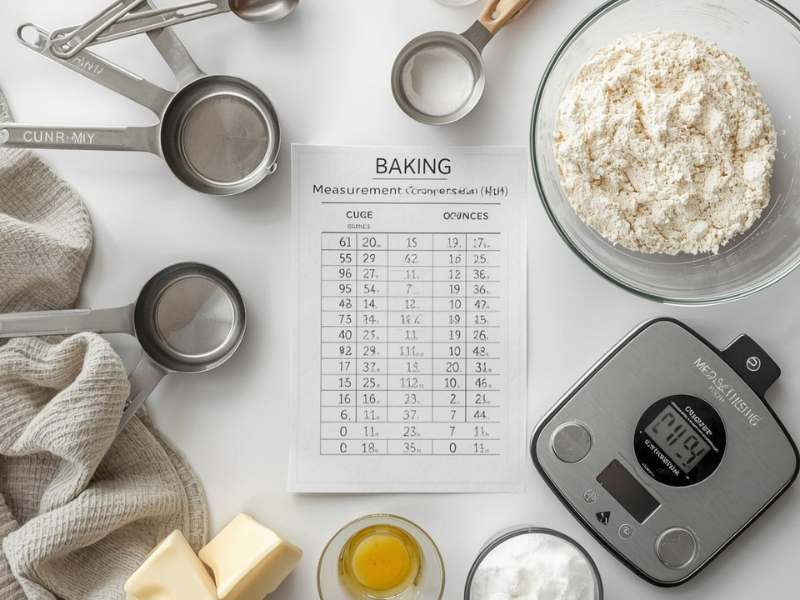
Baking is much more precise than cooking.
A little too much flour can make your cake dry.
Extra liquid can leave muffins underbaked.
Using too much baking powder may cause a cake to rise quickly and then collapse.
Accurate measurements help recipes work the way they should.
That’s why many experienced bakers prefer weighing ingredients instead of estimating them.
Measuring carefully also makes your results more consistent.
If measuring feels confusing, Baking Measurements Conversion Chart (Cups, Grams, Ounces Explained) explains how to convert common measurements with confidence.
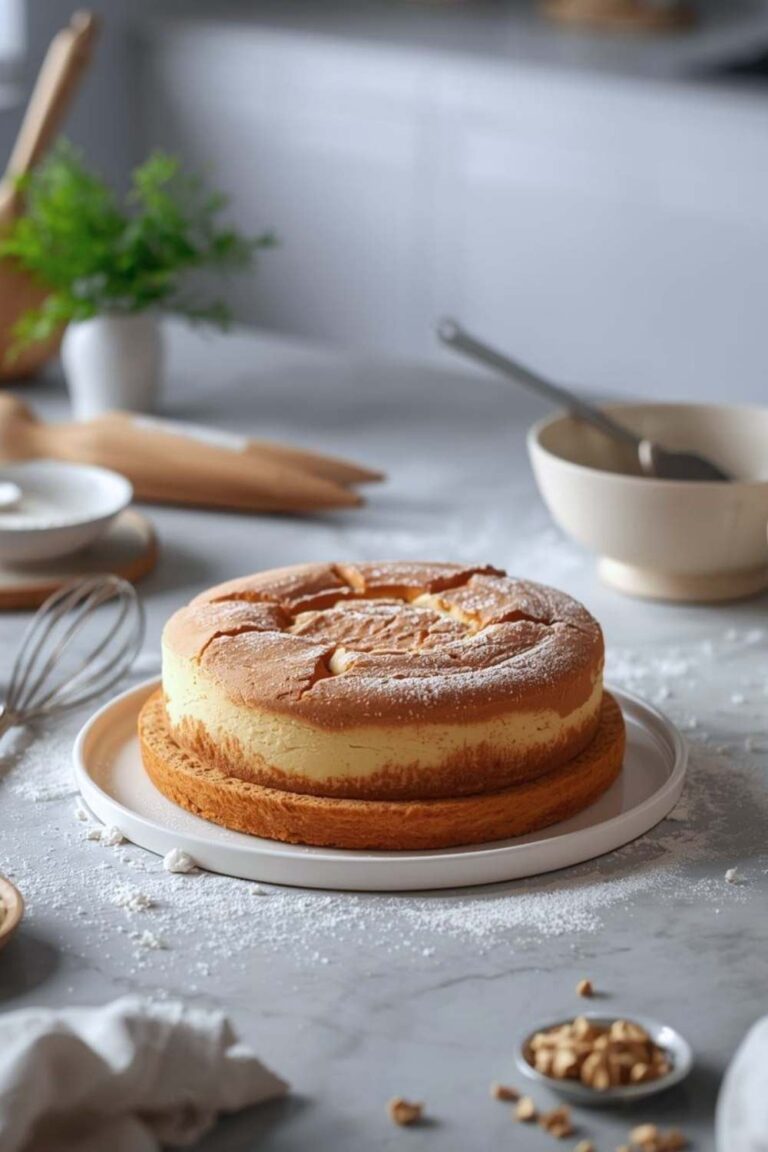
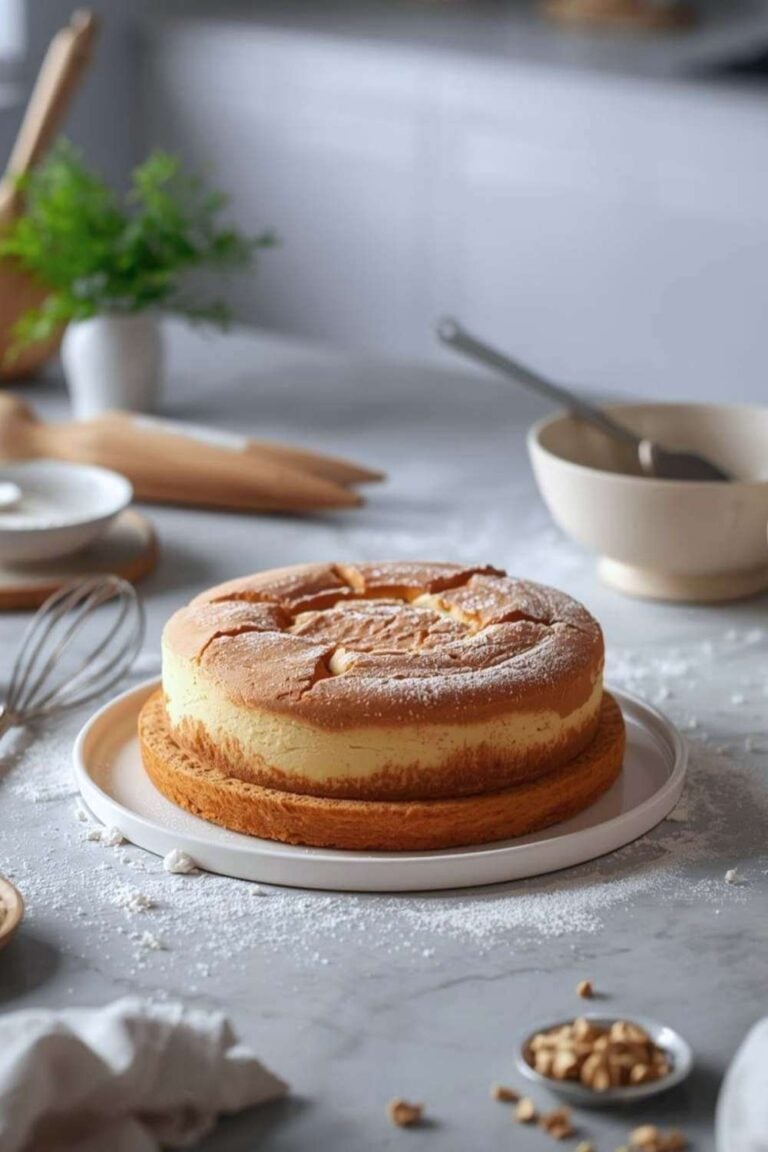
2. Why Does My Cake Sink in the Middle?
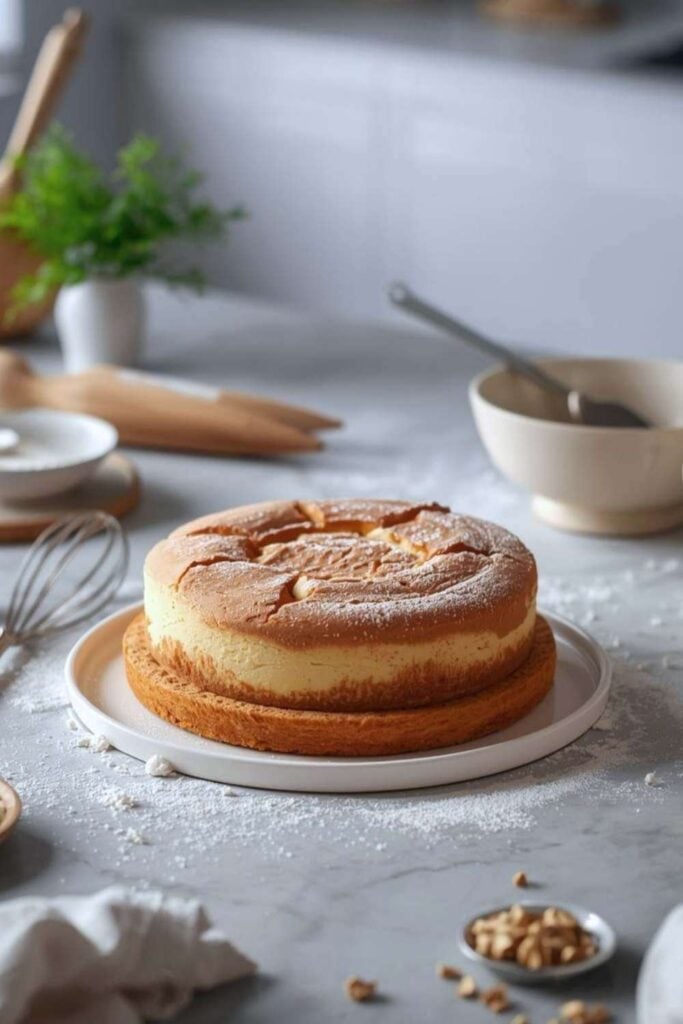
This is one of the most common Beginner Baking Questions.
Several things can cause a cake to sink.
Opening the oven too early is one possibility.
Using too much baking powder can also create problems.
Underbaking is another common cause.
Sometimes the batter contains too much liquid.
Each of these issues weakens the cake’s structure before it finishes baking.
Allow your cake enough time to bake before checking it.
Always test the center before removing it from the oven.
If this happens often, Why Your Cakes Keep Failing (and How to Fix Them) explains each cause in greater detail.
3. Why Are My Cookies Flat?
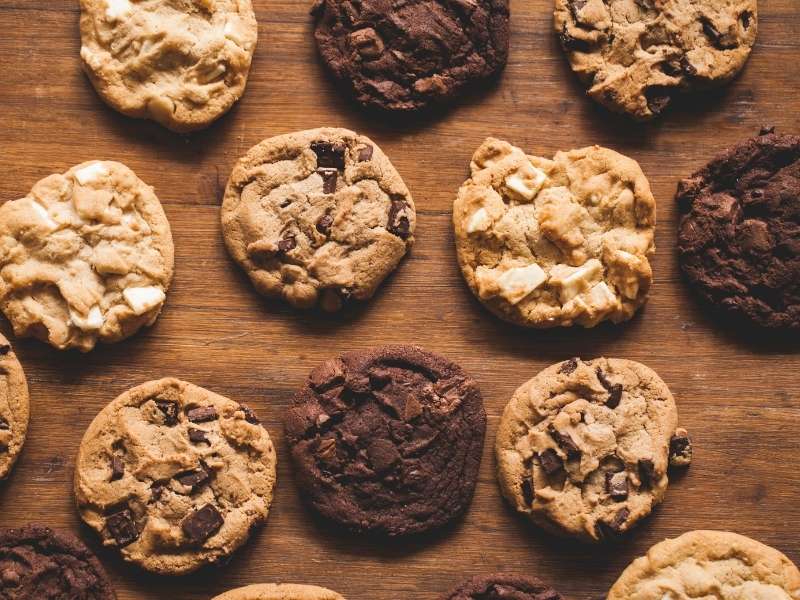
Flat cookies frustrate many beginners.
Warm butter often causes excessive spreading.
Too little flour can produce the same result.
An oven that’s not fully preheated may also affect cookie texture.
Old baking soda sometimes loses its strength.
Even overcrowding your baking tray changes how cookies bake.
Small adjustments usually solve the problem.
Carefully following your recipe also improves consistency.
If cookies continue giving you trouble, Why Did My Cookies Turn Out Flat? 21 Possible Reasons explores every possible cause.
4. Why Didn’t My Bread Rise?
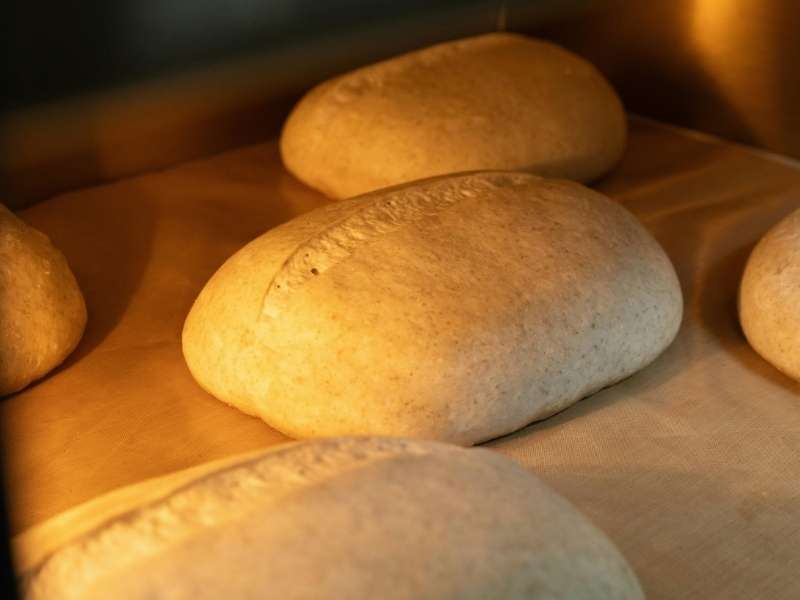
Bread depends on active yeast.
If the yeast is old, your dough may never rise properly.
Water that is too hot can also kill the yeast.
Cold kitchens slow fermentation.
Not giving the dough enough time to rise creates dense bread.
Patience plays a huge role in bread baking.
Allow the dough to double in size before moving to the next step.
With practice, you’ll learn how properly risen dough should look and feel.
If you’re interested in baking bread, Beginner’s Guide to Baking Bread at Home walks through every stage of the process.
5. Why Do Recipes Use Room-Temperature Ingredients?
Many recipes ask you to leave butter, eggs, and milk out before baking.
There’s a good reason for this.
Room-temperature ingredients mix together more easily.
They create smoother batters.
They also trap air more effectively during mixing.
Cold butter may leave lumps.
Cold eggs can cause batters to separate.
Planning ahead gives you better results with very little extra effort.
Understanding ingredients also makes recipes easier to follow.
Baking Ingredients Explained: What Every Ingredient Actually Does explains why each ingredient plays an important role.
6. What Does “Fold” Mean?
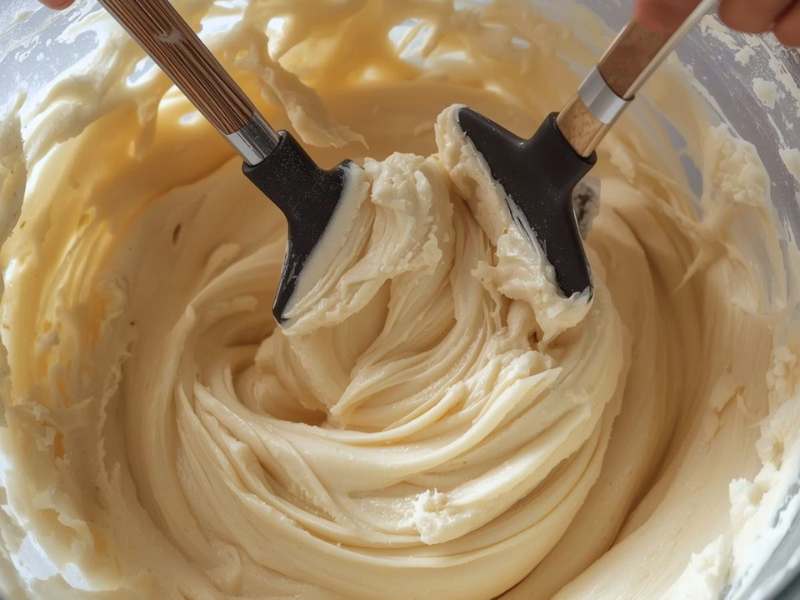
Recipe instructions sometimes confuse beginners.
One common example is the word “fold.”
Folding is a gentle mixing technique.
Instead of stirring quickly, you carefully lift the batter over itself.
This method keeps more air inside the mixture.
Many cakes and mousses depend on folding to stay light.
Overmixing removes that trapped air.
Learning common baking terms makes recipes much less intimidating.
If recipe instructions seem confusing, Baking Terms Explained (Fold, Cream, Knead & More For Beginners) explains the most important techniques.
7. Why Does Oven Temperature Matter So Much?

Every recipe depends on the correct baking temperature.
An oven that’s too hot may brown food before the inside finishes baking.
Low temperatures often create dense or underbaked desserts.
Even a difference of a few degrees affects some recipes.
Using an oven thermometer helps ensure accuracy.
Preheating the oven completely before baking is equally important.
Temperature consistency produces more reliable results.
If you’ve ever wondered why temperature matters so much, Understanding Baking Temperatures for Better Results explains the science behind it.
8. Should I Read the Entire Recipe Before Starting?
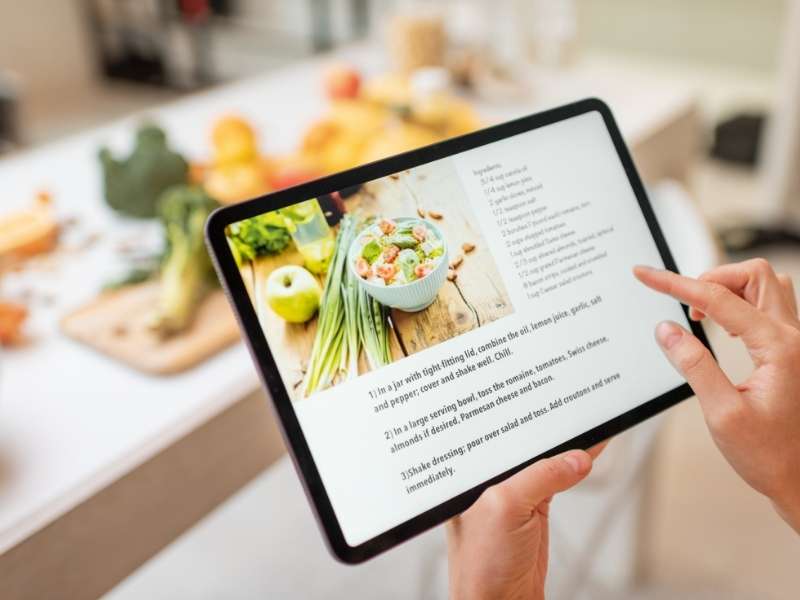
Absolutely.
Many beginners skim recipes and begin baking immediately.
That often leads to mistakes.
You may miss chilling times.
You could overlook ingredient temperatures.
Some recipes require preparation before mixing begins.
Reading everything first helps you stay organized.
It also reduces stress during baking.
Knowing what comes next allows you to prepare your ingredients and equipment ahead of time.
If you’d like to build this habit, How to Read a Baking Recipe Correctly Before You Start offers simple tips that make every recipe easier to follow.
9. Which Baking Tools Do I Really Need?
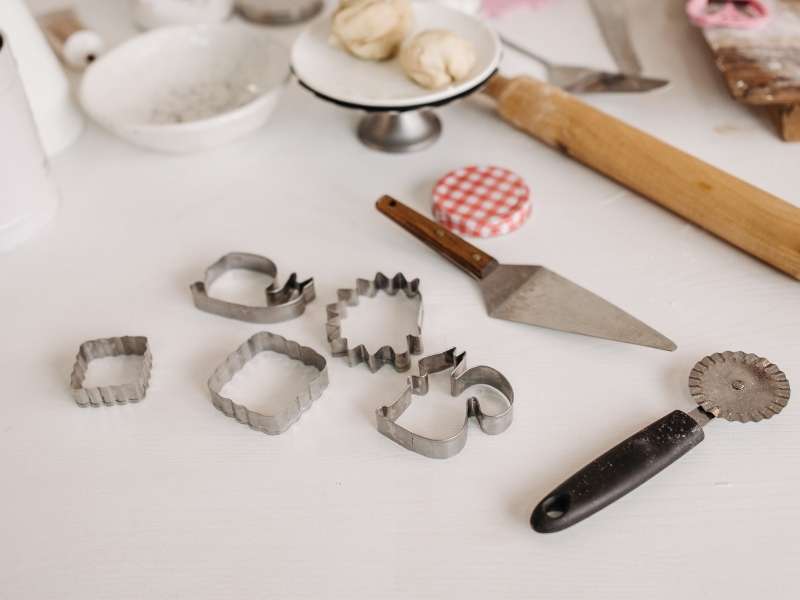
Many beginners think they need a kitchen full of expensive equipment.
That isn’t true.
Start with the basics.
A good mixing bowl, measuring cups, measuring spoons, whisk, silicone spatula, baking pans, cooling rack, and oven mitts will handle most recipes.
As your skills improve, you can slowly add more specialized tools.
Buying everything at once often wastes money and storage space.
Choose quality over quantity whenever possible.
If you’re building your collection, Essential Baking Tools Every Home Baker Needs (with Budget Options) highlights the items worth buying first.
10. Which Flour Should I Use?
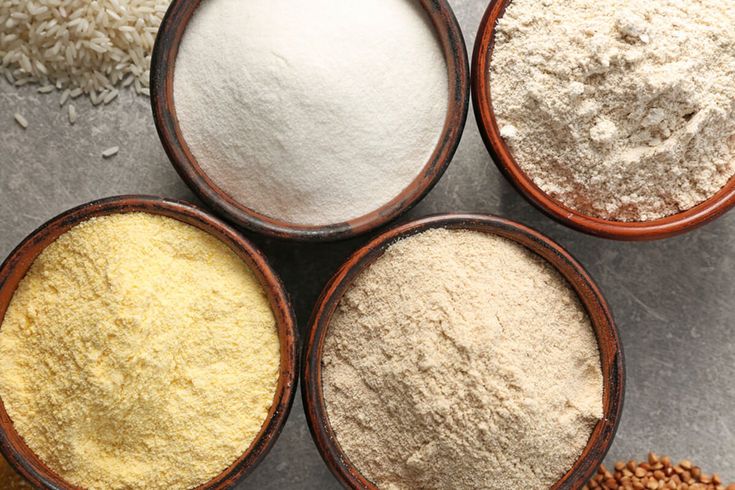
Flour plays a huge role in baking.
Different flours produce different results.
All-purpose flour works well for many cakes, cookies, and muffins.
Bread flour contains more protein.
That extra protein helps create chewy bread.
Cake flour produces softer, lighter cakes.
Pastry flour falls somewhere in between.
Choosing the wrong flour can completely change your recipe.
Learning these differences makes baking much easier.
If you’re unsure which flour to buy, Types of Baking Flour and When to Use Them explains each variety in simple terms.
11. Does Butter Really Matter?
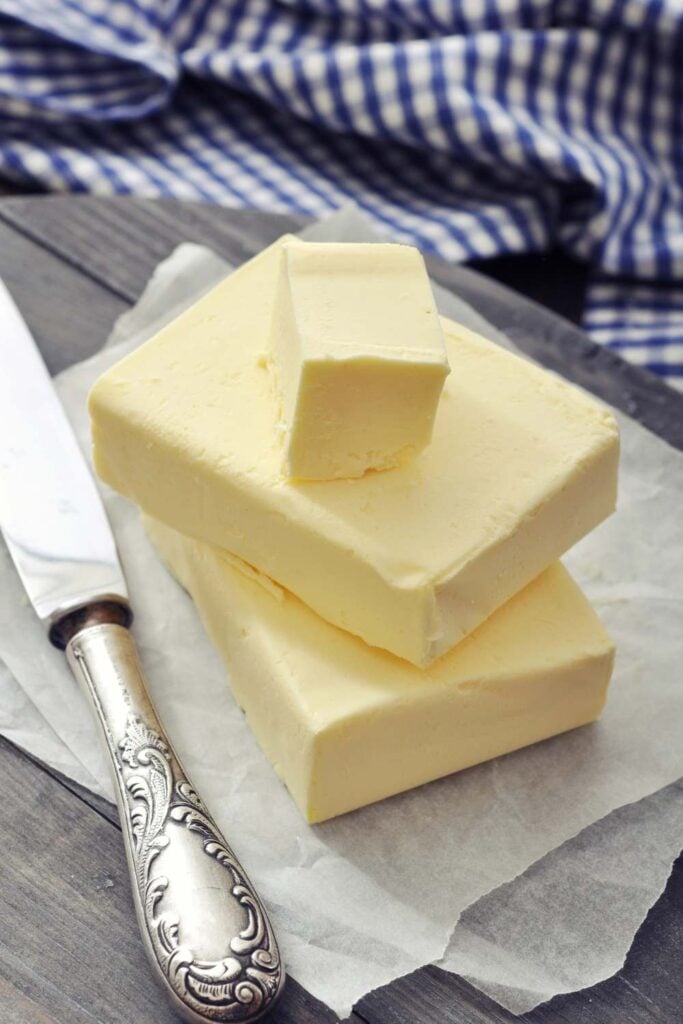
Many beginners wonder if any butter will work.
The answer depends on the recipe.
Butter adds flavor, richness, and tenderness.
It also affects texture.
Unsalted butter gives you more control over the salt in a recipe.
Salted butter may work in some recipes, but it can slightly change the final taste.
Using high-quality butter often improves baked goods.
If you’re considering substitutes, Butter vs Margarine in Baking: Does It Really Matter? compares both options and explains when each one works best.
12. Why Are Eggs So Important?
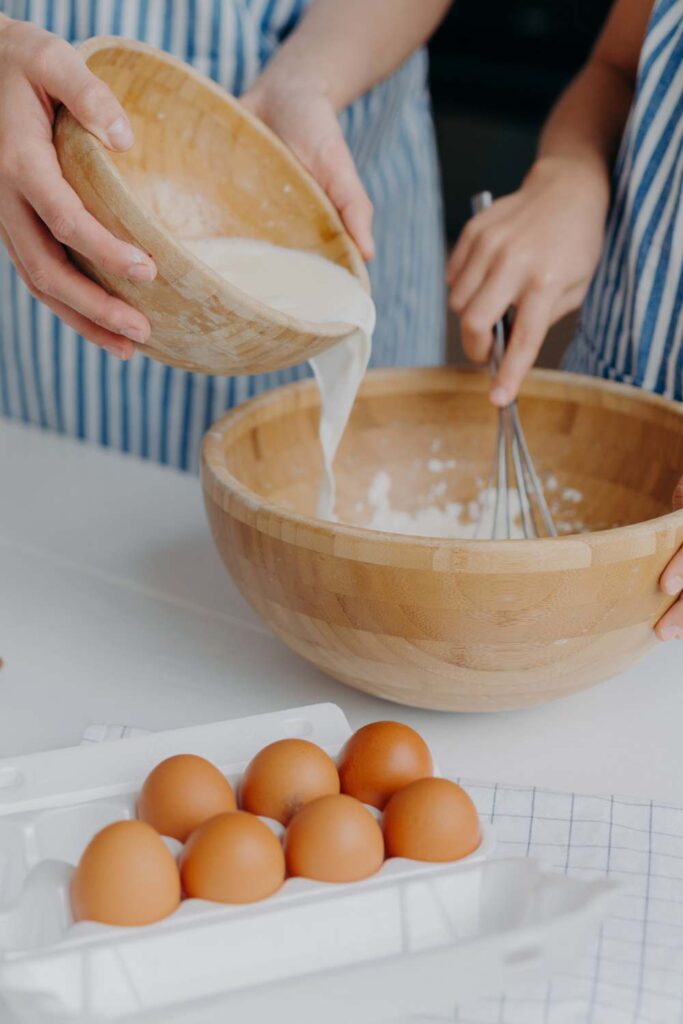
Eggs do much more than add moisture.
They help bind ingredients together.
They provide structure.
They contribute richness.
Eggs also help baked goods rise and develop color.
Skipping eggs without making other adjustments usually changes the final result.
Always use the number of eggs listed in the recipe unless you’re following a tested substitution.
To understand their role better, Eggs in Baking: Why They Matter and How They Affect Results explains exactly what eggs do in different recipes.
12. Can I Substitute Ingredients?
Many recipes allow substitutions.
Others do not.
Replacing chocolate chips with chopped chocolate usually works well.
Replacing baking powder with baking soda does not.
Changing flour types can also affect texture.
Some substitutions create small differences.
Others completely change the recipe.
Always understand why an ingredient appears before replacing it.
If you often run out of ingredients, Baking Substitutions Guide (When You’re Missing Ingredients) offers practical alternatives for common baking staples.
13. Why Does Sugar Do More Than Sweeten?
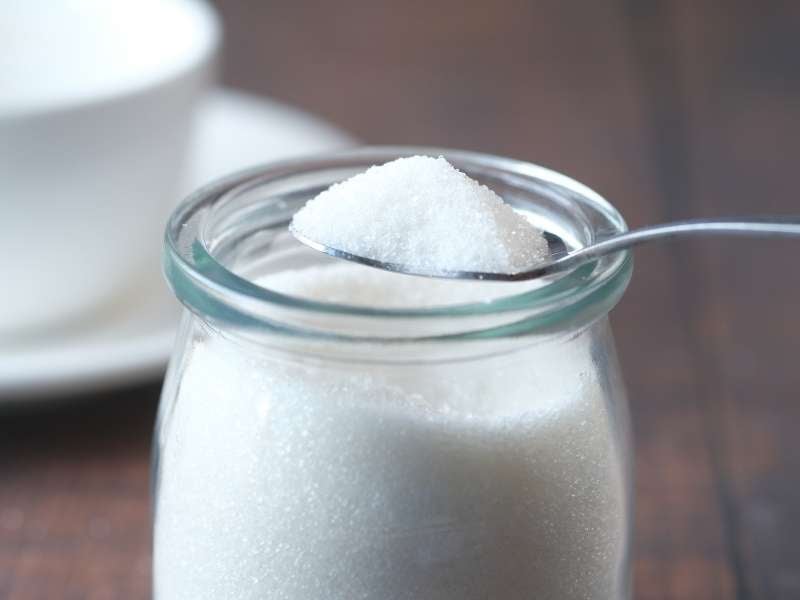
Sugar does much more than add sweetness.
It helps baked goods brown.
It improves texture.
Sugar also holds moisture inside cakes and cookies.
Reducing sugar too much may change both flavor and structure.
Different sugars also behave differently.
Brown sugar creates softer cookies.
Granulated sugar often produces crisp edges.
Learning these differences makes recipes easier to understand.
For a complete explanation, The Different Types of Sugar Used in Baking Explained explores the purpose of every common baking sugar.
14. Why Didn’t My French Macarons Turn Out Right?

Macarons challenge even experienced bakers.
Cracked shells often result from skipping the resting stage.
Overmixed batter creates flat macarons.
Undermixed batter produces rough tops.
Humidity also affects success.
Accurate measurements matter even more with macarons than with many other desserts.
Practice improves your technique every time.
If you’re ready to master these delicate treats, The Complete Beginner’s Guide to French Macarons walks through every important step.
15. What’s the Difference Between Puff Pastry, Phyllo Dough, and Shortcrust?
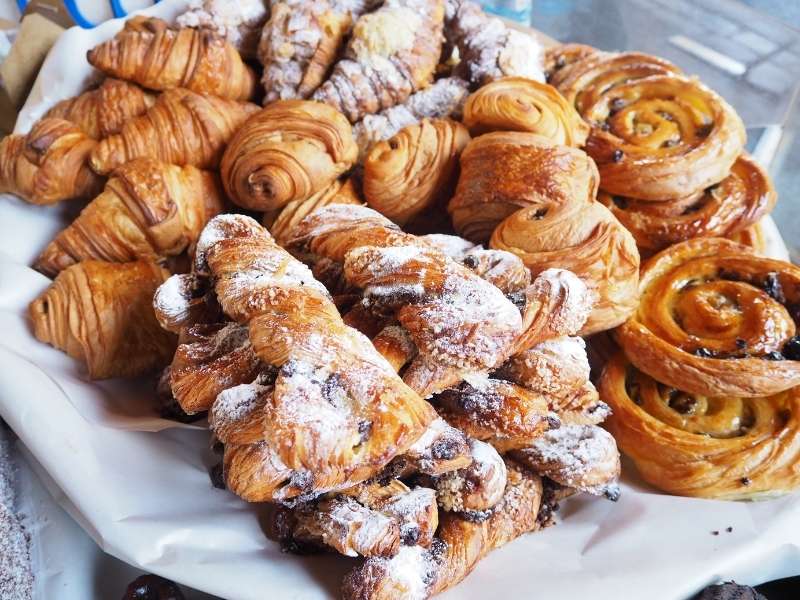
Many beginners confuse these pastries because they sit close together in the freezer aisle.
Their textures differ completely.
Puff pastry creates buttery, flaky layers.
Phyllo dough bakes into thin, crisp sheets.
Shortcrust pastry forms a tender, sturdy crust for pies and tarts.
Using the wrong pastry changes the finished recipe.
Understanding these differences helps you choose with confidence.
For a full comparison, Puff Pastry vs Phyllo Dough vs Shortcrust: What’s the Difference? explains when to use each one.
16. Why Do My Baked Goods Taste Different Every Time?
Consistency comes from repeating the same good habits.
Measure ingredients carefully.
Use fresh baking ingredients.
Preheat your oven.
Avoid rushing.
Follow recipes closely before making adjustments.
Even small changes affect your final results.
Building consistent habits produces consistent baking.
Many beginners improve quickly once they focus on the basics instead of shortcuts.
If you want reliable results every time, Baking Tips That Instantly Improve Your Results shares practical habits worth adopting.
17. Why Do I Keep Making the Same Mistakes?
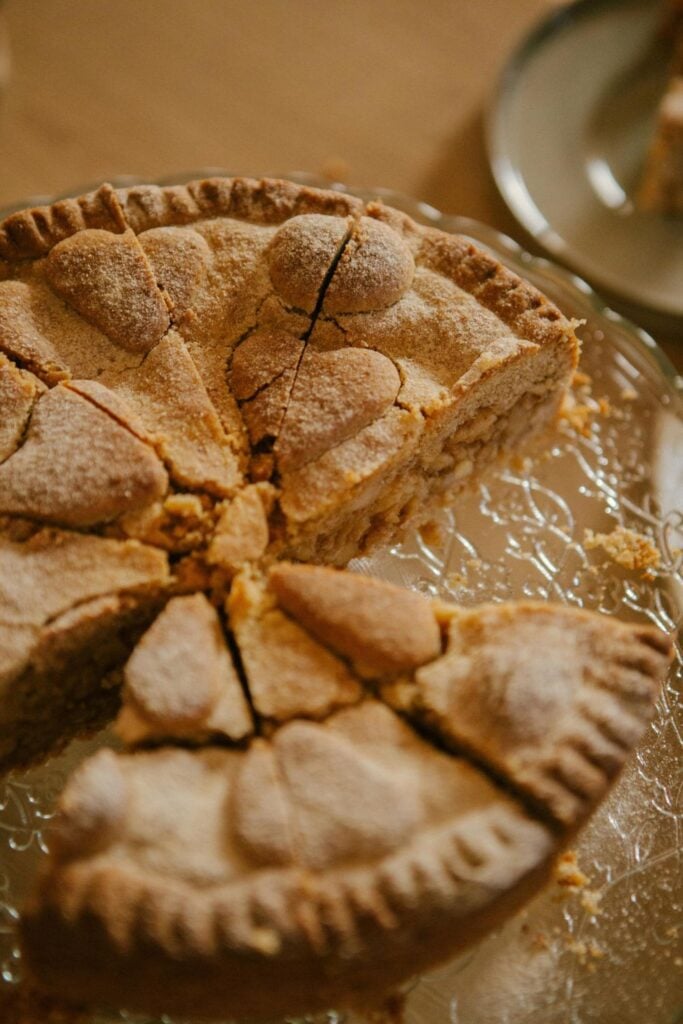
Mistakes happen to every baker.
The important part is learning from them.
Keep notes after each recipe.
Write down what worked well.
Record anything you would change.
Small adjustments lead to noticeable improvements.
Every unsuccessful recipe teaches valuable lessons.
Progress comes through practice, patience, and curiosity.
If you feel discouraged, Baking Myths That Are Actually Holding You Back clears up many common misconceptions that slow beginners down.
18. How Should I Store Baked Goods?
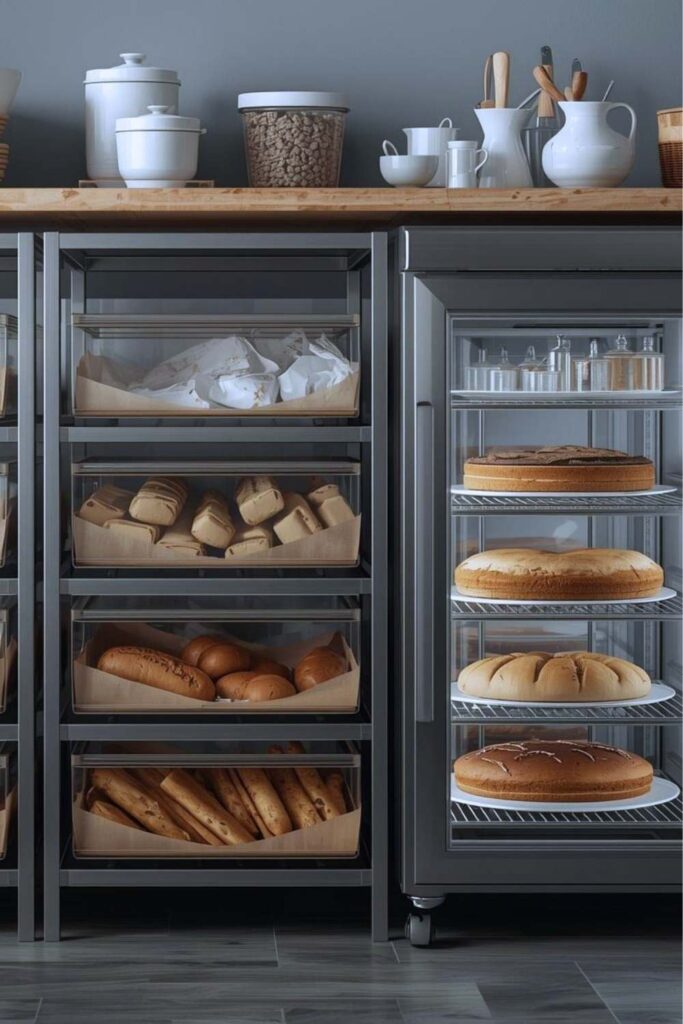
Proper storage keeps baked goods fresh for longer.
Different treats need different storage methods.
Most cookies stay fresh in airtight containers at room temperature.
Bread tastes best when wrapped well and stored in a cool place.
Cakes with buttercream usually stay fresh at room temperature for a day or two.
Cream-filled desserts often need refrigeration.
Avoid leaving baked goods uncovered because they dry out quickly.
Labeling containers also helps you keep track of freshness.
Good storage reduces waste and preserves flavor.
If you want detailed storage tips, How to Store Baked Goods to Keep Them Fresh Longer explains the best methods for every type of baked treat.
19. Can I Bake Without an Oven?
Yes, you can.
Several recipes work well without a traditional oven.
You can use an air fryer for smaller bakes.
A stovetop works for certain cakes and breads.
Some recipes use a slow cooker.
Others rely on a pressure cooker.
The results may differ slightly, but many desserts still turn out delicious.
Learning alternative methods gives you more flexibility.
If you don’t have access to a conventional oven, How to Bake Without an Oven (Realistic Methods That Work) explores several beginner-friendly options.
20. How Can I Improve My Baking Faster?
Practice helps more than anything else.
Bake regularly.
Start with simple recipes.
Repeat them until they become consistent.
Read recipes carefully.
Measure accurately.
Learn from your mistakes.
Ask questions whenever something confuses you.
Avoid rushing through new techniques.
Small improvements quickly build confidence.
Keeping a baking journal also helps you remember what worked well.
Every successful baker improved one recipe at a time.
Read this next: How to Build a Baking Brand People Remember
21. How Should I Organize My Baking Space?
A tidy workspace makes baking much more enjoyable.
Keep frequently used tools within easy reach.
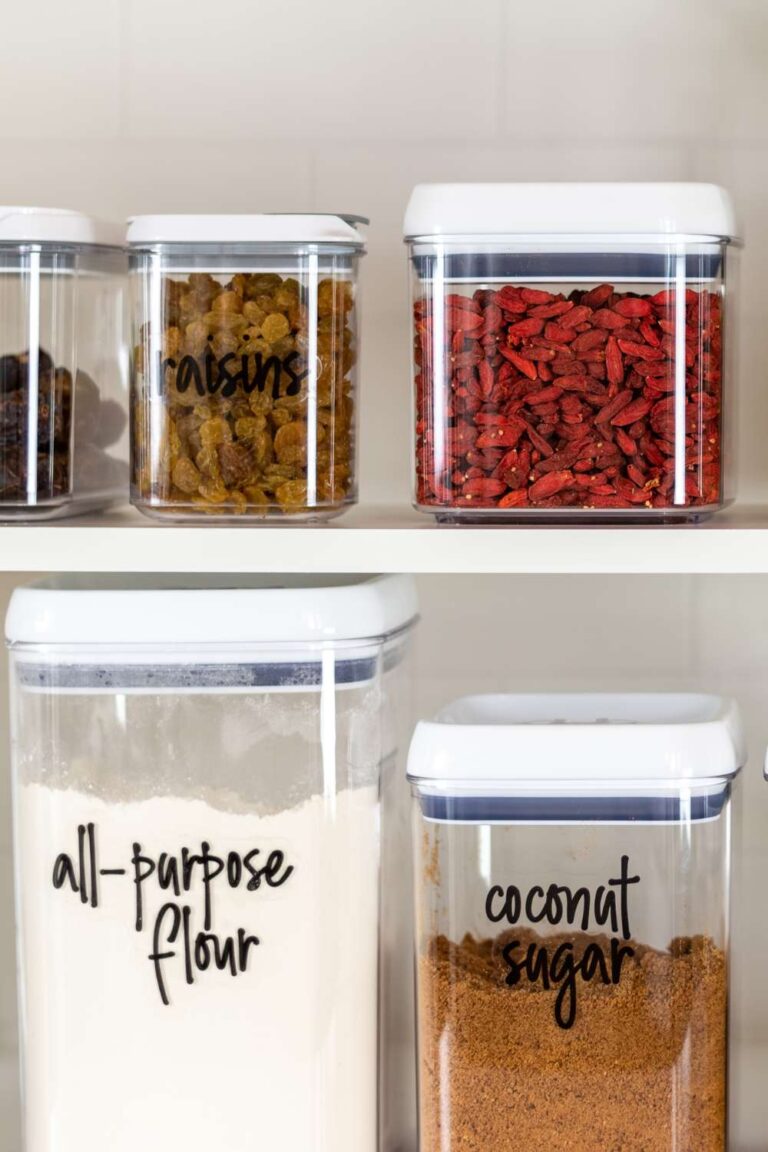
Store dry ingredients together.
Label pantry containers clearly.
Clean your counters before every baking session.
Organized kitchens reduce stress and help you work more efficiently.
You don’t need a huge kitchen to stay organized.
Simple systems often work best.
If you’re looking for inspiration, Small Kitchen Baking Ideas for Limited Spaces offers practical solutions for kitchens of every size.
22. How Can I Make Baking More Enjoyable?
Baking should feel relaxing as well as rewarding.
Choose recipes that excite you.
Listen to music while baking.
Invite friends or family to join you.
Celebrate small improvements.
Don’t compare your progress to experienced bakers.
Every recipe teaches something valuable.
Trying new desserts also keeps the hobby exciting.
If you’re looking for fresh inspiration, Baking Hobby Ideas That Make Baking Even More Fun shares creative ways to enjoy your time in the kitchen.
23. Should I Start Selling My Baked Goods?
Many beginners eventually ask this question.
The answer depends on your confidence and consistency.
Make sure your recipes produce reliable results.
Practice presentation.
Learn proper pricing.
Understand your local food regulations.
Start with small orders before accepting larger ones.
Building experience first makes the transition much easier.
If selling interests you, What You Need to Start Selling Cakes From Home explains how to prepare for your first customers.
Good Habits Every Beginner Baker Should Build
Strong habits lead to better baking.
Read recipes completely before starting.
Measure ingredients carefully.
Use fresh baking supplies.
Preheat your oven every time.
Clean as you work.
Taste your recipes and learn from each bake.
Keep practicing instead of chasing perfection.
These habits create consistent results and reduce common mistakes.
Small improvements made regularly often produce the biggest changes.
A Beginner Baking Checklist
Use this checklist before every baking session.
Read the recipe from beginning to end.
Gather every ingredient before mixing.
Measure ingredients carefully.
Preheat the oven completely.
Prepare baking pans before making the batter.
Follow the recipe instead of guessing.
Test for doneness before removing baked goods.
Allow desserts to cool properly.
Store leftovers correctly.
Write down what you learned after every bake.
Following these simple steps makes Beginner Baking Questions much easier to answer through experience.
Final Thoughts
Every experienced baker once had the same Beginner Baking Questions. Learning takes time, and every recipe teaches something valuable. Don’t worry if your first few cakes, cookies, or breads aren’t perfect. Mistakes help you understand techniques, ingredients, and baking temperatures much better than simply reading a recipe.
Keep asking questions whenever you feel unsure. Practice the basics until they become second nature. Build good habits, stay patient, and celebrate every improvement along the way. Confidence grows through experience, not perfection.
Most importantly, enjoy the process. Baking is about learning, creating, and sharing delicious food with others. The more you explore these Beginner Baking Questions, the more comfortable you’ll become in the kitchen. Before long, you’ll answer many of these questions from your own experience and look forward to trying even more challenging recipes.