Understanding Baking Temperatures for Better Results
Disclosure: Some of the links in this post are affiliate links. This means if you click on the link and purchase an item, I will receive an affiliate commission at no extra cost to you.
I used to think my oven was broken. Cakes that should have taken 30 minutes were coming out raw in the middle. Cookies were burning on the bottom but pale on top. Bread was taking forever to develop any colour. I tried different recipes, different pans, different timings. Nothing worked consistently.
Then I bought an oven thermometer. Turned out my oven was running almost 40 degrees hotter than the dial said. That one discovery changed everything. Not just my results, but my whole relationship with baking. Because once I understood that temperature controls almost everything that happens inside the oven, I stopped guessing and started baking with actual intention.
That is really what baking temperatures come down to. Heat is not just the thing that makes a bake cook. It is the force driving every single chemical reaction inside your batter or dough. It determines how your cake rises, how your cookies set, whether your pastry flakes, and how your bread develops that gorgeous crust. If you are still building your foundation and want to understand how all the moving parts of baking connect, The Ultimate Beginners Guide to Baking is the perfect place to start before diving into the temperature side of things.
Understanding baking temperatures properly does not require a science degree. It just requires knowing what heat is actually doing at each stage and why your recipe asks for a specific number. Once you have that, so many things that seemed random about baking suddenly start to make complete sense. And if you have already had a few bakes go wrong without knowing exactly why, Common Baking Mistakes and How to Fix Them Fast is a brilliant companion to this post because temperature is behind more baking failures than most people realise.
Why Baking Temperatures Are Not Optional
Some parts of a recipe feel flexible. A pinch more cinnamon, a slightly different pan, swapping one fruit for another. But baking temperatures are not one of those parts. They are specific for a reason, and ignoring or misreading them leads directly to failed bakes.

Every ingredient in your batter or dough responds to heat in a specific way and at a specific temperature range. Butter melts at around 90 to 95 degrees Fahrenheit. Eggs set between 140 and 160 degrees Fahrenheit. Starch gelatinises, meaning it absorbs water and thickens, between 140 and 200 degrees Fahrenheit depending on the type. Gluten sets firmly above 165 degrees Fahrenheit. Sugar begins to caramelise at around 320 degrees Fahrenheit. None of these processes happen on your schedule. They happen when the temperature tells them to.
When your oven runs too hot, these processes happen too fast. The outside of your cake sets and browns before the centre has time to cook through. Cookies burn on the bottom before they set on top. The crust on bread forms before the loaf has finished rising, which limits its height and creates a dense interior. When your oven runs too cool, these processes happen too slowly or not completely. Cakes stay raw in the middle. Pastry bakes up soft and pale instead of golden and flaky. Bread never develops colour or a proper crust.
Correct baking temperatures allow every process to happen in the right sequence and at the right pace. That is why every degree matters more than it seems. The Ultimate Beginners Guide to Baking lays out all of these foundational concepts together so you can see how temperature fits into the full picture of what makes baking work.
Your Oven Is Probably Lying to You
This is one of the most important things any baker can learn. Most home ovens are inaccurate. The temperature on the dial does not reflect the actual temperature inside the oven cavity. Research consistently shows that most home ovens run between 25 and 50 degrees off, either hot or cold. Some run significantly further off than that.
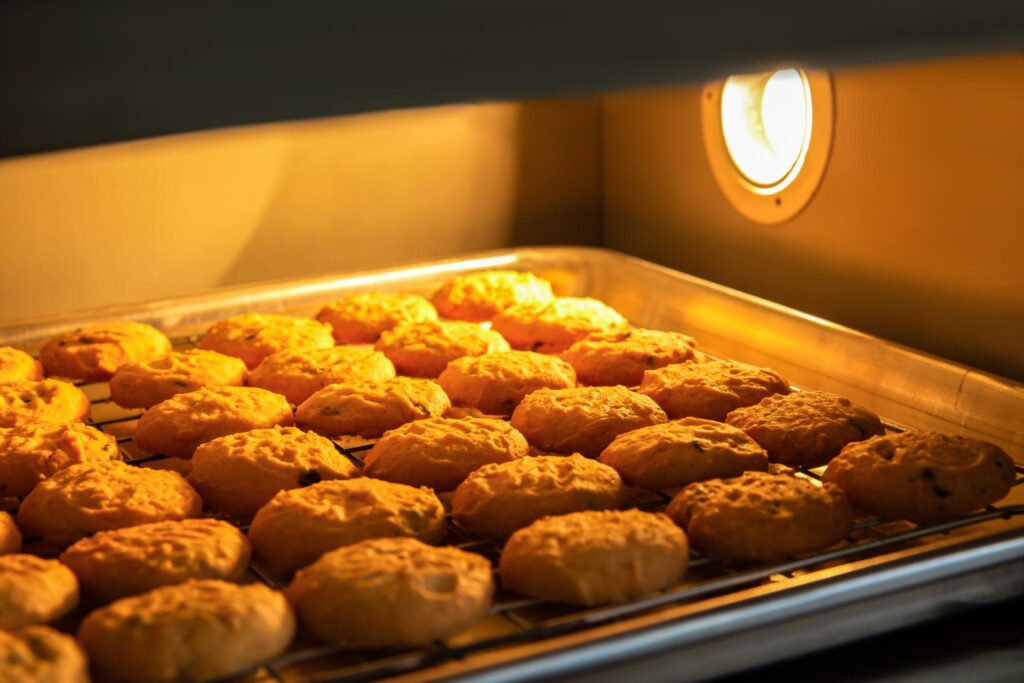
This is why two bakers can follow the exact same recipe and get completely different results. It is not about skill or experience. It is about the oven. Understanding baking temperatures in the context of your specific oven means knowing what your oven actually does, not just what the dial says.
An oven thermometer solves this completely. Place it in the centre of the oven, set the oven to 350 degrees, let it preheat fully, and then read the thermometer. If it reads 375, your oven runs 25 degrees hot. If it reads 325, it runs 25 degrees cold. Once you know this, you can adjust every recipe accordingly. A 25 degree hot oven means you set the dial to 325 when the recipe says 350. That one adjustment alone fixes a huge number of baking problems.
An oven thermometer is one of the most valuable tools any baker can own. It is small, inexpensive in relative terms, and immediately useful. Essential Baking Tools Every Home Baker Needs covers this tool alongside everything else that genuinely makes a difference in how consistently you can bake.
What Preheating Really Means
Preheating is not optional, and it is not complete when the oven beeps. Most ovens signal readiness when the air inside has reached the target temperature. But the oven walls, floor, and racks have not yet reached that temperature. They take longer to absorb heat than the air does.

Baking temperatures in a fully preheated oven means all surfaces are at the correct temperature, not just the air. This matters because radiant heat from the oven walls and floor contributes significantly to how your baked goods cook. A pan placed in an oven that is air-hot but surface-cold will not receive the immediate, consistent heat it needs to rise and colour properly.
Standard preheating time is 15 to 20 minutes after the oven reaches the target temperature. Not 15 to 20 minutes total. After the beep. Give it that extra time and your bakes will go in to a properly stabilised environment.
If you use a baking stone or a heavy cast-iron pan for bread, preheating that surface takes even longer. A baking stone needs at least 45 minutes to an hour at temperature before it has fully absorbed enough heat to bake bread properly. The contact heat from a properly preheated stone is what creates the spring in artisan bread and the crisp bottom crust. Rushing this step produces bread that barely rises after going in and has a pale, soft underside. Having the right equipment for tasks like this makes a real difference to how well your baking temperatures translate into actual results. Cute Baking Supplies You Didn’t Know You Needed highlights some surprisingly practical additions that improve your baking process in small but genuinely meaningful ways.
Common Baking Temperatures and What They Achieve
Different baked goods require different baking temperatures because they need different things from the heat. Understanding what each temperature range achieves helps you understand why a recipe asks for a specific number and what happens when you deviate from it.
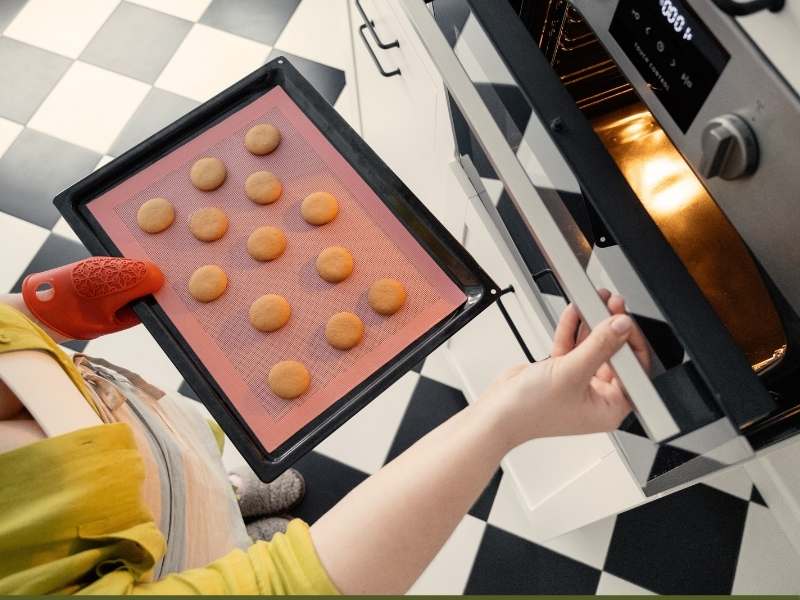
Low baking temperatures, roughly between 300 and 325 degrees Fahrenheit, suit bakes that need to cook gently and evenly without browning too fast. Dense fruit cakes fall into this category. The heavy batter and the fruit inside need a long, slow heat to cook through completely. A high temperature would set the outside too quickly and leave the interior underdone. Cheesecakes also bake at low temperatures, sometimes as low as 275 degrees, to prevent cracking and to ensure the egg-rich filling sets slowly and smoothly. Understanding exactly how eggs behave at different temperatures is a key part of this. Eggs in Baking: Why They Matter and How They Affect Results explains how egg proteins respond to heat and why gentle baking temperatures produce such a different result with egg-heavy recipes.
Moderate baking temperatures, between 325 and 375 degrees Fahrenheit, are the most commonly used range in home baking. Most cakes, muffins, quick breads, and some cookies fall into this range. These baking temperatures allow the structure to develop gradually, the leavening to do its work without rushing, and the surface to develop a light golden colour without over-browning. This is the sweet spot for a wide range of everyday bakes.
Higher baking temperatures, between 375 and 425 degrees Fahrenheit, suit bakes that need a quick rise and a more pronounced colour. Many cookies bake in this range because the higher heat sets the edges fast while keeping the centre soft. Croissants and puff pastry need high heat to create rapid steam from the butter between the layers, which is what creates the dramatic puff and flake. Choux pastry, used for eclairs and cream puffs, also needs high initial heat to generate the steam that makes it hollow inside.
Very high baking temperatures, above 425 degrees Fahrenheit, are typically used for bread and pizza. Artisan breads baked at 450 to 475 degrees Fahrenheit develop the deep, crackling crust and the caramelised colour that make them distinctive. Pizza baked at the highest possible home oven temperature gets a charred, crisp base that lower temperatures simply cannot produce.
How Oven Hot Spots Affect Baking Temperatures
Even a well-calibrated oven rarely distributes heat perfectly evenly. Most ovens have hot spots, areas where the temperature runs consistently higher than the rest of the oven. These hot spots are why one side of a tray of cookies browns faster than the other, why a cake develops a deeper colour on one side, or why a loaf of bread comes out unevenly crusted.
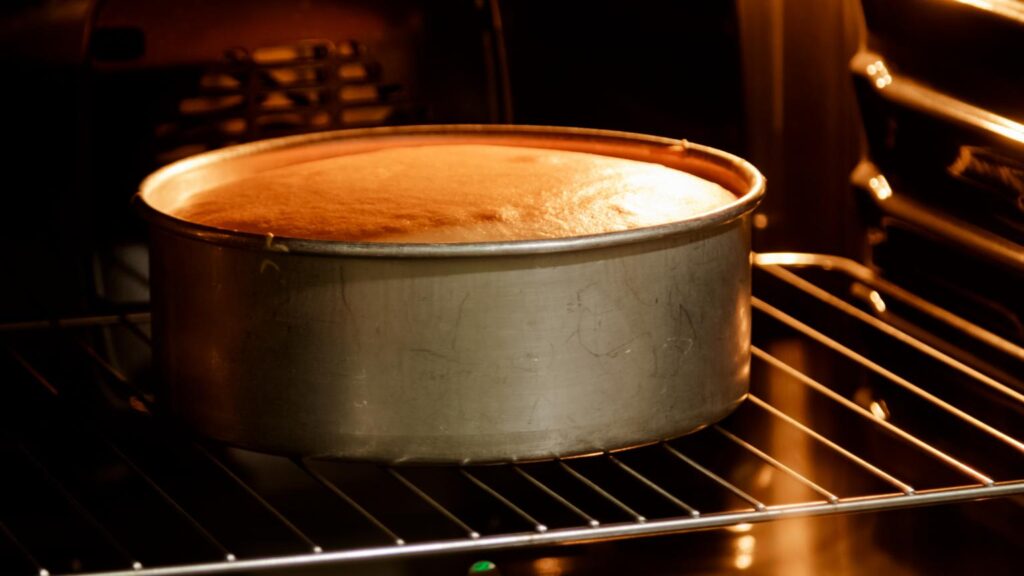
Finding your oven’s hot spots is straightforward. Place a single layer of white bread slices across the oven rack and bake at a moderate temperature. The slices that brown first and most deeply reveal where the heat concentrates. Once you know where your hot spots are, you can account for them.
Rotating your baking pans halfway through the baking time compensates for hot spots. Turn the pan 180 degrees at the midpoint and both sides of the bake will receive similar heat exposure. This is standard practice in professional kitchens and makes a significant difference in evenness at home too.
The position of the rack also affects how baking temperatures reach your food. The middle rack suits most bakes because it places the pan equidistant from the top and bottom heat elements. The lower rack produces more bottom heat, which suits pies and pizza that need a crispier base. The upper rack concentrates top heat, which suits bakes that need more surface colour or browning in the final minutes. Common Baking Mistakes and How to Fix Them Fast covers rack position mistakes alongside all the other temperature-related errors that quietly ruin bakes before you even realise what went wrong.
Convection vs Conventional: How the Setting Changes Baking Temperatures
Many home ovens offer both conventional and convection settings. Understanding the difference between them is part of understanding baking temperatures in a practical, usable way.
A conventional oven heats from fixed elements, typically at the top and bottom, and relies on that heat to radiate through the oven cavity. The air inside the oven is relatively still. Heat reaches your bake through radiation and conduction rather than through air movement.

A convection oven, also called a fan-assisted oven, uses a fan to circulate the hot air continuously around the oven cavity. That circulating air delivers heat more efficiently and more evenly. It reaches all surfaces of your bake at the same time and prevents pockets of cooler air from forming around the pan. Understanding what terms like fan-assisted, conventional, and conduction actually mean takes the mystery out of oven settings completely. Baking Terms Explained breaks down all the language you encounter in recipes and equipment instructions into plain, easy-to-understand explanations.
Because convection works more efficiently, you need to adjust baking temperatures when using it. The standard rule is to reduce the temperature by 25 degrees Fahrenheit when switching from a conventional to a convection setting. A recipe written for 350 degrees conventional becomes 325 degrees convection. You can also keep the temperature the same and reduce the baking time by about 25 percent. Either adjustment works, but not doing either will result in over-browned, over-baked, or dried-out results.
How Baking Temperatures Affect Cookies Specifically
Cookies are one of the most temperature-sensitive baked goods, and small changes in baking temperatures produce noticeably different results. This makes cookies a great way to understand what heat actually does in real time.

Baking cookies at a lower temperature, around 300 to 325 degrees Fahrenheit, produces a cookie that bakes more evenly all the way through. The centre has time to cook before the edges set completely. The result is a more uniform, cakier texture with less contrast between the edge and the middle. The colour stays lighter and the cookie spreads more because it has longer to spread before setting.
Baking cookies at a higher temperature, around 375 to 400 degrees Fahrenheit, produces a cookie with more contrast. The edges set and brown quickly while the centre stays soft and barely set. This creates the crispy-edged, chewy-centred texture that most people associate with a perfect chocolate chip cookie. The faster bake also means less spreading before the structure sets, which produces a thicker cookie.
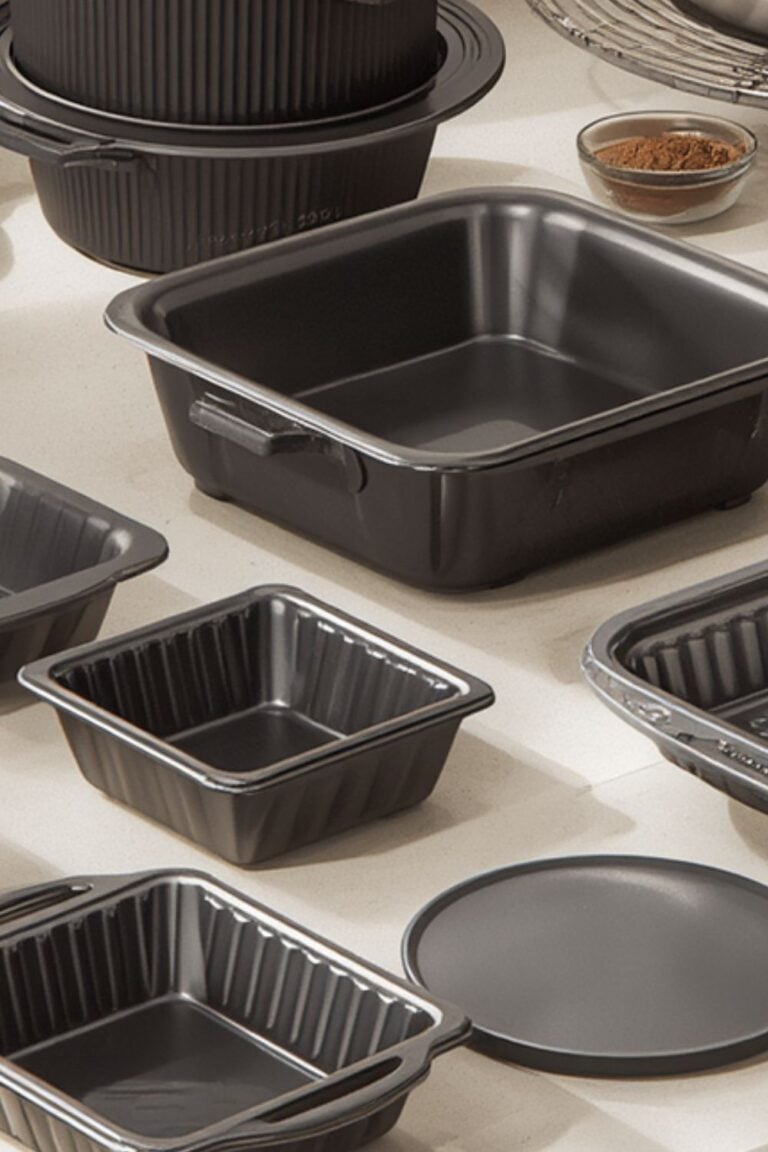
The pan material also interacts with baking temperatures in ways that matter. Dark pans absorb more heat and transfer it more aggressively to the bottom of the cookie. Cookies baked on dark pans at the same temperature as on light pans will brown faster on the bottom. Light, shiny aluminium pans reflect heat and produce more even browning. If you consistently get burnt bottoms despite correct baking temperatures, your pan is likely the variable. Baking Measurements Conversion Chart is useful here too because pan size and the quantity of batter affect how heat penetrates, which directly connects to temperature and timing.
Baking Temperatures for Bread
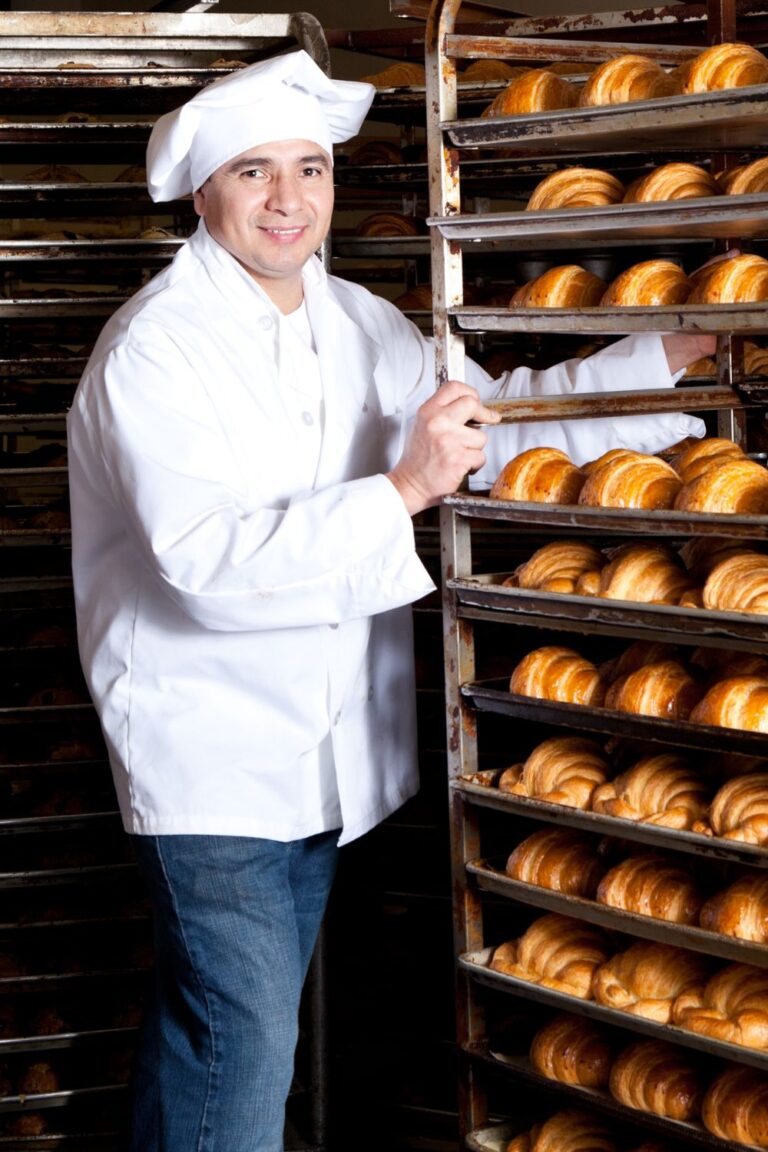
Bread requires some of the highest baking temperatures in home baking, and understanding why helps you produce better loaves. The dramatic temperature contrast between the oven and the dough drives a rapid initial rise called oven spring. This happens in the first ten minutes of baking as the heat activates the remaining yeast activity, expands the gases already in the dough, and converts moisture into steam.

Most yeasted breads bake at temperatures between 375 and 475 degrees Fahrenheit. Enriched breads like brioche and milk bread, which contain eggs and butter, bake at lower temperatures in the 350 to 375 range because the added fat and sugar cause them to brown faster. Leaner breads, like sourdough or baguettes, bake at higher temperatures to develop a thick, crackling crust and an open, airy crumb.
Steam is also part of baking temperatures for bread, particularly in the early stages. Professional bread ovens inject steam during the first ten to fifteen minutes of baking. Steam keeps the crust surface moist and pliable during the critical oven spring window, which allows the loaf to expand fully before the crust hardens and sets. At home, you can create steam by placing a pan of boiling water on the oven floor when you put the bread in, or by covering the loaf with a Dutch oven for the first portion of baking.
The internal temperature of bread is the most reliable way to confirm doneness. Most fully baked white breads reach an internal temperature of 190 to 200 degrees Fahrenheit. Denser, enriched breads reach 185 to 190 degrees. Using a thermometer to check this removes all the guesswork around whether a loaf is done or not. A digital instant-read thermometer makes this check fast and accurate. Having your workspace properly set up for bread baking also helps you manage the baking temperatures process more calmly and effectively. Baking Station Organisation Ideas That Will Transform Your Kitchen is a practical guide that shows how a well-organised space makes every stage of baking, including managing timing and temperature, significantly more manageable.
Baking Temperatures for Cakes
Cakes are probably the most temperature-sensitive category in baking, and most cake failures trace back to incorrect baking temperatures or poor oven calibration. The goal with cake baking temperatures is even, gradual heat that allows the structure to set from the outside in, while giving the leavening enough time to work fully before the structure firms.

Most standard cakes bake between 325 and 375 degrees Fahrenheit. Layer cakes typically sit at 350 degrees, which gives the leavening time to work, allows the eggs and gluten to set gradually, and produces a level surface without over-doming or sinking. Lower temperatures produce flatter, more evenly risen cakes. Higher temperatures produce cakes that dome dramatically in the centre and often crack across the top.
Dense, moist cakes like carrot cake, banana cake, and some chocolate cakes also bake well at 325 to 350 degrees. The added moisture from fruit or vegetables means these cakes need a little longer at a moderate temperature to cook through completely. Rushing them with higher heat produces a cake that looks done on the outside but stays raw and heavy in the centre.
Understanding baking temperatures for cakes also means understanding what you see. A cake that sinks after coming out of the oven was underbaked. The structure never set firmly enough to support itself without the oven’s heat. A cake that domes and cracks was baked too hot. The outside set before the centre had risen fully. A cake with a dark ring around the edge but a pale centre cooked from the outside in at too high a temperature. These visual clues become readable once you understand what heat is doing inside the tin. Eggs in Baking: Why They Matter and How They Affect Results connects directly to this topic because eggs are the primary structure-building ingredient in most cakes, and baking temperatures determine how and when that structure sets.
How to Test and Adjust for Your Specific Oven
Every oven is different. Even two ovens of the same brand and model can behave differently from each other. Learning your oven is part of becoming a better baker, and it starts with testing and observation.
1. Start with an oven thermometer and test at several different temperature settings, not just one. Some ovens are accurate at low temperatures but run hot at high ones. Some have hot spots on one side but not the other. Some have strong bottom heat and weak top heat. Mapping these behaviours over a few baking sessions gives you a clear picture of how your oven actually works.
2. Keep a baking journal. Note the temperature you set, the actual temperature the thermometer showed, where you placed the rack, and what the result looked like. After a few bakes, patterns emerge. You will know that your oven runs hot at 400 degrees but is accurate at 325. You will know that the back left corner browns faster. You will know that your bottom rack burns cookie bases. These observations are enormously valuable and they are specific to your kitchen. The way you present your finished bakes is also worth thinking about alongside how you bake them. Baking Flat Lay Ideas For Instagram and Pinterest gives creative, practical ideas for photographing your results in a way that genuinely shows off what your baking skills produce.
3. Adjusting for your oven does not mean the recipe is wrong. It means you have understood baking temperatures well enough to apply them accurately in your specific situation. That is exactly the level of skill that transforms inconsistent baking into reliably good results every single time. How to Read a Baking Recipe Correctly Before You Start pairs directly with this kind of oven awareness because reading a recipe properly and understanding your oven are two sides of the same preparation process.
Baking Temperatures and Timing Go Together
Baking temperatures and baking times are not independent variables. They work together, and changing one affects the other. A recipe written for 350 degrees for 30 minutes will produce different results if you bake it at 375 degrees for the same 30 minutes. The temperature is higher but the time has not been adjusted to match.
As a general rule, higher baking temperatures require shorter baking times. Lower baking temperatures require longer ones. When you adjust the temperature of your oven because it runs hot or cold, adjust the timing accordingly. A cake baked 25 degrees cooler than specified will need an extra five to ten minutes to compensate.
The visual and physical tests for doneness are always more reliable than timing alone. A toothpick inserted in the centre of a cake coming out clean tells you more than any timer. An internal temperature reading of 190 degrees in a loaf of bread is more reliable than the time the recipe specifies. Learning these tests and trusting them is part of understanding baking temperatures at a practical level.
The way you finish and store your bakes after they come out of the oven also affects how the residual heat continues to work on the interior. Most baked goods continue cooking slightly from their own internal heat after leaving the oven. This is especially relevant for dense cakes and brownies where the centre can set fully during cooling even if it seemed underdone at the moment you removed them. How to Store Baked Goods to Keep Them Fresh Longer covers the cooling and storage process that comes right after baking so everything you pull from the oven ends up in the best possible condition.
Final Thoughts on Understanding Baking Temperatures
The goal of understanding baking temperatures is not to memorise a chart. It is to develop a sense of what heat does and why baking temperatures matter so that you can make smart decisions in the moment. When you open the oven at the 20-minute mark and your cake looks too pale, you can adjust. When a cookie recipe produces flat results at the suggested temperature, you know to try a slightly higher one next time.
That adaptability comes from understanding, not just following instructions. And it builds quickly once you start paying attention. Pay attention to colour, to smell, to how a bake feels when you press it gently. These sensory cues tell you what the temperature is doing to your bake in real time. Over time, they become second nature and your instincts as a baker become genuinely reliable.
Baking temperatures are not something to be intimidated by. They are something to understand, and once you do, they give you an enormous amount of control over your results. Your oven becomes a tool you know how to use rather than a mystery you hope cooperates. And that shift in confidence changes how baking feels entirely. If you ever find yourself wanting to bake but your oven is unreliable or unavailable, knowing your alternatives is genuinely empowering too. How to Bake Without an Oven covers realistic, tested methods that actually work when you need them.
As your baking knowledge grows, you might also find yourself thinking about where it could take you. Many bakers who develop this kind of depth of understanding eventually want to share it or build something with it. Baking Niche Ideas For Starting a Profitable Blog is a genuinely interesting read for anyone who loves baking deeply enough to want to teach or inspire others in the same way.