Eggs in Baking: Why They Matter and How They Affect Results
Disclosure: Some of the links in this post are affiliate links. This means if you click on the link and purchase an item, I will receive an affiliate commission at no extra cost to you.
You know that moment when a cake comes out perfectly golden, soft in the middle, and it just holds together exactly the way it should? I used to think that was luck. Turns out, it had everything to do with eggs.
Eggs are one of those ingredients that quietly do so much in a bake. Most people crack them in without a second thought. But once I started actually paying attention to what eggs do why the recipe asks for room temperature ones, why some recipes use only yolks, why others call for beaten whites everything clicked. My cakes got better. My cookies stopped going flat. Even my quick breads started coming out the way I actually wanted them to.
That is really what eggs in baking are all about. They are not just a binding agent you toss in and forget. They affect texture, rise, moisture, richness, and color all at once. If you have been building your ingredient knowledge and already had a look at Baking Ingredients Explained, you already know how much one ingredient can change the whole picture. Eggs are one of the best examples of that.
Once you understand how eggs in baking actually work, you will start reading recipes differently. You will know why a change matters and what to expect before the bake even goes in the oven. If you have ever had a cake sink, turn out rubbery, or just not rise properly, the answers you have been looking for are very likely right here. And just like the simple things in baking that become second nature over time, understanding your ingredients is one of those small shifts that changes everything. Common Baking Mistakes and How to Fix Them Fast pairs really well with this post if you want to connect what you learn to real baking problems you have already faced.
What Eggs Are Actually Made Of
Before getting into what eggs do in baking, it helps to understand what they contain. An egg has three parts: the shell, the white, and the yolk. Each part plays a completely different role, and baking uses all three at different times.
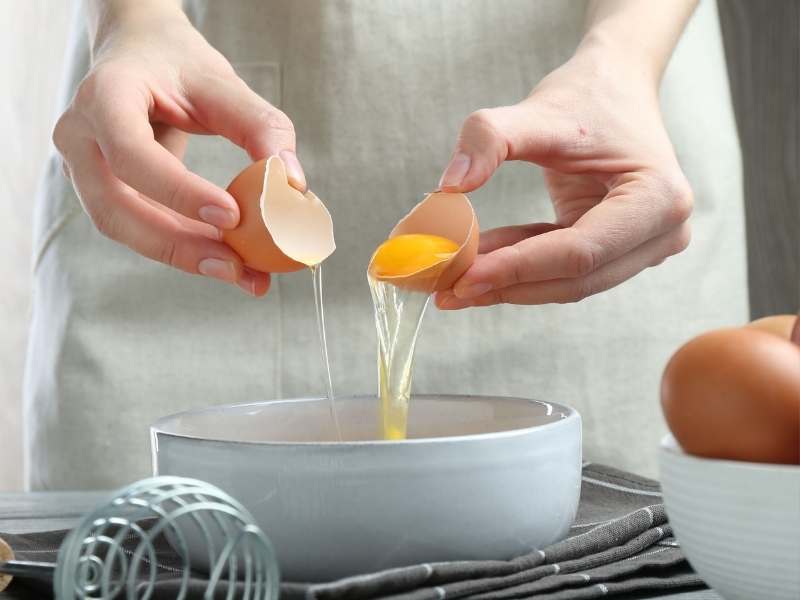
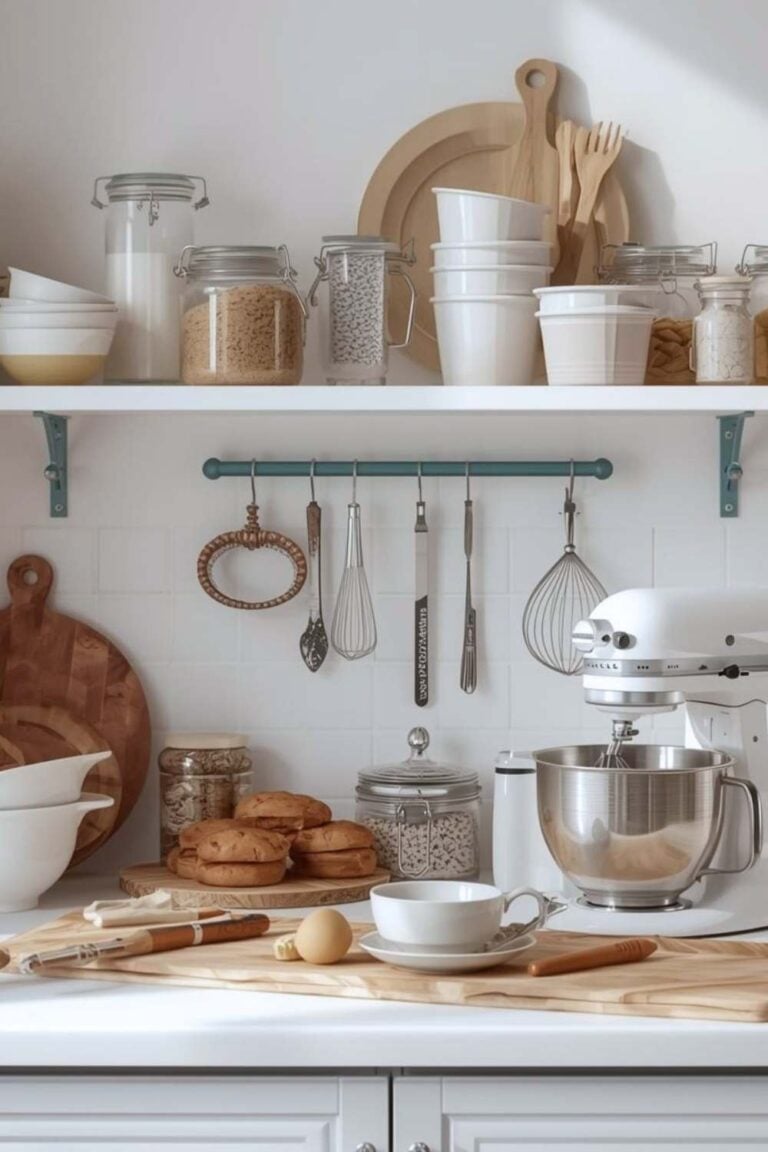
The egg white is mostly water, around 90 percent, with proteins making up the rest. Those proteins are what make egg whites so useful in baking. When you beat egg whites, you force air into the liquid and the proteins stretch to form a foam. That foam is stable enough to hold its shape, and when baked, the proteins set permanently and lock the air in place. This is how meringues become firm. It is also how chiffon cakes and souffles get their extraordinary lightness. Building a dedicated space for baking makes working with delicate techniques like this much more manageable. Aesthetic Baking Setup Ideas For Beginners shows how even a small kitchen can be organised in a way that makes focused baking feel enjoyable rather than stressful.
The egg yolk contains fat, protein, and lecithin. Lecithin is a natural emulsifier, which means it helps fat and water blend together smoothly. Without it, fat and liquid would separate in a batter. The yolk is also where most of the egg’s flavour and colour comes from. Recipes that call for extra yolks are deliberately leaning into richness, depth, and a golden colour in the finished bake. Custards, pastry cream, and enriched bread doughs all use extra yolks for exactly this reason.
Together, the white and the yolk work as a team. The white adds lift and structure. The yolk adds richness and helps everything blend. When you use a whole egg, you get both effects at once, which is why most standard recipes call for whole eggs as the default.
How Eggs in Baking Build Structure
One of the most important jobs eggs do in baking is provide structure. This is especially true in cakes, muffins, and quick breads where eggs help the bake hold its shape and set properly as it cooks.
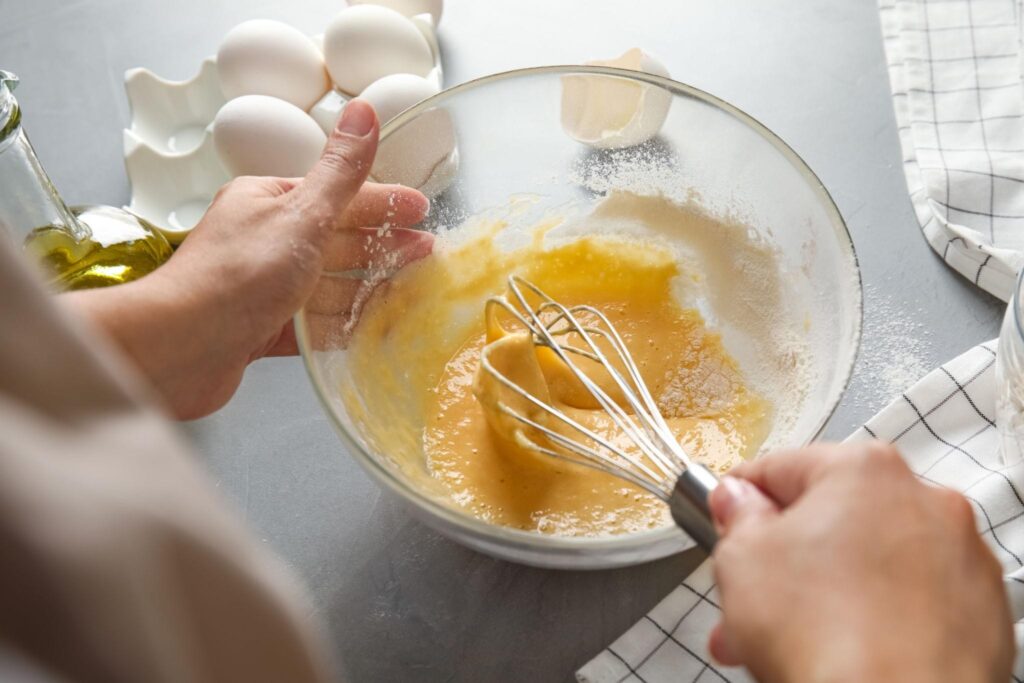
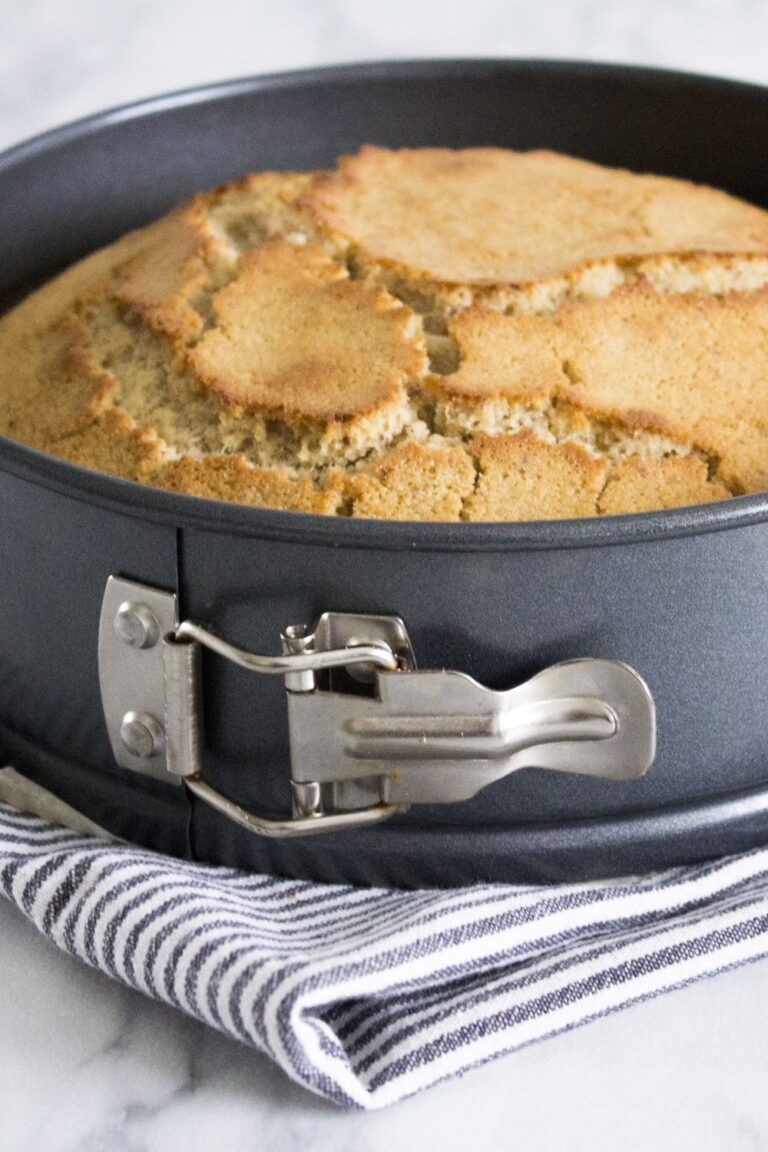
The proteins in both the white and the yolk coagulate when heat is applied. Coagulate means they firm up and set. As the batter heats in the oven, those egg proteins tighten and create a network that supports the crumb structure. Without enough eggs, that network never forms properly. The bake stays too soft and wet in the centre, or it sinks after coming out of the oven. Too many eggs and the structure becomes too rigid, which leads to a rubbery or tough result.
This balance is why you should not adjust the number of eggs in a recipe without understanding what you are changing. Adding an extra egg because you want more richness can easily tip a delicate cake from light to dense. Leaving one out because you are running low can cause it to collapse. Eggs in baking are not interchangeable in the way that, say, vanilla extract might be. Their structural role is too significant to treat casually. Understanding how to measure every ingredient correctly alongside understanding their role is equally important. Baking Measurements Conversion Chart is a reliable reference to keep close whenever a recipe requires precise quantities.
For beginners who are still getting comfortable with this kind of ingredient thinking, The Ultimate Beginners Guide to Baking lays out all the foundational concepts including how ingredients work together in a way that makes everything else easier to absorb.
How Eggs Affect Moisture in Baked Goods
Eggs also contribute moisture to a bake. The water content in the egg white in particular adds liquid to the batter, which keeps the crumb soft and prevents dryness. This moisture is released gradually during baking, which helps the crumb stay tender rather than drying out too fast.
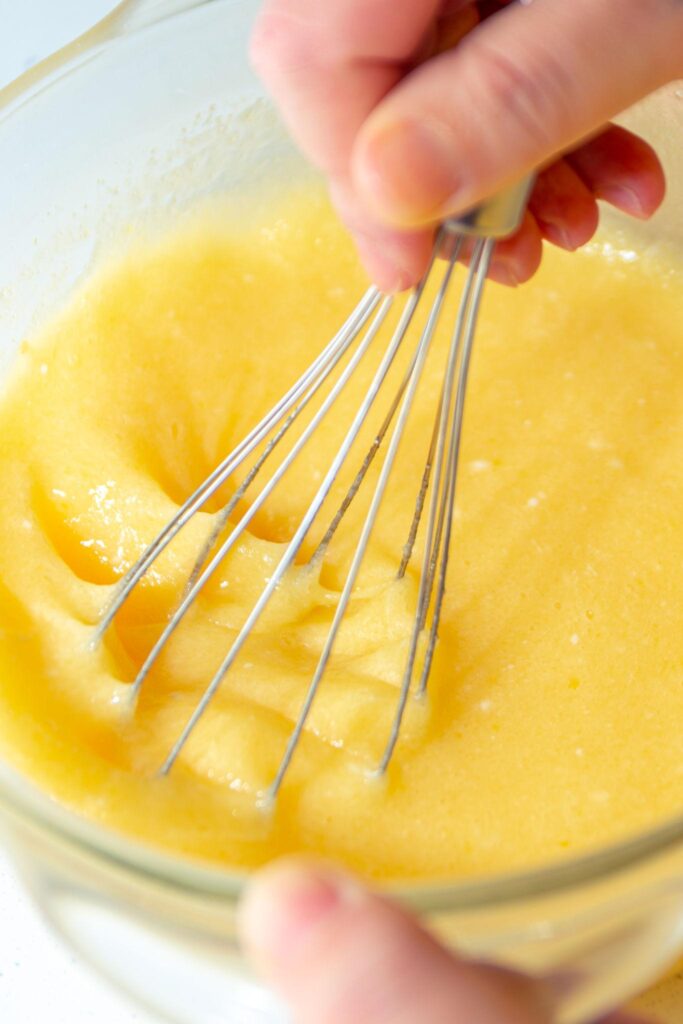
The fat in the yolk contributes a different kind of moisture. Fat does not evaporate the way water does during baking. It stays in the finished product and creates a perception of richness and softness that lingers even after the bake has cooled. This is why egg-rich baked goods like brioche, pound cake, and financiers have a distinctive moist, almost velvety texture that recipes with fewer eggs simply cannot replicate.
Moisture from eggs also affects how long a bake stays fresh. Baked goods with a higher egg content tend to hold their texture for longer because the fat from the yolks slows down the staling process. This matters a lot when you are baking ahead or storing things for more than a day. Getting your storage right extends that freshness even further. How to Store Baked Goods to Keep Them Fresh Longer walks through the best methods for every type of bake so your results stay as good on day two as they were on day one.
The Role of Eggs in Leavening and Rise
Eggs in baking contribute to lift in a way that surprises many beginners. Most people think of baking powder and baking soda as the only leavening agents in a recipe. Eggs do a version of this too, and in some recipes they are the primary source of rise.
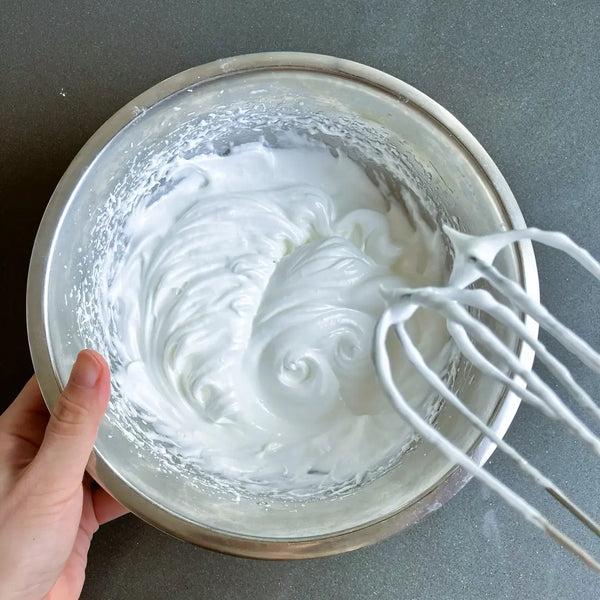
When eggs get beaten, they trap air. That air expands in the oven as heat increases. The expanding air pushes the batter upward, which creates lift. In recipes that use beaten whole eggs or beaten egg whites, this air-trapping is intentional and essential. Genoise sponge cakes, for example, get nearly all of their rise from beaten eggs and contain almost no chemical leavening at all. The same is true for angel food cake, which relies entirely on stiff beaten egg whites for its extraordinary height and lightness.
Even in recipes that do use baking powder or baking soda, eggs contribute to the overall rise by adding their own air to the mixture. The creaming method, where butter and sugar get beaten together first and then eggs get added one at a time, works partly because each egg brings additional air into the already-aerated butter mixture. Skipping this step or rushing it leads to a denser result.
Understanding how leavening works across all its forms is part of reading any recipe properly. How to Read a Baking Recipe Correctly Before You Start explains how to spot these kinds of details in a recipe before you start mixing so nothing catches you off guard mid-bake.
Egg Yolks vs Egg Whites: What Changes When You Use Them Separately
Many recipes call for whole eggs, but plenty of others separate the yolk and white and use them differently. Understanding why helps you follow those recipes with more confidence and appreciate what the technique is actually achieving.
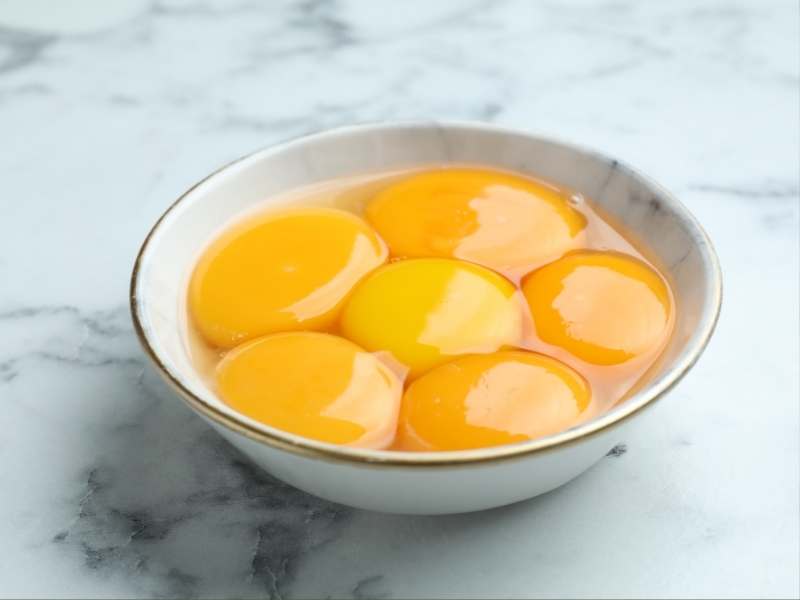
Using only egg yolks produces richer, denser, more golden results. Yolk-heavy recipes like lemon curd, pastry cream, crème brûlée, and some ice cream bases use yolks specifically for their fat content, their emulsifying power, and their deep golden colour. The fat in the yolk creates a smooth, luxurious texture that egg whites simply cannot produce.
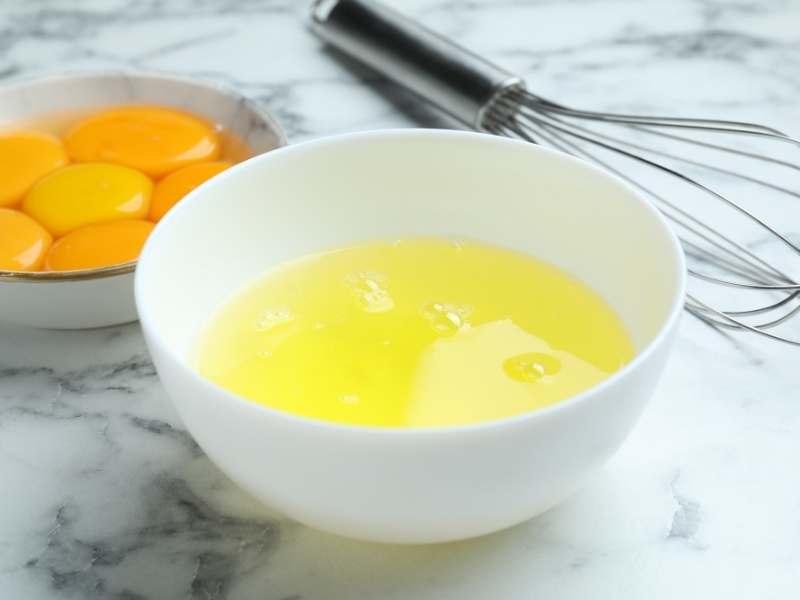
Using only egg whites produces lighter, airier, drier results. Meringues, angel food cake, macarons, and some souffles rely on beaten whites for structure and lift without the richness of the yolk. The proteins in the white firm up beautifully when beaten and baked, creating structures that are almost completely fat-free. The result is light, crisp, or airy rather than rich or moist.
Some recipes use both, but at different stages. A classic chiffon cake folds beaten egg whites into a yolk-based batter. The yolks add richness and stability. The whites add air and lightness. The result is a cake that is both moist and airy, which is exactly the balance that makes chiffon cake such a distinctive texture.
Getting familiar with these distinctions is part of understanding eggs in baking at a level that genuinely improves your results. It also connects closely to technique. Knowing how to fold beaten whites into a batter without deflating them is a specific skill. Baking Terms Explained covers folding and all the other technique language you will keep encountering as recipes get more involved.
Why Room Temperature Eggs in Baking Matter More Than You Think
Room temperature eggs are mentioned in most cake and cookie recipes, and it is easy to treat this instruction as optional. It is not. The temperature of your eggs genuinely affects how well they incorporate into a batter and the texture of the final result.
Cold eggs do not emulsify as effectively as warm ones. When you add a cold egg to creamed butter, the cold fat seizes up around the cold egg and the mixture can curdle or look lumpy. This does not always ruin a bake, but it does affect the texture of the finished crumb. A properly emulsified batter where fat and liquid have blended smoothly produces a more even, more tender crumb than one that curdled during mixing and was simply baked that way.
Room temperature eggs also beat more easily and trap more air. Cold whites whip up more slowly and do not reach the same volume as room temperature whites. When a recipe depends on beaten egg whites for rise, using cold eggs directly from the fridge produces a noticeably smaller result.
The simplest fix is to take eggs out of the fridge 30 to 60 minutes before baking. If you forget, place them in a bowl of warm water for ten minutes. The water should feel warm but not hot. This brings the eggs close enough to room temperature to make a real difference without any waiting time.
This kind of small detail is exactly what separates a bake that works from one that almost works. It is also the type of detail you notice more and more as your ingredient awareness grows. Baking Ingredients Explained covers every core baking ingredient in the same depth so you can apply this same level of understanding to everything else in your recipe.
How Eggs Affect Colour and Appearance
Eggs in baking influence the appearance of finished bakes in ways that go beyond structure and texture. Both the yolk and the white contribute to how a bake looks inside and out.
The yolk contains natural pigments that give baked goods their warm golden colour. The more egg yolk in a recipe, the more golden the crumb. Brioche, enriched bread, and French pastries have that characteristic deep golden interior partly because of the high yolk content in their recipes. Bakes with fewer yolks or lower egg counts tend to have a paler, more neutral crumb.
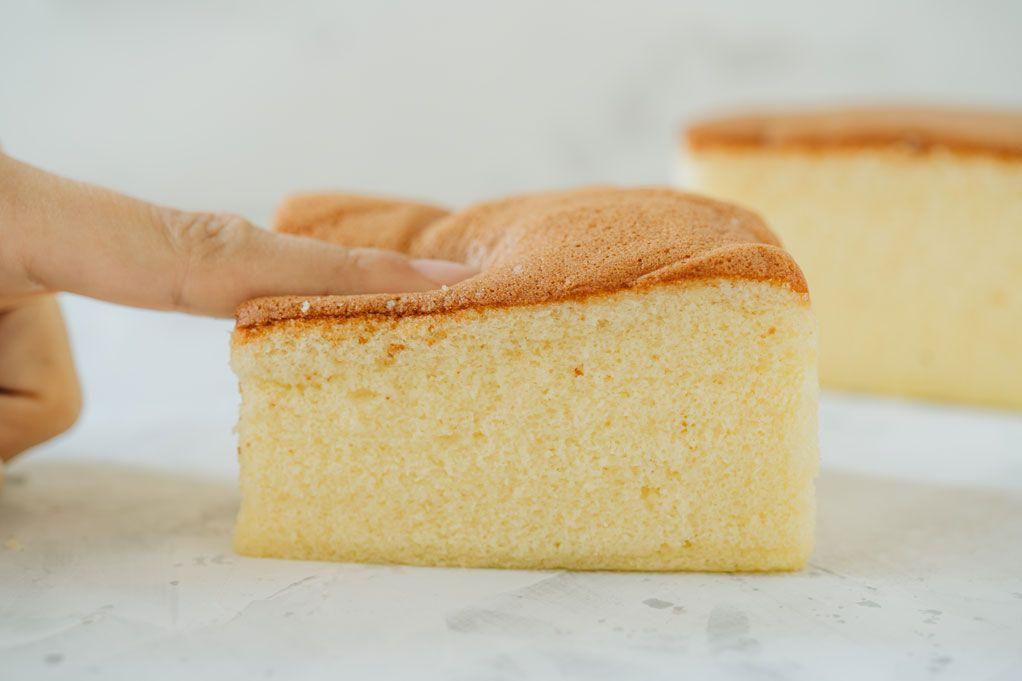
On the outside, eggs used as a wash before baking create shine and colour on crusts and pastry. An egg wash, which is simply beaten egg brushed onto the surface before it goes into the oven, produces a deep golden brown that looks professional and appetising. Using only the yolk in the wash creates an even deeper colour. Using only the white creates shine without as much browning. Water alone creates a slight sheen with no browning. Each variation produces a different visual result.
The browning that eggs encourage on the outside of baked goods also comes from the proteins and sugars in the egg reacting to heat. This reaction, called the Maillard reaction, creates hundreds of flavour compounds alongside the colour change. The golden crust on a well-made loaf or the shiny surface on a croissant is not just visual. It also signals the development of flavour that only happens at the right temperature. Capturing those beautifully baked results in photos is something many bakers love to do, and the presentation starts with understanding your ingredients deeply. Baking Flat Lay Ideas For Instagram and Pinterest is full of creative, achievable ideas for showing off your bakes in a way that does them justice.
What Happens When You Use the Wrong Number of Eggs
Eggs in baking are not something you adjust casually. Using the wrong number throws off the balance of fat, water, protein, and air in a way that shows up clearly in the finished result.
Too few eggs and the bake lacks structure. Cakes sink in the middle because the crumb never sets firmly enough to support itself. Cookies spread aggressively and come out thin and flat. Quick breads feel gummy or dense rather than light and springy. The moisture balance also shifts, since fewer eggs means less fat and less of the emulsifying power that keeps a batter smooth and evenly textured.
Too many eggs and the bake can become rubbery or eggy-tasting. The excess protein sets too firmly and creates a tough texture that feels more like a cooked egg than a tender cake. In very egg-heavy recipes, an extra egg can also make the bake rise too high and then collapse as it cools because the structure cannot support the volume it created.
These kinds of imbalances are exactly what gets diagnosed in Why Your Cakes Keep Failing and How to Fix Them, which connects bake failures to their root causes in a way that makes troubleshooting feel straightforward rather than frustrating.
Egg Substitutes in Baking and When They Work
Sometimes eggs in baking need to be replaced. Whether it is for dietary reasons, allergies, or simply running out mid-recipe, knowing which substitutes work and why helps you make smarter swaps.
Flax eggs
They work well in dense, moist bakes like banana bread, chocolate muffins, and brownies. It can be good substitute for eggs in baking. Mix one tablespoon of ground flax with three tablespoons of water and let it sit for five minutes until it gels. This substitute binds ingredients together reasonably well but does not provide the lift that a beaten egg would. Recipes that need significant rise from eggs are not a good match for flax eggs.
Unsweetened applesauce to replace Eggs in Baking
It replaces eggs at a quarter cup per egg. It adds moisture and binds reasonably well. It works best in muffins, quick breads, and spiced cakes where its faint sweetness complements the other flavours. It does not provide lift or the richness that yolks add, so recipes that rely on eggs for both structure and flavour will taste noticeably different.
Read this next: What Eggs Do In Baking | Function of Eggs In Cakes
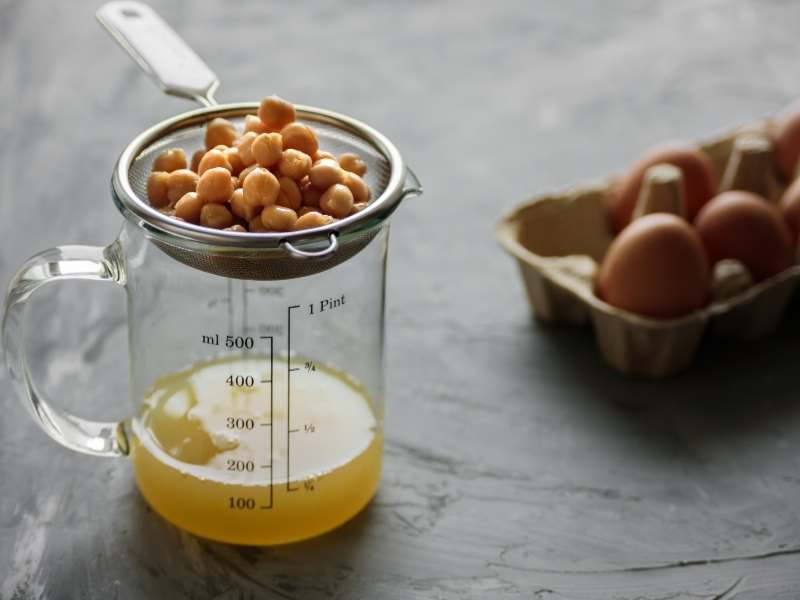
Aquafaba
The liquid from a can of chickpeas, replaces egg whites remarkably well. Three tablespoons replaces one whole egg. Two tablespoons replaces one egg white. It whips into a stable foam just like egg whites and works beautifully in meringues, macarons, and mousse. The flavour is completely neutral in finished bakes.
Silken Tofu
Blended until smooth works in dense, rich recipes like cheesecakes and brownies. A quarter cup replaces one egg. It adds moisture and binding without any lift, so it is best used in recipes where density is a virtue rather than a problem.
These substitutions pair naturally with the broader topic of swapping ingredients when your pantry falls short. Baking Substitutions Guide covers every major ingredient swap in one place and explains not just what to use but exactly why each substitute works the way it does.
How Eggs Interact With Other Ingredients
Eggs in baking do not work in isolation. They interact with every other ingredient in the recipe, and those interactions shape the final result in ways that are worth understanding.
Eggs and Sugar
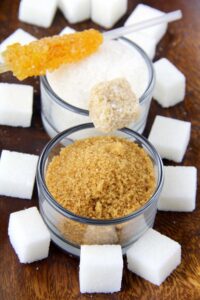
Eggs and sugar mixed together create a light, thick ribbon-like mixture when beaten well. This technique, called ribboning, traps significant air and creates the base structure for many European-style cakes that use little or no chemical leavening. The sugar draws moisture from the eggs and the beating process creates a stable foam that holds air efficiently. The type of sugar you use in this process also affects the result. The Different Types of Sugar Used in Baking Explained breaks down how each variety behaves differently when it interacts with eggs, fat, and heat.
Eggs and Fat
Eggs and fat, particularly butter, need to emulsify properly to create a smooth batter. When eggs get added too quickly to creamed butter, the emulsion breaks and the batter looks curdled. Adding eggs one at a time and beating well between each addition gives the lecithin in the yolk time to do its job. A curdled batter can sometimes be rescued by adding a spoonful of flour, which helps re-stabilise the mixture before the rest of the ingredients go in.
Eggs and Acid
Eggs and acid interact in ways that matter in specific recipes. Lemon juice or cream of tartar added to egg whites before beating helps stabilise the foam by strengthening the protein network. This is why meringue recipes often include a small amount of acid. It is not for flavour. It is for structure. Having the right tools to handle eggs properly at every stage makes a real difference to your results. Essential Baking Tools Every Home Baker Needs covers everything from the right mixing bowls to the whisks and separators that make egg-based techniques much easier to execute.
Sizing, Freshness, and Quality: The Details That Matter
Egg Sizes
Most baking recipes are written for large eggs. Using medium or extra-large eggs instead changes the liquid and fat ratio in the batter, which can affect rise, spread, and texture. The difference is small in a recipe that uses one egg but becomes more significant in recipes that call for four, five, or six eggs. When in doubt, weigh your eggs. A large egg without the shell weighs approximately 50 grams. Matching that weight gives you the most accurate result.
Freshness
Freshness also matters, particularly for recipes that rely on beaten egg whites. Fresh egg whites beat up more easily and hold their volume better than older ones. Older eggs have thinner whites that break down more quickly and do not hold a stable foam as long. For everyday cakes and cookies, the difference is minor. For meringues, macarons, and souffles, using fresh eggs produces noticeably better results.
Quality
Egg quality affects flavour too. Eggs from well-fed hens with access to outdoor space tend to have brighter, more golden yolks and a richer flavour than battery-farmed eggs. In recipes where eggs are the dominant flavour, like a simple vanilla custard or a plain sponge, the quality of the egg comes through clearly. It is one of those small ingredient choices that has an outsized impact on the finished taste. As your baking grows and you start thinking about what your skills could earn you, ingredient quality becomes even more important. What You Need to Start Selling Cakes From Home is a practical breakdown of everything involved in taking that step with confidence.
As you continue building your baking knowledge, these kinds of ingredient details become second nature. You start to understand not just what goes into a recipe but why every element is there. That understanding is what turns a recipe follower into a real baker. A well-organised kitchen also makes it easier to keep track of egg freshness and stock levels so you are never caught short mid-bake. Baking Station Organisation Ideas That Will Transform Your Kitchen is a practical guide for setting up a space that supports this kind of thoughtful, prepared approach to baking.
Wrapping Up on Eggs in Baking
Understanding eggs in baking is one of the most immediately useful things you can learn as a baker. Every recipe you pick up from here on will look different to you. You will see the eggs listed and already have a sense of what they are doing. You will notice when a recipe uses only yolks versus whole eggs. You will understand why room temperature matters and what beating to ribbon stage actually achieves.
That kind of awareness does not come from following recipes blindly. It comes from understanding the ingredients. And the more ingredients you understand at this level, the more confident and the more creative your baking becomes. You stop being afraid of a recipe that looks complicated, because you can see what each component is doing and why.
Eggs are just one ingredient, but they are one of the most revealing ones to study. They show up differently in almost every recipe, which means every time you bake, you get another opportunity to observe what they do. Pay attention to that. Notice how a cake made with room temperature eggs feels different from one made with cold eggs. Notice how beaten whites change the texture of a bake. Those observations build real skill over time. If you are also thinking about where your baking skills could take you beyond the kitchen, How I Turned Baking Into a Side Hustle is an honest, encouraging read about what is possible when you take your knowledge seriously and start applying it with intention.