Puff Pastry vs Phyllo Dough vs Shortcrust What’s the Difference
Disclosure: Some of the links in this post are affiliate links. This means if you click on the link and purchase an item, I will receive an affiliate commission at no extra cost to you.
Choosing the right pastry can make a huge difference in the taste, texture, and appearance of your baked goods. While puff pastry, phyllo dough, and shortcrust pastry may look similar in the grocery store, each one serves a completely different purpose in baking. Understanding Puff Pastry vs Phyllo Dough vs Shortcrust will help you select the best option for pies, tarts, pastries, appetizers, and desserts.
Each pastry has its own unique texture and preparation method. Puff pastry creates light, flaky layers, phyllo dough delivers an ultra-crisp finish, and shortcrust pastry provides a rich, buttery base for both sweet and savory recipes. Knowing when to use each type can improve your baking results and give every recipe the texture it deserves. If you’re still learning baking fundamentals, Baking Ingredients Explained: What Every Ingredient Actually Does is a great resource for understanding how different ingredients affect your finished bakes.
In this guide, you’ll discover the key differences between Puff Pastry vs Phyllo Dough vs Shortcrust, including their ingredients, textures, best uses, storage tips, and common mistakes to avoid. By the end, you’ll know exactly which pastry works best for every baking project.
What Is Puff Pastry?
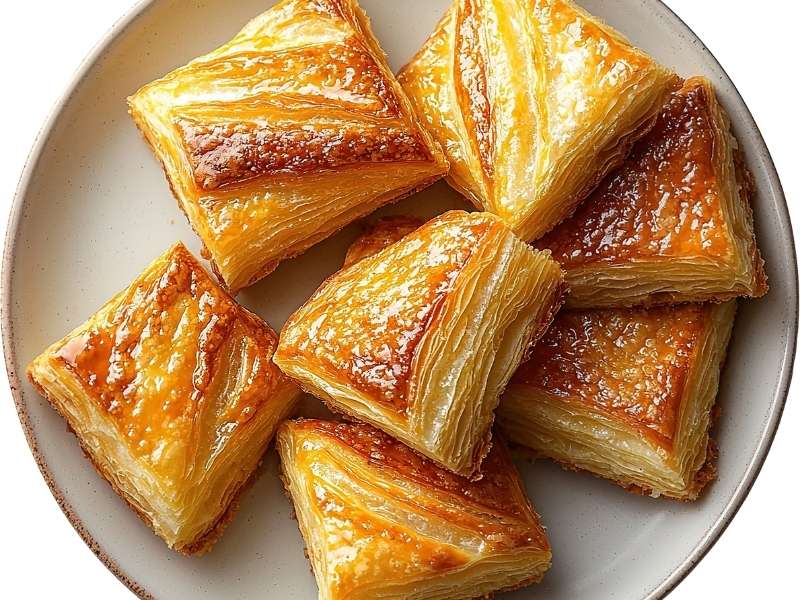
Puff pastry is one of the lightest pastries used in baking.
It contains flour, butter, salt, and water.
The dough goes through a process called laminating.
During laminating, butter is folded between layers of dough many times.
As the pastry bakes, the butter creates steam.
The steam separates the layers.
This process creates the famous flaky texture.
Puff pastry becomes tall, crispy, and airy.
Many bakers buy frozen puff pastry because making it from scratch takes time.
Store-bought versions work well for most recipes.
If you’re learning baking techniques, The Science of Baking Made Simple for Beginners explains why laminated dough rises so dramatically.
Best Uses for Puff Pastry
Puff pastry works well for many sweet and savory recipes.
Popular choices include:
- Fruit turnovers
- Cheese straws
- Sausage rolls
- Beef Wellington
- Cream horns
- Napoleons
- Palmiers
- Apple tarts
- Puff pastry pizzas
Its flaky texture makes every bite light and buttery.
What Is Phyllo Dough?
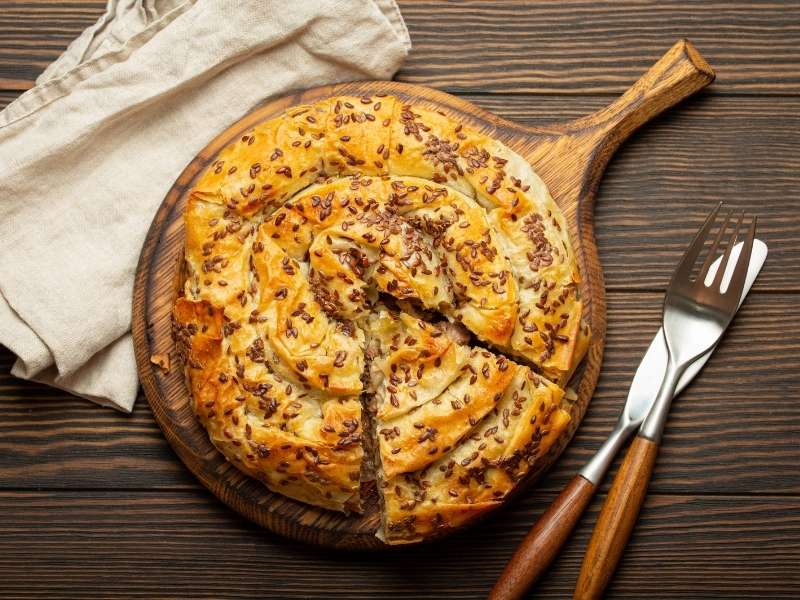
Phyllo dough looks completely different from puff pastry.
It consists of paper-thin sheets.
Unlike puff pastry, phyllo contains very little fat.
Instead, butter or oil is brushed between each sheet during assembly.
This creates crisp, delicate layers after baking.
Phyllo dough stays light rather than puffy.
Because the sheets are so thin, they dry out quickly.
Always keep unused sheets covered with a damp towel.
Many beginners tear phyllo sheets at first.
Practice makes handling them much easier.
If you’re new to baking, How to Read a Baking Recipe Correctly Before You Start can help you avoid common preparation mistakes.
Best Uses for Phyllo Dough
Phyllo works beautifully in both savory and sweet dishes.
Popular recipes include:
- Baklava
- Spanakopita
- Cheese triangles
- Apple strudel
- Crispy pastry cups
- Spinach pies
- Mini tart shells
- Nut-filled pastries
The finished pastry feels crisp and delicate instead of soft.
What Is Shortcrust Pastry?
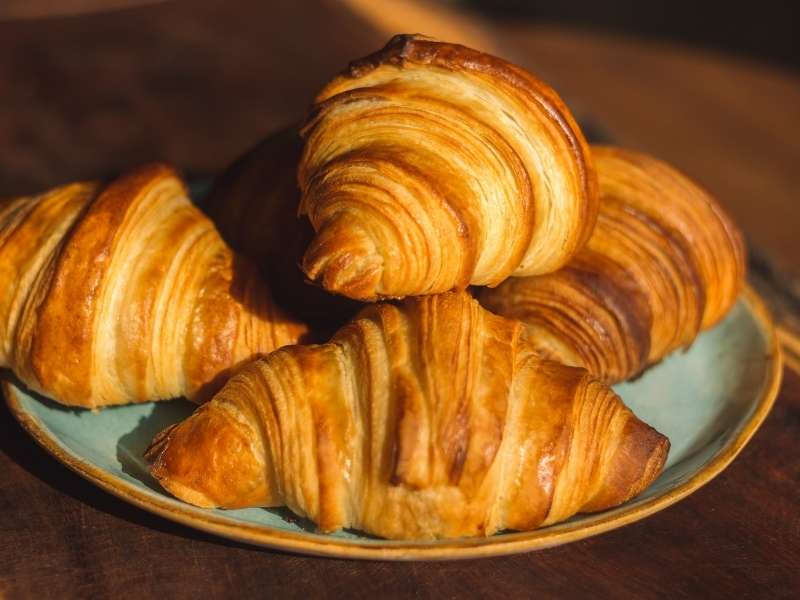
Shortcrust pastry creates a firm, buttery base.
It contains flour, butter, salt, and cold water.
Some recipes also include sugar or eggs.
Unlike puff pastry, the dough is mixed instead of laminated.
The goal is to keep the butter in small pieces.
This creates a crumbly texture after baking.
Shortcrust stays firm enough to support heavy fillings.
It doesn’t puff during baking.
Instead, it becomes tender and slightly crisp.
If you’ve struggled with pie crusts before, 23 Cake Baking Mistakes and How to Avoid Them shares helpful tips that improve many baking techniques.
Best Uses for Shortcrust Pastry
Shortcrust works well for both sweet and savory baking.
Popular recipes include:
- Apple pie
- Pumpkin pie
- Quiche
- Lemon tart
- Custard tart
- Chicken pie
- Meat pies
- Fruit tarts
- Galettes
Its sturdy texture keeps fillings in place.
Puff Pastry vs Phyllo Dough vs Shortcrust: Ingredients Compared
Although these pastries may look similar before baking, their ingredients create very different textures.
Puff Pastry
Main ingredients include:
- Flour
- Butter
- Water
- Salt
The repeated folding process creates hundreds of buttery layers.
Phyllo Dough
Phyllo uses simple ingredients.
Most recipes contain:
- Flour
- Water
- Salt
- Small amount of oil
- Vinegar in some recipes
Butter is added later between the sheets instead of inside the dough.
This produces an incredibly crisp texture.
If you’re curious about ingredient choices, Butter vs Margarine in Baking: Does It Really Matter? explains how different fats affect baked goods.
Shortcrust Pastry
Shortcrust usually contains:
- Flour
- Cold butter
- Salt
- Cold water
Sweet versions often include sugar.
Some recipes also use egg yolks for extra richness.
Cold ingredients help produce a tender crust.
Which Pastry Is the Flakiest?
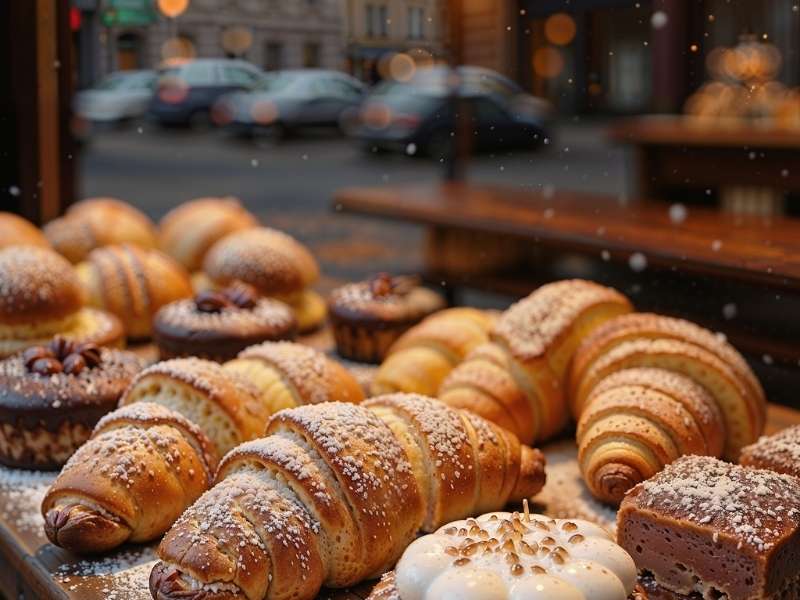
Many people assume all three pastries are equally flaky.
That’s not true.
Puff pastry creates the flakiest texture.
Its hundreds of butter layers rise dramatically inside the oven.
Phyllo dough becomes crisp instead of fluffy.
Its layers stay thin and shatter easily when bitten.
Shortcrust pastry feels crumbly rather than flaky.
It provides a rich, buttery bite that supports fillings without falling apart.
If you’re still mastering pastry basics, Common Baking Mistakes and How to Fix Them Fast can help you avoid errors that affect texture and consistency.
Texture Comparison: Puff Pastry vs Phyllo Dough vs Shortcrust
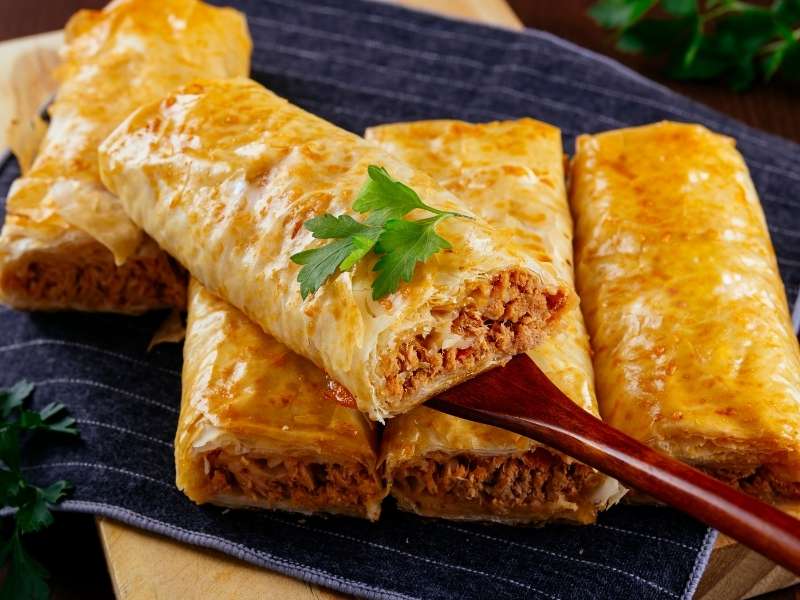
Texture is one of the biggest differences between these three pastries.
Puff pastry feels light, airy, and buttery.
Each bite separates into dozens of delicate layers.
The outside becomes crisp while the inside stays tender.
Phyllo dough creates a completely different experience.
It bakes into thin, crisp sheets that shatter with every bite.
Instead of rising, the layers stay flat and crunchy.
Shortcrust pastry has a rich, crumbly texture.
It feels firm enough to hold fillings without becoming tough.
The finished crust is tender, buttery, and slightly crisp around the edges.
Understanding these textures helps you choose the right pastry for every recipe. If you want to improve your baking results, Baking Tips That Instantly Improve Your Results shares simple techniques that make every bake more successful.
Which Pastry Is Best for Sweet Recipes?
All three pastries work well in desserts.
The best choice depends on the final texture you want.
Puff pastry works beautifully for elegant desserts.
Its flaky layers pair well with fruit, cream, chocolate, and custard fillings.
Many classic French pastries use puff pastry because of its light texture.
Phyllo dough creates desserts with a delicate crunch.
Baklava is one of the best-known examples.
The crisp layers absorb syrup without becoming soggy.
Shortcrust pastry works best when desserts need a sturdy base.
Fruit pies, custard tarts, and cheesecakes all benefit from its buttery texture.
Choosing the correct pastry helps every dessert look and taste better. If you’re learning how ingredients work together, Types of Baking Flour and When to Use Them explains another important part of successful baking.
Which Pastry Is Best for Savory Recipes?
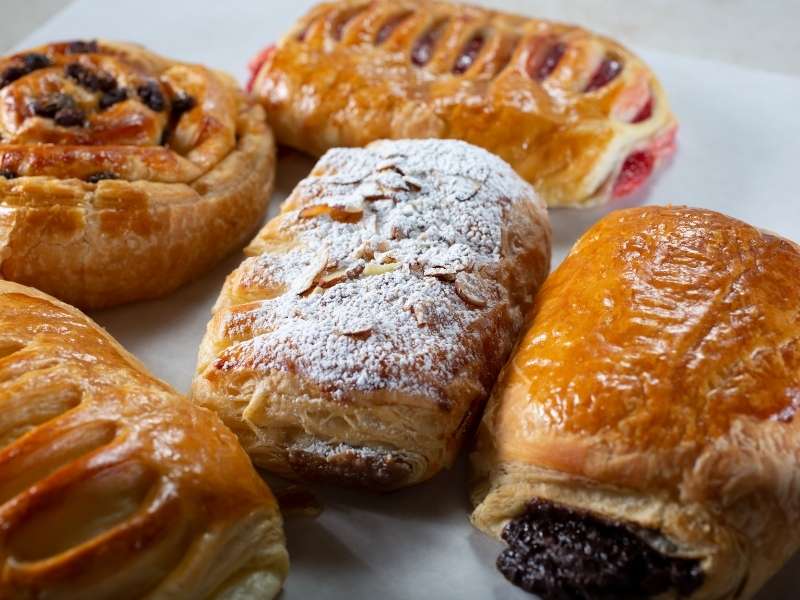
Savory dishes also benefit from choosing the right pastry.
Puff pastry creates light, flaky appetizers and main dishes.
It works well for sausage rolls, chicken pot pies, vegetable tarts, and baked cheese pastries.
Its buttery flavor complements many savory fillings.
Phyllo dough creates lighter dishes with extra crunch.
Spinach pies, feta pastries, and crispy appetizer cups all use phyllo successfully.
The thin layers allow fillings to remain the main attraction.
Shortcrust pastry produces sturdy savory pies.
It supports rich fillings without becoming soft.
Quiche, meat pies, and vegetable pies all rely on shortcrust for structure.
If you’re still building your baking knowledge, The Ultimate Beginner’s Guide to Baking covers many essential techniques that make recipes easier to follow.
Which Pastry Is Easier for Beginners?
Each pastry offers different challenges.
Frozen puff pastry is usually the easiest option for beginners.
Most of the difficult work has already been completed during manufacturing.
You simply thaw it before using it.
Shortcrust pastry comes next.
Making it from scratch takes practice, but the technique is straightforward.
Keeping the butter cold helps create the best texture.
Phyllo dough often feels the most difficult at first.
The sheets tear easily and dry out within minutes.
Working slowly and covering unused sheets with a damp towel makes the process much easier.
Learning these simple techniques builds confidence in the kitchen. If you’re just starting, Essential Baking Tools Every Home Baker Needs can help you prepare for successful baking.
Can You Substitute One Pastry for Another?
Many people wonder if these pastries can replace each other.
The answer depends on the recipe.
Puff pastry should not replace phyllo dough when you want delicate, crispy layers.
It rises much more during baking.
The finished texture becomes much heavier.
Phyllo dough cannot replace puff pastry in recipes that depend on a tall, flaky structure.
It stays thin instead of expanding.
Shortcrust pastry also serves a different purpose.
Replacing puff pastry with shortcrust removes the light layers completely.
Replacing shortcrust with puff pastry often produces a softer base that may not support heavy fillings.
Choosing the correct pastry usually produces the best results. If you’re ever unsure about ingredients, Baking Substitutions Guide (When You’re Missing Ingredients) explains when substitutions work and when they don’t.
How Should You Store Each Pastry?
Proper storage helps preserve freshness and texture.
Puff pastry should stay refrigerated until you need it.
Frozen sheets remain fresh for several months when sealed properly.
After thawing, use the pastry within a day for the best results.
Phyllo dough also stores well in the freezer.
After thawing, keep unused sheets covered while working.
Exposure to air causes the delicate sheets to dry out quickly.
Shortcrust pastry can stay refrigerated for several days before baking.
Many bakers also freeze prepared dough for future recipes.
Wrapping the dough tightly helps prevent freezer burn.
Good storage practices reduce waste and improve baking quality. How to Store Baked Goods to Keep Them Fresh Longer offers even more helpful storage advice for finished treats.
Common Mistakes When Using Puff Pastry
One common mistake is handling the pastry while it becomes too warm.
Warm butter melts before baking.
Without cold butter, the layers cannot puff properly.
Rolling the pastry too thin also reduces its rise.
Another mistake is skipping the chilling time before baking.
Cold pastry enters the oven in better condition and rises more evenly.
Overfilling pastries may also cause leaks during baking.
Keeping the filling moderate helps maintain neat layers.
If you’ve struggled with pastries before, Understanding Baking Temperatures for Better Results explains why oven temperature plays such an important role.
Common Mistakes When Using Phyllo Dough
Phyllo dough dries out very quickly.
Leaving the package open often causes the sheets to crack.
Always cover unused sheets with a slightly damp towel while working.
Another common mistake is using too little butter between layers.
The butter creates the crisp texture that makes phyllo unique.
Rushing the assembly process also leads to torn sheets.
Working gently produces much better results.
Even if a sheet tears, continue assembling the recipe because small imperfections usually disappear after baking.
Common Mistakes When Using Shortcrust Pastry
Shortcrust pastry may seem simple, but a few mistakes can ruin its texture.
One common mistake is overworking the dough.
Mixing too much develops the gluten.
The finished crust becomes tough instead of tender.
Another mistake is using warm butter.
Cold butter creates a lighter, flakier texture.
Warm butter blends completely into the flour and reduces the crumbly finish.
Adding too much water can also cause problems.
The dough should come together without becoming sticky.
Many bakers also skip chilling the dough.
Resting the pastry before rolling helps prevent shrinking during baking.
If you want more reliable baking results, How to Know When Your Cake Is Properly Baked shares useful tips that improve baking confidence across many recipes.
Homemade vs Store-Bought Pastry
Both homemade and store-bought pastry have advantages.
Homemade pastry gives you complete control over the ingredients.
You can adjust the butter, salt, and sweetness to match your recipe.
Many bakers also enjoy the fresh flavor and texture of homemade dough.
Store-bought pastry saves time and produces consistent results.
Modern frozen pastry performs surprisingly well for everyday baking.
It works especially well when you’re short on time or preparing several recipes.
Many experienced bakers keep frozen pastry in the freezer for quick desserts and appetizers.
The best choice depends on your schedule, skill level, and personal preference.
If you’re planning your pantry, Baking Pantry Essentials: What to Always Keep Stocked can help you stay prepared for last-minute baking.
Puff Pastry vs Phyllo Dough vs Shortcrust: Which One Should You Choose?
The right pastry depends on the recipe you plan to make.
Choose puff pastry when you want tall, flaky, buttery layers.
It works beautifully for turnovers, tarts, sausage rolls, and elegant desserts.
Choose phyllo dough when you want an incredibly crisp and delicate texture.
It is perfect for baklava, spanakopita, and light appetizers.
Choose shortcrust pastry when your recipe needs a firm, buttery foundation.
It supports pies, quiches, and fruit tarts without becoming soggy.
There isn’t a single pastry that works best for every recipe.
Understanding the strengths of each one allows you to bake with greater confidence and achieve better results every time.
If you’re expanding your baking knowledge, Baking Measurements Conversion Chart (Cups, Grams, Ounces Explained) makes following recipes much easier.
Frequently Asked Questions
Is puff pastry the same as phyllo dough?
No.
Puff pastry contains layers of butter folded into the dough.
Phyllo dough uses very thin sheets with butter brushed between them.
The finished textures are completely different.
Which pastry is the crispiest?
Phyllo dough produces the crispiest texture.
Its thin sheets become light and crunchy after baking.
Which pastry is the flakiest?
Puff pastry creates the flakiest layers.
The laminated dough expands dramatically inside the oven.
Which pastry works best for pies?
Shortcrust pastry is the traditional choice.
It creates a sturdy base that supports heavy fillings.
Can you freeze all three pastries?
Yes.
Puff pastry, phyllo dough, and shortcrust pastry all freeze well.
Store them tightly wrapped to maintain freshness.
If you’re stocking your freezer, Best Budget Baking Ingredients That Still Give Great Results can help you save money while keeping quality ingredients on hand.
Final Thoughts
Understanding Puff Pastry vs Phyllo Dough vs Shortcrust makes choosing the right pastry much easier. Although they may look similar before baking, each one creates a completely different result. Puff pastry delivers tall, buttery layers, phyllo dough provides a light and crispy texture, and shortcrust pastry offers a tender, sturdy base for sweet and savory dishes.
You don’t need to master every pastry immediately. Start by learning when each type works best, then practice using them in simple recipes. As your confidence grows, you’ll discover how the right pastry can improve both the appearance and flavor of your baking. With a little experience, choosing between Puff Pastry vs Phyllo Dough vs Shortcrust will become second nature, helping you create delicious pastries, pies, and desserts every time.
Remember that even experienced bakers continue learning new techniques. Every recipe gives you another chance to improve your skills and understand how different pastries behave in the oven. Don’t be afraid to experiment with new fillings, shapes, and baking methods. Small adjustments can produce surprisingly different results. The more you practice, the easier it becomes to recognize which pastry will give you the texture and appearance you want. Before long, you’ll confidently choose the perfect pastry for every sweet or savory recipe and enjoy consistently better baking results.