How to Store Homemade Pastries Without Losing Texture
Disclosure: Some of the links in this post are affiliate links. This means if you click on the link and purchase an item, I will receive an affiliate commission at no extra cost to you.
Fresh pastries can lose their flaky layers, crisp edges, or tender centers when storage starts too soon. Steam, moisture, temperature changes, and unsuitable containers can quickly alter the texture you worked hard to create.
Learning how to store homemade pastries without losing texture begins with proper cooling. Let hot pastries release steam before covering them. Then, choose storage based on the pastry’s ingredients, filling, and desired texture. Puff pastry needs different handling from custard-filled Danish pastries or fruit turnovers.
A crisp pastry needs airflow, while a soft pastry often needs protection from drying. Therefore, the storage method should match the result you want to preserve.
You can also improve your overall pastry technique by learning How to Read a Baking Recipe Correctly Before You Start before preparing your next batch.
This guide explains practical storage methods for homemade pastries, including cooling times, containers, refrigeration, freezing, reheating, and moisture control. These steps can help your pastries maintain their intended texture while staying fresh and enjoyable.
Why Pastries Change Texture During Storage
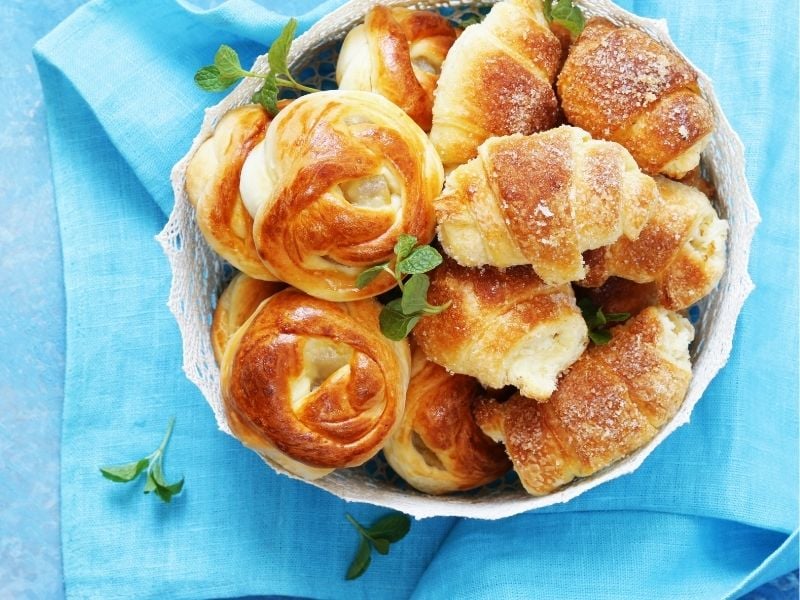
Fresh pastries contain moisture after baking. As they cool, steam moves through the crust and eventually escapes into the surrounding air.
If you trap that steam inside a sealed container, condensation can form. The moisture then settles on the pastry surface and softens crisp layers.
Humidity creates another challenge. Pastries naturally absorb moisture from humid air. This problem becomes especially noticeable with laminated dough and thin pastry sheets.
Fat also influences texture. Butter-rich pastries can firm up when chilled, while some fillings can become softer as they sit.
Understanding the role of individual ingredients can make storage decisions easier. Baking Ingredients Explained: What Every Ingredient Actually Does offers a useful foundation for understanding how ingredients affect baked results.
How to Store Homemade Pastries Without Losing Texture
Cool Pastries Before Storing Them
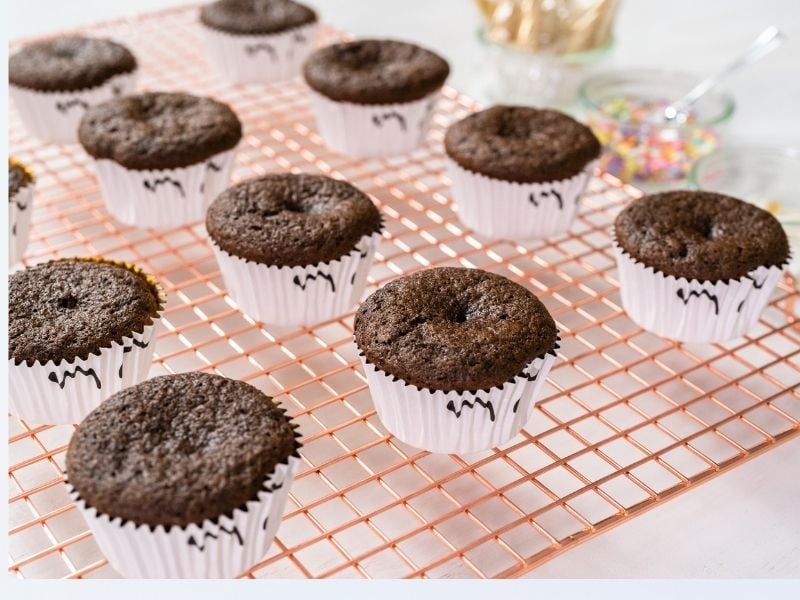
Cooling ranks among the most important steps in pastry storage.
Do not place steaming pastries directly into an airtight container. The trapped heat creates condensation, and condensation quickly damages crisp surfaces.
Instead, transfer freshly baked pastries to a cooling rack. Leave enough space between each piece so air can circulate freely.
Allow smaller pastries to cool until they no longer release visible steam. Larger pastries may need additional time because their centers retain heat longer.
Avoid leaving pastries uncovered for an unnecessarily long period. Once they cool completely, move them into appropriate storage.
Your baking equipment can also affect cooling and handling. Essential Baking Tools Every Home Baker Needs covers useful equipment for creating a more efficient baking setup.
Use a Cooling Rack Instead of a Flat Tray
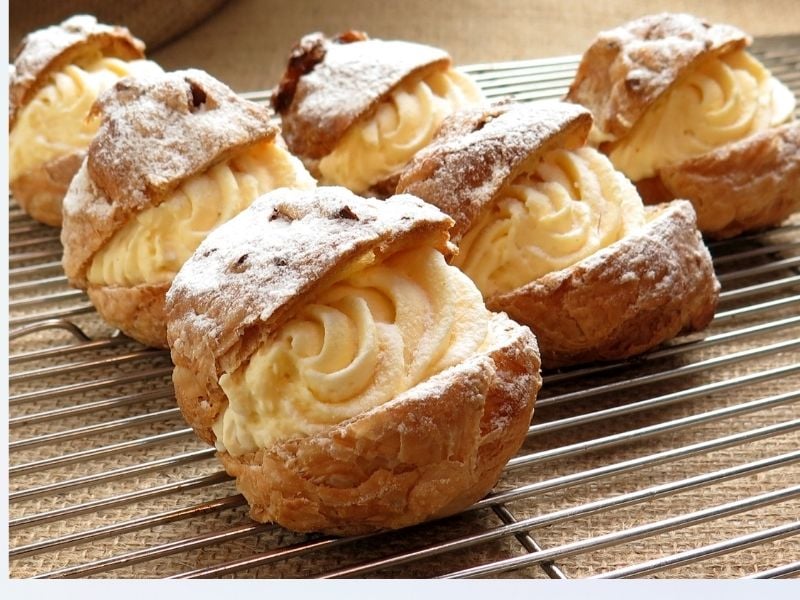
A cooling rack allows air to reach the top, sides, and bottom of your pastries.
A flat baking tray holds heat underneath the pastry. That trapped warmth can create steam beneath the crust.
This problem becomes more noticeable with puff pastry, turnovers, and other layered doughs.
Move pastries from the baking sheet to the rack shortly after baking. Use a thin spatula if the pastry feels delicate.
Keep each piece separated during cooling. Crowding creates a warm, humid pocket around the pastries.
Never Cover Hot Pastries
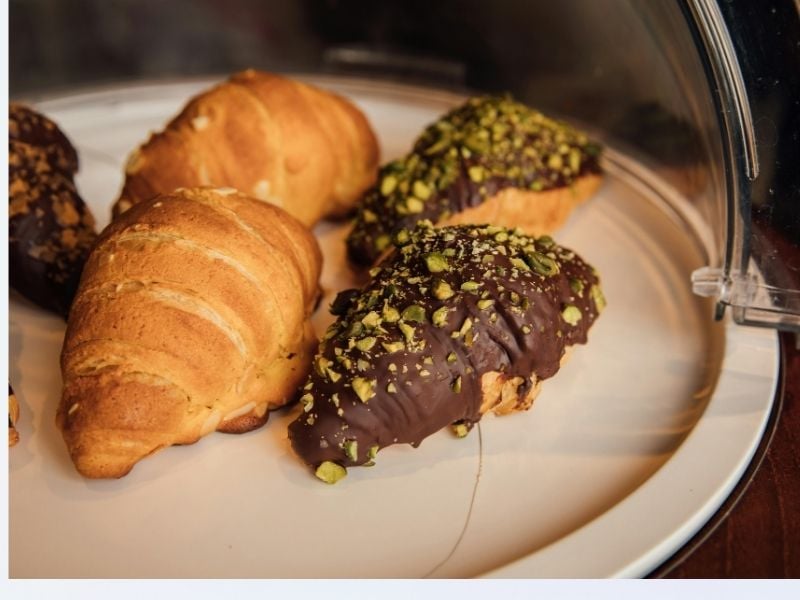
Plastic wrap, airtight lids, and sealed bags can trap steam.
That steam eventually becomes moisture.
Moisture then softens crisp pastry layers.
Instead, leave pastries uncovered while they cool. If you need to protect them from dust, use a loose covering that allows air to escape.
Once the pastries reach room temperature, choose a storage method based on the pastry type.
Choose Storage According to Pastry Type
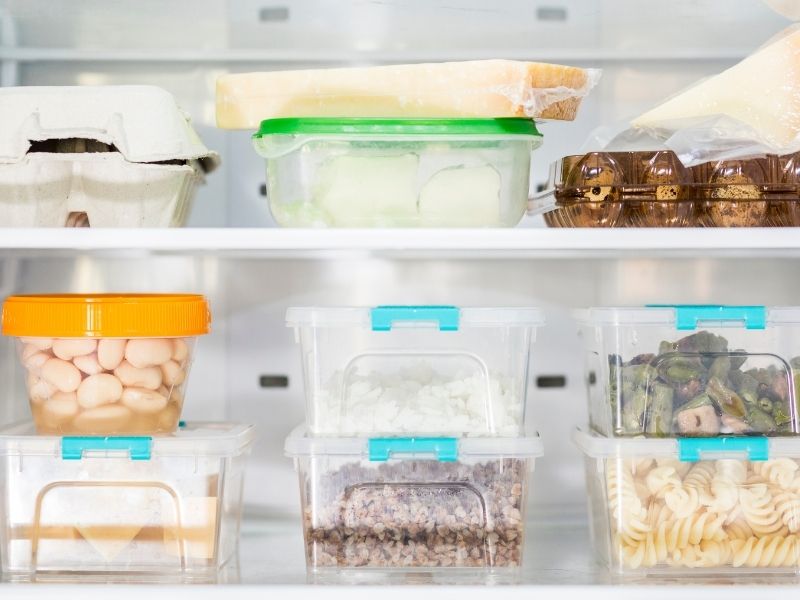
Not every pastry responds to storage in the same way.
Puff pastry needs protection from humidity because its delicate layers can soften quickly. Phyllo pastry requires similar care because its thin sheets depend heavily on dryness and proper baking.
Shortcrust pastries have a different texture. They usually feel tender rather than extremely crisp, so they need protection from both moisture and excessive drying.
Danish pastries often contain fruit, cream cheese, custard, or other fillings. Those fillings can change the storage requirements considerably.
If you want to understand the differences between major pastry doughs, read Puff Pastry vs Phyllo Dough vs Shortcrust.
Store Crisp Pastries at Room Temperature
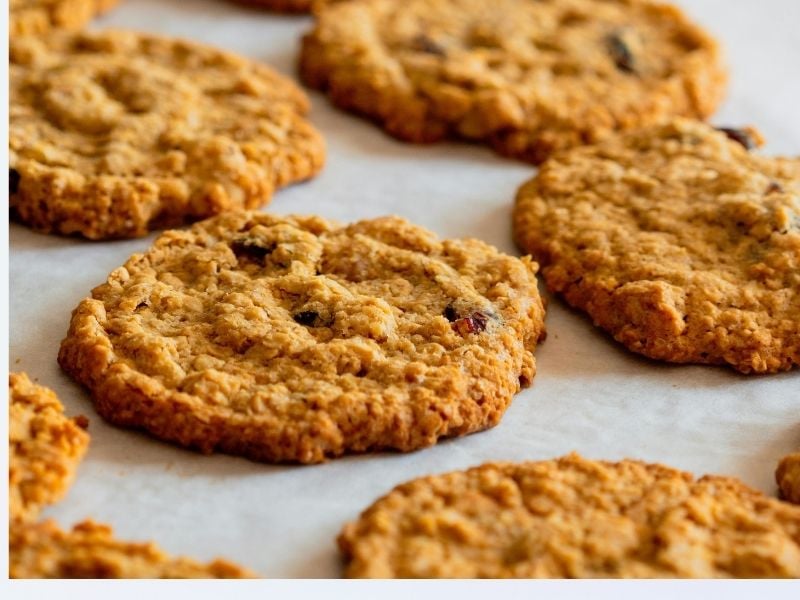
Many plain pastries can stay at room temperature for short periods.
Croissants, plain puff pastry twists, palmiers, and some turnovers usually work well with same-day storage.
Choose a cool, dry location away from sunlight and steam.
Avoid placing pastries near a kettle, stove, dishwasher, or sink. These areas can expose the pastry to unnecessary moisture.
A paper bag can work for short-term storage because it allows some airflow.
However, paper offers limited protection against humidity and contamination. Use it for brief storage rather than several days.
Use Containers Carefully
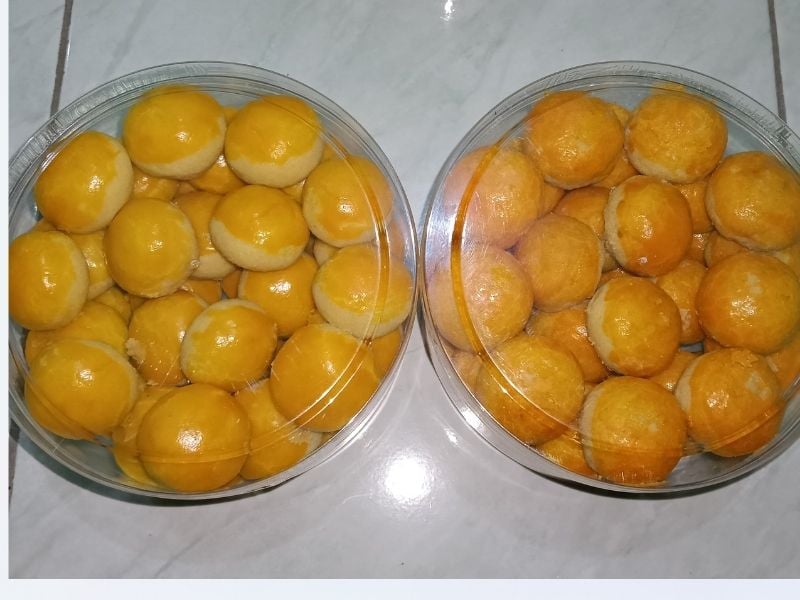
Airtight containers protect baked goods from drying, but they can also soften crisp pastries.
For soft pastries, that protection can prove useful. For flaky pastries, excessive moisture can create problems.
Choose a container that gives the pastry enough room. Avoid squeezing several pieces into a small space.
Place parchment paper between layers if stacking becomes necessary.
Do not pack pastries while they remain warm.
For more storage guidance, explore How to Store Baked Goods to Keep Them Fresh Longer.
Use Parchment Between Layers
Parchment paper helps prevent pastries from sticking together.
It also creates a small amount of separation between individual pieces.
This method works particularly well when you need to stack cookies, turnovers, or smaller pastries.
Avoid stacking fragile laminated pastries whenever possible.
Pressure can crush delicate layers. It can also trap moisture between pieces.
A single layer remains the best option for highly delicate pastries.
Keep Moist Fillings Under Control
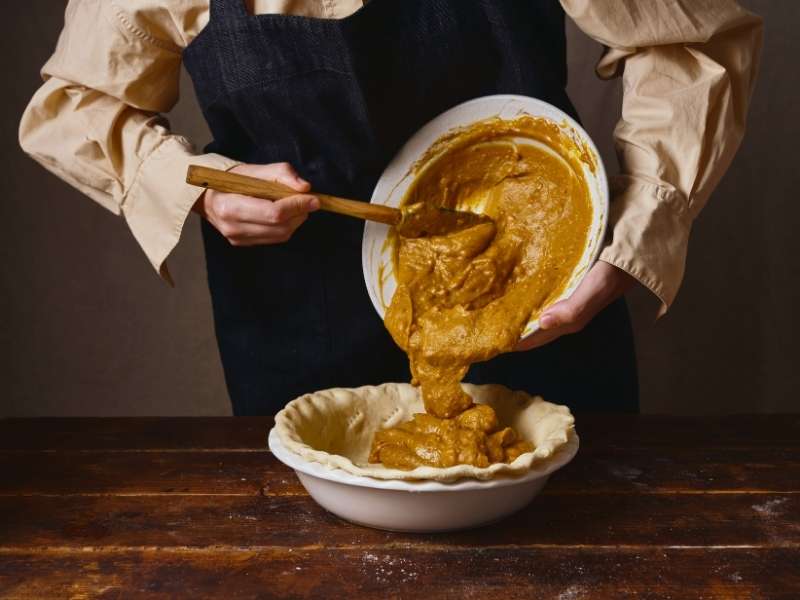
Fruit, custard, cream, and jam can change pastry texture over time.
Moisture from the filling gradually moves into the surrounding dough.
That process can turn a crisp pastry soft from the inside.
Use thick fillings when the recipe calls for them. Drain excess fruit juice before adding fresh fruit to pastry dough.
Avoid adding more filling than the recipe recommends.
You can also learn more about ingredient behavior through The Science of Baking Made Simple for Beginners.
Handle Fruit-Filled Pastries Differently
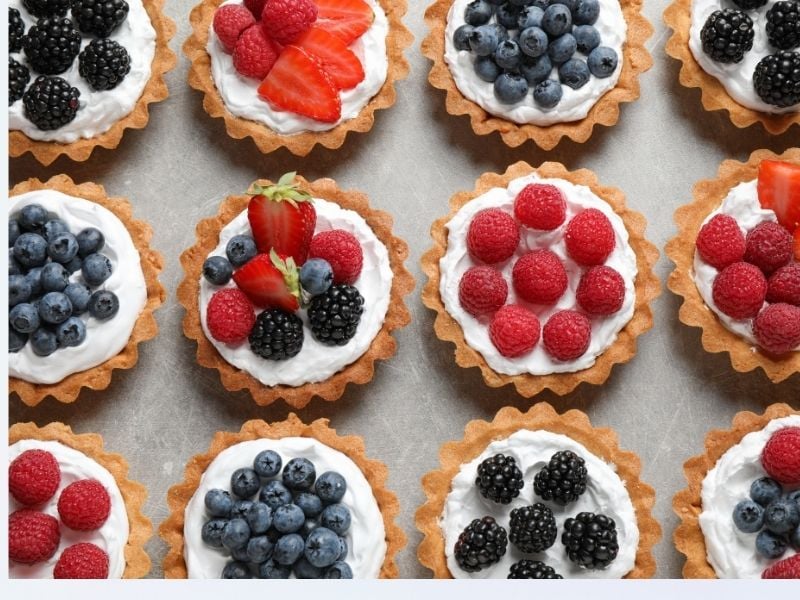
Fruit turnovers and hand pies need special attention.
Fruit releases liquid during baking. Some fruits release considerably more juice than others.
Allow fruit-filled pastries to cool completely before storage.
For short-term storage, keep them in a cool location if their filling allows room-temperature storage.
Refrigerate pastries containing perishable fillings according to food-safety requirements.
Expect some texture changes after refrigeration. You can usually restore part of the crispness through gentle reheating.
Refrigerate Pastries With Perishable Fillings
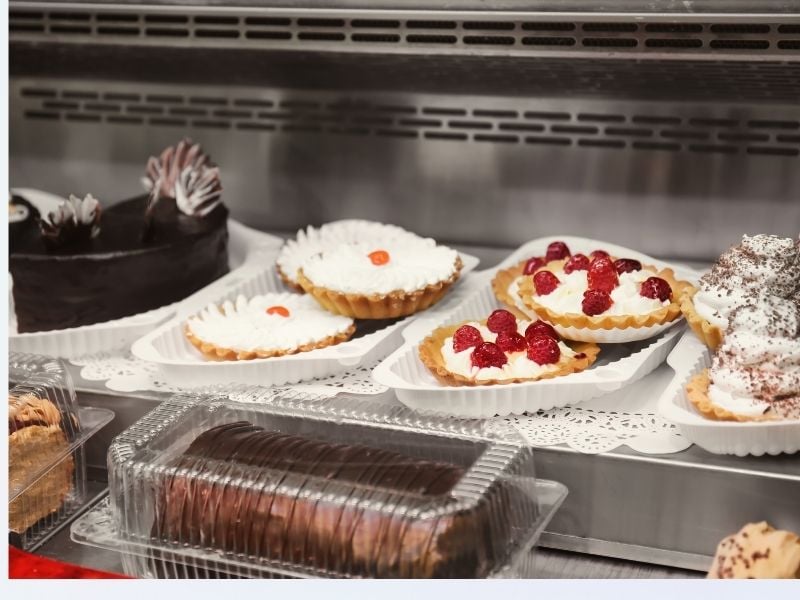
Custard, cream, dairy-based fillings, and certain fresh fruit preparations require refrigeration.
Food safety should always come before texture.
Place these pastries into a suitable container after they cool sufficiently.
Do not leave perishable pastries at room temperature for extended periods.
Refrigeration can soften crisp pastry, but reheating can improve the exterior.
Remove the pastry from the refrigerator shortly before reheating. Then warm it gently in an oven or air fryer.
Protect Pastries From Refrigerator Moisture
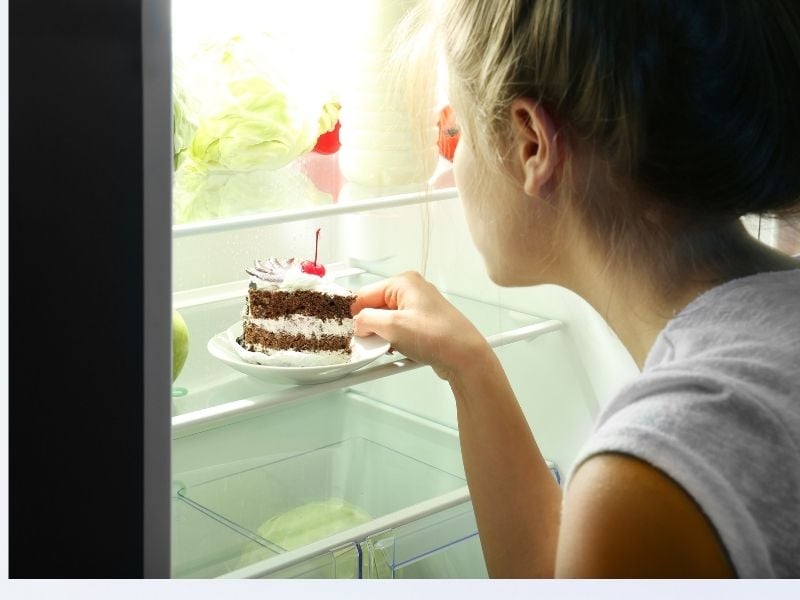
Refrigerators contain moisture and strong odors.
An uncovered pastry can absorb both.
Use a suitable food-safe container for refrigerated pastries. Leave enough space around each piece.
Avoid pressing plastic wrap directly against delicate icing or fragile pastry layers.
You can also use parchment paper as a protective separator.
For additional storage organization ideas, Best Food Storage Containers for Bakers can help you plan a more practical setup.
Do Not Freeze Every Pastry the Same Way
Freezing can preserve pastries for longer periods, but preparation matters.
Plain laminated pastries often freeze better than pastries with delicate cream fillings.
Allow baked pastries to cool completely before freezing.
Wrap each pastry securely to reduce freezer exposure. Then place the wrapped pieces inside a freezer-safe container or bag.
Remove as much excess air as practical.
Label the package with the pastry name and freezing date.
This approach makes your freezer easier to manage and helps you use older pastries first.
Freeze Pastries Individually
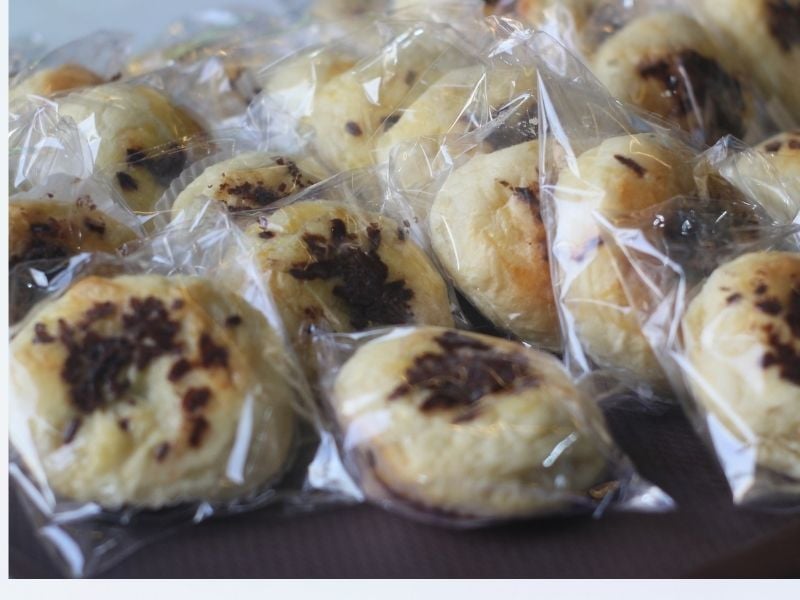
Individual wrapping prevents pastries from freezing into one solid block.
It also reduces repeated exposure to air whenever you remove one piece.
Arrange cooled pastries in a single layer while they freeze initially.
Once firm, you can transfer them into a larger freezer container.
This method works especially well for croissants, puff pastry treats, and some baked turnovers.
Avoid freezing pastries that contain fillings known to separate badly after thawing.
Thaw Pastries Correctly
Thawing affects texture almost as much as freezing.
Allow frozen pastries to thaw gradually when the recipe permits.
Avoid sealing a frozen pastry inside a container while it warms. Condensation can form on the surface.
Instead, unwrap the pastry carefully and allow appropriate airflow.
For crisp pastries, reheating often produces a better result than simply serving them after thawing.
Reheat Pastries in the Oven
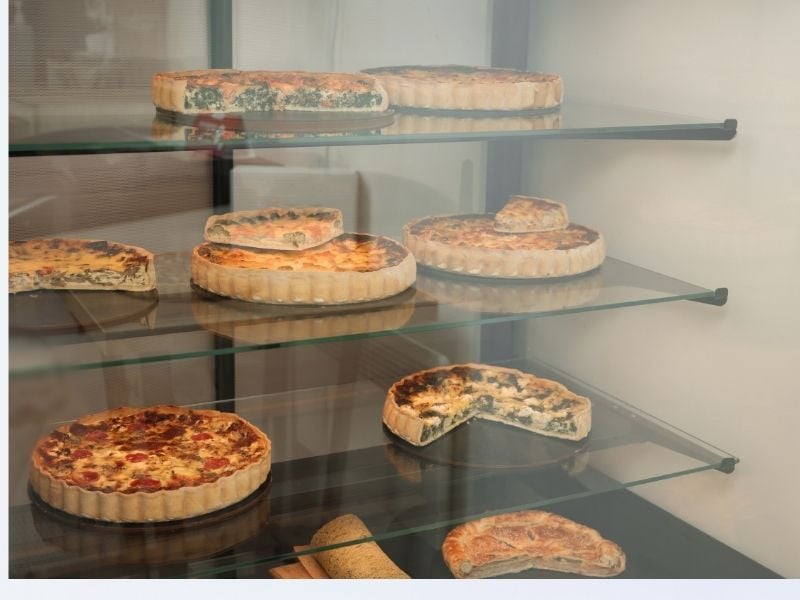
An oven can restore crispness effectively.
Preheat the oven before placing pastries inside.
Use moderate heat and warm the pastry until the exterior feels crisp.
Avoid excessive heat. A very hot oven can burn the crust while leaving the center cold.
Place pastries on a baking sheet or cooling-style rack designed for oven use.
If you struggle with temperature control, Understanding Baking Temperatures for Better Results provides useful guidance.
Use an Air Fryer for Quick Reheating
An air fryer can restore crispness quickly because hot air circulates around the pastry.
Use a moderate temperature.
Start with a short heating period and check the pastry frequently.
Small pastries can brown quickly.
Do not overcrowd the basket. Crowding restricts airflow and prevents even reheating.
This method works particularly well for croissants, puff pastry bites, turnovers, and savory pastries.
Avoid the Microwave for Crisp Pastries
Microwaves heat moisture quickly.
That quality makes them useful for soft baked goods, but it creates problems for crisp pastry.
A microwaved croissant can become chewy. Puff pastry can lose its flaky structure.
Use an oven or air fryer when you want to restore crispness.
If you only have limited equipment, How to Bake Without an Oven offers alternative approaches for home bakers.
Avoid Reheating Pastries Repeatedly
Repeated reheating can dry the interior.
It can also make butter-rich pastries greasy or tough.
Instead, warm only the amount you plan to serve.
Keep the remaining pastries stored properly.
This approach preserves quality and prevents unnecessary temperature changes.
Keep Sauces Separate
Sauces can quickly soften pastry.
Caramel, chocolate sauce, fruit compote, custard, and cream all introduce additional moisture.
Serve sauces separately whenever possible.
Drizzle them over pastries immediately before serving.
This simple change can preserve crispness while still giving you the flavor and presentation you want.
Add Powdered Sugar Later
Powdered sugar can absorb moisture from pastry surfaces.
That absorption can create damp patches and affect the appearance.
For the best presentation, add powdered sugar shortly before serving.
The same principle applies to certain glazes.
Apply wet decorations close to serving time instead of several hours before.
You can find more inspiration in 23 Beautiful Pastry Decorating Ideas.
Keep Pastries Away From Humidity
Humidity can quickly destroy crisp texture.
Avoid storing pastries beside steaming food.
Do not place them near a dishwasher after its drying cycle.
Keep them away from open windows during particularly humid weather.
A cool, dry cupboard works well for suitable room-temperature pastries.
Your kitchen arrangement can make this easier. Baking Station Organisation Ideas That Will Transform Your Kitchen includes ideas for creating a more functional baking area.
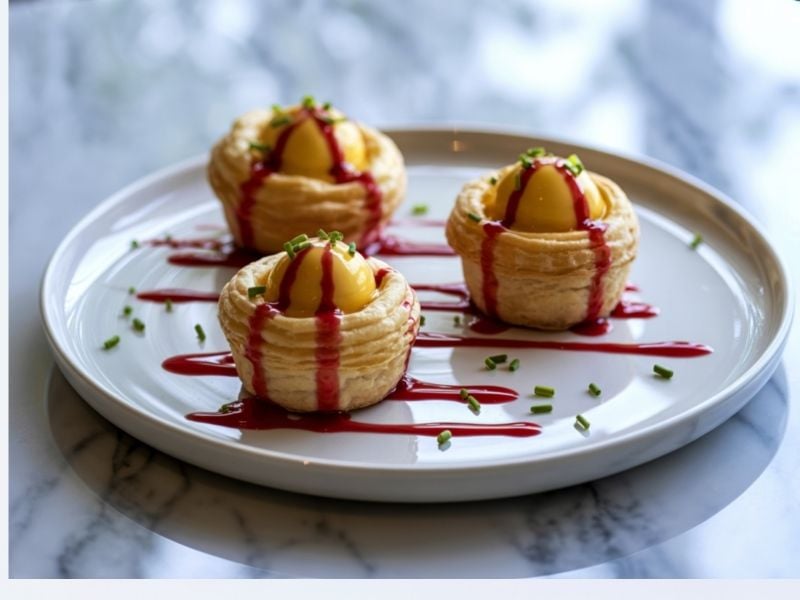
Do Not Store Pastries Beside Strong-Smelling Foods
Pastries can absorb surrounding odors.
Garlic, onions, spices, and strongly flavored foods can affect delicate baked goods.
Keep pastries separate from strongly scented ingredients.
A dedicated storage area helps preserve both flavor and texture.
Proper pantry organization also helps protect baking ingredients. How to Organize Your Baking Ingredients Like a Pro offers practical organization ideas.
Measure Ingredients Accurately Before Baking
Storage problems sometimes begin during preparation.
Too much liquid can create a softer pastry. Too much flour can produce a dense texture.
Incorrect fat measurements can also affect flaky layers.
Accurate measurements help you create the texture the recipe intends.
A kitchen scale provides greater precision than relying solely on volume measurements.
For useful conversions, see Baking Measurements Conversion Chart.

Use the Right Flour
Flour affects gluten development and dough structure.
Pastry recipes often require specific flour characteristics.
Using a flour with significantly different protein content can change the final texture.
Follow the recipe carefully before making substitutions.
If you want to compare flour choices, read Types of Baking Flour and When to Use Them.
Handle Butter Correctly
Butter temperature matters greatly for laminated pastries.
Warm butter can melt into the dough during preparation.
That melting can reduce distinct layers.
Very cold butter can crack during rolling and create uneven layers.
Aim for butter that remains cool yet workable.
Correct handling gives the pastry a better chance of developing crisp, defined layers.
Avoid Overworking Pastry Dough
Excessive handling can develop gluten.
That development can make some pastries tough.
Work the dough only as much as the recipe requires.
Use gentle movements during rolling and shaping.
For foundational techniques, explore Easy Baking Skills Every Home Baker Should Master First.
Chill Dough When the Recipe Requires It
Chilling helps maintain butter structure.
Cold butter melts more slowly during baking.
That delay can help create flaky layers.
Chilling also helps some doughs hold their shape.
Do not skip chilling simply because the dough looks ready.
Follow the recipe’s recommended timing.
Bake Until the Exterior Develops Properly
A pastry needs enough heat to develop its crust.
Underbaked pastry often retains too much moisture.
That moisture can make storage more difficult.
Look for the color and texture described in your recipe.
Golden edges often indicate better browning and moisture reduction.
However, avoid overbaking because excessive heat can dry the interior.
Avoid Common Baking Errors
Storage cannot completely repair an improperly baked pastry.
If the dough contains too much liquid, the filling releases excess moisture, or the pastry lacks sufficient baking time, storage will not solve the underlying problem.
Identify the baking issue first.
For troubleshooting help, read Common Baking Mistakes and How to Fix Them Fast.
Correct preparation creates a stronger foundation for successful storage.
Store Different Pastries Separately
Avoid placing every pastry into one large container.
Soft pastries can release moisture into crisp pastries.
Cream-filled treats can also create a humid environment.
Separate pastries according to their texture and filling.
Store plain croissants apart from fruit-filled turnovers. Keep delicate phyllo pastries away from moist desserts.
This strategy helps each pastry maintain its intended texture.
Pay Attention to Storage Time
Storage duration affects texture.
A pastry that tastes excellent after four hours may feel noticeably different after two days.
Crisp pastries usually taste best soon after baking.
Soft pastries may maintain their texture longer.
Filled pastries require additional consideration because their ingredients influence both texture and food safety.
Plan your baking schedule around serving time whenever possible.
Keep a Simple Storage Routine
A consistent routine can prevent many texture problems.
Prepare your cooling rack before the pastries leave the oven.
Move them onto the rack after baking.
Let them cool completely.
Choose the appropriate storage method.
Label frozen batches.
Reheat only the portions you plan to serve.
This simple process eliminates many avoidable mistakes.
Check Pastries Before Serving
Always inspect stored pastries before serving.
Look at the surface.
Check for excessive moisture.
Feel the crust gently.
If the exterior feels soft, reheating may restore some crispness.
If the pastry smells unusual or shows signs of spoilage, discard it.
Texture matters, but food safety comes first.
Store Pastries With Their Intended Texture in Mind
Some pastries should remain crisp.
Others should remain tender.
A shortcrust tart does not need the same storage conditions as a puff pastry palmier.
A cream-filled Danish needs different treatment from a plain croissant.
Think about the texture you want to preserve.
Then choose the storage method that supports that texture.
Plan Storage Before Baking
Storage becomes easier when you think ahead.
Choose your containers before starting the recipe.
Prepare enough cooling space.
Decide which pastries will stay at room temperature.
Plan which pieces need refrigeration.
Set aside freezer-safe packaging if you intend to freeze part of the batch.
This preparation prevents rushed decisions after baking.
For beginners, The Ultimate Beginners Guide to Baking can help build stronger fundamentals before you experiment with more advanced pastries.
Keep Pastries Fresh When Selling Them
Storage becomes even more important when you sell baked goods.
Customers expect pastries to arrive with attractive texture and flavor.
Packaging must protect the product without creating excessive condensation.
Test your packaging before selling a new pastry.
Store a sample for several hours and check its texture.
Then adjust the container, ventilation, and reheating instructions if necessary.
If you plan to sell from home, How to Start a Baking Business From Scratch offers useful guidance for building your operation.
Choose Packaging Based on the Product
Packaging should match the pastry.
A rigid box can protect delicate shapes.
A paper bag can work for short-term crisp pastries.
A sealed container can protect softer pastries.
Individual wrapping can help prevent freezer damage.
Do not choose packaging based solely on appearance.
Consider moisture, airflow, temperature, transportation, and serving time.
Test Your Storage Method
Every kitchen has different conditions.
Humidity, room temperature, refrigerator settings, and packaging materials can affect results.
Test one pastry before storing an entire batch.
Check it after several hours.
Then check another piece the following day.
Compare the texture.
This small experiment can help you find the best method for your specific recipe.
How Long Should Homemade Pastries Stay Fresh?
Storage time depends heavily on the pastry.
Plain, dry pastries often maintain good quality for a short period at room temperature.
Cream-filled pastries need refrigeration.
Fruit-filled pastries require more careful handling because their fillings contain moisture.
Frozen pastries can last considerably longer, although quality gradually declines.
Always follow the recipe’s storage guidance when available.
Pay attention to perishable fillings and food-safety recommendations.
How to Restore Soft Pastries
Softened pastries may still improve with reheating.
Place them into a preheated oven or air fryer.
Warm them briefly until the exterior regains some crispness.
Avoid overheating.
Allow the pastry to rest for a few minutes before serving.
This process can revive many pastries that have softened during storage.
However, heavily moisture-saturated pastry may never return completely to its original texture.
Final Thoughts
Learning how to store homemade pastries without losing texture starts with understanding moisture.
Cool pastries properly before storage. Give them enough airflow. Keep crisp varieties away from humidity, steam, and moist foods.
Choose containers according to the pastry rather than using one method for everything. Refrigerate pastries with perishable fillings, but expect some texture changes afterward.
For longer storage, freezing can work well when you wrap pastries carefully and protect them from freezer exposure. Reheating in an oven or air fryer can then restore much of the crisp exterior.
Most importantly, protect texture from the moment your pastries leave the oven. Proper baking, accurate measurements, suitable ingredients, careful cooling, and smart storage work together.
When you combine those habits, homemade pastries stay closer to their freshly baked texture for longer.