How to Keep Pastries Crispy After Baking
Disclosure: Some of the links in this post are affiliate links. This means if you click on the link and purchase an item, I will receive an affiliate commission at no extra cost to you.
Crispy pastries can lose their delicate texture within minutes if heat and moisture remain trapped around the crust. Learning how to keep pastries crispy after baking starts with proper cooling, smart storage, and gentle reheating. Small changes can protect flaky layers and golden edges for much longer.
First, give freshly baked pastries enough space to release steam. Then, choose storage methods that limit moisture without trapping condensation. A cooling rack often makes a bigger difference than expected because airflow helps the crust stay dry. You also need to consider the pastry itself, since puff pastry, phyllo, Danish dough, and shortcrust react differently after baking.
For beginners, understanding basic baking principles can make these techniques easier to apply. Start with The Ultimate Beginners Guide to Baking to strengthen your foundation before experimenting with different pastry recipes.
This guide explains practical ways to protect crispness from the oven to serving time. You will learn how to cool pastries correctly, select suitable containers, avoid common storage mistakes, and restore crunch when pastries soften. These simple methods work well for homemade treats and small-batch baking.
Why Pastries Lose Their Crispness
Moisture causes most pastry texture problems after baking. During baking, water inside the dough turns into steam. That steam helps create separation between layers while the exterior develops a dry, golden crust.
Once the pastry leaves the oven, the steam needs somewhere to escape. If you place a hot pastry inside a closed container immediately, the trapped steam condenses against the crust.
That moisture softens the surface.
Room humidity can create another problem. Pastries naturally absorb moisture from surrounding air. High-humidity kitchens can therefore make crisp pastries soften faster.
Fillings also matter. Fruit, custard, cream, jam, and other moist ingredients can gradually transfer moisture into surrounding pastry.
Understanding the role of ingredients can help you manage this issue more effectively. You can learn more through Baking Ingredients Explained: What Every Ingredient Actually Does.
How to Keep Pastries Crispy After Baking
1. Bake Pastries Until Properly Golden
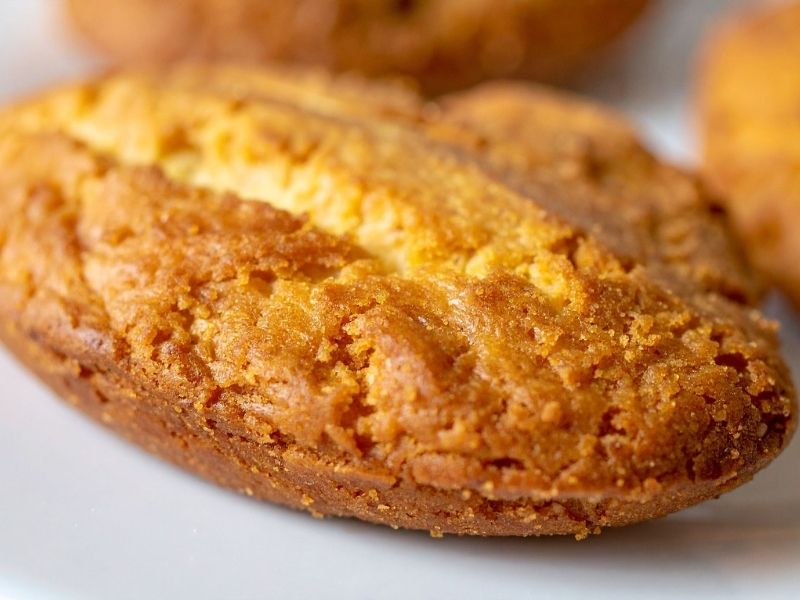
A pastry needs enough time in the oven to develop a dry exterior.
Underbaked dough often contains excess internal moisture. Consequently, the crust may look attractive while remaining soft after cooling.
Look for a deep golden surface rather than a pale finish. Edges should feel firm, and laminated layers should look visibly separated.
However, avoid burning the pastry while chasing extra crispness. Excessive heat can darken the exterior before the interior finishes cooking.
Your oven temperature plays an important role here. Understanding how heat affects baked goods can improve consistency, so review Understanding Baking Temperatures for Better Results before adjusting your baking temperature.
2. Avoid Removing Pastries Too Early
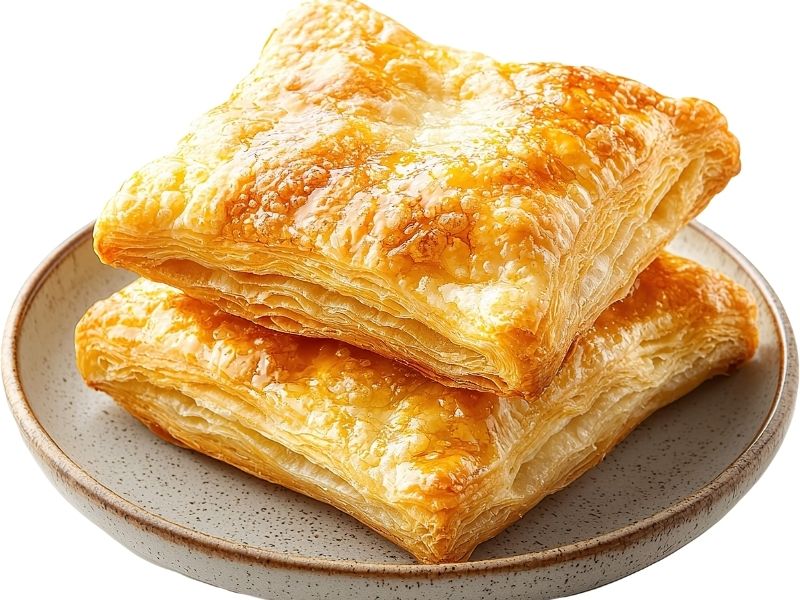
Pastries need enough oven time to develop their structure.
If you remove them too soon, the exterior may lack the firmness needed to remain crisp. The center can also retain excess moisture.
Watch the color, texture, and structure instead of relying only on the timer.
Different pastries require different baking times. Thin phyllo layers cook quickly, while thicker turnovers need more time.
Recipe instructions should guide your starting point. You can also improve your preparation by learning How to Read a Baking Recipe Correctly Before You Start.
3. Use a Cooling Rack Immediately
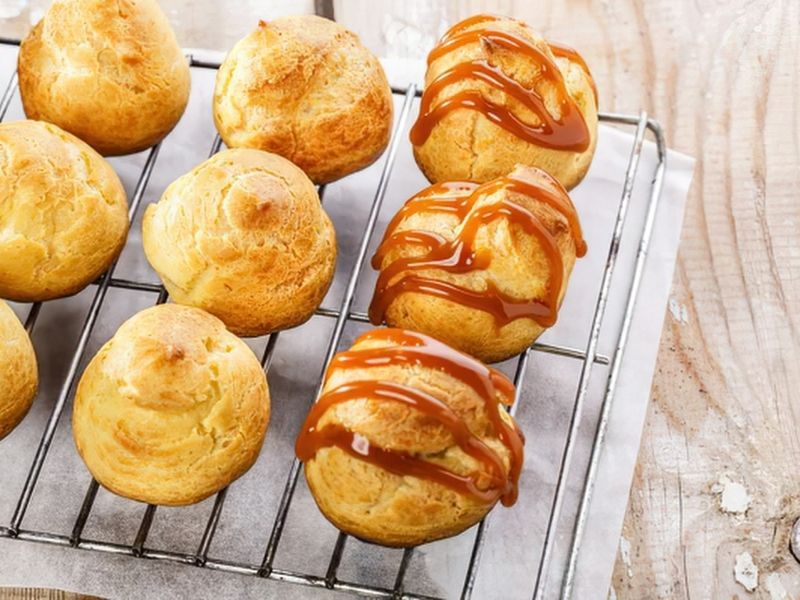
A cooling rack provides airflow around the entire pastry.
That airflow allows steam to escape from the bottom instead of collecting underneath the crust. A solid baking sheet traps more heat and moisture against the underside.
Move pastries onto a rack soon after removing them from the oven.
Give each piece enough space for air to circulate. Crowding several hot pastries together creates a warm, humid environment.
You can find other practical equipment recommendations in Essential Baking Tools Every Home Baker Needs.
4. Never Cover Hot Pastries
Covering hot pastries ranks among the fastest ways to create a soft crust.
A lid traps steam. Plastic wrap traps even more moisture. Even foil can create condensation when you cover a steaming pastry.
Allow pastries to cool completely before choosing a storage method.
For extra-crispy results, let them sit uncovered until the surface feels dry and firm.
This simple waiting period can dramatically improve texture.
5. Give Each Pastry Enough Space
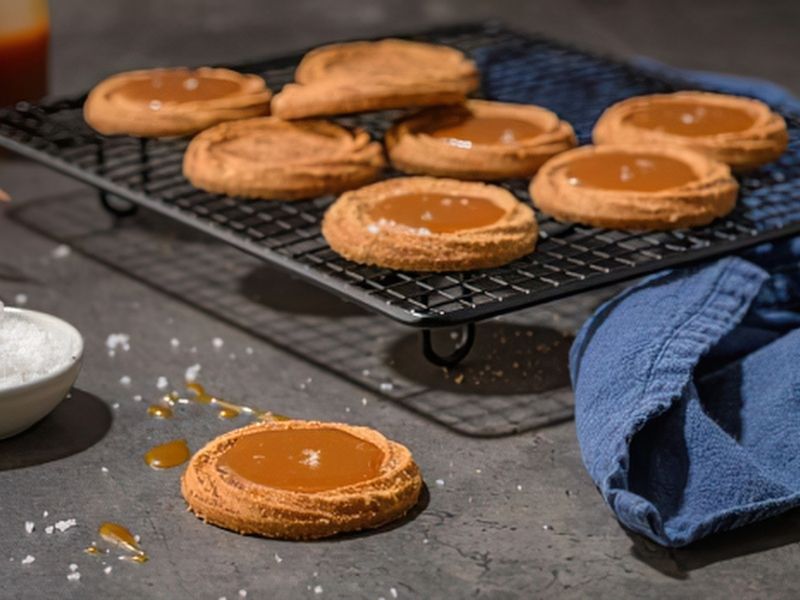
Spacing matters during cooling.
When pastries touch, heat and steam remain concentrated between the pieces. That trapped moisture can soften the sides.
Arrange pastries in a single layer on the cooling rack.
Leave small gaps between individual pieces. Larger pastries may need additional space because they release more steam.
This approach works especially well for croissants, turnovers, palmiers, and puff pastry twists.
6. Keep Moist Fillings Away From the Crust
A crisp pastry shell cannot stay crisp indefinitely when it touches a wet filling.
Fruit juices, custard, cream, and syrup gradually migrate into surrounding dough. That process softens the crust from the inside.
For filled pastries, use thicker fillings whenever the recipe allows. Drain juicy fruit before adding it to dough.
You can also avoid excessive filling because too much moisture creates structural problems.
Ingredient selection matters here. Learn how different ingredients behave through Baking Ingredients Explained.
7. Avoid Excessive Egg Wash
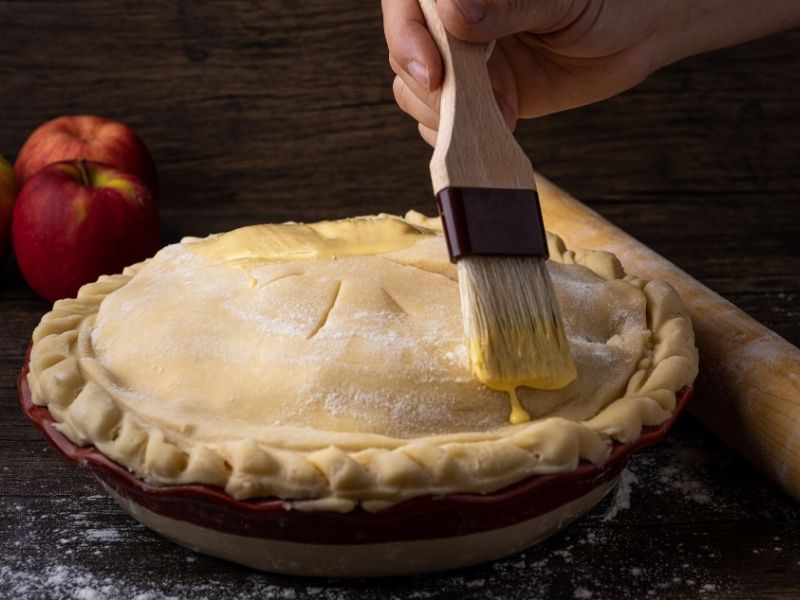
Egg wash creates beautiful color and shine. However, applying too much can contribute additional surface moisture.
Brush the pastry lightly instead of soaking the surface.
A thin coating provides enough color without creating a heavy wet layer.
You can also avoid brushing egg wash directly onto cut edges. Excess liquid may seal delicate layers and affect how they expand.
8. Bake on the Right Surface
Your baking surface influences the final texture.
A heavy baking sheet retains heat and can help pastries brown evenly. Parchment prevents sticking without adding significant moisture.
Silicone mats can work well for many recipes, although they may produce slightly different browning compared with metal trays.
Choose your surface according to the pastry.
For example, delicate laminated dough often benefits from strong bottom heat. Meanwhile, thin phyllo sheets require careful temperature control.
9. Avoid Overcrowding the Oven
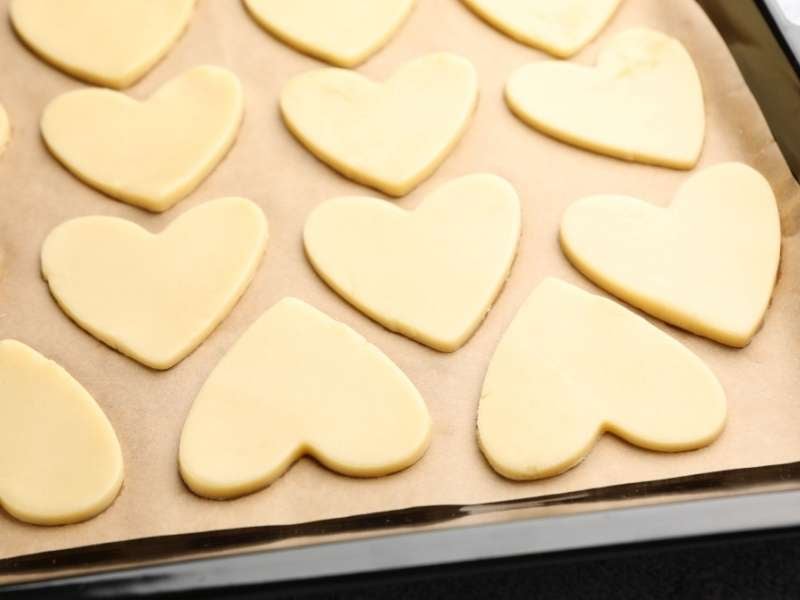
An overcrowded oven struggles to circulate heat efficiently.
Steam from several pastries can also raise the humidity inside the oven. That environment may delay browning and crisping.
Leave enough space around baking trays.
If you need to bake a large batch, use multiple rounds instead of forcing everything into one crowded tray.
Consistent baking starts with proper preparation. More beginner-friendly guidance appears in The Ultimate Beginners Guide to Baking.
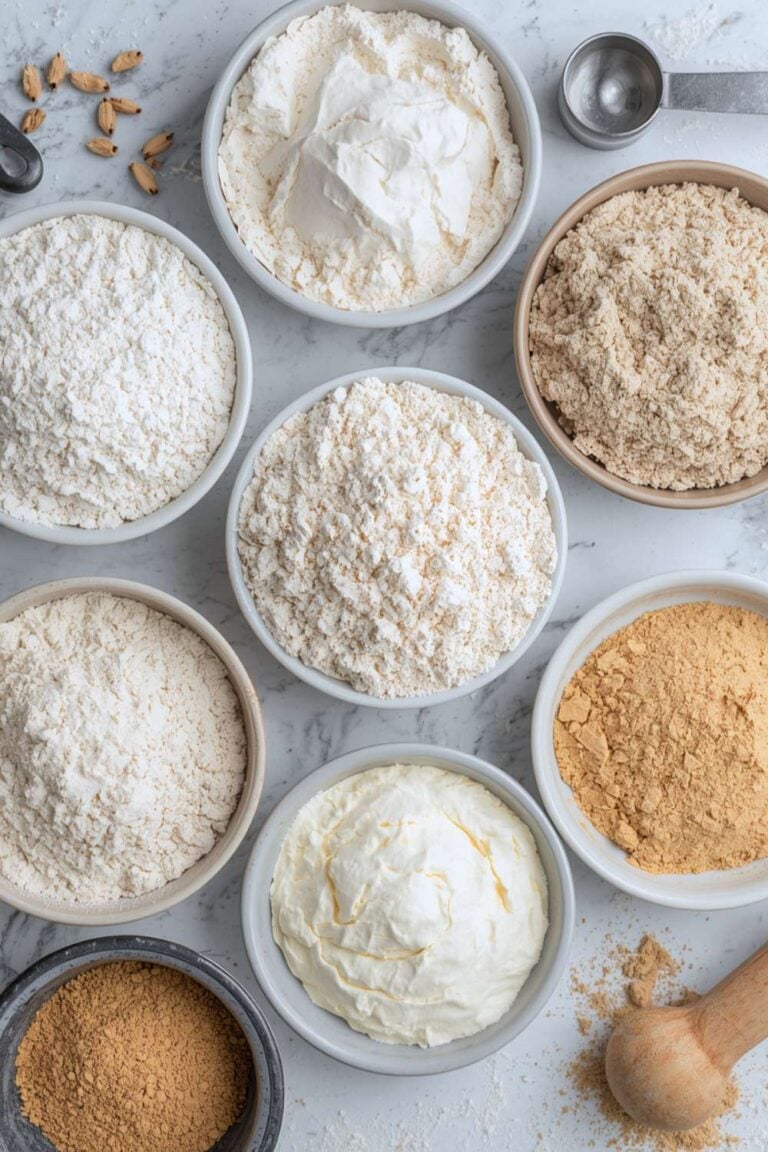
10. Use the Correct Flour
Flour affects dough structure, absorption, and texture.
Different pastry recipes call for different flour characteristics. Using an unsuitable flour can create a dough that feels heavy, fragile, or overly soft.
Check the recipe before replacing the recommended flour.
You can compare flour options in Types of Baking Flour and When to Use Them.
Proper flour selection becomes particularly important with laminated dough because gluten development affects how the layers behave.
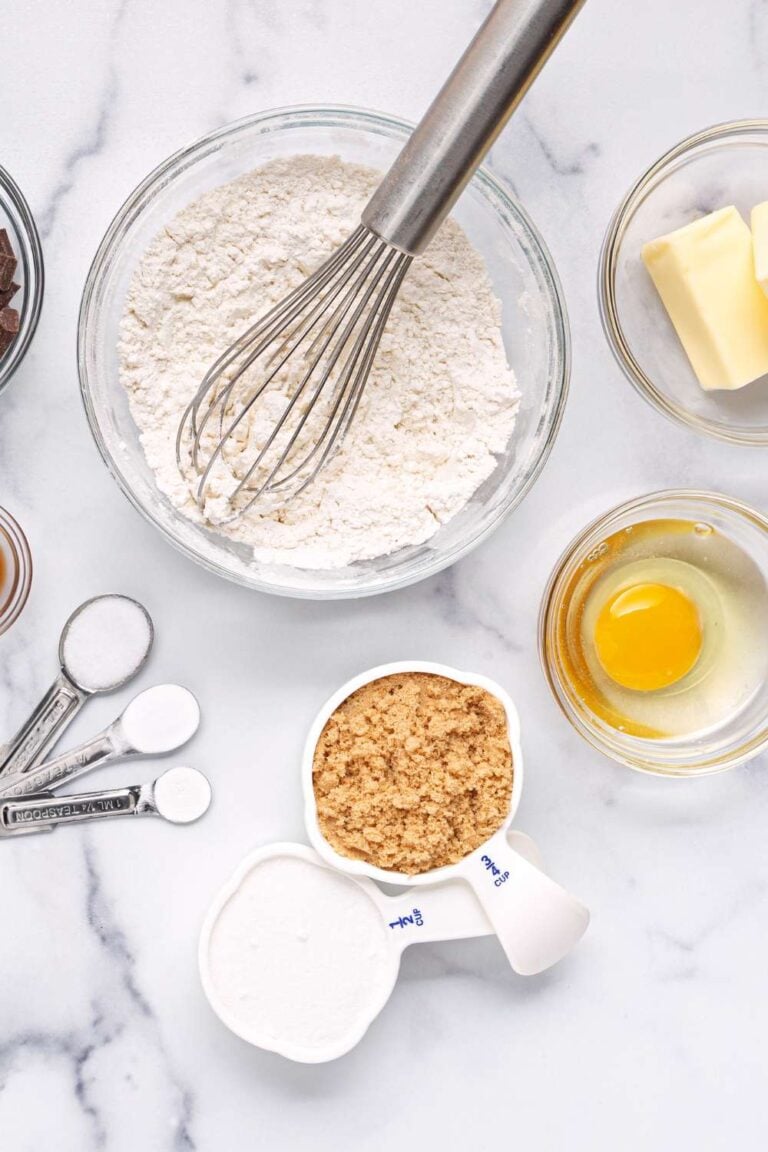
11. Measure Ingredients Accurately
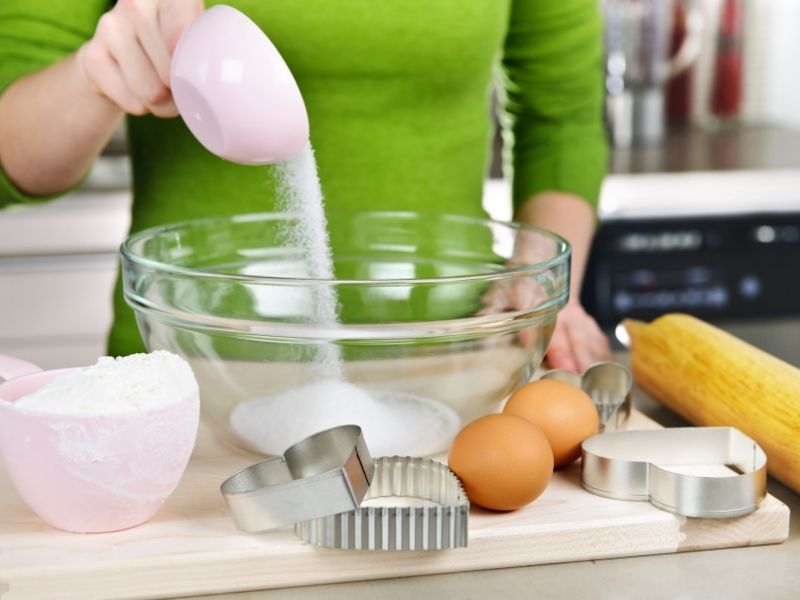
Too much liquid can make pastry softer.
Too much flour can create a dense, dry dough. Incorrect butter measurements can also disrupt laminated layers.
Use a kitchen scale when possible.
Accurate measurements help maintain the intended balance between flour, fat, and liquid.
For useful measurement guidance, visit Baking Measurements Conversion Chart.
Small measurement differences can produce surprisingly large texture changes.
12. Control Butter Temperature
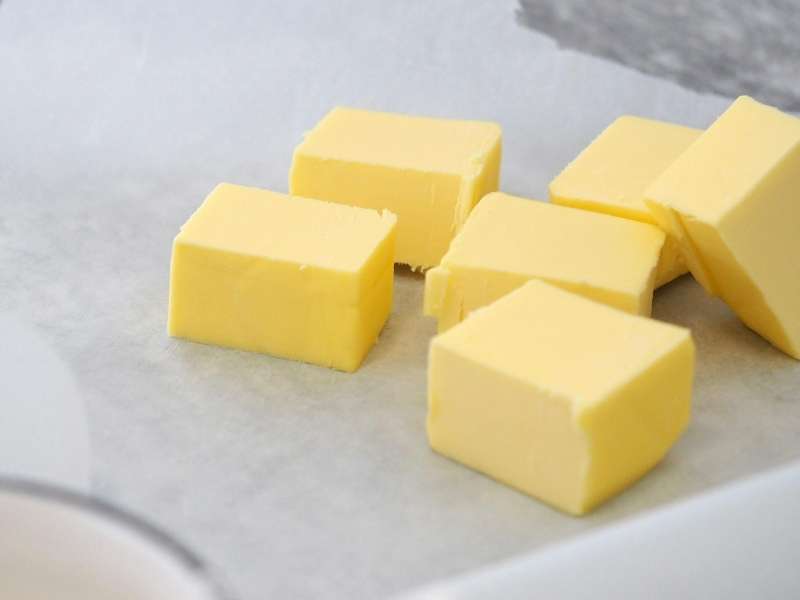
Butter plays a major role in laminated pastries.
If butter becomes too warm, it can melt into the dough before baking. That reduces distinct layers and can produce a greasy, less crisp result.
If butter becomes excessively cold, rolling becomes difficult and layers may crack.
Aim for butter that remains cool but flexible.
You can explore the differences between common fats in Butter vs Margarine in Baking.
13. Let Pastries Cool Completely Before Storage
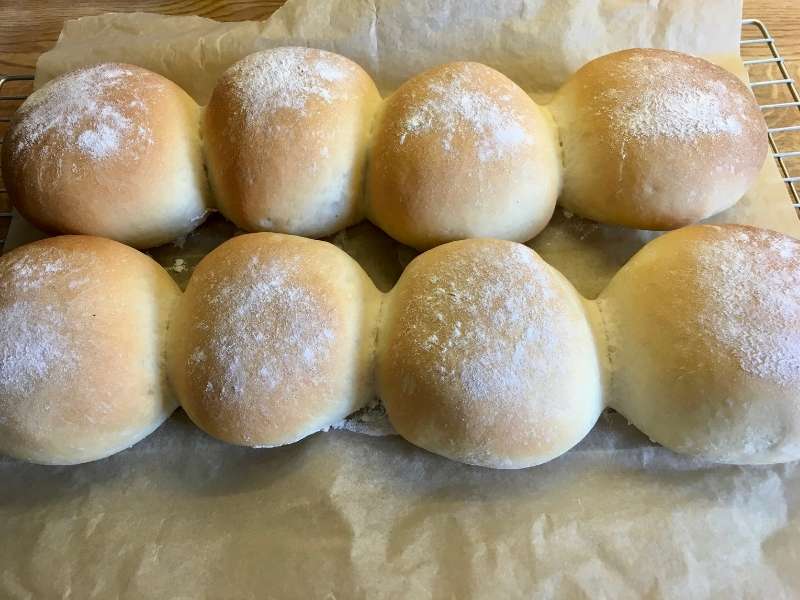
Complete cooling protects texture.
A warm pastry releases steam. A sealed container traps that steam.
Wait until pastries reach room temperature before closing the container.
However, do not leave them exposed for hours in a humid environment. Once they cool, move them into suitable storage.
The goal involves balancing airflow with protection.
14. Choose Containers Carefully
Airtight containers work well for many baked goods, but they can soften crisp pastries.
For pastries you plan to eat within several hours, a loosely covered container may work better.
For longer storage, prioritize food safety and freshness while accepting that some crispness may decrease.
You can explore suitable storage options through How to Store Baked Goods to Keep Them Fresh Longer.
The right container depends on the pastry, filling, room temperature, and storage duration.
15. Add Paper Towels for Moisture Control
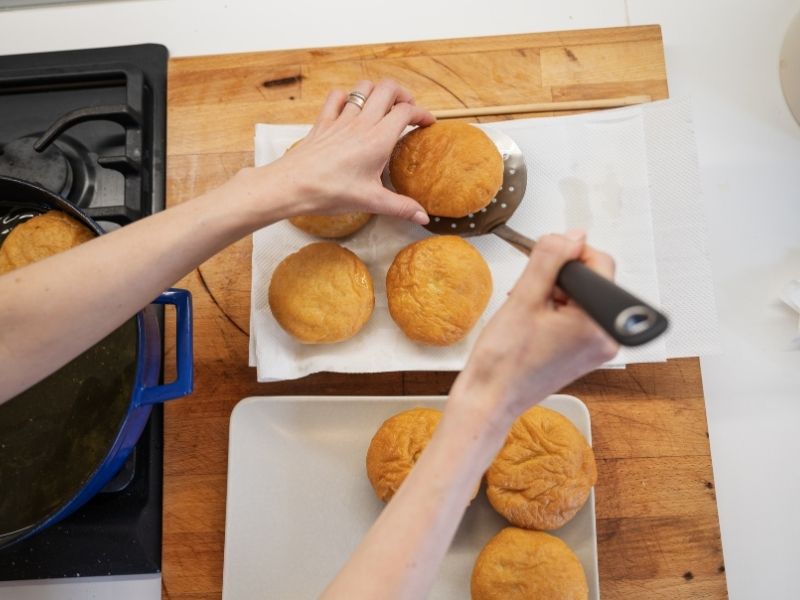
Paper towels can help absorb small amounts of condensation.
Place one underneath pastries inside a suitable container. For layered storage, place another sheet between layers.
Do not wrap delicate pastries tightly in damp paper.
The goal involves absorbing excess moisture while allowing the crust to maintain its structure.
This technique works especially well for short-term storage.
16. Avoid Refrigerating Crispy Pastries Unless Necessary
Refrigeration often changes pastry texture.
Cold storage can encourage moisture migration and make crisp layers chewy. The effect becomes stronger when pastries contain moist fillings.
Still, certain fillings require refrigeration for food safety.
Custard, cream, dairy-based fillings, and some fruit preparations may need cold storage.
In those cases, accept some texture loss and restore crispness before serving.
17. Reheat Pastries in the Oven
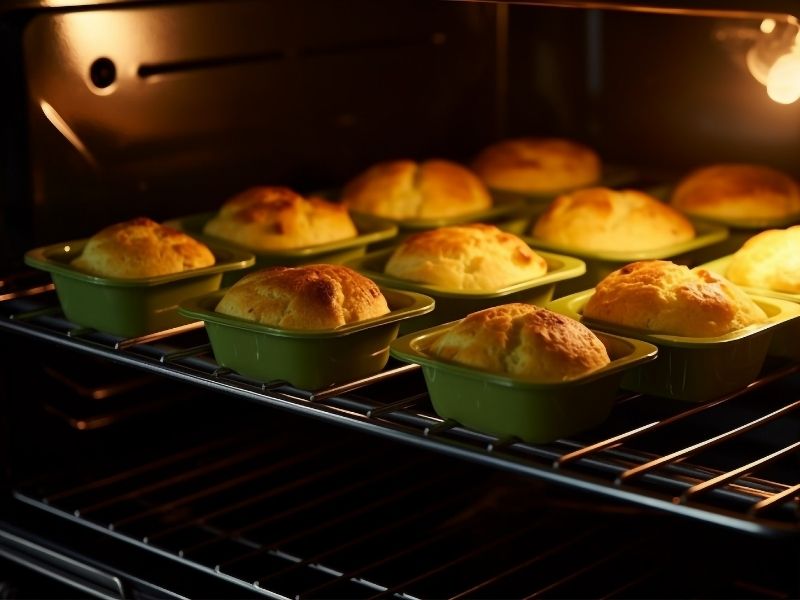
An oven remains one of the best tools for restoring crispness.
Preheat the oven to a moderate temperature. Place pastries directly on a baking sheet or rack.
Heat them until the exterior becomes crisp again.
Avoid extremely high temperatures because the outside can burn before the center warms.
This method works especially well for croissants, turnovers, puff pastry snacks, and savory pastries.
18. Try an Air Fryer
An air fryer can restore crispness quickly.
Its circulating hot air removes surface moisture while warming the pastry.
Use a moderate temperature and short heating period. Check the pastry frequently because small pieces can brown rapidly.
Avoid overcrowding the basket.
Good airflow remains essential.
19. Avoid the Microwave for Crisp Pastries
Microwaves heat moisture rapidly.
That quality makes them useful for warming many foods, but it works against crisp pastry.
A microwaved croissant may become soft and chewy. Puff pastry can lose its delicate layers.
If you only have a microwave, use very short intervals and finish the pastry in a dry pan or conventional oven when possible.
For alternative baking methods, see How to Bake Without an Oven.
20. Preheat Your Reheating Equipment
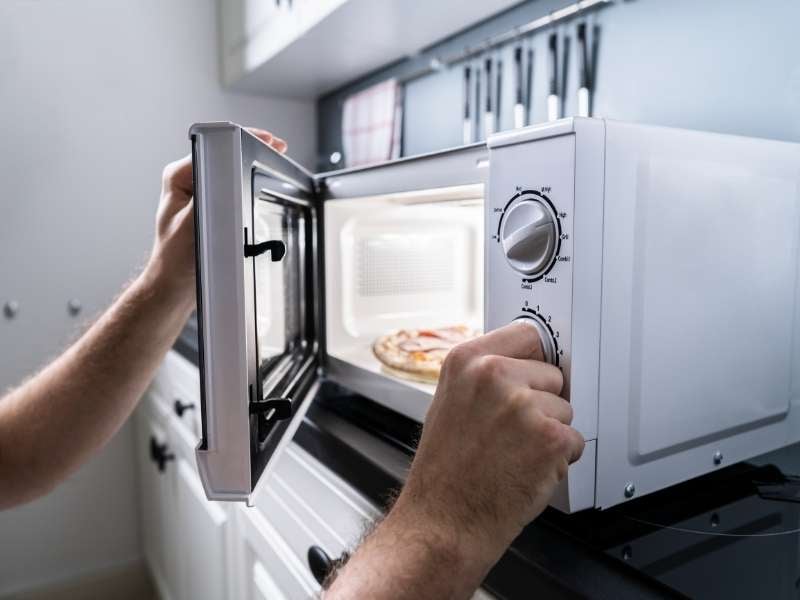
Never place pastries into a cold oven when your goal involves crispness.
A cold oven warms the pastry slowly. That longer heating period can encourage moisture migration.
Preheat the oven first.
Then place the pastry inside and monitor the surface.
A short burst of strong, controlled heat usually works better than prolonged low-temperature warming.
21. Reheat on a Rack When Possible
A rack allows hot air to reach the bottom of the pastry.
That airflow helps restore crispness throughout the exterior.
A solid tray can work, but a rack often provides better circulation.
For small pastries, an air fryer basket creates a similar environment.
22. Store Pastries Away From Humidity
Humidity remains one of the biggest enemies of crisp pastry.
Keep cooled pastries away from steam from kettles, boiling pots, dishwashers, and humid cooking areas.
Do not place them beside a steaming stovetop.
A dry countertop offers a better temporary storage location.
Kitchen organization can also improve your baking workflow. Consider Baking Station Organisation Ideas That Will Transform Your Kitchen.
23. Keep Pastries Away From Direct Sunlight
Direct sunlight can warm pastries unevenly.
That warmth may encourage condensation inside storage containers.
Place pastries somewhere cool, dry, and shaded.
Avoid warm windowsills and areas near appliances that generate heat.
Stable room conditions help preserve texture.
24. Use a Paper Bag for Short-Term Storage
A paper bag allows more airflow than an airtight plastic container.
That feature can help maintain crispness for short periods.
However, paper bags offer limited protection from humidity and contamination.
Use them for same-day serving rather than long-term storage.
For pastries that need longer storage, choose a more appropriate container.
25. Avoid Stacking Fragile Pastries
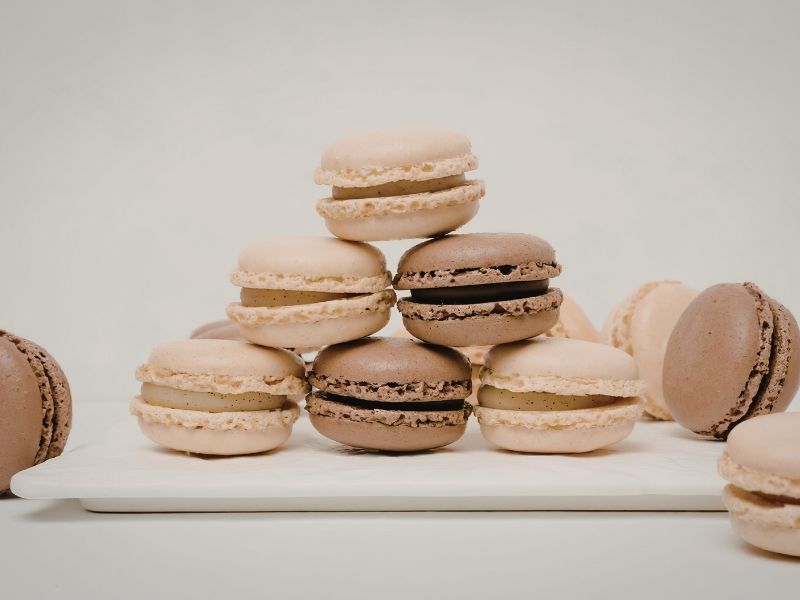
Stacking can crush delicate layers.
Pressure can also trap moisture between pieces.
Arrange pastries in a single layer whenever possible.
If stacking becomes necessary, separate layers with parchment paper.
This method protects flaky surfaces while reducing direct contact.
26. Keep Powdered Sugar Until Serving
Powdered sugar can absorb moisture from pastry surfaces.
That absorption can create damp-looking patches and soften the crust.
For the best appearance, dust powdered sugar shortly before serving.
The same principle applies to some glazes.
Add decorative toppings after reheating instead of before storage.
For more presentation inspiration, explore 23 Beautiful Pastry Decorating Ideas.
27. Avoid Heavy Glazes on Crisp Surfaces
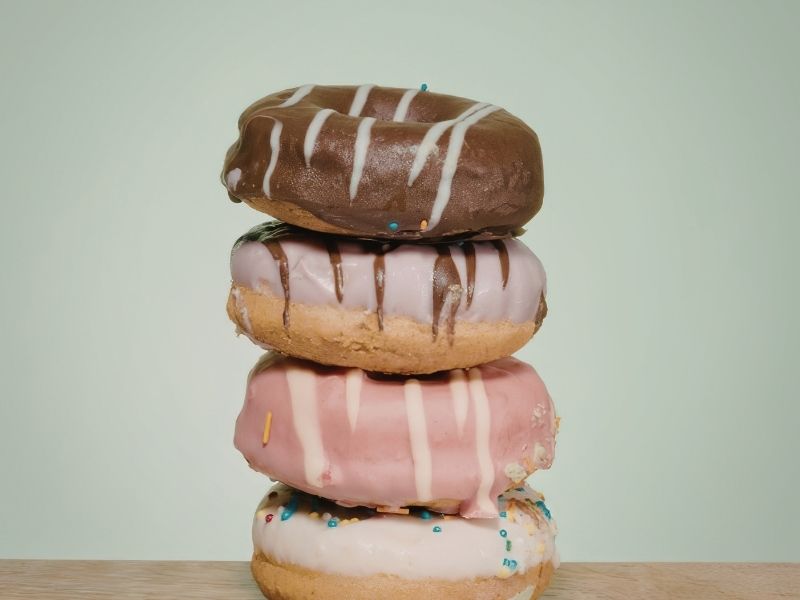
Glazes contain moisture.
A thick glaze can soften the pastry beneath it over time.
If you want both decoration and texture, apply a thin glaze shortly before serving.
For some pastries, leave the surface unglazed and serve the sauce separately.
This approach allows guests to enjoy crisp pastry with added sweetness without prolonged moisture contact.
28. Watch Your Filling Temperature
Adding very hot filling to pastry can create excess steam.
That steam may soften the surrounding dough.
Allow cooked fillings to cool appropriately before assembling certain pastries.
Cold or room-temperature fillings can also make assembly easier.
However, follow the specific recipe because some preparations require particular filling temperatures.
29. Avoid Excess Liquid in Fruit Fillings
Fresh fruit releases water during baking.
Some fruits release more liquid than others.
Drain excess juice before adding fruit to pastry. Thickening agents can also help create a more stable filling.
Avoid adding unnecessary liquid to fruit mixtures.
This step helps protect the pastry from becoming soggy from the inside.
30. Use a Barrier for Very Moist Fillings
A barrier can separate wet filling from delicate pastry.
A thin layer of ground nuts, breadcrumbs, chocolate, or another suitable ingredient can absorb some moisture depending on the recipe.
The barrier should complement the flavor and texture of the pastry.
Do not add random ingredients simply to absorb liquid.
Choose a method that suits the specific recipe.
31. Understand Different Pastry Types
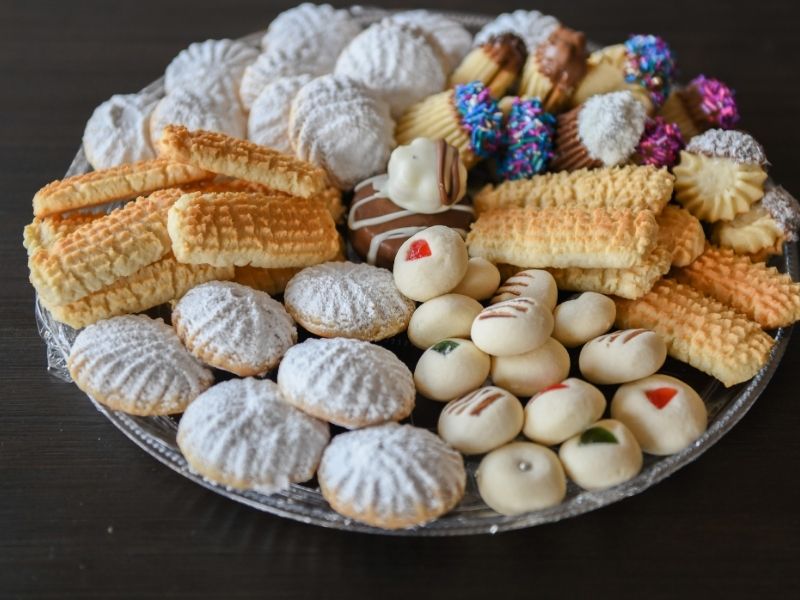
Different pastry styles require different handling.
Puff pastry depends on laminated butter layers. Phyllo relies on extremely thin sheets with fat between them. Shortcrust uses a different structure with a tender, crumbly texture.
These differences explain why one storage method may work beautifully for one pastry but poorly for another.
Understanding those differences becomes easier with Puff Pastry vs Phyllo Dough vs Shortcrust.
32. Avoid Common Pastry Mistakes
Small errors can undermine crispness before the pastry even reaches the oven.
Overworking dough, adding too much liquid, using warm butter, skipping chilling, or baking at the wrong temperature can all affect texture.
Review Common Baking Mistakes and How to Fix Them Fast when troubleshooting.
Identifying the original mistake helps you prevent the same texture problem during your next batch.
33. Chill Pastry Before Baking
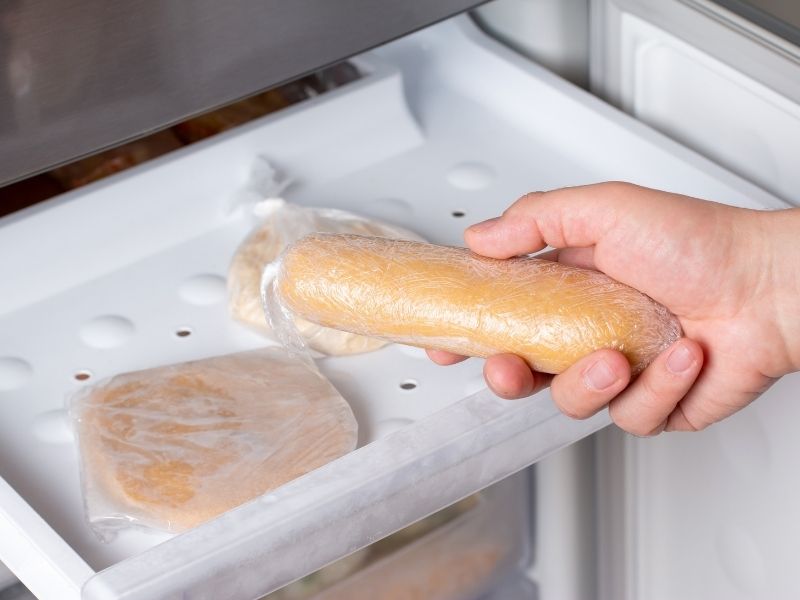
Chilling can help pastry maintain its structure.
Cold butter takes longer to melt inside the oven. That delay gives laminated layers more opportunity to separate and expand.
Chilling also helps prevent excessive spreading.
Follow the recipe’s chilling instructions carefully.
Do not skip this stage simply because the dough looks ready.
34. Avoid Overworking Pastry Dough
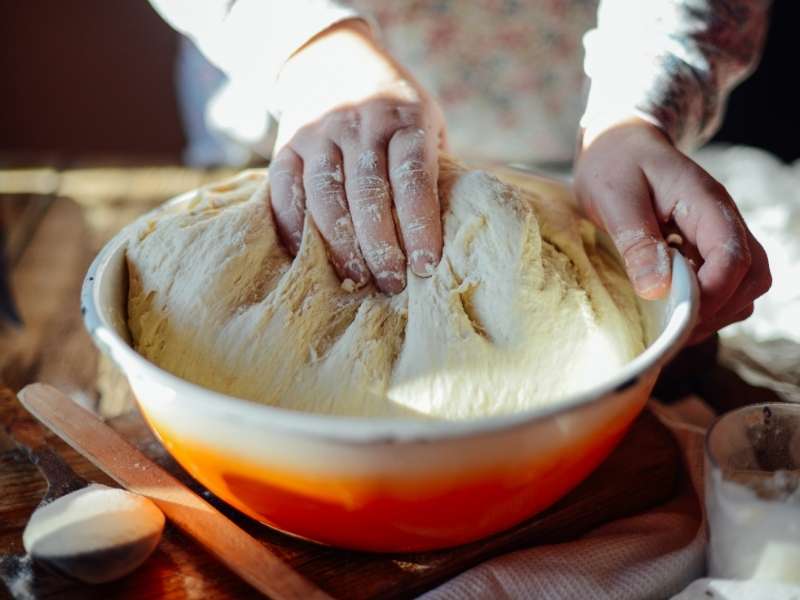
Excessive handling can develop gluten.
That development can create tougher textures, especially in shortcrust pastry.
Work the dough only until the ingredients come together.
Gentle handling also helps preserve pockets of fat.
For beginners, learning basic techniques can make pastry preparation easier. Explore Easy Baking Skills Every Home Baker Should Master First.
35. Protect Pastries During Transport
Transportation creates another opportunity for crispness loss.
Do not place hot pastries into sealed packaging.
Allow them to cool first. Then choose packaging that provides protection without trapping excessive condensation.
Ventilation becomes especially important for freshly baked products.
If you sell pastries, packaging choices can influence customer satisfaction and product quality.
You can also learn more through What You Need to Start Selling Cakes From Home.
36. Reheat Before Serving Instead of Hours Earlier
Timing matters.
A pastry reheated several hours before serving can soften again.
Instead, reheat close to serving time.
Allow a few minutes for the exterior to settle before eating.
This approach produces a noticeably better texture.
37. Keep Sauces Separate
Sauces can quickly soften pastry.
Chocolate sauce, caramel, fruit compote, custard, and cream should stay separate until serving when possible.
Drizzle sauces immediately before eating.
For parties, place sauces in small serving dishes rather than pouring them over every pastry.
That method preserves crispness while still providing flavor.
38. Serve Crispy Pastries Promptly
Crispness naturally declines over time.
Even excellent storage cannot preserve freshly baked texture forever.
Serve pastries soon after baking whenever possible.
For entertaining, plan your baking schedule around serving time.
This simple adjustment often produces the biggest improvement.
39. Store Different Pastries Separately
Strong aromas and moisture levels can affect nearby baked goods.
Do not automatically place every pastry into one container.
Separate dry pastries from heavily filled varieties.
Keep crisp pastries away from soft cakes, cream desserts, and moist fruit treats.
The difference in moisture levels can quickly change textures.
You can explore broader dessert categories through The Ultimate Guide to Different Types of Desserts.
40. Check Pastries Before Reheating
Not every pastry needs reheating.
Some pastries taste excellent at room temperature.
Others benefit greatly from a brief oven refresh.
Inspect the crust first.
If the pastry remains crisp, serve it immediately. If it feels soft, use gentle reheating to restore texture.
Avoid repeatedly reheating the same pastry because excessive heat can dry the interior.
41. Know When Crispness Cannot Return Fully
Some pastries soften because moisture has already migrated deep into the layers.
A quick reheat may improve the exterior, but it cannot always recreate the original texture.
Do not keep reheating in an attempt to achieve perfection.
Excessive heating can make the interior dry and tough.
Instead, focus on prevention during your next batch.
42. Improve Your Baking Technique Overall
Crisp pastry begins with good baking technique.
Accurate measurements, correct temperatures, proper dough handling, and suitable ingredients all contribute to the final texture.
You can strengthen your overall approach with Baking Tips That Instantly Improve Your Results.
Good habits create better pastries before storage even becomes necessary.
43. Store Ingredients Properly
Ingredient freshness affects pastry quality.
Old flour, poorly stored butter, and degraded leavening ingredients can change dough performance.
Keep ingredients dry and properly sealed.
Organize your pantry so you can quickly identify older ingredients.
For a practical checklist, see Baking Pantry Essentials: What to Always Keep Stocked.
44. Use Fresh Baking Ingredients
Fresh ingredients can contribute to better texture and flavor.
Flour should smell clean and fresh. Butter should have a pleasant aroma. Leavening agents should still perform effectively.
Ingredient quality matters particularly for laminated pastries.
Budget-friendly ingredients can still work well when you select and store them properly. Explore Best Budget Baking Ingredients That Still Give Great Results.
45. Avoid Repeated Temperature Changes
Repeatedly moving pastries between hot and cold environments can encourage condensation.
For example, moving warm pastries into a refrigerator and then onto a warm countertop can create moisture on the surface.
Choose a consistent cooling process.
Let pastries cool naturally before deciding how to store them.
46. Use a Dry Serving Surface
Serving surfaces can affect the bottom crust.
A damp plate can soften pastry quickly.
Use a dry plate, serving board, or parchment-lined tray.
For photos, remove pastries from damp surfaces before shooting them.
A dry presentation surface helps preserve texture while also creating a cleaner appearance.
47. Photograph Pastries Quickly
Photography can delay serving.
During that time, pastries continue losing heat and changing texture.
Set up your photography area before removing pastries from the oven.
Keep equipment ready so you can capture images efficiently.
If you create baking content, explore Baking Flat Lay Ideas For Instagram & Pinterest for inspiration.
48. Keep Decorative Elements Dry
Fresh fruit, whipped cream, sauces, and wet toppings can soften pastry.
Add those decorations immediately before serving.
For dry decorations, apply them after the pastry cools.
This timing keeps the surface attractive without sacrificing texture.
49. Build a Better Baking Workflow
A good workflow reduces unnecessary waiting.
Prepare your cooling rack before baking. Set out storage containers only after pastries cool. Prepare your serving area in advance.
This organization helps you avoid rushed decisions.
You can create a more efficient kitchen routine with Aesthetic Baking Setup Ideas For Beginners.
An organized workspace makes texture control much easier.
50. Keep a Simple Baking Record
If your pastries repeatedly soften, record what happened.
Write down the oven temperature, baking time, filling type, cooling duration, storage method, and reheating method.
Compare the results across several batches.
You may discover that humidity, filling moisture, or insufficient baking time causes the problem.
This approach turns frustration into useful information.
Final Thoughts
Learning how to keep pastries crispy after baking involves more than finding the perfect storage container. Crispness starts with proper dough preparation, accurate measurements, controlled baking, sufficient cooling, and moisture management.
Give pastries enough time to release steam before storage. Keep them away from humid environments. Avoid sealing them while warm, and choose containers based on how long you plan to store them.
For pastries that lose their crunch, a short oven or air-fryer refresh can restore much of the original texture. Keep sauces and moist toppings separate until serving, too.
Most importantly, pay attention to the pastry itself. Puff pastry, phyllo, Danish dough, and shortcrust each have different structural needs.
Once you understand how moisture affects those structures, keeping pastries crisp becomes much easier. With consistent technique, careful storage, and timely reheating, your homemade pastries can retain that delicious golden crunch for much longer.