How To Turn Your Baking Knowledge Into Digital Products
Disclosure: Some of the links in this post are affiliate links. This means if you click on the link and purchase an item, I will receive an affiliate commission at no extra cost to you.
Your baking knowledge can become more than delicious recipes and beautiful treats. With the right approach, you can package your skills into useful digital products that help other bakers learn, plan, practice, and improve. Turn Your Baking Knowledge Into Digital Products by identifying what you already know, choosing a specific audience, and creating resources that solve clear baking problems.
You could create recipe ebooks, baking guides, printable checklists, ingredient charts, decorating guides, worksheets, or beginner-friendly baking courses. You do not need advanced technology or a huge audience to begin. Instead, start with knowledge you already use confidently and transform it into something another baker can easily understand.
If you want to strengthen your foundation first, explore The Ultimate Beginners Guide to Baking (Everything You Need To Know to Start). Then, consider how your experience could answer common questions, simplify difficult techniques, or save someone valuable time in the kitchen.
The biggest advantage comes from creating products around specific needs. A focused guide often feels more valuable than a broad collection of random information. Therefore, your goal should involve solving one problem exceptionally well.
Why Bakers Should Consider Digital Products
Baking can become more than a creative hobby or a source of physical orders. Your knowledge can become an asset that continues generating value after you finish creating the original resource.
Physical baking requires ingredients, preparation, equipment, packaging, storage, and delivery. Digital products work differently. You create the resource once, improve it when necessary, and allow customers to access it online.
That model can work especially well for bakers who already share recipes, answer questions, teach techniques, or create educational content. Your existing experience can provide the foundation for several useful products.
You could create ebooks, printable planners, recipe collections, troubleshooting guides, worksheets, templates, mini-courses, decorating resources, or baking business tools.
However, successful digital products need more than information. They need a clear purpose.
A customer should understand what the product helps them accomplish. Therefore, every product should solve a specific problem or make a specific task easier.
Your knowledge becomes valuable when you organize it into a format that saves someone time, reduces confusion, or improves their baking results.
How To Turn Your Baking Knowledge Into Digital Products
Start With What You Already Know

You do not need to become an expert in a completely new area before creating your first digital product.
Start with the baking skills you already understand.
Think about recipes you make confidently. Consider techniques that you can explain without struggling. Remember questions that friends, customers, readers, or followers frequently ask.
Those questions can reveal excellent product opportunities.
For example, someone who understands baking equipment could create a beginner equipment guide. A baker who specializes in cookies could create a cookie recipe ebook. Someone experienced with cake decorating could develop a decorating workbook.
Your Essential Baking Tools Every Home Baker Needs can inspire an equipment-focused digital resource.
You could also build an educational product around foundational skills. Your Easy Baking Skills Every Home Baker Should Master First provides several examples of skills that could become lessons or workbook sections.
Write down the baking subjects you understand best.
Then, identify the subjects people struggle with most.
Compare both lists.
The strongest opportunities often appear where your knowledge overlaps with another person’s problem.
Identify a Specific Audience
Avoid creating a product for everyone.
A broad audience can make your product difficult to position. Instead, choose one specific group of people and understand what they need.
You could create resources for beginner bakers, busy parents, home cake decorators, bread enthusiasts, cookie lovers, aspiring baking entrepreneurs, or small home bakeries.
Each group has different concerns.
A beginner may need simple explanations and confidence-building exercises. A business owner may need pricing worksheets and production planners.
Someone who wants to decorate cakes may need piping templates and practice sheets.
Your audience should influence your product’s content, design, language, examples, and price.
For instance, a product titled “Complete Baking Guide” sounds broad. A title such as “Beginner Baker’s 30-Day Practice Workbook” communicates a clearer outcome.
Specific products often make marketing easier because customers immediately understand who should use them.

Find Problems People Want Solved
People usually purchase digital products because they want a solution.
They may want to learn something faster. They might want to avoid mistakes. Perhaps they need an organized reference they can access quickly.
Start by collecting common baking problems.
Ask yourself what causes frustration during baking.
Maybe beginners struggle with measurements. Perhaps they cannot understand baking terminology. They may have difficulty identifying why cakes collapse or why cookies spread.
Your Common Baking Mistakes and How to Fix Them Fast offers an excellent example of how problems can become educational content.
You can also turn individual problems into focused products.
A guide called “Why Your Cakes Keep Failing” can target cake bakers specifically. Another resource could focus entirely on cookie problems.
This approach gives your product a clear purpose.
Create a Recipe Ebook
Recipe ebooks remain one of the easiest digital products for bakers to understand.
However, avoid filling a document with unrelated recipes.
Choose a theme.
You might create an ebook featuring beginner cake recipes, easy cookies, small-batch desserts, holiday treats, one-bowl recipes, homemade bread, or budget-friendly desserts.
The theme should help customers understand what they will receive.
A good recipe ebook should also provide useful information beyond ingredients and instructions.
Include preparation tips, storage advice, troubleshooting notes, substitutions, equipment recommendations, and serving suggestions.
Your Baking Ingredients Explained: What Every Ingredient Actually Does can inspire educational sections that explain ingredient functions.
You can also add notes explaining common techniques.
For example, explain why butter needs a particular temperature or why overmixing affects texture.
That additional information can make an ordinary recipe collection feel more valuable.

Turn Baking Lessons Into a Guide
You can create digital products without writing dozens of recipes.
Educational guides can work equally well.
Think about foundational baking knowledge that beginners need before attempting complicated recipes.
Your guide could explain measurements, ingredients, terminology, mixing techniques, oven temperatures, dough handling, decorating, storage, and troubleshooting.
Your Baking Terms Explained can inspire a terminology-focused guide.
A product could explain terms such as fold, cream, knead, proof, score, sift, whip, and blind bake.
The important part involves making the information practical.
Instead of simply defining a word, explain when the baker uses the technique and what can happen when they perform it incorrectly.
Create Printable Baking Resources
Printables offer another opportunity for bakers.
Many people enjoy keeping physical references near their workspace.
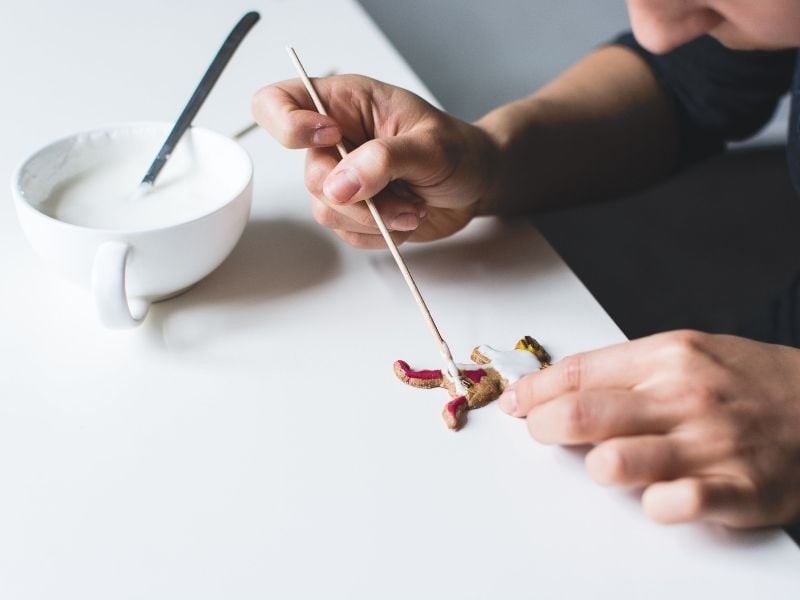
A printable could contain a shopping list, baking checklist, recipe planner, ingredient inventory sheet, holiday baking schedule, or kitchen cleaning planner.
You can also create printable measurement charts.
Your Baking Measurements Conversion Chart provides a strong foundation for this type of product.
A printable measurement guide could include cups, grams, ounces, teaspoons, tablespoons, and common ingredient conversions.
Keep the layout simple.
Readers should find information quickly without searching through large blocks of text.
You could also create different versions for beginners, cake bakers, bread makers, and pastry enthusiasts.
Develop a Baking Troubleshooting Workbook
Troubleshooting creates excellent digital product opportunities because baking problems often cause immediate frustration.
Think about common failures.
A cake may sink. Cookies may spread too much. Bread may remain dense. Pie crust may become tough. Macarons may crack.
Instead of discussing one problem in a short article, combine several related problems into a detailed workbook.
Organize the resource according to symptoms.
For each problem, explain possible causes and practical solutions.
Your 23 Cake Baking Mistakes and How to Avoid Them can provide ideas for a cake troubleshooting workbook.
You could create similar resources for cookies, bread, pastries, or pies.
A troubleshooting product becomes even more useful when you include checklists.
Readers can identify what happened, review possible causes, and record the adjustment they made.
Create Baking Worksheets
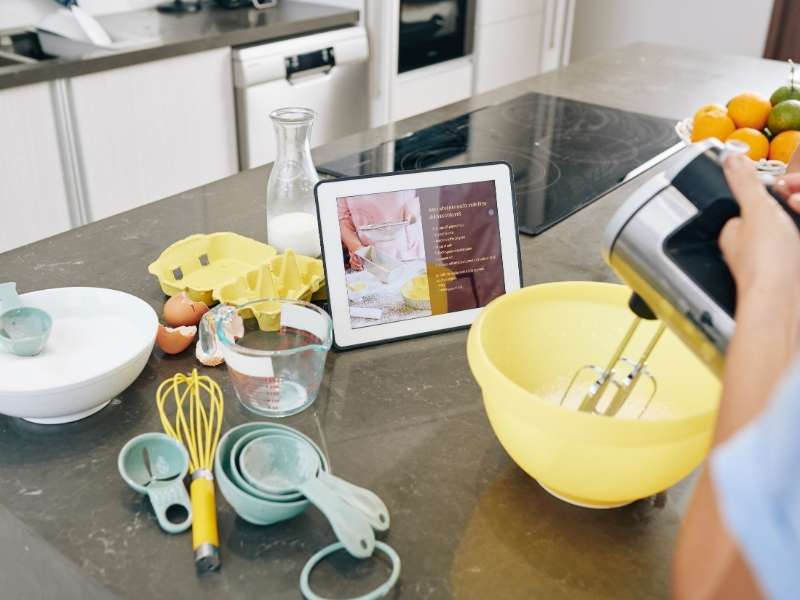
Worksheets can turn learning into active practice.
Instead of simply reading about baking, customers can record their experiences.
A recipe worksheet could include spaces for the recipe name, ingredients, measurements, temperature, baking time, results, texture, flavor, and adjustments.
You could also create technique worksheets.
A beginner could record what happened when they creamed butter and sugar. Another worksheet could help someone practice measuring flour correctly.
This approach creates a sense of progress.
Customers can keep completed worksheets and compare their results over time.
You could even create a complete beginner workbook that gradually introduces baking skills.
Turn Your Techniques Into Mini Courses
You do not need to begin with a massive online course.
Start with one focused skill.
You could teach cake decorating, cookie decorating, bread making, pastry preparation, buttercream piping, or basic baking techniques.
Each lesson should have one clear objective.
For example, a cake decorating course could begin with preparing buttercream. The next lesson could cover filling and stacking cakes. Another lesson could explain crumb coating.
You could then introduce smoothing techniques and simple piping.
Your 23 Beautiful Pastry Decorating Ideas can inspire visual lessons for pastry-focused courses.
Keep lessons concise and practical.
Customers should understand exactly what they need to practice after each lesson.
Create Baking Templates
Templates can save customers significant time.
Baking businesses need documents for planning, ordering, pricing, scheduling, and customer communication.
You could create recipe templates, customer order forms, ingredient inventory sheets, production schedules, content calendars, and pricing worksheets.
A cake order template could help customers record cake flavor, size, filling, design, event date, pickup details, and special instructions.
You could also create templates for home bakers who want better kitchen organization.
Your How to Organize Your Baking Ingredients Like a Pro can inspire inventory and organization templates.
Think about repetitive tasks.
Anything customers perform repeatedly may become a useful template.
Build a Baking Business Workbook
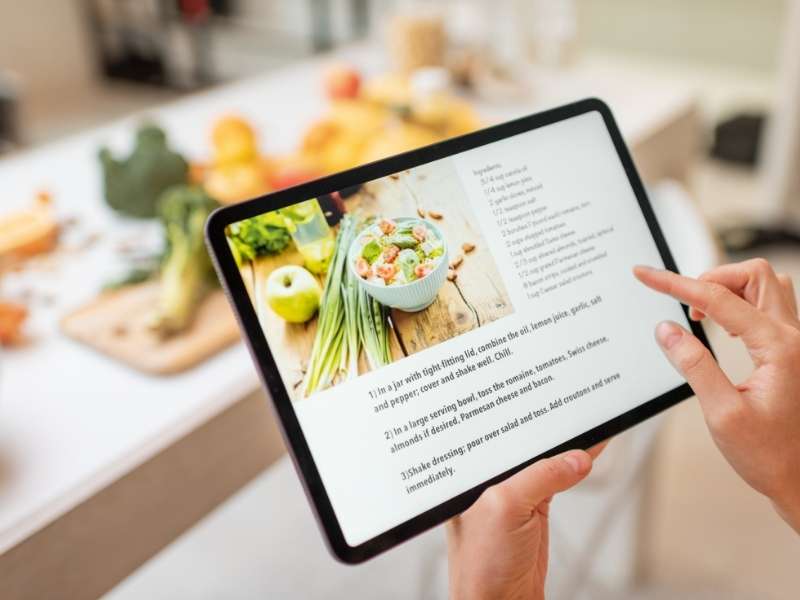
Baking knowledge can also become business education.
Many home bakers know how to make excellent products but struggle with pricing, marketing, organization, and customer management.
A digital workbook could guide them through those areas.
Include sections for startup expenses, ingredient costs, packaging costs, product pricing, profit targets, customer research, marketing, and monthly goals.
Your How to Price Your Baked Goods For Profit can provide useful inspiration for a pricing workbook.
You could also direct aspiring entrepreneurs toward How to Start a Baking Business From Scratch when developing business-focused resources.
The workbook should encourage readers to make practical decisions.
Include spaces where they can calculate costs and record their plans.
Create a Baking Content Calendar
Bakers who promote products online often struggle to post consistently.
A baking content calendar can solve that problem.
Create a printable calendar containing daily or weekly prompts.
You could include recipe ideas, educational posts, behind-the-scenes content, customer testimonials, seasonal promotions, baking tips, product showcases, and frequently asked questions.
Create separate calendars for different platforms if necessary.
A Pinterest calendar could focus on seasonal searches and educational graphics. An Instagram calendar could emphasize reels, stories, photos, and customer content.
Your Baking Content Ideas for Instagram, Pinterest, and TikTok can inspire the structure.
A content calendar becomes more valuable when you include captions or prompts.
That saves customers additional planning time.
Create Seasonal Baking Products

Seasonal baking creates natural product opportunities.
Customers often search for recipes and decorating ideas before holidays.
You could create Christmas baking planners, Easter recipe collections, Valentine’s cookie guides, Halloween decorating templates, or Thanksgiving pie resources.
A seasonal product can also become part of a larger collection.
For example, you could create one holiday baking planner and later release separate decorating guides.
Your 15 Best Cookie Decorating Ideas for Every Holiday can inspire several seasonal resources.
Consider publishing products before the season begins.
That gives customers enough time to purchase, prepare, and use the material.
Create Ingredient Reference Guides
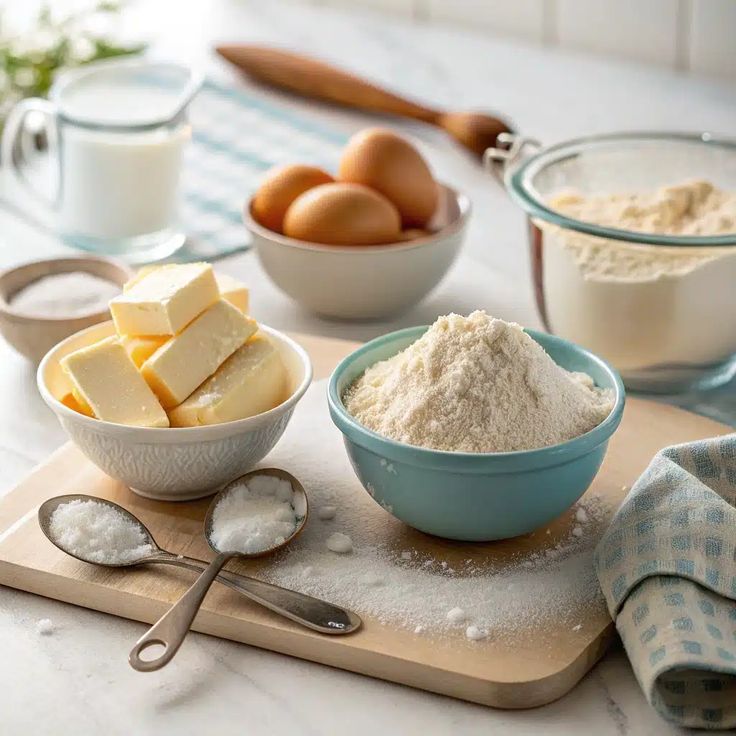
Ingredient knowledge can become valuable educational content.
Many beginners know what ingredients to use but do not understand why recipes require them.
A guide could explain flour, sugar, butter, eggs, milk, oil, salt, yeast, baking powder, baking soda, chocolate, and spices.
You could explain how each ingredient affects texture, structure, flavor, moisture, or color.
A separate flour guide could focus on different flour varieties.
Your Types of Baking Flour and When to Use Them offers a natural starting point.
Sugar could become another specialized guide.
You could also create an ingredient substitution resource for bakers who occasionally run out of specific ingredients.
Your Baking Substitutions Guide demonstrates another strong product direction.
Create Products Around Baking Failures

Baking failures can reveal excellent educational opportunities.
People often search for answers after something goes wrong.
They may wonder why their cake sank or why their bread stayed dense.
Perhaps cookies spread across the tray or a pie crust turned tough.
Instead of creating one broad troubleshooting guide, consider creating focused products.
You could develop separate guides for cakes, cookies, bread, pastries, and pies.
Your 17 Pie Baking Mistakes That Ruin Perfect Crusts provides another example.
A product based on common failures should explain causes rather than simply list mistakes.
Readers need to understand what went wrong and how they can prevent the same issue next time.
Create Products for Small-Kitchen Bakers
Many home bakers work with limited space.
They may not have room for large equipment or extensive ingredient storage.
That creates a specific audience.
You could create a small-kitchen baking guide covering equipment, storage, organization, ingredient management, and workflow.
Your Small Kitchen Baking Ideas for Limited Spaces can inspire product sections.
You could also create a compact equipment checklist.
Show readers which tools deserve priority.
Explain which items can perform multiple functions.
This approach can help beginners avoid unnecessary purchases.
Use Your Blog as Product Research
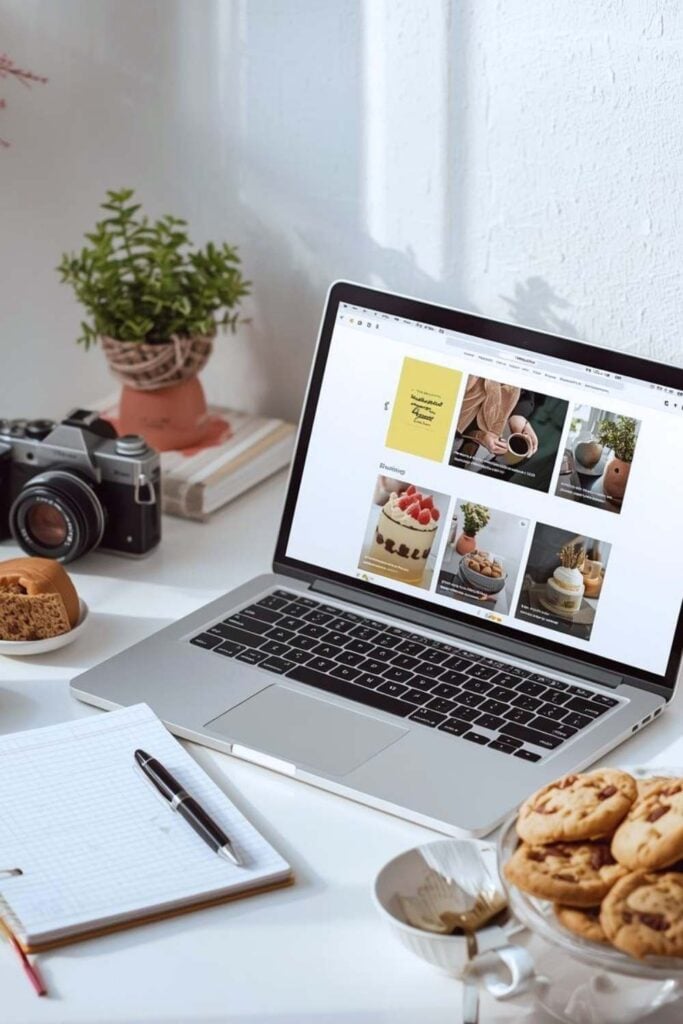
Your existing blog can help you identify product opportunities.
Review posts that receive strong traffic.
Look at topics that attract comments.
Notice questions that appear repeatedly.
Pay attention to posts that people save or share.
These signals can reveal subjects that deserve deeper resources.
For example, a popular article about baking mistakes could become a comprehensive troubleshooting workbook.
A post about baking tools could become a printable equipment guide.
A pantry article could become an inventory system.
Your Baking Pantry Essentials can inspire a pantry management printable.
This strategy reduces guesswork.
Instead of creating products around random ideas, you build resources around subjects your audience already cares about.
Repurpose One Idea Into Multiple Products
One baking topic can produce several digital products.
Imagine creating a cake decorating guide.
You could transform the same knowledge into an ebook, mini-course, printable checklist, practice worksheet, decorating templates, and video lessons.
You could also create social media posts from the same material.
This strategy helps you maximize your research and preparation.
You do not need to reinvent your content every time.
Instead, adapt the same expertise for different learning preferences.
Some customers prefer reading.
Others prefer watching videos.
Some enjoy printable worksheets.
Offering several formats can help you serve more people.
Create a Beginner Baking Bundle
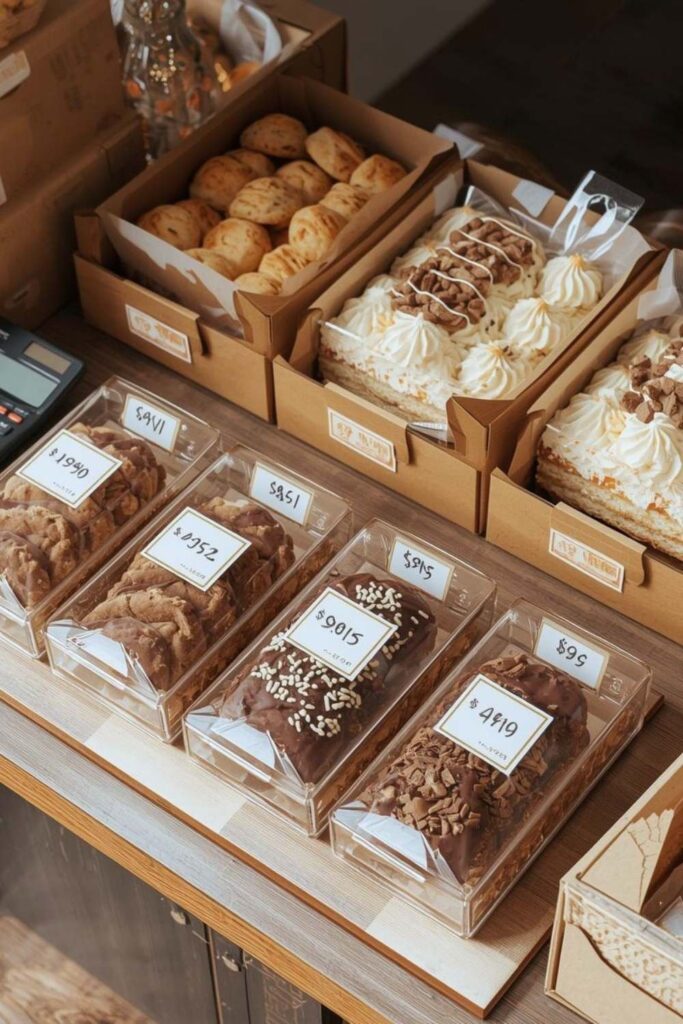
Once you have several small products, combine them into a larger bundle.
A beginner bundle could include a measurement chart, equipment checklist, ingredient guide, troubleshooting workbook, recipe planner, and beginner recipe ebook.
The bundle should feel connected.
Each resource should help customers progress toward the same goal.
For example, the equipment checklist helps them prepare. The measurement guide helps them follow recipes accurately. The troubleshooting workbook helps them solve problems.
That creates a stronger customer experience than combining unrelated files.
Make Your Products Look Professional
Useful information matters most, but presentation still influences purchasing decisions.
Use readable fonts.
Create clear headings.
Leave sufficient white space.
Keep colors consistent.
Choose high-quality photographs when necessary.
Avoid filling every page with text.
Your digital product should feel easy to navigate.
A consistent visual identity can also help customers recognize your products.
Your Aesthetic Baking Setup Ideas for Beginners can provide inspiration for creating a cohesive baking aesthetic.
You could use the same fonts, visual elements, and layout principles across your entire product collection.
Use Photography to Increase Product Appeal
Strong photography can improve recipe ebooks, decorating guides, and baking courses.
Take photographs that clearly demonstrate important steps.
Show ingredient textures.
Capture dough consistency.
Photograph decorating details.
Use simple backgrounds that keep attention on the food.
You can also create attractive promotional images for your product pages.
Your Baking Flat Lay Ideas for Instagram & Pinterest can help you develop visual concepts.
The goal involves more than making photographs look attractive.
Images should help customers understand the product and imagine themselves using it.
Choose a Product Format

Your idea should determine the format.
A recipe collection might work well as an ebook.
Measurement reference could work better as a printable.
A decorating technique may benefit from video.
Business planning resource could work well as a workbook.
You can also combine formats.
For example, a decorating product might include a written guide, printable templates, and short instructional videos.
Start with the simplest format that delivers the intended result.
You can add additional formats later.
Decide Where to Sell
Choose a selling platform that suits your needs.
You can sell through your website or a digital product platform.
Consider payment processing, file delivery, customer support, fees, and ease of use.
Your website can provide greater control over branding and customer relationships.
A marketplace can offer easier setup for beginners.
Do not spend too much time comparing platforms before creating your first product.
The product itself matters more initially.
Price Your Digital Products
Pricing can feel uncomfortable when you create something from your own experience.
However, customers do not simply pay for the number of pages.
They pay for useful information, organization, convenience, and results.
A short but highly practical resource can provide more value than a long document filled with unnecessary information.
Consider your audience.
A beginner printable may need a lower price than a detailed professional course.
You can also offer different versions.
A basic product could provide the essential information.
Premium version could include templates, bonuses, videos, or additional resources.
Promote Your Products Through Content

Your free content can introduce people to your paid products.
Suppose you sell a baking troubleshooting workbook.
You could publish individual articles about common baking problems.
Then, your article can provide a helpful solution while directing interested readers toward the complete workbook.
This strategy creates a natural relationship between free and paid content.
You can also create Pinterest pins, Instagram posts, short videos, email newsletters, and educational graphics.
Your content should provide genuine value.
Avoid making every post feel like an advertisement.
Teach first.
Then show readers where they can find deeper resources.
Use Pinterest to Promote Baking Products
Pinterest works especially well for visual subjects such as baking.
Create attractive graphics for your products.
Use specific titles.
Highlight one clear benefit.
Keep the design uncluttered.
Create multiple graphics for the same product.
For example, one baking planner could generate several Pinterest topics.
You could promote it as a weekly baking planner, beginner recipe organizer, holiday baking planner, or kitchen preparation checklist.
Different angles allow you to reach people searching for different solutions.
Build an Email List

An email list gives you a direct connection with interested readers.
Offer a free resource that solves a small problem.
A measurement chart, recipe checklist, or beginner baking guide could work well.
After someone downloads the resource, provide useful emails.
Share baking tips.
Answer common questions.
Provide seasonal recipes.
Explain techniques.
Then introduce relevant products.
Your emails should not become constant sales messages.
Useful information builds trust.
Trust makes future product offers more effective.
Create Different Product Levels
You can create a simple product ladder.
Start with a free resource.
Next, offer an affordable printable.
Then introduce a more detailed ebook.
Afterward, offer a larger bundle or course.
This approach gives customers different ways to engage with your brand.
Someone who downloads a free measurement chart may later purchase your beginner baking workbook.
Another customer might immediately purchase the complete bundle.
Your goal involves giving people a natural path toward deeper resources.
Use Customer Feedback
Customer feedback can reveal opportunities you might overlook.
Pay attention to questions after purchase.
Notice which sections customers find confusing.
Ask which resources they want next.
Look at recurring requests.
If several customers ask for a baking planner after purchasing your ebook, that request could become your next product.
Feedback also helps improve existing products.
Update unclear instructions.
Add missing examples.
Correct errors.
Improve the design.
A digital product can evolve as your audience grows.
Build a Product Collection
One product can become the beginning of a larger collection.
You might start with a beginner baking ebook.
Then add a measurement chart.
Next, create an ingredient guide.
Afterward, develop a troubleshooting workbook.
Finally, combine everything into a complete beginner baking bundle.
You could later create advanced products.
Consider pastry guides, decorating courses, baking business workbooks, or specialized recipe collections.
Your The Ultimate Guide to Different Types of Desserts can also inspire future educational resources around dessert categories.
This approach allows your product catalog to grow naturally.
Create Products for Aspiring Baking Businesses
Once people become confident home bakers, some may want to sell their creations.
That creates another digital product category.
You could create pricing worksheets, order forms, production planners, customer questionnaires, marketing planners, and startup checklists.
Your What You Need to Start Selling Cakes From Home can inspire a home bakery starter workbook.
You could also create resources around customer acquisition.
Your How to Get Your First Baking Customer provides another useful direction.
Business products can command higher prices when they solve specific operational problems.
Create Products Around Baking Confidence
Many beginners struggle with confidence.
They worry about making mistakes.
They may compare their results with professional bakers.
They may avoid complicated recipes because they fear failure.
A baking confidence workbook could address those concerns.
Include simple practice exercises.
Encourage readers to record results.
Teach them how to analyze mistakes.
Show them how to make gradual improvements.
Your Baking Confidence Tips for Complete Beginners can inspire this type of product.
The goal involves helping readers become comfortable with the process rather than chasing perfection.
Turn Your Baking Knowledge Into Digital Products Consistently
The best digital product strategy begins with knowledge you already possess.
You do not need to create complicated products immediately.
Start with one problem.
Choose one audience.
Develop one useful solution.
Then package that solution clearly.
Recipe ebooks, measurement charts, troubleshooting workbooks, baking planners, decorating templates, business resources, mini-courses, and printables can all come from your baking experience.
You can also create products around different baking categories.
Your Beginner’s Guide to Baking Bread at Home could inspire a bread-focused ebook or workbook.
This guide on The Complete Beginner’s Guide to French Macarons could inspire a specialized macaron course.
Specialized products can attract customers who want focused guidance.
Start Small and Improve

You do not need a massive product catalog before launching.
One strong resource can teach you more than months of planning.
Choose a topic you understand.
Identify the problem.
Create the solution.
Test the information.
Proofread everything.
Make the design easy to navigate.
Then launch.
After customers use the product, collect feedback.
Improve the resource.
Create another product based on what people need next.
That process allows your business to grow from real customer demand.
Final Thoughts
Your baking experience contains knowledge that other people may genuinely value.
You have learned techniques through practice.
You understand ingredients, have solved baking problems.
You know which mistakes beginners commonly make.
Also, you may also have developed systems that make baking easier, faster, or more organized.
Those experiences can become digital products.
The key involves packaging your knowledge around specific problems instead of simply collecting information.
Start with one clear audience.
Choose one problem.
Create one practical solution.
Then use your blog, Pinterest, social media, and email list to introduce that solution to people who need it.
As your audience grows, expand your product collection.
You could eventually create recipe ebooks, printables, courses, planners, templates, troubleshooting guides, decorating resources, and baking business workbooks.
You can also explore additional income opportunities through How to Make Money From Baking without Selling Cakes.
Most importantly, do not wait until everything feels perfect.
Your first product does not need to become your biggest product.
It simply needs to solve a real problem well.
Once you understand what your audience wants, you can improve your offers, create complementary products, build bundles, and develop a recognizable baking brand.
Your baking knowledge already has value.
Now, organize that knowledge into digital products that teach, simplify, inspire, and help other bakers succeed.