Easy Baking Skills Every Home Baker Should Master First
Disclosure: Some of the links in this post are affiliate links. This means if you click on the link and purchase an item, I will receive an affiliate commission at no extra cost to you.
Baking becomes much more enjoyable when you master a few essential skills before trying advanced recipes. Many beginners believe they need years of experience to bake beautiful cakes, cookies, breads, and pastries, but that’s not true. Learning a handful of Easy Baking Skills will help you avoid common mistakes, improve your confidence, and create more consistent results from the very beginning.
Every experienced baker started with the same basic techniques. Measuring ingredients correctly, mixing batter properly, preparing pans, and understanding baking temperatures all make a noticeable difference in your finished bakes. Building these simple habits first allows you to tackle more challenging recipes with confidence. If you’re completely new to baking, Baking Station Organisation Ideas That Will Transform Your Kitchen is the perfect place to learn the fundamentals before expanding your skills.
In this guide, you’ll discover the most important Easy Baking Skills every home baker should learn first. Each skill builds on the last, helping you bake with greater confidence and enjoy better results every time you step into the kitchen. You’ll soon realize that mastering the basics creates a strong foundation for every delicious recipe you’ll make in the future. Along the way, you’ll also develop habits that save time, reduce frustration, and make every baking session feel more rewarding.
Why Every Home Baker Should Learn the Basics First
Many beginners feel excited to bake impressive desserts right away.
That excitement is wonderful, but strong fundamentals matter even more.
Learning a few Easy Baking Skills first will save you from many common mistakes. These simple techniques help you understand recipes, improve consistency, and build confidence with every bake. Once the basics become second nature, more advanced recipes feel much less intimidating.
Every experienced baker started by mastering simple skills before moving on to complicated projects. You don’t have to learn everything in one weekend. Focus on one skill at a time and practice it often. Small improvements add up quickly and lead to beautiful results. If you’re completely new to baking, Common Baking Mistakes and How to Fix Them Fast provides an excellent foundation before you expand your skills.
Easy Baking Skills Every Home Baker Should Master First
Learn to Measure Ingredients Correctly
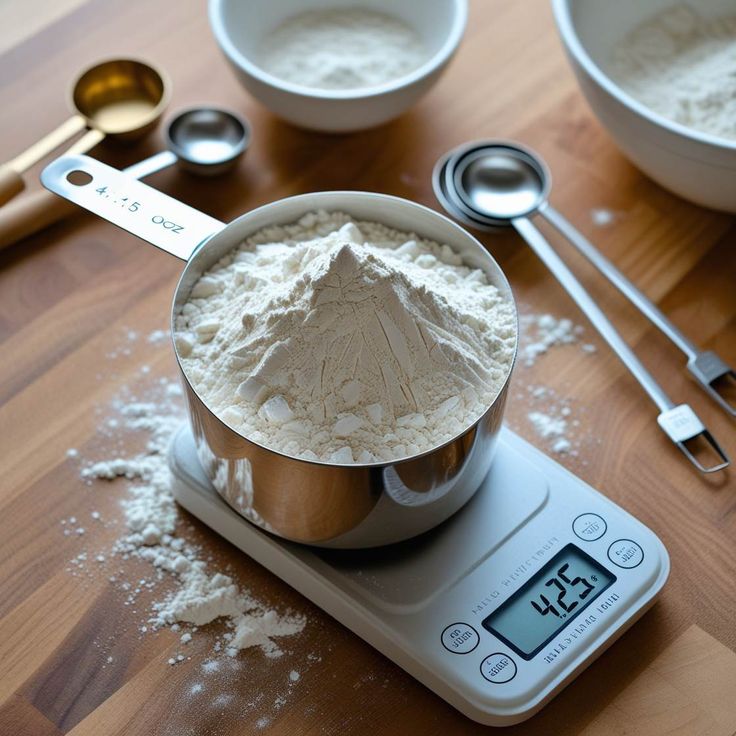
Accurate measuring is one of the most important Easy Baking Skills you can develop.
Unlike cooking, baking depends on precision.
Adding too much flour can create dry cakes.
Extra liquid may leave your batter underbaked.
Using too much baking powder can cause baked goods to collapse after rising.
Always level dry ingredients instead of scooping directly from the container.
Liquid ingredients should be measured at eye level for better accuracy.
Many experienced bakers prefer weighing ingredients because it produces consistent results every time.
Understanding proper measurements will improve almost every recipe you bake. If you need extra help, Baking Measurements Conversion Chart (Cups, Grams, Ounces Explained) explains common measurements in a simple way.
Read Every Recipe Before You Start
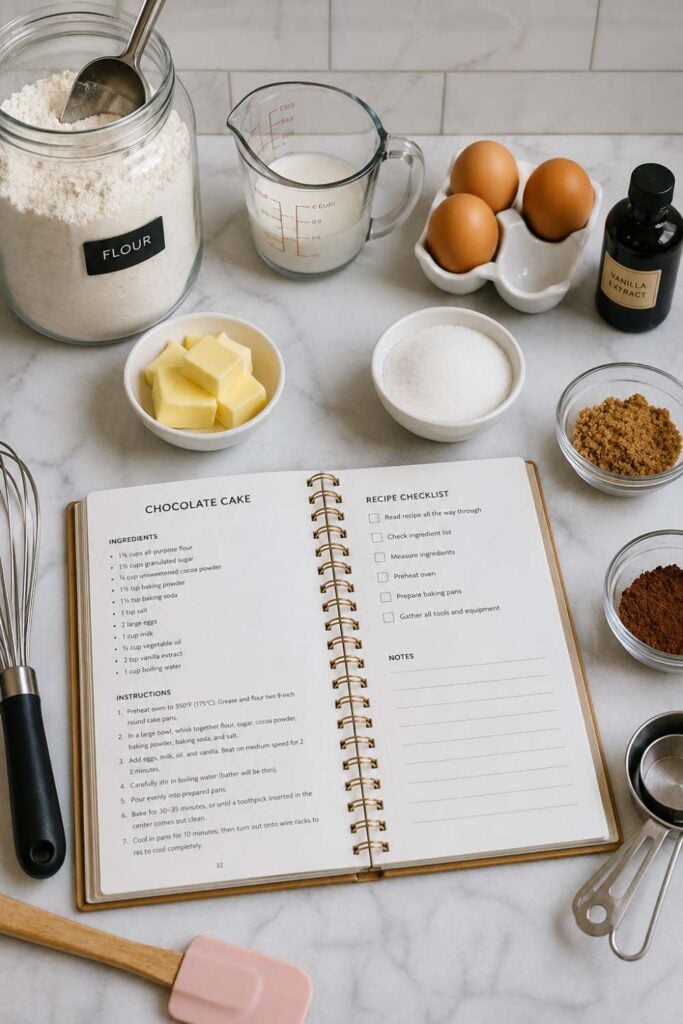
Many beginners rush into baking without reading the full recipe.
That habit often leads to unnecessary mistakes.
Take a few minutes to read every instruction from beginning to end.
Notice the ingredient list.
Pay attention to preparation steps.
Check the baking time.
Look for chilling or resting periods.
Gather every ingredient before mixing your batter.
Preparing ahead keeps the baking process calm and organized.
You’ll spend less time searching for missing ingredients halfway through the recipe.
Building this habit also helps you understand how each step connects to the next. If recipes sometimes confuse you, How to Read a Baking Recipe Correctly Before You Start shares practical tips that make every recipe easier to follow.
Master the Art of Mixing
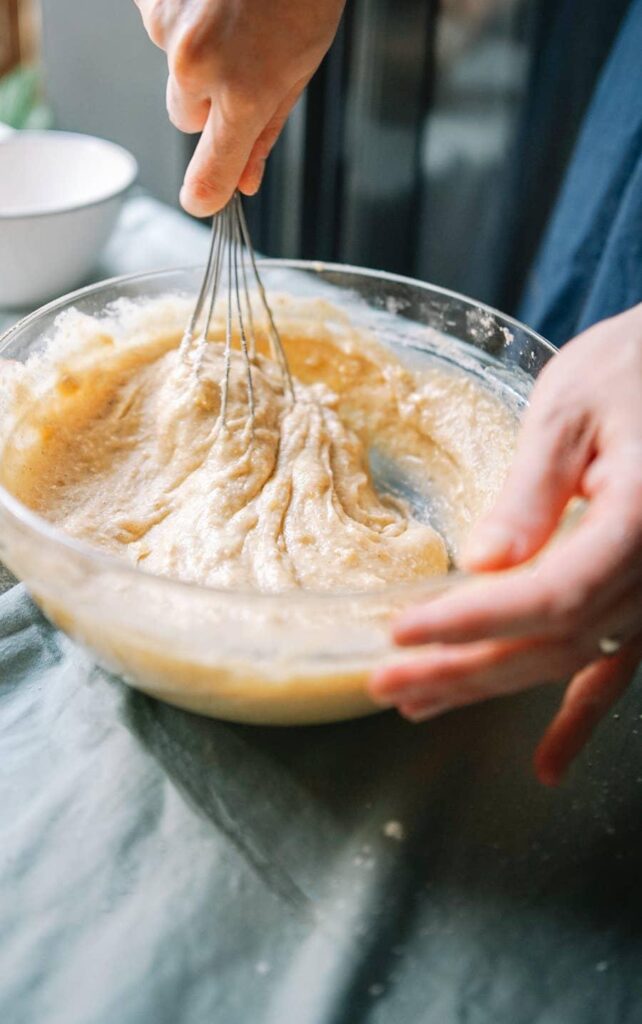
Mixing may seem simple, but it changes the texture of your baked goods.
Different recipes require different mixing methods.
Some batters need gentle folding.
Others require creaming butter and sugar.
Bread dough needs kneading.
Overmixing develops too much gluten.
That often creates tough cakes and dense muffins.
Undermixing leaves ingredients unevenly combined.
Learning the correct mixing technique improves texture and appearance.
Practice each method until it feels natural.
These Easy Baking Skills become easier every time you bake.
If recipe instructions seem confusing, Baking Terms Explained (Fold, Cream, Knead & More For Beginners) explains the most common techniques in beginner-friendly language.
Understand Your Ingredients
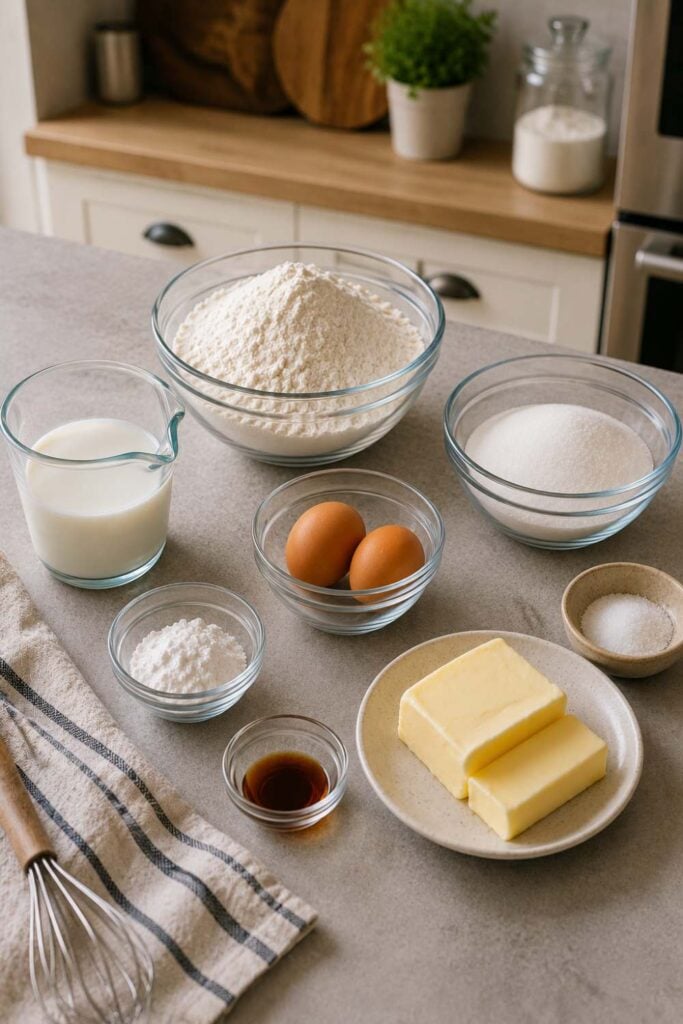
Every ingredient has a purpose.
Flour provides structure.
Butter adds richness.
Eggs create stability.
Sugar contributes sweetness while helping baked goods brown beautifully.
Baking powder and baking soda help recipes rise.
Understanding these roles makes troubleshooting much easier.
You’ll also know which ingredients can safely be substituted and which ones should remain unchanged.
Learning ingredient functions helps you bake with confidence instead of simply following instructions.
If you’d like to understand ingredients better, Baking Ingredients Explained: What Every Ingredient Actually Does explains how every common baking ingredient affects your results.
Learn How to Prepare Baking Pans
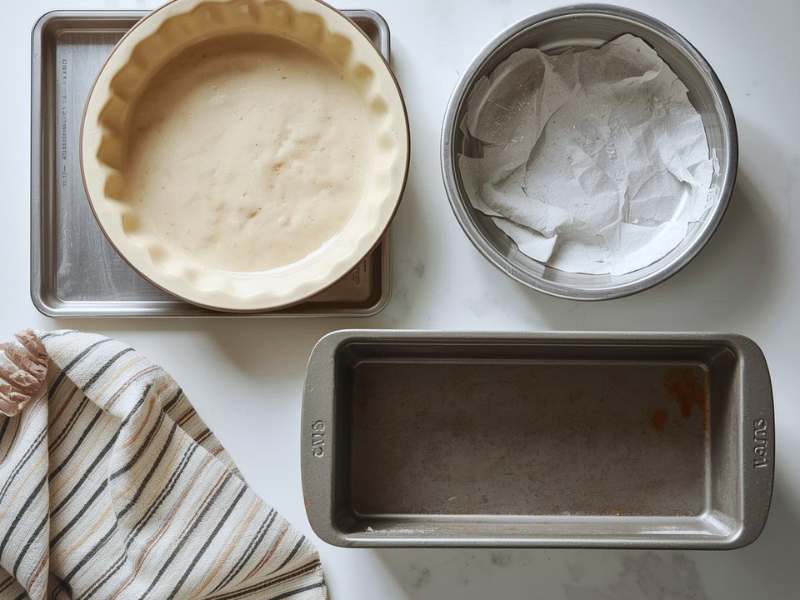
Preparing your baking pans correctly prevents many frustrating problems.
Grease cake pans evenly.
Line pans with parchment paper when necessary.
Dust certain pans with flour after greasing them.
Prepare muffin tins before mixing the batter.
Taking these simple steps prevents cakes from sticking and helps baked goods release cleanly after baking.
Preparation also saves time during cleanup.
Many beginners overlook this step, but experienced bakers rarely skip it.
Building this habit makes baking much less stressful.
Read this next: Cute Baking Supplies You Didn’t Know You Needed
Always Preheat Your Oven
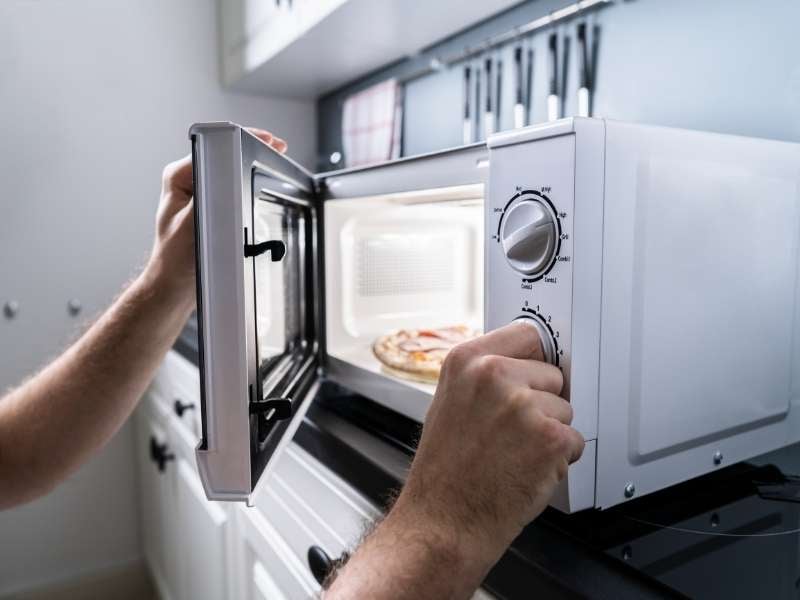
Many recipes fail because the oven never reaches the correct temperature.
Preheating gives your baked goods the proper environment from the very beginning.
Cold ovens delay rising.
Uneven temperatures affect texture and color.
Allow your oven enough time to fully heat before placing anything inside.
Using an oven thermometer also helps because many home ovens run hotter or cooler than the display shows.
Accurate temperatures improve consistency across every recipe.
If you’d like to understand why temperature matters so much, Understanding Baking Temperatures for Better Results explains how heat affects baking success.
Practice Patience
Baking rewards patience.
Rushing often creates mistakes.
Don’t remove cakes too early.
Avoid opening the oven repeatedly.
Allow bread enough time to rise.
Let cookies cool before moving them.
Give frostings time to set.
Small waiting periods often produce much better results.
Patience also helps you enjoy the baking process instead of feeling rushed.
These Easy Baking Skills become stronger every time you slow down and trust the process.
Build Confidence Through Repetition
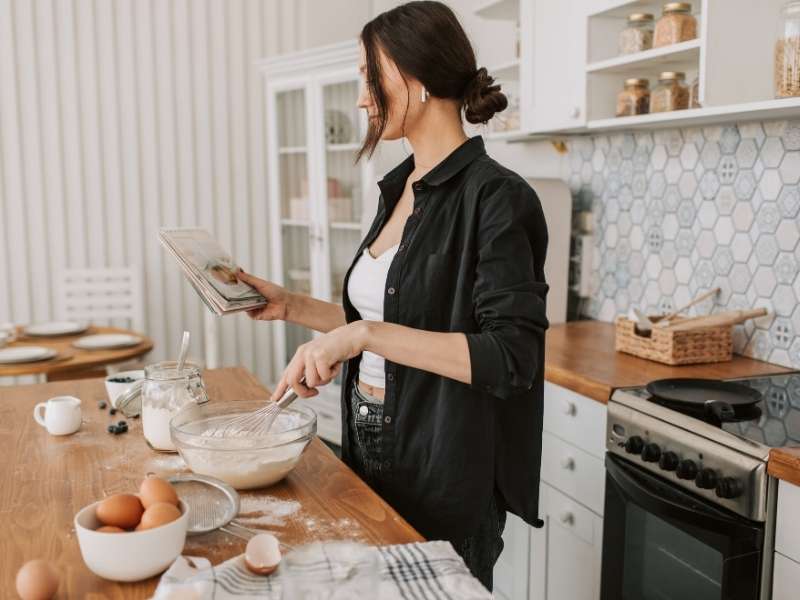
You don’t need a new recipe every weekend.
Choose one recipe you enjoy.
Bake it several times.
Notice how each attempt improves.
Small adjustments teach valuable lessons.
Confidence grows much faster through repetition than constant variety.
As your skills improve, you’ll naturally feel ready to explore more challenging recipes.
If you’ve struggled with disappointing results before, Common Baking Mistakes and How to Fix Them Fast can help you recognize and correct the most common beginner errors.
Choose the Right Flour for Every Recipe
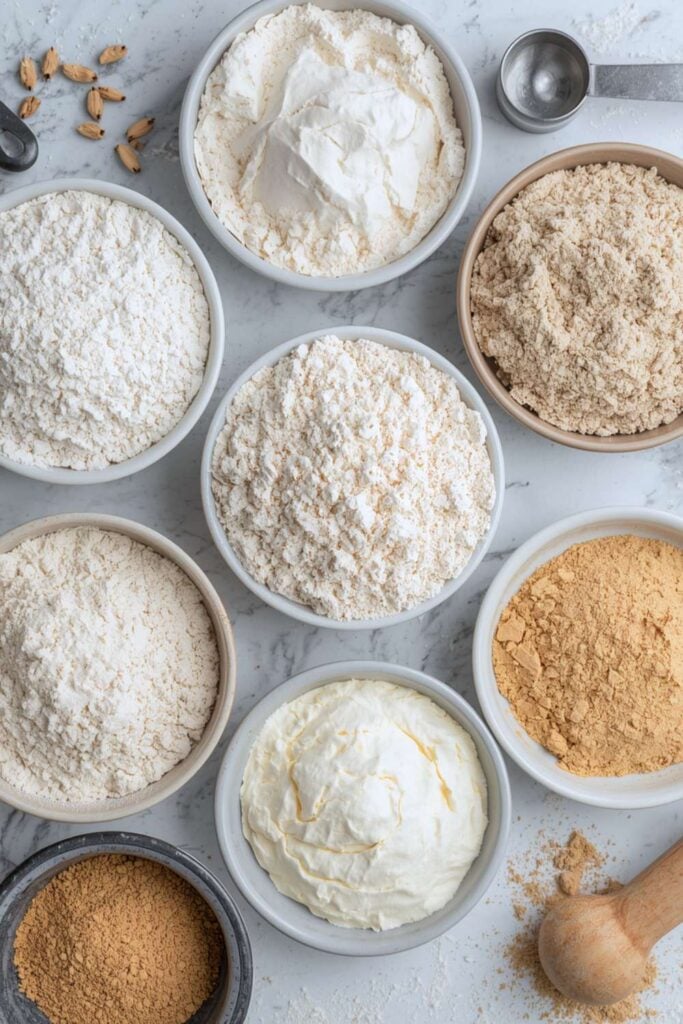
One of the most valuable Easy Baking Skills is knowing that different flours serve different purposes.
All-purpose flour works well for many recipes.
Cake flour creates soft and tender cakes.
Bread flour contains more protein.
That extra protein helps bread develop a chewy texture.
Using the wrong flour can completely change your results.
Always check the recipe before making substitutions.
Keeping a few common flours in your pantry also gives you more flexibility when baking.
If you want to understand flour better, Types of Baking Flour and When to Use Them explains when each variety works best.
Learn How Butter Affects Your Baking
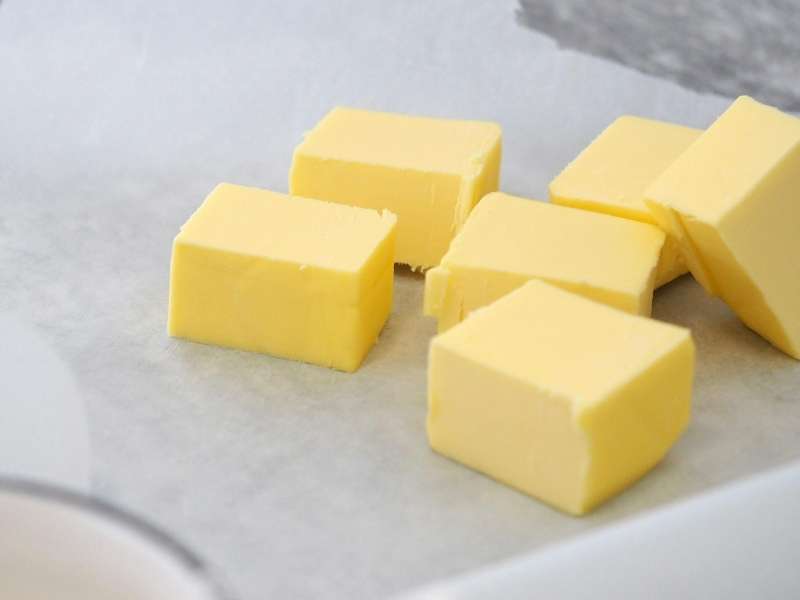
Butter does much more than add flavor.
Its temperature changes the texture of your baked goods.
Softened butter creams easily with sugar.
Cold butter creates flaky pastry.
Melted butter produces different textures in cookies and brownies.
Following the recipe’s instructions for butter temperature makes a noticeable difference.
Don’t guess if the recipe gives specific directions.
Understanding this simple detail will improve many recipes.
If you’ve wondered whether butter alternatives work the same way, Butter vs Margarine in Baking: Does It Really Matter? explains the differences clearly.
Understand the Role of Eggs
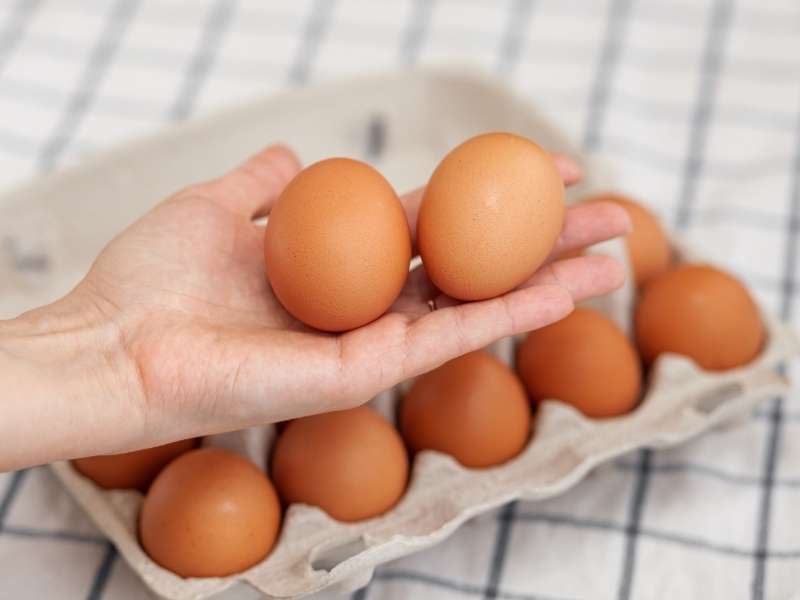
Eggs play several important roles in baking.
They provide structure.
They help ingredients stick together.
Eggs also add richness and moisture.
Using eggs at room temperature often creates smoother batters.
Large eggs appear in most baking recipes.
Using smaller or larger eggs may slightly affect the final result.
Learning how eggs behave gives you more confidence when trying new recipes.
If you’d like a deeper explanation, Eggs in Baking: Why They Matter and How They Affect Results covers everything beginners should know.
Know When Your Bakes Are Done
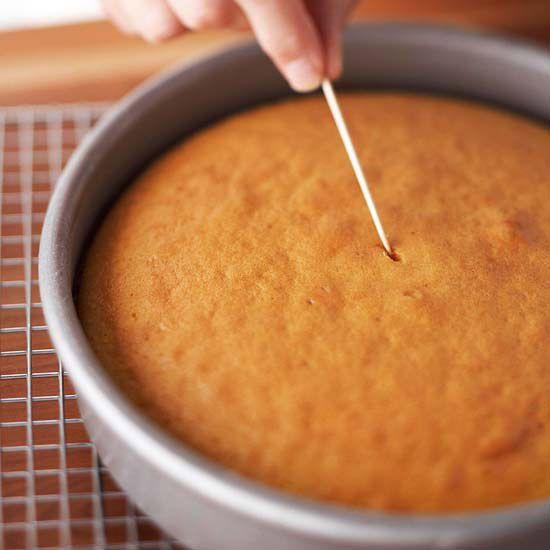
Many beginners remove baked goods too early.
Others leave them in the oven too long.
Learning when food is fully baked is one of the most practical Easy Baking Skills.
Insert a toothpick into cakes.
Check that bread sounds hollow when tapped.
Look for golden edges on cookies.
Watch for visual signs instead of relying only on the timer.
Every oven bakes a little differently.
Experience will help you recognize when your recipes are ready.
If you’re unsure what to look for, How to Know When Your Cake Is Properly Baked explains the easiest ways to check for doneness.
Don’t Fear Baking Mistakes
Every baker makes mistakes.
Even experienced bakers have recipes that fail occasionally.
Treat every mistake as a lesson.
Write down what happened.
Think about what you could improve.
Try the recipe again.
Learning from mistakes builds confidence much faster than giving up.
Small corrections often produce dramatically better results.
If you’d like help solving common problems, 23 Cake Baking Mistakes and How to Avoid Them explains many beginner errors and simple ways to fix them.
Keep Your Baking Space Organized
A clean workspace makes baking more enjoyable.
Gather your ingredients before you begin.
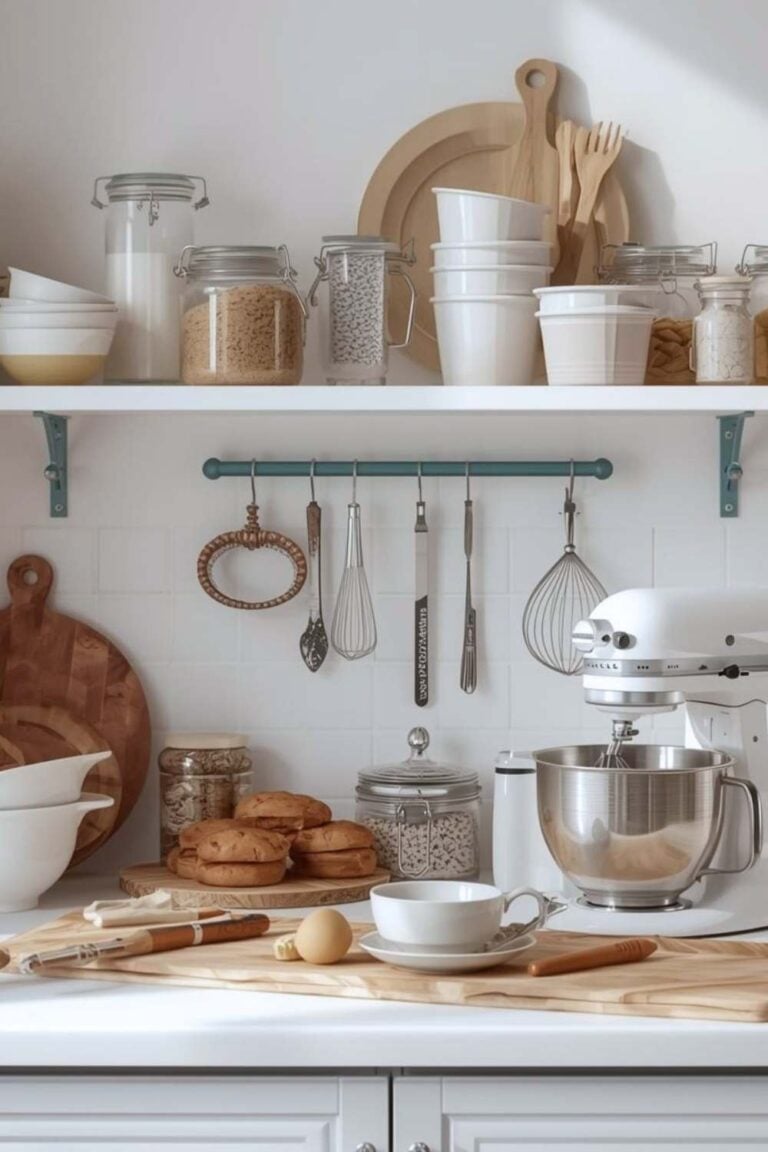
Store measuring tools together.
Keep frequently used equipment within reach.
Return ingredients to the pantry after using them.
Clean small messes as you work.
Organization reduces stress and saves time.
Simple routines also make cleanup much easier after baking.
If your kitchen feels crowded, Baking Station Organisation Ideas That Will Transform Your Kitchen offers practical ways to organize your baking space.
Stock Your Pantry With Essentials
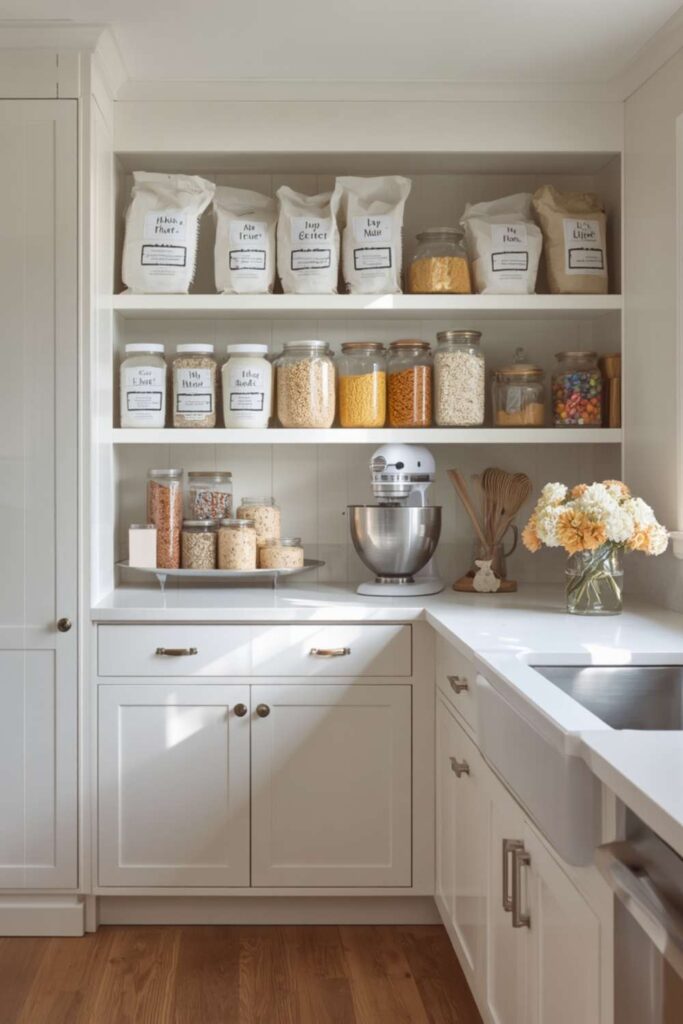
Running out of ingredients can interrupt your baking plans.
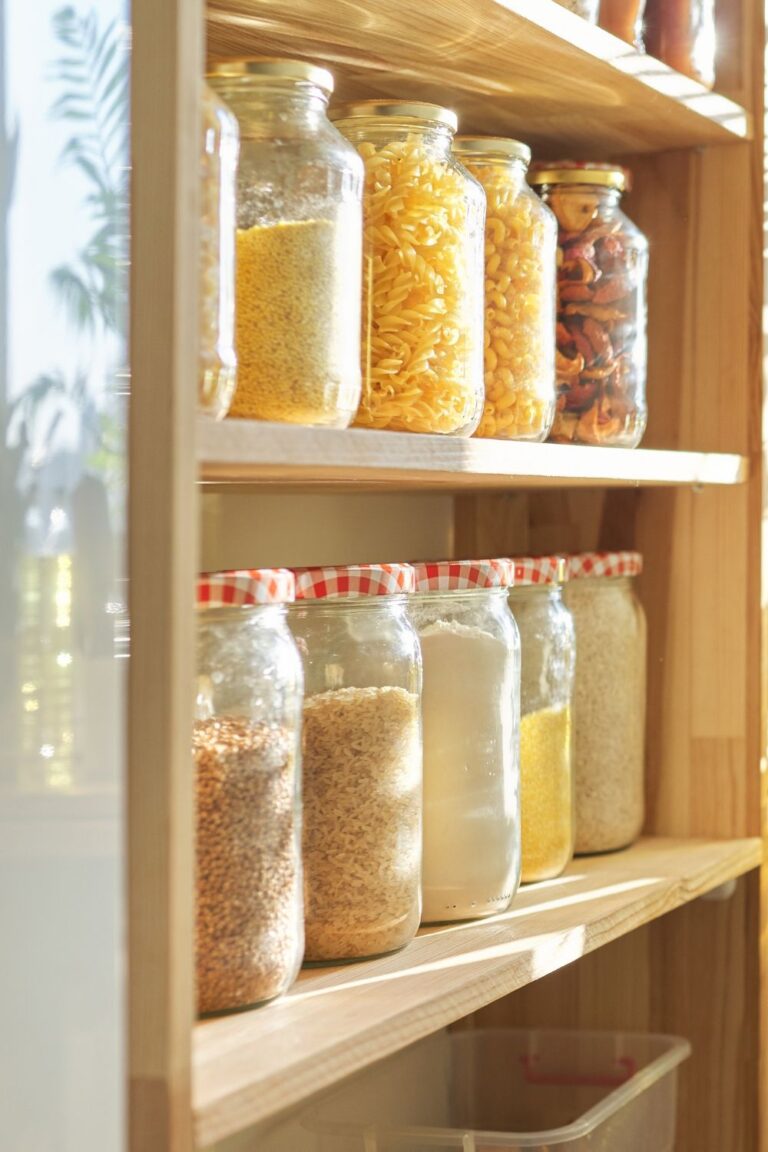
Keep flour, sugar, baking powder, baking soda, vanilla, cocoa powder, and chocolate chips on hand.
Store ingredients in airtight containers.
Check expiration dates regularly.
Replacing old ingredients improves your baking results.
A well-stocked pantry also makes spontaneous baking much easier.
Planning ahead saves both time and frustration.
If you’re creating your first baking pantry, Baking Pantry Essentials: What to Always Keep Stocked lists the ingredients worth keeping available.
Practice One Skill at a Time
Trying to master everything at once often feels overwhelming.
Choose one technique.
Practice it several times.
Then move to another.
Learn to cream butter properly.
Master folding.
Practice kneading bread.
Improve your piping skills.
Small victories build lasting confidence.
These Easy Baking Skills become natural through repetition instead of rushing.
Learn the Science Behind Baking
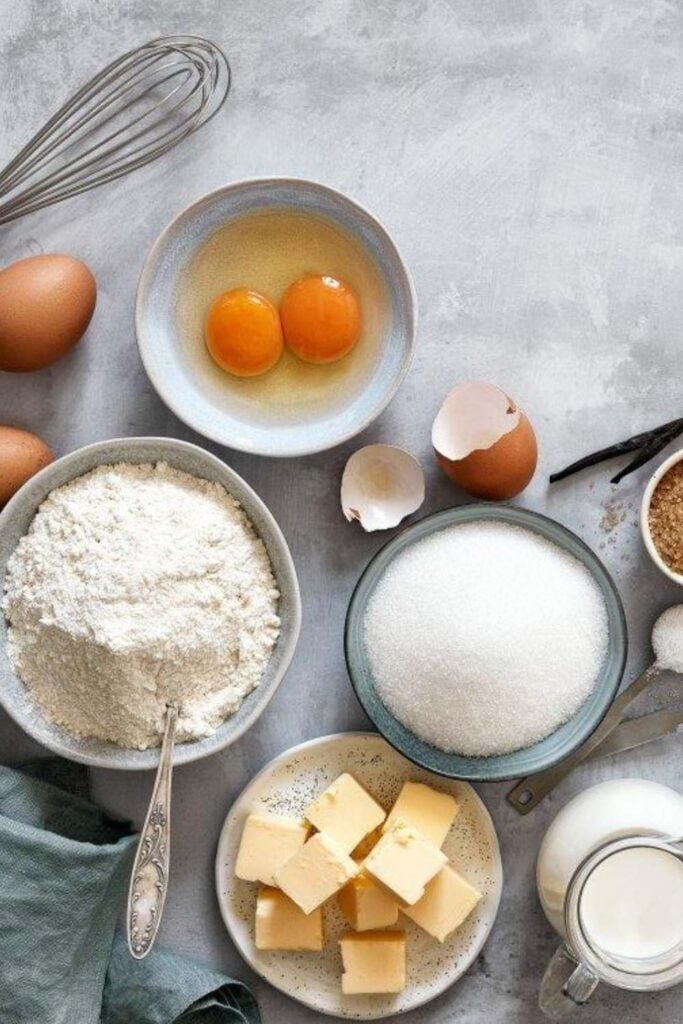
Understanding why recipes work makes baking much easier.
Knowing how ingredients react helps you solve problems with confidence.
You’ll understand why cakes rise.
You’ll learn why bread develops structure.
You’ll also discover how sugar affects texture and moisture.
Simple science makes recipes feel less mysterious.
Knowledge gives you the confidence to experiment responsibly.
If you’re curious about the reasons behind baking techniques, The Science of Baking Made Simple for Beginners explains everything in an easy-to-understand way.
Keep Practicing Simple Recipes
Many beginners jump into difficult recipes too quickly.
Simple recipes teach valuable skills.
Bake basic vanilla cakes.
Practice chocolate chip cookies.
Make banana bread.
Repeat recipes until they become consistent.
Strong fundamentals prepare you for more advanced baking later.
Every successful baker spent time mastering the basics.
Those simple recipes become the building blocks for future success.
Learn to Work More Efficiently
Good bakers don’t rush.
They simply prepare well.
Gather every ingredient before mixing.
Measure everything first.
Prepare your baking pans.
Read the recipe one final time.
Working in an organized way reduces mistakes and makes baking feel much less stressful.
You’ll spend less time searching for ingredients and more time enjoying the process.
These Easy Baking Skills become valuable every time you bake.
If you enjoy an organized kitchen, Small Kitchen Baking Ideas for Limited Spaces shares practical ideas that help every workspace feel more efficient.
Learn When to Make Substitutions
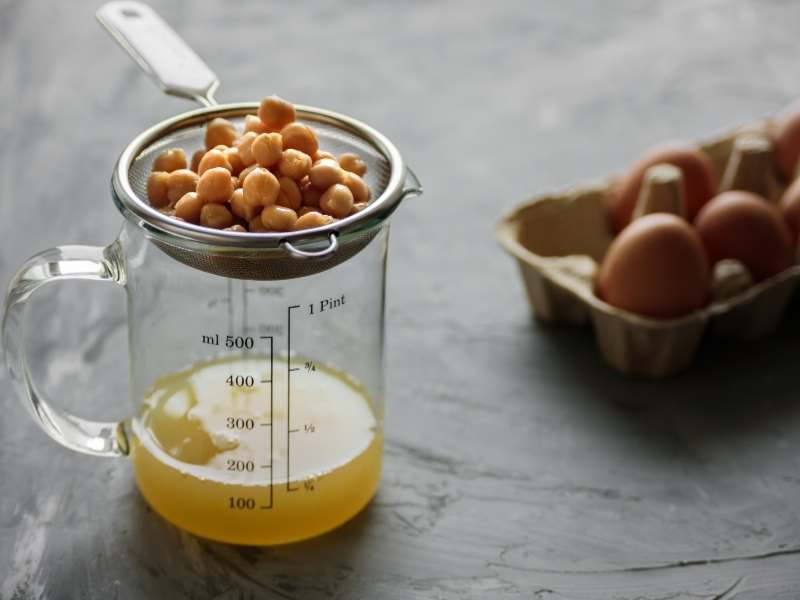
Sometimes you run out of an ingredient.
That doesn’t always mean you have to cancel your baking plans.
Some substitutions work very well.
Others completely change the recipe.
Knowing the difference is one of the most practical Easy Baking Skills you can develop.
Always substitute ingredients that serve similar purposes.
Avoid replacing important leavening ingredients unless the recipe specifically recommends it.
Learning safe substitutions helps you bake with confidence.
If you need reliable alternatives, Baking Substitutions Guide (When You’re Missing Ingredients) explains which substitutions work best.
Develop Good Baking Habits
Strong habits make baking much easier.
Wash your hands before starting.
Keep your counters clean.
Measure carefully every time.
Use fresh ingredients.
Allow baked goods to cool completely before decorating or storing them.
Return ingredients to their proper place after using them.
These simple habits save time and reduce unnecessary mistakes.
The more often you repeat them, the more natural they become.
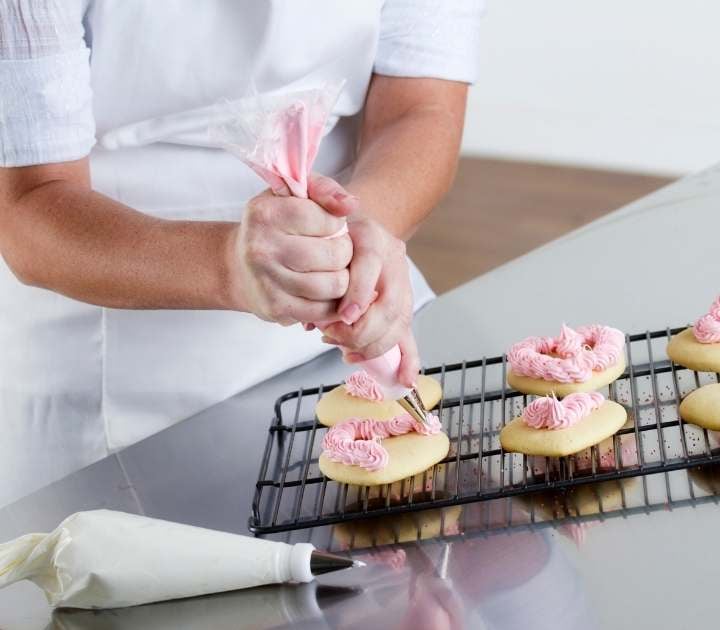
Practice Decorating Skills

Beautiful decorating comes with practice.
Start with simple techniques.
Learn how to spread frosting smoothly.
Practice piping straight lines.
Create simple swirls before trying detailed flowers.
Decorate cookies with basic patterns.
Small improvements make every dessert look more professional.
Don’t compare your first attempts to experienced decorators.
Progress happens one practice session at a time.
If you’re looking for inspiration, 23 Beautiful Pastry Decorating Ideas offers creative techniques you can try at home.
Keep Learning From Every Recipe
Every recipe teaches something new.
Notice what worked well.
Think about what you would change next time.
Write short notes after each baking session.
Keeping a baking journal helps you remember successful techniques.
It also prevents you from repeating the same mistakes.
Learning never stops, even after years of baking.
Curiosity helps every baker continue improving.
Avoid These Common Beginner Habits
Some habits slow your progress without you realizing it.
One common mistake is changing recipes before understanding them.
Another is skipping important preparation steps.
Many beginners also ignore ingredient temperatures.
Some become discouraged after one unsuccessful recipe.
Others compare themselves with professional bakers too quickly.
Replace these habits with patience, practice, and consistency.
Improvement happens through steady effort rather than perfection.
If you’ve believed advice that hasn’t helped you, Baking Myths That Are Actually Holding You Back explains several common misconceptions.
Create a Simple Baking Routine
A regular routine helps you improve much faster.
Choose one or two days each week for baking.
Plan your recipes ahead of time.
Check your pantry before shopping.
Clean your kitchen after every session.
Review your notes before trying new recipes.
Simple routines remove unnecessary stress and make baking feel more enjoyable.
Consistency often produces faster progress than occasional long baking sessions.
Final Thoughts
Mastering Easy Baking Skills gives you the confidence to enjoy every stage of baking. You don’t need expensive equipment or years of experience to create delicious cakes, cookies, breads, and pastries. Building strong habits, understanding ingredients, measuring carefully, and practicing simple techniques will help you improve with every recipe.
Remember that every experienced baker once started with the same basic skills. Progress comes through patience, curiosity, and consistent practice. Don’t worry if everything isn’t perfect the first time. Every recipe teaches something valuable and helps you grow.
Keep learning one skill at a time and enjoy the journey. As these Easy Baking Skills become second nature, you’ll feel ready to tackle more advanced recipes with confidence. Before long, you’ll spend less time worrying about mistakes and more time creating homemade treats that you can proudly share with family and friends.