Butter vs Margarine in Baking: Does It Really Matter?
Disclosure: Some of the links in this post are affiliate links. This means if you click on the link and purchase an item, I will receive an affiliate commission at no extra cost to you.
At some point, most bakers have stood in the kitchen holding a recipe that calls for butter and then looked over at the margarine sitting in the fridge wondering if it would really make a difference. Maybe the butter ran out. Maybe someone in the house uses margarine instead. Maybe you genuinely just want to know if swapping one for the other is as harmless as it seems.
It is a question that sounds simple but opens up a surprisingly interesting conversation about what fat actually does in baking. And the honest answer is yes, it does matter. But how much it matters depends entirely on what you are making, what kind of margarine you have, and what result you are going for.
Fat is one of the most important players in any bake. It affects flavor, texture, spread, moisture, and how well your baked goods hold up after they come out of the oven. Butter and margarine are not the same fat, and they do not behave the same way when heat gets involved. If you have not already read up on how individual ingredients work inside a recipe, Baking Ingredients Explained is a fantastic place to start before diving into the butter vs margarine debate.
This post breaks down the real difference between butter vs margarine in baking what each one is made of, how each one behaves in different types of recipes, and when the swap actually works versus when it can quietly ruin a bake you worked hard on. No guessing, no vague advice just clear, practical answers to a question every baker eventually asks.
Because baking is precise, and one ingredient swap can change more than you expect. If you have already experienced a bake that went sideways without knowing exactly why, Common Baking Mistakes and How to Fix Them Fast is worth reading alongside this one you might find that a fat swap was the culprit all along.
What Butter Actually Is

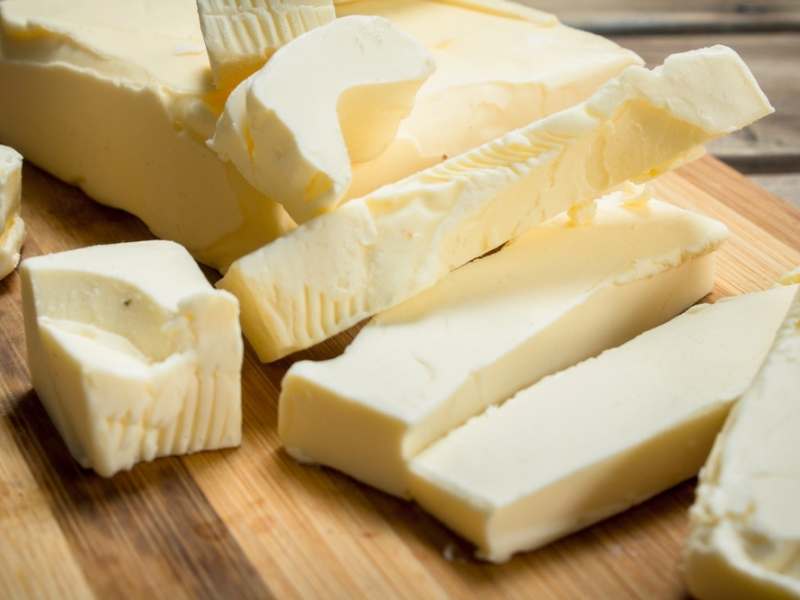
Butter is a dairy product. It comes from churning cream until the fat separates from the liquid. What you end up with is a fat that is roughly 80 percent butterfat, around 16 to 18 percent water, and a small amount of milk solids. That fat content is not just a number. It is the reason butter behaves the way it does inside a bake.
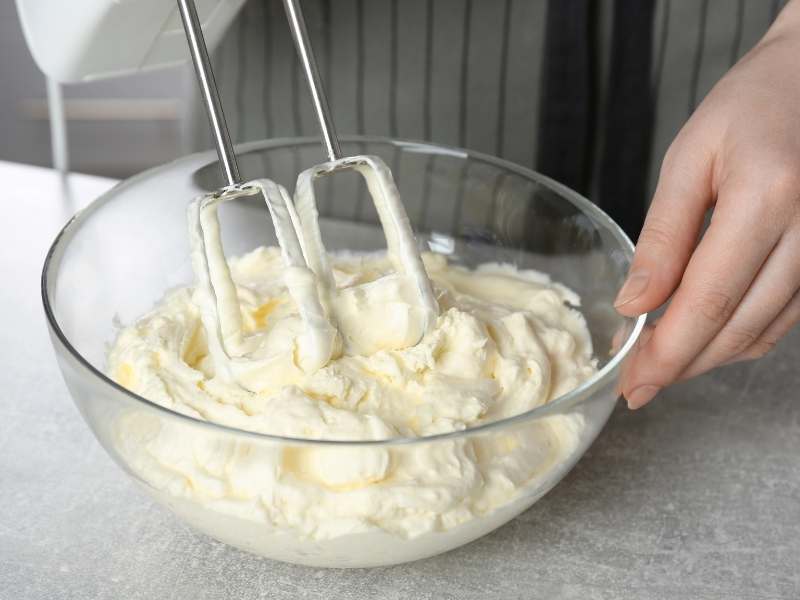
When you cream butter with sugar, those milk solids and that specific fat structure help trap air. The air creates lift. It is also why properly creamed butter produces a lighter, more tender crumb than butter that was too cold or too warm going into the bowl. Temperature matters enormously with butter, because its solid fat structure changes depending on how warm it gets. Cold butter creates flaky layers in pastry. Room temperature butter creams beautifully. Melted butter produces a denser, chewier result which is sometimes exactly what a recipe wants.
Butter also brings flavour. Real, rich, distinct flavour. That flavour comes from the milk solids and the natural fat itself. No other fat replicates it completely. That is not a matter of opinion. It is simply what butter contains that other fats do not.
What Margarine Actually Is
Margarine is not a dairy product. It is a manufactured fat, typically made from vegetable oils that have been processed to become solid or semi-solid at room temperature. The method used to do this is called hydrogenation. That process changes the structure of the oil and affects how margarine behaves in baking compared to butter.

The fat content in margarine varies widely depending on the brand and type. Some margarines contain around 80 percent fat, which is close to butter. Others particularly soft spreads sold in tubs contain significantly less fat and far more water. That difference in fat and water content is where most of the baking problems begin. More water in the fat means more steam in the oven. More steam means more spread, altered texture, and a finished product that behaves nothing like the recipe intended.
Margarine also does not have the same flavor profile as butter. It can taste fine on toast. But inside a bake, especially something delicate like a sponge or a shortbread, the absence of that buttery depth is noticeable. The flavor is flatter. That is not a flaw in margarine as a product it simply was not designed to taste like butter. It was designed to be a cheaper, plant-based alternative to it.
How Each Fat Behaves in Different Bakes
The way butter and margarine perform in a recipe depends heavily on what that recipe is actually doing with the fat. Fat plays several different roles in baking, and not every swap causes the same level of disruption.
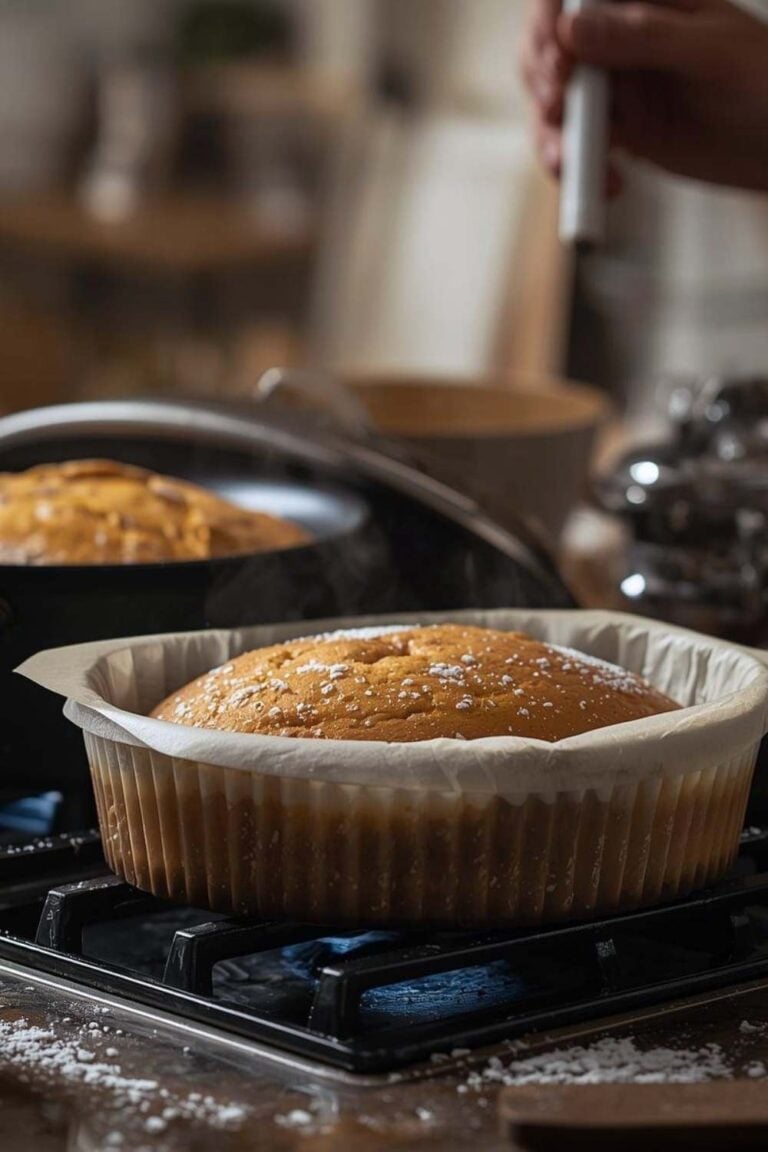
In cakes, fat helps create a tender crumb by coating the flour proteins and preventing too much gluten from forming. Butter does this well and adds flavor as it does it. Margarine with a similar fat content can work in cakes but the result will taste different, and the texture may be slightly different depending on the water content. If you want to understand more about how recipes are structured before you start adjusting them, How to Read a Baking Recipe Correctly Before You Start covers exactly that.

In cookies, fat affects spread. Butter melts at a lower temperature than many margarines. This means butter cookies tend to spread more during baking, which creates those slightly crisp edges and chewy centers that most people love. Margarine cookies often spread less or more unpredictably, depending on the fat content of the margarine used. The texture ends up different sometimes noticeably so.
In pastry, butter is almost irreplaceable. The way cold butter creates steam pockets during baking is what gives short crust its crumbly snap and puff pastry its layers. Margarine does not behave the same way under high heat. The flakiness simply does not develop in the same manner. For pie crusts, croissants, rough puff, or any laminated dough, butter is the fat that does the job properly.
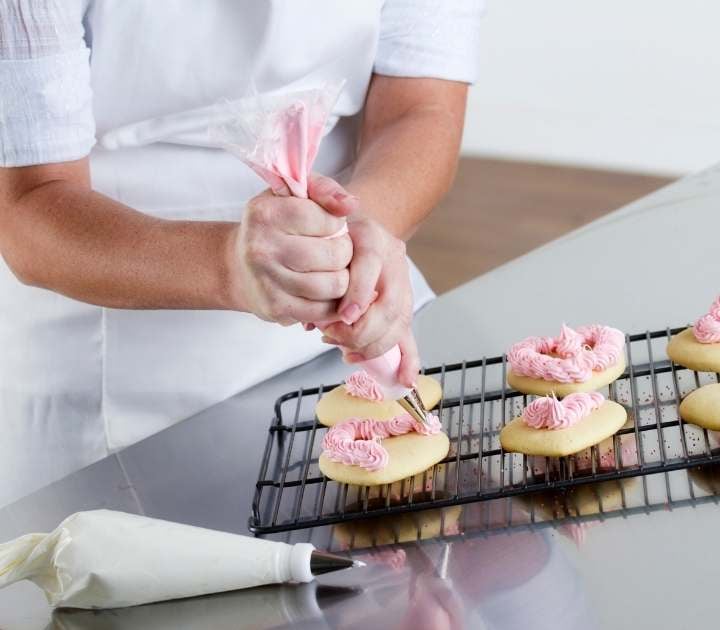
In buttercream and frostings, this is where margarine tends to cause the most visible issues. Butter-based frostings hold their shape, pipe cleanly, and develop a firm texture when chilled. Margarine-based frostings are softer, do not hold structure as well, and often have a slightly greasy mouthfeel. If you are decorating a cake for an occasion, that distinction matters quite a lot.
The Water Content Problem
This is the detail that most general advice glosses over. When someone says you can swap butter for margarine in baking, they usually mean stick margarine with a high fat content. They do not mean the soft spread in the tub. That distinction is critical.
Soft tub margarines are often 40 to 60 percent fat. The rest is water and additives. Using that kind of margarine in a recipe developed for butter is not a simple swap it is introducing a fundamentally different ingredient. Cookies spread into flat, greasy puddles. Cakes sink or turn dense. Pastry becomes tough. The extra water in low-fat margarine creates too much steam and disrupts the fat-to-flour ratio that the recipe was balanced around.
If you are going to use margarine in place of butter, stick margarine with at least 80 percent fat is the closest match. Even then, the result will not be identical but it will be far closer than a soft spread. Always check the label before assuming one margarine works the same as another. This is the kind of detail that separates a bake that works from one that does not, and it is the same attention to detail covered in Baking Terms Explained when breaking down what recipe language actually means.
Can You Substitute Butter for Margarine in Baking? (Butter vs Margarine in Baking)
When the Swap Works Fine
There are situations where swapping butter for margarine causes minimal disruption. Simple traybakes, banana breads, muffins, and other recipes that rely on melted fat rather than creamed or cold fat are generally more forgiving. When fat is melted before it goes into the batter, the structural differences between butter and margarine matter less. The batter is not relying on the fat to trap air or create layers. It just needs moisture and richness.
In those recipes, margarine with a good fat content can step in without dramatically changing the result. The flavor will be milder and the texture may be slightly different but the bake will still work. That is a meaningful distinction. It is not that margarine is always wrong. It is that butter does more things in more recipes, and understanding which function the fat is performing tells you whether the swap is safe.
For anyone baking at a larger scale making items to sell or gift knowing how ingredient swaps affect your final product becomes even more important. Getting your products consistent and reliable is part of building something people trust. How to Start a Baking Business From Scratch goes into much more depth on building that kind of reliability from the ground up.
When Swapping Between Butter and Margarine Does Not Work
Some recipes simply do not accommodate a butter-to-margarine swap well. Shortbread is one of the clearest examples. Shortbread has very few ingredients. Butter is not just one of them it is the whole point. The flavour, the snap, the sandy crumb — all of that comes specifically from high-quality butter. Swapping it for margarine produces something that looks vaguely similar but tastes completely different. It will lack the richness that makes shortbread what it is.
Croissants and any laminated pastry fall into the same category. The process of laminating dough depends on cold butter behaving in a very specific way during rolling and folding. Margarine does not hold temperature the same way. The layers do not form correctly. The result is heavy, doughy, and chewy rather than light and shatteringly crisp.
Rich celebration cakes — the kind made with creamed butter and sugar as the base also rely on real butter for their lift and flavour. Swapping to margarine changes both. The crumb becomes denser. The flavor turns flat. For an everyday family cake, that might be acceptable. For something you have spent time on and care about, it is a noticeable downgrade. Knowing why your cakes keep failing often comes back to exactly these kinds of ingredient decisions.
Difference Between Butter and Margarine Flavour
Flavor is worth addressing separately because it is often the last thing people think about when making a swap and the first thing they notice when they taste the result. Butter has a flavor that comes from its fat-soluble compounds and milk solids. That flavor deepens when butter is browned. It carries the flavors of vanilla, spices, and fruit in a way that vegetable-based fats simply do not.
Margarine is largely flavorless in comparison. It does not add anything to the taste of a bake. In recipes where butter is one of only a handful of ingredients — like shortbread, butter cake, or brown butter cookies that absence of flavor is stark. In recipes where butter is one element among many strong flavors, the difference is less obvious. But it is still there.
This is not an argument that butter is superior in every single situation. It is simply an honest description of what each fat brings to a recipe and what it does not.
How To Store Baked Goods Made With Margarine
One thing worth mentioning is that baked goods made with margarine sometimes behave differently during storage. Because margarine often contains more water than butter, items can become stale or change texture faster. Butter-based bakes tend to hold their texture a little longer, particularly cakes and cookies. If you are baking ahead or need your bakes to stay fresh for several days, this is worth factoring in. Getting storage right makes a real difference regardless of which fat you use How to Store Baked Goods to Keep Them Fresh Longer covers practical methods that actually work.
Salted vs Unsalted: One More Layer
Before closing out the butter side of this conversation, it is worth briefly addressing the salted versus unsalted question. Most baking recipes call for unsalted butter. This is because unsalted butter lets you control the salt level in the recipe yourself. Salted butter varies in its salt content depending on the brand. If you use salted butter without adjusting the salt in the recipe, your bake may end up too salty — or inconsistently seasoned from one bake to the next.
If you only have salted butter, reduce the added salt in the recipe slightly. It is not a disaster it is just something to be aware of. Margarine also varies in its salt content, so the same logic applies. Always read the label. Always know what is in the fat you are using, because that information changes how the recipe should be adjusted.
So Does It Really Matter? Butter vs Margarine in Baking
Yes. And also — it depends. Both of those things are true at once.
For many everyday bakes, using a good quality stick margarine with a high fat content will produce a result close enough to satisfy. For recipes that rely on butter’s specific flavor, structure, or behavior during baking, there is no real substitute that matches it exactly. The more technically demanding the recipe pastry, laminated doughs, shortbread, anything that relies on the fat to create a specific texture the more the swap matters.
Understanding your ingredients is what allows you to make smart decisions in the kitchen. It is what separates baking that works consistently from baking that works sometimes and fails mysteriously other times. If you are just getting started and want a solid foundation before you begin experimenting, The Ultimate Beginner’s Guide to Baking is the right place to begin. And if you want to go deeper on the ingredients side of things, Types of Baking Flour and When to Use Them is the next logical step after understanding fat.
Baking rewards people who understand their ingredients not just what to add, but why it is there and what it is doing. Butter and margarine are not interchangeable in every recipe. Now you know exactly when the swap is fine, when it falls short, and why it matters either way.