
19 Bread Baking Mistakes That Ruin Homemade Loaves
Disclosure: Some of the links in this post are affiliate links. This means if you click on the link and purchase an item, I will receive an affiliate commission at no extra cost to you.
Nothing feels more rewarding than pulling a fresh loaf of bread from the oven and filling your kitchen with that warm, homemade smell. I still remember the first few loaves I baked while my two kids waited patiently for the first slice. Some turned out soft and fluffy, while others came out dense, dry, or uneven. Those early baking days taught me that even small mistakes can completely change the final loaf.
Most bread baking mistakes happen because of simple habits that many beginners do not even realize they have. Using the wrong water temperature, adding too much flour, or rushing the rising time can all affect your results. The good news is that these problems are much easier to fix than they seem. If you are still learning the basics, Beginner’s Guide to Baking Bread at Home is a great place to build your confidence before trying more bread recipes.
Every loaf gives you another chance to improve, and learning to recognize common bread baking mistakes will help you avoid the frustration of wasting ingredients. Once you understand why bread behaves the way it does, baking becomes much more enjoyable. You may also find Baking Ingredients Explained: What Every Ingredient Actually Does helpful because knowing what flour, yeast, salt, and water do makes it much easier to troubleshoot your dough.
Homemade bread does not have to feel difficult or unpredictable. A few simple changes can make a huge difference in how your loaves rise, bake, and taste. Before long, you will feel much more confident creating bread that your family will happily gather around and enjoy fresh from the oven.
19 Bread Baking Mistakes That Ruin Homemade Loaves
1. Using Water That Is Too Hot

One of the most common bread baking mistakes happens before you even start mixing the dough. Many beginners think hotter water helps yeast work faster, but that is not true.
Very hot water can kill the yeast.
Without active yeast, the dough will not rise properly.
The finished loaf often feels dense and heavy.
How to Fix It
Use warm water instead of hot water.
The water should feel comfortably warm when you touch it.
Always check your recipe because different types of yeast have slightly different instructions.
If you are new to bread making, Beginner’s Guide to Baking Bread at Home explains the basics step by step.
2. Using Expired Yeast
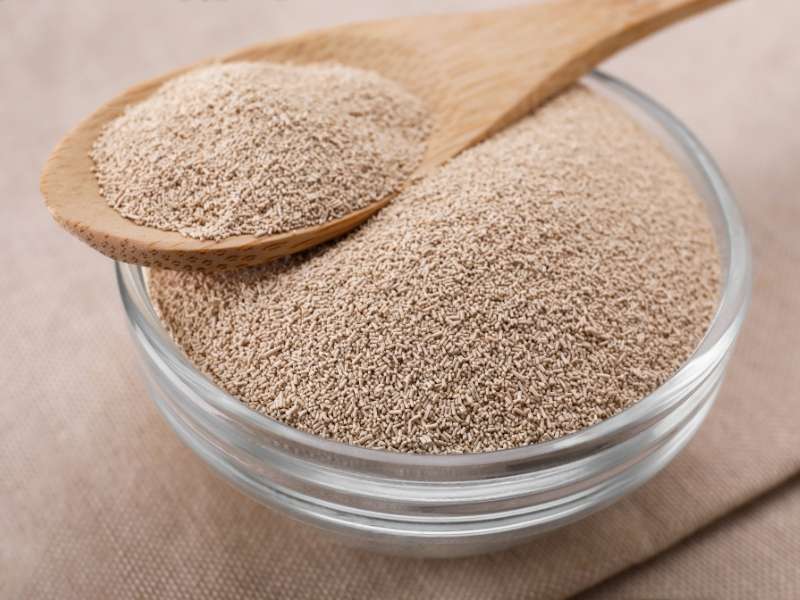
Fresh yeast makes a huge difference.
Expired yeast struggles to create enough gas for the dough to rise.
Many bread baking mistakes happen simply because people forget to check the expiration date.
Old yeast often leads to flat, compact loaves.
You may also notice very little activity during proofing.
How to Fix It
Buy fresh yeast whenever possible.
Store unopened yeast in a cool place.
Refrigerate or freeze opened packages according to the package directions.
Test active dry yeast before baking if you feel unsure.
Understanding ingredients also helps you avoid similar problems. Read Baking Ingredients Explained: What Every Ingredient Actually Does for a deeper explanation.
3. Adding Too Much Flour
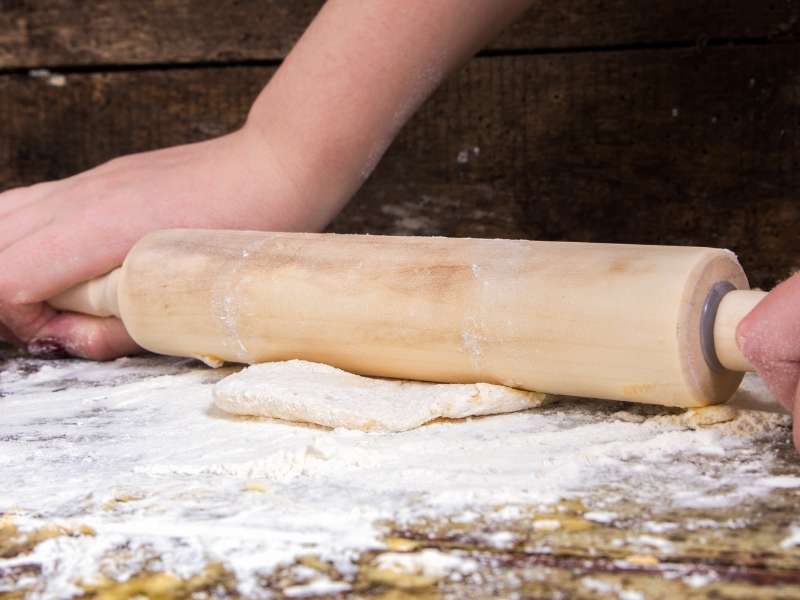
Sticky dough surprises almost every beginner.
The first reaction usually involves adding more flour.
Unfortunately, that habit causes many bread baking mistakes.
Extra flour creates dry dough.
Dry dough cannot expand properly during baking.
The final loaf often feels heavy instead of soft.
How to Fix It
Dust your work surface lightly.
Flour your hands instead of constantly adding more flour to the dough.
Remember that bread dough should feel slightly tacky.
If measuring ingredients feels confusing, Baking Measurements Conversion Chart (Cups, Grams, Ounces Explained) will help you become more accurate.
4. Choosing the Wrong Flour
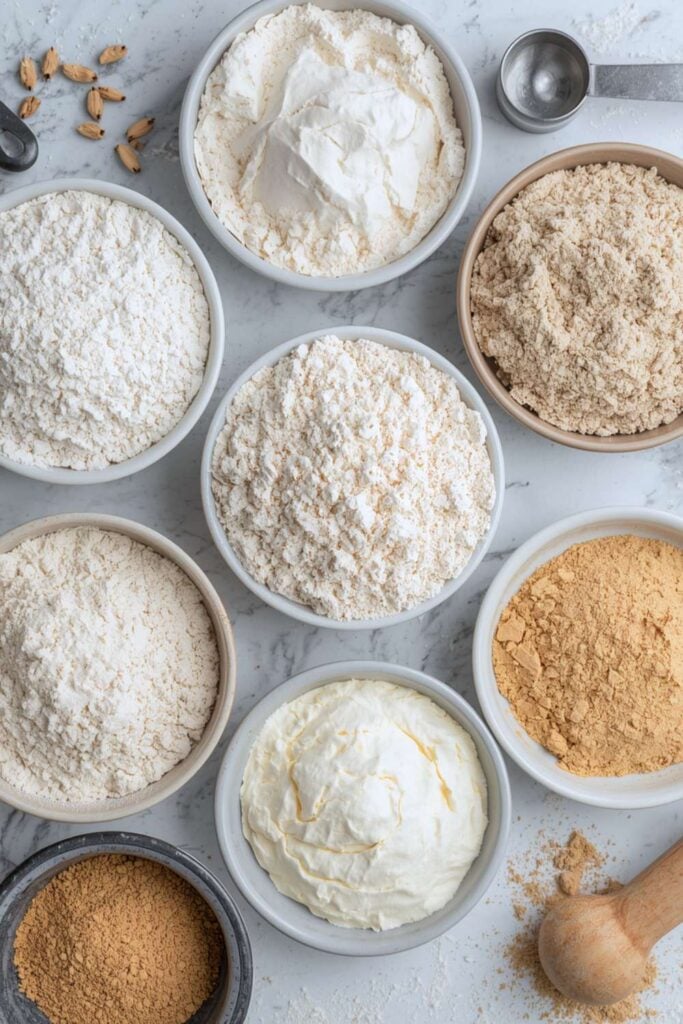
Different flours create different results.
Using the wrong one often leads to disappointing bread.
Many beginners experience bread baking mistakes because they substitute flour without understanding how it behaves.
Bread flour contains more protein.
That extra protein helps create stronger gluten.
Whole wheat flour absorbs more liquid than white flour.
How to Fix It
Use the flour listed in your recipe.
Avoid substitutions until you understand how each flour works.
Store flour properly so it stays fresh.
You can learn more in Types of Baking Flour and When to Use Them.
5. Not Kneading the Dough Enough
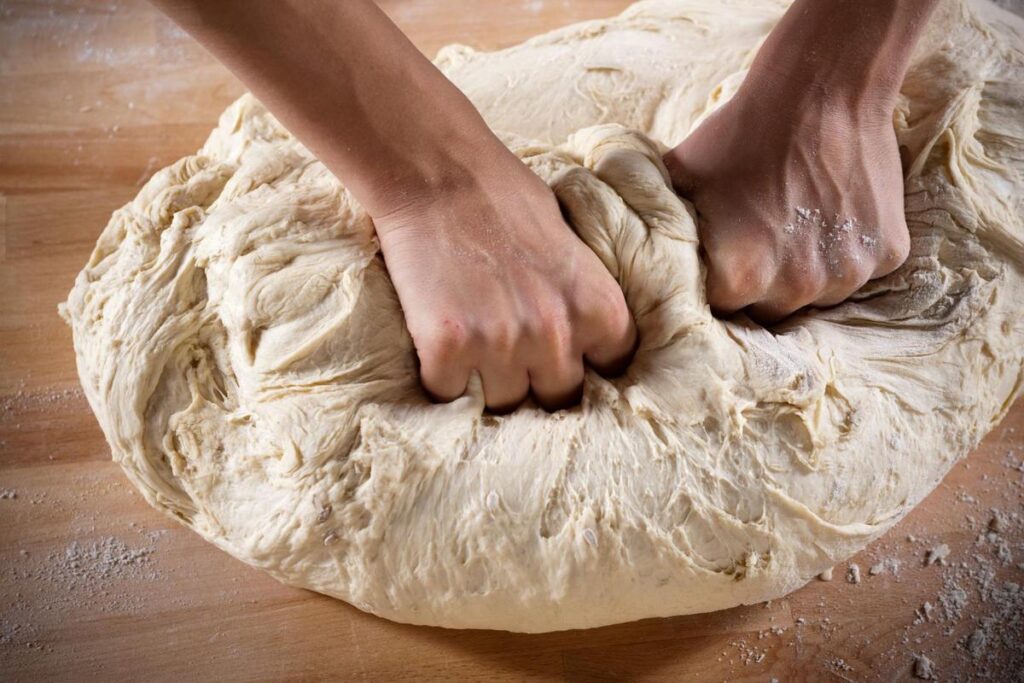
Kneading strengthens the gluten inside the dough.
Strong gluten traps the gas produced by yeast.
Without enough kneading, many bread baking mistakes begin to appear.
The loaf may stay dense.
The crumb may look uneven.
The bread may also fall apart when sliced.
How to Fix It
Knead until the dough becomes smooth and elastic.
Try the windowpane test.
Stretch a small piece of dough gently.
If it stretches without tearing easily, your dough is ready.
If baking terms still seem confusing, Baking Terms Explained (Fold, Cream, Knead & More For Beginners) explains every technique in simple language.
6. Overkneading the Dough
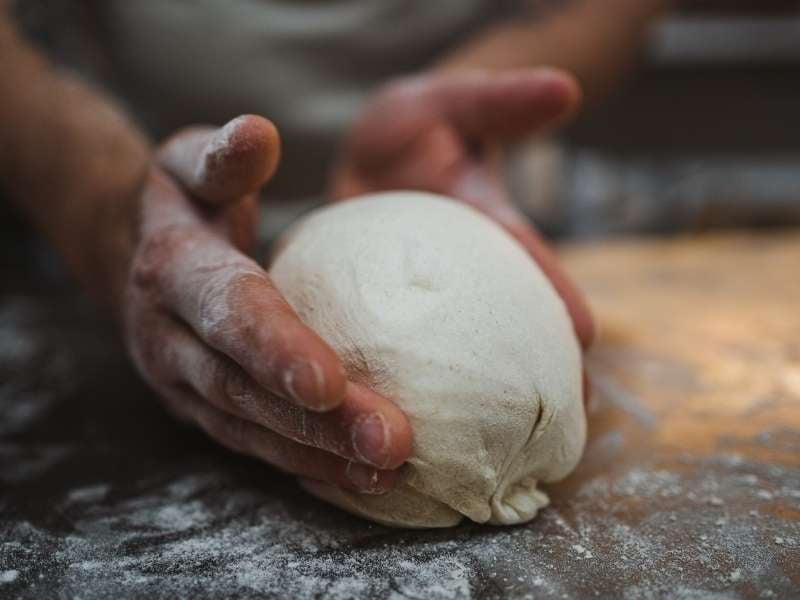
Too much kneading can also create problems.
Modern stand mixers make it easy to overwork the dough.
Although this issue happens less often by hand, it still causes bread baking mistakes.
Overworked dough becomes tight.
The bread may not rise as well.
The finished loaf often develops a tough texture.
How to Fix It
Follow the kneading time in your recipe.
Check the dough often instead of relying only on the timer.
Stop mixing once the dough feels smooth and stretchy.
Practice will help you recognize the right texture.
7. Rushing the First Rise
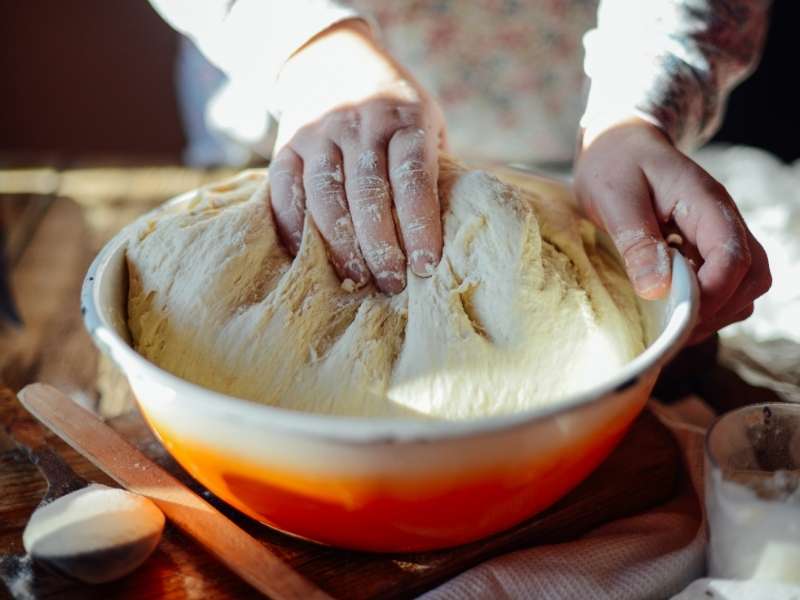
Bread baking rewards patience.
Many beginners become excited and shorten the rising time.
Unfortunately, this creates one of the biggest bread baking mistakes.
Yeast needs time to develop flavor and produce enough gas.
Rushed dough cannot reach its full potential.
The loaf often turns out small and dense.
How to Fix It
Watch the dough instead of the clock.
Most recipes ask the dough to double in size.
Room temperature affects how long this process takes.
Warm kitchens usually speed things up.
If you want more beginner-friendly advice, Baking Tips That Instantly Improve Your Results shares practical habits that improve every baking session.
8. Skipping the Second Rise
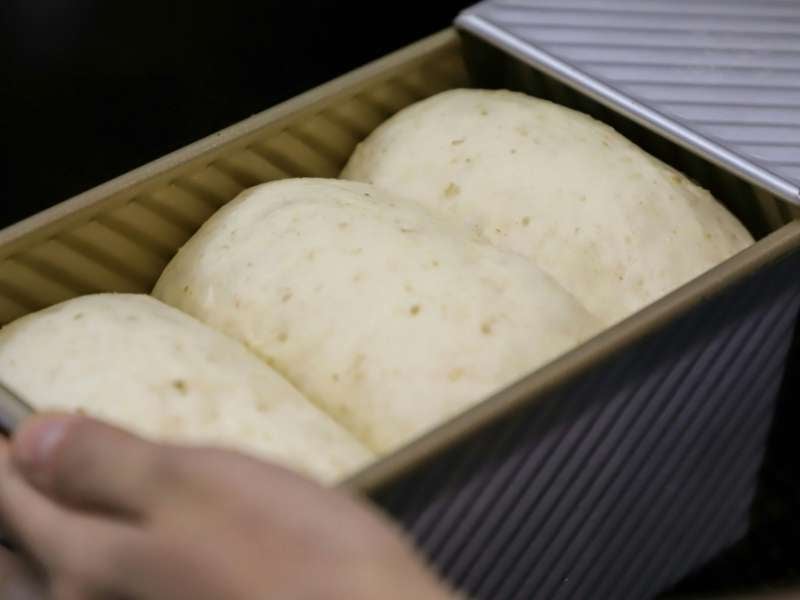
Many people think one rise is enough.
Most yeast breads need a second rise after shaping.
Skipping this step creates one of the easiest bread baking mistakes to avoid.
The second rise gives the dough more time to build air pockets.
Those air pockets create a lighter loaf with a softer crumb.
How to Fix It
Shape the dough first.
Place it in the loaf pan or on the baking tray.
Cover it with a clean towel.
Let it rise until it looks puffy and almost doubles in size.
Do not rush this step.
Patience always pays off.
9. Overproofing the Dough
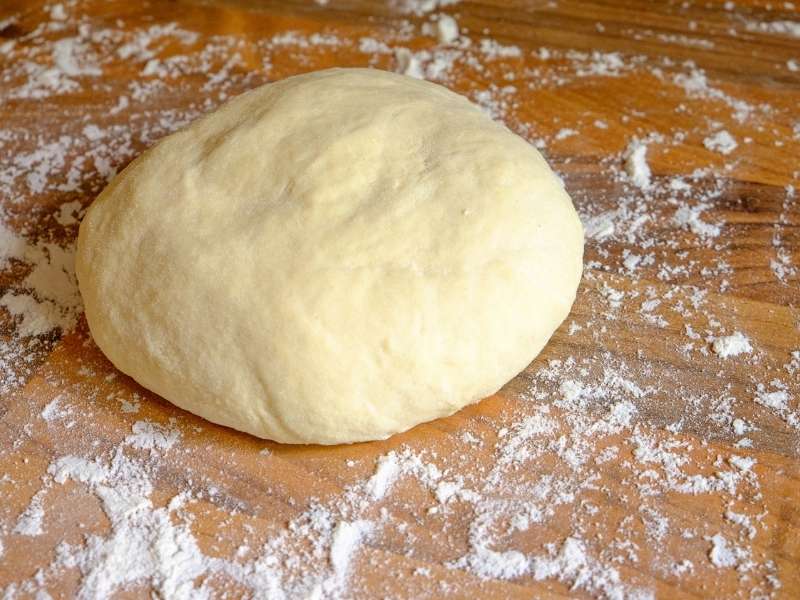
Waiting too long creates another common problem.
Yeast cannot keep expanding forever.
Eventually, the dough becomes weak and starts losing its structure.
Many bread baking mistakes happen because beginners think a longer rise always produces better bread.
Overproofed dough often collapses in the oven.
The loaf may bake with a flat top and uneven texture.
How to Fix It
Check the dough regularly.
Press it gently with one finger.
The indentation should slowly spring back.
Bake the loaf once it reaches that stage.
If the dent stays deep, the dough has probably risen too long.
10. Forgetting to Preheat the Oven
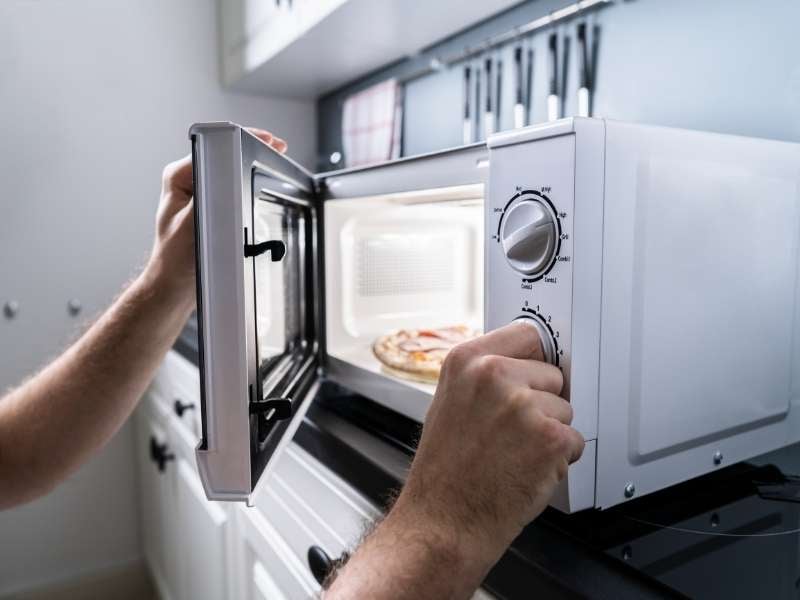
Your oven should reach the correct temperature before the bread goes inside.
Starting with a cold oven affects the rise and crust.
That simple mistake causes many bread baking mistakes.
The dough spreads before the heat sets the structure.
The loaf often loses height.
How to Fix It
Turn the oven on before the second rise finishes.
Allow enough time for full preheating.
Use an oven thermometer if your oven seems unreliable.
You can also learn more in Understanding Baking Temperatures for Better Results.
11. Not Scoring the Dough
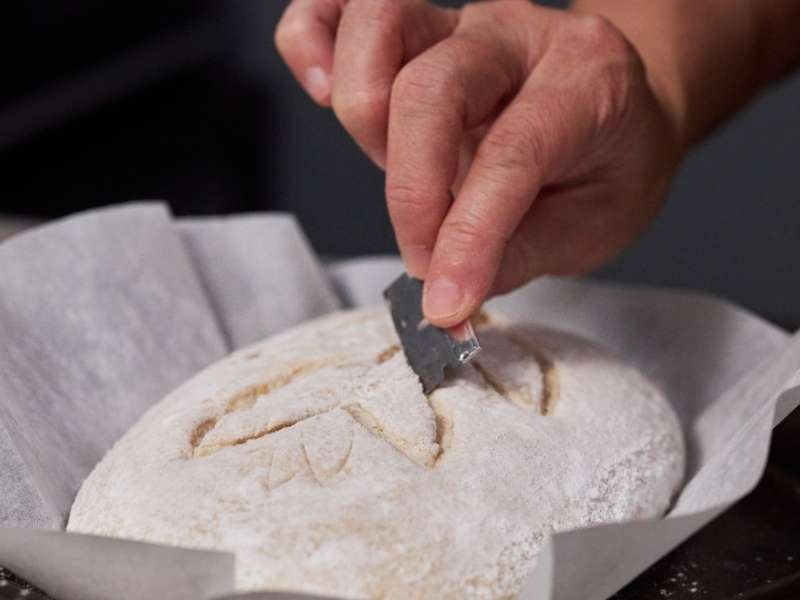
Many artisan loaves have decorative cuts across the top.
Those cuts do much more than improve appearance.
Scoring controls how the bread expands during baking.
Without scoring, pressure builds inside the loaf.
That pressure forces the bread to crack in random places.
Many bread baking mistakes happen because beginners skip this simple step.
How to Fix It
Use a sharp knife or bread lame.
Cut the top quickly before baking.
Make shallow slashes instead of deep cuts.
Practice improves your confidence with every loaf.
12. Using the Wrong Baking Pan
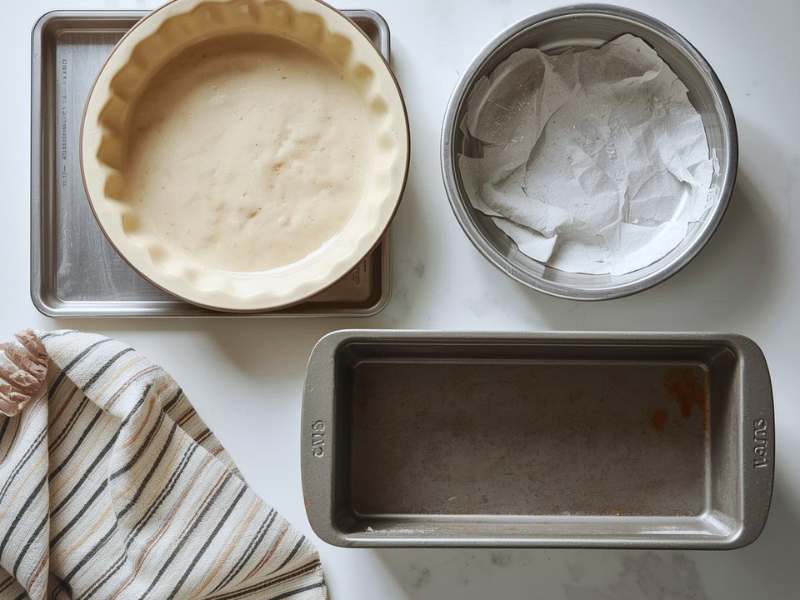
The baking pan affects how evenly your bread cooks.
Thin pans heat differently than heavier ones.
Dark pans also brown bread faster.
Many bread baking mistakes happen because people overlook their bakeware.
How to Fix It
Choose a sturdy loaf pan with even sides.
Follow the pan size listed in the recipe.
Avoid changing pan sizes unless you adjust the recipe.
Good equipment makes baking easier.
If you are building your kitchen, Essential Baking Tools Every Home Baker Needs (with Budget Options) offers plenty of helpful ideas.
13. Cutting the Bread Too Soon
Fresh bread smells incredible.
Waiting feels almost impossible.
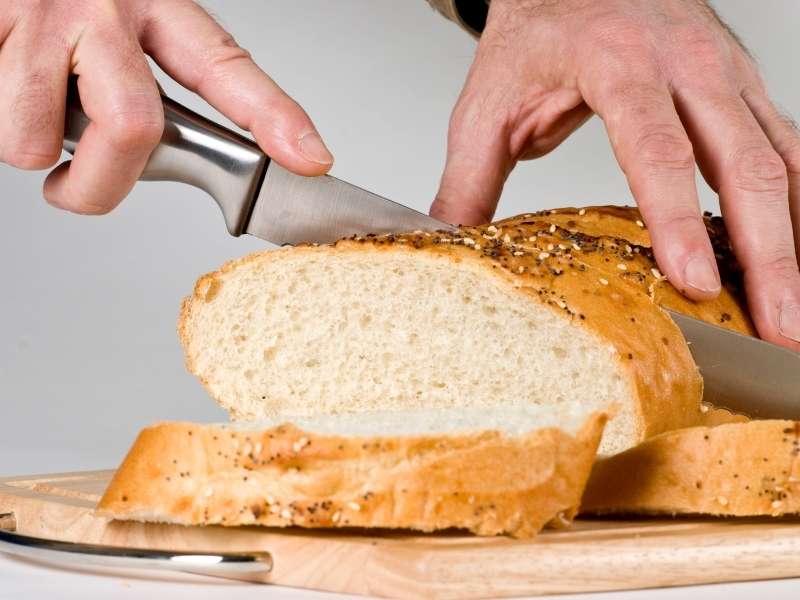
Still, slicing into hot bread creates another one of the common bread baking mistakes.
The inside continues setting after baking.
Early slicing traps steam inside the loaf.
The bread often becomes gummy.
How to Fix It
Place the loaf on a cooling rack.
Allow it to cool completely.
Most loaves need at least one hour.
Larger loaves may need even longer.
Learning patience rewards you with better texture every time.
If you often wonder whether baked goods have finished cooking, How to Know When Your Cake Is Properly Baked shares useful techniques that also improve your baking instincts.
14. Storing Bread Incorrectly
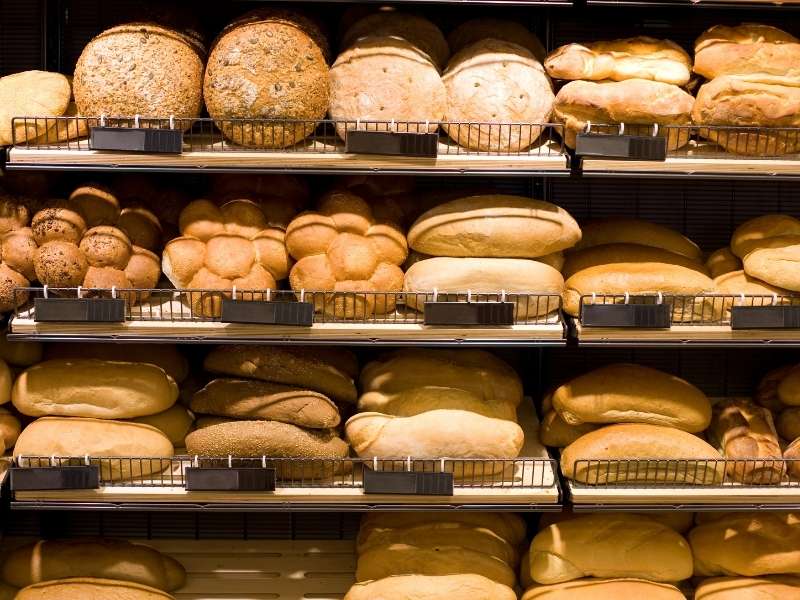
Homemade bread tastes best when you store it properly.
Leaving it uncovered dries it out quickly.
Refrigerating bread also changes the texture.
Many beginners make these bread baking mistakes without realizing it.
How to Fix It
Cool the loaf completely before storing it.
Place it inside a bread box or airtight bag.
Freeze extra bread if you will not eat it within a few days.
Proper storage keeps homemade bread softer for longer.
If you bake often, How to Store Baked Goods to Keep Them Fresh Longer will help you keep every loaf fresh and delicious.
15. Ignoring the Dough Instead of Watching It
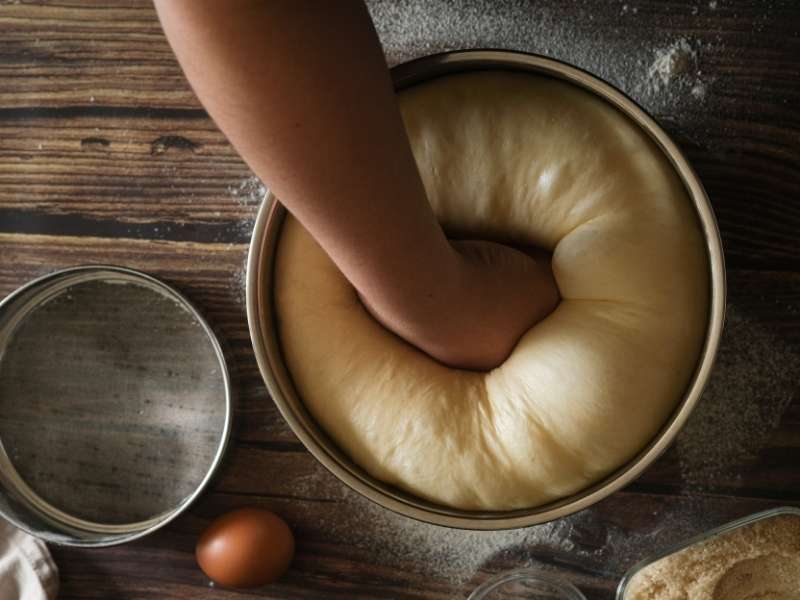
Every kitchen is different.
Room temperature changes throughout the year.
Humidity also affects how dough behaves.
One recipe may take longer to rise today than it did last week.
Many bread baking mistakes happen because beginners follow the clock instead of watching the dough.
The dough tells you when it is ready.
Learning to recognize those signs makes bread baking much easier.
How to Fix It
Check the dough often during rising.
Look for a dough that has doubled in size.
Feel the texture before moving to the next step.
Trust what you see instead of rushing because the timer went off.
16. Changing Too Many Ingredients
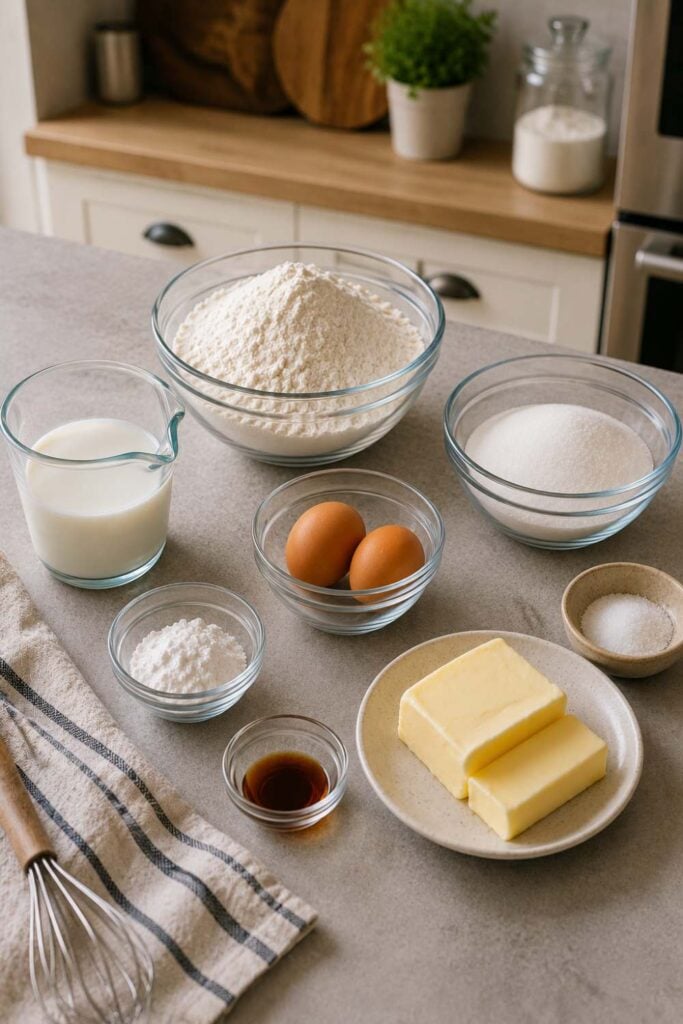
Experimenting can be fun.
Still, changing several ingredients at once often creates unnecessary problems.
Different flours absorb water differently.
Alternative sweeteners affect yeast activity.
Extra liquids change the dough consistency.
Many bread baking mistakes begin with too many substitutions.
How to Fix It
Bake the recipe exactly as written the first time.
Change only one ingredient if you want to experiment.
Write down every adjustment.
Small changes make troubleshooting much easier.
If substitutions confuse you, Baking Substitutions Guide (When You’re Missing Ingredients) explains which swaps work best.
17. Giving Up After One Bad Loaf
Every baker has disappointing results.
My first homemade loaf looked nothing like the picture in the recipe.
Even after years of baking, I still learn something with every loaf.
Many people stop baking because of one failed attempt.
That becomes one of the biggest bread baking mistakes of all.
Practice builds confidence.
Each loaf teaches a valuable lesson.
How to Fix It
Treat every bake as a learning experience.
Notice what worked well.
Write down what you want to improve.
Celebrate progress instead of expecting perfection.
18. Forgetting That Bread Baking Takes Practice
Bread baking is a skill.
Skills improve through repetition.
Some loaves will rise beautifully.
Others may need small adjustments.
Those experiences help you avoid future bread baking mistakes.
The more often you bake, the easier every step becomes.
How to Fix It
Bake regularly.
Try the same recipe several times.
Notice how the dough feels at each stage.
Build your confidence before moving to more advanced breads.
If you enjoy improving your baking skills, The Science of Baking Made Simple for Beginners explains why recipes work the way they do.
19. Skipping the Basics
Many beginners jump straight into complicated artisan recipes.
That excitement is understandable.
Simple recipes teach the most important skills first.
Mastering the basics helps you avoid many bread baking mistakes before they happen.
A basic sandwich loaf teaches measuring, kneading, proofing, shaping, and baking.
Those lessons prepare you for more advanced recipes later.
How to Fix It
Start with beginner-friendly recipes.
Practice them until they feel comfortable.
Focus on consistency instead of perfection.
Build one skill at a time.
If you want even more inspiration for your baking journey, these guides will help you continue learning:
Final Thoughts
Learning to bake bread takes time, but every loaf brings you one step closer to success. Do not let a few bread baking mistakes convince you that homemade bread is too difficult. Every experienced baker has made many of the same mistakes, and each one offers an opportunity to improve.
The best way to avoid bread baking mistakes is to slow down and enjoy the process. Measure carefully, give your dough enough time to rise, use fresh ingredients, and pay attention to what the dough tells you. Those simple habits will make a noticeable difference in every loaf you bake.
Most importantly, keep practicing. The smell of fresh bread coming out of your oven, the excitement of slicing into a warm loaf, and the smiles around your table make every bit of effort worthwhile. Before long, you’ll bake soft, flavorful homemade bread with confidence and create memories your family will enjoy for years to come.