
Why Did My Cookies Turn Out Flat? 21 Possible Reasons.
Disclosure: Some of the links in this post are affiliate links. This means if you click on the link and purchase an item, I will receive an affiliate commission at no extra cost to you.
Nothing is more disappointing than pulling a tray of cookies from the oven and finding thin, flat circles instead of soft, thick treats. I have been there more times than I would like to admit, especially while baking with my two kids eagerly waiting to taste the first cookie. Sometimes I followed the recipe exactly, yet the cookies still spread far more than I expected. Those moments taught me that baking success often depends on the little details.
After plenty of trial and error, I realized there are many reasons cookies lose their shape. Simple things like warm butter, incorrect measurements, or an oven that is not fully heated can all Cookies Turn Out Flat that many home bakers never think about. Once I started paying closer attention to those small steps, my cookies became thicker, softer, and much more consistent. If you are still building your baking confidence, The Ultimate Beginners Guide to Baking (Everything You Need To Know to Start) will give you a solid foundation before tackling more recipes.
The good news is that flat cookies are usually easy to fix. Most reasons why Cookies Turn Out Flat come from common baking habits instead of difficult techniques. A few small adjustments can completely change how your cookies bake, even if you have struggled with the same problem for years. You may also enjoy Understanding Baking Temperatures for Better Results, since oven temperature affects cookie spread more than many people realize.
Every disappointing batch is a chance to learn something new. Once you know what causes cookies to spread too much, you can make simple changes that lead to better results every time you bake. The next tray might just become your family’s new favorite.
21 Possible Reasons Your Cookies Turn Out Flat
1. Your Butter Was Too Warm
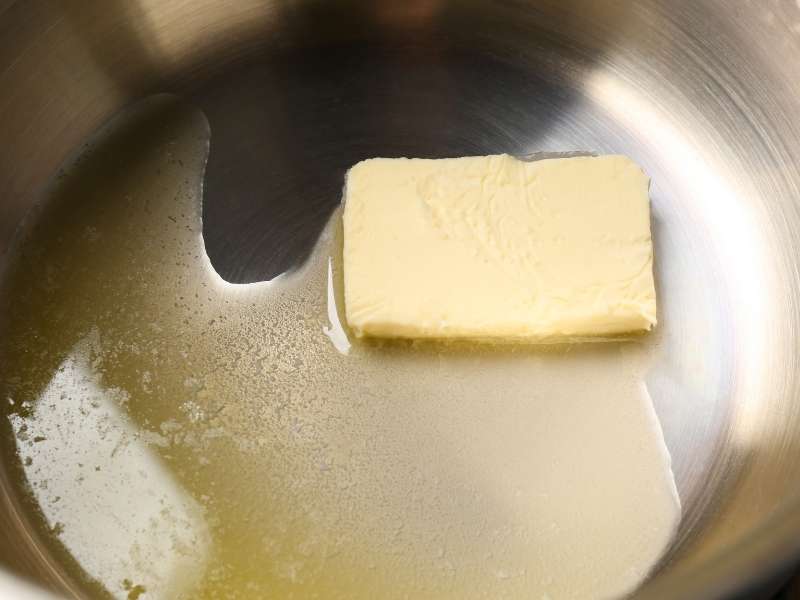
One of the biggest reasons cookies turn out flat is butter that has become too soft. Room-temperature butter works well, but melted butter creates problems before the cookies even enter the oven.
Warm butter melts quickly inside the dough. The cookies spread before the flour and eggs have time to provide structure.
As a result, you end up with thin cookies instead of thick, chewy ones.
How to Fix It
Use butter that feels cool when you touch it.
Press it gently with your finger. It should leave a slight dent without sinking completely.
If your butter starts looking shiny or greasy, place it back in the refrigerator for 10 to 15 minutes before mixing.
If you want to understand how different fats affect baking, read Butter vs Margarine in Baking: Does It Really Matter?
2. You Measured Too Much Butter
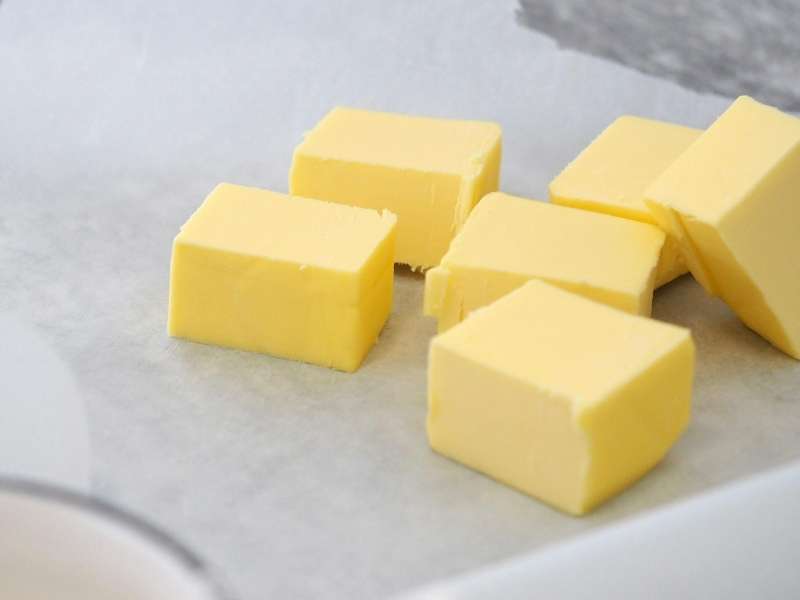
Sometimes cookies turn out flat because the ingredient ratios are off.
Even one extra tablespoon of butter can change the dough.
Too much fat weakens the structure, making the cookies spread farther across the baking sheet.
Many people accidentally use the wrong measurement marks on butter wrappers.
Others estimate instead of measuring carefully.
How to Fix It
Measure butter accurately every time.
Use a kitchen scale whenever possible.
Double-check your recipe before adding ingredients.
Accurate measuring also becomes much easier after reading Baking Measurements Conversion Chart (Cups, Grams, Ounces Explained).
3. You Didn’t Use Enough Flour
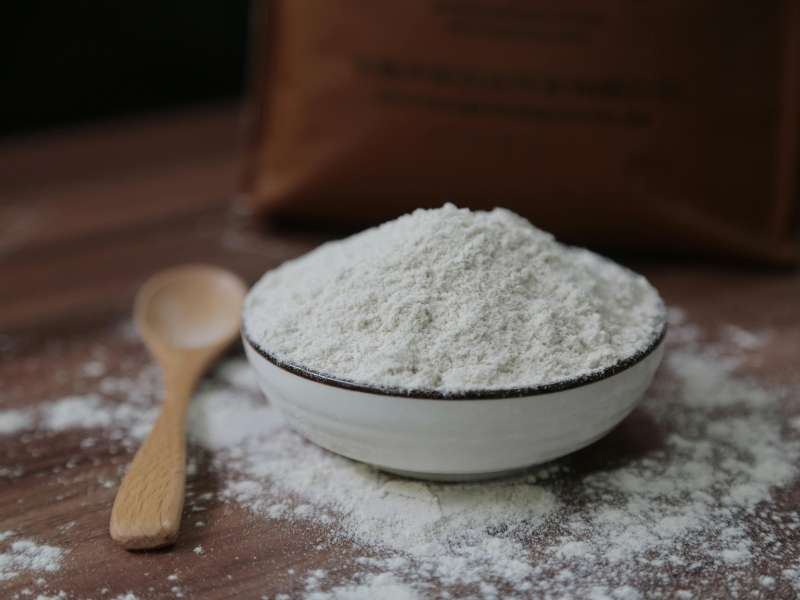
Flour gives cookie dough strength.
Without enough flour, cookies turn out flat because the dough cannot hold its shape.
Scooping flour directly from the container often causes measuring mistakes.
Sometimes beginners accidentally leave out part of the flour while mixing.
How to Fix It
Spoon flour into the measuring cup.
Level the top with a straight edge.
Better yet, weigh your flour using a digital scale.
Understanding flour makes every recipe easier. You may also enjoy Types of Baking Flour and When to Use Them before your next baking day.
4. Your Baking Soda or Baking Powder Is Old
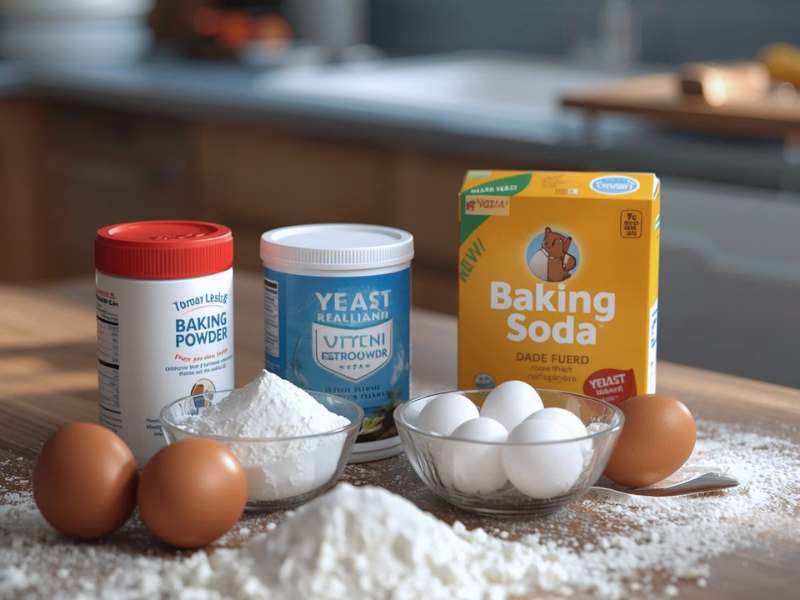
Fresh leavening agents help cookies rise properly.
Old baking soda or baking powder loses strength over time.
Weak leavening cannot support the dough, so cookies turn out flat instead of light and thick.
Many people forget these ingredients expire.
Even unopened containers lose effectiveness after enough time.
How to Fix It
Check the expiration date before baking.
Replace old containers regularly.
Store both ingredients in a cool, dry place.
You can also learn more about ingredient functions in Baking Ingredients Explained: What Every Ingredient Actually Does.
5. You Skipped Chilling the Dough
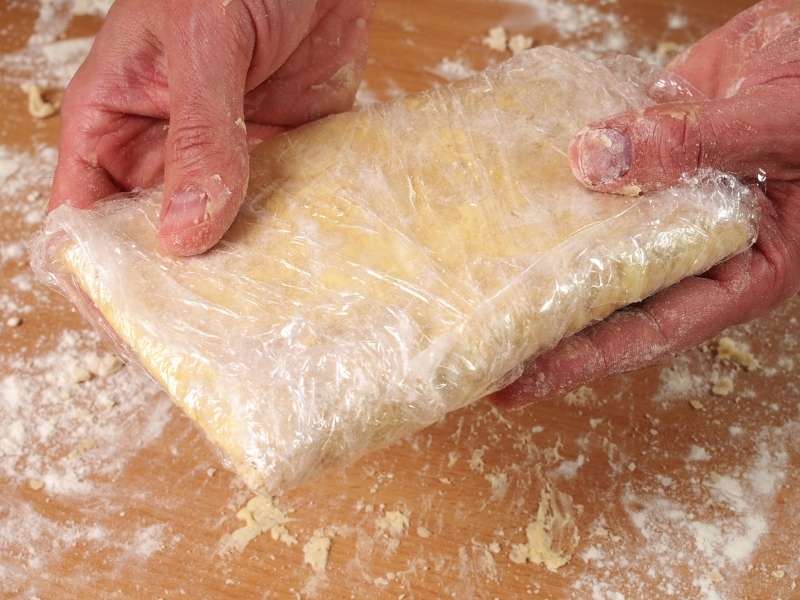
Many recipes recommend chilling cookie dough for a reason.
Skipping that step often explains why cookies turn out flat.
Cold dough melts more slowly.
That extra time allows the cookies to keep their shape while baking.
Chilling also improves flavor because the ingredients have more time to blend together.
How to Fix It
Follow the chilling time listed in the recipe.
If your kitchen feels warm, chill the dough even longer.
Do not rush simply because you feel excited to bake.
6. Your Oven Wasn’t Fully Preheated
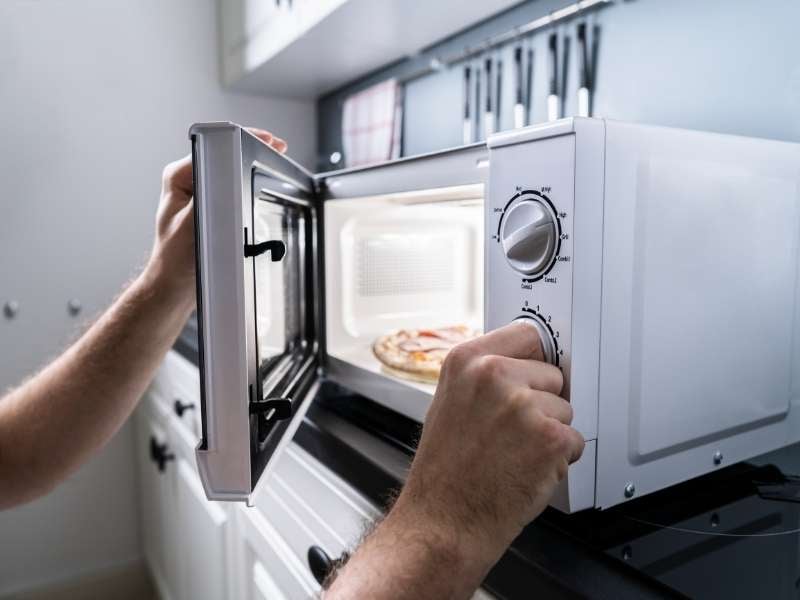
Many home bakers slide the tray into the oven before it reaches the correct temperature.
Unfortunately, cookies turn out flat when the butter melts before the oven becomes hot enough.
The dough spreads while waiting for the proper baking temperature.
That creates thinner cookies with uneven texture.
How to Fix It
Turn the oven on before preparing the dough.
Wait until it reaches the recommended temperature.
An inexpensive oven thermometer also helps because many ovens run hotter or cooler than the display shows.
If oven temperatures still confuse you, read Understanding Baking Temperatures for Better Results for practical tips.
7. You Overmixed the Dough
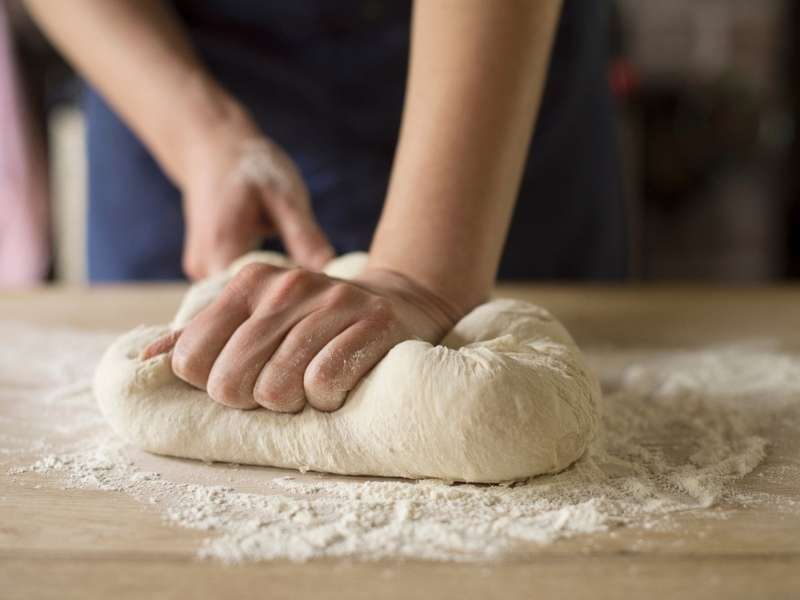
Mixing too much creates another reason cookies turn out flat or develop an unpleasant texture.
Overmixing develops extra gluten inside the flour.
That changes how the dough behaves during baking.
The finished cookies may spread unevenly while becoming tough at the same time.
How to Fix It
Mix only until the flour disappears.
Fold chocolate chips and other mix-ins gently.
Stop the mixer once everything combines.
If baking techniques sometimes seem confusing, Baking Terms Explained (Fold, Cream, Knead & More For Beginners) explains each one in simple language.
8. You Used the Wrong Baking Sheet
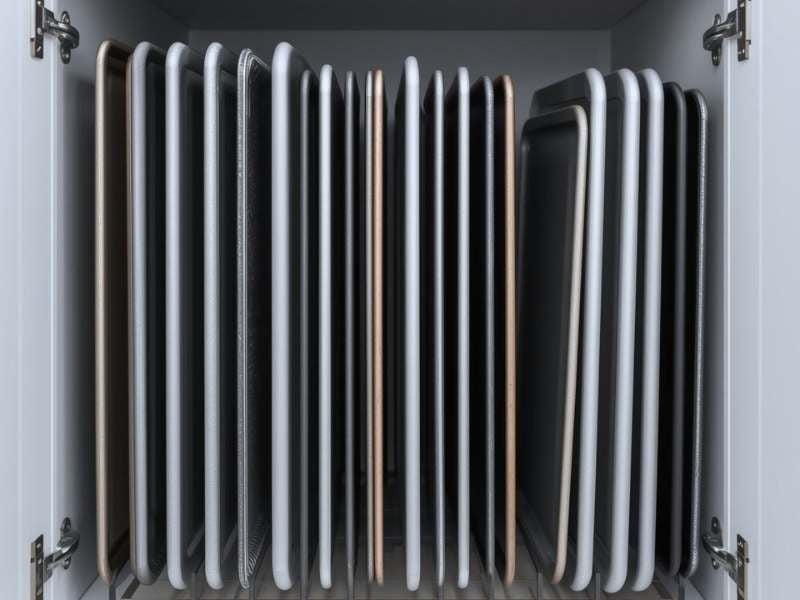
Your baking sheet affects much more than you may think. Many beginners blame the recipe when cookies turn out flat, but the pan often causes the problem.
Dark baking sheets absorb more heat.
Thin baking sheets heat unevenly.
Both can cause butter to melt too quickly before the cookie structure develops.
How to Fix It
Choose a light-colored, heavy-duty baking sheet.
Line it with parchment paper instead of heavily greasing the pan.
Replace warped baking sheets that no longer bake evenly.
If you are building your baking collection, check out Essential Baking Tools Every Home Baker Needs (with Budget Options) for beginner-friendly recommendations.
9. Your Cookie Dough Sat Out Too Long
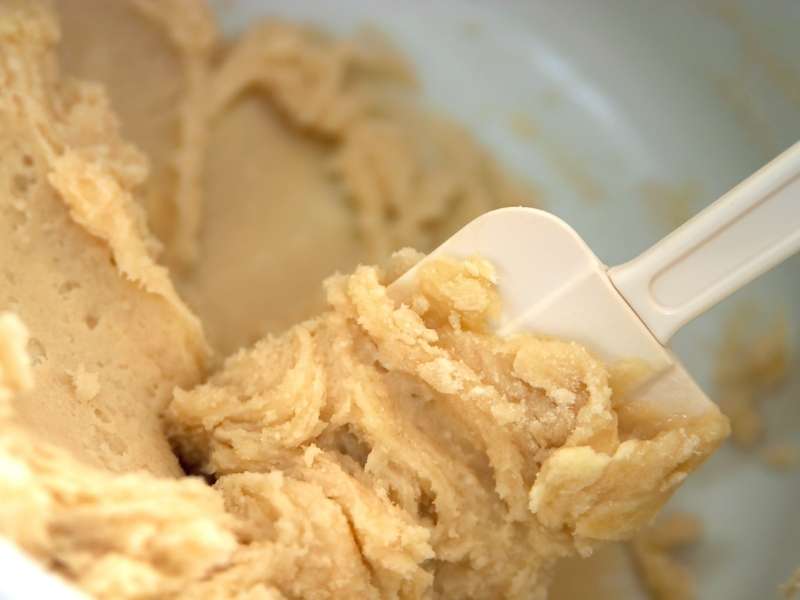
Sometimes you prepare the dough first and then answer a phone call, help the kids, or finish another chore.
Meanwhile, the butter continues to soften.
That extra time often explains why cookies turn out flat once they reach the oven.
Soft dough spreads much faster than chilled dough.
How to Fix It
Bake the dough soon after mixing.
If you need to step away, refrigerate the dough until you are ready.
Cold dough almost always holds its shape better.
10. You Added Too Much Sugar

Sugar adds sweetness, but it also affects how cookies spread.
Large amounts of sugar melt during baking.
That extra liquid encourages the dough to spread outward.
As a result, cookies turn out flat instead of thick and soft.
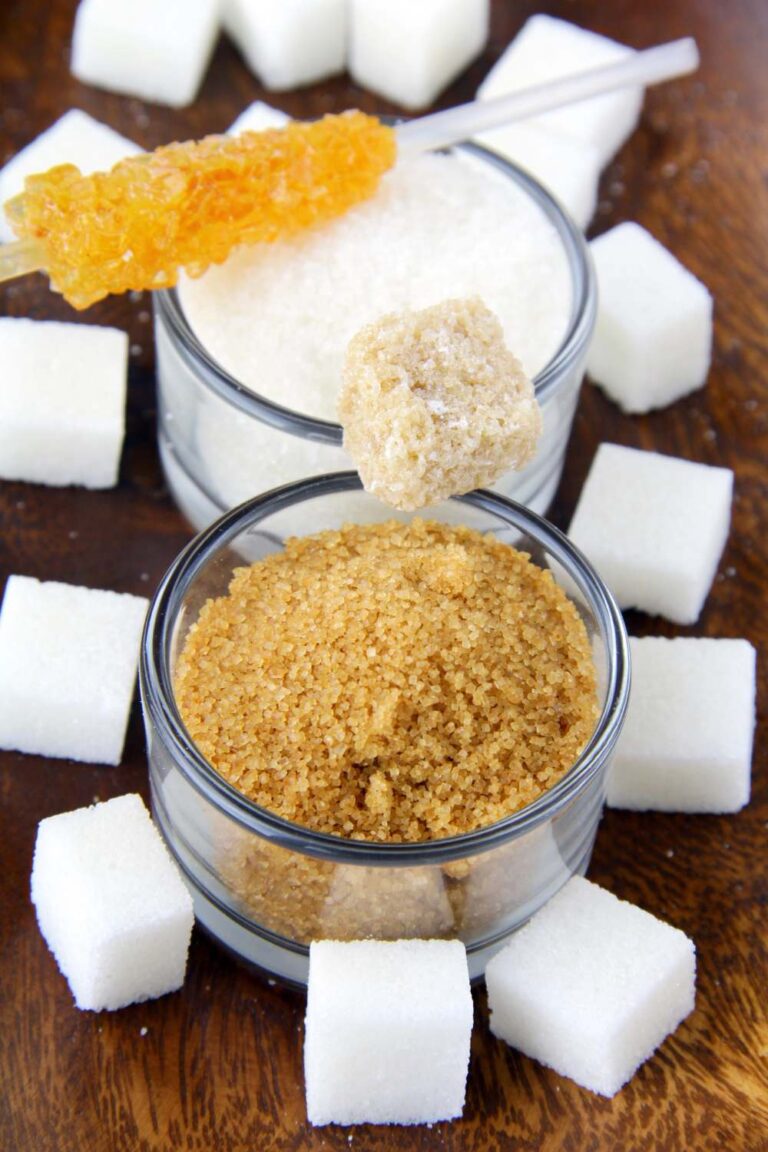
Brown sugar and white sugar also behave differently.
Each one creates a different texture.
How to Fix It
Measure sugar carefully.
Follow the recipe instead of estimating.
Learn how different sugars affect baking by reading The Different Types of Sugar Used in Baking Explained.
11. You Used the Wrong Flour
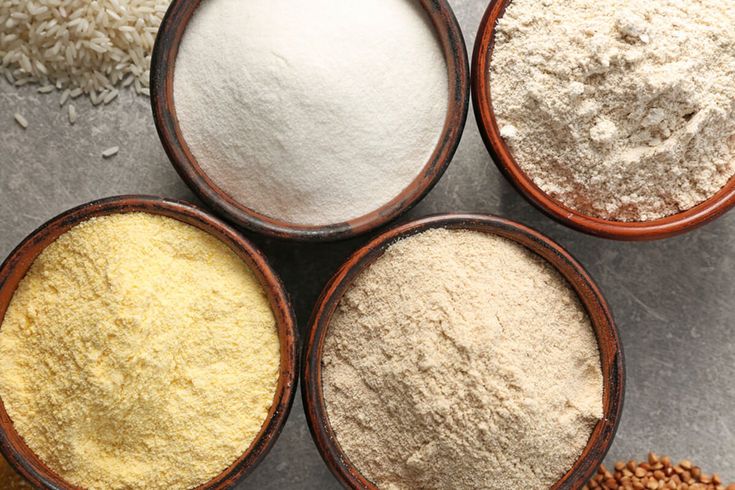
Not every flour works the same way.
Some flours contain less protein.
Others absorb moisture differently.
Choosing the wrong one can easily explain why cookies turn out flat.
Cake flour, for example, often produces softer cookies than all-purpose flour.
Bread flour creates a completely different texture.
How to Fix It
Use the flour listed in the recipe.
Avoid making substitutions unless you understand how they affect baking.
If substitutions become necessary, read Baking Substitutions Guide (When You’re Missing Ingredients) before changing ingredients.
12. Your Dough Needed More Mixing at the Beginning
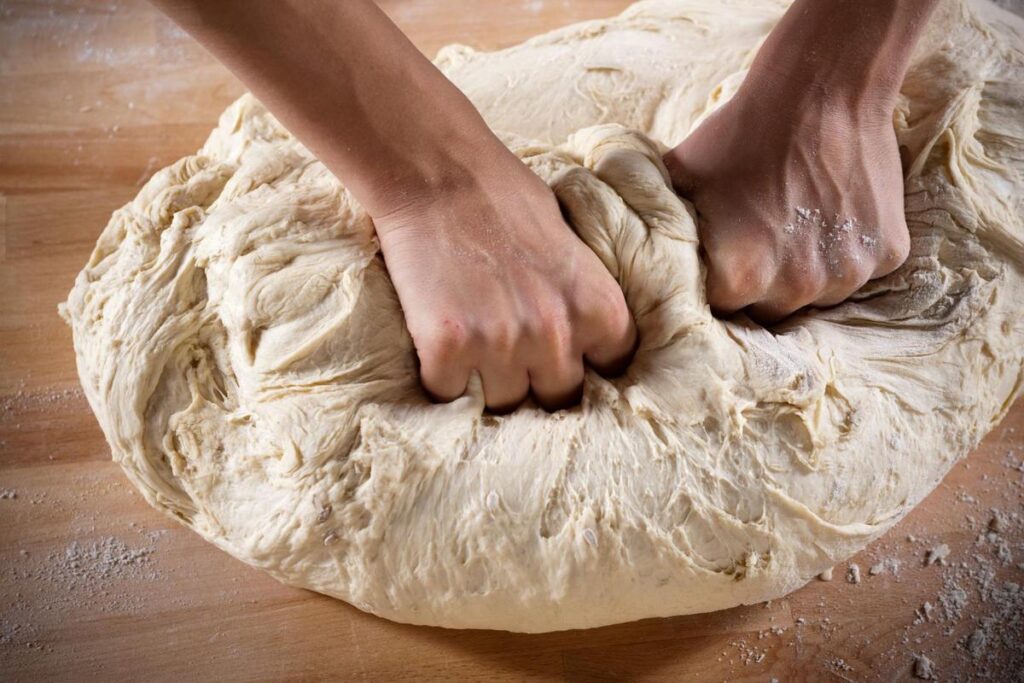
Earlier, we talked about overmixing.
However, undermixing creates problems too.
Poorly mixed dough leaves pockets of butter and flour.
That uneven mixture often causes cookies turn out flat in some spots while other cookies bake normally.
How to Fix It
Cream the butter and sugar properly.
Mix until the ingredients look light and smooth.
Scrape the sides of the bowl several times during mixing.
Good mixing creates consistent cookies from the first scoop to the last.
13. You Crowded the Baking Tray
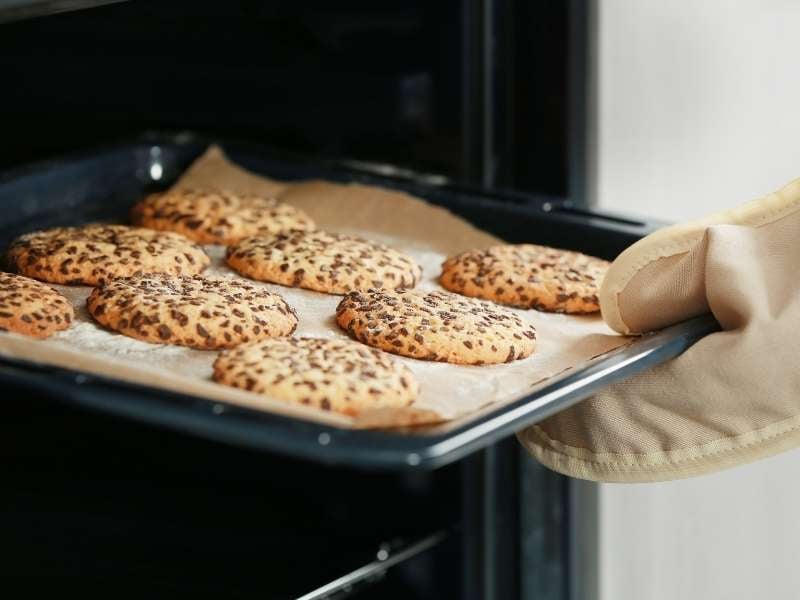
Trying to bake an entire batch at once sounds like a good idea.
Still, crowded baking sheets often contribute to uneven baking.
Some cookies spread into each other.
Others lose their shape completely.
Many people wonder why cookies turn out flat, yet the real problem comes from placing the dough too close together.
How to Fix It
Leave about 2 inches of space between each cookie.
Bake in several batches if necessary.
Even spacing allows hot air to circulate around every cookie.
If you enjoy keeping your kitchen organized, Baking Station Organisation Ideas That Will Transform Your Kitchen offers practical ideas for creating a smoother baking routine.
14. Your Ingredients Were Too Warm
Room temperature ingredients help many recipes.
Still, extremely warm ingredients create trouble.
If your butter, eggs, or dough become overly warm, cookies turn out flat because the fat melts too early.
Summer kitchens often make this problem even worse.
How to Fix It
Work quickly once the dough comes together.
Refrigerate the dough if your kitchen feels hot.
Avoid leaving the mixing bowl on the counter for long periods.
You can also improve your baking routine by reading Baking Tips That Instantly Improve Your Results, where you’ll find more simple habits that lead to better cookies
15. Your Oven Temperature Runs Too Low

Your oven display does not always tell the whole story.
Many home ovens bake hotter or cooler than the temperature you set. That difference often explains why cookies turn out flat even when you follow the recipe carefully.
A cooler oven allows the butter to melt before the cookie structure has time to set.
The dough spreads across the baking sheet instead of rising.
How to Fix It
Place an oven thermometer inside your oven.
Compare the thermometer reading with the oven display.
Adjust the temperature if needed until your oven bakes accurately.
If you want to understand how heat affects every recipe, read The Science of Baking Made Simple for Beginners.
16. You Changed the Recipe Too Much
Many recipes look flexible, but baking depends on balance.
Replacing several ingredients at once often changes how the dough behaves.
Extra liquid, less flour, or different fats can all make cookies turn out flat.
Even healthy substitutions sometimes affect the final result.
How to Fix It
Follow the recipe exactly the first time.
Change only one ingredient if you want to experiment.
Write down each adjustment so you know what worked.
Understanding each ingredient makes substitutions much easier. You may also enjoy Eggs in Baking: Why They Matter and How They Affect Results before changing another recipe.
17. Your Cookie Dough Was Too Thin
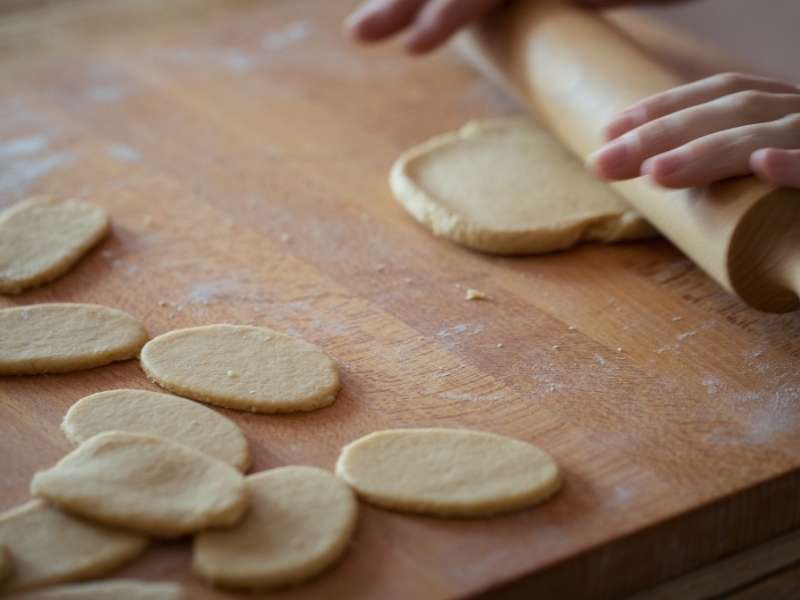
Some dough naturally feels soft.
However, dough that looks runny usually creates problems.
Thin dough almost always means cookies turn out flat because it cannot support itself while baking.
Several things can cause this issue.
Too little flour, warm butter, or incorrect measurements often play a role.
How to Fix It
Check the consistency before scooping.
The dough should feel soft but still hold its shape.
Refrigerate the bowl if the dough feels loose.
Add flour only if you know the measurements were incorrect.
18. You Used a Hot Baking Sheet
Many people reuse the same baking sheet immediately after removing the first batch.
That shortcut often explains why cookies turn out flat during the second round.
Fresh dough begins melting the moment it touches a hot pan.
The cookies spread before they even enter the oven.
How to Fix It
Allow the baking sheet to cool completely.
Use two baking sheets if you plan to bake several batches.
Switch between them while one cools.
19. Your Ingredients Were Not Fresh
Fresh ingredients make better cookies.
Old flour, stale chocolate chips, or expired eggs can affect both texture and flavor.
Although fresh ingredients alone may not cause cookies turn out flat, they often make other baking problems even worse.
How to Fix It
Check expiration dates before baking.
Store baking ingredients correctly after opening them.
Replace old pantry staples regularly.
If you are unsure how different ingredients work together, revisit Baking Ingredients Explained: What Every Ingredient Actually Does for a helpful refresher.
20. You Didn’t Read the Recipe Carefully
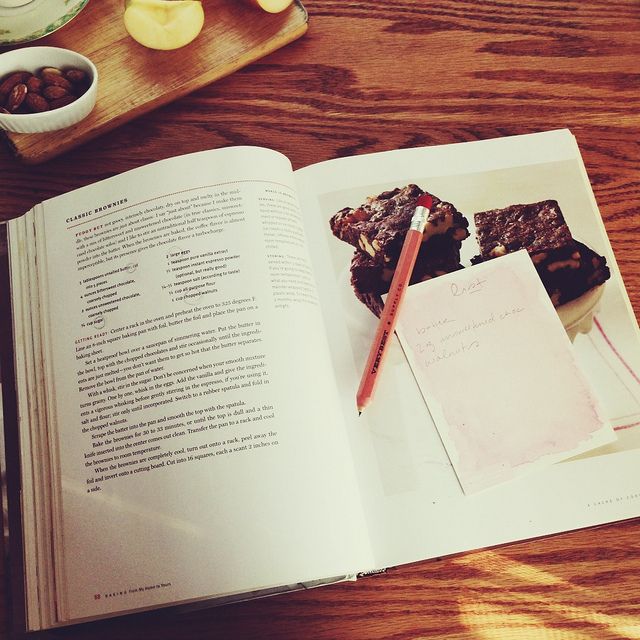
Many baking mistakes happen before mixing begins.
Skipping a small instruction can completely change the outcome.
Some recipes require chilled butter.
Others call for resting the dough.
Missing those details often explains why cookies turn out flat.
How to Fix It
Read the recipe from beginning to end before measuring anything.
Gather every ingredient first.
Prepare your tools before mixing.
If you want to avoid this mistake in every recipe, read How to Read a Baking Recipe Correctly Before You Start.
21. Your Cookie Scoop Sizes Were Inconsistent
Large cookies and small cookies bake differently.
If every scoop has a different size, the cookies spread at different rates.
Some finish baking early.
Others continue spreading.
That uneven baking often makes it seem like cookies turn out flat for no obvious reason.
How to Fix It
Use a cookie scoop for even portions.
Level each scoop before placing it on the baking sheet.
Consistent dough sizes produce consistent cookies.
If you love creating beautiful baking setups, you might also enjoy Aesthetic Baking Setup Ideas For Beginners, and Baking Flat Lay Ideas For Instagram & Pinterest for inspiration before your next baking day.
Final Thoughts
If cookies turn out flat, do not assume you are a bad baker. Every home baker runs into this problem at some point. I certainly have, especially while trying to bake quickly with two excited kids waiting nearby. Thankfully, most cookie problems come from small details that you can fix with a little practice.
The next time cookies turn out flat, take a moment to think about each step instead of blaming the recipe. Check your butter, measure your ingredients carefully, preheat your oven properly, and chill the dough when needed. Those simple habits make a noticeable difference.
As you continue baking, your confidence will grow with every batch. The more you understand why cookies turn out flat, the easier it becomes to prevent the problem. Before long, you will pull thick, soft, golden cookies from the oven that your family cannot wait to enjoy.