17 Common Dessert Making Mistakes to Avoid
Disclosure: Some of the links in this post are affiliate links. This means if you click on the link and purchase an item, I will receive an affiliate commission at no extra cost to you.
Dessert making can become frustrating when a recipe looks simple but the final result turns out dry, dense, uneven, or overly sweet. Small mistakes during measuring, mixing, baking, cooling, or decorating can quickly change the texture and appearance of your dessert.
Fortunately, most dessert problems have clear causes. Learning what affects your ingredients, temperature, timing, and techniques can help you bake with greater confidence. Start with The Ultimate Beginners Guide to Baking (Everything You Need To Know to Start) if you want to strengthen your basic baking skills before tackling more complicated desserts.
This guide covers 17 common dessert making mistakes that can affect cakes, cookies, pies, pastries, brownies, and other sweet treats. Each section explains the problem and gives you a practical way to avoid it during your next baking session.
17 Common Dessert Making Mistakes to Avoid
Dessert making becomes much easier when you understand how ingredients, measurements, temperatures, and techniques work together. A small mistake can change the texture, flavor, appearance, or structure of your finished treat.
Many baking problems also happen before the dessert enters the oven. Incorrect measurements, poor ingredient preparation, rushed mixing, and unsuitable equipment can all create disappointing results.
The good news is that you can prevent most problems with a few simple habits. The following mistakes cover cakes, cookies, pies, pastries, brownies, cheesecakes, and other homemade desserts.
1. Measuring Ingredients Incorrectly
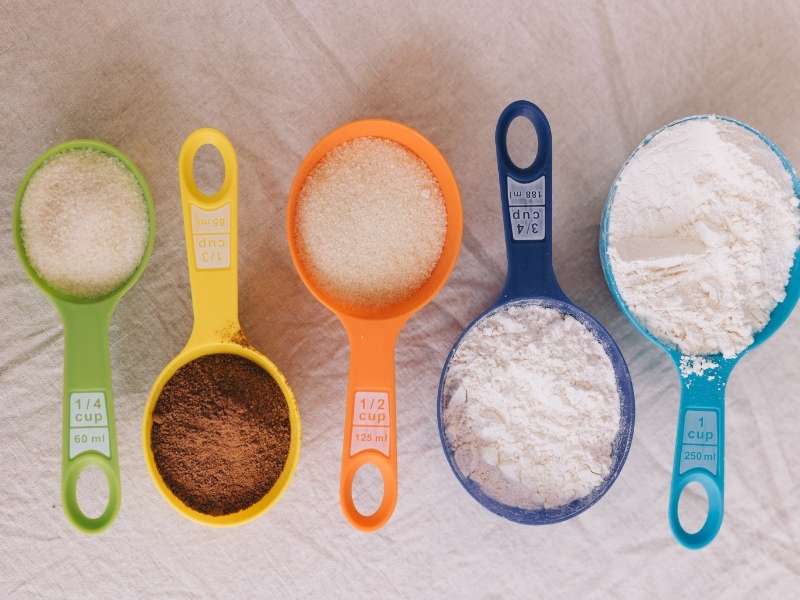
Incorrect measurements rank among the most common dessert making mistakes. Baking relies on specific ingredient ratios, so adding too much flour or too little liquid can dramatically change the final texture.
For example, extra flour can create dry cookies or dense cakes. Excess liquid can produce batter that struggles to set.
Use a digital kitchen scale whenever possible. Weight measurements offer greater consistency than volume measurements.
For recipes that use cups and spoons, measure carefully and level dry ingredients rather than scooping large amounts directly from the container.
You can also keep a Baking Measurements Conversion Chart (Cups, Grams, Ounces Explained) nearby when switching between measurement systems.
2. Skipping Recipe Preparation
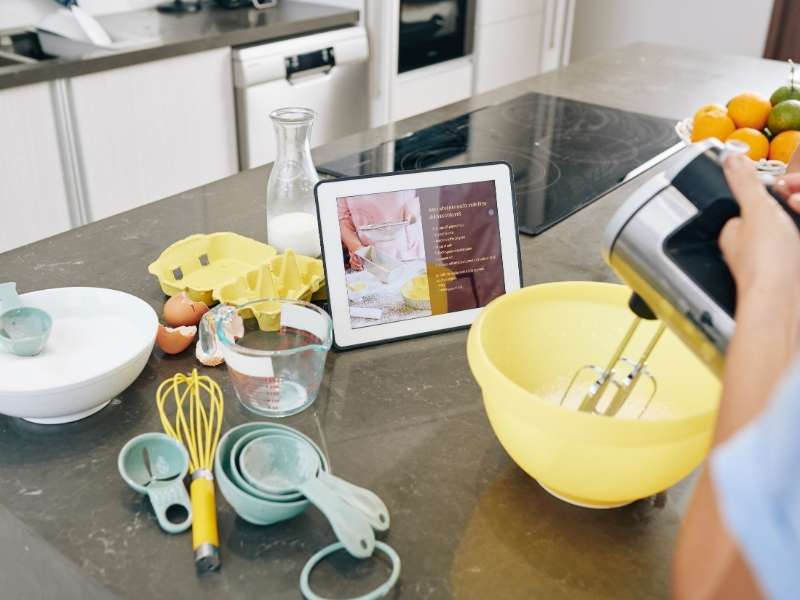
Starting immediately after reading the recipe can create unnecessary problems.
Read the entire recipe first. Gather every ingredient and check the required quantities before mixing anything.
Some recipes require softened butter, room-temperature eggs, chilled dough, or melted chocolate. Ignoring those instructions can affect the final result.
Preparation also helps you notice missing ingredients before you reach the middle of the recipe.
For a better approach, follow How to Read a Baking Recipe Correctly Before You Start before beginning unfamiliar desserts.
3. Using Ingredients at the Wrong Temperature
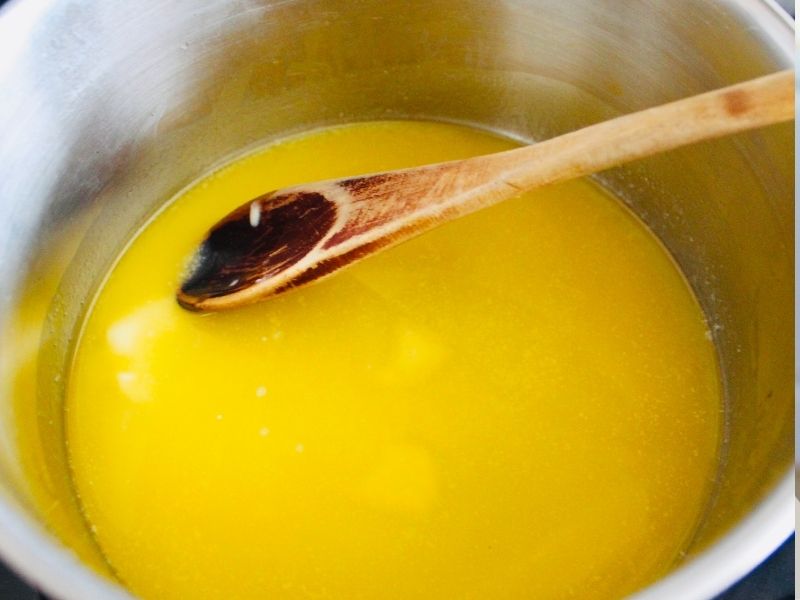
Ingredient temperature can significantly affect dessert texture.
Cold butter behaves differently from softened butter. Cold eggs can also combine differently with certain batters.
Some pastry recipes specifically require chilled butter because the solid fat helps create flaky layers.
Meanwhile, cake recipes often call for room-temperature ingredients to encourage smoother mixing.
Always follow the temperature instructions provided by your recipe instead of assuming every ingredient should reach room temperature.
4. Overmixing the Batter
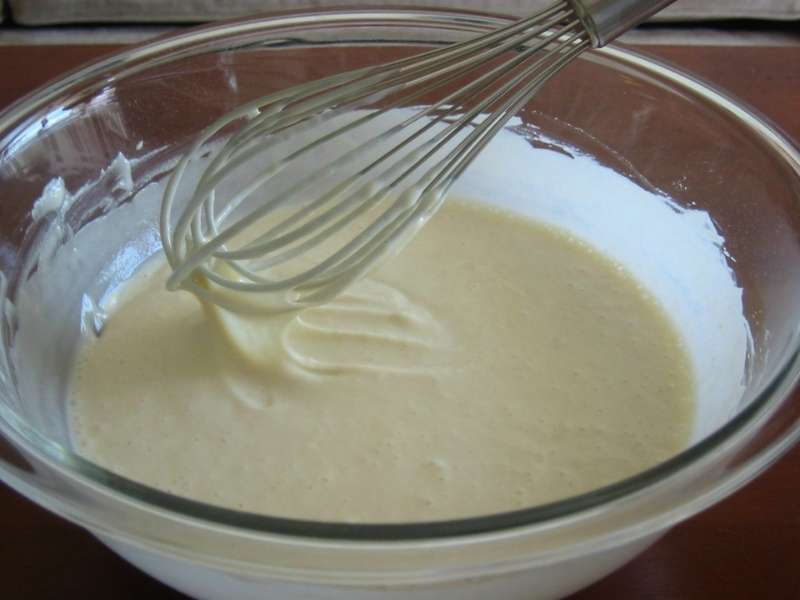
Mixing helps combine ingredients, but excessive mixing can create unwanted texture.
Flour contains proteins that can form gluten when mixed with liquid. Too much gluten development can make cakes, muffins, and some cookies tougher.
Mix cake batter only until the ingredients combine. When a recipe instructs you to fold something, use gentle movements rather than vigorous stirring.
Understanding terms such as folding and creaming can make recipes much easier to follow. Baking Terms Explained (Fold, Cream, Knead & More For Beginners) provides useful explanations.
5. Ignoring the Type of Flour
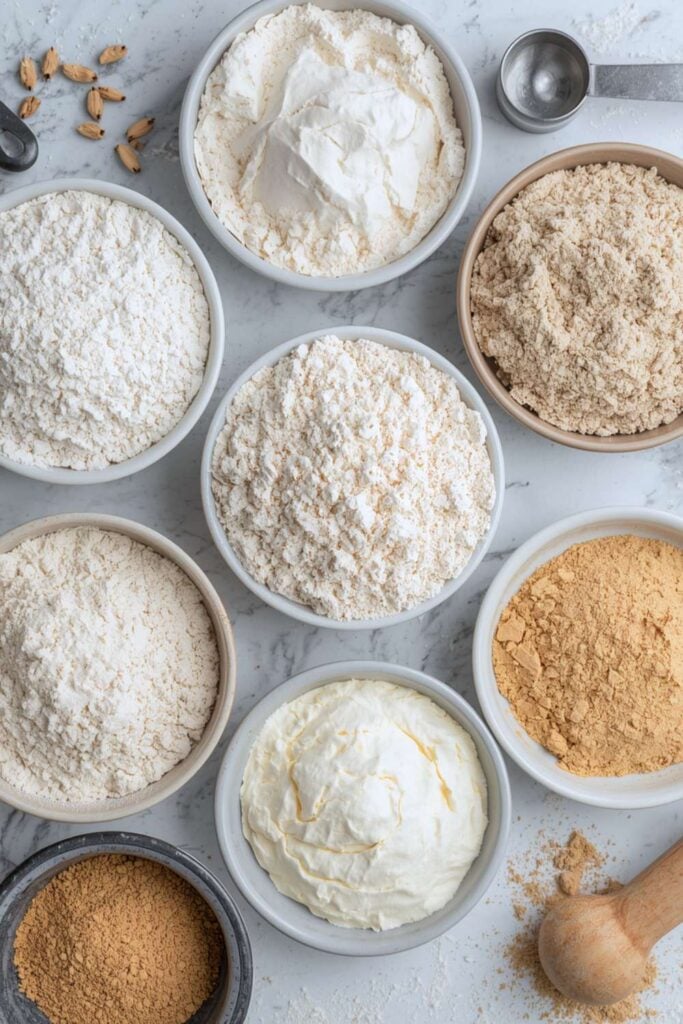
Different flours contain different amounts of protein and behave differently during baking.
All-purpose flour works well for many desserts. Cake flour produces a softer texture in suitable recipes. Bread flour contains more protein and can create a chewier structure.
Swapping flour without understanding its properties can change your dessert considerably.
Always consider the flour specified in your recipe before making substitutions. Learn more through Types of Baking Flour and When to Use Them.
6. Adding Too Much Leavening Agent
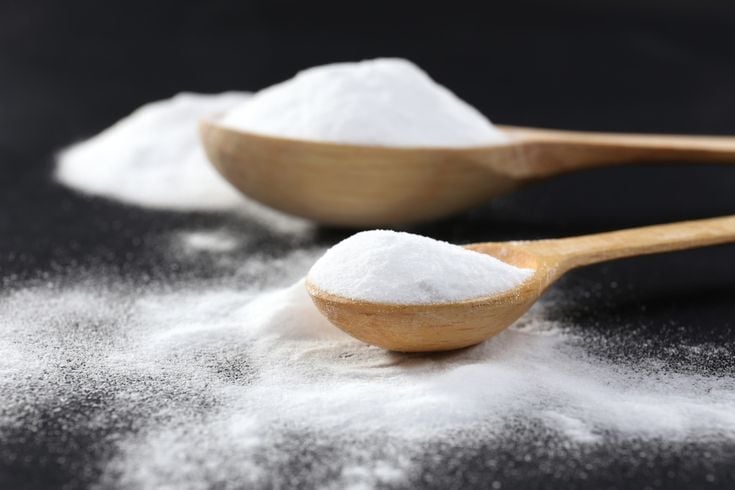
Baking soda and baking powder help desserts rise, but more does not mean better.
Too much baking powder can create excessive expansion followed by collapse. Excess baking soda can also leave an unpleasant taste.
Measure these ingredients carefully with proper measuring spoons.
Check the recipe before adding any leavener. Also, avoid assuming that baking soda and baking powder work interchangeably.
Their chemical roles differ, so substitutions require careful consideration.
For a deeper explanation of ingredient functions, read Baking Ingredients Explained: What Every Ingredient Actually Does.
7. Opening the Oven Too Often
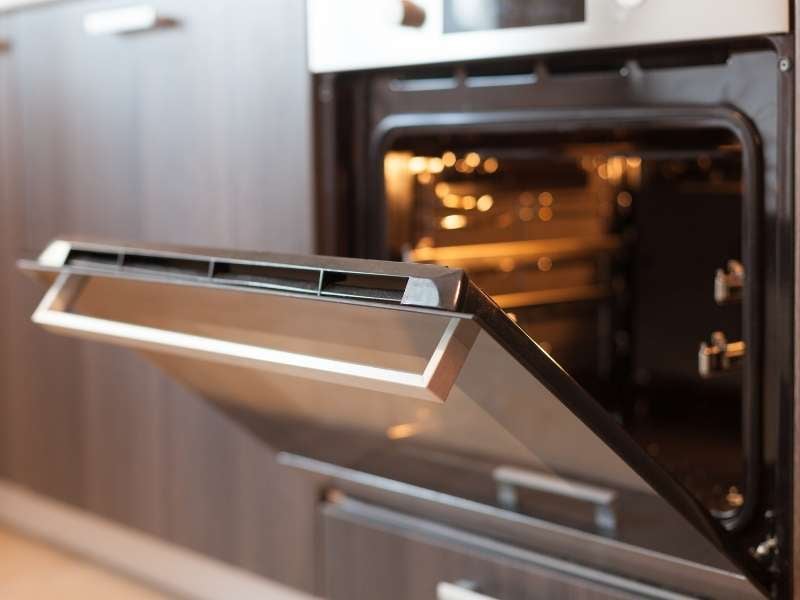
Opening the oven repeatedly allows heat to escape.
Sudden temperature changes can interfere with desserts that rely on steady heat for structure. Cakes can collapse, soufflés can lose volume, and some pastries may develop uneven textures.
Try to keep the oven door closed during the early stages of baking.
Use the oven light and window when available. Check the dessert only when the recipe indicates that it should be ready for testing.
Maintaining stable heat becomes easier when you understand Understanding Baking Temperatures for Better Results.
8. Trusting the Oven Dial Completely
Your oven’s displayed temperature may not always match the actual temperature inside.
An oven thermometer can help you identify temperature differences. This simple tool can explain why one recipe consistently finishes too early or too late.
Preheat the oven fully before placing your dessert inside.
Also, avoid placing multiple trays in positions that block proper airflow unless the recipe specifically supports that arrangement.
Temperature control plays a major role in baking science. The Science of Baking Made Simple for Beginners explains why heat changes ingredients during baking.
9. Using the Wrong Pan Size
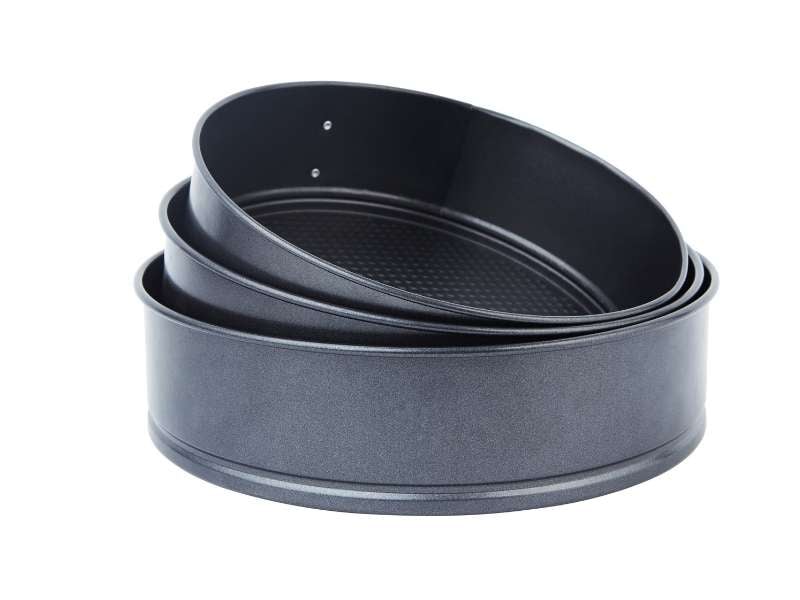
Pan size affects baking time, depth, and heat distribution.
Pouring cake batter into a smaller pan can create a deeper layer that takes longer to bake. A larger pan can create a thinner layer that finishes faster.
Always check the recommended pan dimensions before starting.
If you need to substitute a pan, adjust the baking time and monitor the dessert closely.
Do not fill cake pans excessively. Leave enough space for expansion.
10. Forgetting to Prepare the Pan
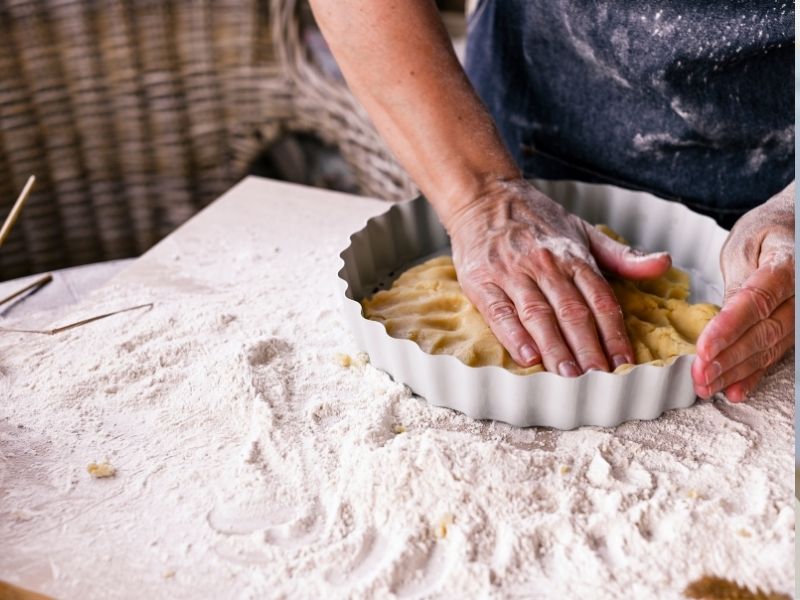
Desserts can stick badly when pans lack proper preparation.
Depending on the recipe, you may need butter, oil, flour, parchment paper, or a combination of these methods.
Cake pans often benefit from parchment on the bottom. Cookie sheets may work well with parchment or silicone mats.
Proper preparation also makes finished desserts easier to remove without breaking delicate edges.
If your cakes frequently stick or develop structural problems, 23 Cake Baking Mistakes and How to Avoid Them offers additional troubleshooting ideas.
11. Cutting Desserts Too Soon
Freshly baked desserts often need time to finish setting.
Cutting a cake immediately can create messy slices. Brownies can appear underdone even when they simply need more cooling time.
Cheesecakes also benefit from adequate cooling before slicing.
Place baked desserts on a cooling rack when appropriate. Allow enough time for the internal structure to stabilize.
For cakes, use a clean knife and wait until the dessert reaches a suitable serving temperature.
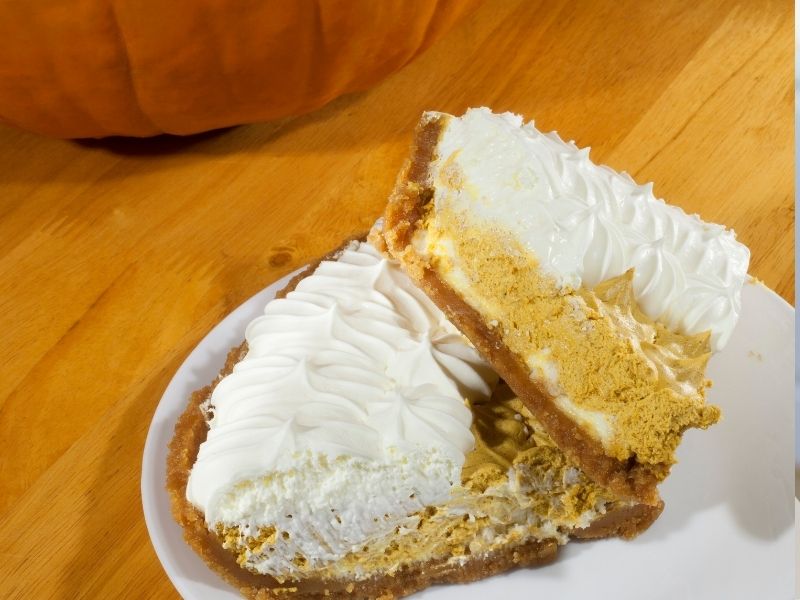
12. Overbaking Desserts
Overbaking removes too much moisture.
Cookies can become hard. Cakes can turn dry. Brownies can lose their fudgy center.
Do not rely solely on the recipe’s stated baking time. Oven temperatures, pan materials, dessert size, and altitude can affect cooking time.
Start checking near the lower end of the suggested baking range.
Use visual and physical cues to determine doneness. For cakes, learn How to Know When Your Cake Is Properly Baked.
13. Using Cold or Melted Butter Incorrectly
Butter plays several roles in dessert recipes.
Softened butter can help create air during creaming. Melted butter produces a different texture and mixing behavior.
Cold butter often helps create flaky pastry because solid pieces remain within the dough during baking.
Replacing one form with another without adjusting the recipe can change your results.
For a closer comparison of different fats, explore Butter vs Margarine in Baking: Does It Really Matter?.
Understanding fat also helps explain why different desserts have different textures.
14. Making Unplanned Ingredient Substitutions
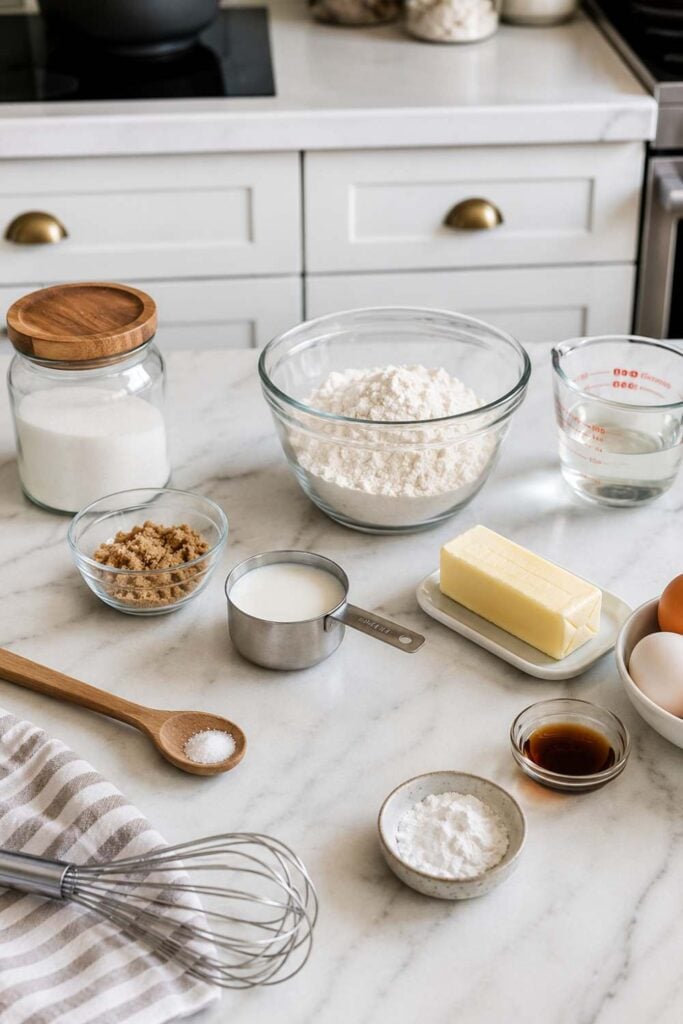
Running out of an ingredient can tempt you to make a quick replacement.
Some substitutions work well. Others can completely change the chemistry of a recipe.
Replacing eggs, flour, sugar, butter, or dairy products requires more consideration than simply matching quantities.
Before making a swap, understand what the original ingredient contributes.
For practical alternatives, consult the Baking Substitutions Guide (When You’re Missing Ingredients).
This approach helps you avoid unexpected changes in moisture, sweetness, structure, and browning.
15. Neglecting Proper Cooling
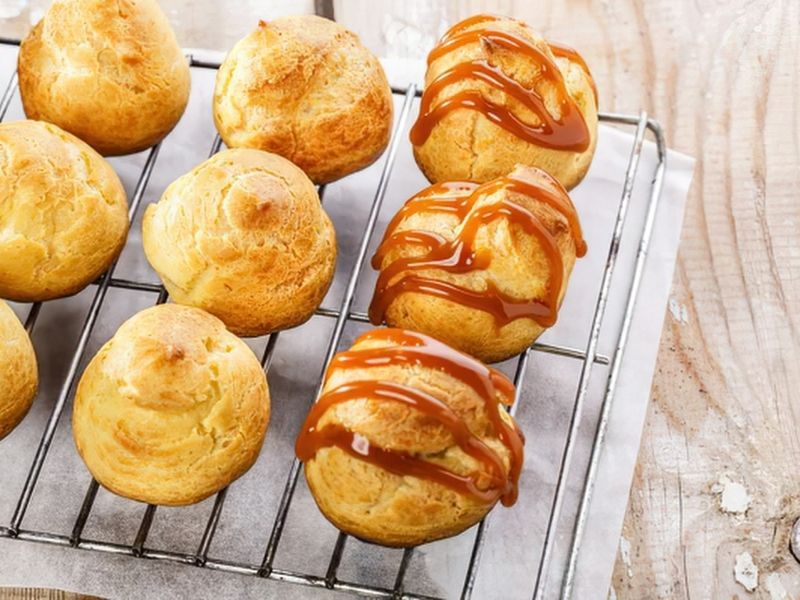
Cooling affects texture just as much as baking.
Cookies can continue firming after removal from the oven. Cakes need time to settle before frosting. Pastries may become soggy if trapped in steam immediately after baking.
Move suitable baked goods onto cooling racks instead of leaving them on hot trays for too long.
However, delicate desserts sometimes need specific cooling methods. Follow the recipe rather than applying one technique to everything.
Good storage also matters after cooling. How to Store Baked Goods to Keep Them Fresh Longer covers useful storage practices.
16. Adding Frosting to a Warm Cake
Warm cake and frosting rarely make a good combination.
Heat can soften buttercream, melt chocolate decorations, and cause layers to slide.
Allow cake layers to cool completely before applying most frostings.
You can also chill layers briefly when the recipe supports it. A chilled cake often becomes easier to stack and decorate.
Use a cake turntable and offset spatula for smoother finishing.
If cake decorating interests you, 19 Easy Ways to Make Bakery-Style Cookies at Home offers additional ideas for creating polished homemade treats.
17. Ignoring Texture and Appearance During Storage
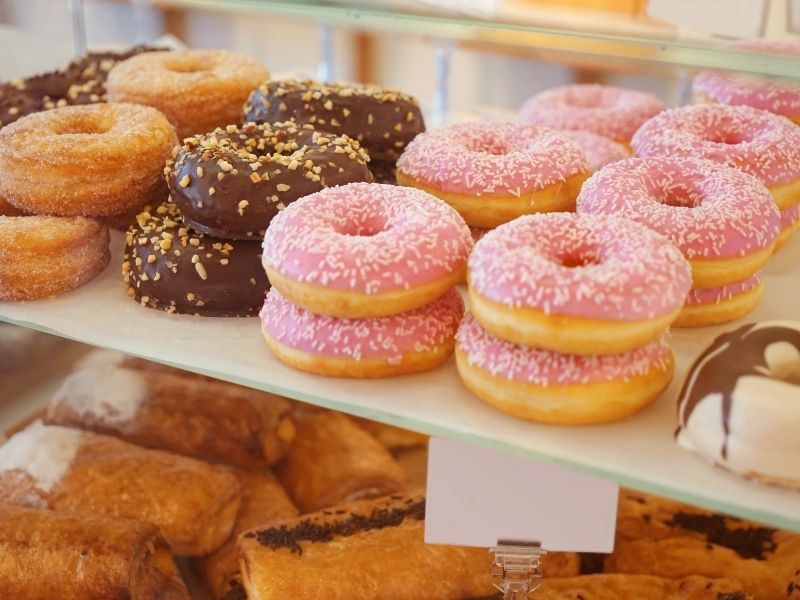
Dessert quality can decline quickly after baking if storage conditions do not suit the recipe.
Crispy cookies can soften in humid environments. Cakes can dry out when left uncovered. Pastries can lose their flaky texture when trapped in moisture.
Choose storage methods based on the dessert.
Airtight containers work well for many soft baked goods. Some crisp pastries need airflow rather than sealed storage.
Separate desserts with different moisture levels when possible.
Food-safe storage containers also help prevent odors and moisture transfer.
For more ideas, explore Best Food Storage Containers for Bakers.
Why Ingredient Quality Matters
Ingredient quality can influence flavor, aroma, texture, and appearance.
Fresh eggs, good-quality butter, suitable flour, and properly stored leavening agents can improve consistency.
Old baking powder may lose effectiveness. Flour can also develop stale odors when stored poorly.
Sugar absorbs moisture from the surrounding environment, while chocolate can develop quality issues under unsuitable storage conditions.
Keep frequently used ingredients fresh and organized.
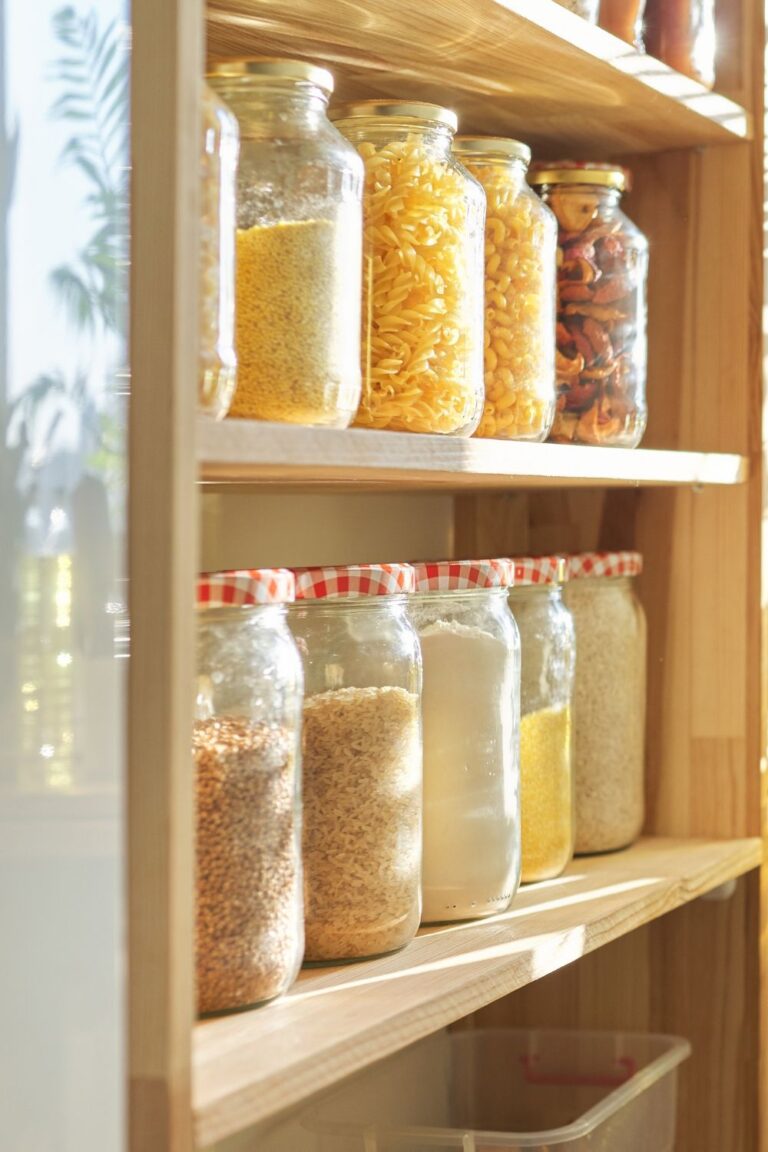
A well-stocked pantry also makes recipe preparation easier. Review Baking Pantry Essentials: What to Always Keep Stocked for useful pantry planning.
Why Dessert Texture Sometimes Changes
Texture depends on several factors working together.
Flour contributes structure. Fat contributes tenderness. Sugar affects sweetness, browning, and moisture. Eggs provide structure, emulsification, and moisture.
Temperature then changes how these ingredients interact.
For example, excessive flour can produce a dry cake, while excessive liquid can create a dense or gummy center.
Understanding each ingredient helps you troubleshoot problems instead of guessing.
You can strengthen your ingredient knowledge with The Different Types of Sugar Used in Baking Explained.
How to Avoid Mistakes Before Baking
Preparation can prevent many problems before they happen.
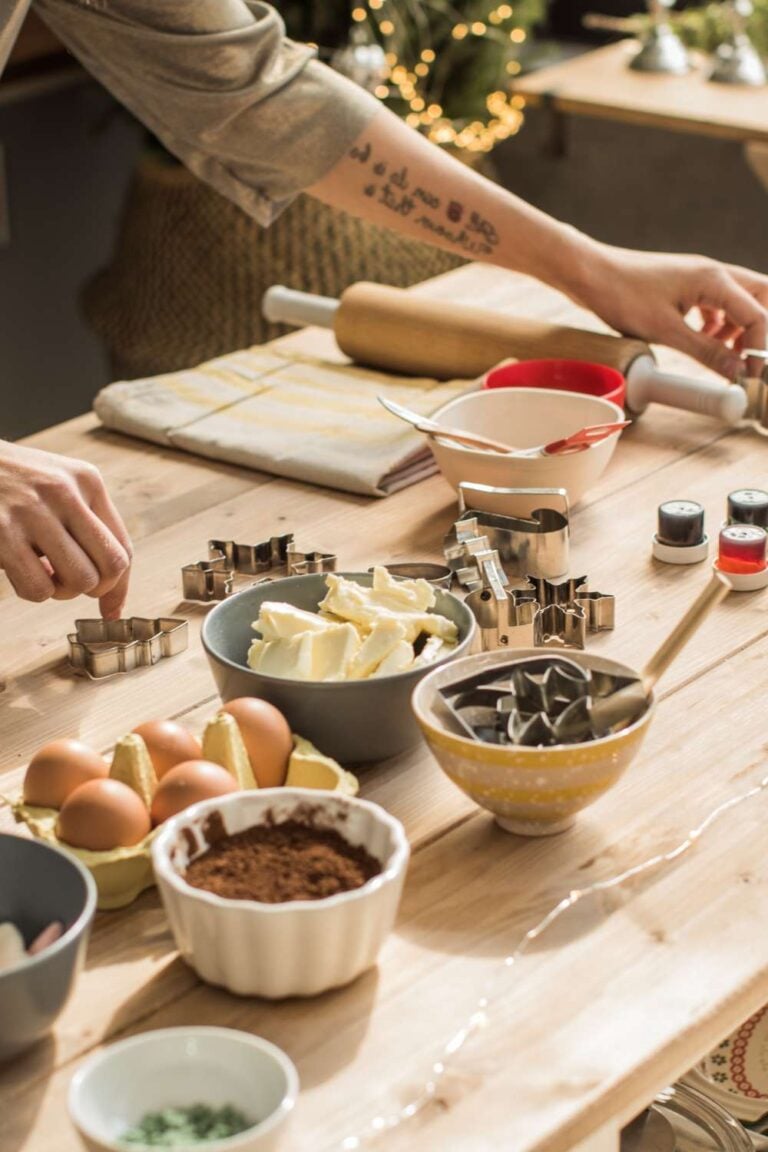
Read the entire recipe first. Measure every ingredient. Check your equipment. Preheat your oven. Prepare your pans.
Place ingredients in an organized workspace so you can work efficiently.
Keep your most-used equipment within easy reach. This approach also reduces interruptions during mixing.
For better organization, explore How to Organize Your Baking Ingredients Like a Pro.
A tidy baking station can make complex recipes feel much more manageable.
How to Improve Your Baking Technique
Improvement comes through observation and repetition.
Pay attention to batter consistency. Notice how butter changes after softening. Watch how cookies spread during baking.
Record useful adjustments after each recipe.
For example, you might discover that your oven runs hot or that a particular pan browns desserts faster.
These observations help you make smarter adjustments during future baking sessions.
You can also strengthen your general technique with Baking Tips That Instantly Improve Your Results.
Mistakes That Affect Cookies
Cookies often reveal mistakes through spreading, dryness, hardness, or uneven browning.
Overmixing can affect texture. Excess flour can make cookies dense. Warm dough can spread too quickly.
Baking sheets also matter. Dark pans can encourage faster browning.
Allow cookie dough to chill when the recipe calls for it.
Avoid overcrowding the baking sheet because cookies need room to spread.
For more troubleshooting help, read 17 Common Cookie Baking Mistakes and How to Fix Them.
Mistakes That Affect Pastries
Pastry dough requires careful temperature and handling.
Overworking the dough can reduce tenderness. Warm butter can disappear into the dough before baking.
Too much flour can also create a tough pastry.
Work quickly when recipes require cold ingredients. Chill the dough when necessary.
Use gentle pressure while rolling. Avoid repeatedly rolling scraps because each additional pass can affect tenderness.
For additional pastry guidance, see Puff Pastry vs Phyllo Dough vs Shortcrust What’s the Difference.
Mistakes That Affect Pies
Pie crust problems often begin with temperature, hydration, or handling.
Too much liquid can create tough pastry. Too little liquid can make dough difficult to bring together.
Overworking the dough can also develop unwanted gluten.
Keep butter cold when your recipe requires it. Chill shaped pastry before baking when appropriate.
Avoid stretching the dough excessively while fitting it into the pie dish.
For additional troubleshooting, read The Ultimate Guide to Pie Crusts for Beginners if that article is available on your site.
Mistakes That Affect Bread-Based Desserts
Yeast-based sweet breads require different techniques from cakes and cookies.
Incorrect yeast temperature can slow fermentation or damage yeast activity.
Too much flour can create dense dough. Insufficient kneading can also affect structure.
Allow dough enough time to rise according to the recipe and your kitchen conditions.
Room temperature, humidity, yeast freshness, and dough composition all influence fermentation.
Beginners can learn more through Beginner’s Guide to Baking Bread at Home.
Create a Better Baking Routine
A consistent routine makes dessert preparation easier.
Start by reading the recipe. Next, gather your ingredients and tools. Then measure everything before mixing.
Preheat the oven while preparing the batter when appropriate.
Clean as you work instead of leaving every dish until the end.
Finally, record what worked and what needs improvement.
These small habits can reduce stress and help you produce more consistent desserts.
For beginners who want stronger fundamentals, Baking Confidence Tips for Complete Beginners can help you approach unfamiliar recipes with greater confidence.
Final Thoughts
The 17 common dessert making mistakes above can affect everything from flavor and texture to appearance and storage life.
Most problems do not require expensive equipment or advanced techniques. Careful measuring, proper ingredient temperatures, correct mixing, suitable baking temperatures, and adequate cooling can make a major difference.
Start by correcting one habit at a time. Read recipes carefully, observe your ingredients, and pay attention to how your desserts respond to different techniques.
With consistent practice, mistakes become useful lessons rather than reasons to give up. Each baking session gives you another opportunity to understand your ingredients, improve your technique, and create desserts that look and taste better.