19 Different Types of Pastries From Around the World
Disclosure: Some of the links in this post are affiliate links. This means if you click on the link and purchase an item, I will receive an affiliate commission at no extra cost to you.
Pastry has a remarkable way of carrying culture from one kitchen to another. Flour, butter, oil, eggs, sugar, spices, and fillings can become completely different foods depending on where they are prepared.
Across Europe, Asia, Africa, the Middle East, and the Americas, bakers have developed distinctive pastries shaped by local ingredients and traditions. Some are crisp and flaky, while others are chewy, tender, creamy, or richly filled.
Exploring Different Types of Pastries also helps you understand how pastry techniques developed across different regions. Lamination creates the delicate layers found in croissants. Thin sheets of dough create the crisp texture of baklava and strudel. Choux pastry produces hollow shells for cream-filled desserts, while enriched dough creates pastries with a softer texture.
Before experimenting with international recipes, it helps to understand the fundamentals. The Beginner’s Guide to Homemade Pastries explains the basic techniques behind preparing, shaping, chilling, filling, and baking pastry dough.
19 Different Types of Pastries From Around the World
1. Croissant
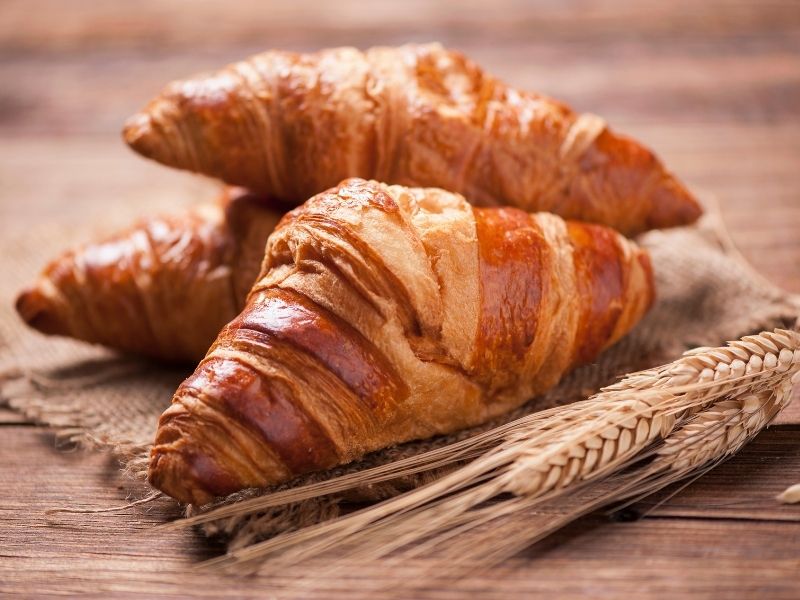
The croissant is one of the world’s most recognizable pastries.
Although strongly associated with France, its history is connected to the Austrian kipferl, an older crescent-shaped pastry. The French developed the laminated, buttery style that became internationally famous.
Croissants are made from an enriched yeast dough laminated with butter.
The dough is rolled and folded repeatedly.
This creates alternating layers of dough and butter.
During baking, moisture produces steam that expands between the layers.
The result is a crisp exterior with a light, airy interior.
Classic croissants are usually served plain.
Pain au chocolat, almond croissants, and ham-and-cheese versions demonstrate how the same technique can create different pastries.
Croissant dough requires patience because temperature control is essential.
The butter must remain cool and pliable.
The dough also needs enough resting time between folds.
Beginners interested in laminated pastry should understand the difference between dough types first. Puff Pastry vs Phyllo Dough vs Shortcrust: What’s the Difference provides a useful comparison.
2. Danish Pastry
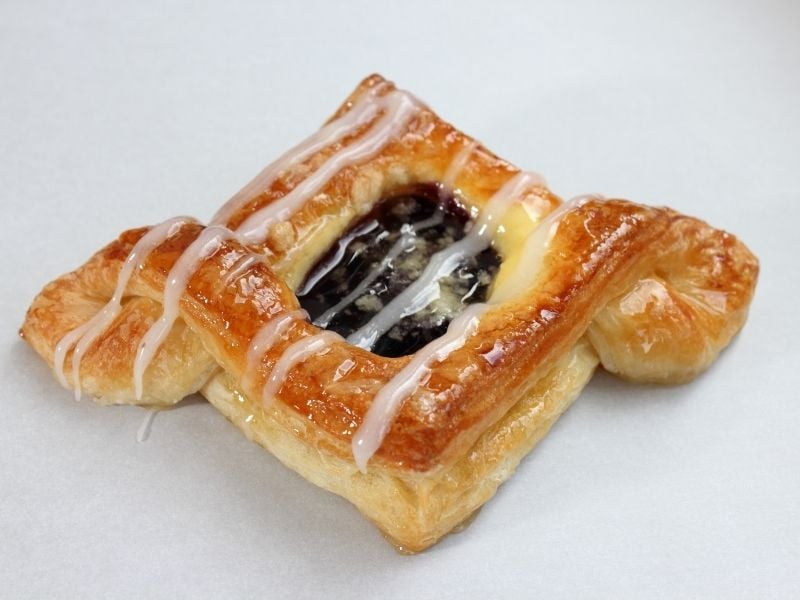
Danish pastry is another laminated pastry known for its buttery layers and attractive shapes.
It developed from European baking traditions and became particularly associated with Denmark.
Danish dough usually contains yeast, butter, eggs, milk, and sugar.
The dough is laminated before being shaped into different forms.
Fruit, custard, cream cheese, chocolate, nuts, and jam are common fillings.
Danish pastries can be braided, folded, twisted, or formed into spirals.
Their versatility makes them popular in bakeries around the world.
The finished pastry should have a crisp exterior and tender, layered center.
Temperature control remains important throughout preparation.
Warm butter can disappear into the dough instead of creating distinct layers.
See this next: Dream Baking Kitchen Inspiration (Pinterest – Worthy Setup)
3. Baklava
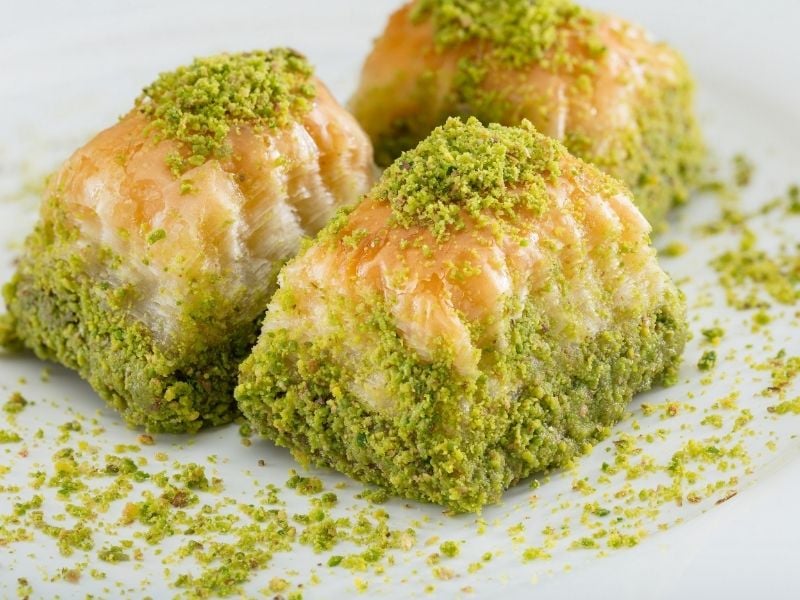
Baklava is a rich pastry associated with the Middle East, Eastern Mediterranean, and surrounding regions.
It consists of thin sheets of filo dough layered with butter and chopped nuts.
Walnuts, pistachios, and almonds are commonly used.
The pastry is baked until golden and crisp.
A sweet syrup is then poured over the baked layers.
The syrup absorbs into the pastry while the filo retains some of its characteristic texture.
Baklava can vary considerably depending on the country and family recipe.
Some versions contain cinnamon or cloves.
Others emphasize pistachios and lighter syrup.
The thin layers make filo handling an important part of preparation.
Each sheet needs careful handling because filo tears easily.
A pastry brush is especially useful for spreading butter between layers.
Read this: Puff Pastry vs Phyllo Dough vs Shortcrust What’s the Difference
4. Apple Strudel
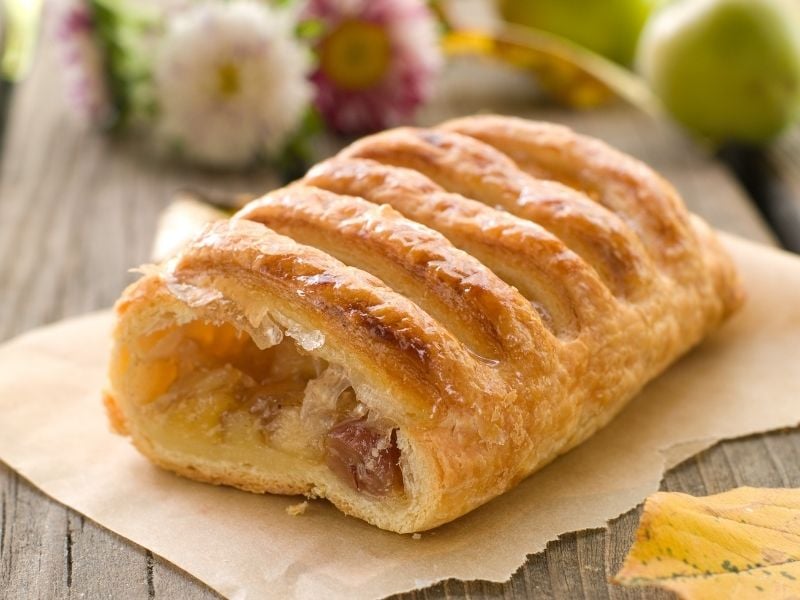
Apple strudel is strongly associated with Austria.
It features a thin pastry dough wrapped around a spiced apple filling.
The dough is stretched extremely thin before the filling is added.
Apples are usually combined with sugar, cinnamon, breadcrumbs, raisins, or nuts.
The filled dough is carefully rolled and baked until golden.
The finished strudel has a crisp exterior with a soft, fragrant filling.
The contrast between the pastry and warm apples makes it especially appealing when served fresh.
Strudel demonstrates how pastry does not always require laminated layers to achieve an impressive texture.
Its distinctive character comes from stretching the dough thinly and creating a generous filling.
Come here next: 15 Best Cookie Decorating Ideas for Every Holiday
5. Pastel de Nata
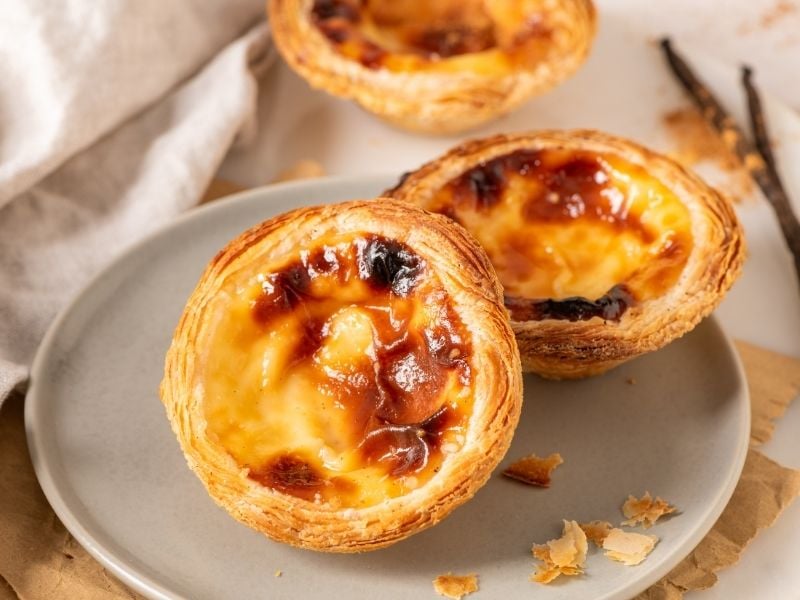
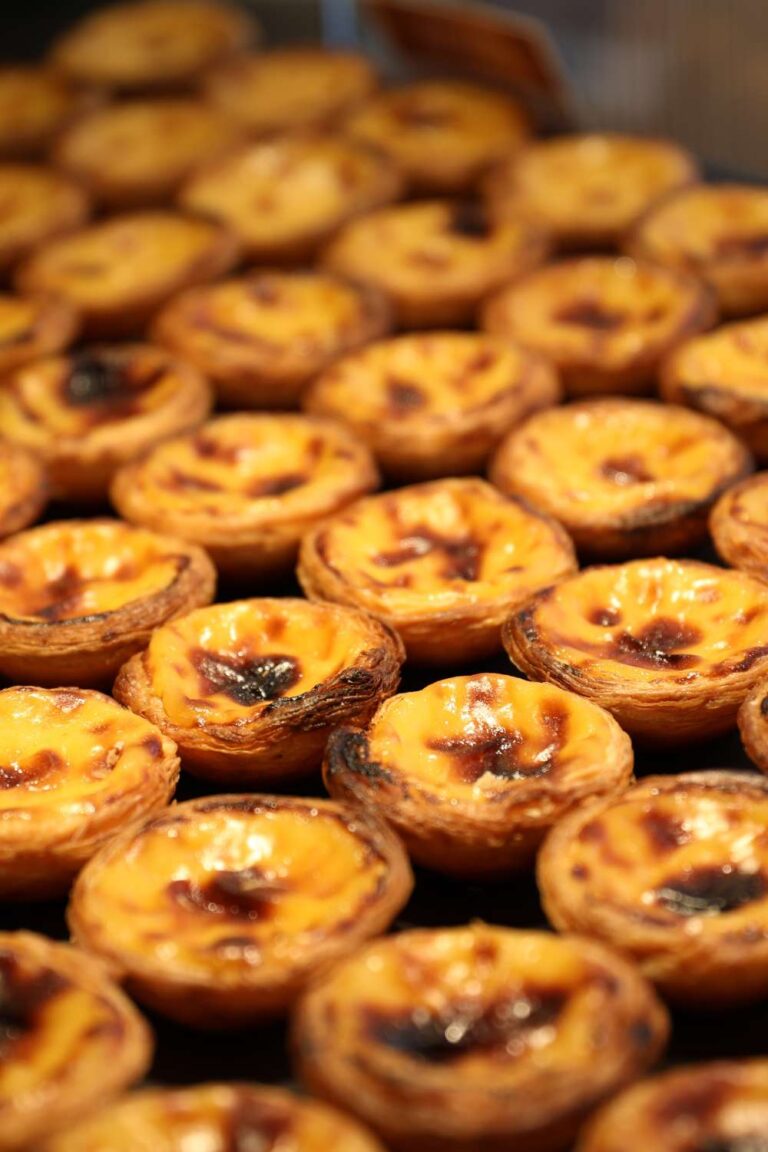
Pastel de nata is a Portuguese custard tart known for its flaky pastry shell and creamy center.
The pastry is typically baked at a high temperature.
This creates caramelized spots across the custard surface.
The exterior should be crisp and layered.
The custard should remain smooth and creamy.
Cinnamon and powdered sugar are often added before serving.
The pastry is strongly associated with Portuguese baking culture and has become popular internationally.
Its small size also makes it suitable for entertaining.
Making pastel de nata requires attention to both pastry preparation and custard consistency.
The pastry needs enough structure to hold the filling without becoming soggy.
Open this next: The Most Common Beginner Baking Questions Answered
6. Empanada
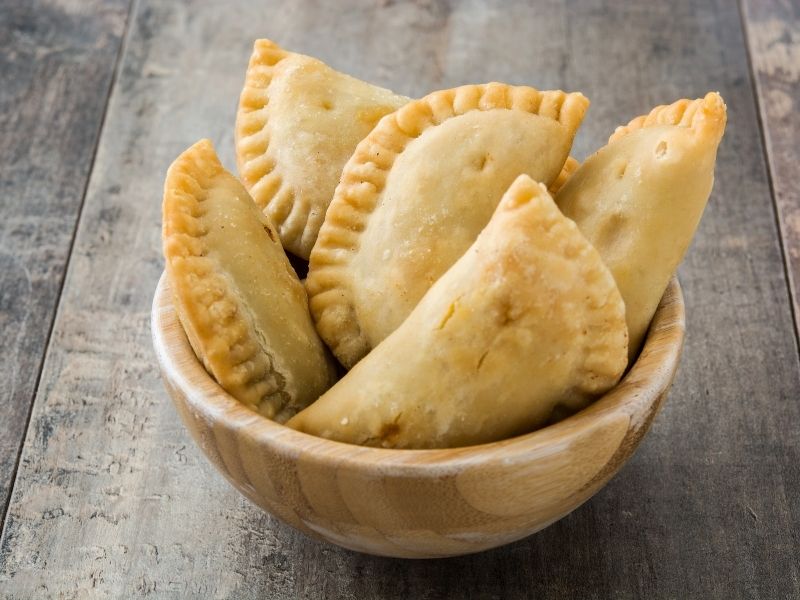
Empanadas are filled pastries found throughout Spain, Latin America, and other regions.
The exact recipe varies significantly by country.
Some versions are baked.
Others are fried.
Fillings can include beef, chicken, cheese, vegetables, seafood, or beans.
Sweet empanadas may contain fruit, chocolate, or sweetened fillings.
The dough is usually shaped into circles before filling.
The edges are folded and sealed to keep the filling inside.
A decorative crimp can also identify different fillings.
Empanadas demonstrate how pastry can serve as a complete meal rather than only a dessert.
Their portability also makes them practical for gatherings and packed meals.
Bookmark this: Ingredients Every Cake Baker Should Never Run Out Of
7. Samosa
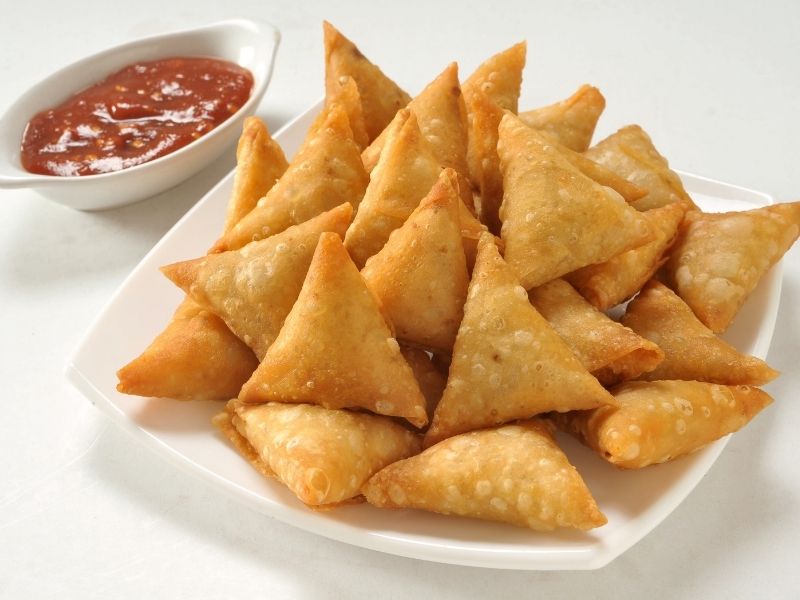
Samosas are widely associated with South Asian cuisine and are also enjoyed across parts of Africa and the Middle East.
They typically feature a crisp pastry shell filled with seasoned ingredients.
Potatoes, peas, onions, lentils, and spices are common vegetarian fillings.
Meat versions may contain minced beef, lamb, or chicken.
The dough is rolled thinly and shaped into a triangular pocket.
The filled pastry is traditionally deep-fried.
Some modern recipes use baking or air-frying methods.
The defining feature is the contrast between the crisp exterior and flavorful filling.
Spices such as cumin, coriander, chili, ginger, and garam masala can create a distinctive flavor profile.
Samosas show how pastry techniques can be adapted to savory foods.
Don’t lose this guide: Reasons Why Baking Is Good for Your Mental Health
8. Pasties
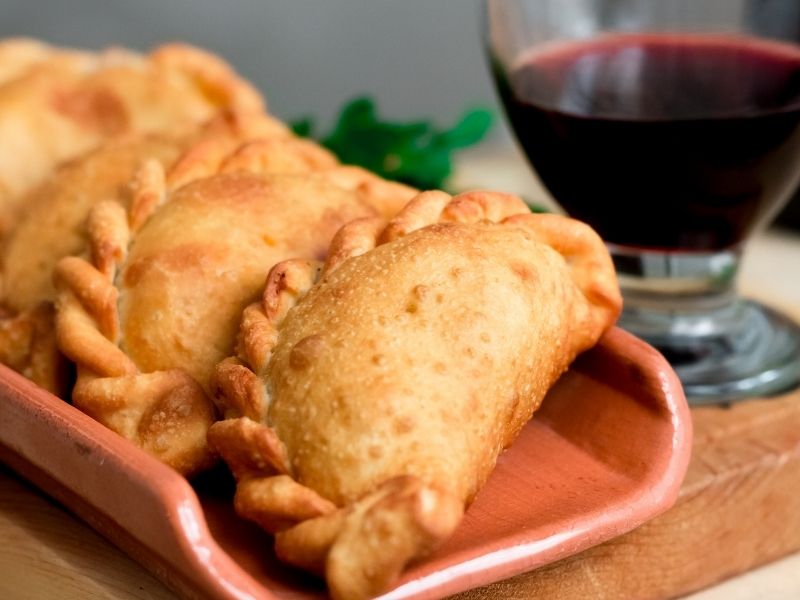
Pasties are traditionally associated with Cornwall in England.
They consist of pastry wrapped around a savory filling.
Traditional versions contain ingredients such as beef, potato, swede, and onion.
The pastry is folded into a semicircular shape.
A distinctive crimped edge seals the filling inside.
Historically, pasties provided a convenient meal for workers.
The sturdy pastry helped contain the filling and made the food portable.
Modern versions can include vegetarian fillings and other variations.
The pastry needs enough strength to hold its shape while remaining tender after baking.
Check this out: Best Food Storage Containers for Bakers
9. Sfogliatella
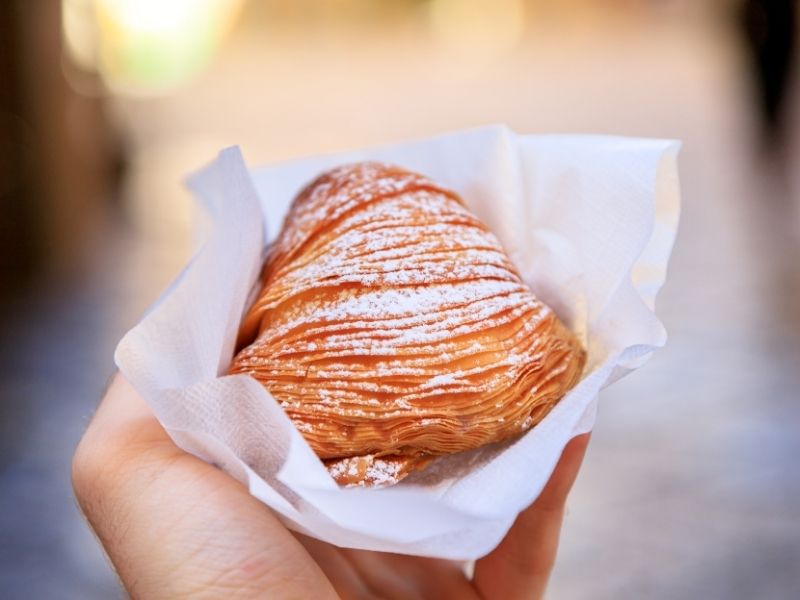
Sfogliatella is an Italian pastry associated with Naples.
Its name relates to the pastry’s many thin layers.
The shell has a distinctive ridged appearance.
Inside, the pastry traditionally contains a filling made with ricotta, semolina, sugar, and flavorings.
Orange zest and cinnamon may also contribute to the filling.
The exterior becomes crisp during baking.
The interior remains rich and creamy.
Sfogliatella requires skill because the layered shell needs careful shaping.
Its appearance alone demonstrates the importance of pastry technique.
This is one of the Different Types of Pastries worth studying if you want to understand intricate laminated pastry designs.
Pin this guide: How to Organize Your Baking Ingredients Like a Pro
10. Cannoli
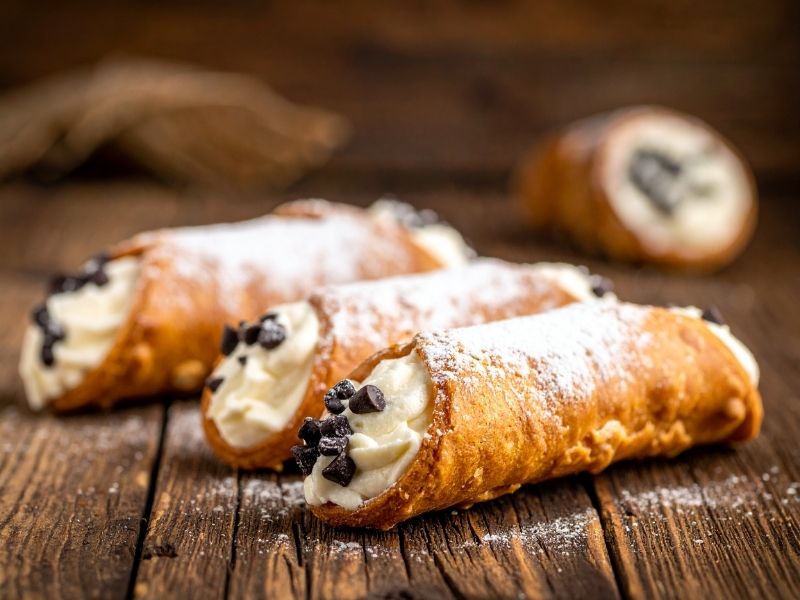
Cannoli originated in Sicily.
The pastry consists of a crisp fried shell filled with sweetened ricotta.
Traditional fillings can include chocolate, candied fruit, pistachios, or citrus zest.
The shells are made from a dough that is rolled thin and wrapped around cylindrical molds.
They are then fried until crisp.
Once cooled, the shells are filled.
The filling should generally be added close to serving time.
This prevents the shell from absorbing excessive moisture.
Cannoli demonstrate an important pastry principle.
Texture depends not only on preparation but also on when components are assembled.
A crisp shell and creamy filling create the desired contrast.
Read this next: Baking Confidence Tips for Complete Beginners
11. Pithivier
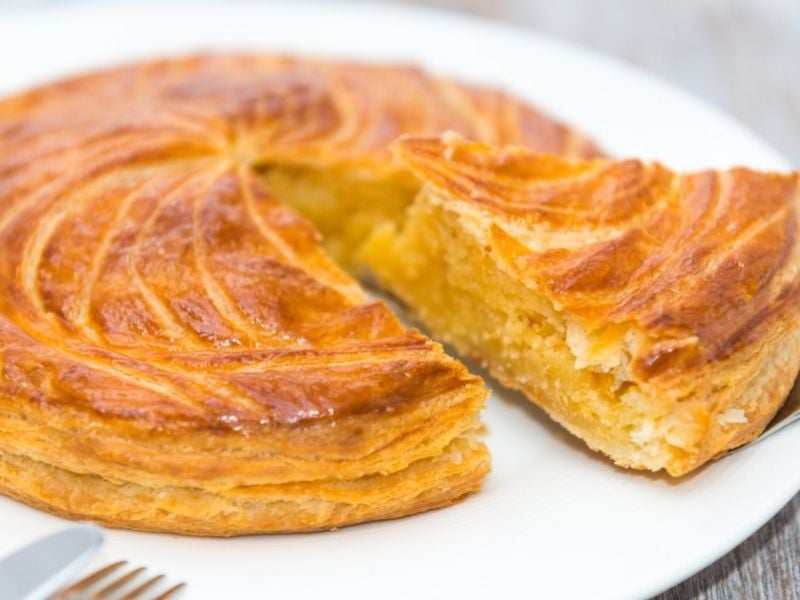
Pithivier is a French pastry traditionally made with puff pastry.
It is usually round and decorated with curved patterns scored across the top.
A sweet almond filling is commonly associated with the classic version.
Frangipane provides a rich, nutty interior.
The pastry is sealed around the filling and baked until deeply golden.
The decorative scoring creates an elegant appearance.
Savory versions can contain meat, vegetables, mushrooms, or other fillings.
Pithivier demonstrates how puff pastry can be transformed into an impressive centerpiece without complicated decorating equipment.
A sharp knife is enough to create the classic curved patterns.
Come here next: Baking Hobby Ideas That Make Baking Even More Fun
12. Kouign-Amann
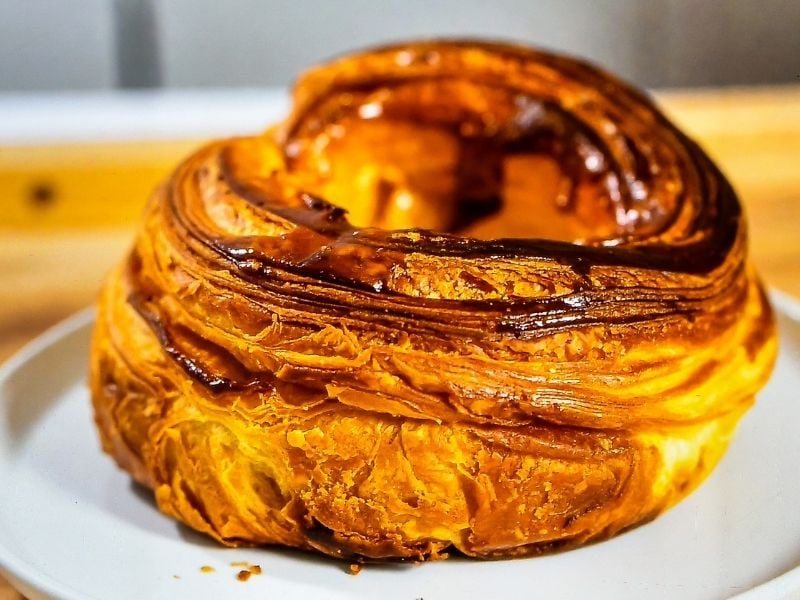
Kouign-amann comes from Brittany in France.
Its name refers to cake made with butter.
The pastry uses laminated dough with generous amounts of butter and sugar.
The sugar caramelizes during baking.
This creates a crisp, deeply browned exterior.
The interior remains layered and tender.
Kouign-amann can be challenging because the dough contains considerable butter and sugar.
Temperature control becomes especially important.
The dough must remain manageable during folding.
The finished pastry combines caramelization with buttery layers.
This makes it distinctly different from a plain croissant.
You’ll like this: The Most Common Beginner Baking Questions Answered
13. Mille-Feuille
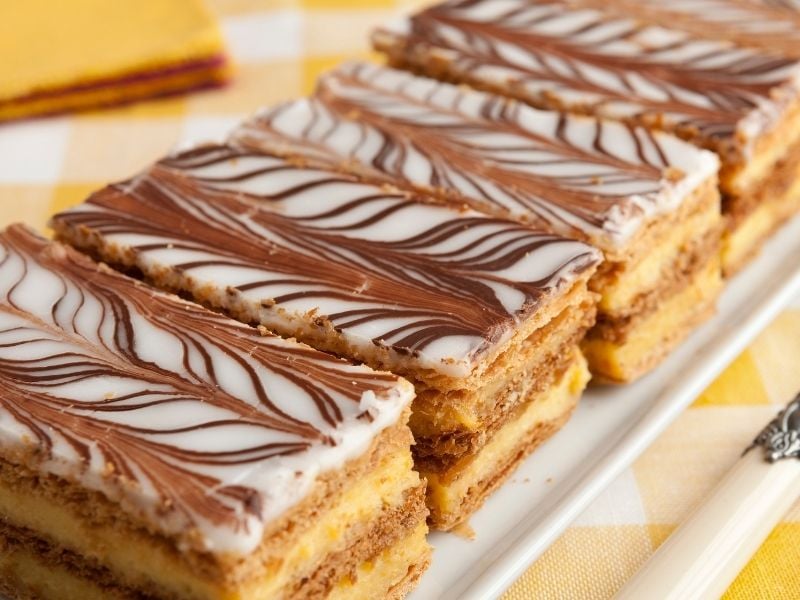
Mille-feuille translates roughly to “thousand leaves,” referring to its many pastry layers.
The dessert traditionally combines layers of puff pastry with pastry cream.
The top may be finished with icing or powdered sugar.
The pastry must be baked until crisp and thoroughly developed.
The layers are then assembled with creamy filling.
A properly prepared mille-feuille offers contrast between crisp pastry and smooth cream.
Cutting it neatly can be challenging.
A sharp serrated knife or careful slicing technique helps preserve the layers.
Mille-feuille demonstrates why pastry baking involves both preparation and assembly.
Even excellent puff pastry can become difficult to eat when assembled too thickly.
More guides for you: 23 Cake Baking Mistakes and How to Avoid Them
14. Éclair
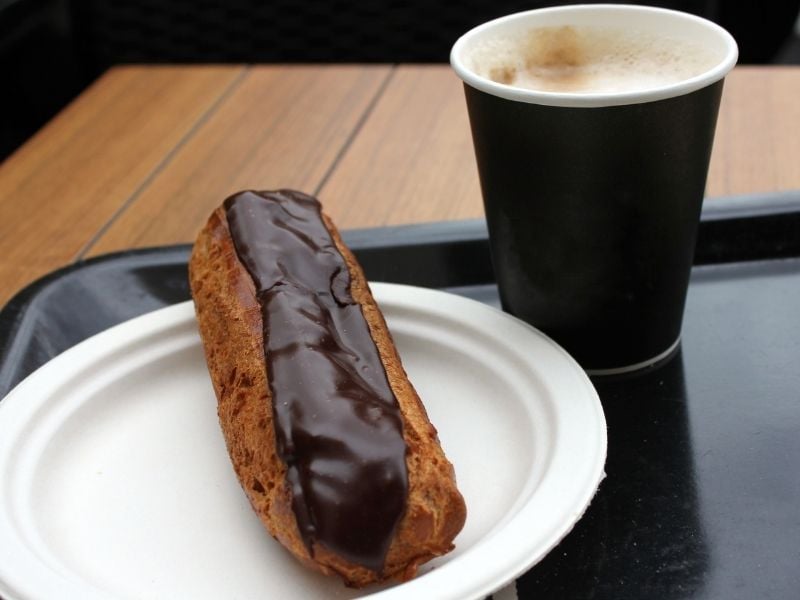
The éclair is a French pastry made from choux pastry.
Unlike laminated pastries, choux pastry is prepared by cooking flour with liquid and fat before incorporating eggs.
The resulting dough is piped into elongated shapes.
During baking, steam expands inside the dough.
This produces a hollow interior.
Once cooled, the pastry can be filled with pastry cream, whipped cream, or other fillings.
Chocolate glaze is a classic topping.
Coffee, vanilla, pistachio, caramel, and fruit flavors are also common.
The pastry needs to bake thoroughly so the interior structure remains stable after filling.
An underbaked éclair can collapse or become difficult to fill.
15. Beignet
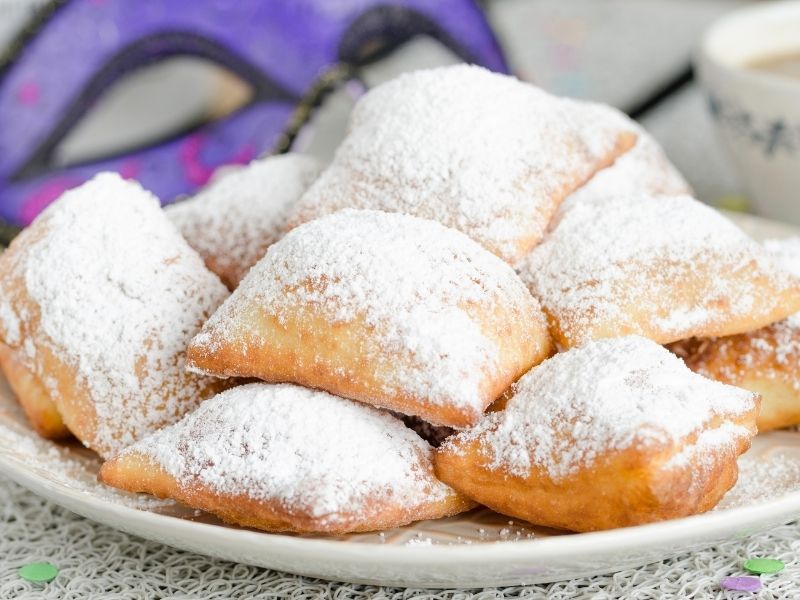
Beignets are associated with French and French-influenced baking traditions, particularly New Orleans.
They are pieces of enriched dough that are traditionally fried.
After frying, they are generously dusted with powdered sugar.
The exterior becomes crisp while the interior remains soft.
Beignets are usually served warm.
Their simple appearance makes them approachable for home bakers.
The biggest challenge is maintaining the correct frying temperature.
Oil that is too hot can brown the exterior too quickly.
Oil that is too cool can make the pastry greasy.
Although beignets are fried rather than oven-baked, they still demonstrate important dough-handling skills.
16. Jalousie
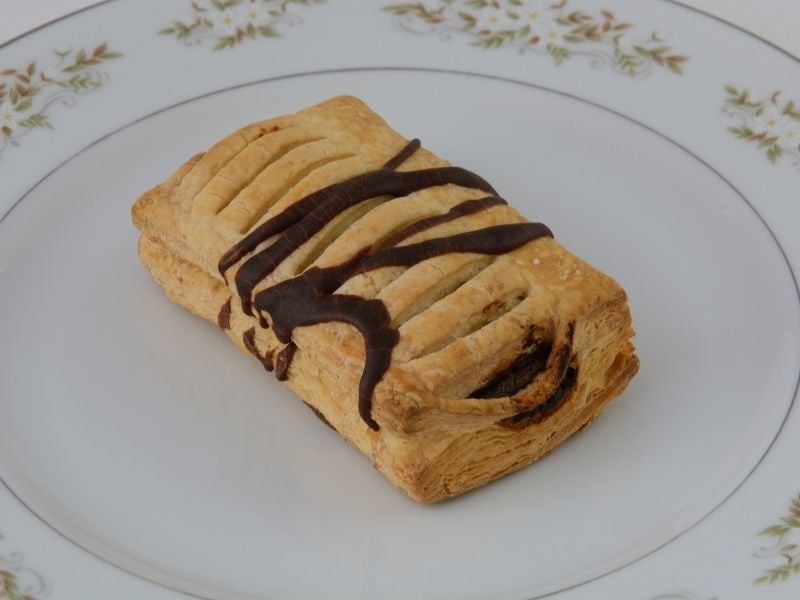
Jalousie is a French pastry made from puff pastry.
It usually contains a sweet filling beneath a top layer of pastry that has been cut into narrow slits.
The slits spread during baking.
This creates a distinctive window-like appearance.
Fruit fillings are particularly popular.
Apple, apricot, and pear can work beautifully.
The pastry needs to be chilled before baking to help preserve its structure.
The slits should be cut carefully.
Cutting too deeply can cause the top to separate completely.
Jalousie offers a relatively simple way to create an elegant pastry using puff pastry and a sharp knife.
17. Medialuna
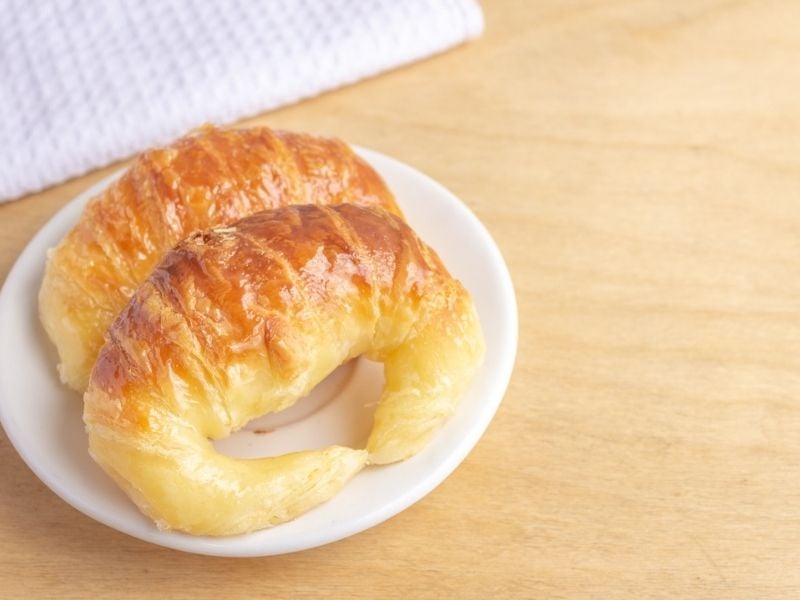
Medialunas are crescent-shaped pastries associated with Argentina and other parts of South America.
The name means “half moon.”
They resemble croissants but generally have their own texture, shape, and preparation style.
Two common varieties include sweet and savory versions.
Sweet medialunas may receive a syrup or glaze after baking.
Savory versions can be paired with cheese, ham, or other fillings.
The pastry is often enjoyed with coffee.
Its crescent shape makes it visually similar to French croissants, but the preparation and final eating experience can differ.
This illustrates why similar pastry shapes do not necessarily mean identical recipes.
18. Melon Pan
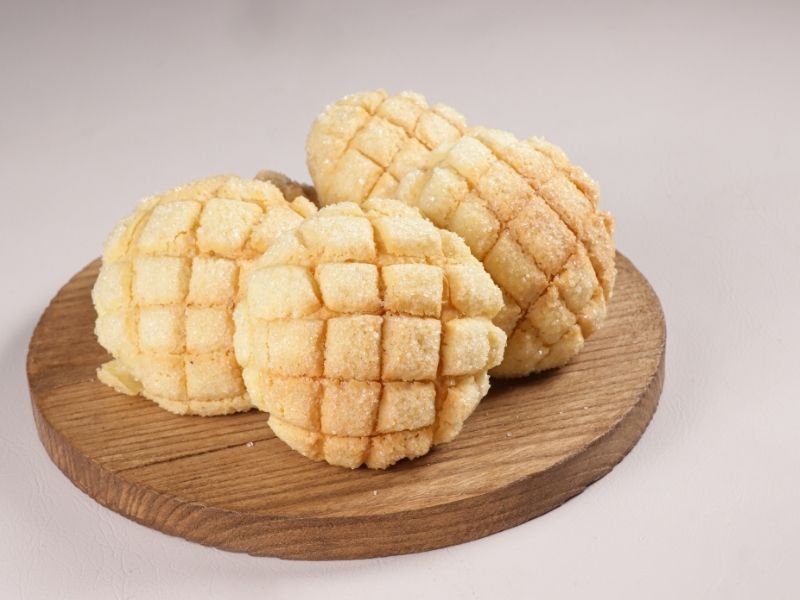
Melon pan is a Japanese sweet bread with a distinctive patterned exterior.
Despite its name, traditional melon pan does not necessarily contain melon.
The name comes from its appearance.
A layer of cookie dough covers the bread dough.
During baking, the cookie layer develops a crisp surface.
The bread underneath remains soft.
A grid pattern is usually scored across the top.
The contrast between crunchy cookie crust and fluffy bread makes melon pan especially distinctive.
Modern versions may contain chocolate, melon flavoring, cream, or other fillings.
Melon pan shows how different baking techniques can be combined in one pastry-like treat.
19. Bakpia
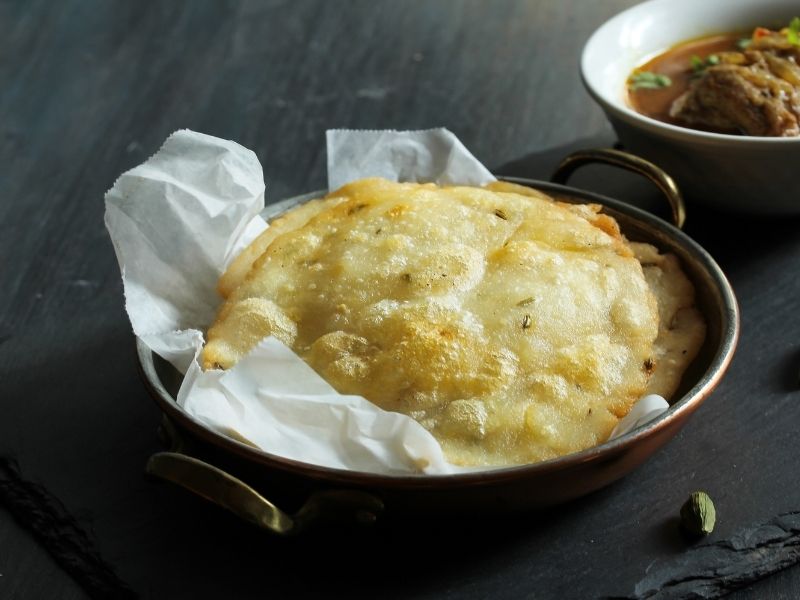
Bakpia is an Indonesian pastry associated particularly with Yogyakarta.
It commonly consists of a soft pastry shell surrounding a sweet mung bean filling.
Modern versions may contain chocolate, cheese, or other fillings.
The pastry has a delicate exterior and rich center.
Its preparation demonstrates the diversity of Asian pastry traditions.
Unlike laminated French pastries, bakpia relies on different dough and filling techniques.
The finished pastries are generally small and individually portioned.
Their size makes them popular as snacks and gifts.
Bakpia is an excellent example of how local ingredients can become central to a distinctive pastry tradition.
What Makes These Different Types of Pastries Unique?
The biggest difference between international pastries often comes down to dough structure.
Shortcrust pastry contains a relatively high proportion of fat and creates a tender, crumbly texture.
Laminated dough creates layers through repeated folding and rolling.
Filo uses extremely thin sheets to produce delicate crispness.
Choux pastry relies on steam to create hollow interiors.
Enriched doughs contain ingredients such as eggs, milk, butter, or sugar to create softer and richer results.
Filled pastries add another layer of variation.
Fruit, custard, cream, nuts, meat, vegetables, cheese, and legumes can completely change the character of the same basic pastry concept.
The techniques also differ.
Some pastries are baked.
Others are fried.
Some require extensive chilling.
Others can move directly from shaping to cooking.
Learning these distinctions makes pastry recipes easier to understand.
For a useful introduction to pastry terminology, Baking Terms Explained (Fold, Cream, Knead & More For Beginners) can help you understand the instructions commonly used in recipes.
How Ingredients Influence Pastry Texture
Ingredients determine much of a pastry’s final texture.
Flour provides structure.
Fat contributes tenderness and flavor.
Water activates gluten and brings dough together.
Eggs can provide structure, richness, color, and moisture.
Sugar contributes sweetness and browning.
Yeast creates fermentation and expansion in enriched doughs.
Different fats can also produce different results.
Butter is especially valued for its flavor and ability to create flaky layers.
Shortening can produce tenderness and a different mouthfeel.
Understanding ingredient functions allows you to troubleshoot recipes more effectively.
Baking Ingredients Explained: What Every Ingredient Actually Does provides additional information about how common baking ingredients influence finished products.
Pastries Can Be Sweet or Savory
Pastry is not limited to desserts.
Many traditional pastries are savory.
Empanadas can contain meat and vegetables.
Samosas are filled with spiced vegetables or meat.
Pasties contain hearty savory fillings.
Savory Danish pastries can contain cheese and vegetables.
Puff pastry can surround mushrooms, spinach, chicken, or other ingredients.
This makes pastry incredibly versatile.
A single pastry dough can sometimes support several different flavor combinations.
Savory pastry also offers an excellent way to practice pastry techniques without focusing exclusively on desserts.
Why Pastry Temperature Matters
Temperature is one of the most important factors when preparing many pastries.
Cold butter is especially important for flaky pastry.
When butter becomes too warm, it can blend into the dough.
This reduces the separation between layers.
During baking, properly positioned butter releases steam.
That steam contributes to the lift and flakiness associated with laminated pastry.
Your working environment also matters.
A warm kitchen can soften butter quickly.
Chilling the dough between stages can help maintain the correct structure.
For a deeper explanation, Understanding Baking Temperatures for Better Results explores the role temperature plays throughout baking.
Measuring Ingredients for International Pastry Recipes
International recipes may use different measurement systems.
One recipe might use grams.
Another might use cups.
A third may use ounces.
Converting measurements incorrectly can affect the dough significantly.
This becomes particularly important with flour.
Volume measurements can vary depending on how tightly the flour is packed.
Using a digital scale can improve accuracy.
When trying a pastry from another country, keep the original measurement system whenever possible.
This makes it easier to reproduce the intended proportions.
Choosing Pastries Based on Your Skill Level
Some pastries are more beginner-friendly than others.
Simple shortcrust pastries provide a useful starting point.
Empanadas and turnovers can help beginners practice filling and sealing.
Fruit galettes offer an easier alternative to intricate pie designs.
Croissants and puff pastry require greater patience because of lamination.
Choux pastry requires attention to consistency.
Mille-feuille requires careful assembly.
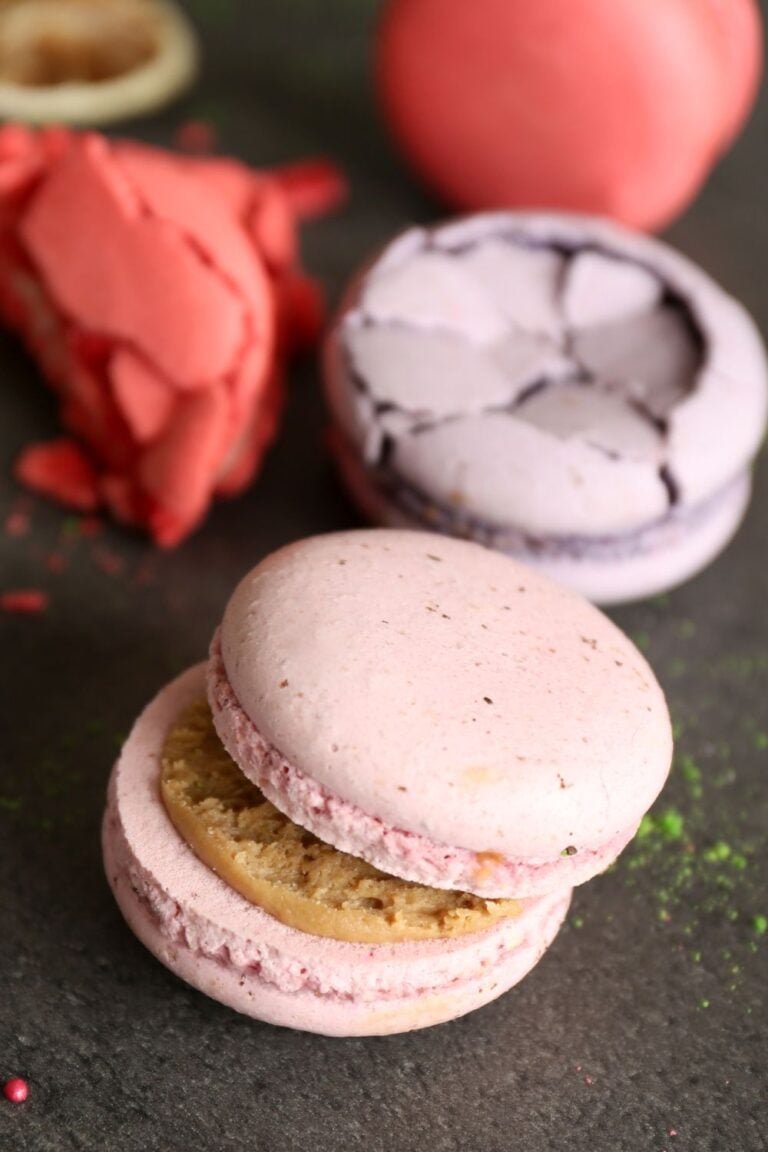
French macarons also demand precision, especially when preparing the shells.
If you want to explore another technically demanding baked treat, The Complete Beginner’s Guide to French Macarons explains the foundations behind this delicate dessert.
How to Explore International Pastries at Home
You do not need to recreate 19 pastries immediately.
Choose one pastry that matches your current skill level.
Start with a recipe that uses ingredients you can source easily.
Read the entire recipe before beginning.
Prepare the ingredients before handling the dough.
Keep butter chilled when required.
Measure carefully.
Allow enough time for resting and chilling.
Take notes during the process.
Record what worked and what you would change next time.
This approach helps you develop pastry skills rather than simply following recipes mechanically.
If you need help understanding recipe instructions before starting, How to Read a Baking Recipe Correctly Before You Start offers useful guidance.
How to Store Different Pastries
Storage requirements vary according to the pastry.
Crisp pastries should be protected from moisture.
Cream-filled pastries often require refrigeration.
Fruit-filled pastries can soften as moisture moves through the crust.
Fried pastries may lose their crispness over time.
Allow baked pastries to cool before placing them into storage containers.
Trapping heat can create condensation.
That moisture can make crisp pastry soft.
Use suitable containers and avoid overcrowding delicate pastries.
For more detailed storage advice, How to Store Baked Goods to Keep Them Fresh Longer explains how storage conditions affect different baked goods.
Turning International Pastries Into Baking Inspiration
Learning about international pastries can influence your own baking.
You might combine a familiar dough with an unfamiliar filling.
A classic fruit turnover could receive a spiced filling inspired by another cuisine.
A tart could incorporate tropical fruit.
A Danish could use local jam or seasonal ingredients.
The goal is not necessarily to change traditional recipes.
Instead, learning different techniques can expand your understanding of what pastry can become.
This is especially useful for bakers who want to develop original recipes.
If you’re interested in using baking creatively, Baking Hobby Ideas That Make Baking Even More Fun offers ways to make experimentation more enjoyable.
Pastries as Cultural Food
Pastries often carry cultural meaning beyond their ingredients.
They can appear at holidays, family celebrations, religious events, festivals, markets, and everyday breakfasts.
A pastry may represent a regional tradition passed between generations.
Recipes can also change as they travel.
Immigration, trade, and cultural exchange have influenced pastry traditions around the world.
This is why some pastries have related versions in several countries.
Food history is rarely completely isolated.
Bakers borrow techniques, adapt ingredients, and create new variations.
That constant exchange has contributed to the incredible variety we see today.
Final Thoughts
Exploring Different Types of Pastries reveals just how diverse baking traditions can become when local ingredients meet creative techniques.
Croissants demonstrate the beauty of laminated dough.
Baklava showcases delicate filo layers and nut-filled richness.
Empanadas transform pastry into a portable savory meal.
Pastel de nata combines crisp pastry with creamy custard.
Samosas demonstrate how thin dough can surround intensely seasoned fillings.
Mille-feuille highlights the contrast between crisp pastry and smooth cream.
Melon pan combines soft bread with a crisp cookie exterior.
Each pastry has its own preparation method, texture, history, and cultural identity.
You do not need to master every pastry in this list.
Choose one that interests you and learn its technique carefully.
Practice the dough.
Pay attention to temperature.
Measure accurately.
Give the pastry enough time to rest.
Learn from each batch.
As your skills develop, move from simpler pastries toward laminated and filled varieties.
You can also use international pastry traditions as inspiration for your own recipes without losing sight of the techniques that make each pastry distinctive.
The most rewarding part of exploring global pastry is discovering that the same basic ingredients can create remarkably different results. Flour, fat, liquid, eggs, sugar, and fillings can become hundreds of textures and shapes through different methods.
That variety makes pastry baking an endlessly interesting skill to develop.