Why Did My Cake Sink in the Middle? 21 Common Reasons and How to Fix Them
Disclosure: Some of the links in this post are affiliate links. This means if you click on the link and purchase an item, I will receive an affiliate commission at no extra cost to you.
Few baking moments feel more disappointing than opening the oven and seeing a beautiful cake slowly collapse in the center. You followed the recipe, watched the batter rise, and expected a soft, fluffy finish. Instead, the middle sank while the edges stayed high. The good news is that this problem usually has a clear cause.
Understanding Why Did My Cake Sink in the Middle? starts with looking at everything that happens before, during, and after baking. Ingredient measurements, mixing techniques, oven temperature, pan size, and baking time can all affect the final structure. Even small changes can prevent the center from setting properly.
If you are still learning the foundations of baking, start with The Ultimate Beginners Guide to Baking (Everything You Need To Know to Start) for helpful beginner guidance.
In this guide, we will examine the most common reasons cakes sink in the middle. You will also learn how to identify the problem, prevent it next time, and rescue a cake that has already collapsed. With a few adjustments, you can bake taller, more stable cakes with confidence.
Why Did My Cake Sink in the Middle? 21 Common Reasons and How to Fix Them
1. You Opened the Oven Too Early
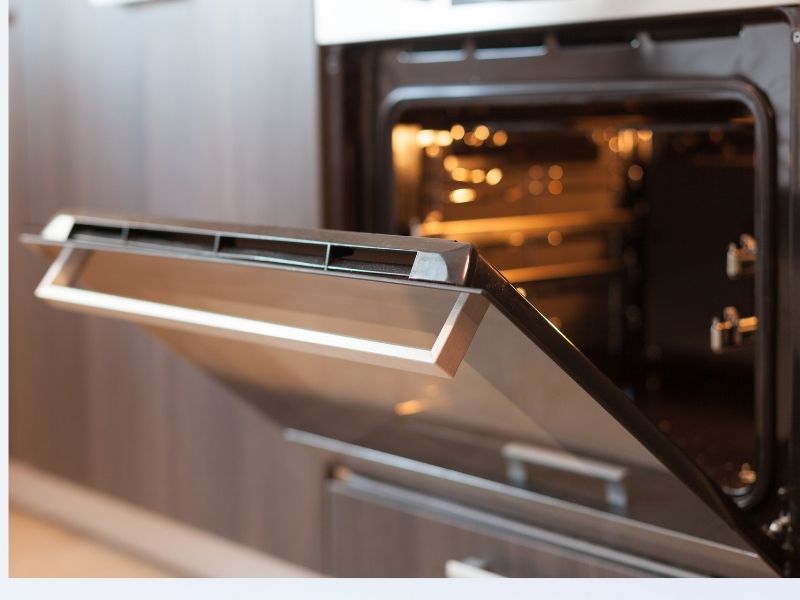
Opening the oven door too early can cause a cake to collapse.
During the first part of baking, the batter develops its structure. The proteins, starches, eggs, and flour gradually create a stable framework.
When you open the oven, cold air enters quickly.
That sudden temperature change can interrupt the rising process.
The center may fall because it has not developed enough strength to hold its height.
Try to keep the oven door closed during the early stages.
Use the oven light instead.
If you need to check the cake, wait until it looks mostly set around the edges.
Understanding Why Did My Cake Sink in the Middle? becomes easier when you consider how much the cake depends on stable heat.
For more troubleshooting advice, read Common Baking Mistakes and How to Fix Them Fast.
2. Your Oven Temperature Runs Too Low
An oven that runs too cool can create an unstable cake.
The batter may rise slowly.
However, the center might remain too soft while the outer edges finish first.
Eventually, the center cannot support itself.
Then it collapses.
Many home ovens display temperatures that differ from their actual internal temperature.
For that reason, an inexpensive oven thermometer can provide useful information.
Also, allow the oven to preheat fully before placing the cake inside.
Do not rely only on the preheat beep.
Give the oven enough time to reach and stabilize at the required temperature.
You can learn more about oven heat in Understanding Baking Temperatures for Better Results.
3. Your Oven Temperature Runs Too High
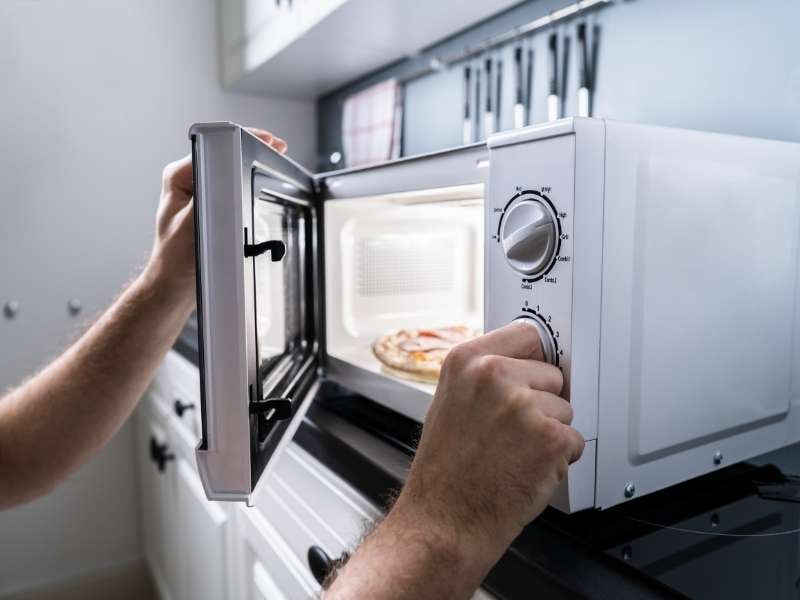
An excessively hot oven can create another problem.
The outside of the cake may set quickly.
Meanwhile, the center continues cooking.
The crust then becomes firm before the interior develops enough structure.
After you remove the cake, the softer center can sink.
A high temperature can also cause rapid rising.
The cake expands quickly before the structure becomes strong enough to support it.
Therefore, use the temperature listed in your recipe.
If your cakes repeatedly brown too quickly, check your oven temperature.
You may need to reduce the temperature slightly or reposition the pan.
4. You Added Too Much Leavening Agent
Baking powder and baking soda help cakes rise.
However, more does not mean better.
Too much leavening creates excessive gas.
The cake may rise dramatically during baking.
Then, once the gas escapes, the fragile structure can collapse.
This creates a sunken center.
Always measure baking powder and baking soda accurately.
Do not add extra because you want a taller cake.
Also, check the freshness of your leavening agents.
Old products may produce inconsistent results.
For a deeper look at baking chemistry, read The Science of Baking Made Simple for Beginners.
5. You Used Too Much Liquid
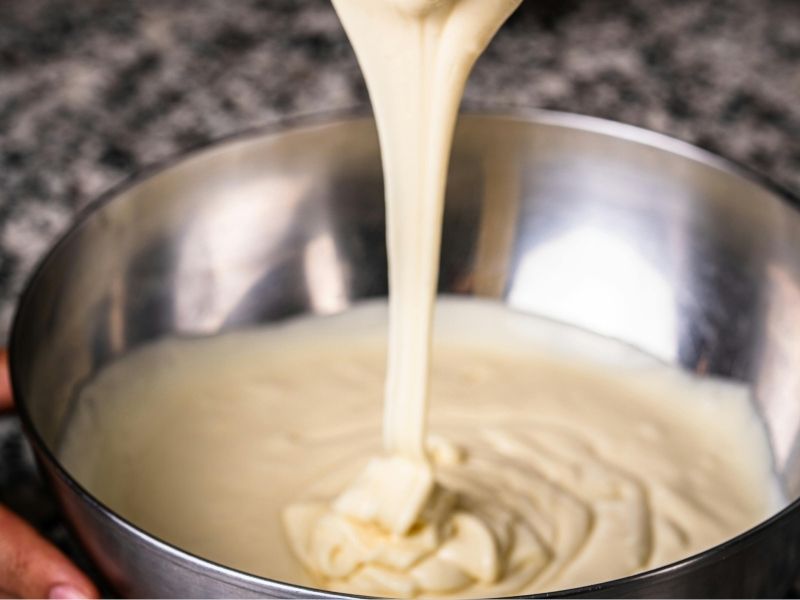
Too much milk, water, oil, or another liquid can weaken cake batter.
The excess moisture changes the balance between liquid and dry ingredients.
As a result, the flour may struggle to create enough structure.
The cake can rise around the edges while the middle stays soft.
Later, that center may collapse.
Measure liquids carefully.
Avoid estimating quantities by eye.
Also, remember that ingredients such as fruit puree, yogurt, and sour cream contribute moisture.
If you modify a recipe, consider the total liquid content.
For accurate measurements, keep Baking Measurements Conversion Chart (Cups, Grams, Ounces Explained) nearby.
6. You Added Too Much Sugar
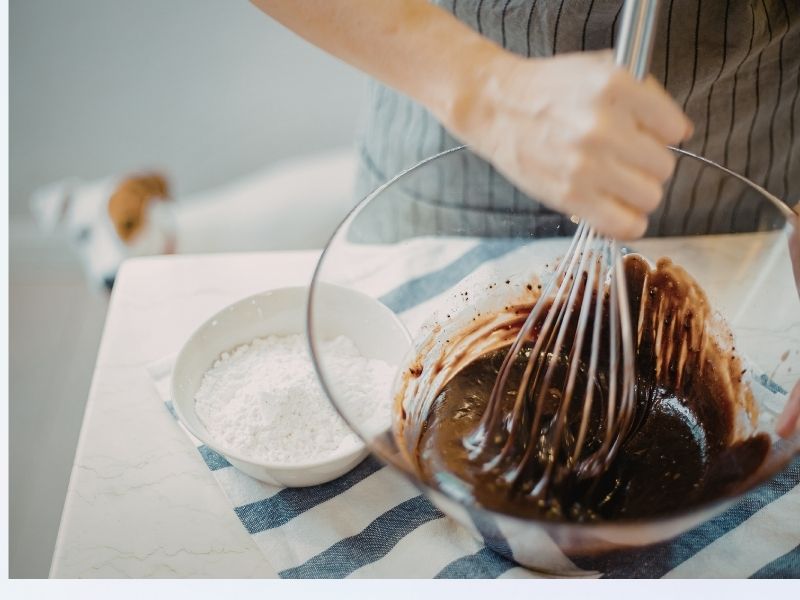
Sugar does more than sweeten cake.
It also affects moisture, tenderness, browning, and structure.
Excess sugar can make batter too soft.
The cake may rise beautifully at first.
However, the center might remain delicate for too long.
That creates a higher risk of collapse.
Follow the recipe quantities closely.
Avoid adding extra sugar because you prefer sweeter cakes.
If you need to change sweetness, choose a recipe designed for that adjustment.
You can also learn more about sugar in The Different Types of Sugar Used in Baking Explained.
7. You Underbaked the Cake
One of the most common answers to Why Did My Cake Sink in the Middle? involves insufficient baking time.
A cake can look finished on the outside while remaining undercooked inside.
The edges may appear golden.
The center may also look slightly firm.
However, the internal structure might still need more time.
Use a toothpick or cake tester when appropriate.
Insert it into the center.
It should come out clean or with a few moist crumbs, depending on the recipe.
Also, gently press the center.
A properly baked cake should usually spring back.
For more guidance, read How to Know When Your Cake Is Properly Baked.
8. Your Cake Pan Was Too Small
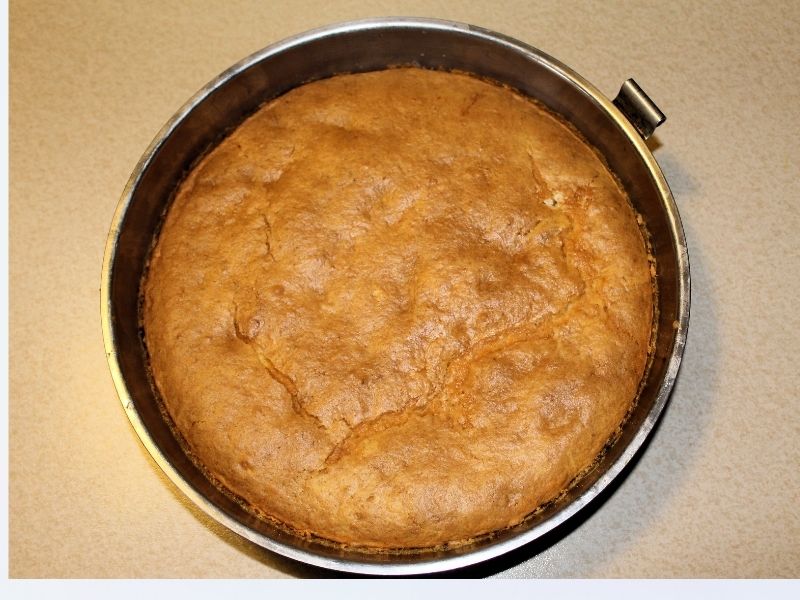
Pan size affects baking dramatically.
A small pan creates a deeper layer of batter.
That deeper batter takes longer to cook through.
Meanwhile, the edges receive more direct heat.
The outside can finish before the center.
Then the middle collapses.
Always check the recommended pan size.
If you use a smaller pan, you may need to adjust the baking time.
However, avoid filling pans excessively.
Most cake pans should only contain the amount of batter recommended for their design.
9. You Used Too Much Batter
Overfilling a cake pan can create uneven baking.
The batter needs enough room to expand.
When you add too much, the center becomes very deep.
That makes even cooking more difficult.
The cake may rise above the pan.
Then the middle can collapse as it cools.
As a general habit, follow the recipe’s recommended filling level.
For cupcakes, avoid filling every cavity to the very top.
For layer cakes, distribute the batter evenly.
That creates consistent layers and predictable baking.
10. You Mixed the Batter Too Much
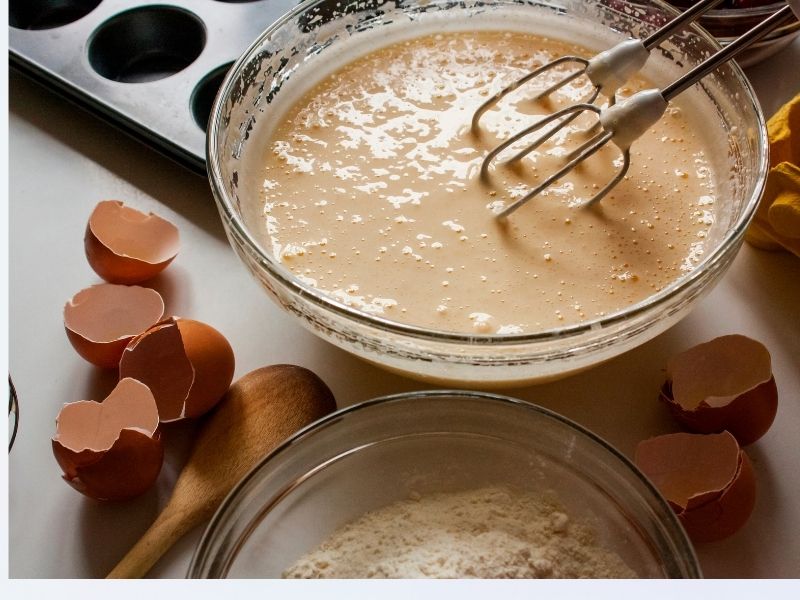
Overmixing can affect cake texture.
When you mix flour with liquid, gluten begins developing.
Some gluten helps create structure.
Too much development can produce a dense or chewy cake.
It can also affect how the batter rises.
Follow the mixing instructions carefully.
Once you add flour, mix only until the ingredients combine unless the recipe requires additional mixing.
Use gentle movements when the recipe calls for folding.
If baking terminology confuses you, explore Baking Terms Explained (Fold, Cream, Knead & More For Beginners).
11. You Did Not Mix Enough
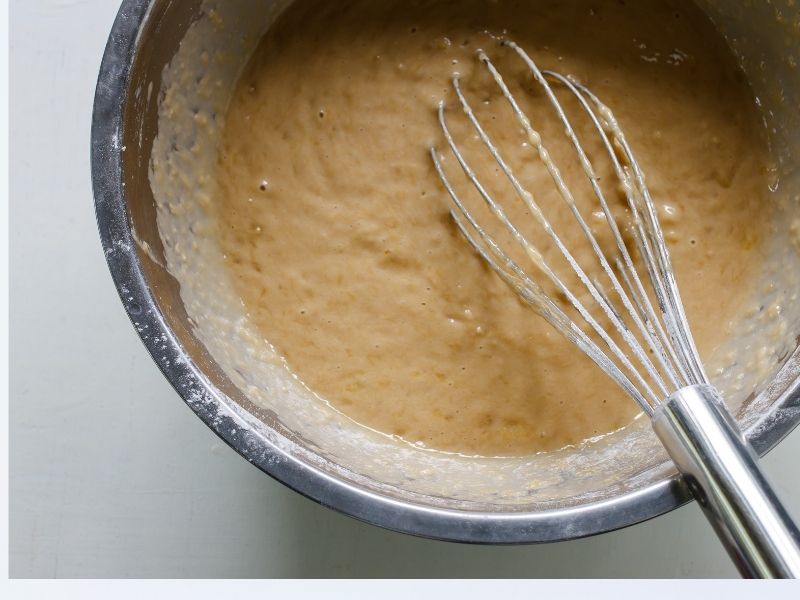
Under-mixing can also create problems.
Unevenly distributed ingredients may leave pockets of flour, fat, sugar, or leavening.
That produces inconsistent texture.
Some areas may rise more than others.
Other sections may remain dense.
Mix according to the recipe instructions.
Scrape the sides and bottom of the bowl when necessary.
However, stop once the batter reaches the correct consistency.
Good mixing requires balance.
You need enough movement to distribute ingredients without unnecessarily developing gluten.
12. You Used Cold Ingredients When the Recipe Needed Room Temperature Ingredients
Many cake recipes work best when ingredients reach room temperature.
Cold eggs, butter, or dairy can affect how ingredients combine.
For example, room-temperature butter can cream more effectively with sugar.
That process helps incorporate air.
Cold ingredients may create a less uniform mixture.
The final batter may therefore have a weaker structure.
Before starting, check the recipe requirements.
Place refrigerated ingredients on the counter ahead of time when appropriate.
Do not leave perishable ingredients at room temperature for unnecessarily long periods.
For a better understanding of ingredient roles, read Baking Ingredients Explained: What Every Ingredient Actually Does.
13. Your Butter and Sugar Mixture Needed Better Creaming
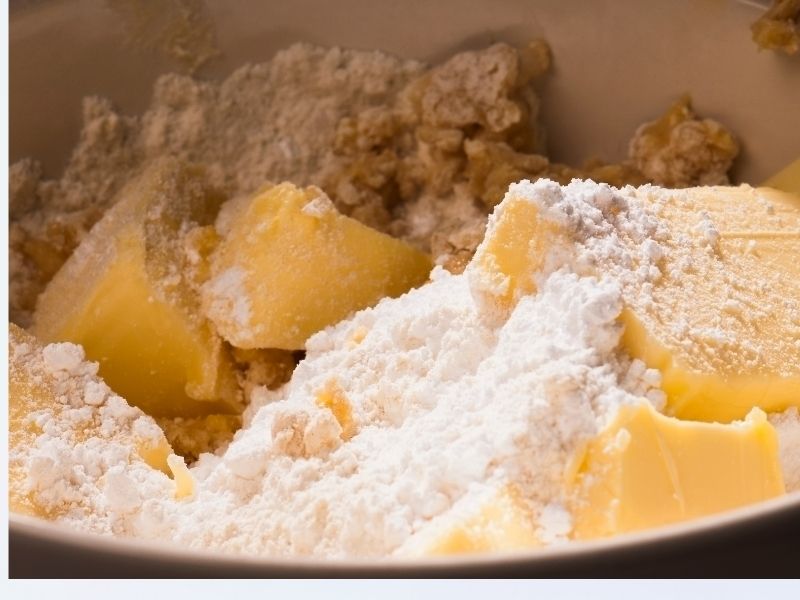
Creaming butter and sugar creates tiny air pockets.
Those air pockets help cakes develop a lighter texture.
However, the process requires the right butter consistency.
Very cold butter remains too firm.
Melted butter cannot create the same structure through traditional creaming.
Overly warm butter may also struggle to hold air.
Beat softened butter and sugar until the mixture looks lighter and fluffy.
Then add the remaining ingredients according to your recipe.
If you want to understand fat choices, read Butter vs Margarine in Baking: Does It Really Matter?.
14. Your Eggs Were Too Large
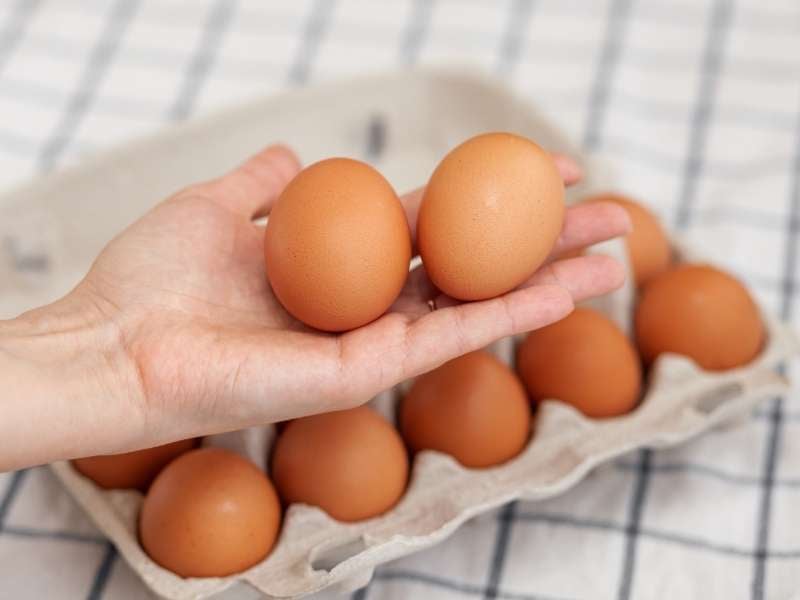
Eggs provide structure, moisture, fat, and emulsification.
Their size matters.
Using significantly larger eggs than the recipe expects adds extra liquid.
That can alter the batter balance.
The result may include a soft center and structural problems.
Use the egg size specified by your recipe.
If you need to substitute egg sizes, measure the eggs by weight when possible.
For more information about their role, explore Eggs in Baking: Why They Matter and How They Affect Results.
15. You Substituted Ingredients Incorrectly
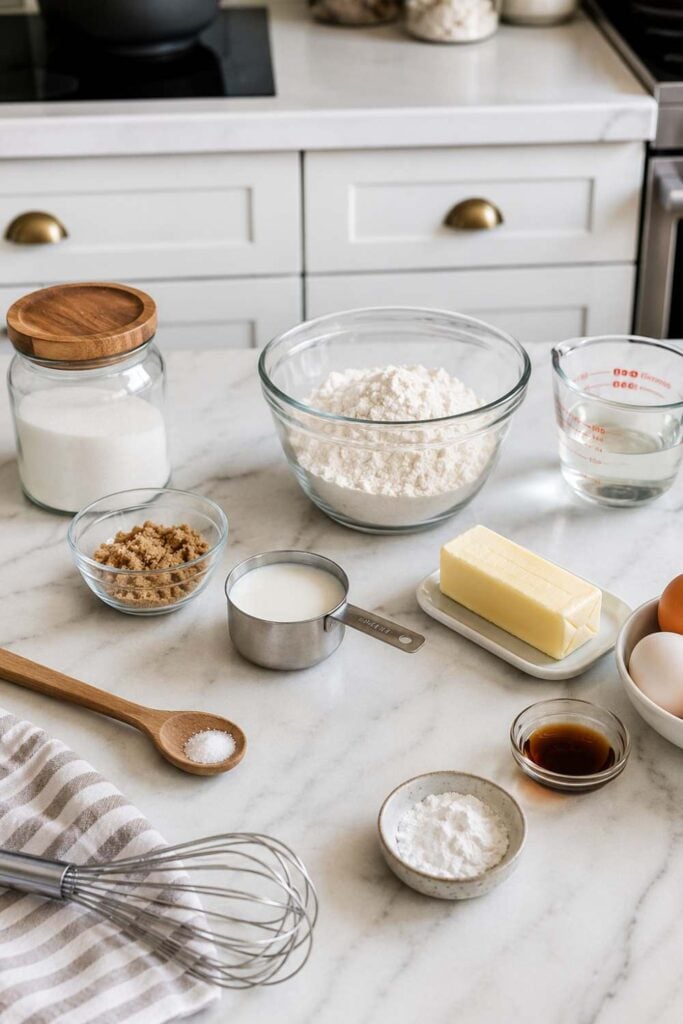
Ingredient substitutions can change cake structure.
For example, replacing flour, eggs, dairy, or fat may alter moisture and texture.
Some substitutions work beautifully.
Others require additional adjustments.
A simple one-to-one swap does not always produce the same result.
Therefore, check how the replacement affects the recipe.
Consider moisture, fat, acidity, and structure.
If you need to make changes, use Baking Substitutions Guide (When You’re Missing Ingredients) for guidance.
This can help you avoid unexpected texture problems.
16. Your Flour Measurement Was Incorrect
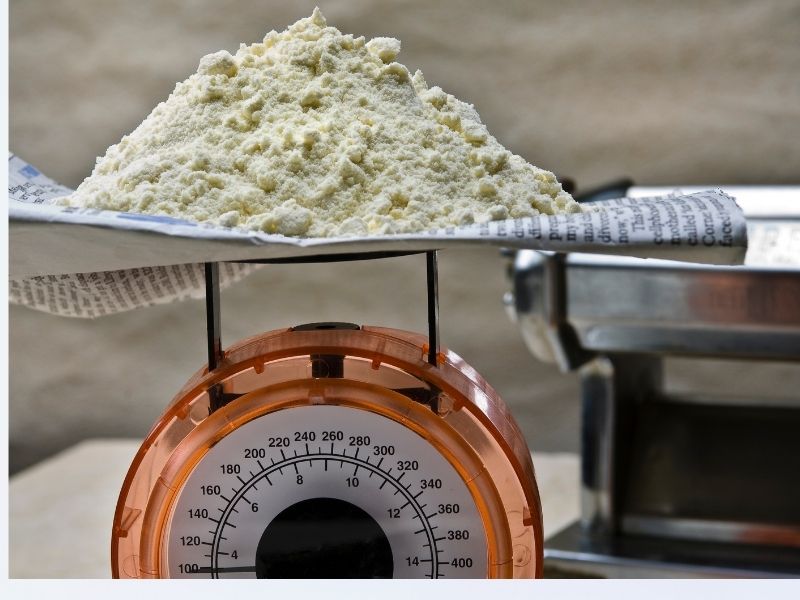
Flour affects the structural foundation of a cake.
Too little flour can create a weak batter.
Too much flour can create a dense cake.
Both problems can affect the final shape.
Scooping flour directly from the bag can sometimes pack too much into the measuring cup.
Instead, use a kitchen scale when possible.
If you use cups, spoon flour into the cup and level it.
For more flour guidance, read Types of Baking Flour and When to Use Them.
Accurate flour measurement can make a noticeable difference.
17. You Added Too Much Fruit or Heavy Filling
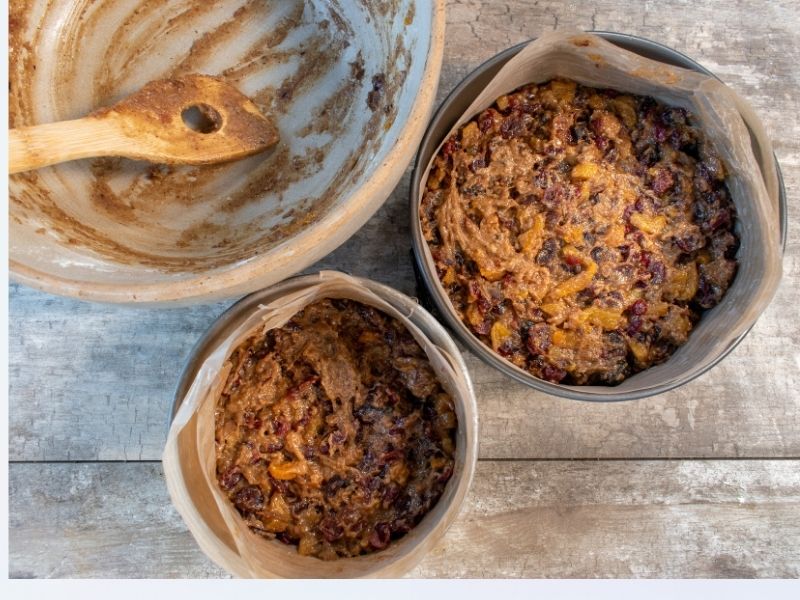
Fruit, chocolate chips, nuts, and thick fillings add weight.
A cake batter may struggle when you add too many heavy ingredients.
The center can become dense.
Then, as the cake cools, the middle may sink.
Distribute additions evenly.
Lightly coating certain mix-ins with flour can sometimes help them remain suspended.
However, do not add excessive quantities.
Keep the recipe’s original balance in mind.
For additional baking guidance, explore Baking Tips That Instantly Improve Your Results.
18. You Moved the Cake During Baking
A cake needs stability while it develops structure.
Moving the pan unnecessarily can disturb the rising process.
Avoid pulling the oven rack out repeatedly.
Do not shake the pan.
Also, keep the oven door closed during the early stages.
If you need to rotate the cake, wait until the recipe indicates that rotation will not harm the structure.
Some cakes tolerate rotation better than delicate sponge cakes.
Therefore, understand your specific recipe before making adjustments.
19. Your Leavening Agent Was Expired
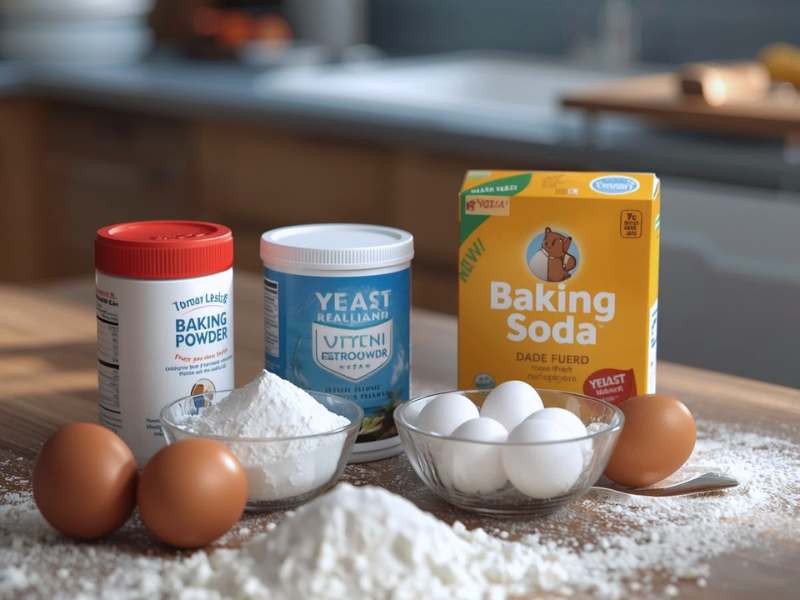
Fresh baking powder and baking soda produce more predictable results.
Old leavening agents can lose strength.
That means the cake may not rise properly.
In some cases, uneven rising can contribute to structural problems.
Check expiration dates regularly.
Store dry ingredients in cool, dry conditions.
Moisture can also affect powdered ingredients.
For pantry organization, explore Baking Pantry Essentials: What to Always Keep Stocked.
A well-maintained pantry supports more consistent baking.
20. You Removed the Cake Too Soon
Removing a cake at the wrong moment can create problems.
The cake continues setting as it cools.
If the center remains too delicate, sudden temperature changes can encourage collapse.
Follow the recipe’s cooling instructions.
Place the pan on a cooling rack when recommended.
Allow enough time before removing the cake from its pan.
Do not frost a warm cake unless the recipe specifically calls for it.
For storage advice after cooling, read How to Store Baked Goods to Keep Them Fresh Longer.
21. Your Recipe Needed More Attention to Detail

Sometimes Why Did My Cake Sink in the Middle? has several contributing causes.
A recipe might require room-temperature ingredients.
It might also require a specific pan size.
Perhaps the recipe expects a particular flour.
Maybe the oven needs a precise temperature.
Small changes can add up.
Therefore, read the entire recipe before starting.
Measure everything first.
Prepare the pan.
Preheat the oven.
Then follow each instruction in order.
For a better pre-baking routine, explore How to Read a Baking Recipe Correctly Before You Start.
How to Prevent Your Cake From Sinking
Preventing the problem starts before you turn on the oven.
First, read the recipe completely.
Next, gather all ingredients.
Measure them carefully.
Then prepare your pan.
Preheat the oven thoroughly.
Check your leavening agents.
Bring ingredients to the required temperature.
Mix the batter according to the instructions.
Finally, place the pan in the center of the oven.
Avoid unnecessary adjustments during baking.
These simple habits create consistency.
You can also review 23 Cake Baking Mistakes and How to Avoid Them for additional troubleshooting ideas.
How to Know What Went Wrong
Look closely at the cake.
A wet center often suggests underbaking or excess moisture.
Dense center may point toward overmixing, incorrect flour measurement, or too much liquid.
A dramatically risen cake that later collapses may indicate excessive leavening.
Cake with dark edges and a soft center may suggest excessive oven heat.
A cake that barely rises may point toward expired leavening or incorrect mixing.
Your cake can therefore provide clues.
Write down what happened.
Record the oven temperature.
Note the pan size.
Record ingredient substitutions.
Then change one factor during your next attempt.
That method helps you identify the actual cause.
Why Accurate Measurements Matter
Baking depends on balance.
Flour, sugar, eggs, fat, liquid, and leavening each contribute specific properties.
Changing one ingredient can affect several others.
For example, adding more liquid can require more structural support.
Adding extra sugar can increase moisture.
Adding more leavening can create excessive expansion.
Therefore, precision matters.
A digital scale can make repeated baking more consistent.
It also helps when you scale recipes.
For beginners, accurate measuring forms one of the most useful baking habits.
Why Oven Position Matters
The location of your cake inside the oven can influence baking.
The center rack usually provides balanced heat.
A very low position can expose the bottom to stronger heat.
A very high position can cause the top to brown quickly.
Keep enough space around the pan.
Avoid placing multiple pans too close together.
Crowding can interfere with heat circulation.
If you bake regularly, learn how your particular oven behaves.
Every oven has its own quirks.
A Simple Cake Troubleshooting Checklist
Before your next cake, run through this checklist:
- Check the recipe completely.
- Measure every ingredient carefully.
- Confirm the pan size.
- Check the freshness of your leavening agents.
- Preheat the oven properly.
- Use the recommended oven temperature.
- Avoid overmixing.
- Avoid opening the oven too early.
- Bake until the center reaches the appropriate doneness.
- Cool the cake according to the recipe.
- Record substitutions.
- Note anything unusual during baking.
This routine can prevent many common problems.
For more beginner guidance, explore Easy Baking Skills Every Home Baker Should Master First.
What to Do Differently Next Time
If Why Did My Cake Sink in the Middle? describes your recent baking experience, avoid changing everything at once.
Instead, identify the strongest clue.
Did the center look wet?
Bake it slightly longer next time.
Did the cake rise dramatically before collapsing?
Check your leavening quantity.
Did the edges brown quickly?
Check your oven temperature.
Did you use a different pan?
Return to the recommended size.
Did you substitute ingredients?
Try the original ingredients first.
This approach makes troubleshooting much easier.
For more encouragement, explore Baking Confidence Tips for Complete Beginners.
You do not need perfect results from every bake.
You need useful information from every attempt.
Final Thoughts
So, Why Did My Cake Sink in the Middle? The answer usually comes down to structure, temperature, measurements, mixing, or timing.
The good news involves how manageable these problems can become.
Start with accurate measurements.
Use fresh ingredients.
Follow the recipe carefully.
Check your oven temperature.
Choose the correct pan.
Avoid opening the oven too soon.
Finally, give the cake enough time to bake and cool properly.
If your cake sinks again, do not immediately throw it away.
Look at the texture.
Consider what happened during baking.
Then make one thoughtful adjustment.
With practice, you will begin to recognize patterns.
Soon, Why Did My Cake Sink in the Middle? will become a question you can answer by examining the cake itself.
Most importantly, keep baking.
Every successful cake builds confidence.
Every imperfect cake adds experience.
And with consistent practice, you can create cakes that rise evenly, hold their structure, and look beautiful from the first slice to the last.