21 Types of Pies Every Baker Should Try
Disclosure: Some of the links in this post are affiliate links. This means if you click on the link and purchase an item, I will receive an affiliate commission at no extra cost to you.
Pies bring together flaky crusts, rich fillings, seasonal fruit, creamy custards, and comforting spices. Each variety offers a different baking experience, so exploring several styles can sharpen your pastry skills. Apple pie teaches you how fruit releases moisture, while pumpkin pie helps you understand custard texture. Meanwhile, pecan pie introduces caramelized sweetness and a satisfying crunch.
Beginners can start with familiar recipes before moving toward more technical creations. Understanding your ingredients also makes each attempt easier. For example, Baking Ingredients Explained: What Every Ingredient Actually Does can help you understand how flour, butter, sugar, eggs, and other ingredients influence your results.
From classic American favorites to elegant French-inspired creations, these 21 types of pies give you plenty of ideas for your next baking session. Some work beautifully for holidays, while others suit casual weekends, dinner parties, or everyday desserts.
Before choosing your next recipe, review Baking Tips That Instantly Improve Your Results for practical techniques that can make your baking more consistent.
21 Types of Pies Every Baker Should Try
The following 21 pies give you plenty of inspiration for weekends, holidays, celebrations, and casual family desserts.
1. Classic Apple Pie
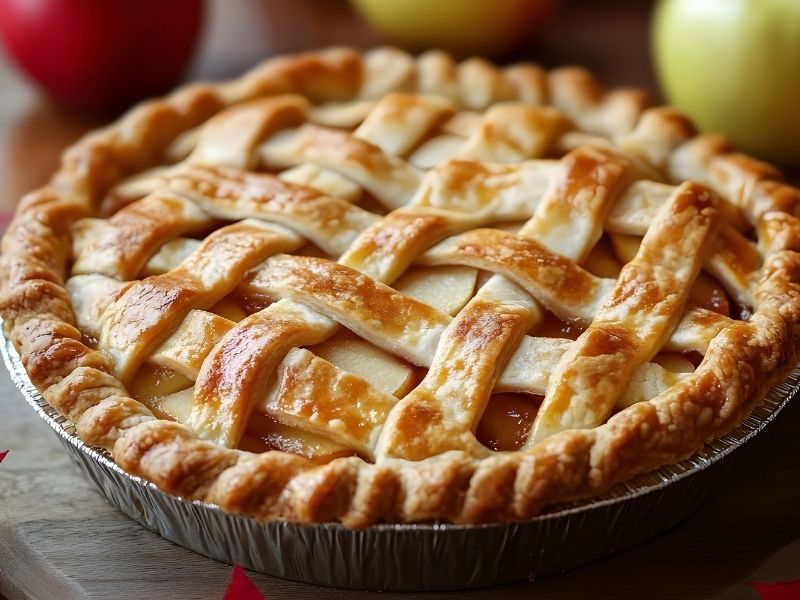
Apple pie deserves a place at the top of any baker’s list. It combines tender apples, warming spices, buttery pastry, and a golden crust.
Choose firm apples that hold their shape during baking. Granny Smith, Honeycrisp, Braeburn, and Pink Lady apples can work beautifully.
Toss sliced apples with cinnamon, sugar, lemon juice, and a little flour or cornstarch. The thickener helps control the juices released during baking.
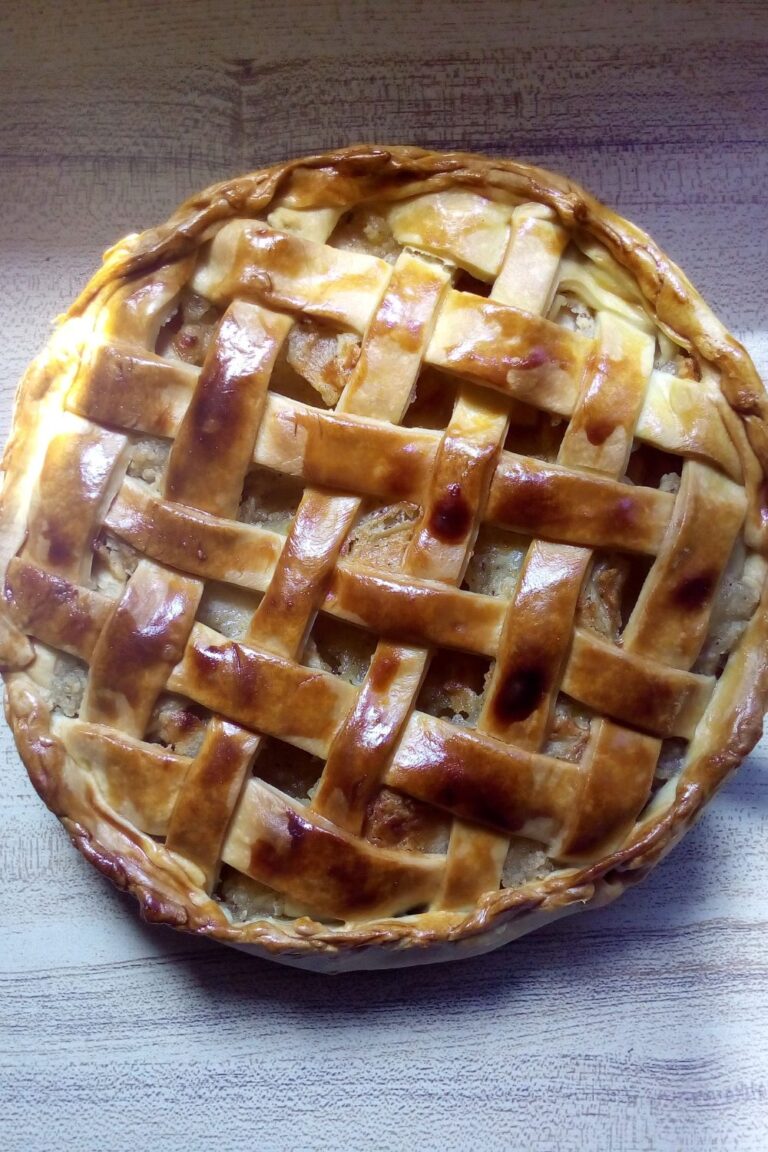
Add a lattice crust for a traditional appearance. Alternatively, cover the filling completely and cut decorative vents across the surface.
Avoid overfilling the pie because apples shrink during baking. Leave enough room for the fruit to settle without pushing against the crust.
If your crust often develops problems, study 17 Pie Baking Mistakes That Ruin Perfect Crusts before your next attempt.
2. Pumpkin Pie
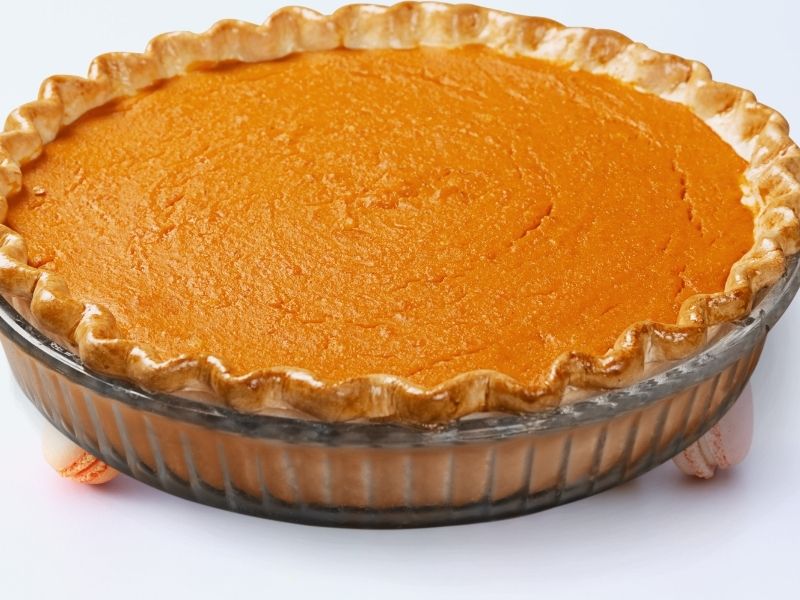
Pumpkin pie delivers creamy texture and warm seasonal flavor. Many bakers prepare it during autumn, especially around Thanksgiving.
The filling usually combines pumpkin puree, eggs, dairy, sugar, cinnamon, ginger, nutmeg, and cloves. Some recipes also include allspice for deeper spice notes.
A successful pumpkin pie needs gentle baking. Excessive heat can cause the custard to puff dramatically before collapsing after cooling.
Bake until the edges look set while the center still has a slight wobble. The filling continues cooking as the pie cools.
Let the pie cool completely before slicing. Chilling it can also create cleaner cuts and a firmer texture.
3. Pecan Pie
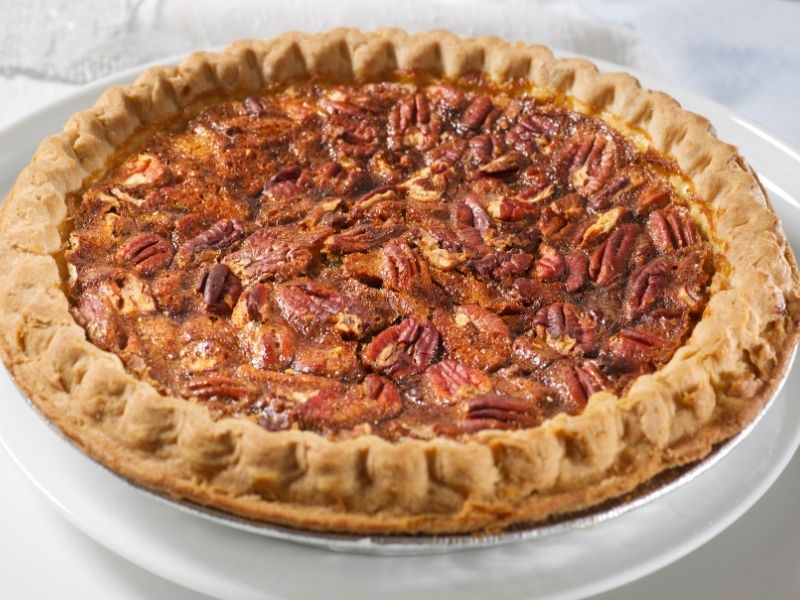
Pecan pie combines toasted nuts with a rich, sweet filling. The contrast between crunchy pecans and soft filling makes this dessert especially satisfying.
Arrange whole pecans across the surface for an attractive finish. You can also chop some nuts and mix them throughout the filling.
Many recipes use corn syrup, brown sugar, butter, and eggs. However, maple syrup or other sweeteners can create a different flavor profile.
Watch the baking time carefully because the filling can become overly firm when it cooks too long. A gentle jiggle in the center usually indicates that the pie needs time to cool and set.
For better ingredient control, explore The Different Types of Sugar Used in Baking Explained.
4. Cherry Pie
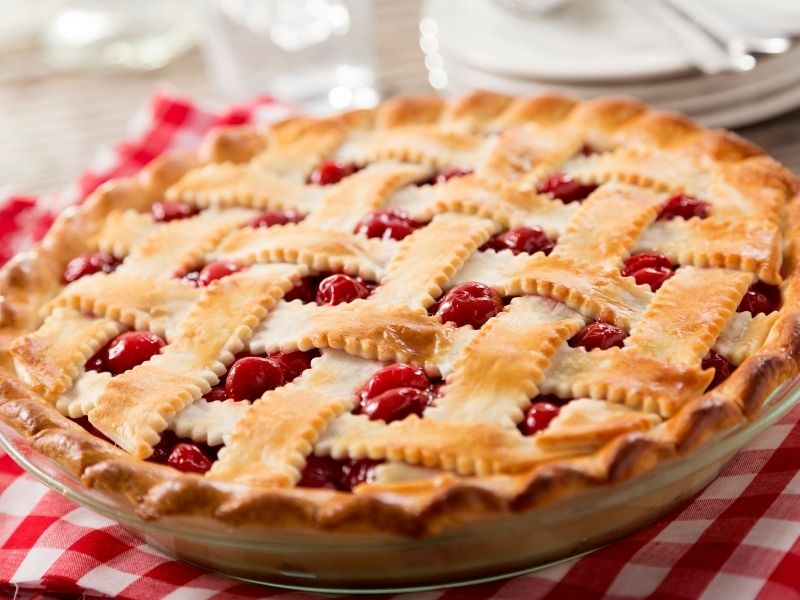
Cherry pie brings bright fruit flavor and beautiful color to the dessert table. Fresh cherries work wonderfully during summer, while frozen cherries provide an option throughout the year.
Sweet cherries create a milder filling, while sour cherries deliver sharper flavor. Many bakers combine tart cherries with sugar and lemon juice for balance.
Cornstarch or another thickener helps control the liquid from the fruit. Add enough to create a spoonable filling without making it gummy.
A lattice crust works particularly well because the bright cherry filling shows through the openings.
Cool the pie before serving so the filling can thicken properly.
5. Blueberry Pie
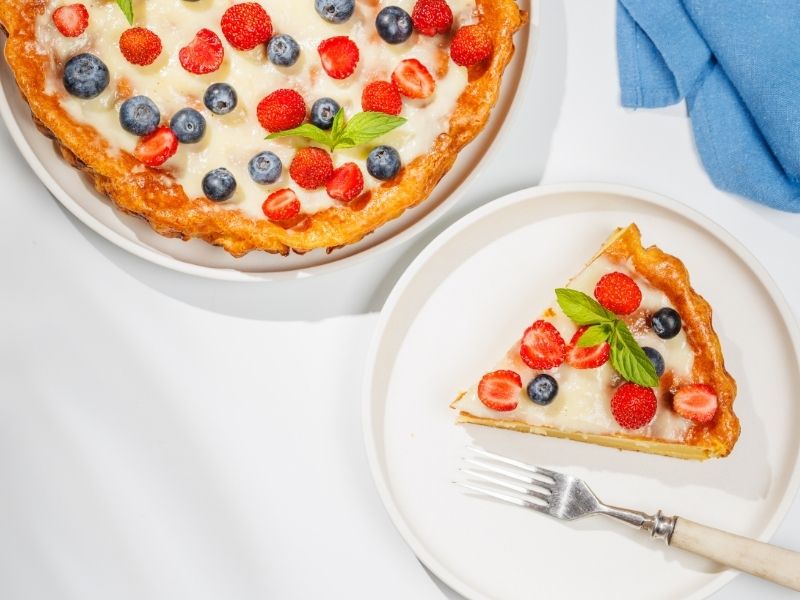
Blueberry pie offers juicy berries, gentle sweetness, and a gorgeous deep-purple filling.
Fresh blueberries work well, but frozen berries can also produce excellent results. Avoid thawing frozen blueberries before adding them unless your recipe specifically requires it.
Combine the berries with sugar, lemon juice, and a suitable thickener. Lemon zest can add another layer of freshness.
A crumb topping provides an alternative to a traditional top crust. Sprinkle the topping generously across the berries before baking.
Serve blueberry pie warm with vanilla ice cream for a simple dessert combination.
6. Peach Pie
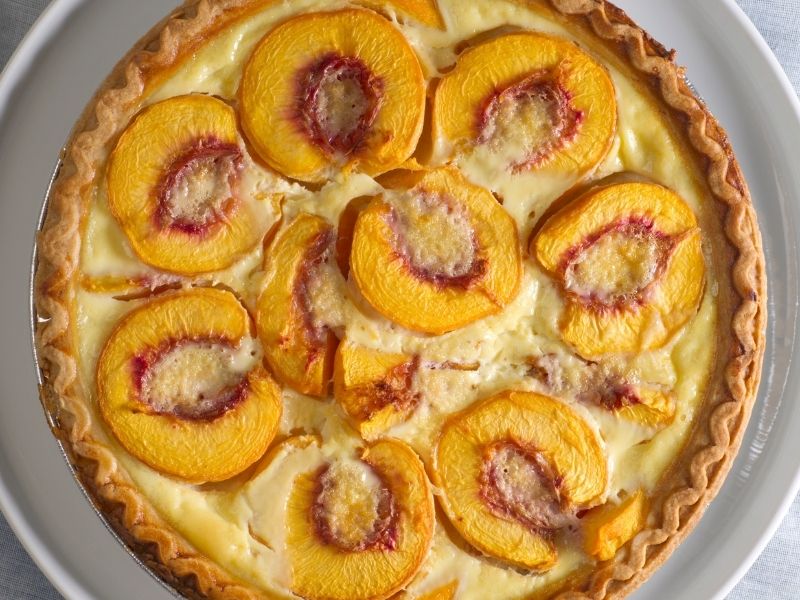
Peach pie captures the flavor of ripe summer fruit. The filling tastes especially good when you use fragrant peaches with enough natural sweetness.
Peel the peaches if you prefer a smoother filling. You can leave the skins intact for added color and texture.
Combine sliced peaches with sugar, lemon juice, cinnamon, and thickener. Let the mixture sit briefly before assembling the pie.
That short resting period allows the fruit to release some juice. Drain or adjust the thickener if the mixture looks excessively wet.
A flaky double crust works beautifully with peach filling. You can also add a streusel topping for a more rustic dessert.
7. Strawberry Pie
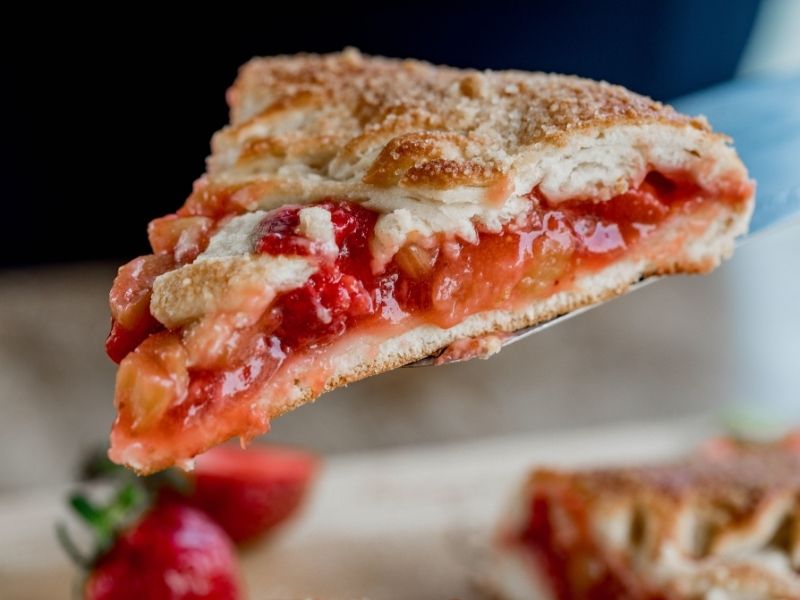
Strawberry pie provides a fresh alternative to heavily spiced desserts. It works particularly well during warmer months.
You can bake strawberries directly inside a traditional crust. Another option uses a baked crust filled with fresh strawberries and a glossy glaze.
Fresh berries contain significant moisture, so proper thickening matters. A watery filling can quickly soften your crust.
Choose firm, ripe strawberries for the best appearance. Arrange them carefully when you want a polished presentation.
For additional dessert inspiration, explore The Ultimate Guide to Different Types of Desserts.
8. Lemon Meringue Pie
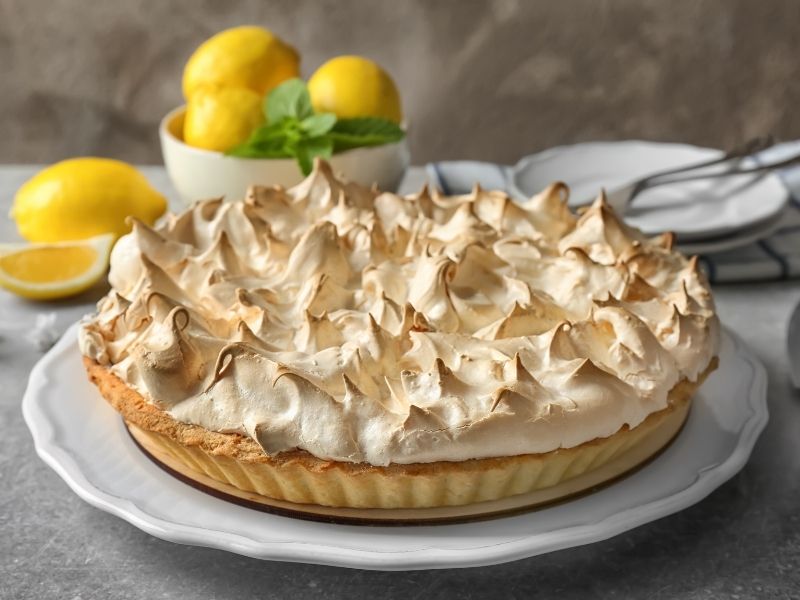
Lemon meringue pie combines three distinct textures. You get crisp pastry, smooth lemon filling, and fluffy toasted meringue.
The lemon filling usually contains lemon juice, sugar, eggs, and a thickening agent. Cook it carefully to achieve a smooth consistency.
Meringue requires clean equipment and properly prepared egg whites. Even small amounts of fat can interfere with whipping.
Spread the meringue all the way to the crust edges. This helps create a seal and reduces the chance of shrinking.
Brown the top gently using an oven or kitchen torch. Keep a close eye on it because meringue can darken quickly.
9. Chocolate Cream Pie
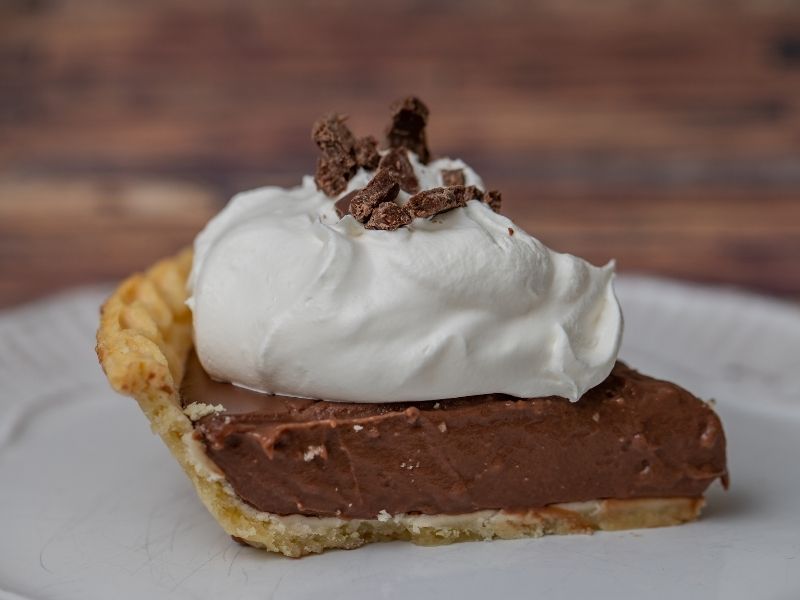
Chocolate cream pie suits anyone who prefers rich, indulgent desserts.
Start with a baked pastry shell. Fill it with chocolate custard or pudding, then add whipped cream after the filling cools.
Use quality cocoa powder or chocolate for deeper flavor. Dark chocolate creates a more intense result, while milk chocolate gives greater sweetness.
Allow the filling to chill completely before cutting. A warm filling can produce messy slices.
Finish each serving with chocolate shavings, cocoa dust, or a small drizzle of chocolate sauce.
10. Coconut Cream Pie
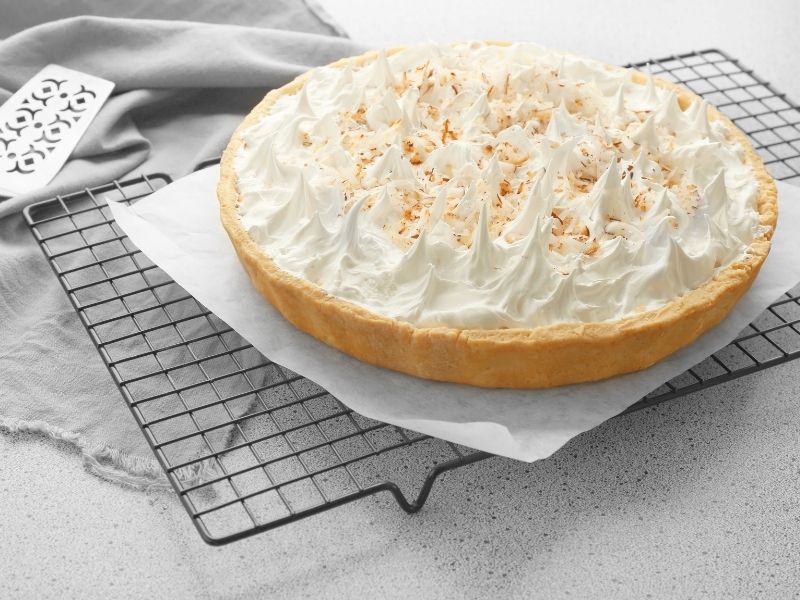
Coconut cream pie offers tropical flavor with a creamy texture.
Toasted coconut adds depth and creates an attractive topping. Sprinkle it across whipped cream shortly before serving.
The filling needs careful cooking because dairy and eggs can curdle when exposed to excessive heat.
Use coconut milk alongside regular milk for stronger coconut flavor. Coconut extract can also intensify the aroma.
Keep the finished pie refrigerated. Chilling helps the filling maintain its structure while keeping the whipped topping fresh.
Learn more about ingredient functions through Baking Ingredients Explained: What Every Ingredient Actually Does.
11. Banana Cream Pie
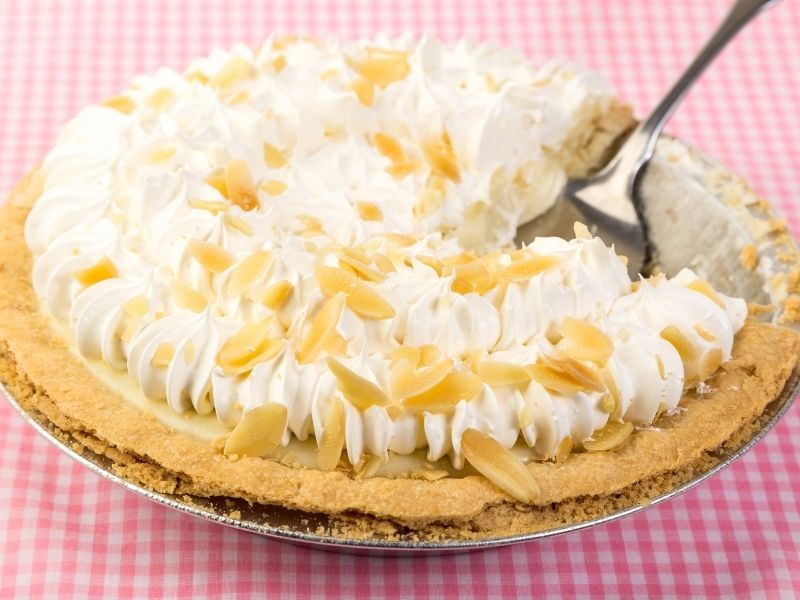
Banana cream pie combines pastry, creamy filling, fresh bananas, and whipped topping.
Slice the bananas shortly before assembling the pie. This reduces browning and keeps the fruit looking fresh.
Create a barrier between the bananas and air using custard or cream. That approach can help slow discoloration.
Some bakers add banana slices between several layers. Others arrange them across the top for a more decorative presentation.
Chill the finished dessert before serving. The colder temperature allows the filling to firm up and makes slicing easier.
12. Key Lime Pie
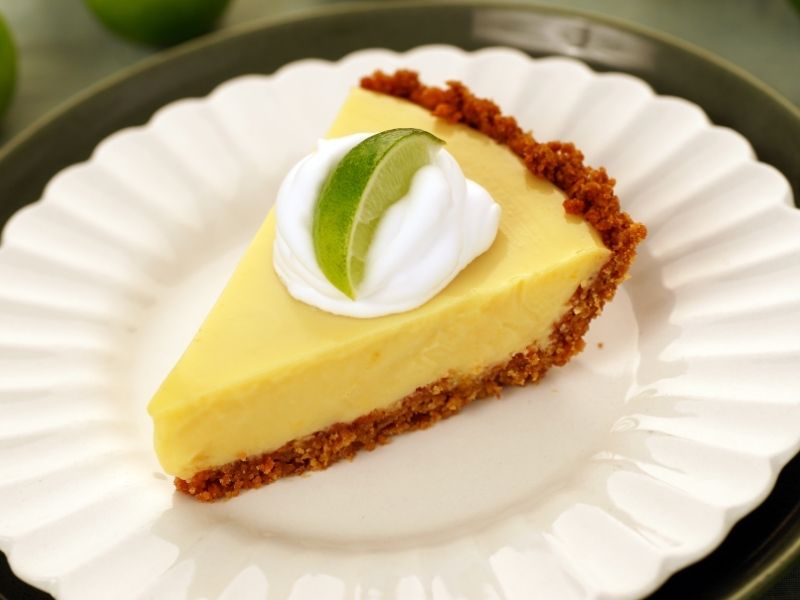
Key lime pie delivers a bright, tangy flavor that contrasts beautifully with a sweet crust.
Traditional versions use key lime juice, sweetened condensed milk, and egg yolks. A graham cracker crust commonly provides the base.
Fresh lime juice gives the strongest flavor. However, bottled key lime juice can work when fresh key limes prove difficult to find.
Avoid adding excessive juice because the filling needs the right balance between acidity and structure.
Top the pie with whipped cream or toasted meringue. Finish with thin lime slices for a simple decorative touch.
13. Sweet Potato Pie
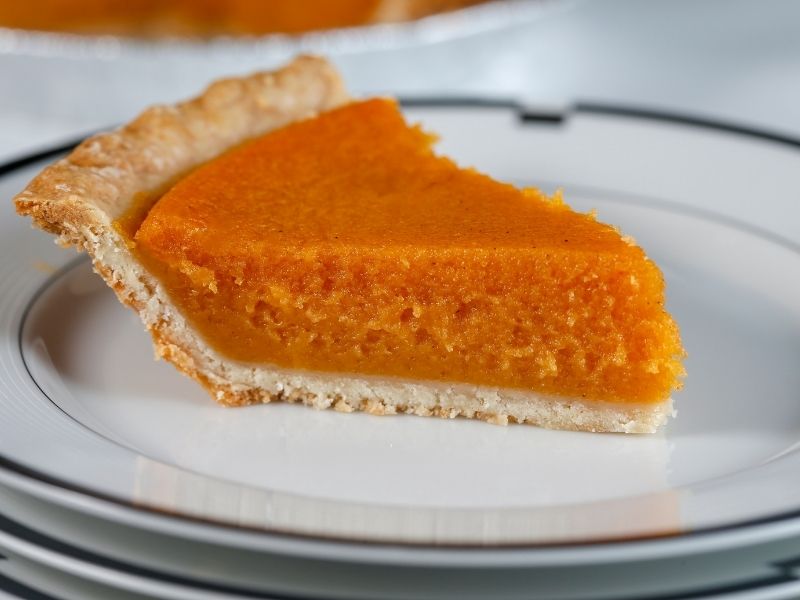
Sweet potato pie creates a smooth, warmly spiced dessert with a naturally sweet filling.
Roast or boil the sweet potatoes until completely tender. Remove excess moisture before creating the filling.
Blend the potatoes until smooth, then combine them with eggs, milk, butter, sugar, and spices.
Cinnamon, nutmeg, and ginger pair particularly well with sweet potatoes. Adjust the spices according to your preferred flavor profile.
Bake the pie gently and allow it to cool before cutting. The filling becomes firmer as it rests.
14. French Silk Pie
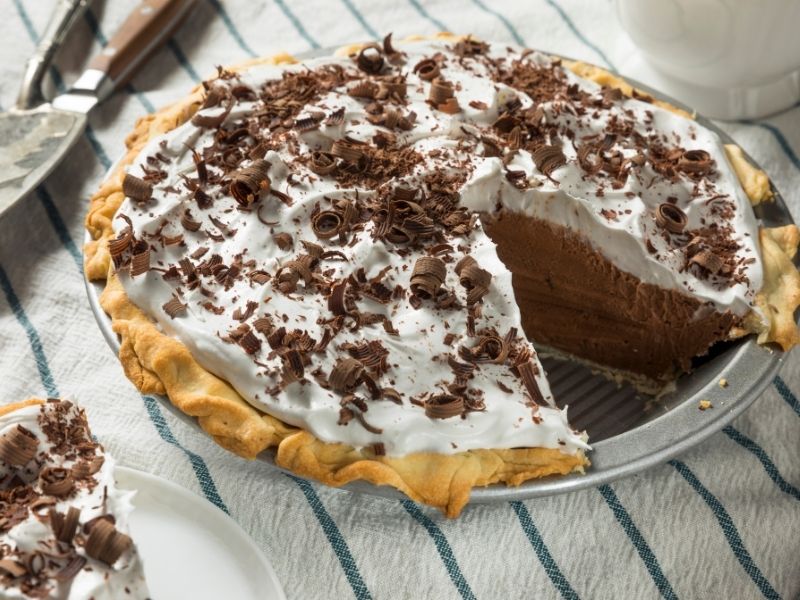
French silk pie offers a luxurious chocolate filling with an exceptionally smooth texture.
The filling traditionally relies on chocolate, butter, sugar, eggs, and whipped cream. Modern recipes may use different techniques for food safety and texture.
Melt the chocolate carefully and allow it to cool slightly before incorporating it.
Whipping the ingredients properly creates the airy texture associated with this dessert.
Serve chilled with whipped cream and chocolate curls. The finished pie looks elegant without requiring complicated decoration.
15. Buttermilk Pie
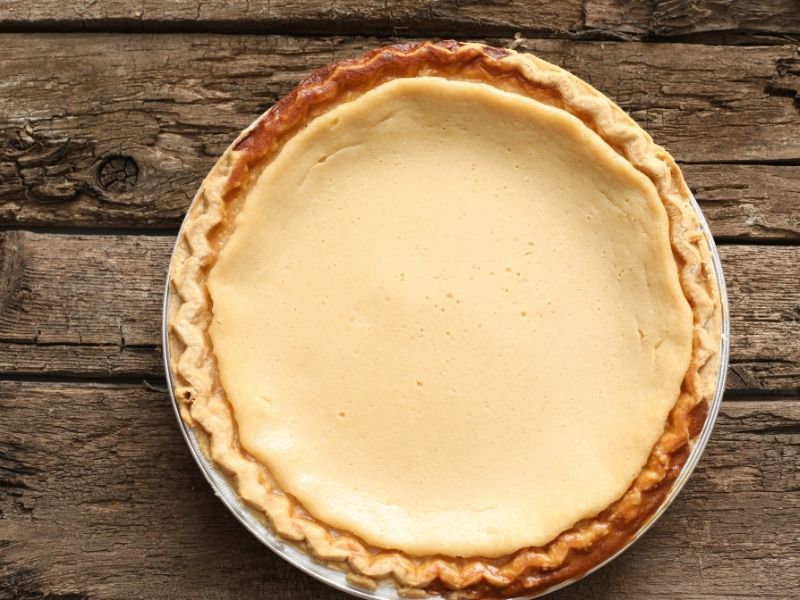
Buttermilk pie creates a creamy custard with a subtle tang.
This Southern favorite uses simple ingredients such as buttermilk, eggs, sugar, butter, and flour.
The filling develops a lightly caramelized surface during baking. Meanwhile, the center stays soft and custardy.
Use fresh buttermilk for the best flavor. If you need ingredient alternatives, consult Baking Substitutions Guide (When You’re Missing Ingredients).
Bake until the center sets without becoming excessively firm. Allow the pie to cool before slicing.
16. Mississippi Mud Pie
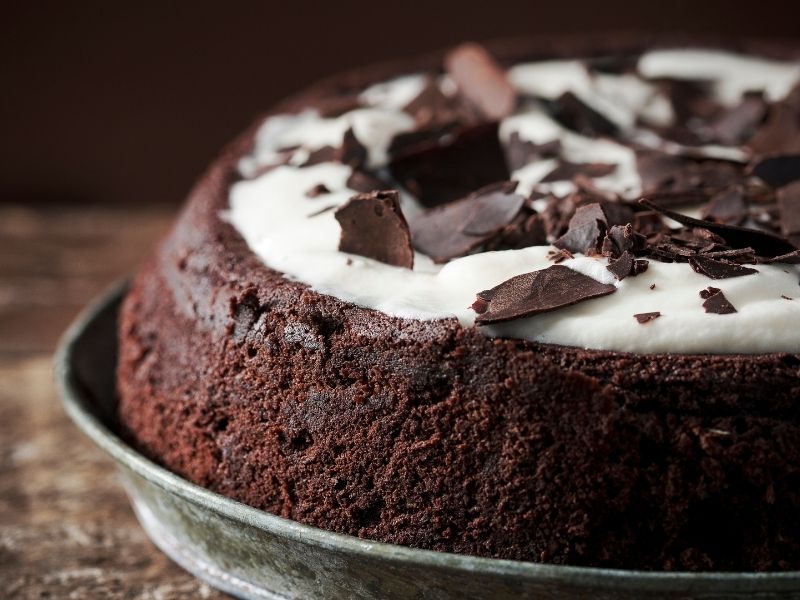
Mississippi mud pie appeals to serious chocolate lovers.
It can feature several layers, including chocolate crust, brownie-like filling, chocolate pudding, and whipped cream.
The exact structure varies between recipes, so you can customize the dessert according to your preferences.
Use dark chocolate for a richer flavor. Add chocolate curls or crushed cookies for additional texture.
Because the dessert contains multiple components, allow each layer to cool before adding the next one.
This pie works especially well for celebrations because its dramatic appearance immediately attracts attention.
17. Shoofly Pie
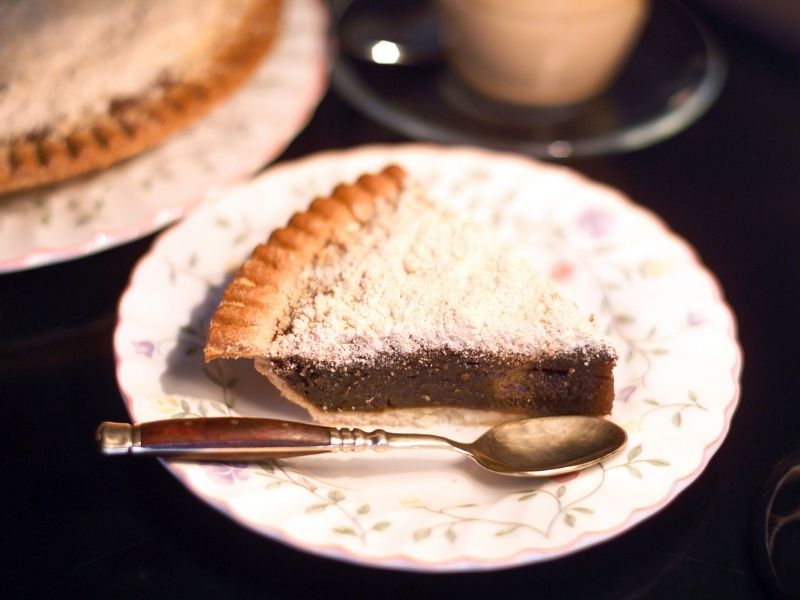
Shoofly pie comes from Pennsylvania Dutch baking traditions. It features a molasses-based filling beneath a crumb topping.
Molasses gives the pie its distinctive deep flavor. Brown sugar adds sweetness while balancing the stronger molasses notes.
The crumb topping provides textural contrast against the soft filling.
Use a flaky pastry shell as the base. Chill the assembled pie briefly before baking if your kitchen feels warm.
Serve slices plain or with whipped cream. A scoop of vanilla ice cream also complements the molasses flavor beautifully.
18. Chess Pie
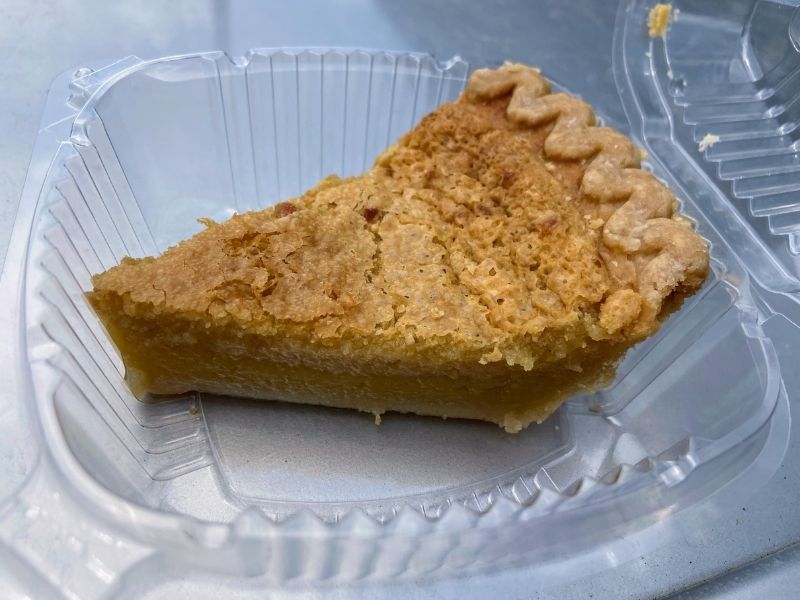
Chess pie uses simple pantry ingredients to create a rich custard dessert.
Common ingredients include eggs, sugar, butter, milk or buttermilk, and cornmeal or flour.
The filling develops a golden surface during baking. Meanwhile, the interior remains soft and dense.
Add lemon juice or vanilla for extra flavor. Chocolate variations also work well for bakers who prefer a richer profile.
Since the recipe depends heavily on eggs and sugar, accurate measurements matter. Use Baking Measurements Conversion Chart (Cups, Grams, Ounces Explained) when converting measurements.
19. Rhubarb Pie
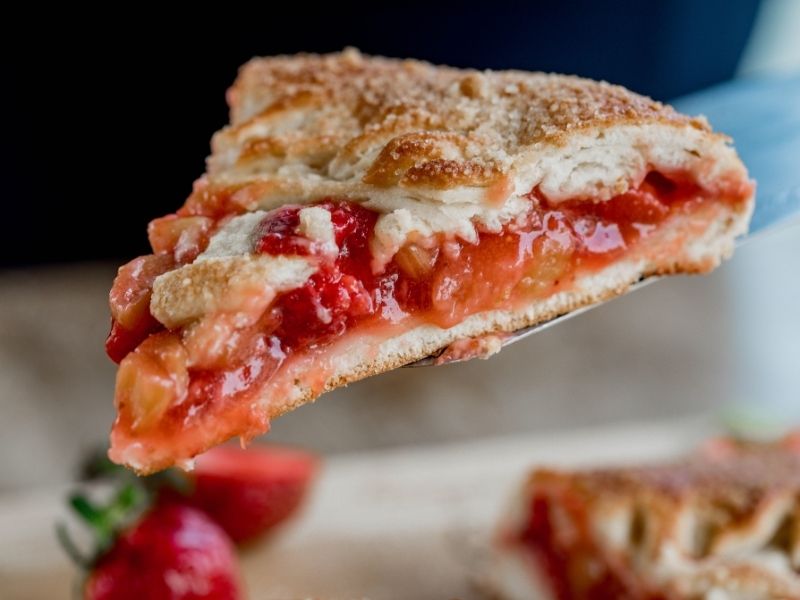
Rhubarb pie delivers a pleasantly tart flavor that pairs beautifully with sugar.
Rhubarb stalks contain plenty of moisture, so the filling needs adequate thickening.
Strawberries often accompany rhubarb because their sweetness balances the sharp fruit.
Cut the rhubarb into evenly sized pieces. Consistent pieces help the filling cook more evenly.
A lattice top works particularly well for this pie. The openings allow steam to escape while creating an attractive finish.
20. Salted Caramel Apple Pie
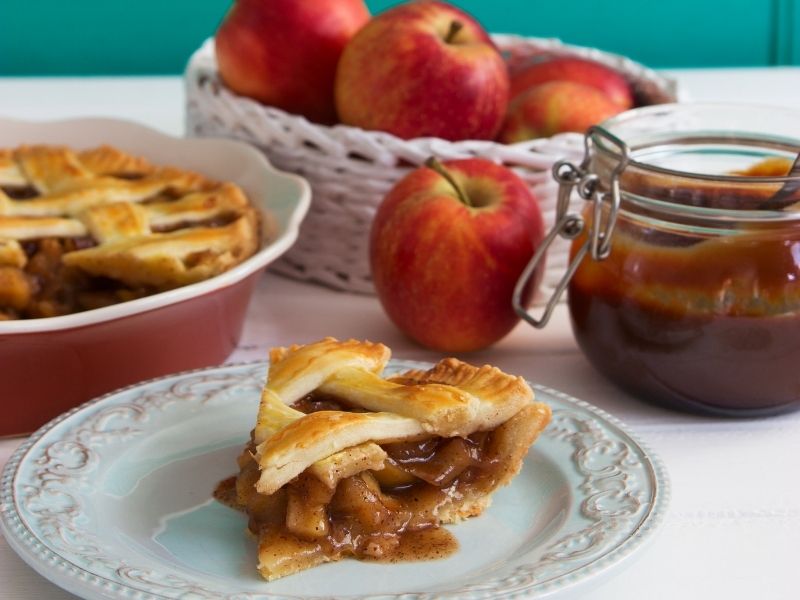
Salted caramel apple pie combines two irresistible flavors in one dessert.
Start with a traditional apple filling. Add homemade or prepared caramel sauce before covering the pie with pastry.
A small amount of salt balances the caramel’s sweetness. Avoid adding too much because it can overpower the fruit.
Drizzle additional caramel over each slice before serving. A scoop of vanilla ice cream creates an especially indulgent combination.
Keep the caramel quantity controlled. Excess sauce can make the bottom crust soggy.
21. Mixed Berry Pie
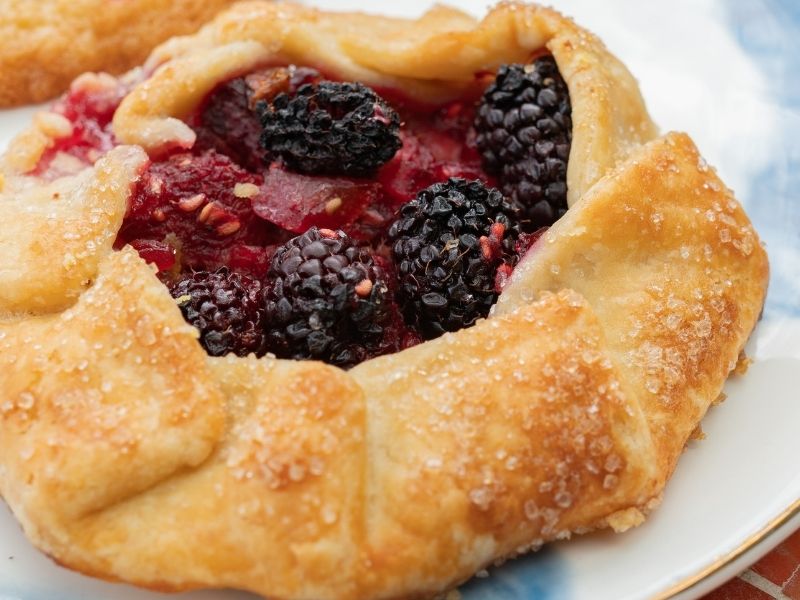
Mixed berry pie lets you combine several fruits in one filling.
Blueberries, raspberries, blackberries, and strawberries create a colorful mixture with different textures.
Choose berries that complement each other in sweetness and acidity. Add lemon juice to brighten the overall flavor.
Frozen berries can work well outside peak fruit season. However, they often release more liquid during baking.
Adjust your thickener according to the amount of juice in the fruit. Let the baked pie cool thoroughly before slicing.
For more pastry inspiration, explore 23 Beautiful Pastry Decorating Ideas.
How to Choose the Right Pie for Your Skill Level
Beginners should start with pies that use straightforward fillings. Apple, blueberry, peach, and mixed berry pies provide excellent practice.
Custard pies require greater attention because eggs can overcook quickly. Pumpkin, chess, buttermilk, and lemon meringue pies therefore provide useful intermediate challenges.
Layered chocolate pies require additional preparation. They suit bakers who already feel comfortable preparing pastry shells and cooked fillings.
Your choice should also reflect the ingredients available in your kitchen. Check Baking Pantry Essentials: What to Always Keep Stocked before planning your next baking session.
How to Get a Flaky Pie Crust
Cold ingredients help create layers within pastry. Keep butter chilled until you need to incorporate it.
Avoid working the dough excessively. Too much handling can develop gluten and create a tougher crust.
Use just enough liquid to bring the dough together. Adding excessive water can make the pastry difficult to handle.
Chill the dough before rolling it. Chilling gives the butter time to firm again.
Roll the dough evenly so the crust cooks consistently. Uneven thickness can create burnt edges alongside underbaked sections.
You can strengthen your pastry technique by reading The Ultimate Beginners Guide to Baking (Everything You Need To Know to Start).
How to Prevent a Soggy Bottom
A soggy crust can ruin an otherwise delicious pie. Several simple techniques can help.
First, avoid adding excessively wet filling to an unbaked crust. Allow fruit mixtures to drain or thicken before assembly.
Second, bake the pie at the correct temperature. An oven that runs too cool may prevent the crust from developing enough structure.
Third, position the pie correctly in the oven. A lower rack can expose the bottom crust to stronger heat.
You can also blind-bake certain crusts before adding fillings. This technique works especially well for cream and custard pies.
Check Understanding Baking Temperatures for Better Results to understand how oven heat affects your results.
How to Create a Beautiful Pie Finish
Presentation can transform a simple homemade pie into an impressive dessert.
A lattice crust creates an instantly recognizable appearance. Cut dough strips evenly, then weave them across the filling.
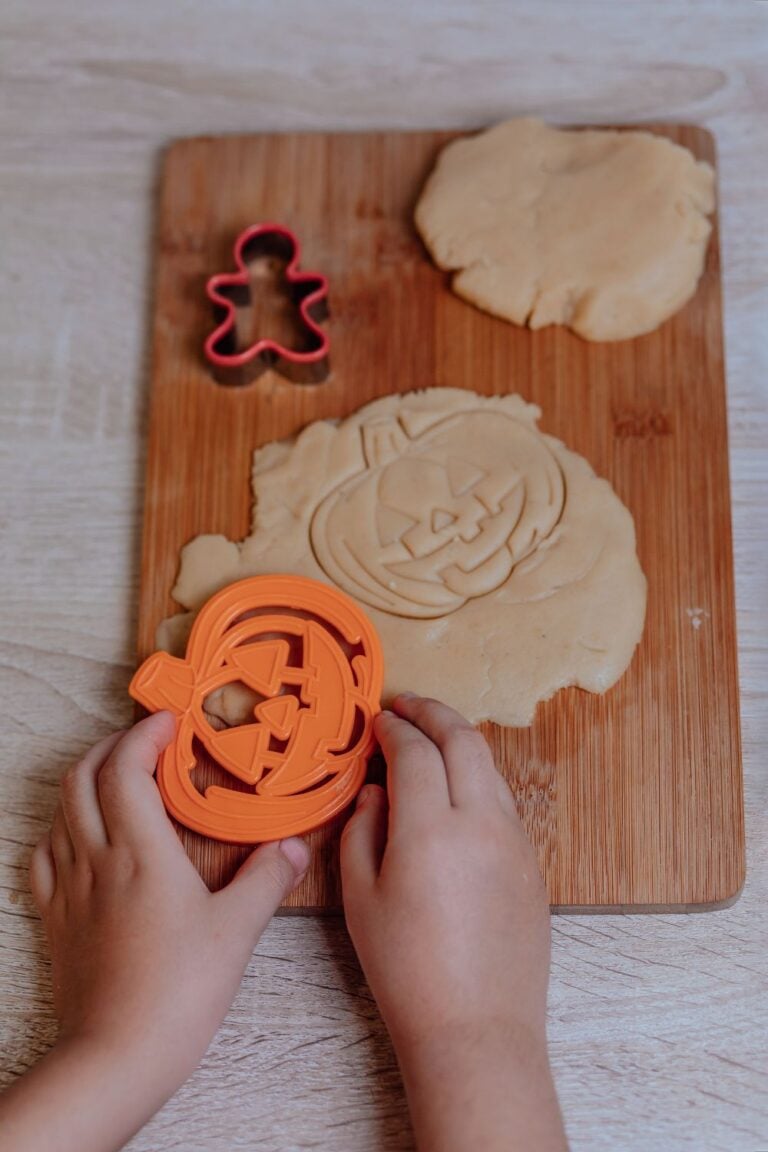
Cookie cutters can create decorative shapes from leftover pastry. Place stars, leaves, hearts, or other shapes around the crust.
Egg wash adds shine and encourages a golden finish. Brush it lightly across exposed pastry before baking.
A small sprinkle of coarse sugar can add sparkle and crunch.
For more polished pastry ideas, see 23 Beautiful Pastry Decorating Ideas.
How to Know When Your Pie Has Finished Baking
Look for visual clues instead of relying only on the timer.
Fruit pies should show active bubbling through the crust openings. The crust should also appear deeply golden.
Custard pies require more careful observation. The edges should look set while the center retains slight movement.
Check the crust color around the edges. Pale pastry often needs additional baking time.
Use an oven thermometer if you suspect your oven temperature differs from the displayed setting. Consistent heat makes a significant difference.
Review The Science of Baking Made Simple for Beginners for a deeper understanding of how heat transforms baked goods.
How to Cool Pie Correctly
Cooling gives the filling time to stabilize.
Fruit pies often need several hours before they reach their ideal slicing consistency. Cutting too early can cause the filling to run across the plate.
Custard pies usually benefit from complete cooling followed by refrigeration.
Place the pie on a cooling rack rather than directly on a solid surface. Air circulation helps release excess heat.
Avoid covering a hot pie immediately. Trapped steam can soften the crust.
Once cool, store the dessert according to its filling. Learn more through How to Store Baked Goods to Keep Them Fresh Longer.
Common Pie-Baking Mistakes to Avoid
Many pie problems begin before the oven reaches the correct temperature.
Using warm butter can prevent flaky layers. Excessive mixing can also create tough pastry.
Overfilling creates another problem. Fruit releases liquid during baking, so the filling needs enough space.
Skipping the chilling stage can make the dough difficult to roll and shape.
Cutting into the pie too soon can also create messy slices.
Finally, avoid guessing ingredient quantities. Accurate measurements provide greater consistency from one batch to another.
For more troubleshooting advice, read Common Baking Mistakes and How to Fix Them Fast.
Which Pie Should You Bake First?
Start with a pie that matches your current confidence level.
Apple pie provides excellent practice with fruit fillings and pastry. Blueberry pie offers another straightforward option for beginners.
Once you understand fruit fillings, try pumpkin or sweet potato pie. These recipes introduce custard-style textures and require more careful temperature control.
After gaining experience, move toward lemon meringue, French silk, or Mississippi mud pie. These desserts involve additional techniques but can dramatically expand your baking skills.
You can also experiment with seasonal combinations. Summer brings berries and peaches, while autumn offers apples, pumpkins, pears, and warm spices.
For anyone building confidence in the kitchen, Baking Confidence Tips for Complete Beginners offers helpful encouragement.
Final Thoughts
These 21 types of pies showcase just how creative pie baking can become. Fruit pies provide bright flavors and juicy fillings, while custard varieties offer smooth and creamy textures. Chocolate pies bring richness, whereas nut-based creations add crunch.
Start with one familiar recipe, then gradually explore more challenging options. Each pie teaches a useful technique that can improve your overall baking ability.
Keep your pastry cold, measure carefully, control moisture, and give every pie enough cooling time. Most importantly, practice regularly and learn from each batch.
Once you become comfortable with classic pies, experiment with new fillings, decorative crusts, spice combinations, and serving styles. Your next favorite pie may come from a recipe you have never tried before.