Butter vs Margarine in Pastry: Which Makes Better Results?
Disclosure: Some of the links in this post are affiliate links. This means if you click on the link and purchase an item, I will receive an affiliate commission at no extra cost to you.
Choosing between butter and margarine can change the texture, flavor, browning, and structure of homemade pastry. Butter brings rich dairy flavor and creates beautifully tender, flaky layers when you handle it correctly. Margarine offers a practical alternative with a different fat and water balance, which can affect how dough rolls, bakes, and holds its shape.
For beginners choosing between Butter vs margarine in pastry the choice can feel confusing because both options can produce delicious results. However, each one performs differently in shortcrust pastry, puff pastry, pie dough, Danish pastry, and other baked treats. Understanding those differences helps you choose the right fat for your recipe instead of relying on guesswork.
Before comparing the two, it helps to understand how ingredients affect baking results. Baking Ingredients Explained: What Every Ingredient Actually Does provides a useful foundation for understanding the role of fats, flour, eggs, sugar, and liquids in baking.
This guide compares butter and margarine across flavor, texture, handling, browning, layering, cost, and everyday pastry applications. You will also learn when butter works best, when margarine makes sense, and how to avoid common mistakes with either choice.
Butter and Margarine: What Actually Makes Them Different?
Butter and margarine can both produce excellent pastry, but they behave differently during mixing, rolling, chilling, and baking. The biggest differences come from their fat content, water content, flavor, and melting behavior.
Butter contains milk fat, water, and milk solids. Margarine contains vegetable oils combined with water and other ingredients. Manufacturers can formulate margarine with different fat levels, so performance can vary between products.
That difference matters because pastry depends heavily on fat. Fat coats flour particles and limits gluten development. It also creates separation between dough layers, which helps produce tenderness and flakiness.
Before choosing either ingredient, review Types of Baking Flour and When to Use Them. Flour strength can change how your chosen fat behaves in the finished pastry.
Water also plays an important role. Too much moisture can encourage gluten development, while too little can make dough difficult to bring together. Understanding that balance becomes especially important when comparing different brands of margarine.
Your measurements matter too. A small difference in flour or fat can change dough consistency significantly. Keep Baking Measurements Conversion Chart nearby when converting between cups, grams, and ounces.
How Butter Performs in Pastry
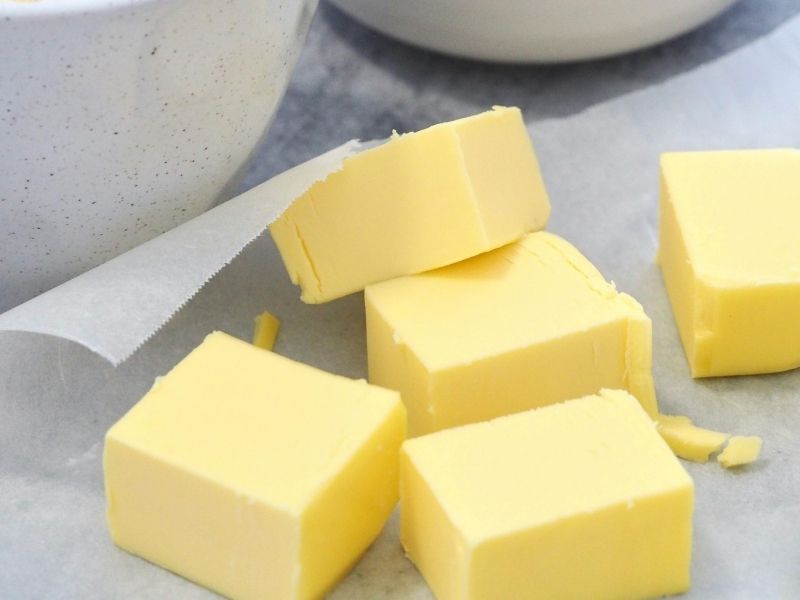
Butter remains a favorite among bakers because it provides an unmistakable flavor. Its milk solids also contribute to browning during baking.
Cold butter creates small pockets throughout dough. During baking, the water inside butter turns into steam. That steam expands and helps separate pastry layers.
However, butter has a relatively narrow temperature window for successful pastry work. Warm butter becomes soft quickly. Once it melts into the flour, you lose some of the distinct fat pockets that create flaky texture.
Therefore, temperature control matters greatly.
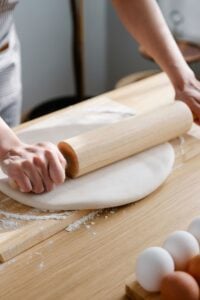
Use chilled butter for pie crusts, shortcrust pastry, and many laminated doughs. Keep your hands, work surface, and rolling pin from warming the dough excessively.
For more guidance, explore The Science of Baking Made Simple for Beginners.
Butter also contributes a delicate aroma. That characteristic makes it particularly attractive for croissants, Danish pastries, galettes, tarts, and premium pie crusts.
Still, butter does not automatically guarantee perfect pastry. Poor handling can ruin even excellent ingredients.
How Margarine Performs in Pastry
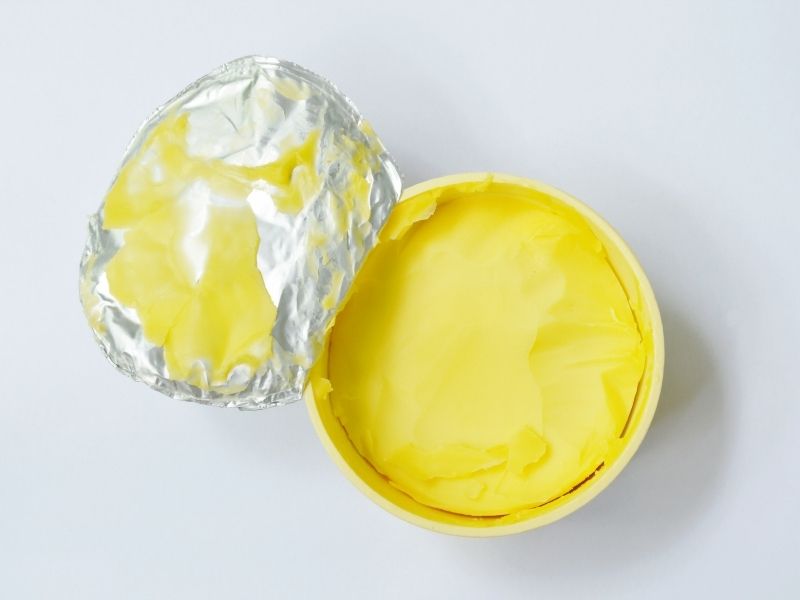
Margarine offers several practical advantages. Some pastry margarines contain a higher fat percentage and maintain a firmer structure during preparation.
That characteristic can make rolling easier for beginners. Margarine can remain workable for longer periods, especially in warm kitchens.
Some professional bakers also use pastry margarine because manufacturers formulate certain products specifically for lamination. Those products can provide reliable plasticity and consistent layering.
However, regular table margarine may behave differently. Check the package before substituting it for butter.
Different products contain different amounts of water and fat. Consequently, replacing butter with margarine at a one-to-one ratio can produce different results.
You can learn more about ingredient functions through Baking Ingredients Explained.
Which Creates Flakier Pastry?
Butter can create exceptionally flaky pastry when you keep it cold and distribute it properly. Its water content creates steam during baking, while its fat separates layers.
Margarine can also create flaky pastry, particularly when you use a pastry-specific formulation. Its performance depends heavily on the product’s fat structure.
For homemade pie crust, many bakers prefer butter because it combines flakiness with excellent flavor.
For laminated dough, the answer becomes more complicated. Professional pastry margarines can provide excellent flexibility and layering. They often tolerate handling better than ordinary butter.
Still, butter delivers a richer eating experience.
If your priority centers on classic flavor, butter usually wins. If your priority involves easier handling and consistency, suitable margarine can perform extremely well.
You can compare the structures of different pastry doughs through Puff Pastry vs Phyllo Dough vs Shortcrust.
Which Gives Better Flavor?
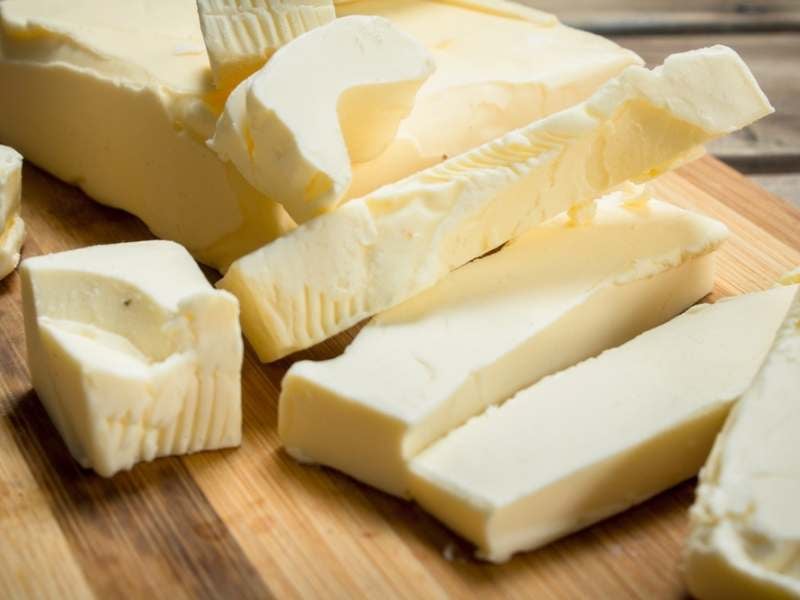
Butter wins this category for most traditional pastries.
Its dairy flavor adds richness without requiring additional ingredients. That quality becomes especially noticeable in simple pastries where the fat contributes a large portion of the finished flavor.
Shortcrust pastry provides a good example. A butter-based tart shell can taste rich and delicate even with a simple filling.
Margarine can produce pleasant pastry, but its flavor depends heavily on the product. Some varieties taste neutral, while others contain added flavorings designed to mimic butter.
For pastries with strong fillings, the difference may feel less noticeable.
For croissants, puff pastry, Danish pastries, and classic tart shells, however, butter can make a significant difference.
If flavor matters most, choose good-quality butter.
Which Produces Better Browning?
Butter generally produces stronger browning because it contains milk solids. Those solids contribute to the golden appearance that many bakers associate with well-baked pastry.
Margarine can brown effectively, but results vary according to formulation.
The oven temperature also affects browning. A pastry baked at an unsuitable temperature may remain pale, dry out, or brown too quickly.
Review Understanding Baking Temperatures for Better Results before adjusting your oven temperature.
Egg washes can also influence color. A pastry brushed with egg can develop a deeper golden finish than one left completely unwashed.
However, do not rely on appearance alone. Check the texture and doneness as well.
Butter vs Margarine for Shortcrust Pastry
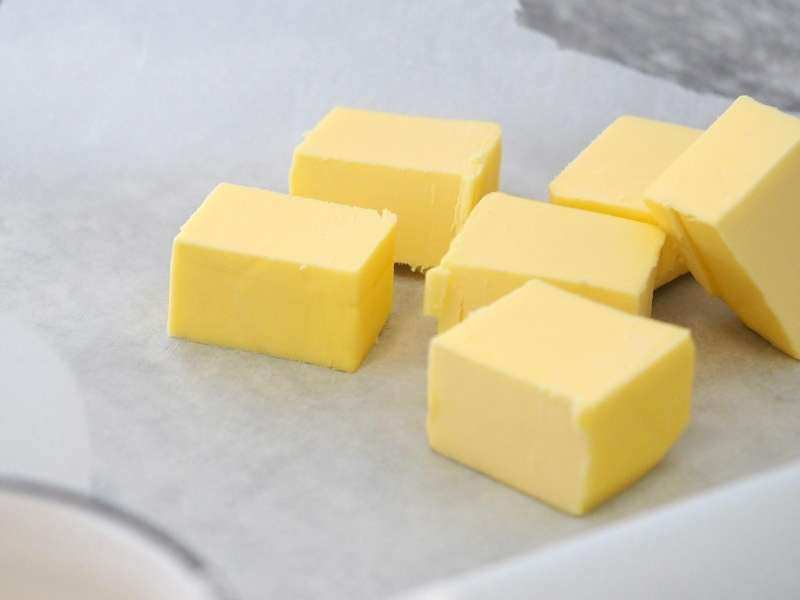
Shortcrust pastry needs a tender, crumbly texture. The fat should limit gluten development while creating enough structure for the dough to hold its shape.
Butter works beautifully here.
Its flavor complements fruit tarts, custard pies, lemon tarts, and savory quiches. Cold butter also creates desirable pockets throughout the dough.
Margarine can work well too. It often produces tender pastry with a softer mouthfeel.
For beginners, margarine may feel easier because it can remain workable longer.
However, avoid using very soft margarine when making pastry. Excessive softness can make dough greasy and difficult to roll.
If you struggle with crust texture, read 17 Pie Baking Mistakes That Ruin Perfect Crusts.
Butter vs Margarine for Puff Pastry
Puff pastry depends on layers of dough and fat. The baker repeatedly rolls and folds the dough to create those layers.
Butter works wonderfully because its firm texture creates a distinct barrier between dough layers.
However, butter requires careful temperature management.
If butter becomes too warm, it can smear into the dough. If it becomes too cold, it can crack during rolling.
Margarine designed specifically for puff pastry can make lamination easier. Its flexibility allows it to roll with the dough without breaking as readily.
Therefore, professional pastry margarine can offer practical advantages.
Regular margarine does not necessarily deliver the same result.
Choose a product specifically designed for pastry when possible.
For more pastry inspiration, explore 23 Beautiful Pastry Decorating Ideas.
Butter vs Margarine for Danish Pastry
Danish pastry combines laminated dough with sweet fillings, glazes, fruit, cream cheese, or custard.
Butter creates rich layers and a delicate aroma. It works particularly well when you want a bakery-style flavor.
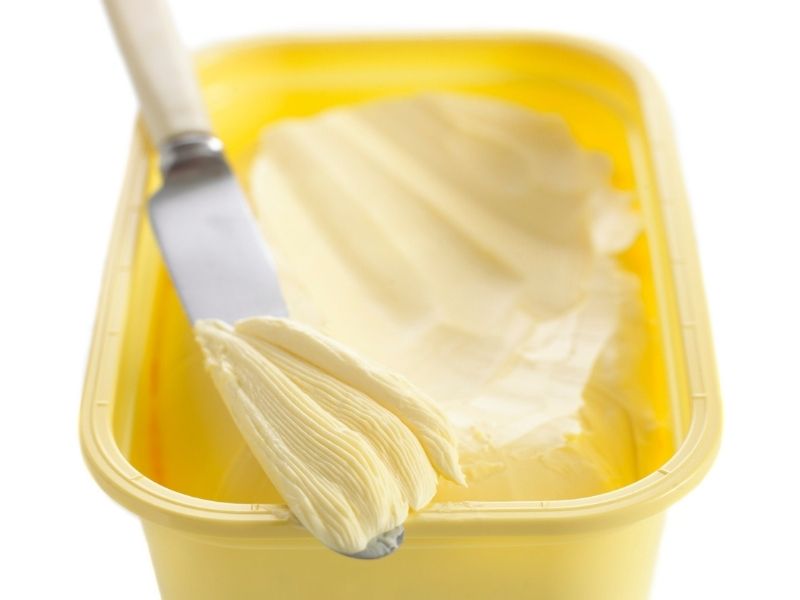
Margarine can simplify the lamination process. Some pastry margarines maintain excellent flexibility during repeated rolling.
The choice therefore depends on your goal.
Use butter for rich flavor and traditional character. Choose pastry margarine when you prioritize handling and consistent layers.
You can also experiment with both options in separate batches. Keep every other ingredient identical. Compare the dough texture, rise, browning, aroma, and final bite.
That simple test can teach you more than relying on general rules.
Does Margarine Make Pastry Softer?
Margarine can produce softer pastry depending on its formulation.
Some margarines contain different fat structures than butter. That difference can affect tenderness and spread.
However, softness also depends on flour, mixing time, liquid quantity, and baking temperature.
Avoid blaming the fat alone when pastry turns too soft.
Check your technique first.
Overworking dough can strengthen gluten and create a tougher texture. Excess liquid can also change the structure.
For useful troubleshooting advice, read Common Baking Mistakes and How to Fix Them Fast.
Does Butter Make Pastry Tough?
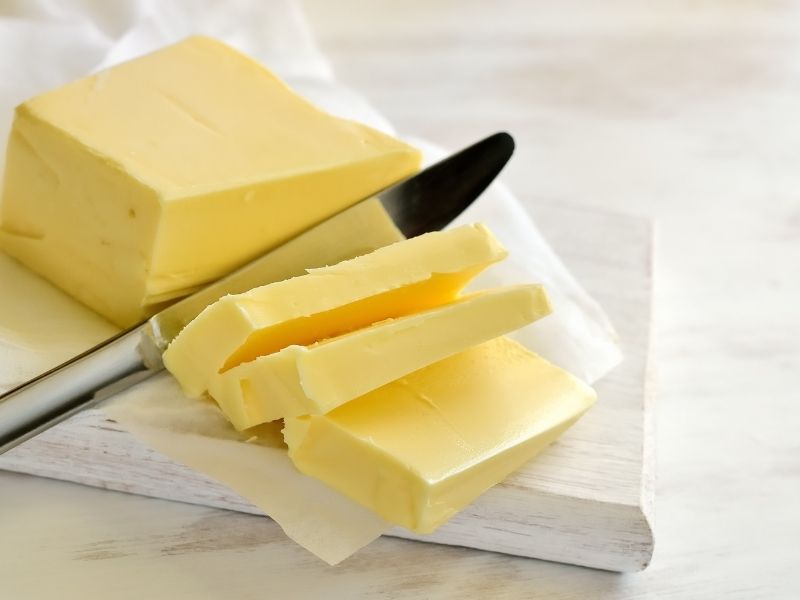
Butter itself does not automatically create tough pastry.
Technique usually causes that problem.
When you work pastry dough excessively, flour absorbs moisture and develops gluten. That development can make the finished crust chewy rather than tender.
Adding too much flour during rolling can create another problem.
Use just enough flour to prevent sticking. Excess flour can make pastry dry and dense.
Cold ingredients also help. Warm butter can blend too thoroughly into the flour, changing the final structure.
Use a light touch during mixing.
If you want to strengthen your overall technique, explore Easy Baking Skills Every Home Baker Should Master First.
How Temperature Changes the Result
Temperature represents one of the biggest factors in pastry success.
Cold butter remains solid while you work. That condition helps preserve fat pockets.
Warm butter becomes soft. Once it spreads through the flour, you lose some of the separation needed for flaky layers.
Margarine can offer a wider working window depending on the formulation.
Still, temperature remains important with both fats.
Chill your dough after mixing. Chill it again after shaping when the recipe requires it.
A short chilling period can firm the fat and relax the gluten.
You can also chill your rolling surface during hot weather.
For beginners, Baking Tips That Instantly Improve Your Results offers useful techniques for improving consistency.
How Fat Affects Gluten Development
Fat and gluten interact closely in pastry.
Flour contains proteins that form gluten when they encounter moisture and receive mechanical action.
Fat coats some flour particles. That coating limits gluten formation and creates tenderness.
However, the exact effect depends on how you incorporate the fat.
Cutting cold butter into flour creates different results from creaming softened fat with sugar.
Laminating butter between dough layers produces another structure entirely.
That explains why pastry techniques matter so much.
You cannot simply change the fat and expect identical results.
Learn the terminology behind these methods through Baking Terms Explained: Fold, Cream, Knead & More.
Can You Substitute Margarine for Butter?
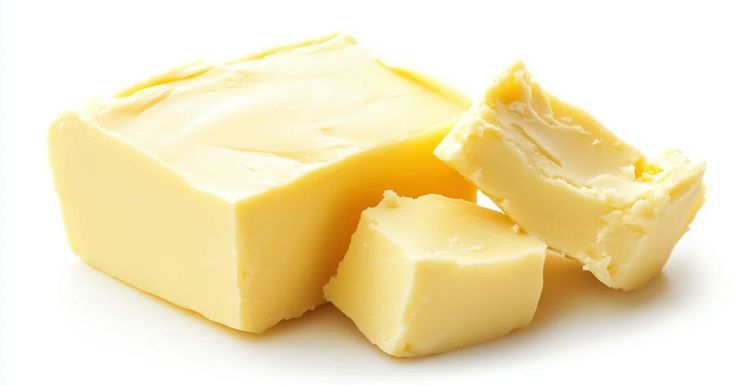
You can substitute margarine for butter in many pastry recipes, but expect some differences.
Start by checking the fat percentage.
Butter commonly contains around 80% fat, while margarines vary significantly. A lower-fat product may contain more water.
That extra water can change dough consistency.
It can also encourage additional gluten development.
For reliable substitutions, choose a margarine with a fat level suitable for baking.
You can also adjust the liquid carefully when necessary.
Never make several substitutions simultaneously during your first test. Change one variable at a time.
For additional substitution guidance, read Baking Substitutions Guide.
Can You Substitute Butter for Margarine?
Butter can replace margarine in many recipes, but the reverse substitution principle still applies.
Butter may contain less total fat than some pastry margarines. It also behaves differently at different temperatures.
Your dough may therefore feel firmer, softer, or more fragile.
Butter also provides a stronger dairy flavor.
When making laminated pastry, pay close attention to the butter’s temperature.
Let it become flexible without allowing it to melt.
That balance makes rolling easier and preserves the layers.
Which Is Better for Beginners?
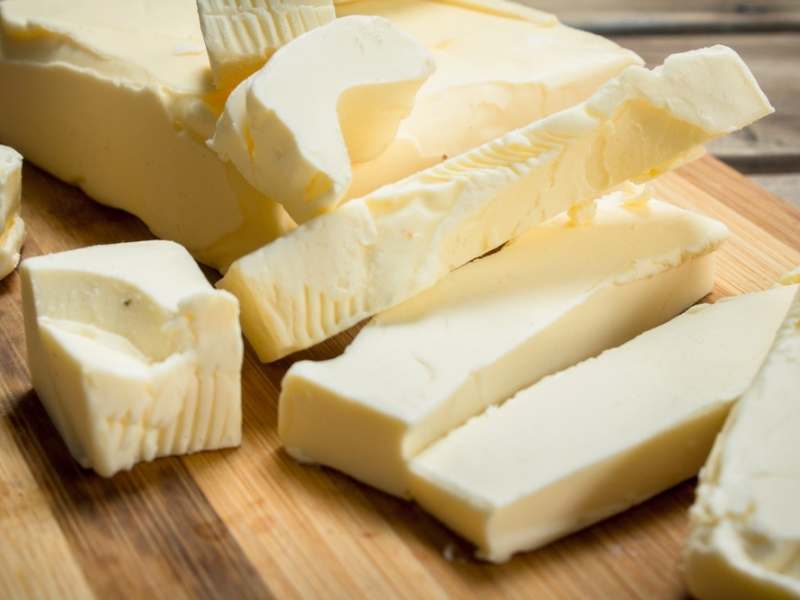
Beginners often find margarine easier to handle.
That advantage becomes particularly useful in warm kitchens.
Butter demands more temperature control, especially during lamination.
However, learning to work with butter can improve your pastry skills considerably.
Start with a simple shortcrust recipe. Practice keeping the butter cold, mixing gently, rolling evenly, and chilling the shaped dough.
Once you master those steps, move toward laminated pastry.
Your progress will become easier when you understand the basics. The Ultimate Beginners Guide to Baking can help strengthen those foundational skills.
Which Is Better for Pie Crust?
Butter usually provides the best combination of flavor and flakiness for homemade pie crust.
Margarine can still create a tender crust. Some bakers prefer it because the dough remains easier to handle.
A combination of butter and margarine can also work.
Blending the two fats can provide butter’s flavor alongside some of margarine’s handling benefits.
Experiment with different ratios.
For example, you could test a recipe using all butter, then another using half butter and half margarine.
Keep your flour, liquid, mixing method, and baking temperature consistent.
Then compare the results.
Which Is Better for Cookies?
Although cookies differ from laminated pastries, the choice between butter and margarine still matters.
Butter often provides richer flavor and better browning.
Margarine can produce softer cookies depending on its formulation.
Cookie spread also changes with fat consistency.
Very soft fat can encourage spreading. Firmer fat can help cookies retain their shape.
Your sugar choice matters too. Different sugars affect moisture, spread, browning, and texture.
Read The Different Types of Sugar Used in Baking Explained for more information.
If your cookies spread too much, review Why Did My Cookies Turn Out Flat? 21 Possible Reasons.
Does Margarine Cost Less?
Margarine often costs less than butter, although prices vary by brand and location.
That difference can matter when you bake frequently.
Home bakers who produce large quantities may choose margarine for cost control.
Professional bakers may also select pastry margarine based on consistency and performance.
However, price should not become the only deciding factor.
A cheaper ingredient can become expensive when inconsistent results lead to wasted dough.
Choose the fat that matches your recipe and production goals.
If you bake on a budget, explore Best Budget Baking Ingredients That Still Give Great Results.
How to Choose the Right Fat for Your Recipe
Start by identifying the pastry type.
For classic pie crust, butter provides excellent flavor and flakiness.
For shortcrust pastry, butter creates a rich, delicate texture.
For puff pastry, butter works beautifully when temperature control remains consistent.
For commercial-style laminated production, pastry margarine can offer easier handling.
For Danish pastry, both fats can perform well.
For budget-focused baking, margarine may reduce ingredient costs.
For premium pastries, butter often offers the stronger flavor profile.
Your choice should therefore reflect the result you want.
Common Mistakes When Using Butter
One common mistake involves using warm butter.
Soft butter can smear throughout the flour instead of forming distinct pockets.
Another mistake involves mixing too aggressively.
Excessive handling warms the dough and strengthens gluten.
Adding too much flour creates another issue.
Instead, dust your work surface lightly and use a pastry scraper when possible.
You should also avoid skipping the chilling stage.
Chilling restores firmness and gives the dough time to relax.
If you want more guidance, check Baking Confidence Tips for Complete Beginners.
Common Mistakes When Using Margarine
Using ordinary table margarine for laminated pastry can cause problems.
Some products lack the fat structure required for clean layers.
Another mistake involves choosing low-fat margarine.
Higher water content can alter the dough considerably.
Over-soft margarine can also make pastry greasy.
Always check the package.
Look for products designed for baking or pastry when your recipe requires strong lamination.
Store the product correctly too.
Temperature affects margarine just as it affects butter.
For ingredient storage guidance, see Shelf Life of Common Baking Ingredients.
Butter, Margarine, or a Combination?
You do not always need to choose one.
A blend can provide useful characteristics from both fats.
Butter contributes flavor and milk solids.
Margarine can improve flexibility and handling.
A combination may work particularly well for home bakers who want balanced results.
However, test the ratio before using it for a large batch.
Start with a small quantity.
Record the dough texture, rolling behavior, baking time, browning, and final texture.
That approach helps you develop a reliable formula.
How Storage Affects Pastry Texture
Your fat choice also affects how pastry behaves after baking.
Butter-rich pastry can become firmer as it cools.
Margarine-based pastry may maintain a different texture depending on its formulation.
Storage conditions matter too.
Humidity can quickly soften crisp pastry.
Warm containers can trap condensation.
Allow freshly baked pastries to cool properly before covering them.
Then choose packaging that protects the texture.
Read How to Store Baked Goods to Keep Them Fresh Longer for practical storage guidance.
How to Get Better Results With Either Fat
Measure ingredients accurately.
Keep the fat at the appropriate temperature.
Avoid excessive mixing.
Use the correct flour.
Chill pastry when the recipe calls for it.
Bake at the recommended temperature.
Avoid opening the oven repeatedly.
Let baked pastry cool before moving it unnecessarily.
Small details can produce major differences.
Your baking environment also matters. A hot kitchen can soften butter rapidly. A cool room gives you more working time.
Prepare everything before you begin.
That includes your flour, fat, liquid, rolling equipment, trays, and chilling space.
Good organization makes pastry preparation much easier. Baking Station Organisation Ideas That Will Transform Your Kitchen offers useful ideas for keeping your workspace efficient.
What Professional Bakers Consider
Professional bakers consider more than flavor.
They evaluate consistency, handling, cost, production speed, appearance, shelf life, and customer expectations.
Butter can create premium flavor and strong sensory appeal.
Margarine can provide predictable handling and production efficiency.
For a bakery producing hundreds of pastries, those differences become significant.
A home baker may prioritize flavor instead.
Someone selling pastries may prioritize consistency and cost.
If you plan to sell your baked goods, explore How to Price Your Baked Goods For Profit and How to Start a Baking Business From Scratch.
Final Verdict: Butter or Margarine?
Butter usually wins when flavor takes priority.
It provides rich dairy notes, attractive browning, and excellent flakiness when handled correctly.
Margarine becomes a strong choice when handling, flexibility, consistency, or cost matters more.
Pastry-specific margarine can perform particularly well in laminated dough.
Regular margarine does not always provide the same performance.
Therefore, avoid treating every margarine product as interchangeable.
For home baking, start with butter if you want to learn traditional pastry techniques.
Then experiment with margarine once you understand how fat, temperature, moisture, and gluten interact.
You can also test a butter-margarine blend.
The best choice ultimately depends on your pastry, technique, budget, and desired finish.
Most importantly, learn how your chosen fat behaves.
Once you understand that behavior, you can adjust your method confidently instead of changing ingredients randomly.
For more pastry inspiration, explore The Ultimate Guide to Different Types of Desserts, then experiment with different doughs and fillings to discover the combinations that work best for your kitchen.