11 Best Rolling Pins for Cookie Dough
Disclosure: Some of the links in this post are affiliate links. This means if you click on the link and purchase an item, I will receive an affiliate commission at no extra cost to you.
If you love making cookies from scratch, you already know that the right rolling pin can make the whole process feel so much easier. A good rolling pin helps you roll your dough evenly, avoid overly thick or thin spots, and get those clean, consistent cookies you were hoping for. The wrong one, on the other hand, can make sticky dough, uneven thickness, and awkward rolling feel like a lot more work than they need to be.
When you are making cut-out cookies, sugar cookies, gingerbread, or other rolled cookie dough, thickness really matters. Even a small difference can affect how quickly your cookies bake and how crisp or soft they turn out. That is why I think a rolling pin is one of those baking tools worth choosing carefully. If you are still building your collection of essentials, you might also want to check out my guide to Essential Baking Tools Every Home Baker Needs.
In this guide, I’m sharing 11 of the best rolling pins for cookie dough to help you find one that feels comfortable, rolls smoothly, and makes getting that perfect dough thickness much easier. Whether you are a beginner baker or someone who makes cookies every weekend, there is an option here worth considering.
11 Best Rolling Pins for Cookie Dough
1. Geesta Adjustable Wood Rolling Pin
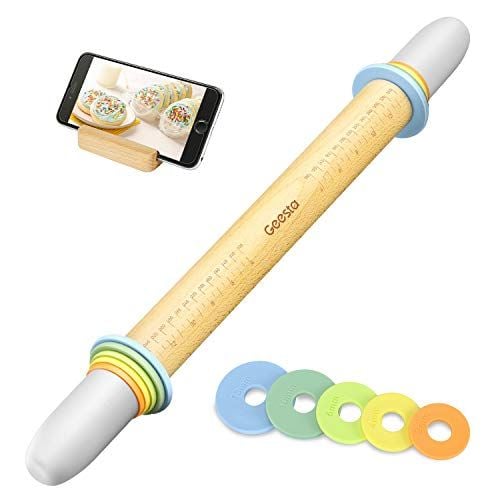
If you struggle to roll cookie dough to the same thickness every time, an adjustable rolling pin can be a real kitchen helper. The Geesta Adjustable Wood Rolling Pin is designed around that idea, giving you a way to control the thickness of your dough instead of relying completely on your eye.
This can be especially useful when you’re making cut-out cookies. Consistent dough thickness means your cookies are more likely to bake at a similar rate, which is exactly what you want when you have a whole tray of cookies going into the oven. It can also save you from repeatedly measuring the dough with a ruler.
I like adjustable pins for beginners because they take some of the guesswork out of rolling. If you’re still getting comfortable with baking measurements, you may also want to keep my Baking Measurements Conversion Chart handy while you work through recipes.
2. MIKULA Rolling Pin
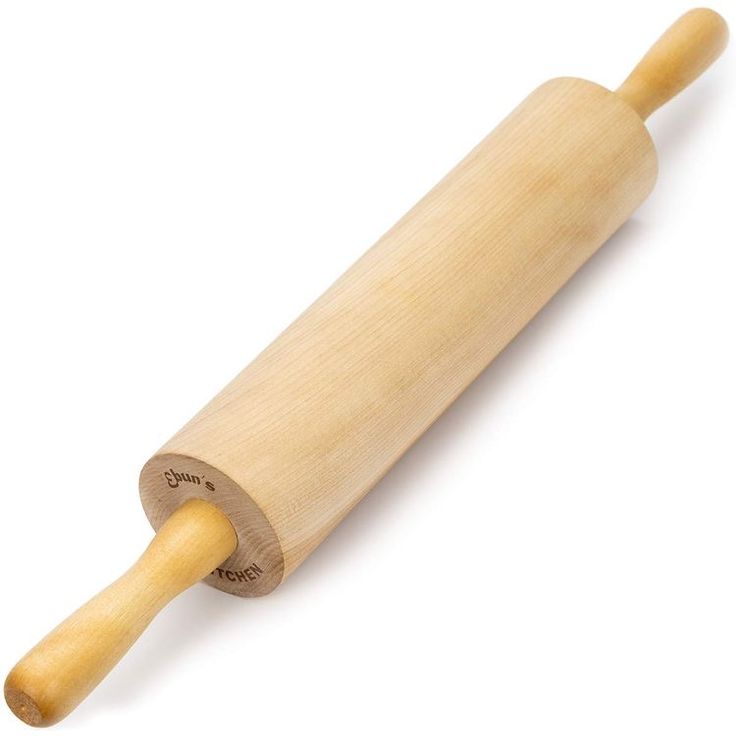
The MIKULA Rolling Pin is another option for bakers who like the idea of controlling dough thickness. This type of rolling pin can be particularly handy when you make cookies that need to be rolled evenly before cutting shapes.
When I’m rolling cookie dough, I want the process to feel controlled rather than like I’m fighting with the dough. A pin that allows you to focus on maintaining an even thickness can make the job much less frustrating. This is especially helpful when you’re making several batches at once.
It’s also worth remembering that the rolling pin isn’t the only thing affecting your dough. The temperature of your butter, how you measure flour, and how long you mix the dough all matter too. My guide to Baking Ingredients Explained: What Every Ingredient Actually Does can help you understand why those little details matter.
3. White Small Marble Dough Rolling Pin
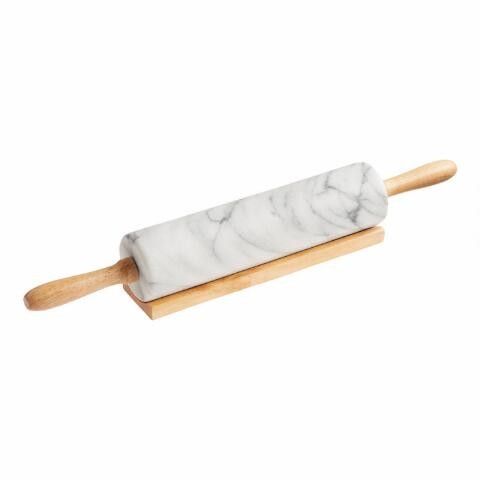
There’s something lovely about using a marble rolling pin when you’re baking. The White Small Marble Dough Rolling Pin is a compact option that can work nicely for smaller batches of dough and cookie projects.
Marble is also popular with bakers because it has a naturally cool feel. That can be useful when working with dough that becomes difficult to handle as it warms up. If you’ve ever had cookie dough become soft and sticky halfway through rolling, you know exactly why keeping your dough cool can make such a difference.
A smaller rolling pin can also be useful if you have limited counter space. You don’t need a huge baking area to make beautiful cookies. In fact, my Small Kitchen Baking Ideas for Limited Spaces has plenty of ideas for making a smaller kitchen work for you.
4. GREATLINK Stainless Steel Rolling Pin
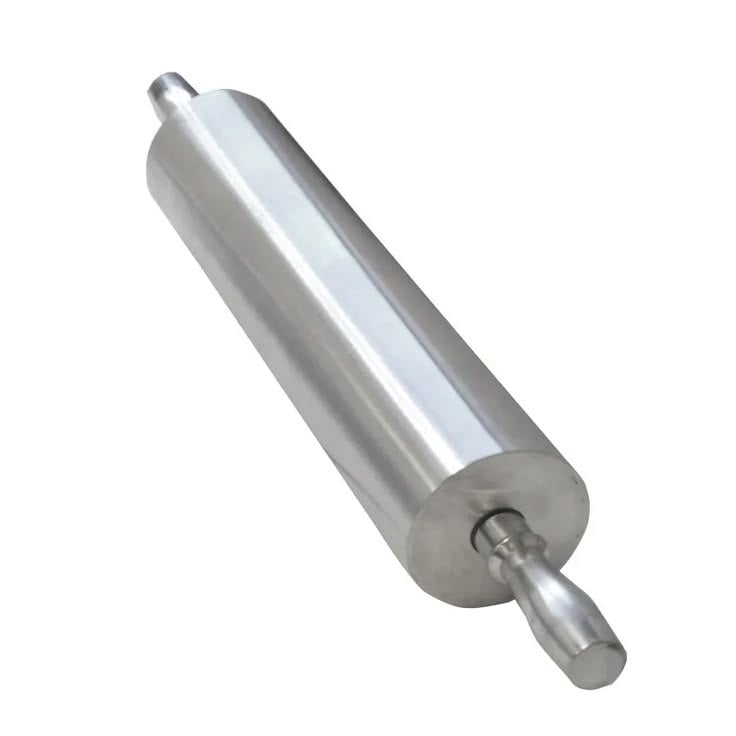
If you prefer a modern alternative to wood, the GREATLINK Stainless Steel Rolling Pin is an interesting choice. Stainless steel rolling pins have a smooth surface and a solid feel, which many bakers appreciate when working with different types of dough.
For cookie dough, the smooth surface can be particularly convenient when you’re trying to create an even sheet before cutting your shapes. You’ll still want to pay attention to dough temperature, though, because even the best rolling pin cannot completely rescue dough that has become too soft.
Another thing I like about stainless steel tools is that they can fit nicely into a clean, modern baking setup. If you’re slowly creating your ideal baking area, take a look at these Dream Baking Kitchen Inspiration Ideas for some inspiration.
5. Flexzion Marble Rolling Pin With Cradle Stand
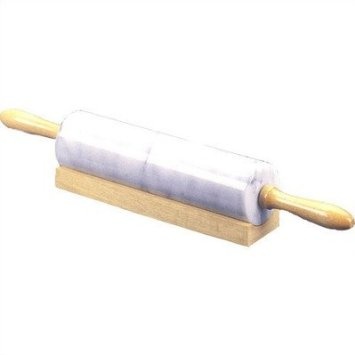
The Flexzion Marble Rolling Pin with Cradle Stand is one of those tools that combines baking functionality with a little bit of presentation. The marble design gives it a sturdy feel, while the included cradle gives you somewhere to place it when you’re finished rolling.
That storage stand is a small detail, but I actually appreciate details like this in a busy kitchen. Rolling pins can be awkward to store because they’re long and don’t always fit neatly into regular drawers. Having a dedicated place for one can keep your counter and cabinets more organized.
If you have a growing collection of baking equipment, organization becomes even more important. My Baking Station Organisation Ideas can give you a few ideas for keeping frequently used tools easy to grab.
6. KARRYOUNG Natural Rubberwood Rolling Pin With Handles
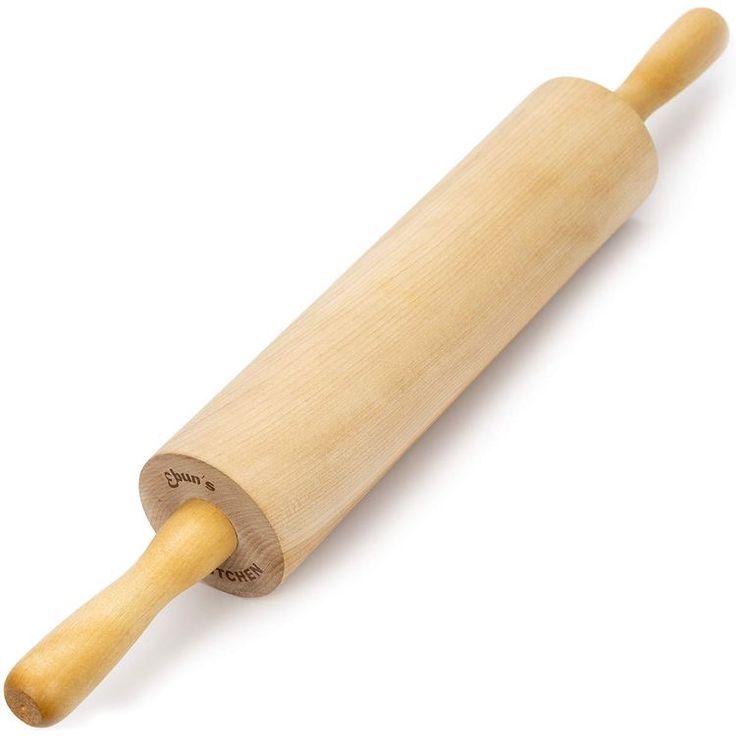
The KARRYOUNG Natural Rubberwood Rolling Pin with Handles is a more traditional choice for bakers who prefer a handled rolling pin. The handles give you something to grip while rolling, which some people find more comfortable than a handle-free French-style pin.
A handled rolling pin can be especially nice if you’re new to rolling dough. You have a clear place to put your hands, and the design feels familiar because it’s the style many of us grew up seeing in kitchens.
Of course, comfort is personal. Some bakers love handles, while others prefer the freedom of a dowel-style pin. If you’re still developing your baking technique, my guide to Easy Baking Skills Every Home Baker Should Master First covers several fundamentals that can help you feel more confident.
7. Ultra Cuisine French Rolling Pin
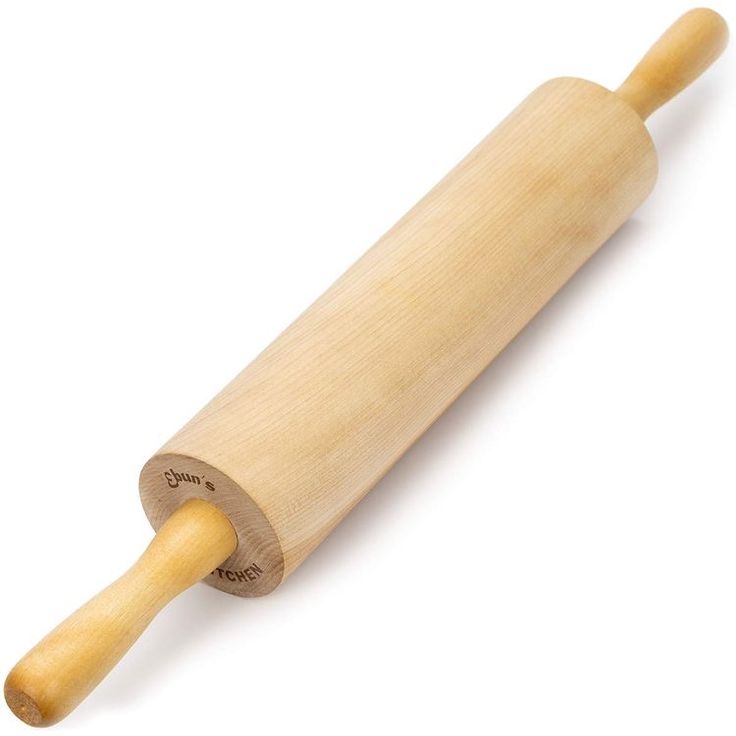
If you’ve never used a French rolling pin before, this could be a nice opportunity to try something different. The Ultra Cuisine French Rolling Pin has the simple, handle-free design that many bakers enjoy for having more direct control over the dough.
I particularly like this style for bakers who want to feel exactly how the dough is moving underneath the pin. Because there are no separate handles, you can adjust your hand placement as you roll and work across different parts of the dough.
French rolling pins can also be useful beyond cookies. If you enjoy making pastries, pie dough, or other rolled treats, having one versatile pin can save you from buying several specialized tools. You might also enjoy my guide to 17 Essential Pastry Tools Every Baker Needs if you’re expanding your pastry collection.
Check the Ultra Cuisine French Rolling Pin on Amazon
8. GoodCook Classic Wooden Rolling Pin
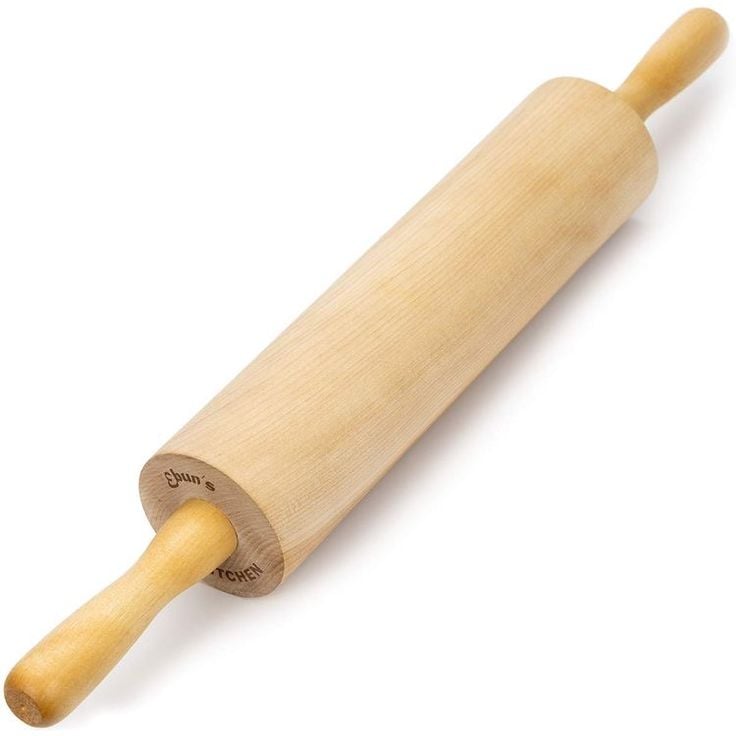
Sometimes, you just want the classic option. The GoodCook Classic Wooden Rolling Pin with Easy Roll Bearings has the familiar handled design many home bakers know and love.
This type of rolling pin can be a good fit if you want something straightforward for cookie dough without needing adjustable rings or other special features. The handles provide a familiar grip, while the rolling mechanism is designed to make the pin move smoothly across the dough.
For someone who makes cookies, pie crusts, and other basic doughs, a traditional rolling pin can earn its place in the kitchen pretty quickly. If you’re interested in getting better at homemade cookies overall, my guide to 19 Easy Ways to Make Bakery-Style Cookies at Home is worth reading next.
9. Adjustable Rolling Pin With Thickness Rings
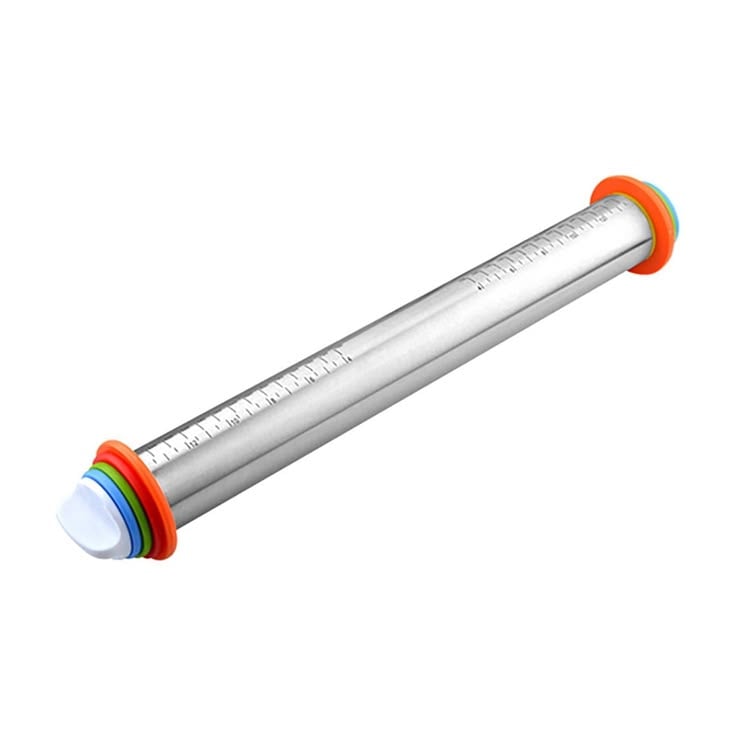
An adjustable rolling pin with thickness rings is another excellent concept for anyone who wants more control over cookie dough thickness. Instead of simply guessing how thick your dough is, the adjustable design gives you a more structured way to achieve the thickness you need.
This can be particularly helpful for decorated sugar cookies. If your cookies are going to be decorated with icing afterward, you usually want them to have a consistent shape and thickness so the finished batch looks uniform.
It’s also helpful when you’re baking cookies for other people. If you sell cookies or regularly make them for events, consistency becomes much more important because customers expect the cookies in one batch to look similar. My guide on How to Price Your Baked Goods For Profit may also be useful if you’re turning your baking into a small business.
10. Watris Veiyi Small Rolling Pin
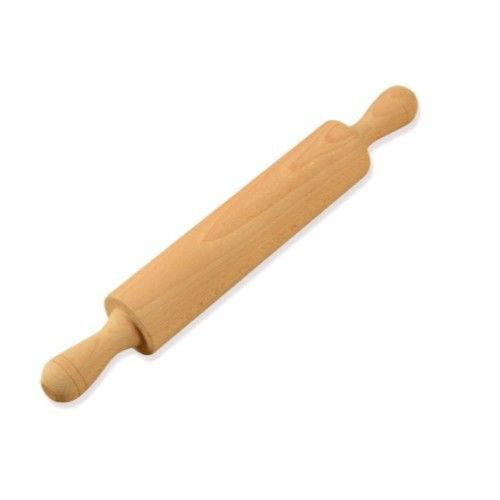
If you mainly make small batches of cookies, the Watris Veiyi Small Rolling Pin could be a practical option. Smaller rolling pins are easy to maneuver and can be particularly convenient when you don’t have a lot of counter space.
I also like smaller tools when working with small pieces of dough. If you’re making a few cookies for a family treat rather than preparing dozens for an event, you may not need a large professional-style rolling pin.
Small tools can also be easier to store in a compact kitchen. If you enjoy keeping your baking area tidy, you might want to check out these Baking Shelf Organization Ideas for Home Bakers for some simple storage inspiration.
11. Etens 17.3-Inch Professional Dowel Wood Rolling Pin
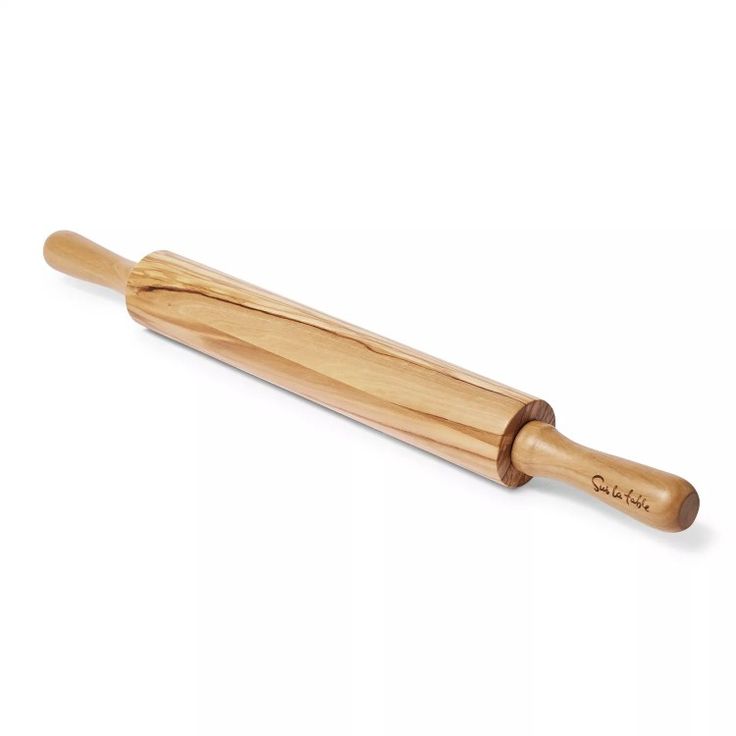
The Etens 17.3-Inch Professional Dowel Wood Rolling Pin is a longer dowel-style option that gives you plenty of surface area to work with. A longer pin can be particularly useful when you’re rolling larger sheets of dough.
For big batches of cut-out cookies, having a longer rolling surface can make it easier to cover a wider area without constantly repositioning the pin. It can also feel natural for bakers who prefer the simplicity of a traditional dowel.
Because it is a longer tool, though, make sure you have enough counter space to use it comfortably. Your baking surface should give you room to roll without constantly bumping into bowls, appliances, or other ingredients. If your workspace needs some attention, these Baking Cart Organization Ideas You’ll Want to Copy can help you create more usable space.
What Type of Rolling Pin Is Best for Cookie Dough?
There isn’t one rolling pin that every baker will love. The best choice depends on the type of cookies you make, how often you bake, and how much control you want over your dough.
For cut-out cookies, I would pay particular attention to adjustable rolling pins. They can help you maintain a consistent thickness, which is useful when you want a tray of cookies that bakes evenly and looks uniform.
A French rolling pin is a good option if you prefer more direct control. It takes a little getting used to, but many bakers enjoy being able to move their hands freely along the pin.
Then you have traditional handled rolling pins, which are simple and familiar. If you’re just getting started, there’s nothing wrong with choosing a classic design and learning your technique from there.
Why Does Cookie Dough Thickness Matter?
Cookie dough thickness affects much more than appearance. When some parts of the dough are thick and others are thin, the cookies can finish baking at different times.
That means you might end up with thin edges that are already brown while the thicker centers still need more time. It can be frustrating when you’ve spent time cutting beautiful shapes only to have them bake unevenly.
Consistent rolling helps solve part of that problem. You should still pay attention to your oven temperature and baking time, though. My guide to Understanding Baking Temperatures for Better Results explains why temperature matters so much in baking.
How Thick Should Cookie Dough Be?
The ideal thickness depends on the recipe and the type of cookie you’re making. Many cut-out cookie recipes call for a specific thickness, so I would always follow the recipe rather than assuming every cookie should be rolled the same way.
If your recipe gives you a measurement, an adjustable rolling pin can make that measurement much easier to achieve consistently. Otherwise, use your best judgment and try to keep the dough as even as possible.
Also, remember that cookie dough can change as it warms up. If the dough starts sticking badly to your counter or rolling pin, don’t keep adding more and more flour without thinking about it. Extra flour can affect the finished texture. My guide to Types of Baking Flour and When to Use Them explains how different flours can affect your baking.
How to Keep Cookie Dough From Sticking to the Rolling Pin
Sticky cookie dough can make rolling feel impossible, but adding a mountain of flour isn’t always the answer. Start by checking whether your dough has become too warm.
If the recipe allows it, chilling the dough can make it much easier to handle. You can also lightly flour your work surface and rolling pin when appropriate, but use enough to prevent sticking without covering the dough in excess flour.
Another option is rolling the dough between sheets of parchment paper, especially when you are working with particularly soft dough. If you’re dealing with a recipe that keeps giving you trouble, my guide to Common Baking Mistakes and How to Fix Them Fast is a useful troubleshooting resource.
Wooden vs Marble vs Stainless Steel Rolling Pins
Wooden rolling pins are classic for a reason. They feel natural in the hands, work well for many different doughs, and come in plenty of styles and sizes.
Marble rolling pins have a heavier feel and naturally stay cool, which can be useful when working with dough that becomes soft quickly. They can also look beautiful sitting on a kitchen counter, especially if you enjoy having attractive baking tools.
Stainless steel pins offer a smooth, modern alternative. They are worth considering if you prefer a sleek baking setup or want a different feel from traditional wood. Whichever material you choose, think about comfort first because you’ll enjoy baking much more when your tools feel good in your hands.
Tips for Rolling Cookie Dough Evenly
Before you start rolling, give your dough enough time to chill if your recipe calls for it. Cold dough is generally easier to work with when you’re making shapes because it is less likely to become soft and sticky immediately.
Next, roll from the center outward rather than repeatedly pressing down in one spot. Rotate the dough occasionally so you can work it evenly from different directions.
Finally, resist the temptation to keep rolling once the dough has reached the thickness you need. Overworking the dough can affect the final texture, especially with recipes where tenderness is important. If you’re looking for more practical baking guidance, my Baking Tips That Instantly Improve Your Results has plenty of useful reminders.
How to Choose the Right Rolling Pin for Your Baking Style
If you make cookies only occasionally, a simple wooden rolling pin may be all you need. There’s no reason to buy a complicated tool when a basic one can handle the recipes you enjoy.
If you make decorated cookies often, I would pay more attention to adjustable options. Being able to control thickness can make repeated batches much easier and more consistent.
For bakers who make different types of dough, versatility matters. A pin that feels comfortable for cookies can also become useful for pie crusts, pastries, fondant, and other projects. If you’re interested in expanding your baking skills, my Baking Bucket List Ideas Every Baker Should Try has plenty of fun projects to add to your list.
Final Thoughts
The right rolling pin can make cookie baking feel much less frustrating. Instead of fighting with uneven dough, sticky surfaces, or inconsistent thickness, you can focus more on the fun part of making cookies and decorating them.
Personally, I think the best place to start is by thinking about the kind of baker you are. Do you make cookies occasionally, or are you constantly rolling dough for holidays, parties, or customers? Do you prefer a traditional handled pin, or would you rather have the control of a French rolling pin?
There are plenty of good options here, so you don’t necessarily need the fanciest one. Choose a rolling pin that feels comfortable, suits your counter space, and gives you the amount of control you need. And if you’re building a more complete baking setup, you might also enjoy 13 Best Cookie Scoops for Perfectly Sized Cookies and 7 Best Cookie Cooling Racks for Perfectly Baked Cookies.
After all, good baking tools should make baking easier, not make you feel like you need a professional kitchen just to make a batch of cookies.