17 Essential Pastry Tools Every Baker Needs
Disclosure: Some of the links in this post are affiliate links. This means if you click on the link and purchase an item, I will receive an affiliate commission at no extra cost to you.
Making pastries at home becomes much easier when you have the right equipment within reach. Pastry dough requires careful handling, accurate measurements, controlled temperatures, and precise shaping. The right tools can make those steps simpler while helping you create cleaner, more consistent results.
You do not need a professional pastry kitchen filled with expensive equipment. A thoughtfully selected collection of Essential Pastry Tools can handle everything from simple pie crusts and turnovers to laminated dough, tarts, Danish pastries, and decorative finishes.
The key is choosing tools that serve multiple purposes. A sturdy rolling pin can handle several types of dough. A bench scraper can divide dough, clean work surfaces, and help transfer delicate pastry. A kitchen scale improves accuracy, while a pastry brush makes egg washing and glazing much easier.
Beginners can build their collection gradually instead of purchasing everything at once. Start with the tools you will use frequently, then add specialized equipment as your pastry skills develop. For a broader look at useful baking equipment, Essential Baking Tools Every Home Baker Needs (with budget options) can help you prioritize practical tools for your kitchen.
17 Essential Pastry Tools Every Baker Needs
1. Digital Kitchen Scale
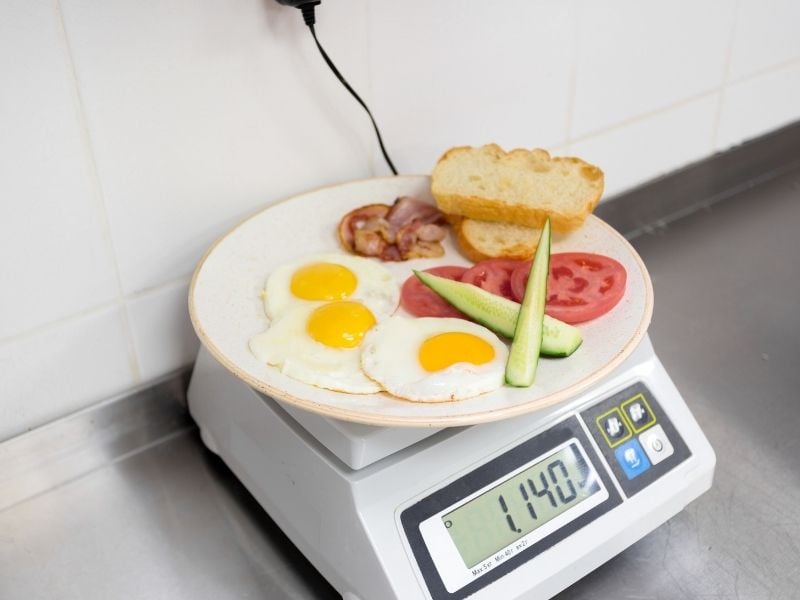
A digital kitchen scale is one of the most valuable Essential Pastry Tools for any baker.
Pastry depends heavily on accurate ratios. A small difference in flour, butter, or liquid can change the texture of the finished dough.
Measuring ingredients by weight gives you greater consistency than relying only on volume measurements. This becomes especially useful when making shortcrust pastry, puff pastry, croissants, and other recipes where precision matters.
Choose a scale with a tare function and a display that remains easy to read while you’re working.
The tare function allows you to reset the scale after placing a bowl on it. You can then add several ingredients without using multiple bowls.
A reliable scale also makes it easier to repeat successful recipes.
For a deeper look at measuring accurately, read Baking Measurements Conversion Chart (Cups, Grams, Ounces Explained).
2. Rolling Pin
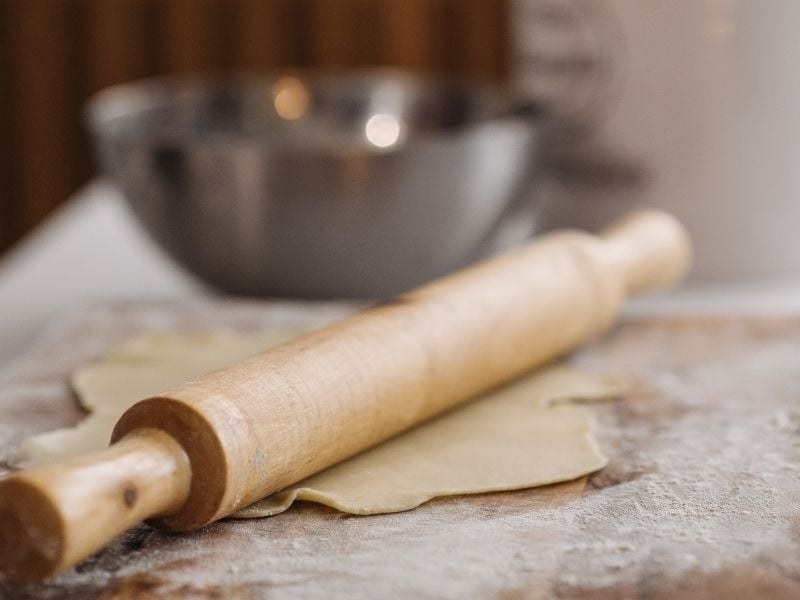
A rolling pin is essential for shaping pastry dough evenly.
You will use it for pie crusts, tart shells, turnovers, biscuits, cookies, puff pastry, and many other baked goods.
A smooth wooden rolling pin works well for most home bakers.
French-style rolling pins provide excellent control because they do not have handles. Traditional handled rolling pins can feel more comfortable for beginners who prefer a familiar grip.
The most important feature is your ability to control the pressure.
Roll gently from the center toward the edges. Rotate the dough regularly to maintain an even shape.
Avoid repeatedly rolling over the same area because excessive pressure can compress delicate pastry layers.
A good rolling pin can last for years when cleaned and maintained correctly.
3. Bench Scraper
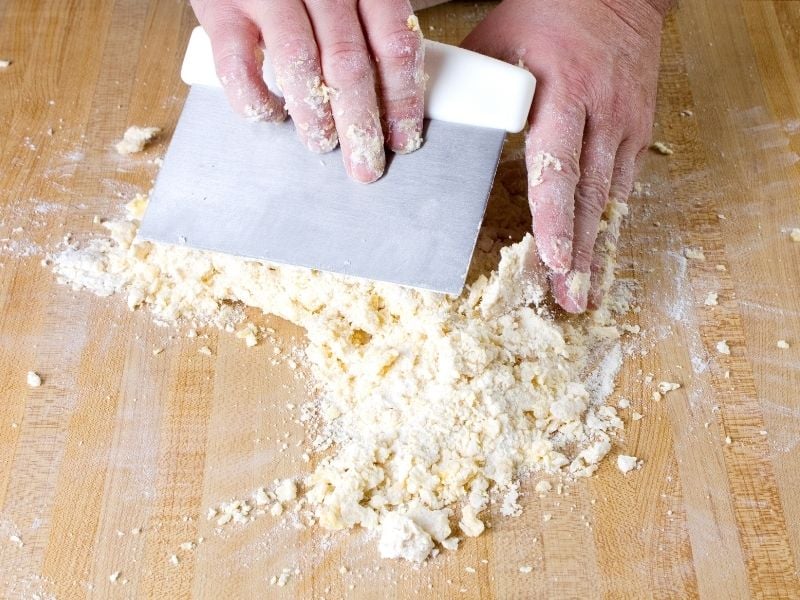
A bench scraper may be small, but it can completely change your pastry workflow.
Use it to divide dough, portion ingredients, lift pastry from the work surface, transfer cut dough, and remove flour or butter from your counter.
A stainless-steel scraper provides a firm edge for cutting and dividing dough. A plastic scraper works well for softer dough and bowl cleaning.
Some models include measurement markings, which make portioning easier.
Bench scrapers are widely valued because they perform several jobs without taking up much space. (AFESS)
For beginners, this is one of the first Essential Pastry Tools worth purchasing because it remains useful long after you’ve mastered basic pastry techniques.
4. Pastry Brush
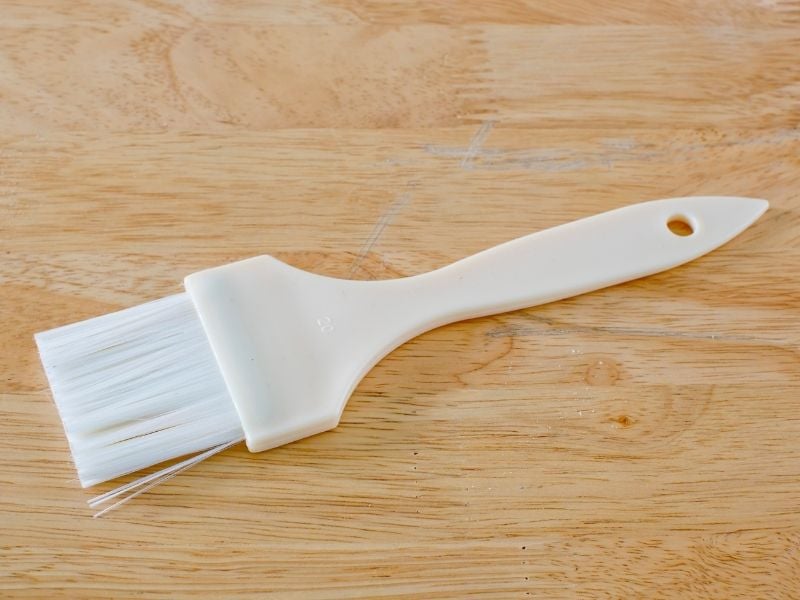
A pastry brush gives you better control when applying liquids to dough.
Use it for egg wash, melted butter, milk, glaze, syrup, or other finishing liquids.
An even coating helps pastries develop consistent color and shine.
A silicone brush is easy to clean and works well for general baking.
A natural-bristle brush can provide a softer application for delicate pastries.
The brush should distribute liquid without leaving heavy streaks.
Avoid soaking the pastry with egg wash.
Apply a thin, even layer instead.
A pastry brush also becomes particularly useful when working with laminated dough and thin pastry sheets.
5. Pastry Cutter or Pastry Blender
A pastry cutter helps incorporate cold butter into flour.
This is particularly useful when making shortcrust pastry, pie dough, biscuits, and similar recipes.
The tool breaks butter into smaller pieces while keeping the mixture relatively cool.
That matters because pastry depends on controlling the temperature of the fat.
When butter becomes too warm, it blends excessively into the flour.
The finished pastry can then lose some of its flaky texture.
A pastry cutter allows you to work efficiently without relying entirely on your hands.
Beginners can also use two knives when necessary, but a dedicated pastry cutter makes the process easier.
Understanding the role of fat can help you make better choices. Butter vs Margarine in Baking: Does It Really Matter? explains how different fats can affect baking results.
6. Fine-Mesh Sieve
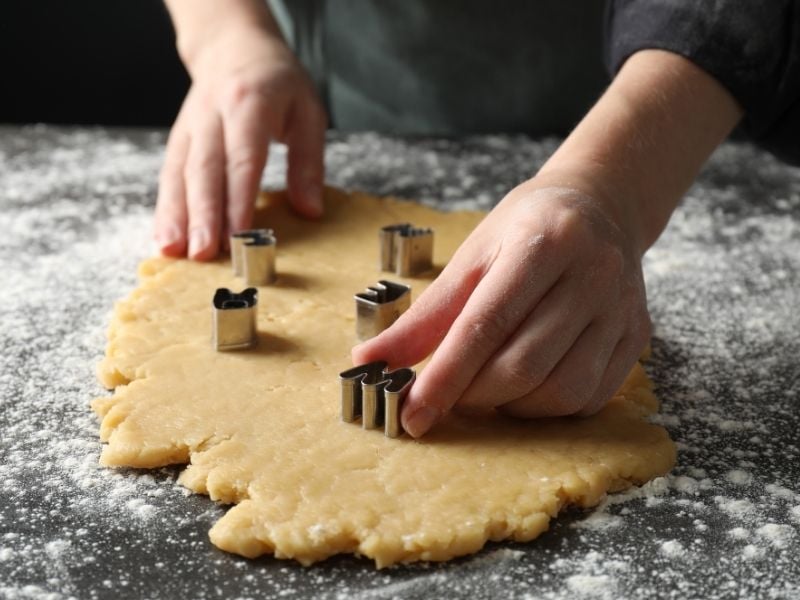
A fine-mesh sieve serves several purposes in pastry baking.
You can use it to sift flour, cocoa powder, powdered sugar, and other dry ingredients.
It also works for straining custards, fruit sauces, pastry creams, and other fillings.
A sieve helps remove lumps and creates smoother mixtures.
You can also use it to dust finished pastries with powdered sugar or cocoa.
Choose a sturdy model with a comfortable handle.
A medium-sized sieve provides enough capacity for most home baking projects.
This tool takes up very little storage space, making it particularly useful for small kitchens.
7. Pastry Wheel
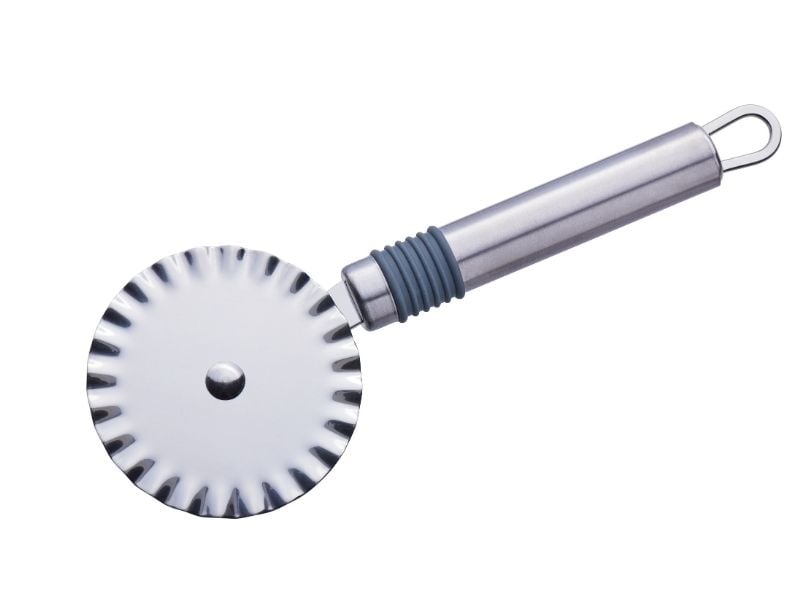
A pastry wheel creates clean, controlled cuts in dough.
Straight-edged pastry wheels work well for cutting strips and portions.
Fluted wheels create decorative edges.
You can use pastry wheels for turnovers, lattice strips, ravioli-style pastries, cookies, and decorative pie crusts.
The rotating blade moves smoothly through dough without dragging the surface.
This helps create cleaner shapes and more consistent portions.
A pastry wheel becomes especially useful when preparing multiple pastries for the same event.
Instead of cutting every piece freehand, you can maintain a consistent width and appearance.
8. Pastry Mat
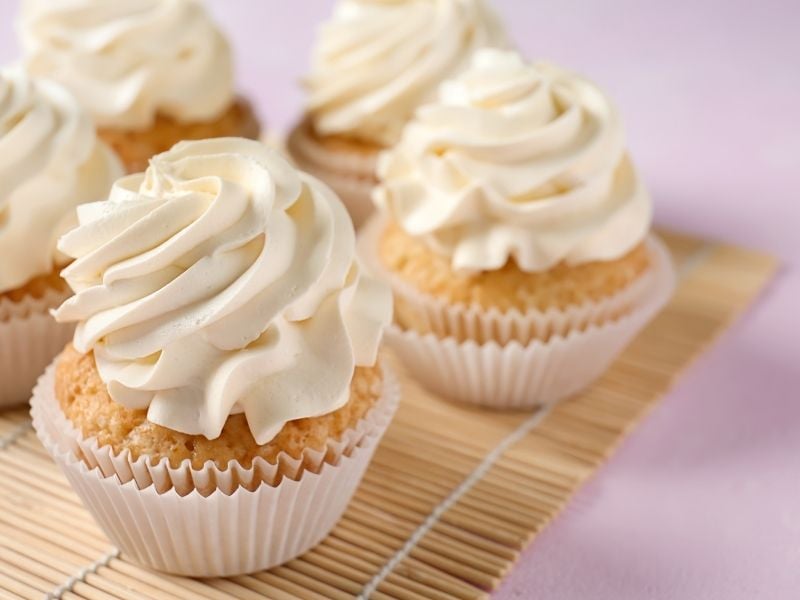
A pastry mat provides a dedicated surface for rolling and shaping dough.
Many pastry mats include measurements and circles that help you determine the diameter of your dough.
A non-slip surface also keeps the mat from moving around while you roll.
This becomes useful when working with delicate dough.
A pastry mat can protect your countertop from excessive flour and reduce cleanup afterward.
Choose a mat that can be cleaned easily.
Silicone mats are popular because they are flexible and easy to store.
If you’re developing a dedicated baking workspace, Aesthetic Baking Setup Ideas For Beginners offers ideas for combining functionality with an attractive setup.
9. Oven Thermometer
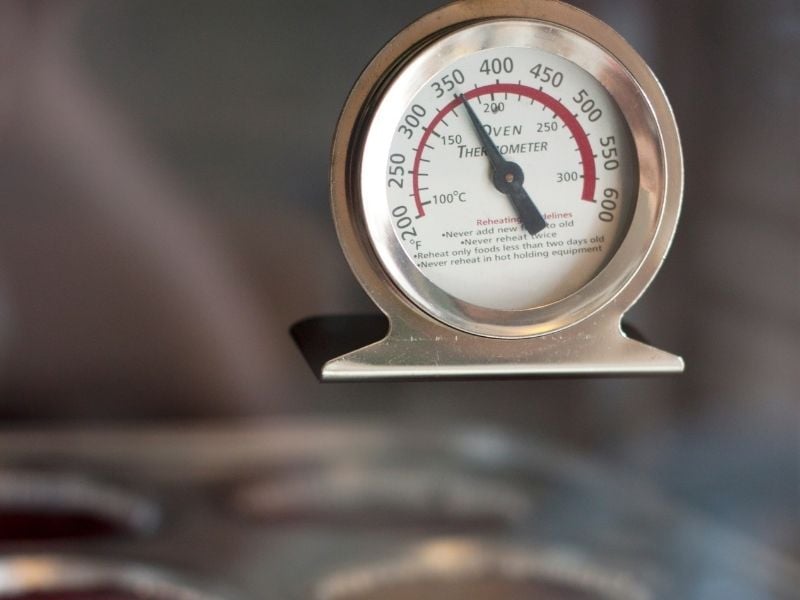
An oven thermometer is one of the most overlooked Essential Pastry Tools.
Your oven’s displayed temperature does not always represent its actual internal temperature.
Pastries are particularly sensitive to temperature because butter needs to melt and steam at the right stage.
An oven that runs too cool can produce pale, greasy pastry.
An oven that runs too hot can brown the outside before the interior finishes baking.
An inexpensive oven thermometer can help you identify temperature differences.
Place it inside the oven and compare its reading with the temperature you select.
Once you understand how your oven behaves, you can make better adjustments.
This is especially valuable when baking laminated pastries.
10. Pastry Cutter Set
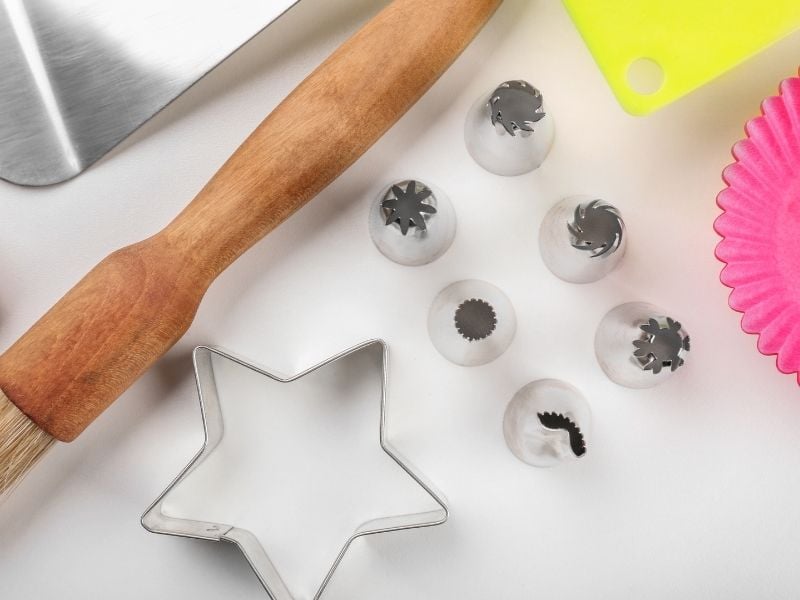
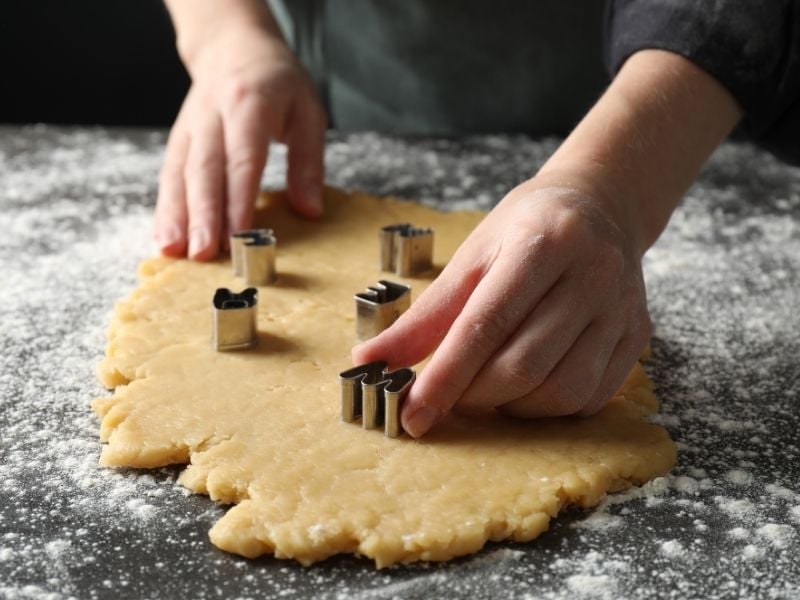
A pastry cutter set gives you different shapes and sizes for cutting dough.
Round cutters are useful for biscuits, scones, mini pies, and individual pastries.
Square and rectangular cutters can help with turnovers and filled pastries.
Decorative cutters can create attractive shapes for special occasions.
Choose cutters with sharp edges that cut cleanly through dough.
Avoid twisting the cutter excessively.
Press straight down and lift it directly upward.
Twisting can seal the edges and interfere with the way some pastries rise.
A good cutter set can also be used for cookies and decorative dough pieces.
11. Pie Weights
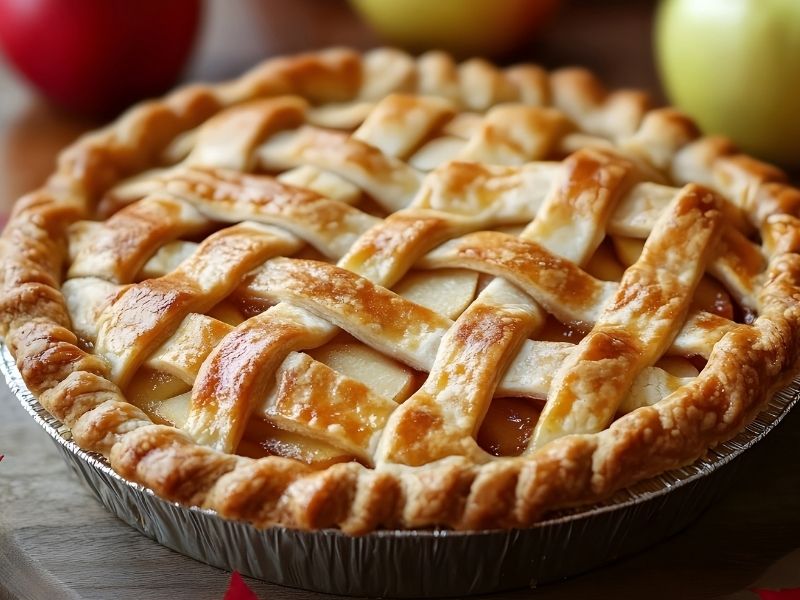
Pie weights become important when blind-baking pastry shells.
They prevent the crust from puffing upward while baking.
Without weights, steam can create large bubbles beneath the pastry.
This can produce an uneven surface that becomes difficult to fill.
Ceramic pie weights are reusable.
Dried beans or rice can sometimes serve as alternatives for certain baking applications, although dedicated weights are convenient for frequent bakers.
Use parchment between the pastry and the weights.
Remove the weights according to the recipe instructions so the crust can finish baking properly.
If pie pastry is part of your baking plans, 17 Pie Baking Mistakes That Ruin Perfect Crusts covers common problems that can affect crust quality.
12. Cooling Rack
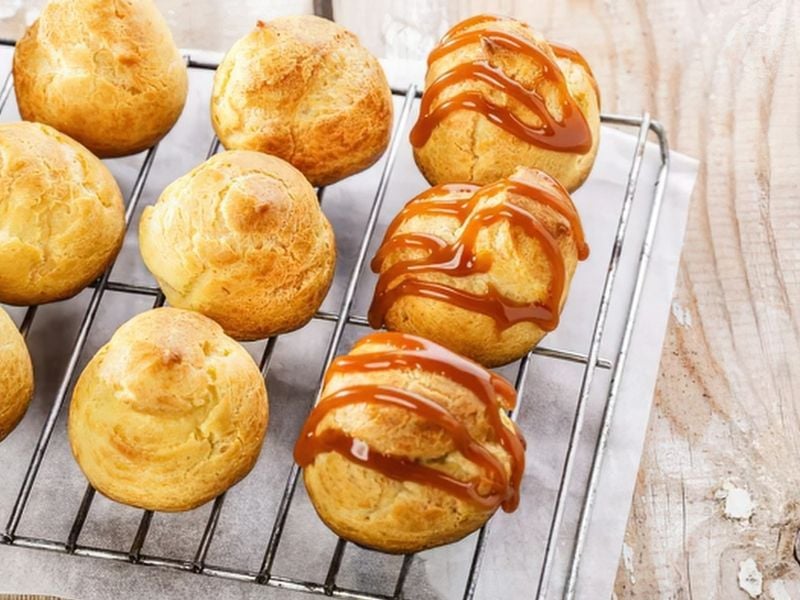
A cooling rack allows air to circulate underneath freshly baked pastries.
This helps prevent condensation from collecting beneath the pastry.
Without proper airflow, hot pastry can develop a softer bottom.
A cooling rack also allows pastries to cool more evenly before filling or decorating.
Choose a sturdy rack that fits your available counter space.
A larger rack becomes useful when baking several batches at once.
For smaller kitchens, a collapsible rack can save storage space.
Cooling completely before storage also helps maintain texture.
You can learn more about protecting finished baked goods in How to Store Baked Goods to Keep Them Fresh Longer.
13. Piping Bags and Pastry Tips
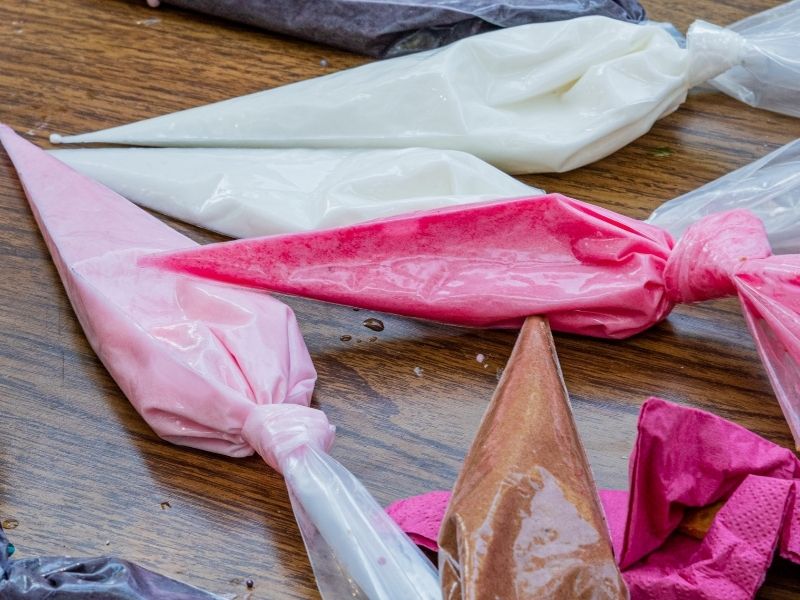
Piping bags are useful for more than cake decoration.
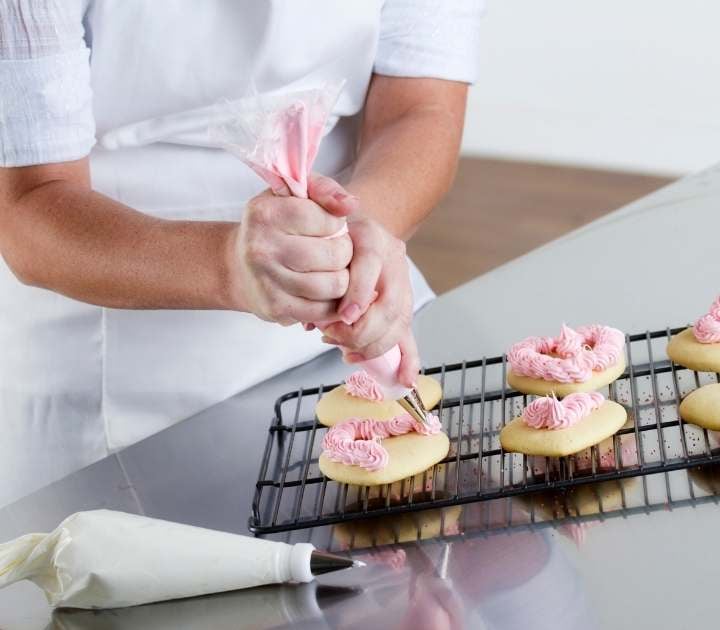
They allow you to pipe cream, custard, meringue, choux pastry, fillings, and decorative icing.
Different pastry tips create different shapes.
A round tip works well for filling pastries and creating simple lines.
A star tip creates ridged designs.
Large tips are useful for piping choux pastry and whipped fillings.
Reusable silicone or washable bags can reduce waste.
Disposable bags provide convenience when preparing several fillings.
Pastry bags become particularly valuable when working with éclairs, cream puffs, Danish pastries, and decorated tarts.
14. Offset Spatula
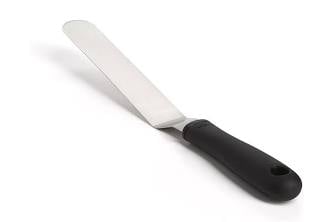
An offset spatula gives you precise control over pastry fillings and finishes.
Its angled design keeps your hand above the food while spreading ingredients.
You can use it to spread pastry cream, smooth fillings, lift delicate dough pieces, and apply thin layers of butter or chocolate.
A small offset spatula works well for individual pastries.
A larger version provides better coverage for larger tarts and cakes.
The flexible blade should have enough strength to spread fillings without bending excessively.
This tool is especially helpful when presentation matters.
15. Pastry Crimper
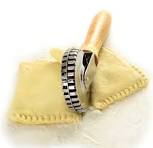
A pastry crimper creates decorative edges around pies, tarts, and filled pastries.
It can also help seal two layers of dough together.
Different crimper designs produce different patterns.
A simple fluted edge can make a pie look more polished without requiring advanced decorating skills.
Use the crimper after filling and sealing the pastry.
Apply consistent pressure around the edge.
Avoid pressing too deeply because you can weaken the pastry.
This is a specialized tool, so beginners can purchase it after building their basic collection.
16. Dough Docking Tool
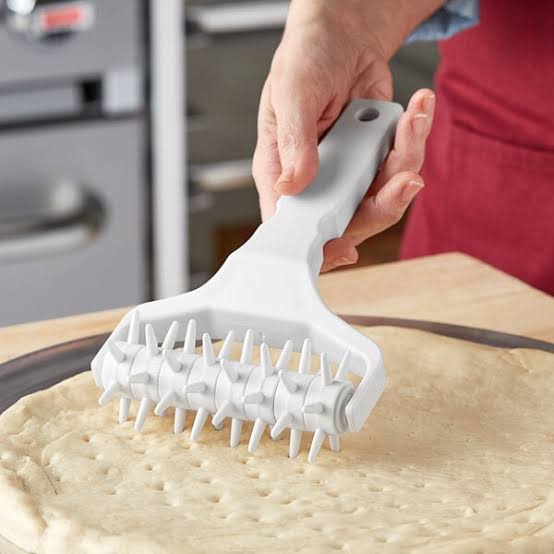
A dough docker creates small holes across pastry dough.
These holes allow steam to escape during baking.
Docking is useful for certain tart shells, pie bases, and other pastry applications.
You can purchase a dedicated docker with a rotating roller or use a fork for simple recipes.
The choice depends on how frequently you bake pastry.
A dedicated docker becomes worthwhile for frequent bakers who prepare many tart shells.
Do not dock pastries that need to rise dramatically.
The correct technique depends on the recipe.
17. Pastry Ruler
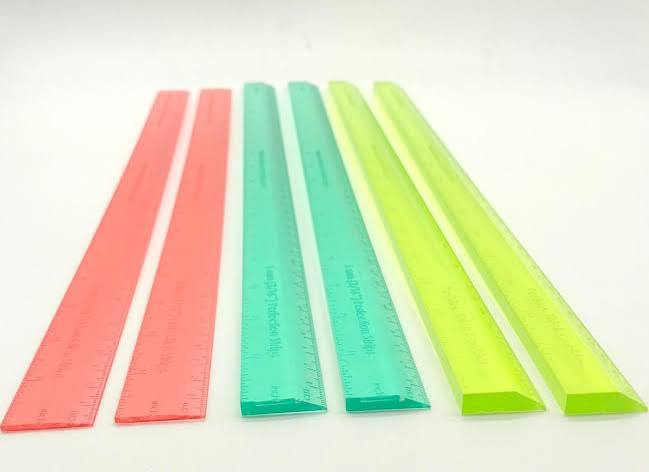
A pastry ruler may seem unnecessary until you start making multiple pastries that need consistent dimensions.
A ruler helps you measure dough thickness, pastry strips, tart bases, and decorative pieces.
It becomes especially valuable when preparing laminated dough.
Even thickness helps the pastry bake more evenly.
A ruler with clear markings allows you to reproduce the same dimensions each time.
Choose a durable ruler that can be cleaned easily.
A stainless-steel ruler works particularly well for pastry work.
How to Choose Essential Pastry Tools Without Overspending
You do not need all 17 tools on your first shopping trip.
Start with the equipment that supports the recipes you already want to make.
A beginner making pies and turnovers should prioritize a scale, rolling pin, bench scraper, pastry brush, pastry cutter, baking trays, and cooling rack.
Someone interested in croissants should prioritize a scale, rolling pin, pastry mat, bench scraper, ruler, and oven thermometer.
A baker who wants to make cream-filled pastries should add piping bags and pastry tips.
Your equipment should match your baking goals.
This approach prevents unnecessary spending.
For a broader equipment checklist, Essential Baking Tools Every Home Baker Needs (with budget options) explains which general baking tools deserve priority.
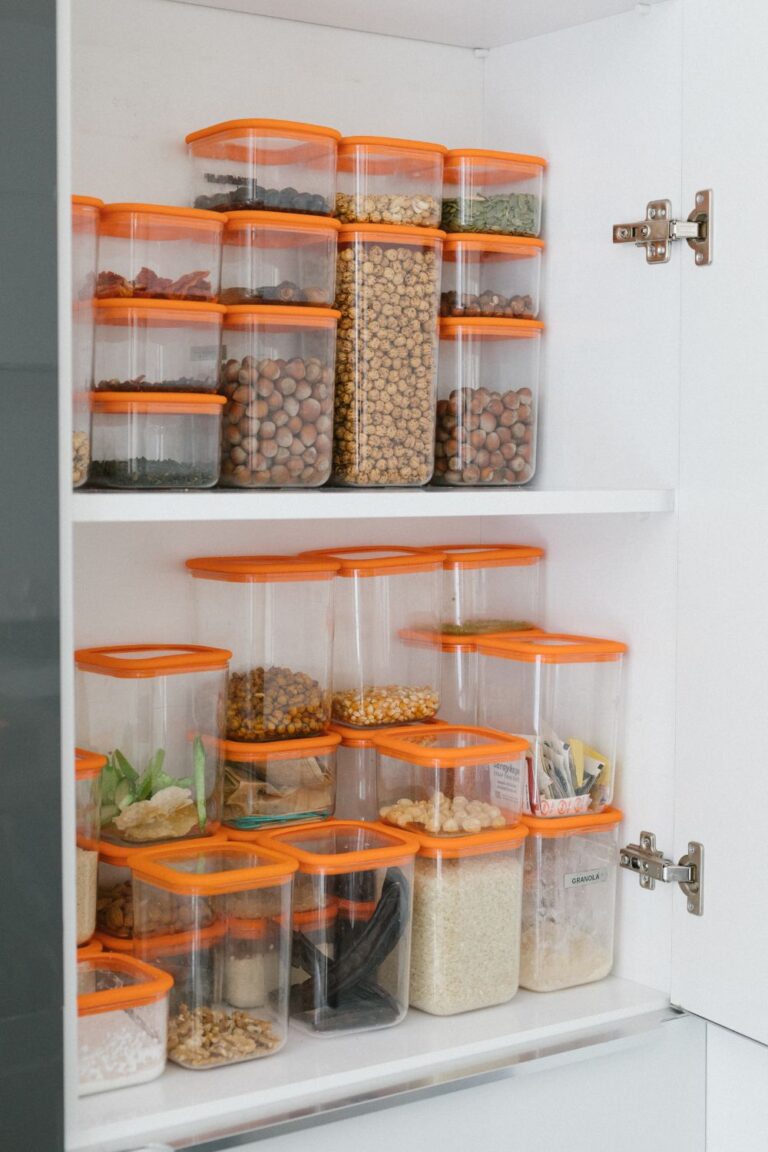
How to Keep Your Pastry Tools Organized
Pastry tools can quickly become difficult to manage.
Rolling pins are long.
Cutters are small and easy to lose.
Pastry tips can become scattered across drawers.
A simple organization system keeps everything accessible.
Store cutters together in a labeled container.
Keep piping tips in a small divided box.
Place brushes and spatulas in an upright holder.
Store the rolling pin somewhere that protects it from moisture.
A dedicated baking station can make preparation much faster. Baking Station Organisation Ideas That Will Transform Your Kitchen provides practical organization ideas for bakers.
Cleaning and Maintaining Pastry Tools
Proper maintenance extends the life of your tools.
Wash pastry brushes thoroughly after every use.
Dry metal tools completely to prevent corrosion.
Follow the manufacturer’s instructions for silicone equipment.
Avoid soaking wooden rolling pins for extended periods.
Wipe wooden tools clean and allow them to dry naturally.
Keep pastry cutters dry before storage.
Clean your bench scraper after every session.
Good maintenance protects your investment and keeps tools ready for the next baking project.
Tools That Improve Pastry Accuracy
Some tools primarily improve convenience.
Others directly improve precision.
A kitchen scale improves ingredient accuracy.
A ruler improves dough thickness.
An oven thermometer improves temperature awareness.
A bench scraper improves portioning.
A pastry wheel improves cutting consistency.
These tools become particularly valuable when you repeat recipes for customers or events.
Consistency matters even more when baking in larger quantities.
If you’re interested in turning pastry baking into income, How to Start a Baking Business From Scratch (Step by Step Guide) explores the broader process of developing a home baking business.
Essential Tools for Laminated Pastry
Laminated pastry requires more attention to temperature and dimensions.
A sturdy rolling pin allows controlled rolling.
A bench scraper helps lift and move dough.
A ruler helps maintain consistent dimensions.
A kitchen scale keeps ingredient ratios accurate.
An oven thermometer helps ensure reliable baking temperatures.
A pastry brush handles egg wash and finishing.
These tools create a practical foundation for croissants, Danish pastries, puff pastry, and similar recipes.
Temperature control remains especially important during lamination.
Work quickly enough to prevent the butter from becoming too soft.
Chill the dough whenever necessary.
Essential Tools for Pie and Tart Pastry
Pie and tart bakers need a slightly different collection.
A rolling pin shapes the crust.
A pastry cutter helps prepare shortcrust dough.
A pastry wheel creates decorative strips.
Pie weights support blind baking.
A ruler helps create even lattice strips.
A pastry brush applies egg wash.
A cooling rack protects the finished crust from trapped heat.
These tools work together to create cleaner, more consistent results.
For additional pastry inspiration, 23 Beautiful Pastry Decorating Ideas provides ideas for improving the appearance of homemade pastries.
Essential Tools for Beginners
Beginners should focus on tools that solve several problems.
A digital scale is more useful than purchasing multiple measuring gadgets.
A bench scraper can divide dough, transfer pastry, and clean the counter.
A rolling pin can handle many dough types.
A pastry brush works for egg wash, butter, and glaze.
A cooling rack works across almost every type of baked good.
A good baking tray supports pastries, cookies, and other recipes.
These multipurpose tools give you more value from your initial investment.
When to Add Specialized Pastry Equipment
Specialized tools become worthwhile once you regularly make the recipes they support.
A pastry crimper makes sense for someone who frequently bakes pies.
A dough docker becomes useful for regular tart production.
Multiple pastry cutters help bakers who prepare large quantities of shaped pastries.
Additional piping tips become valuable for decorated desserts.
You do not need every specialty tool to become a skilled baker.
Technique matters more than owning a large collection.
The right equipment should support your skills rather than replace them.
Avoiding Unnecessary Pastry Gadgets
Baking stores contain countless gadgets designed to make specific tasks easier.
Some are useful.
Others perform one simple task that you can already accomplish with a basic tool.
Before purchasing a new gadget, consider how often you’ll use it.
Ask whether another tool already performs the same function.
This approach saves money and prevents overcrowded drawers.
A focused collection of reliable Essential Pastry Tools is more valuable than a large collection of rarely used gadgets.
Building Your Pastry Tool Collection Gradually
Start with the tools you need most.
Buy quality where durability matters.
A good rolling pin, scale, and bench scraper can remain useful for years.
Add specialized equipment when your baking interests become more specific.
For example, someone learning French pastry may eventually need additional piping tips, tart rings, pastry molds, and specialized cutters.
Those purchases can happen naturally as your skills develop.
You can also improve your baking knowledge alongside your equipment collection through The Beginner’s Guide to Homemade Pastries.
Final Thoughts on Essential Pastry Tools
The best Essential Pastry Tools are the ones that make pastry preparation more accurate, efficient, and enjoyable.
You do not need a professional kitchen to produce impressive homemade pastries. A digital scale, rolling pin, bench scraper, pastry brush, pastry cutter, sieve, pastry wheel, pastry mat, oven thermometer, cutters, pie weights, cooling rack, piping bags, offset spatula, pastry crimper, dough docker, and ruler can cover an impressive range of pastry techniques.
Start with the basics and build your collection according to the recipes you enjoy making.
A baker who regularly makes pies may need different equipment from someone who specializes in croissants.
Your tools should support your specific baking style.
More importantly, learn how each tool contributes to the process. A rolling pin is not simply for flattening dough. It helps create consistent thickness. A bench scraper is not merely for cleaning. It helps portion and transfer pastry. An oven thermometer is not just another gadget. It helps you understand whether your oven is actually reaching the temperature your recipe requires.
Good tools make good techniques easier to practice.
As your experience grows, you’ll learn which equipment deserves a permanent place in your kitchen and which tools you can skip. Start small, choose versatile equipment, maintain everything properly, and expand gradually.
With the right Essential Pastry Tools, homemade pastry becomes less intimidating and much more enjoyable.