The Ultimate Baking Tool Kit: Everything a Home Baker Needs
Disclosure: Some of the links in this post are affiliate links. This means if you click on the link and purchase an item, I will receive an affiliate commission at no extra cost to you.
Starting your baking journey feels exciting until you realize how many tools you might need. From mixing bowls to measuring cups, choosing the right equipment can quickly become overwhelming. You don’t want to waste money on gadgets that sit unused in your kitchen. Instead, you need reliable tools that make baking easier, more enjoyable, and less stressful.
A well-planned baking tool kit helps you prepare cakes, cookies, bread, pastries, and other homemade treats. You don’t need every fancy gadget to get started. A few essential tools can handle most everyday baking tasks. As your skills grow, you can gradually add specialized equipment that suits your favorite recipes.
The challenge is knowing what deserves a place in your kitchen and what you can skip. Some tools help you measure accurately, while others make mixing, shaping, baking, and decorating easier. Choosing practical equipment also helps you stay organized and avoid unnecessary spending.
If you’re still building your collection, explore these essential baking tools every home baker needs for more helpful ideas. In this guide, we’ll cover the baking tools worth having, explain what each one does, and help you build a useful kit for your kitchen.
The Ultimate Baking Tool Kit: Everything a Home Baker Needs
1. Measuring Cups and Spoons
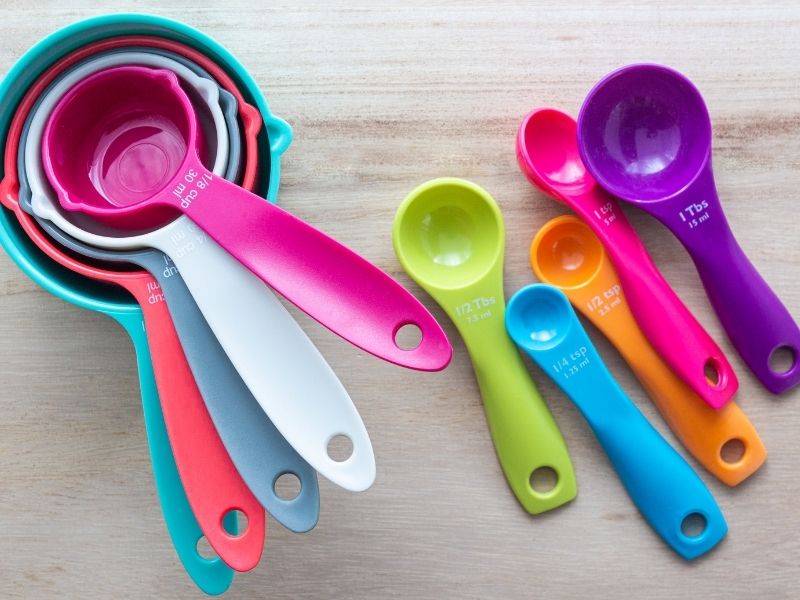
Accurate measurements can make a big difference in baking. Unlike some cooking recipes, baking often requires precise ingredient quantities. Measuring cups and spoons help you follow recipes more consistently.
Choose a set that includes different cup sizes and measuring spoons. Stainless steel options are durable and easy to clean. You can also keep a separate set for dry and liquid ingredients.
Measuring spoons help you portion small ingredients like baking powder, vanilla extract, and salt. Meanwhile, measuring cups work well for flour, sugar, milk, and other ingredients.
If you frequently follow recipes from different countries, learn how to use a baking measurements conversion chart. It can help you understand cups, grams, and ounces.
2. Digital Kitchen Scale
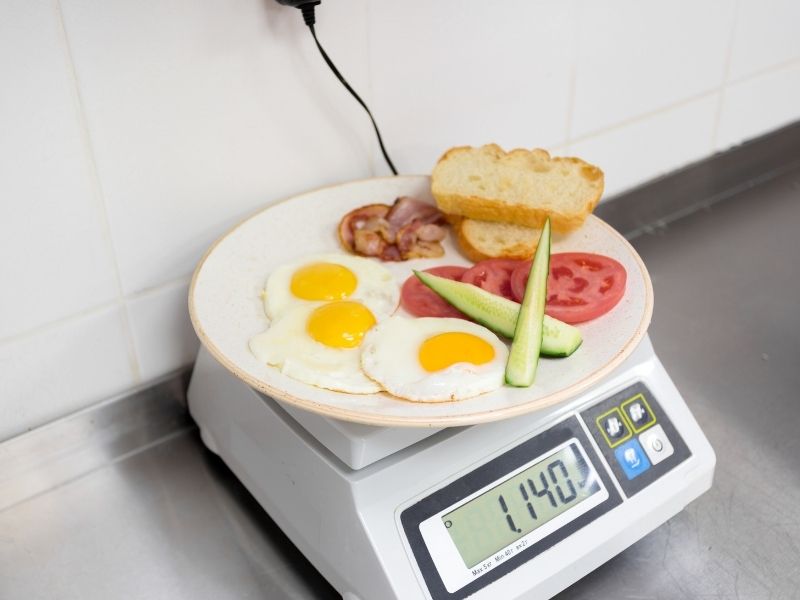
A digital kitchen scale is one of the most useful tools in a home baker’s collection. It helps you measure ingredients by weight instead of relying only on volume.
This matters because a cup of flour can weigh differently depending on how you fill it. Measuring by weight gives you more control over ingredient quantities.
Look for a scale with a clear display, a tare function, and suitable weight capacity. The tare function lets you reset the measurement after placing a bowl on the scale.
A kitchen scale is especially useful for bread, pastries, cookies, and cakes. If you bake bread regularly, explore these best kitchen scales for bread baking for more options.
3. Mixing Bowls
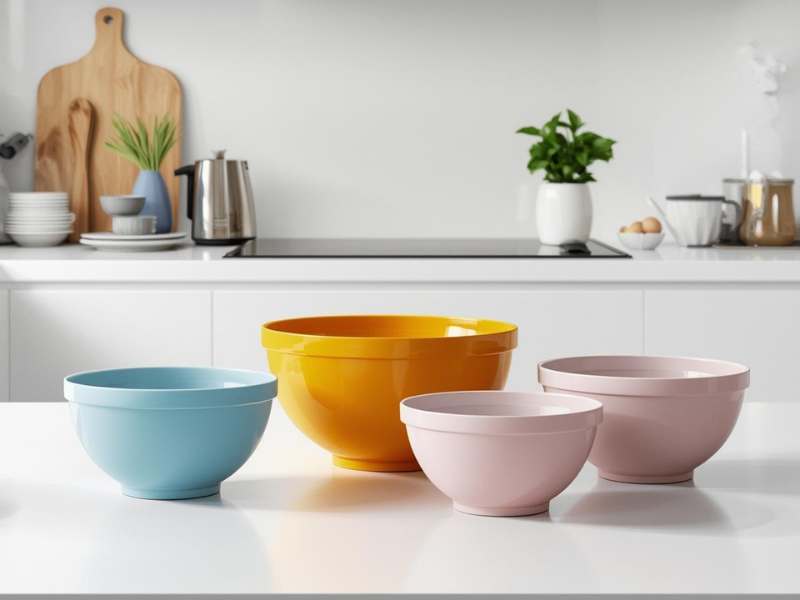
Mixing bowls help you combine ingredients without making unnecessary mess. You will use them for cake batter, cookie dough, whipped cream, frosting, and many other recipes.
A set with different sizes gives you more flexibility. Small bowls work for separating eggs or mixing dry ingredients. Larger bowls provide enough room for cake batter and dough.
Stainless steel bowls are lightweight and durable. Glass bowls allow you to see the ingredients while mixing. Plastic options can also work well when they are sturdy and food-safe.
Choose bowls with stable bases and comfortable rims. Some sets include lids, which make storing prepared ingredients easier.
4. Whisks
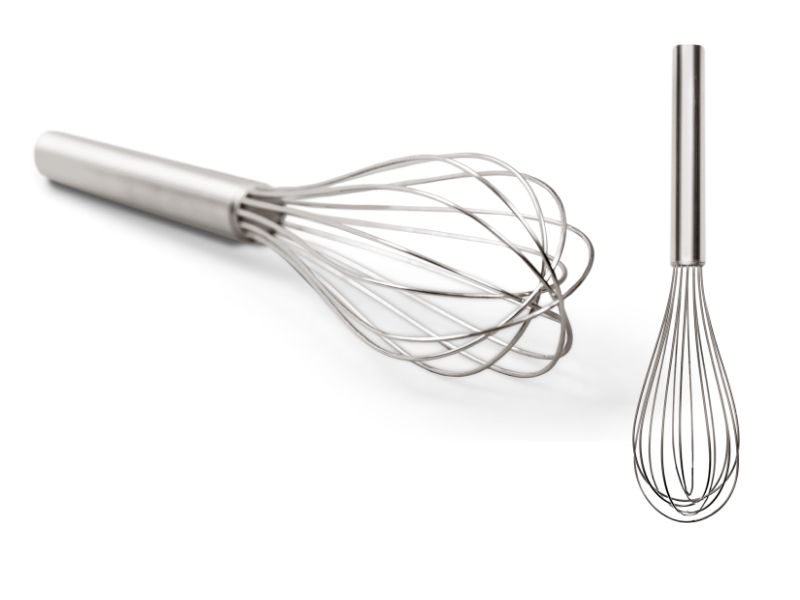
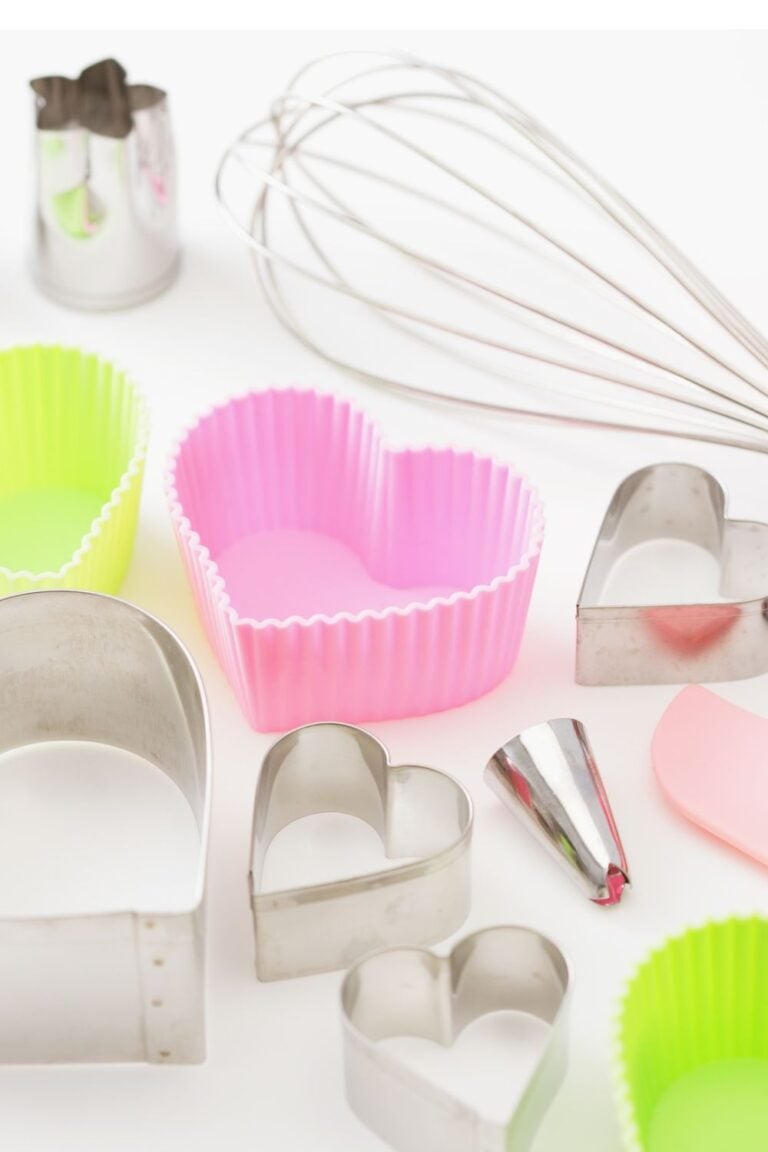
A whisk helps you combine ingredients smoothly and incorporate air into mixtures. It is useful for mixing eggs, preparing pancake batter, blending dry ingredients, and making simple sauces.
A balloon whisk works well for whipping cream and mixing lighter mixtures. A smaller whisk is useful when you work with small quantities.
Choose a whisk with a comfortable handle and sturdy wires. Stainless steel options are popular because they are easy to maintain.
You do not need several expensive whisks when starting out. One medium-sized balloon whisk can handle many everyday baking tasks.
5. Silicone Spatulas
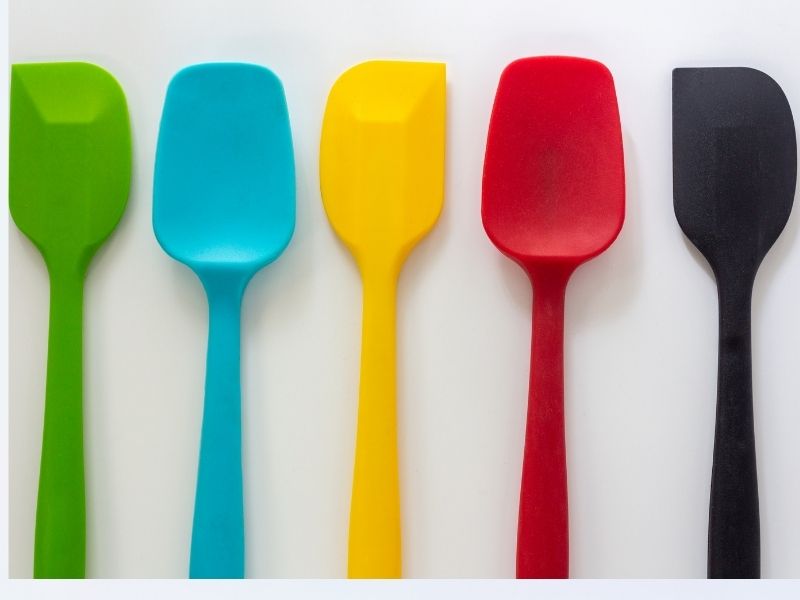
Silicone spatulas are useful for scraping bowls and folding ingredients gently. They help you collect batter from the sides of mixing bowls without wasting much.
A flexible spatula works well for cake batter, melted chocolate, buttercream, and cookie mixtures. It can also help you transfer thick mixtures into baking pans.
Choose heat-resistant silicone if you plan to use your spatula with warm ingredients. A sturdy handle also makes it easier to control thicker mixtures.
Consider keeping one large spatula and one smaller version. The smaller option works particularly well for narrow containers and small mixing bowls.
6. Hand Mixer
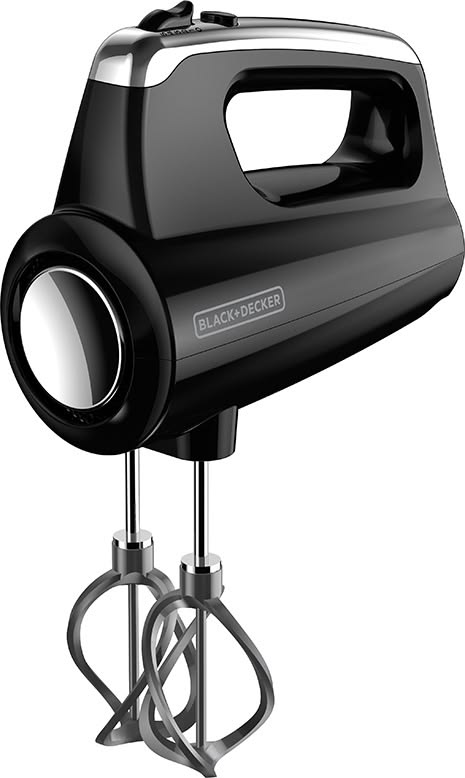
A hand mixer makes mixing easier when a recipe requires more than a whisk can handle. It helps cream butter and sugar, beat eggs, and prepare cake batter.
Most hand mixers come with beaters for everyday mixing tasks. Some models also include dough hooks or whisk attachments.
Look for comfortable handles, multiple speed settings, and easy-to-remove attachments. A lightweight design can also make longer mixing sessions more comfortable.
You do not need a stand mixer immediately if you bake occasionally. A hand mixer can handle many common recipes without taking up much counter space.
Before choosing one, compare these best hand mixers for cookie dough to understand the available options.
7. Stand Mixer
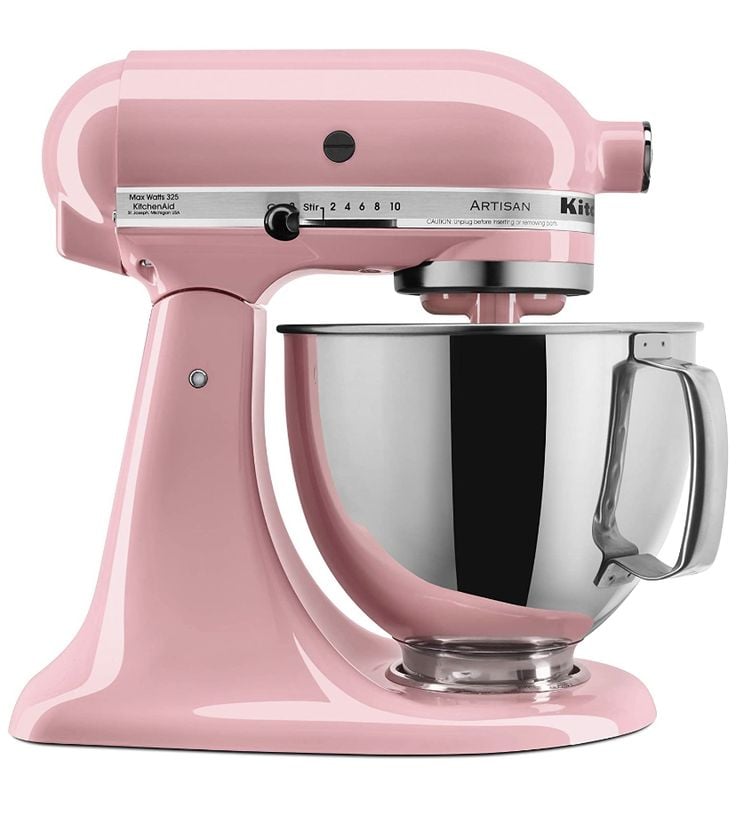
A stand mixer is a helpful investment for anyone who bakes regularly. It can mix cake batter, cream butter, whip cream, and knead certain types of dough.
Its stationary design allows you to work on other ingredients while the mixer runs. This can save time when preparing larger batches.
Most stand mixers include a mixing bowl and several attachments. A flat beater handles many cake and cookie mixtures. A whisk attachment works for whipping, while a dough hook helps knead dough.
Consider the bowl capacity, available speeds, attachments, and storage space before purchasing. You can compare different models in this guide to stand mixers every home baker should have.
8. Baking Pans and Cake Tins
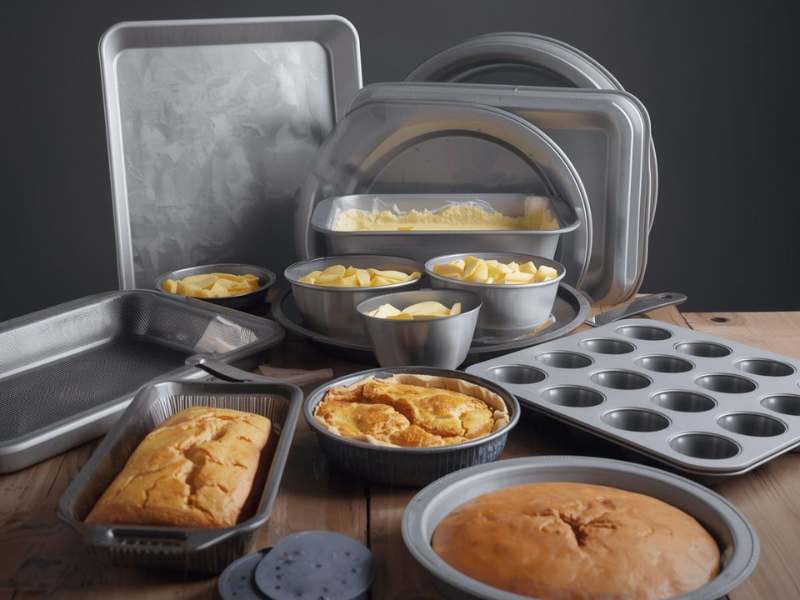
Baking pans help give your recipes their final shape. A basic collection should include a few versatile pans for the treats you enjoy making.
Round cake pans work well for layered cakes. Square and rectangular pans suit brownies, bars, and tray bakes. Loaf pans are useful for banana bread and other quick breads.
Choose sturdy pans that distribute heat reasonably well. Nonstick coatings can make releasing baked goods easier, but proper preparation still matters.
You do not need every pan shape at once. Start with a few versatile options and expand your collection as your baking interests grow.
Explore these best cake pans for home bakers when choosing your first collection.
9. Baking Sheets and Cookie Sheets
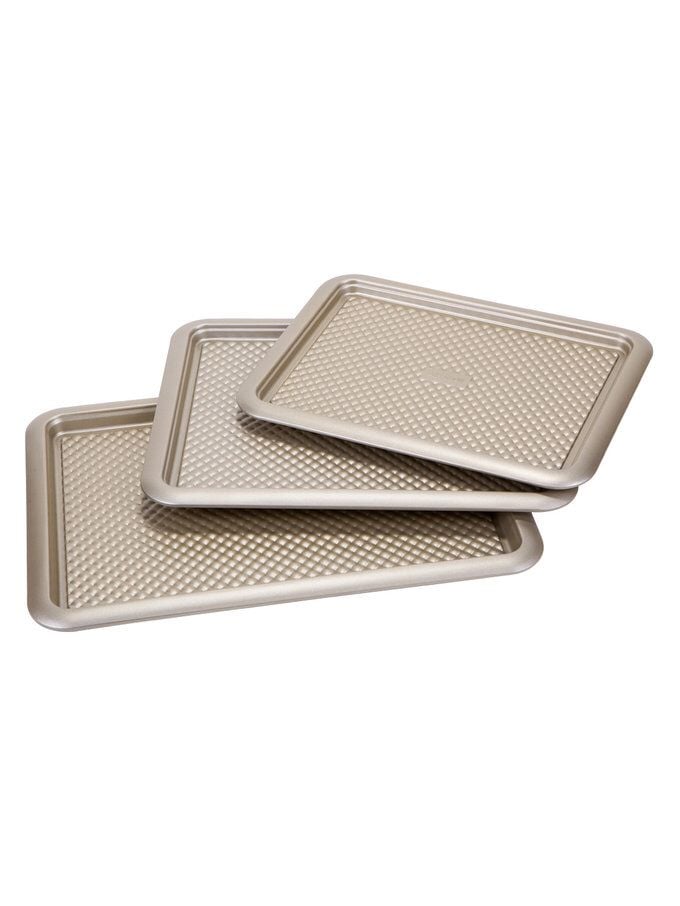
Baking sheets are useful for cookies, pastries, roasted nuts, and other oven-baked treats. They also provide a flat surface for baking smaller items.
A sturdy baking sheet helps support your dough while it bakes. Choose one that fits comfortably inside your oven without touching the walls.
Light-colored metal sheets are often a practical choice for everyday baking. Always consider the pan’s material and follow your recipe’s temperature instructions.
If cookies are part of your regular baking routine, a good sheet is worth having. See these best cookie sheets for even baking for more choices.
10. Cooling Racks
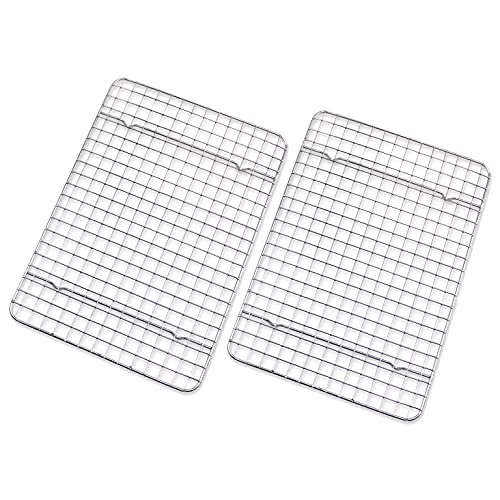
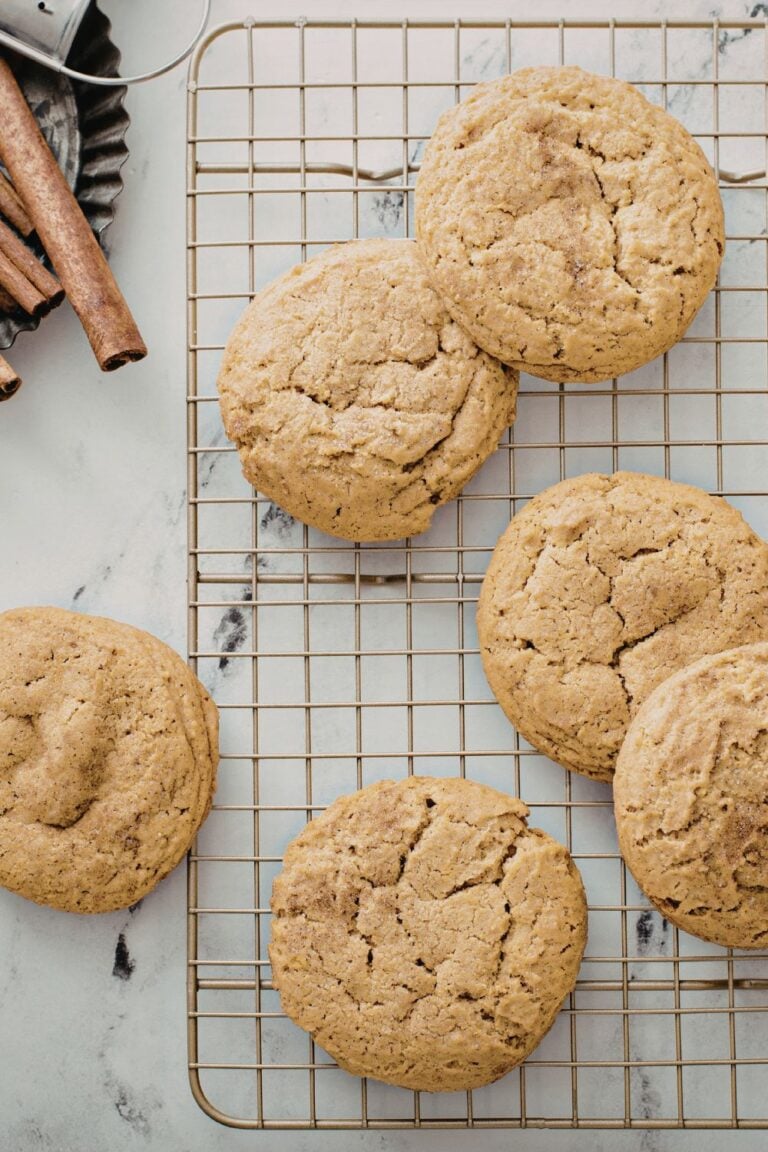
Cooling racks allow air to circulate around freshly baked treats. This helps prevent moisture from collecting underneath cookies, cakes, and other baked goods.
Without proper cooling, cookies can become soggy underneath. Cakes can also retain excess heat when they sit inside their pans for too long.
Choose a rack with a stable frame and enough space for your usual baking batches. A stackable design can help save storage space.
For cookies, look for a rack with closely spaced wires. This helps support smaller treats without allowing them to fall through.
You can explore these best cookie cooling racks for perfectly baked cookies when upgrading your setup.
11. Rolling Pin
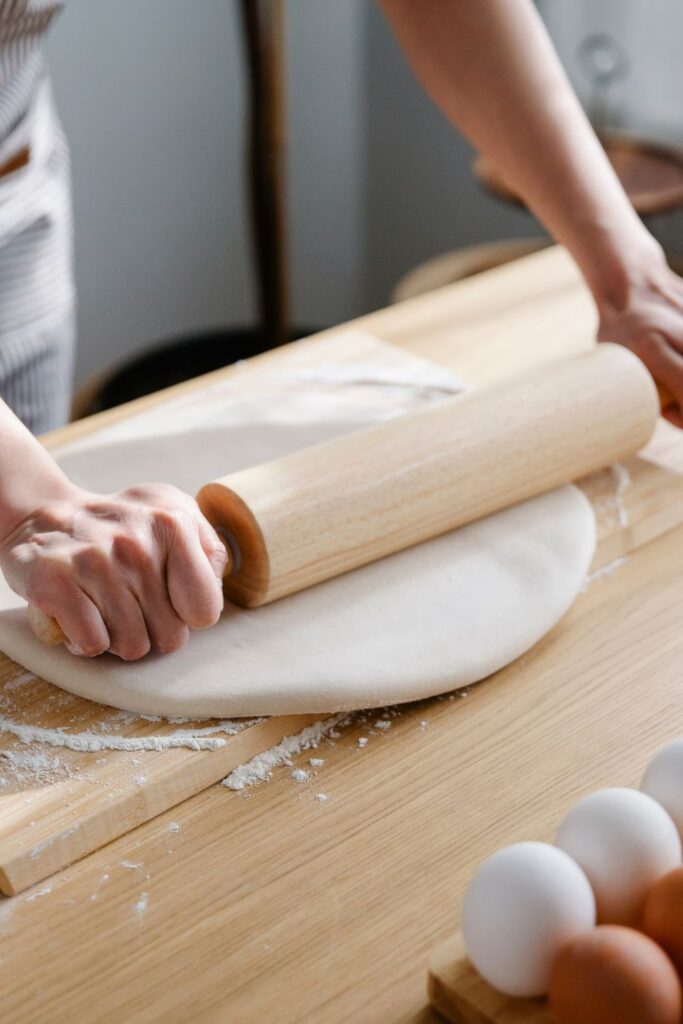
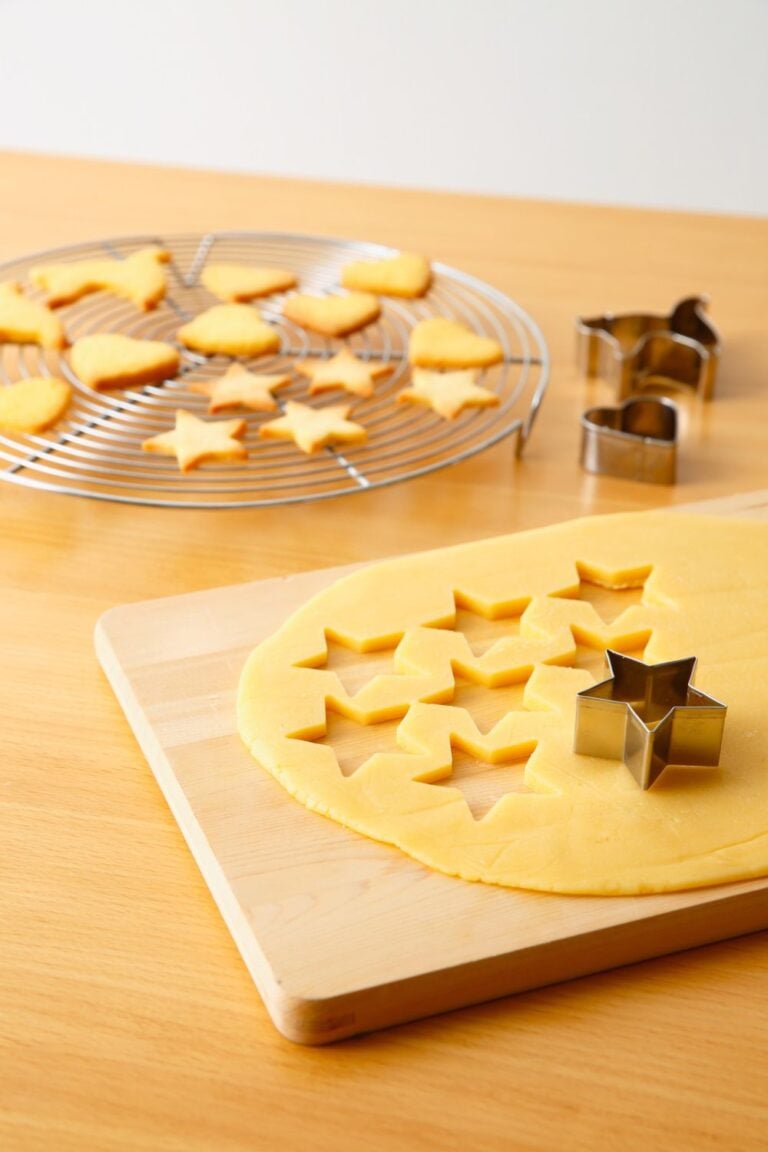
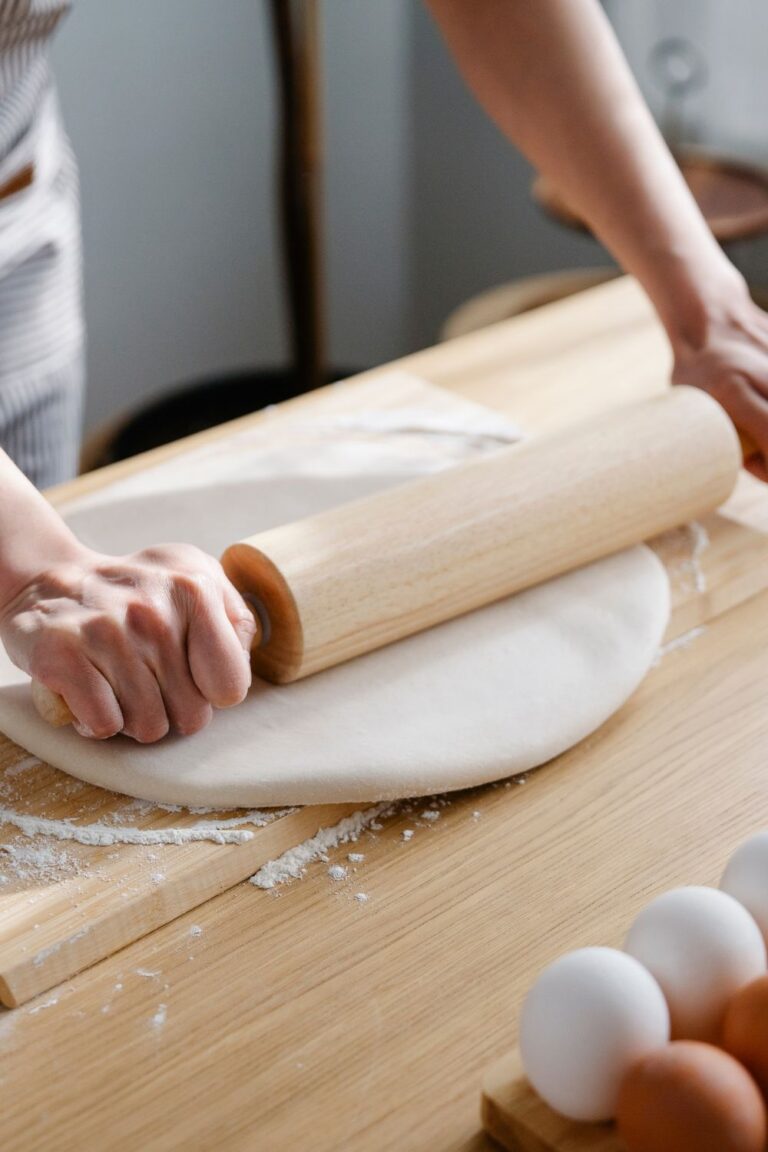
A rolling pin helps flatten dough to an even thickness. You will need one for cookies, pie crusts, pastries, and homemade bread recipes that require rolled dough.
Wooden rolling pins offer a traditional feel and comfortable handling. Silicone and other materials provide different surfaces and cleaning options.
Choose a rolling pin that feels comfortable in your hands. A straight rolling pin works well for many everyday tasks, while a tapered style offers more flexibility for some bakers.
Consistent dough thickness helps your baked goods cook more evenly. For more options, check these best rolling pins for cookie dough.
12. Dough Scraper and Bench Scraper
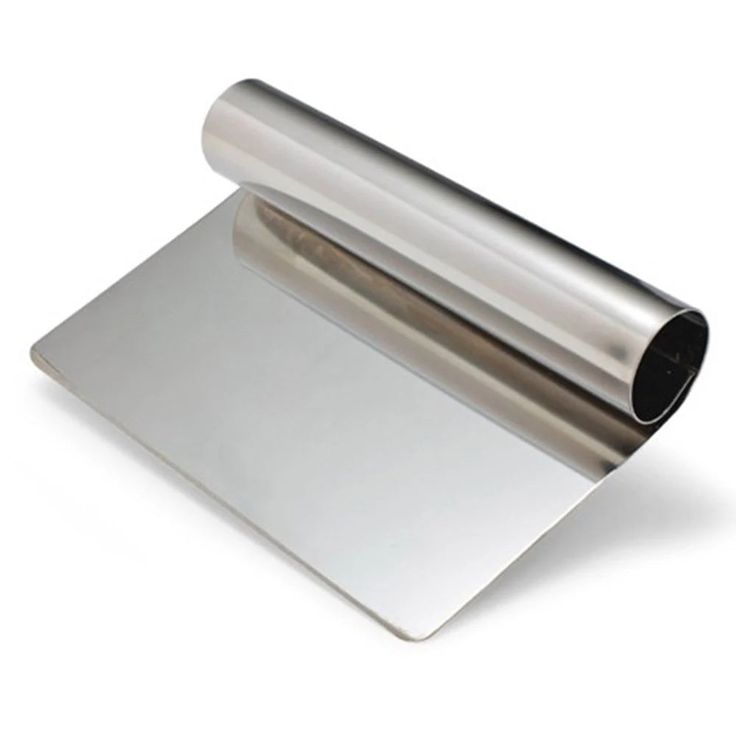
A dough scraper helps you handle sticky dough and divide mixtures into portions. It is especially useful when preparing bread, pastry, and pizza dough.
A bench scraper usually has a firm, flat edge. You can use it to cut dough, lift portions, and clean flour from your work surface.
Some scrapers include measurement markings that help you divide dough more consistently. Flexible plastic scrapers can also help remove sticky mixtures from bowls.
These tools are inexpensive additions that can make baking preparation easier. If bread baking interests you, compare these best dough scrapers for bread bakers.
13. Pastry Brush
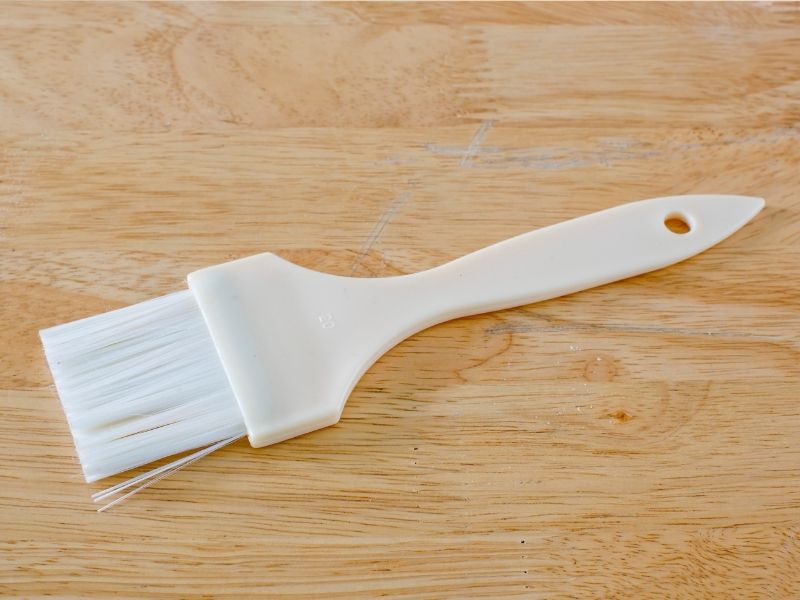
A pastry brush helps apply liquid ingredients evenly across dough and baked goods. You can use it to brush egg wash, melted butter, milk, or syrup.
It is particularly useful when preparing bread, pastries, pies, and dinner rolls. A brush also helps distribute glazes without damaging delicate surfaces.
Silicone brushes are easy to clean and can handle many kitchen tasks. Traditional bristle brushes offer another option for spreading thinner mixtures.
Choose one with a comfortable handle and secure bristles. A brush that sheds can leave unwanted pieces on your food.
14. Fine-Mesh Sieve
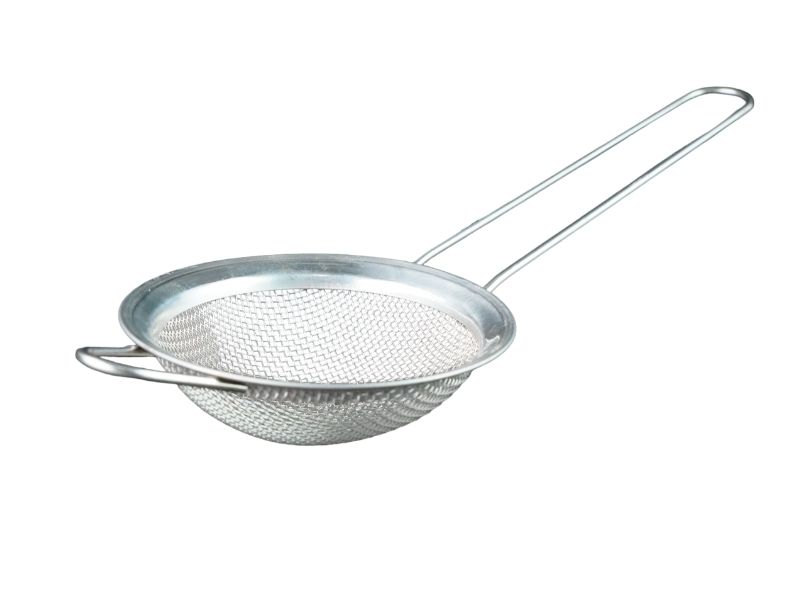
A fine-mesh sieve helps remove lumps from flour, cocoa powder, and icing sugar. It also helps distribute dry ingredients more evenly.
You can use it when preparing cake batter, making smooth sauces, or dusting finished desserts. Some recipes also require you to strain mixtures through a sieve.
Choose a size that suits your regular baking tasks. A medium sieve works well for many home kitchens.
A sturdy handle and fine mesh make the tool easier to use. Wash and dry it properly to prevent leftover ingredients from collecting inside.
15. Oven Thermometer
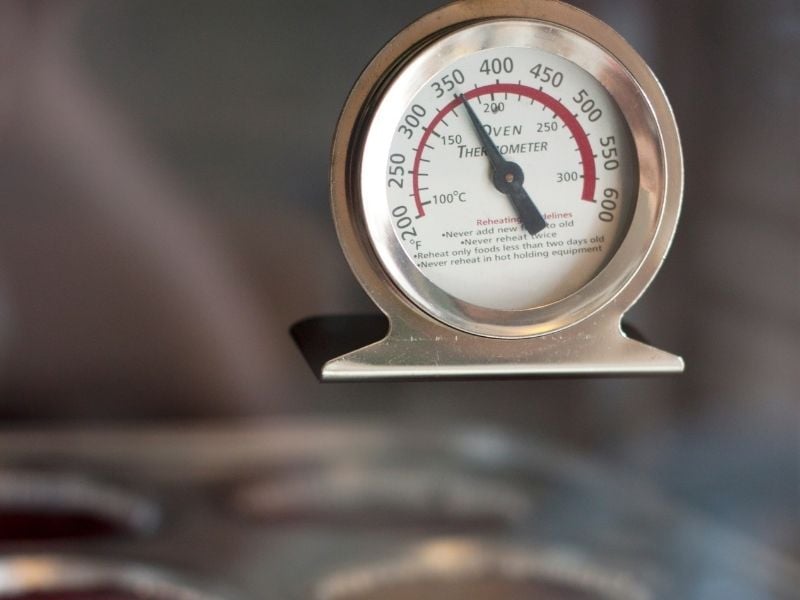
An oven thermometer helps you check your oven’s actual temperature. The temperature displayed on an oven dial may not always match the heat inside.
This difference can affect cakes, cookies, bread, and pastries. An oven that runs too hot may brown your treats before the centers finish baking.
Place the thermometer where you can read it without opening the oven repeatedly. Check the temperature before placing your baking pan inside.
This simple tool can help you identify temperature problems. It also supports better results when you follow recipes that require precise heat.
16. Kitchen Timer
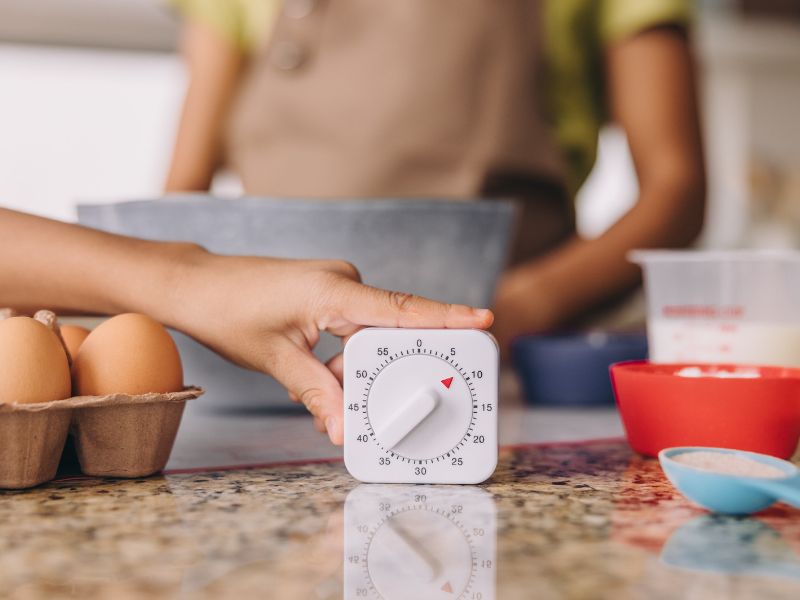
A kitchen timer helps you keep track of baking and preparation times. It is useful when preparing several recipes or working on different tasks.
Although many ovens include built-in timers, a separate timer can be easier to monitor. You can place it near your workspace and set reminders for each baking stage.
Choose one with clear controls and an easy-to-read display. A loud alarm can also help when you are working in another room.
Remember that baking times are guides rather than guarantees. Always check whether your cake or other baked goods are properly cooked before removing them.
17. Pastry Cutter
A pastry cutter helps combine cold butter with flour when making certain pastry recipes. It cuts the butter into smaller pieces without requiring your hands to handle the mixture too much.
This can be helpful when preparing pie crusts, biscuits, and other recipes that need small pieces of butter. A sturdy cutter with comfortable handles makes the task easier.
You can also use two knives as an alternative for some recipes. Still, a pastry cutter provides a convenient option for frequent pastry baking.
If you enjoy making homemade pastry, explore these essential pastry tools every baker needs for more useful equipment.
18. Muffin and Cupcake Pan
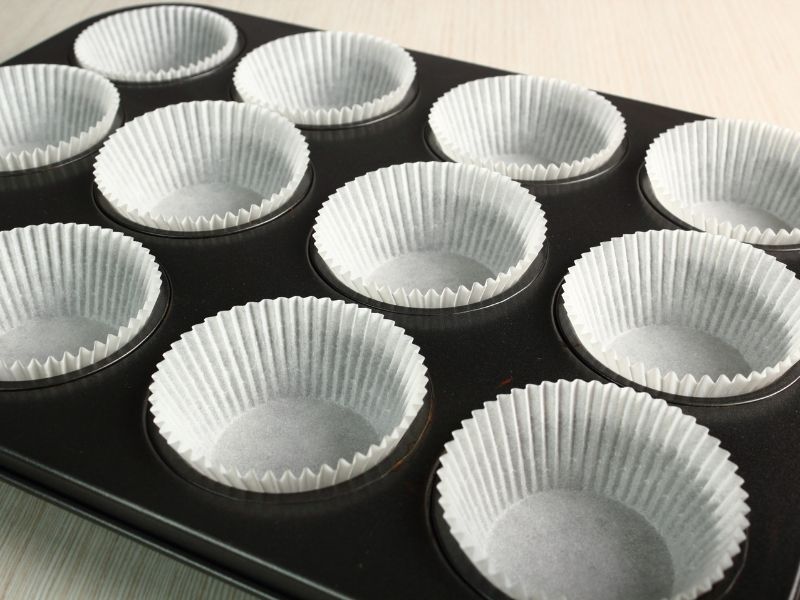
A muffin pan helps you bake individual portions of muffins, cupcakes, and other small treats. It usually contains several cups arranged in one tray.
Choose a pan that fits your oven and matches the number of portions you usually prepare. Standard-sized pans are a practical starting point for most home bakers.
You can use paper liners to make removing baked treats easier. Alternatively, grease the cups according to your recipe and pan instructions.
A quality pan should feel sturdy and maintain its shape during baking. Explore these best cupcake pans for perfectly baked cupcakes when choosing one.
19. Piping Bags and Decorating Tips
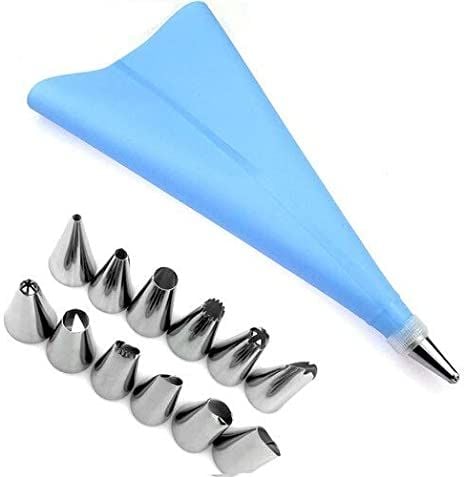
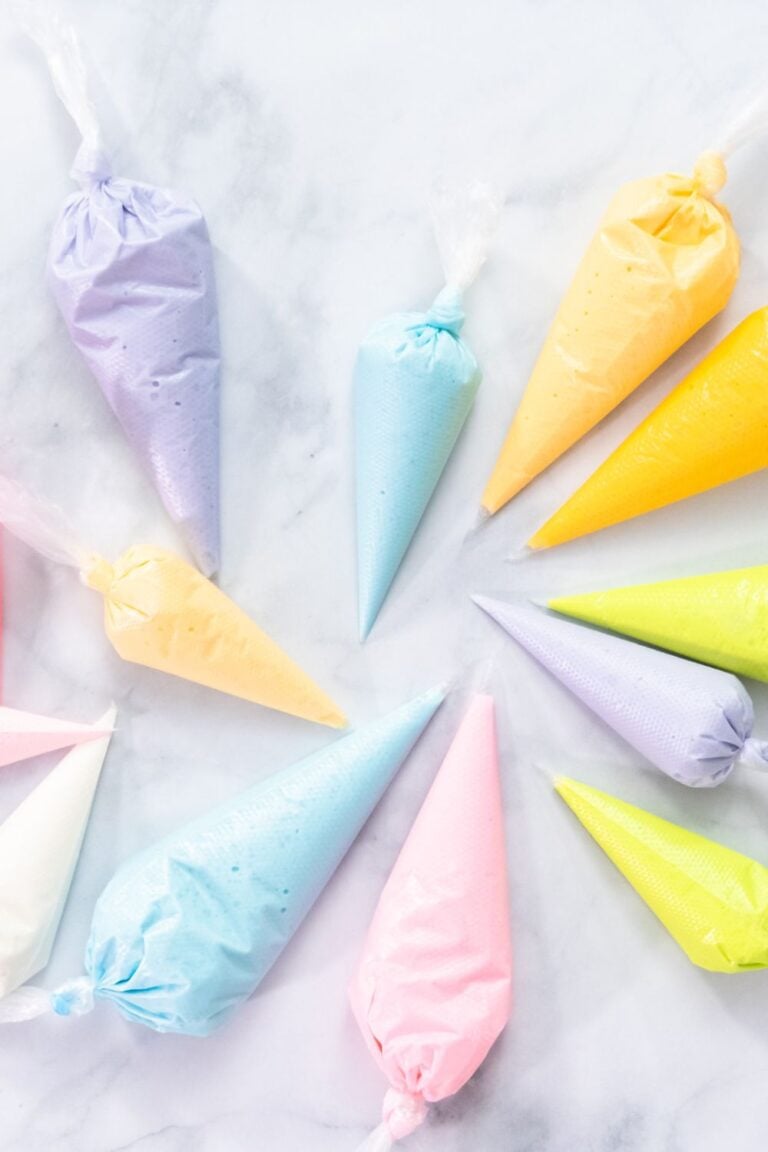
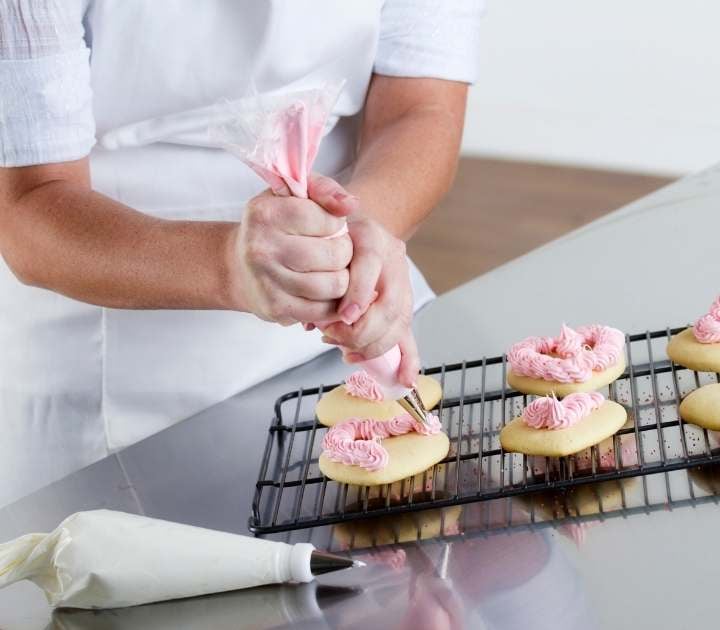
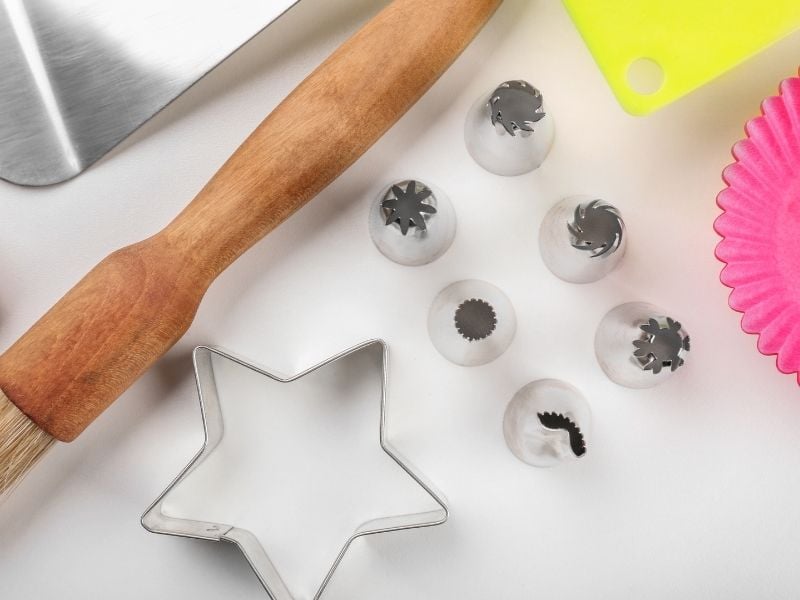
Piping bags help you decorate cakes, cupcakes, cookies, and other desserts. They allow you to control how much frosting or filling you apply.
Different piping tips create different designs. Round tips work for dots and writing, while star tips create textured swirls and borders.
Reusable bags can reduce waste, while disposable options offer convenient cleanup. Choose tips that match the decorations you want to create.
Beginners can start with a small collection rather than buying a large professional set. These best piping bags for cookie decorating can help you explore suitable options.
20. Offset Spatula
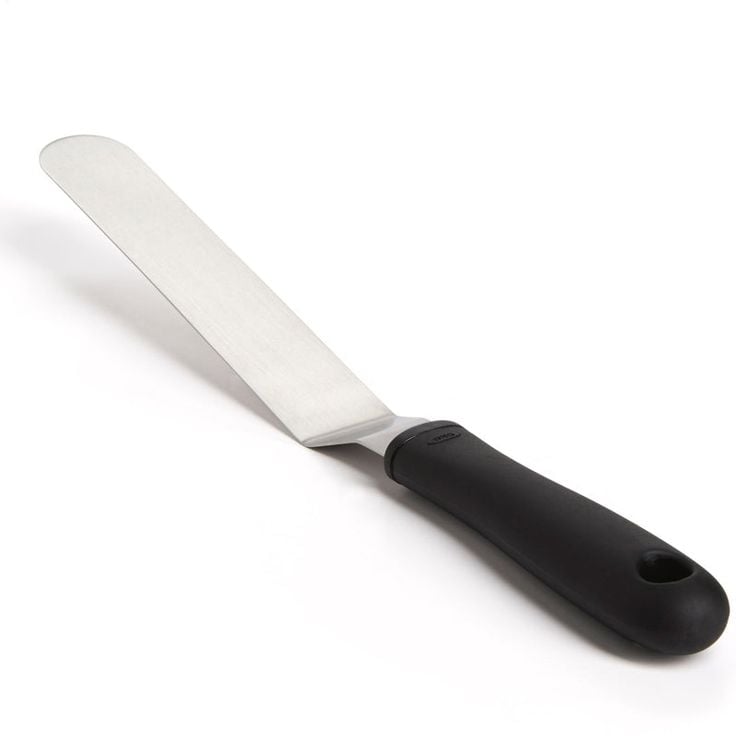
An offset spatula helps spread frosting smoothly across cakes and other baked goods. Its angled blade keeps your hand slightly away from the surface.
You can use it to fill cake layers, smooth buttercream, and spread fillings. It also helps lift delicate cookies and other small treats.
A small offset spatula works well for cupcakes and detailed decorating. A larger one is useful for covering bigger cakes.
Choose a comfortable handle and a blade that feels sturdy. You can also pair it with a cake turntable for easier decorating.
21. Cake Turntable
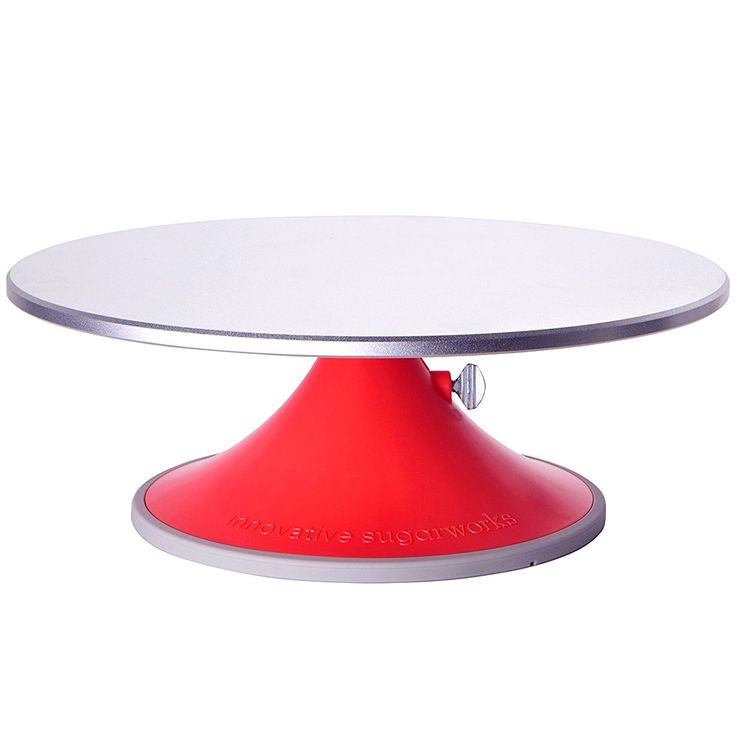
A cake turntable makes cake decorating more convenient. It allows you to rotate a cake while spreading frosting, smoothing sides, and adding decorations.
This reduces the need to move around the cake repeatedly. It can also help you maintain more consistent frosting coverage.
Look for a stable base and smooth rotation. Some models include locking features that help keep the turntable steady when needed.
You do not need an expensive professional model to begin decorating cakes. Compare these best cake turntables for decorating before choosing one.
22. Cake Scraper
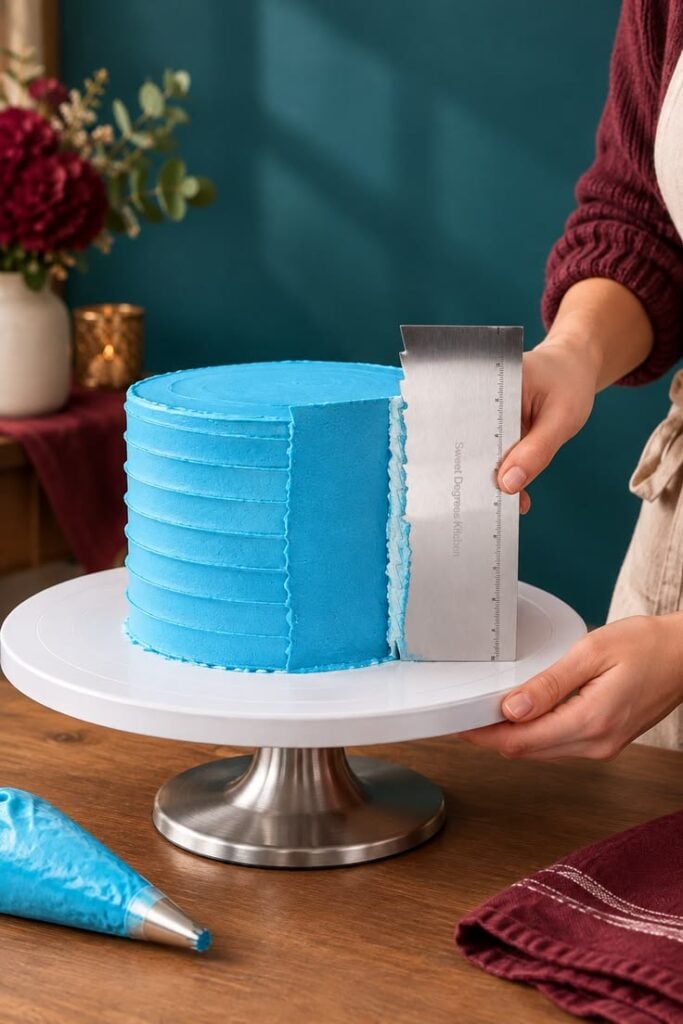
A cake scraper helps create smooth, even sides on buttercream cakes. You hold it against the cake while rotating the turntable.
Different scraper shapes can create smooth finishes, textured patterns, and decorative effects. Stainless steel and acrylic options are common choices.
A straight edge works well for simple finishes. A textured scraper can help you create more decorative designs without complicated piping.
If you want neater cake finishes, explore these best cake scrapers for smooth buttercream.
23. Pastry Mat
A pastry mat gives you a dedicated surface for rolling and shaping dough. It can help protect your countertop from flour and sticky mixtures.
Some mats include measurement markings that help you estimate dough size. Others provide a non-slip surface that stays in place during preparation.
Choose a mat that fits your available workspace. Check the manufacturer’s cleaning instructions before using it with hot or cold ingredients.
A pastry mat is especially useful for people who make cookies, pies, and homemade pastries regularly.
24. Food Storage Containers
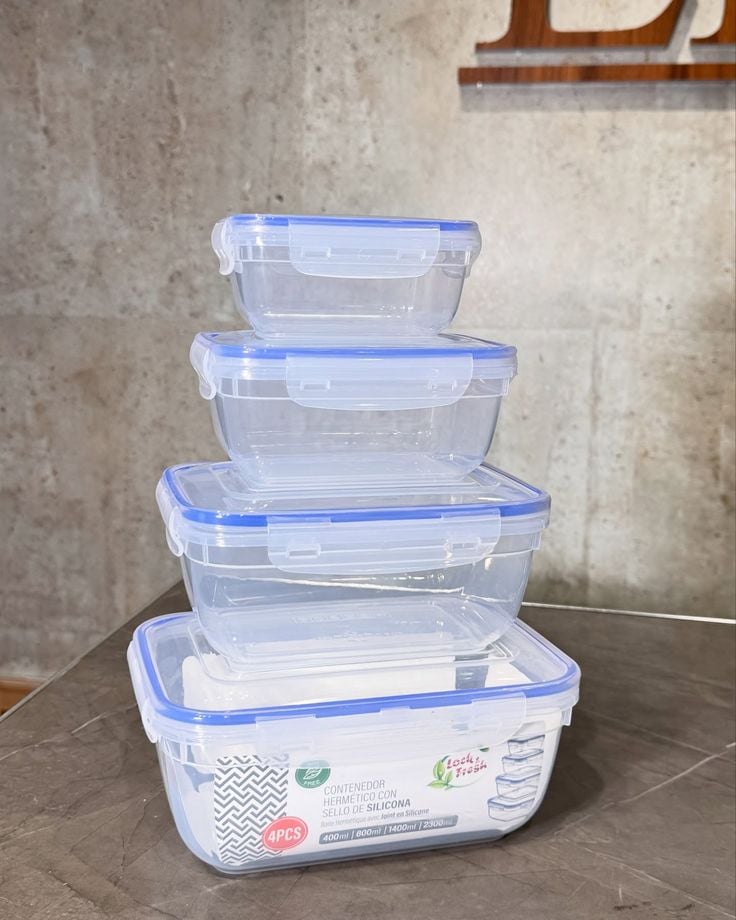
Food storage containers help keep baking ingredients and prepared treats organized. They can also protect ingredients from moisture and unwanted kitchen odors.
Choose airtight containers for ingredients that need protection from air and humidity. Clear containers make it easier to identify what you have stored.
You can use separate containers for flour, sugar, chocolate chips, nuts, and other pantry staples. Label them with ingredient names and purchase dates when helpful.
For baked treats, choose containers that suit their texture and storage needs. Explore these best food storage containers for bakers for more ideas.
25. Cooling and Measuring Accessories
A few smaller accessories can make your baking routine more convenient. They may not seem essential at first, but they can support better organization and preparation.
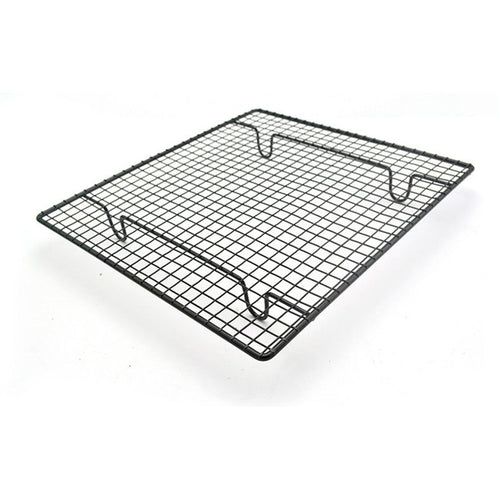
Consider adding a set of measuring jugs, oven mitts, cooling trays, and small ingredient bowls. A dough whisk can also help with certain bread mixtures.
Keep a kitchen notebook for recording recipe changes and baking results. This helps you remember adjustments that worked well.
You can also explore cute baking supplies you didn’t know you needed for practical and attractive additions to your collection.
How to Build a Baking Tool Kit on a Budget
You do not need to purchase every baking tool at once. Start with equipment that supports the recipes you make most often.
Begin With Everyday Essentials
Your first collection should include measuring cups, measuring spoons, a digital scale, mixing bowls, a whisk, and a spatula.
Add a hand mixer if you regularly prepare cakes and cookies. A few versatile baking pans will also help you make different recipes.
Buy Tools Based on Your Baking Interests
Think about what you enjoy making before purchasing specialized equipment.
If you bake bread, consider a dough scraper, loaf pan, and proofing basket. If you prefer cakes, prioritize cake pans, piping bags, and decorating tools.
Cookie lovers may benefit more from baking sheets, cookie scoops, cooling racks, and storage containers.
Choose Quality Over Quantity
A small collection of reliable tools can serve you better than a cupboard full of cheap gadgets. Look for sturdy materials, comfortable handles, and easy cleaning.
You should also check product dimensions and care instructions before purchasing. This helps you avoid tools that do not fit your kitchen or baking routine.
For more money-saving ideas, explore these best budget baking ingredients that still give great results.
Organize Your Tools Properly
A well-organized baking space makes preparation easier. Keep frequently used tools close to your mixing area.
Use drawers, shelves, and containers to separate smaller accessories. You can also arrange tools by task, such as measuring, mixing, baking, and decorating.
These baking station organization ideas can help you create a more practical workspace.
Common Baking Tool Mistakes to Avoid
Buying the right equipment is only one part of building a useful baking kit. You also need to use and maintain your tools properly.
Buying Tools You Rarely Use
It is easy to get carried away when shopping for baking supplies. However, some gadgets may only suit one specific recipe.
Start with versatile equipment and add specialized tools when you actually need them.
Ignoring Pan Sizes
A baking pan that is too small or too large can affect your results. Always check the recipe’s recommended pan size before choosing a substitute.
Using the Wrong Measuring Method
Measuring flour with a packed cup can add more than your recipe requires. Use the measuring method specified in your recipe for better consistency.
Neglecting Cleaning and Storage
Leftover batter and grease can affect your tools over time. Clean equipment according to its care instructions and allow it to dry properly.
For more guidance, read these common baking mistakes and how to fix them fast.
Frequently Asked Questions
What are the most essential baking tools for beginners?
Start with measuring cups, measuring spoons, a kitchen scale, mixing bowls, a whisk, and a spatula. You should also have baking pans, an oven thermometer, and cooling racks.
Do I need a stand mixer to start baking?
No. A hand whisk or hand mixer can handle many beginner recipes. A stand mixer becomes useful when you bake frequently or prepare larger batches.
Are expensive baking tools always better?
Not necessarily. Focus on durability, functionality, and ease of cleaning. A reasonably priced tool can serve you well when it suits your baking needs.
How many baking pans should a home baker own?
There is no fixed number. Start with a few versatile pans that match your favorite recipes. Add more shapes and sizes as your baking interests grow.
How do I keep my baking tools organized?
Group similar tools together and store them where you can reach them easily. Use containers for small accessories and shelves for larger equipment.
What baking tools should I buy first?
Begin with measuring equipment, mixing bowls, a whisk, a spatula, and suitable baking pans. Add a digital scale and hand mixer when your budget allows.
Final Thoughts
Building the ultimate baking tool kit does not mean buying every gadget available. It means choosing equipment that makes your baking routine easier and more enjoyable.
Start with measuring tools, mixing essentials, baking pans, and cooling racks. Then add decorating equipment and specialized accessories as your skills develop.
Remember to consider your kitchen space, budget, and favorite recipes before purchasing anything. A thoughtful collection will support your baking journey without creating unnecessary clutter.
Most importantly, learn how to use each tool properly. Good equipment combined with consistent practice can help you become a more confident home baker.