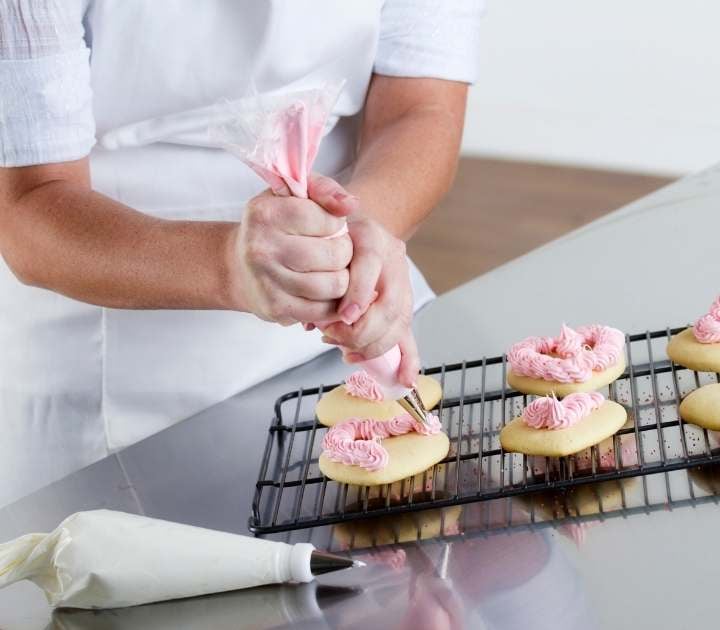
10 Baking Appliances That Are Actually Worth Buying
Disclosure: Some of the links in this post are affiliate links. This means if you click on the link and purchase an item, I will receive an affiliate commission at no extra cost to you.
Buying baking appliances can feel exciting until you realize how quickly kitchen gadgets add up. Some appliances promise amazing results but rarely leave the cupboard. Others become everyday favorites because they save time and make baking easier. If you love making cakes, cookies, bread, or pastries, choosing the right equipment matters. You want appliances that support your favorite recipes without wasting money or taking over your kitchen.
The best baking appliances do more than look impressive on your countertop. They help you mix ingredients, prepare dough, control temperatures, and achieve consistent results. A reliable stand mixer can make frequent baking sessions easier. A good oven can also improve how evenly your cakes and cookies bake. Still, not every home baker needs every appliance. Your baking habits, available space, and experience should guide your choices.
In this guide, we’ll explore ten baking appliances that are actually worth buying. These are useful options for home bakers who want to build a more functional kitchen. Some are excellent for beginners, while others suit people who bake regularly. We’ll also consider which appliances deserve priority when you’re working with a limited budget. If you’re still building your collection, start with these essential baking tools every home baker needs before investing in larger equipment.
10 Baking Appliances That Are Actually Worth Buying
1. Stand Mixer
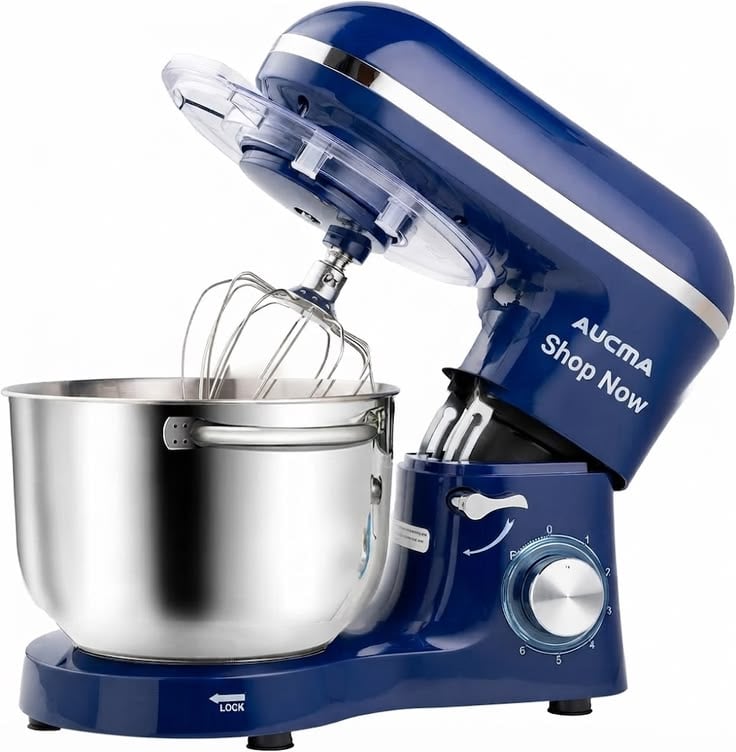
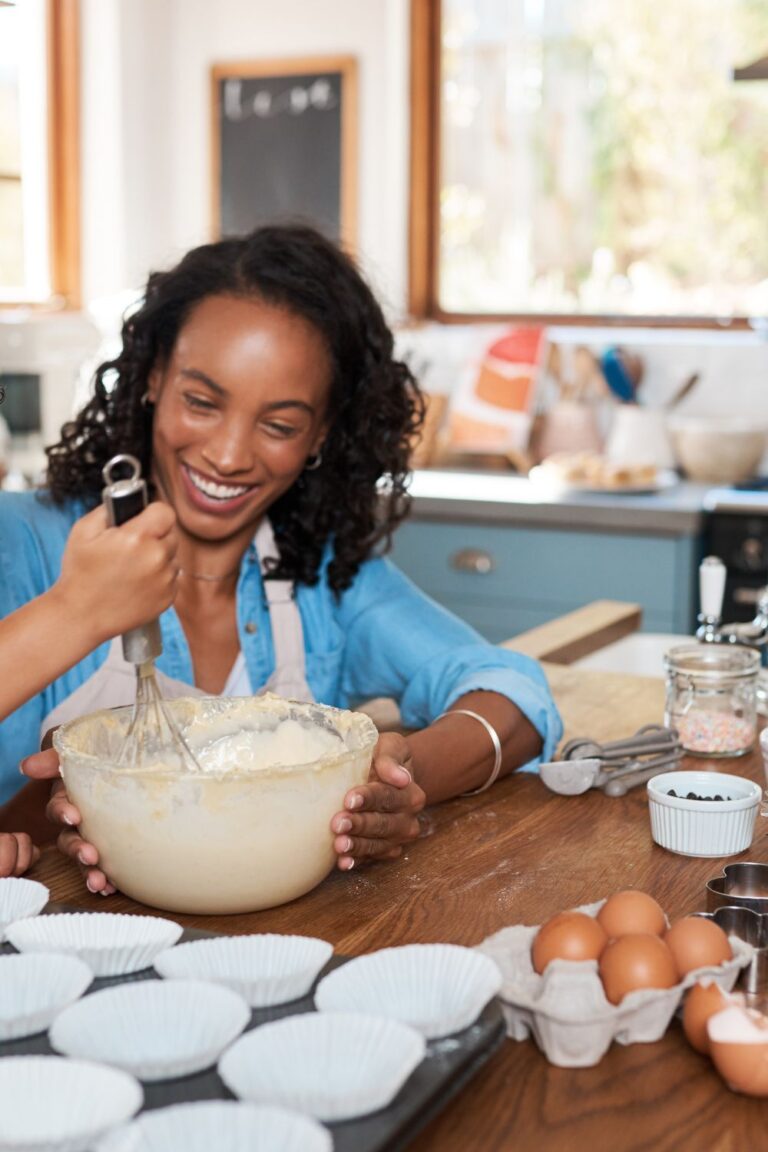
A stand mixer is one of the most useful baking appliances for anyone who bakes regularly. It handles many mixing tasks without requiring constant effort. You can use it for cake batter, cookie dough, frosting, and suitable bread dough.
Most models come with a mixing bowl and several attachments. These usually include a flat beater, whisk, and dough hook. Each attachment handles a different mixing task, making the appliance versatile.
A stand mixer becomes especially valuable when you prepare large batches. It can mix ingredients while you measure other items or prepare your baking pans. This makes busy baking sessions feel less overwhelming.
However, consider your kitchen space and baking habits before purchasing one. Some models are heavy and take up considerable counter space. Choose a bowl capacity that matches the quantities you usually prepare.
If you’re comparing different models, explore these best stand mixers every home baker should have. You can also compare best stand mixers for cookie dough before deciding. For more flexibility, check out these best stand mixer attachments for bakers.
2. Hand Mixer
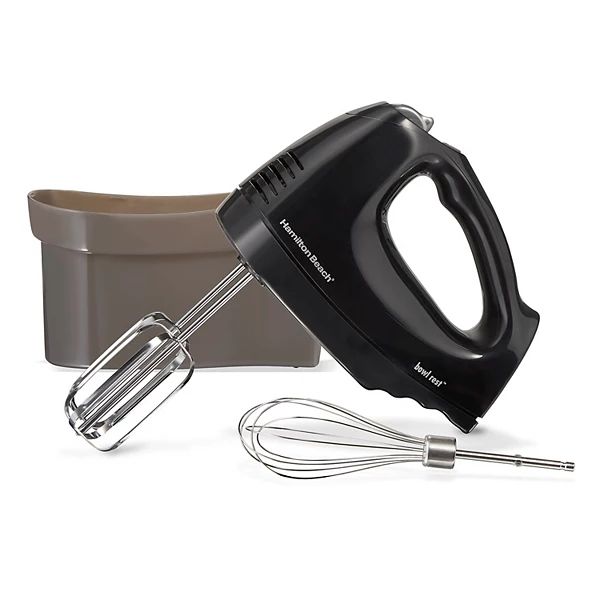
A hand mixer is an excellent choice for bakers who want something compact and affordable. It helps mix cake batter, whip cream, beat eggs, and prepare many cookie recipes. You can store it easily without dedicating much counter space.
Unlike a stand mixer, a hand mixer requires you to hold it while mixing. Still, it works well for everyday baking tasks and smaller quantities. It is also convenient when you don’t want to bring out larger equipment.
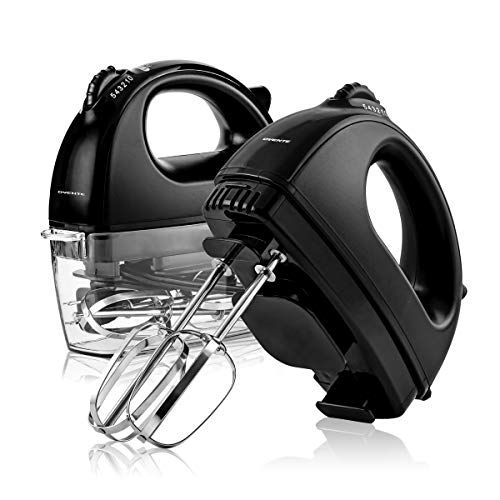
Look for a model with comfortable handles and several speed settings. A slow starting speed can help reduce flour splashes when mixing dry ingredients. Removable beaters also make cleaning more convenient.
A hand mixer is especially useful for beginners building their first baking collection. It gives you more mixing power than a manual whisk without requiring a large investment. You can upgrade later if your baking needs become more demanding.
Before choosing one, explore these best hand mixers for cookie dough. Also, consider the recipes you prepare most often. That will help you decide whether a hand mixer provides enough power for your routine.
3. Electric Oven
An electric oven is one of the most important appliances in a home baking kitchen. It provides the enclosed heating space needed for cakes, cookies, bread, pastries, and many other recipes. A dependable oven can make regular baking much easier.
Temperature consistency matters because different recipes require specific baking conditions. An oven that heats unevenly may leave one side of a cake darker than the other. It can also cause cookies to brown inconsistently.
Look for an oven with reliable temperature controls and enough interior space for your usual baking pans. Multiple rack positions can also make baking more flexible. Consider the available heating functions and cleaning requirements before buying.
You should also learn how your oven behaves. Some ovens run hotter or cooler than their displayed settings. An oven thermometer can help you check the actual temperature.
Our guide to understanding baking temperatures can help you understand why temperature matters. You can also explore common baking mistakes and how to fix them to avoid problems caused by poor oven settings.
4. Food Processor
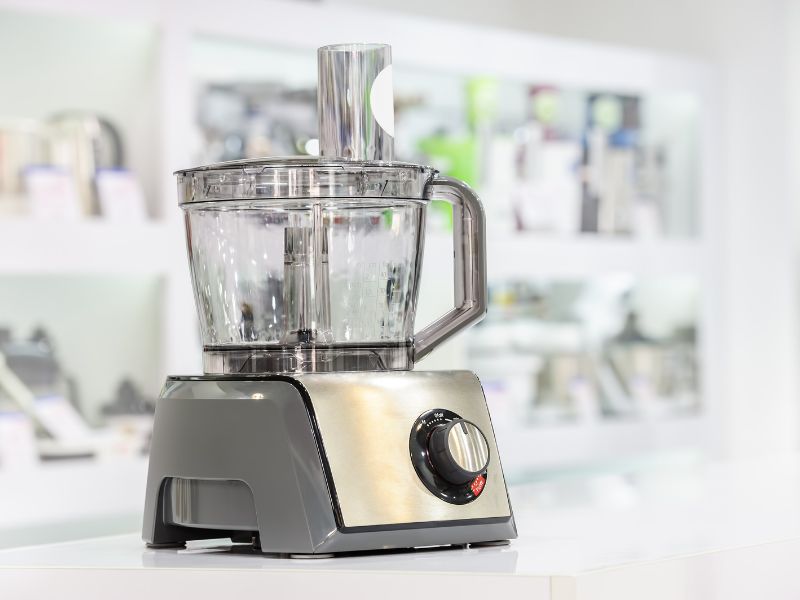
A food processor can be a helpful addition to a kitchen where baking and food preparation happen regularly. It uses rotating blades and attachments to handle several preparation tasks. Depending on the model, it can chop, shred, slice, and mix certain ingredients.
For baking, a food processor can help prepare pastry mixtures and process ingredients. Some models also include dough attachments for specific mixing tasks. This can save time when preparing recipes that involve several ingredients.
However, it is not a complete replacement for a stand mixer. Different appliances handle mixing and kneading differently. Always check whether a model supports the tasks you plan to perform.
Consider the bowl capacity, available attachments, and cleaning requirements. A compact model may suit occasional baking, while frequent users might prefer a larger capacity. Removable parts should also be easy to wash and store.
A food processor is most worthwhile when you will use it beyond baking. If you only prepare simple cakes and cookies, a hand mixer may be enough. Think about your everyday kitchen routine before spending money on another appliance.
5. Digital Kitchen Scale
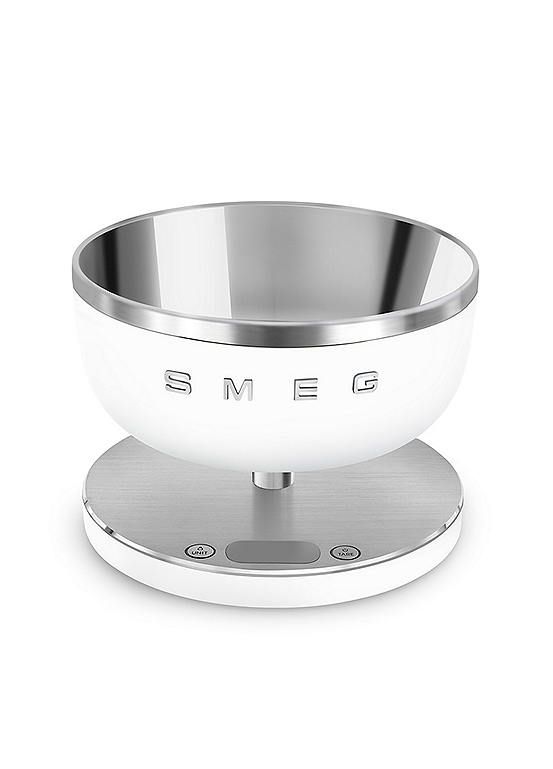
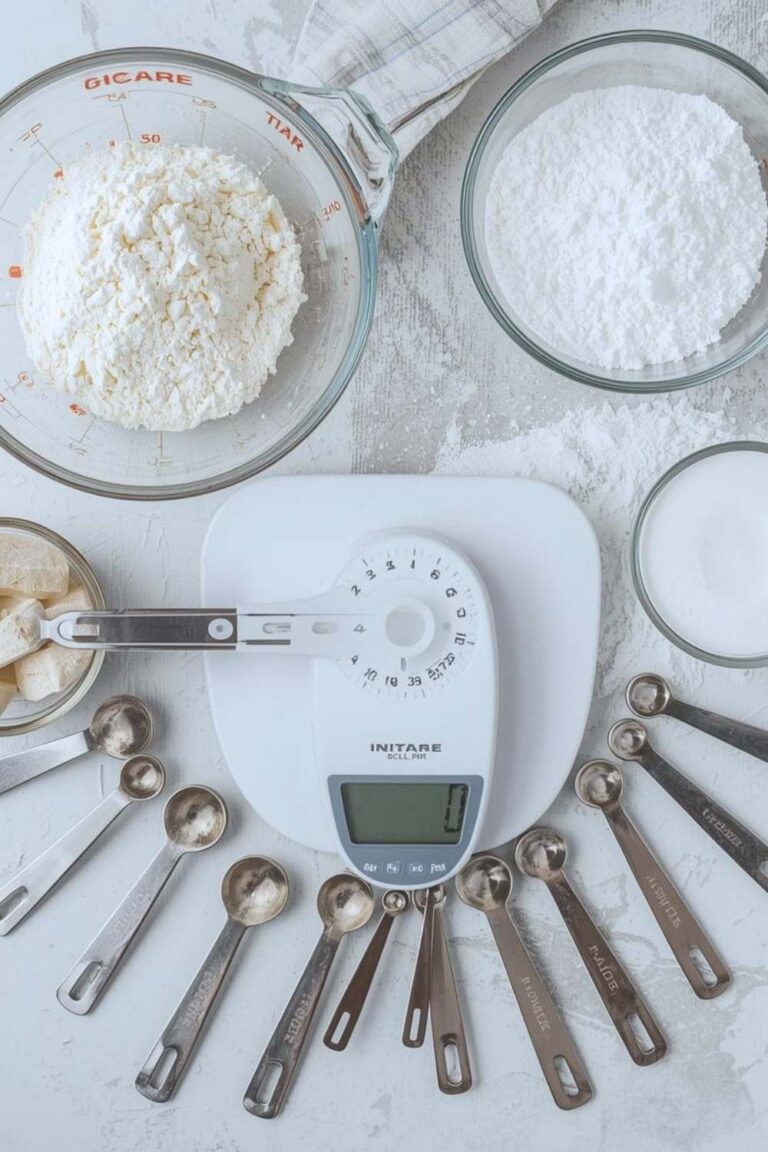
A digital kitchen scale is a small baking appliance that can make a noticeable difference in baking. It measures ingredients by weight instead of relying entirely on cups and spoons. This helps you follow recipes with greater consistency.
Measuring flour with cups can produce different results depending on how tightly it is packed. A scale gives you a more direct way to measure the amount required. This becomes particularly helpful when preparing bread, cakes, and delicate pastries.
Choose a scale with a clear display and a suitable weighing capacity. A tare function is also useful because it allows you to reset the measurement after placing a bowl on the platform. This makes weighing several ingredients easier.
A digital scale does not need much storage space. You can keep it in a kitchen drawer and bring it out whenever you bake. It is also useful when adjusting recipes or preparing larger batches.
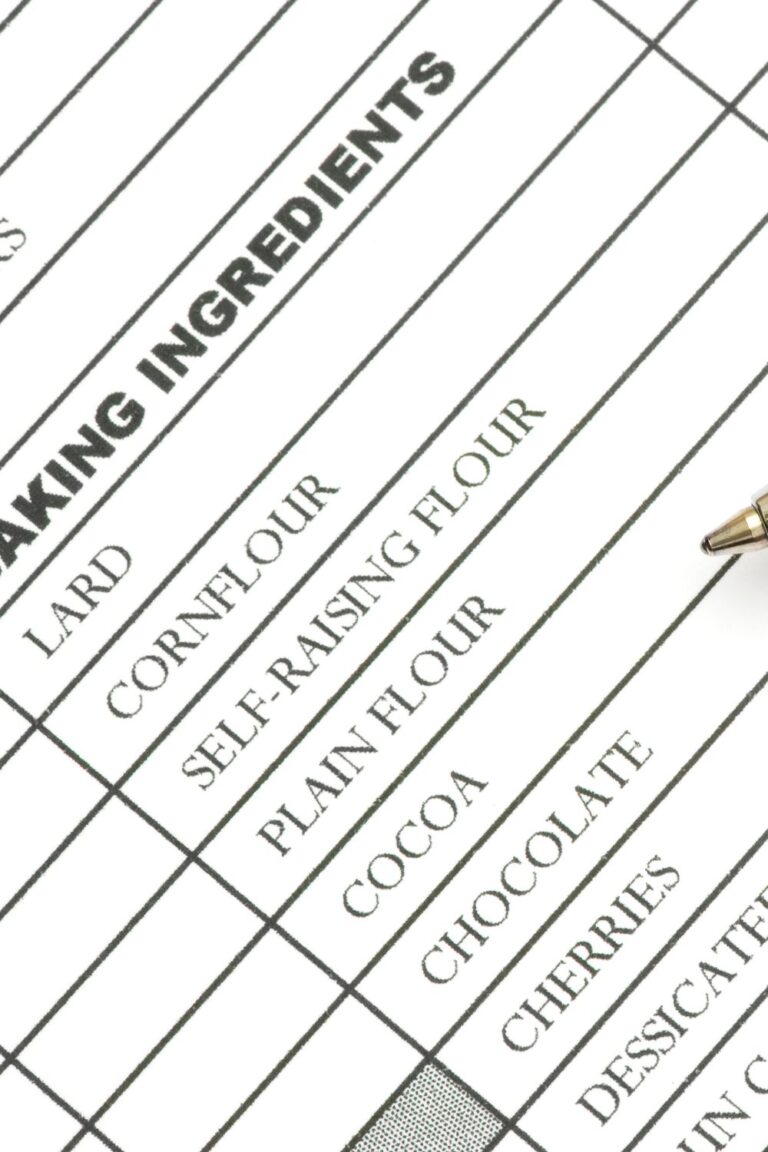
If you want to compare different options, explore these best kitchen scales for bread baking. You can also keep a baking measurements conversion chart nearby. Both resources can help you become more confident when measuring ingredients.
6. Toaster Oven
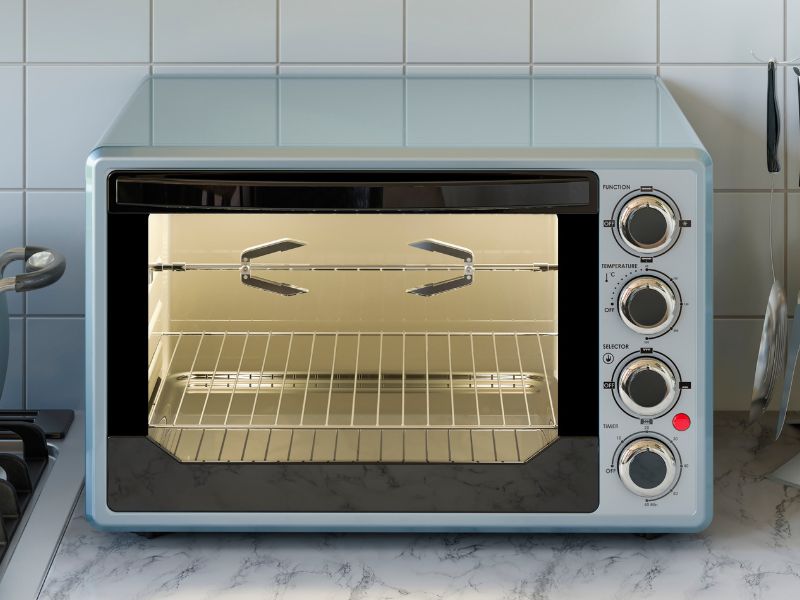
A toaster oven can be useful for bakers who have limited kitchen space. It offers a smaller baking space than a traditional full-size oven. This makes it convenient for preparing smaller batches and certain everyday baked treats.
You can use a suitable model for small cakes, cookies, pastries, and reheating baked goods. Some models also offer different heating functions. However, their capacity and performance vary considerably.
Before buying, check the interior dimensions carefully. Your favorite baking pans may not fit inside every model. Also, consider the temperature range, available rack positions, and timer settings.
A toaster oven may not replace a full-size oven for large cakes or multiple trays. It is better suited to smaller baking projects and kitchens with limited space. Choose one based on what you realistically plan to bake.
If you’re considering this appliance, compare these best toaster ovens for baking cakes. You can also explore best countertop ovens for baking for additional options. This comparison can help you find a size that works for your kitchen.
7. Bread Maker
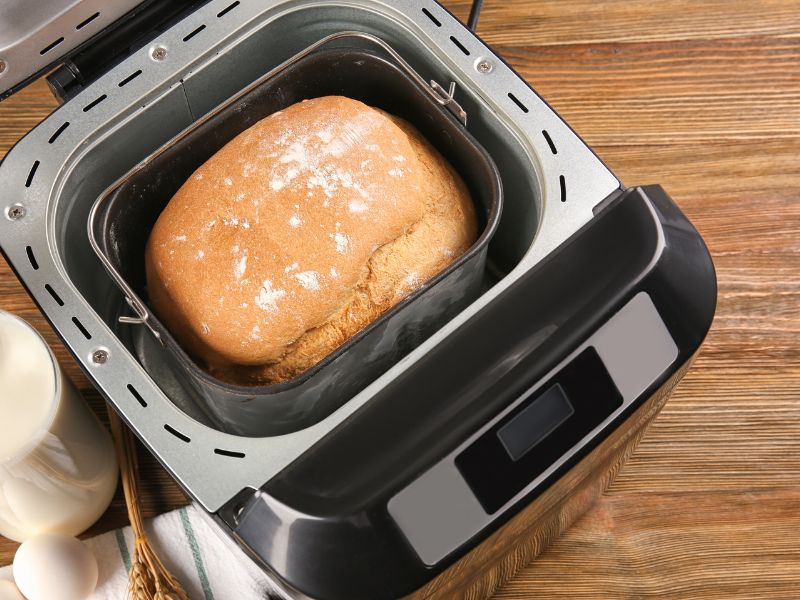
A bread maker is worth considering if homemade bread is part of your regular baking routine. It combines several bread-making stages in one appliance. Depending on the model, it can mix, knead, proof, and bake bread.
This makes the bread-making process more convenient for people with busy schedules. You usually add the ingredients, select a suitable program, and let the machine handle the cycle. Different models offer different loaf sizes and settings.
Some bread makers include programs for whole wheat, sweet bread, and other varieties. Others offer dough-only settings for recipes you want to finish in a conventional oven. Check the available programs before purchasing.
A bread maker is not essential for every home baker. If you enjoy shaping dough and controlling each stage yourself, you may prefer traditional methods. Still, it can be a useful time-saving appliance for regular bread lovers.
Before investing, think about how often you eat homemade bread. Compare loaf capacity, program options, cleaning requirements, and counter space. You can also explore this beginner’s guide to baking bread at home to understand the process.
8. Air Fryer
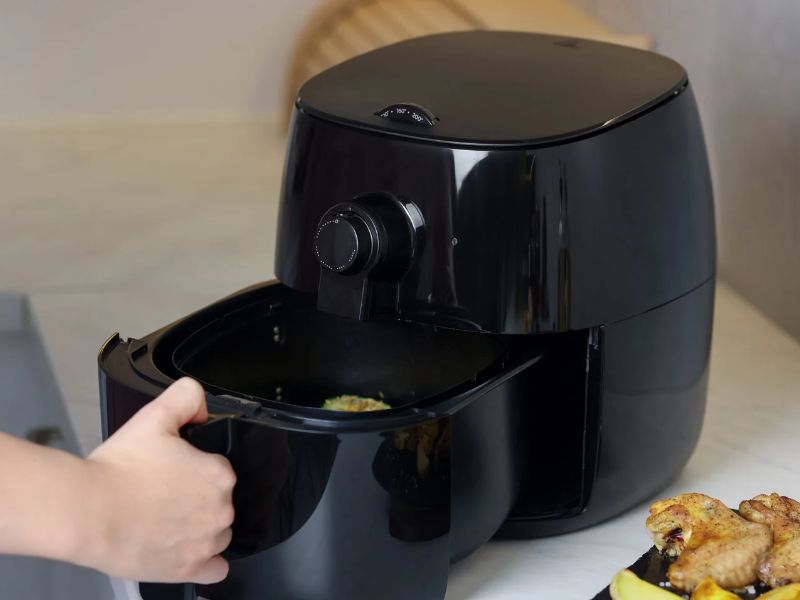
An air fryer is not a traditional baking appliance, but it can support certain small-batch baking projects. It circulates hot air around food inside a compact cooking chamber. Some models include baking settings or temperature controls suitable for selected recipes.
You may use a suitable air fryer for small cakes, muffins, and other individual treats. It can also help warm pastries and prepare small portions. Its usefulness depends on the appliance’s capacity and available functions.
The main advantage is convenience when you don’t want to heat a large oven. However, the smaller cooking space limits the size of your baking pans. You may also need to adjust recipes because air fryers can cook differently from conventional ovens.
Check the manufacturer’s instructions before using baking pans inside your air fryer. Make sure the pans fit comfortably and allow enough room for air circulation. Avoid assuming every recipe will work without adjustments.
This appliance makes the most sense when you already use an air fryer for other meals. If baking is your main priority, invest in a reliable oven first. That way, you won’t spend money on an appliance that offers limited baking value.
9. Microwave Oven
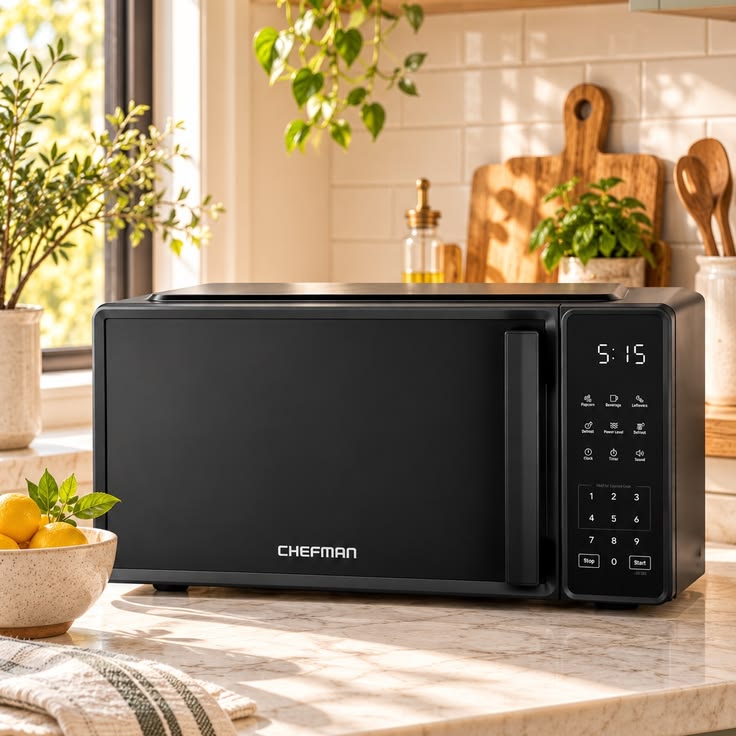
A microwave oven is a useful supporting baking appliance for many home bakers. Although it does not replace a conventional baking oven, it can help with several preparation tasks. You can use it to soften butter, melt chocolate, and warm certain ingredients.
It can also help when preparing quick mug cakes and selected microwave desserts. These recipes are convenient when you want a small treat without preparing a full batch. Still, microwave cooking produces different results from conventional baking.
Look for simple controls, suitable interior capacity, and easy cleaning. Some models offer additional functions, but you may not need them for basic baking preparation. Choose features that match your actual kitchen routine.
Be careful when melting chocolate or warming butter. Use short intervals and stir between them to avoid overheating. Always use microwave-safe containers.
A microwave is especially worthwhile if you already use it for everyday cooking. It supports ingredient preparation and quick desserts without taking the place of your main baking equipment. For more ingredient knowledge, explore butter versus margarine in baking.
10. Electric Mixer With Dough-Kneading Function
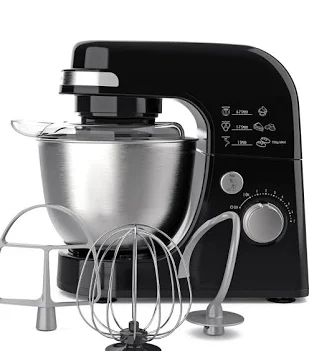
An electric mixer with a dough-kneading function can help bakers who regularly prepare bread and pizza dough. Depending on the model, it may offer a dedicated dough hook or another mixing attachment. This reduces the amount of manual kneading required.
Some hand mixers include dough hooks, but their power and capacity vary. They may work for lighter doughs, while heavier mixtures require a more powerful appliance. Always check the manufacturer’s recommendations.
A stand mixer with a suitable dough hook may be a better option for frequent bread baking. It generally offers a more stable mixing setup for larger quantities. Still, the right choice depends on the amount of dough you prepare.
Consider the motor power, bowl capacity, speed settings, and available attachments. Avoid choosing a model based only on the number of accessories included. The appliance should comfortably handle the recipes you make most often.
If bread is a regular part of your routine, you may also find these best dough scrapers for bread bakers useful. They support dough handling after mixing. For a more complete setup, explore everything you need to start baking sourdough.
How to Choose Baking Appliances Worth Your Money
Buying useful baking appliances is about more than choosing popular brands. You need equipment that matches your recipes, kitchen space, and baking frequency. A thoughtful purchase can serve you for years.
Here are some things to consider before buying:
- Your baking habits: Choose appliances that support the recipes you prepare regularly.
- Kitchen space: Measure your available counter and storage space before purchasing large equipment.
- Ease of cleaning: Removable attachments and accessible surfaces can make maintenance easier.
- Capacity: Choose a size that suits your usual batch quantities.
- Durability: Check the materials, warranty, and available replacement parts.
- Versatility: Consider whether you can use the appliance for several kitchen tasks.
- Budget: Prioritize appliances that solve real problems instead of buying every available gadget.
It also helps to organize your kitchen before bringing home new equipment. A crowded counter can make baking feel more difficult. These small kitchen baking ideas for limited spaces can help you make better use of your available area.
You can also create a dedicated workspace for your equipment. Explore these baking room decor ideas for inspiration. If you want a more organized setup, consider these baking station organization ideas.
Which Baking Appliances Should You Buy First?
You don’t need to purchase all ten baking appliances at once. Start with equipment that will make the biggest difference to your regular baking routine.
For most beginners, a reliable oven, hand mixer, and digital kitchen scale make a practical starting point. These cover several important baking needs without requiring a large collection. You can add more equipment as your confidence grows.
If you bake frequently, a stand mixer may become a worthwhile investment. Bread lovers may prefer a bread maker or a powerful mixer with a suitable dough hook. People with limited space might find a toaster oven more convenient.
Think about your current equipment before buying anything new. You may already own appliances that can handle certain tasks. Our guide to baking appliances for home bakers can help you compare useful equipment for your kitchen.
Final Thoughts
The best baking appliances are the ones that make your kitchen more functional. A stand mixer, reliable oven, and digital scale can support many different recipes. Other appliances become worthwhile when they match your specific baking habits.
Start with the equipment you genuinely need instead of buying everything at once. Consider your available space, budget, and favorite recipes before making a decision. A carefully chosen appliance can make baking easier and more enjoyable for years.