
9 Best Stand Mixers for Cookie Dough for Easy, Smooth Mixing
Disclosure: Some of the links in this post are affiliate links. This means if you click on the link and purchase an item, I will receive an affiliate commission at no extra cost to you.
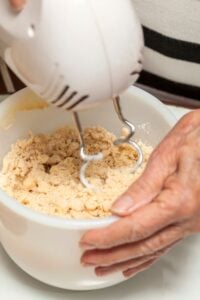
A good stand mixer can change the way you approach cookie baking. Once you use one regularly, hand mixing starts feeling like unnecessary work.
I love a mixer that lets me focus on the recipe instead of fighting thick dough. It handles the repetitive part while I prepare ingredients, line baking sheets, or clean the counter.
That becomes especially helpful when a recipe calls for several cups of flour. Thick chocolate chip dough can quickly become difficult to stir by hand.
A reliable stand mixer keeps the mixing steady from beginning to end. It creams butter and sugar evenly, incorporates eggs smoothly, and brings dry ingredients together without constant effort.
The biggest difference becomes obvious when you make multiple batches. Instead of stopping to rest your arm, you can let the mixer work while you measure the next ingredients.
Of course, choosing the right mixer still matters. Some models handle dense cookie dough beautifully, while others perform better with lighter batters.
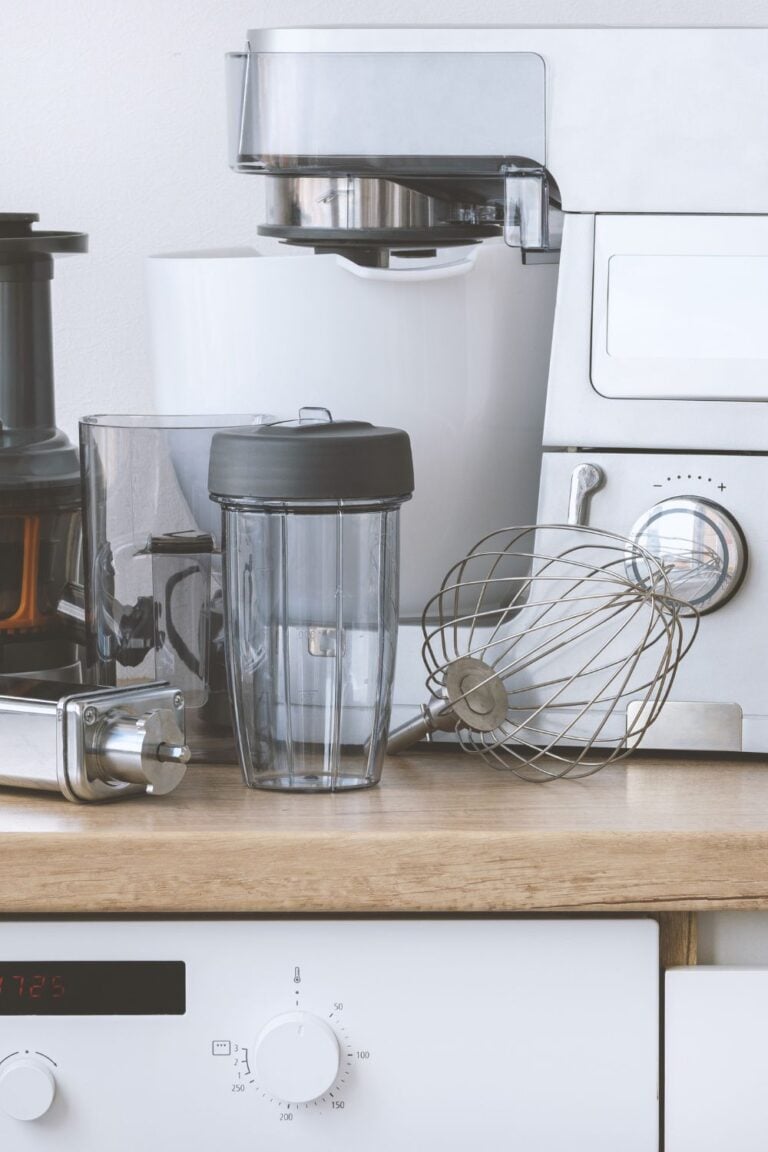
You also need to consider bowl capacity, motor strength, speed control, attachments, and countertop space. Your usual recipes should guide those choices rather than attractive features alone.
If you are still building your baking setup, start with these essential baking tools every home baker needs. Then consider which mixer would genuinely make your baking routine easier.
In this guide, we’ll look at ten stand mixers worth considering for cookie dough. We’ll focus on how each one can make real baking tasks easier.
Why a Stand Mixer Makes Cookie Baking Easier
A stand mixer can completely change the rhythm of a cookie-baking day. Instead of wrestling with thick dough, you can let the mixer handle the hardest part.
That matters most when your recipe contains lots of flour, oats, nuts, or chocolate chips. Those ingredients can turn an easy mixture into something surprisingly difficult to stir.
A good stand mixer keeps the process steady. It creams butter and sugar thoroughly, incorporates eggs evenly, and brings the dry ingredients together without exhausting your arm.
It also gives you freedom while the dough mixes. You can measure flour, prepare baking sheets, or organize your ingredients while the mixer works.
Food Network tested stand mixers by creaming butter and sugar, mixing chocolate chip cookie dough, kneading brioche, and whipping cream.
That testing approach makes sense from a baker’s perspective. A mixer should not only look impressive on your counter. It should make actual baking tasks easier.
The best models also help you handle larger batches. That becomes especially useful when you’re preparing cookies for holidays, parties, gifting, or customers.
Still, every baker has different needs. Some people need a compact machine for occasional cookies. Others want serious power for frequent baking sessions.
Your kitchen space matters too. A powerful mixer can be wonderful until you realize it has nowhere convenient to live.
For more help building a practical setup, these essential baking tools every home baker needs can help you decide what deserves space in your kitchen.
9 Best Stand Mixers for Cookie Dough for Easy, Smooth Mixing
1. Aucma 6.5-Quart Stand Mixer
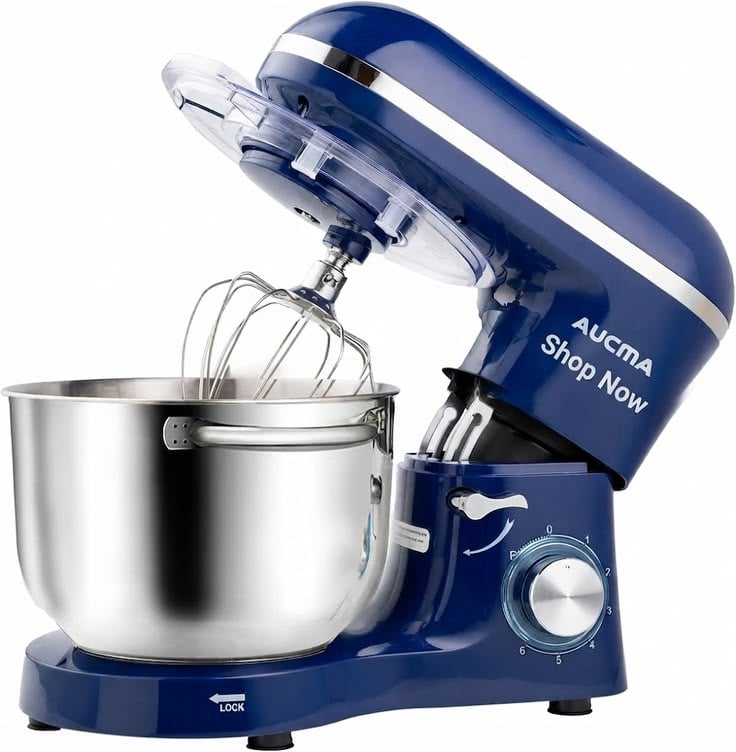
The Aucma 6.5-quart stand mixer gives cookie bakers plenty of room for larger batches. Its 660-watt motor provides useful power when dough becomes thick and heavy. The six-speed control also lets you adjust the mixing pace as your dough changes.
I like the combination of a dough hook, flat beater, and wire whisk because it covers more than cookies. The tilt-head design makes adding ingredients and removing the bowl fairly convenient. For bakers who make generous cookie batches, the larger bowl can make the mixing process feel much less cramped.
If you are still building your baking setup, learning about essential baking tools every home baker needs can help you decide which equipment deserves priority.
2. Hamilton Beach Classic Stand Mixer
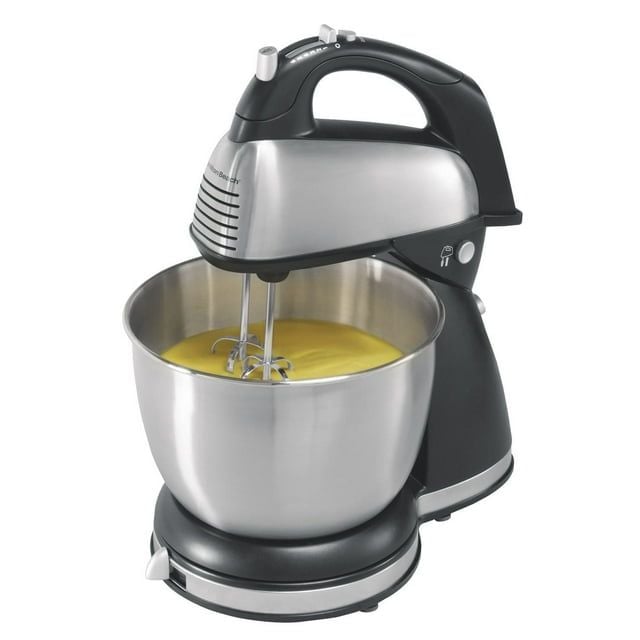
The Hamilton Beach Classic offers an interesting two-in-one setup for everyday bakers. You can use it as a traditional stand mixer or remove the mixer for handheld control. Its six speeds give you flexibility when creaming butter, adding flour, and combining thicker dough.
The QuickBurst feature provides extra power when your mixture needs a little more muscle. The bowl-rest feature also makes it easier to pause without creating a mess on your counter. For someone who wants versatility without owning separate appliances, this design can be particularly useful.
That versatility becomes even more valuable when you understand how baking ingredients actually affect your results.
3. Kitchen in the Box 8.5-Quart Stand Mixer
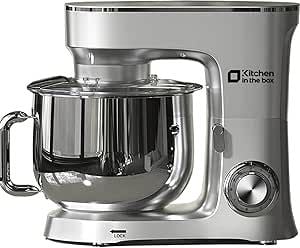
The Kitchen in the Box 8.5-quart mixer is built with larger baking sessions in mind. Its generous bowl gives you plenty of space for substantial cookie recipes. The 900-watt motor also gives you useful strength for thicker dough mixtures. With ten speed settings, you can move gradually from gentle mixing to more demanding tasks.
The dough hook, flat beater, and whisk add flexibility for different recipes. I would find the large bowl especially helpful during holiday baking when one cookie recipe rarely feels like enough. Accurate ingredient quantities also become more important with larger batches, so a baking measurements conversion chart can be handy when adjusting recipes.
4. Camic 7.45-Quart Stand Mixer
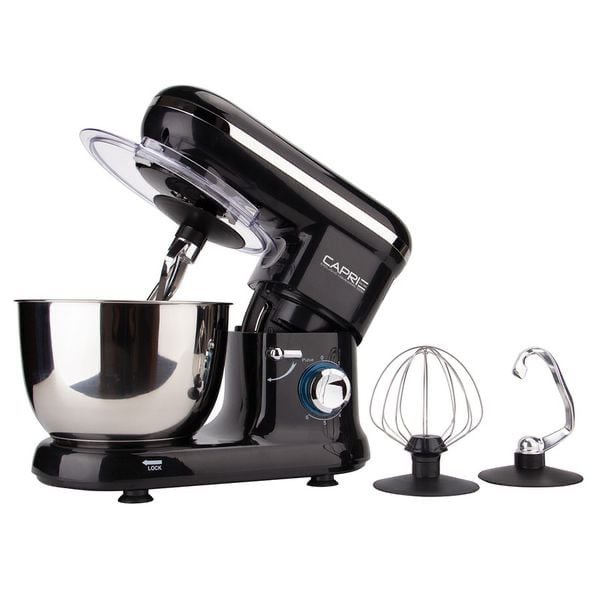
The Camic 7.45-quart stand mixer combines a roomy bowl with ten adjustable speeds. That combination gives bakers plenty of flexibility when working through different cookie recipes. The dough hook, whisk, and flat beater cover the main mixing jobs most home bakers encounter.
Its splash guard can also help keep flour and other dry ingredients from escaping during mixing. I particularly like the easy-carry handle for moving the mixer when necessary. The larger capacity makes it a practical option for bakers who regularly prepare bigger batches.
If counter space is limited, these small kitchen baking ideas can help you create room for larger equipment.
5. Kitchen in the Box 3.2-Quart Stand Mixer
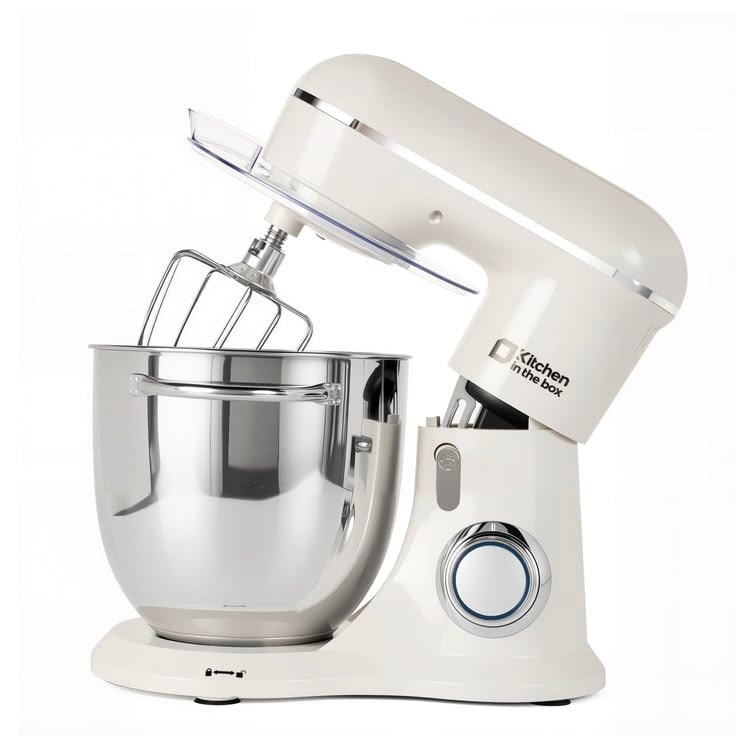
The smaller Kitchen in the Box 3.2-quart mixer suits bakers who prefer compact equipment. Its lightweight design makes it easier to move around a smaller kitchen. Six speeds provide enough control for everyday cookie dough, cake batter, and lighter mixtures.
The included dough hook, whisk, and flat beater also make the mixer more versatile. Its smaller bowl works particularly well for modest batches rather than large holiday quantities.
For apartment kitchens or occasional bakers, this compact design can provide useful mixing help without taking over the counter. Keeping everything organized also becomes easier with practical baking station organization ideas.
6. CUSIMAX 5-Quart Stand Mixer
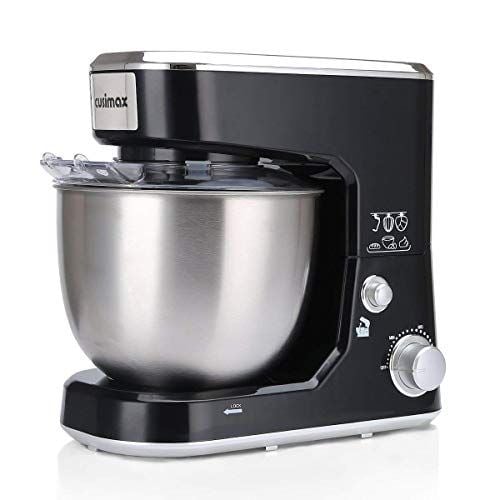
The CUSIMAX 5-quart stand mixer brings several convenient features into one countertop appliance. Its 650-watt motor gives it useful strength for everyday cookie dough. The adjustable speed control lets you slow down when incorporating flour and increase power when needed.
I also like the digital timer because it can help you keep track of mixing time during busy baking sessions. The tilt-head design makes the bowl easier to access when adding ingredients. With its dough hook, beater, and whisk, it can handle plenty of recipes beyond your usual cookie dough.
Those extra capabilities can come in handy when you’re learning easy baking skills every home baker should master first.
7. CEBORY 4-Quart Stand Mixer
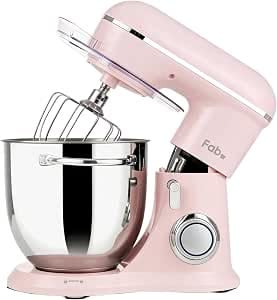
The CEBORY 4-quart mixer is a compact option for bakers who do not need a large bowl. Its ten-plus speed settings provide plenty of control for different stages of mixing. The 300-watt motor suits everyday baking tasks, including many standard cookie recipes.
Its stainless-steel bowl gives you a durable mixing surface for regular use. The dishwasher-safe dough hook can also make cleanup easier after heavier recipes. For smaller households, this mixer offers useful versatility without requiring the countertop space of a larger machine.
A tidy workspace can also make baking more enjoyable, especially when paired with practical baking station organization ideas.
8. Cuisinart Stand Mixer
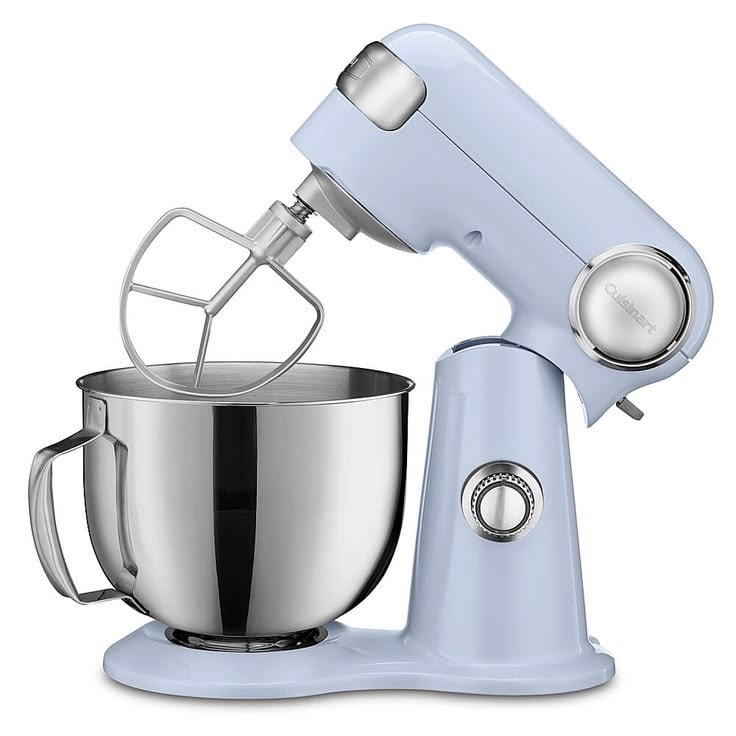
The Cuisinart stand mixer offers a generous bowl and twelve speed settings. That wide speed range gives you precise control throughout the cookie-making process. You can start slowly when adding flour and increase the speed during earlier mixing stages.
The chef’s whisk, mixing paddle, and dough hook allow you to tackle different baking projects. Its splash guard can also make adding ingredients cleaner. For a baker who wants one mixer for cookies, cakes, whipped cream, and heavier doughs, this setup offers plenty of flexibility.
If you enjoy trying different recipes, understanding how to read a baking recipe correctly can help you get more from those speed settings.
9. Martha Stewart 5.3-Quart Tilt-Head Stand Mixer
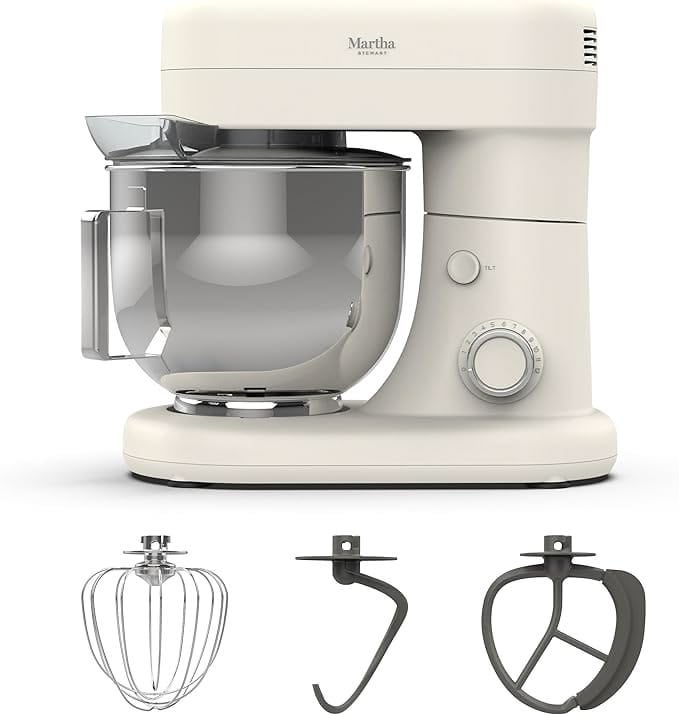
The Martha Stewart 5.3-quart stand mixer brings together a useful bowl size and twelve speed settings. That makes it easy to adjust the mixing intensity as your cookie dough develops.
The dough hook can help with heavier mixtures, while the whisk works well for lighter ingredients. The beater handles the everyday mixing jobs that most cookie recipes require. I also like the removable splash shield because it can reduce mess when adding dry ingredients.
For home bakers who want a versatile mixer for cookies and other desserts, this model offers a well-rounded setup. Once your mixer becomes part of your regular routine, keeping your baking pantry essentials stocked can make spontaneous baking much easier.
What Should You Look for in a Stand Mixer for Cookie Dough?
Motor Strength Matters
Cookie dough can become surprisingly dense. A mixer that handles cake batter beautifully may struggle once flour and chunky ingredients enter the bowl.
That does not mean you need the biggest motor available. Instead, consider how frequently you make dense dough.
Occasional cookie bakers can often choose a capable everyday mixer. Frequent bakers should consider stronger machines with stable bases and larger capacities.
Also remember that wattage alone does not tell you everything. Mixing action, attachment design, bowl shape, and motor efficiency all affect performance.
A mixer should move the dough consistently without sounding strained. It should also stay stable when the mixture becomes thick.
Bowl Capacity Makes a Difference
Bowl size becomes important when you double recipes.
A small bowl can work perfectly for one batch. However, you may struggle when a holiday recipe calls for twice the usual amount.
Larger bowls also provide more room for flour and chunky ingredients. That can reduce spills and make mixing less frustrating.
Still, bigger is not automatically better. A huge bowl can make small batches harder to mix effectively.
Choose capacity according to the recipes you make most often.
Speed Control Helps With Cookie Dough
Cookie dough requires more than one mixing speed.
You want a slower setting when adding flour. You may need more speed while creaming butter and sugar.
Gentle starting speeds also help reduce mess. Food Network and Good Housekeeping both evaluate speed control during their mixer testing.
A mixer with smooth speed transitions gives you better control.
That matters when you are trying to avoid overmixing. It also helps when your recipe includes delicate ingredients.
Stability Is Important
Dense dough pushes against the mixer.
A lightweight machine may move across the counter when the dough becomes difficult. A heavier base can keep everything steadier.
Bowl-lift mixers often provide a particularly substantial footprint. That design can work well for bakers handling large batches.
Still, stability should never replace proper mixing technique. Use appropriate speeds and avoid forcing the mixer through extremely stiff dough.
How to Use a Stand Mixer for Better Cookie Dough
Start With Properly Softened Butter
Butter temperature affects how easily your mixer can cream it.
Cold butter can make the process unnecessarily difficult. Very soft butter can also affect the final cookie texture.
Follow the recipe’s instructions carefully. Your mixer can only do so much when the ingredients start at the wrong temperature.
Cream Butter and Sugar Properly
Let the paddle work until the mixture becomes lighter and more cohesive.
This stage affects the texture of your finished cookies. Rushing it can leave you with unevenly incorporated ingredients.
If you’re still learning the technique, understanding how baking ingredients actually work can make this step much easier to understand.
Add Dry Ingredients Gradually
Do not dump all your flour into the bowl at once.
Start at a low speed. Add the flour gradually and let it become incorporated before adding more.
That approach keeps flour from flying everywhere. It also reduces the sudden strain placed on the mixer.
You can learn more about choosing the right flour through this guide to different types of baking flour.
Stop Before You Overmix
A powerful mixer makes it easy to keep going.
However, cookie dough does not need endless mixing after the flour disappears.
Once the dough reaches the texture your recipe describes, stop. Scrape the bowl if necessary, then add chunky ingredients carefully.
That small discipline can make a noticeable difference in the finished cookie.
Can a Stand Mixer Handle Very Thick Cookie Dough?
Most capable stand mixers can handle ordinary thick cookie dough. However, extremely dense mixtures require more care.
Recipes packed with oats, nuts, dried fruit, and chocolate can become particularly demanding.
Your mixer may handle the dough better if you add ingredients gradually. You can also finish very chunky additions by hand when necessary.
That approach protects the mixer while giving you better control.
If you regularly make extremely heavy dough, choose a machine designed for demanding workloads.
The Ankarsrum and larger KitchenAid models are particularly interesting for serious bakers. Their stability and capacity make them better suited to larger baking sessions.
For normal home cookie recipes, though, you have plenty of excellent options.
How to Keep Your Stand Mixer Working Well
Avoid Overloading the Bowl
Follow your recipe’s quantities carefully.
Even a large mixer has limits. Overloading the bowl can prevent ingredients from mixing evenly.
It can also force the motor to work harder than necessary.
Scrape the Bowl When Needed
Planetary mixing does not guarantee perfect coverage.
Butter and sugar can sometimes cling to the sides. Flour can also hide underneath the mixture.
Pause when needed and scrape the bowl with a spatula.
That simple step helps your mixer produce more evenly mixed dough.
Clean Attachments Promptly
Cookie dough becomes much harder to remove once it dries.
Rinse or clean attachments soon after use. Follow the care instructions for each attachment.
Keeping your mixer clean also makes baking feel less like a chore.
Give Heavy Dough the Right Speed
Higher speed is not always better.
Dense dough usually benefits from controlled mixing. Avoid running your mixer at maximum speed simply because the dough feels thick.
Use the speed recommended by your recipe and mixer instructions.
That approach can reduce unnecessary strain while giving you better results.
Final Thoughts
A stand mixer should make baking easier, not make your kitchen feel more complicated.
The best model depends on your recipes, baking frequency, kitchen space, and preferred batch sizes.
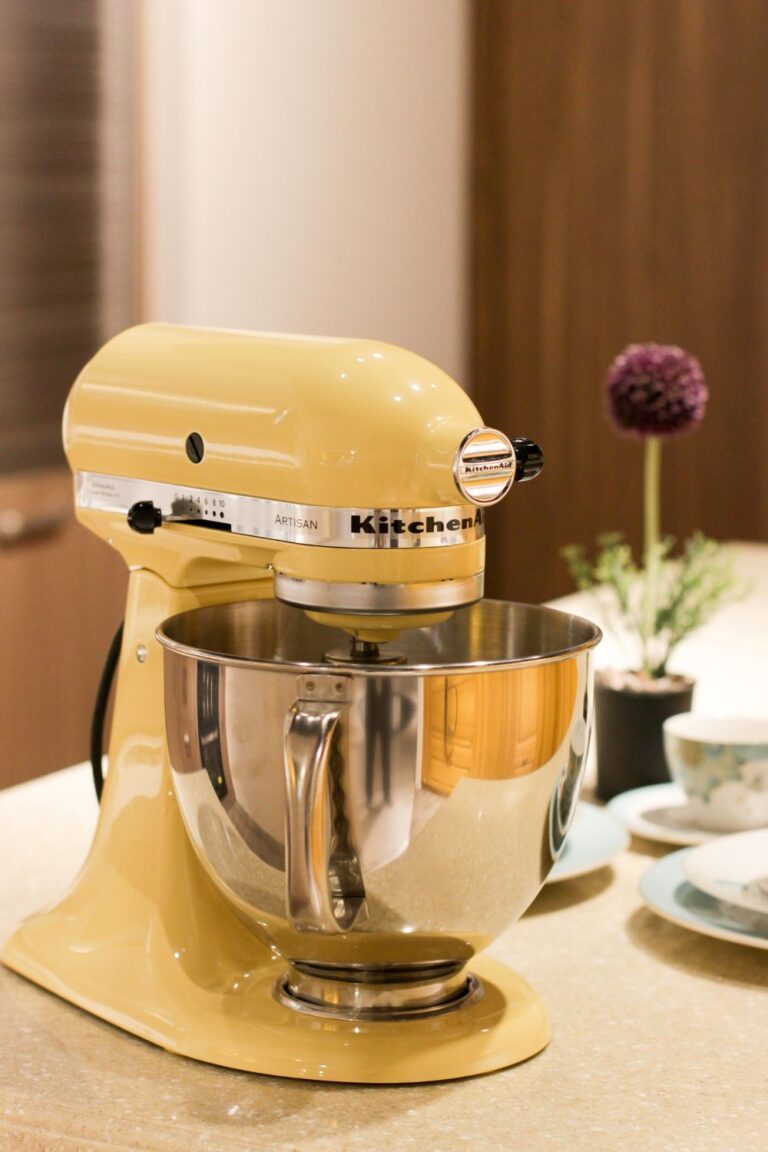
For most home bakers, the KitchenAid Artisan Plus offers an appealing balance of performance and everyday usefulness. Its strong cookie dough performance makes it particularly easy to recommend.
If you bake large batches regularly, consider moving toward a larger bowl-lift machine. Extra capacity can make holiday baking and repeated batches much less stressful.
For smaller kitchens, the Artisan Mini offers a practical alternative. You get many of the benefits of a stand mixer without dedicating as much counter space.
Budget-conscious bakers can also find capable options. The Hamilton Beach All-Metal model shows that useful cookie performance does not require the most expensive machine.
Meanwhile, serious bakers may appreciate the Ankarsrum. Its design suits people who expect their mixer to work hard and handle many types of dough.
Most importantly, choose based on how you actually bake.
A mixer should fit your recipes, your kitchen, and your routine. Once you find that combination, cookie baking becomes much more relaxed.
Instead of stopping to fight thick dough, you can focus on the enjoyable parts. You can prepare toppings, line your trays, organize ingredients, and simply enjoy the process.
That is what a good stand mixer should really give you: less effort, better consistency, and more freedom to enjoy baking.