23 Must-Have Dessert Baking Tools
Disclosure: Some of the links in this post are affiliate links. This means if you click on the link and purchase an item, I will receive an affiliate commission at no extra cost to you.
Great desserts start with reliable tools that make measuring, mixing, shaping, baking, and decorating easier. The right equipment also helps beginners work more accurately and avoid frustrating mistakes.
A few essential tools can handle most everyday recipes, while specialized equipment becomes useful as your baking skills grow. You can build your collection gradually instead of buying everything at once.
Before investing in new equipment, review Essential Baking Tools Every Home Baker Needs (with budget options) for practical options that suit different baking needs.
From measuring cups and kitchen scales to piping bags and cooling racks, these 23 dessert baking tools can make your kitchen more efficient. Each tool serves a specific purpose and can help you achieve more consistent results.
23 Must-Have Dessert Baking Tools
1. Digital Kitchen Scale
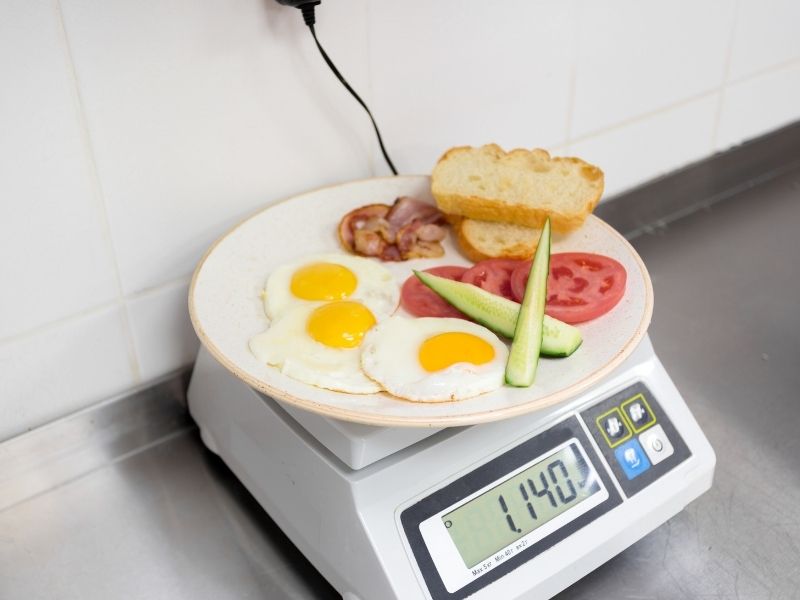
A digital kitchen scale gives you precise measurements for flour, sugar, butter, chocolate, and other ingredients. Small measurement differences can change the texture of baked desserts.
Weight-based measurements also make recipes easier to repeat. For accurate conversions, keep a Baking Measurements Conversion Chart nearby while preparing recipes.
Choose a scale with a clear display and a tare function. The tare button lets you reset the weight after adding ingredients to the same bowl.
2. Measuring Cups and Spoons
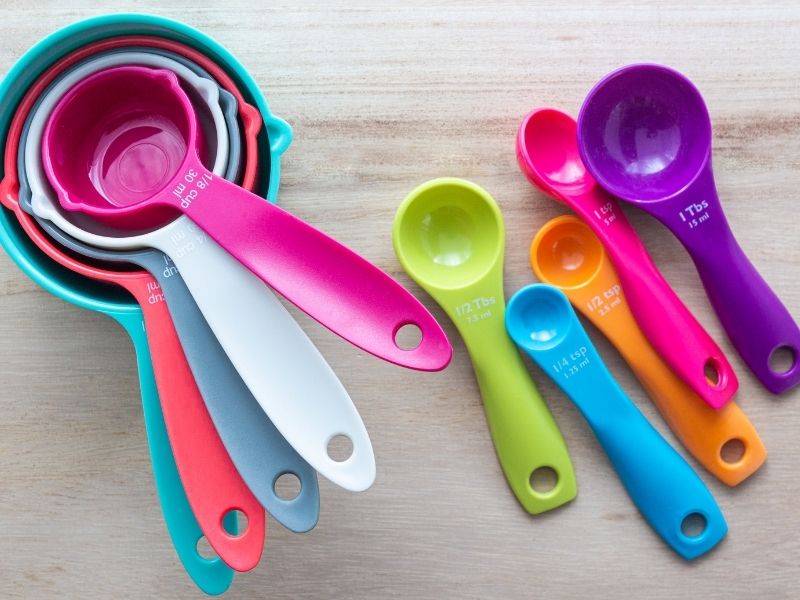
Measuring cups and spoons remain useful for recipes that list ingredients by volume. Keep both dry measuring cups and liquid measuring cups in your kitchen.
Use measuring spoons for small quantities such as baking powder, vanilla, salt, cinnamon, and extracts.
Accurate measuring matters most when you work with chemical leaveners. Too much baking soda or baking powder can affect flavor, texture, and rise.
3. Large Mixing Bowls
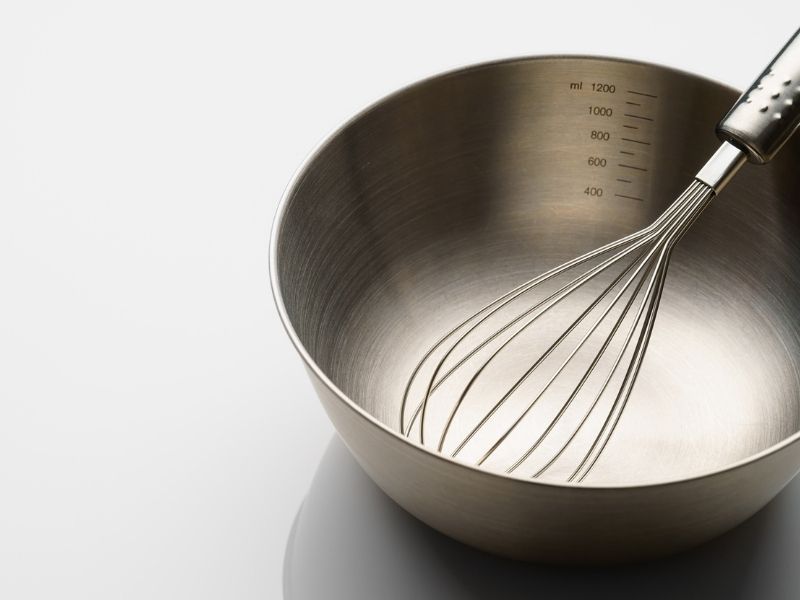
A dependable set of mixing bowls gives you room to combine ingredients without spilling. Choose several sizes for different baking tasks.
Large bowls work well for cake batter, cookie dough, whipped cream, and dessert fillings. Smaller bowls help with melted butter, dry ingredients, toppings, and measured components.
Stainless steel, glass, and sturdy plastic all work well. A nesting set can also save valuable cabinet space.
4. Hand Mixer
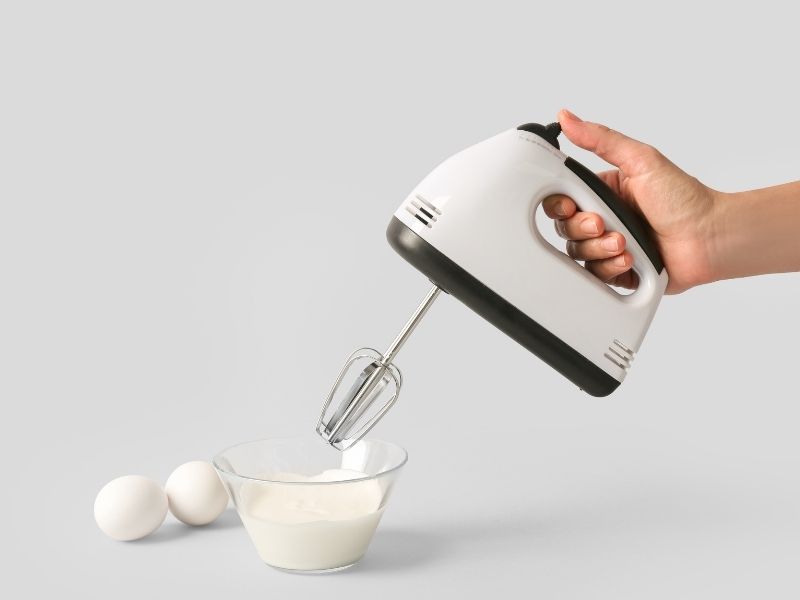
A hand mixer helps you cream butter and sugar, whip cream, beat eggs, and prepare many cake batters.
It costs less than a stand mixer while still handling common dessert recipes. Beginners can use it for cupcakes, cookies, buttercream, and whipped toppings.
Keep the beaters clean after every use. Dried batter can become difficult to remove around the attachments.
For more practical baking guidance, explore Easy Baking Skills Every Home Baker Should Master First.
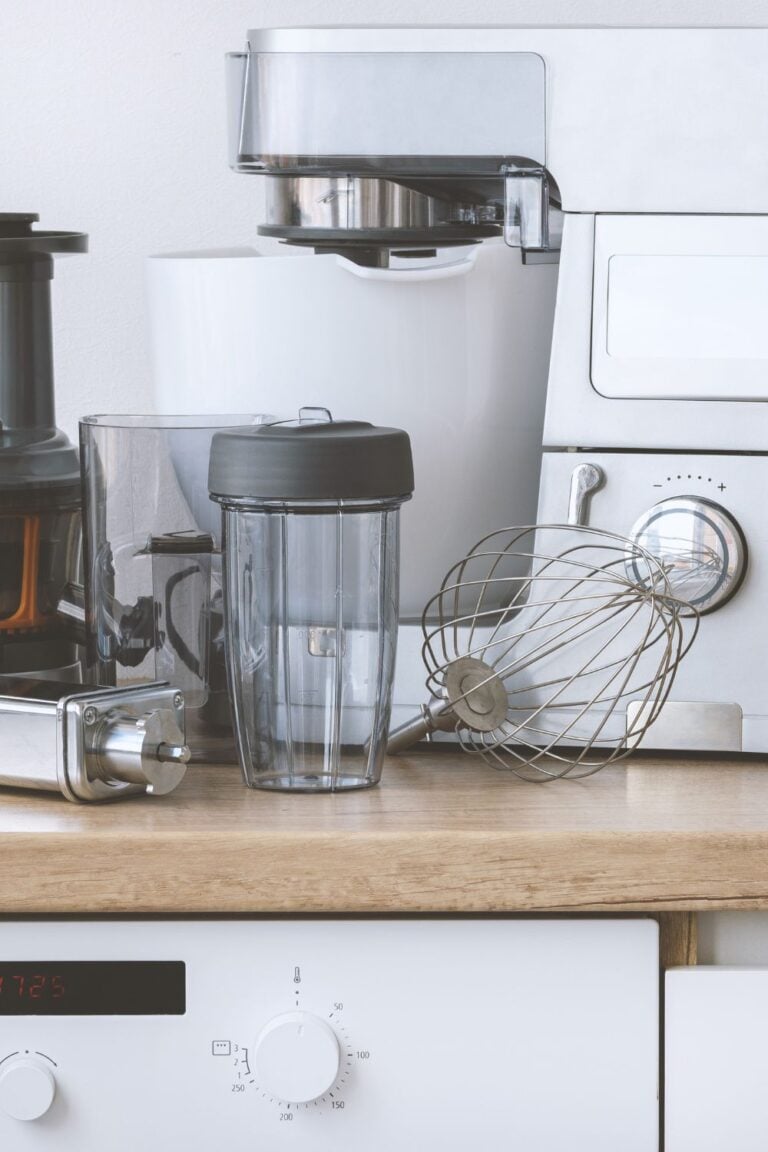
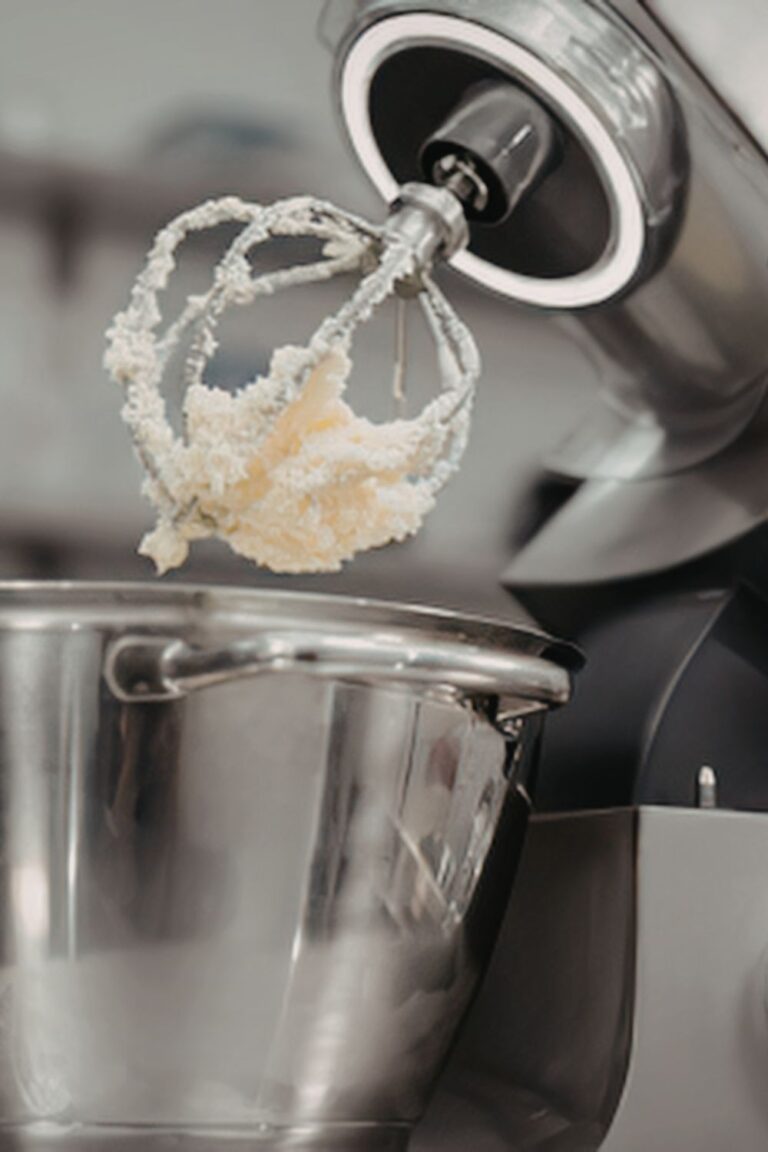
5. Stand Mixer
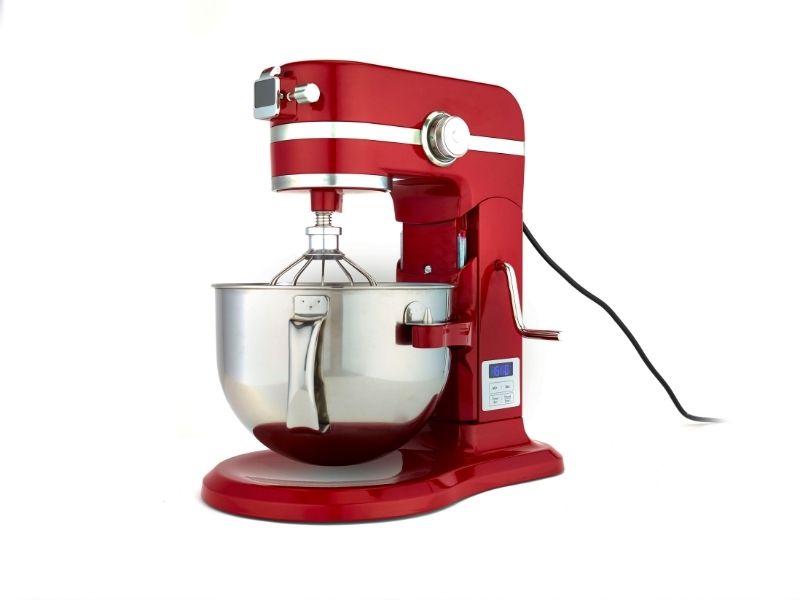
A stand mixer becomes valuable when you bake frequently or prepare large batches.
Its bowl stays in place while the mixer works, leaving your hands available for other tasks. This feature makes longer mixing sessions more comfortable.
Use the paddle attachment for many cake and cookie mixtures. Choose the whisk for whipped cream and meringues. Use the dough hook for yeast-based dough.
A stand mixer represents a larger investment, so beginners can start with a hand mixer and upgrade later.
6. Silicone Spatulas
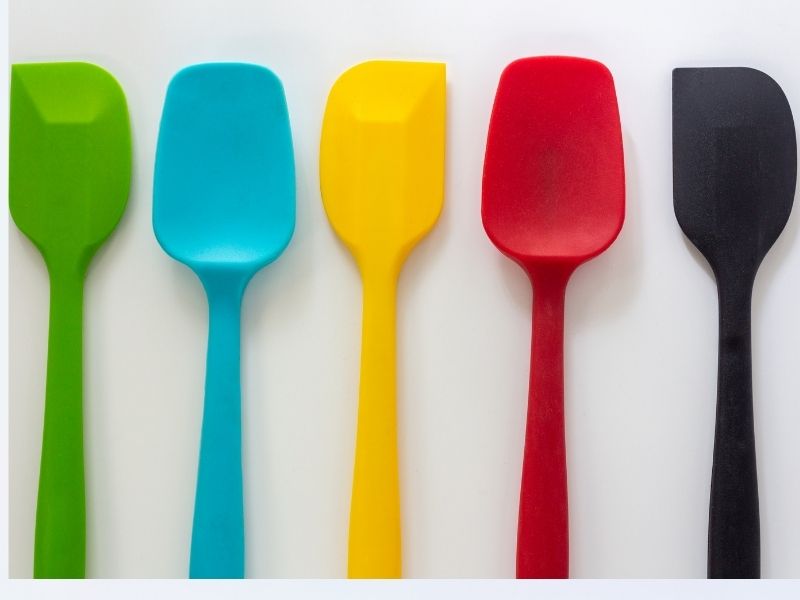
Silicone spatulas help you scrape batter from bowls and fold ingredients gently.
They also make it easier to transfer frosting, ganache, melted chocolate, and dessert fillings without wasting ingredients.
Choose heat-resistant spatulas with sturdy handles. Flexible silicone heads work especially well around bowl edges.
Spatulas also help when you need to fold ingredients without knocking out too much air. Understanding proper techniques can make a major difference, so review Baking Terms Explained (Fold, Cream, Knead & More For Beginners).
7. Whisk
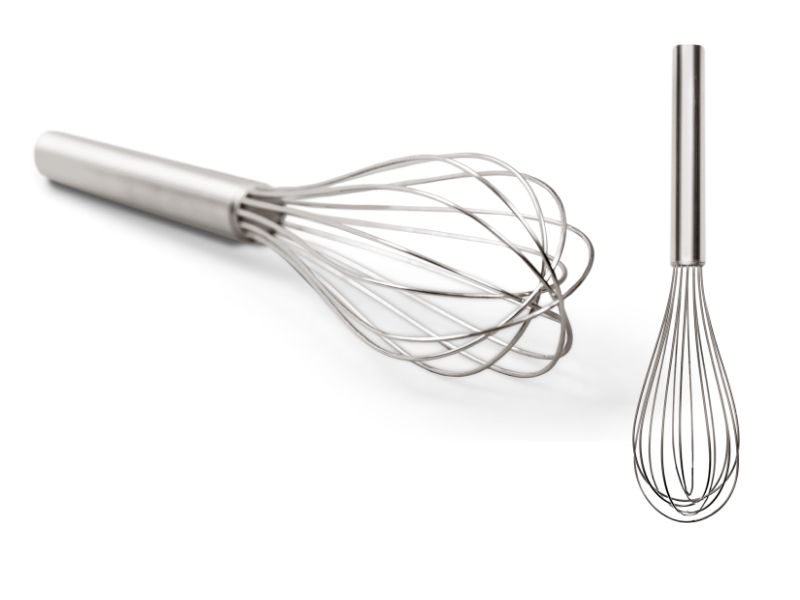
A whisk helps combine dry ingredients and smooth wet mixtures.
Use it for eggs, cream, custards, pancake batter, chocolate sauces, and simple glazes.
A balloon whisk works well for incorporating air into mixtures. A smaller whisk handles sauces and small quantities more comfortably.
You can also use a whisk to distribute baking powder and salt evenly through flour before adding wet ingredients.
8. Fine-Mesh Sieve
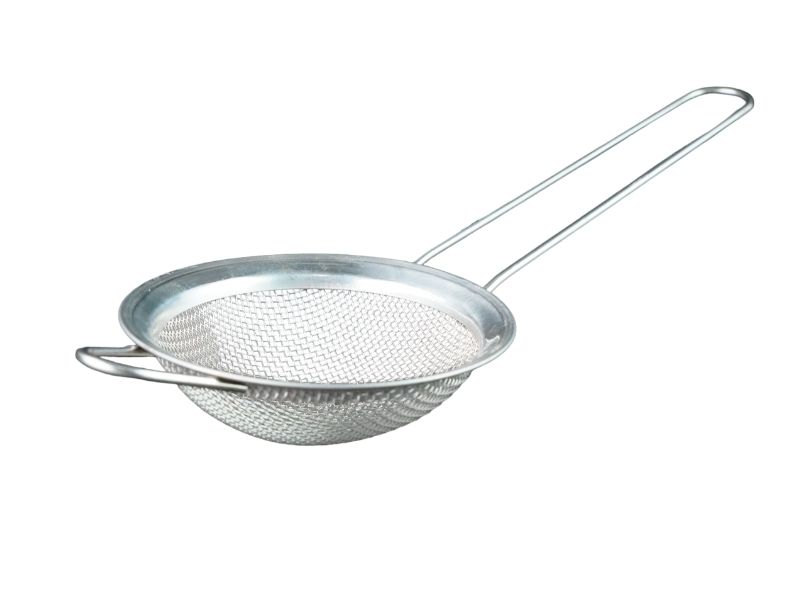
A fine-mesh sieve helps remove lumps from flour, cocoa powder, powdered sugar, and other dry ingredients.
It also creates smoother custards, sauces, and fruit purees.
Sifting can improve the texture of certain desserts, especially delicate cakes and frostings. However, follow your specific recipe because some formulas rely on measured flour before or after sifting.
A sieve also works as a dusting tool for powdered sugar and cocoa.
9. Rubber Bench Scraper
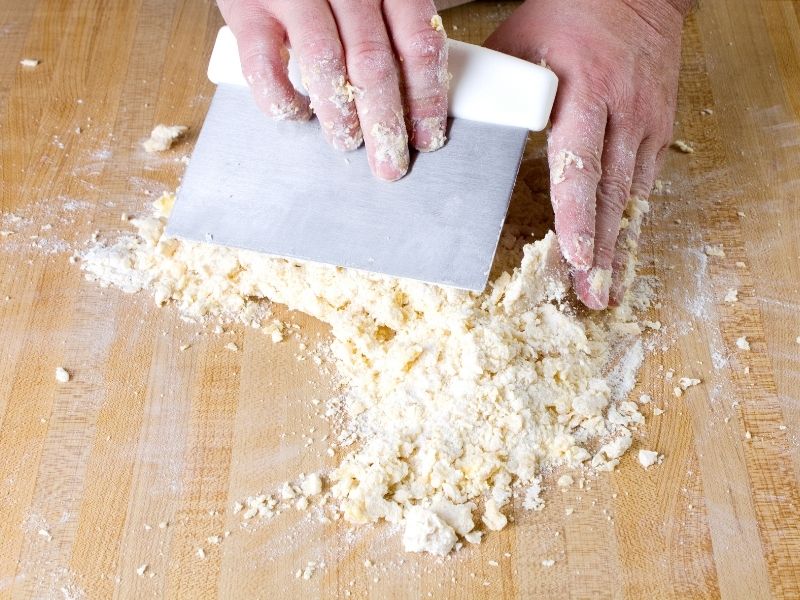
A bench scraper makes several baking tasks easier.
Use it to divide dough, lift chopped ingredients, scrape work surfaces, and portion sticky mixtures.
It also helps clean flour and dough from countertops after preparation.
Choose a scraper with a comfortable grip and a firm edge. A metal scraper works well for dough, while a plastic version suits more delicate surfaces.
10. Rolling Pin
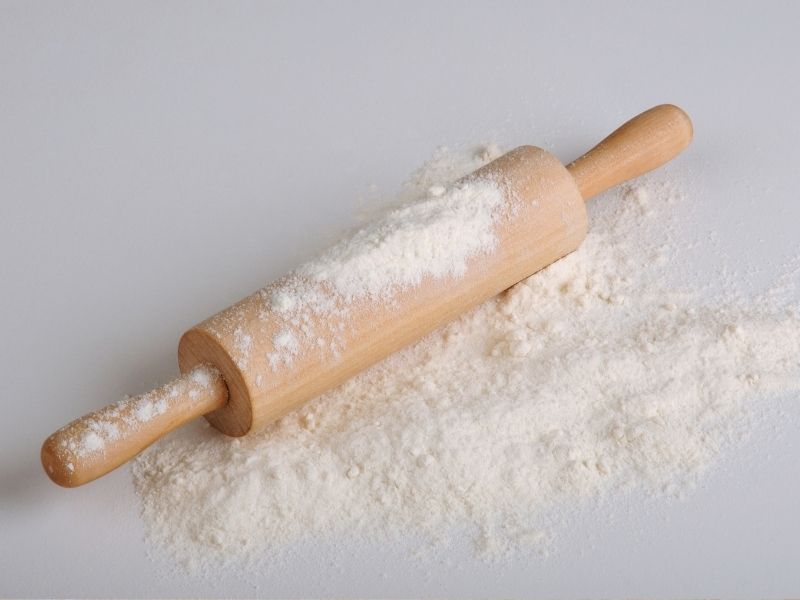
A rolling pin becomes essential for pie dough, cookies, biscuits, tart shells, and other rolled desserts.
Straight rolling pins provide simple control. Tapered versions allow more flexibility when shaping dough.
Avoid pressing too aggressively. Excessive pressure can produce uneven thickness or overwork certain doughs.
For better pie results, learn about 17 Pie Baking Mistakes That Ruin Perfect Crusts before your next baking session.
11. Baking Sheets
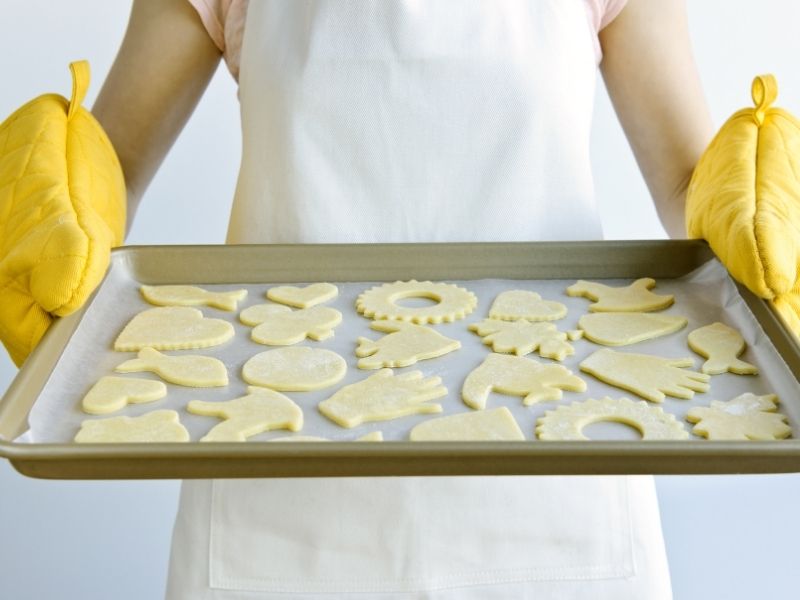
Baking sheets form the foundation of many dessert recipes.
Use them for cookies, biscuits, brownies, pastries, meringues, and roasted dessert toppings.
Choose sturdy sheets that resist warping at high temperatures. Light-colored sheets can also help prevent excessive browning.
Keep several sizes available if your oven allows it. Multiple sheets become especially helpful when preparing large cookie batches.
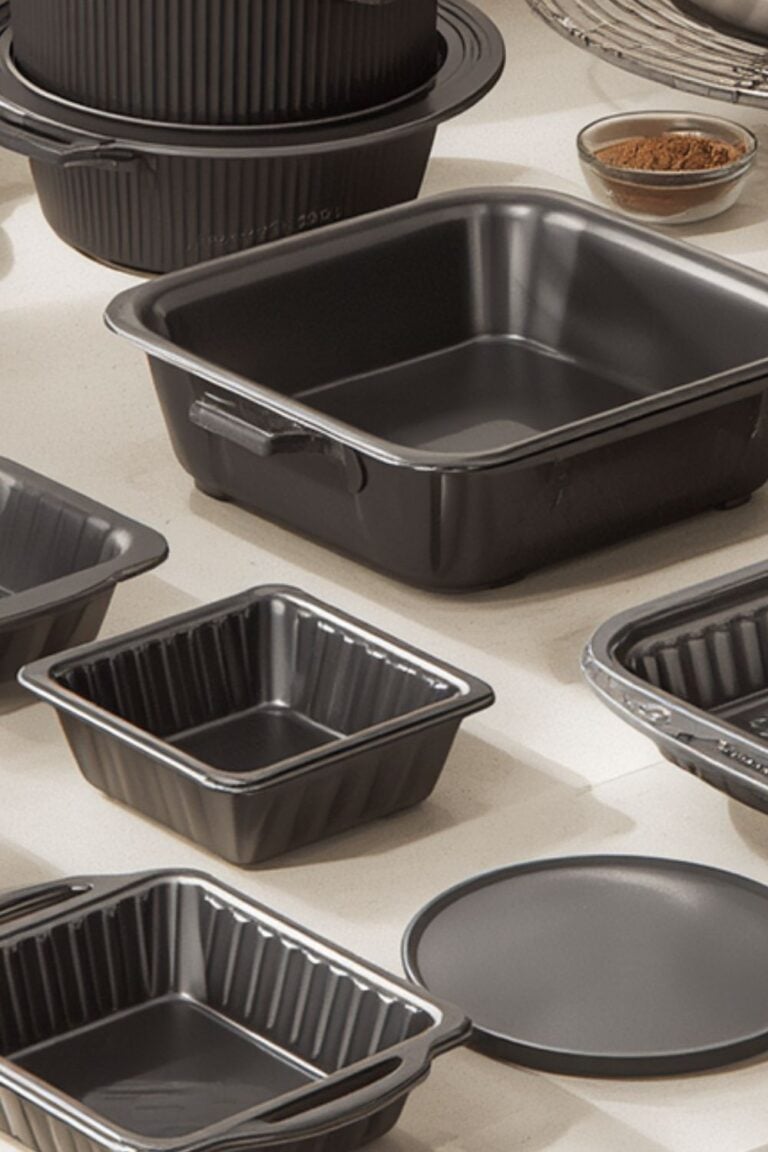
12. Cake Pans
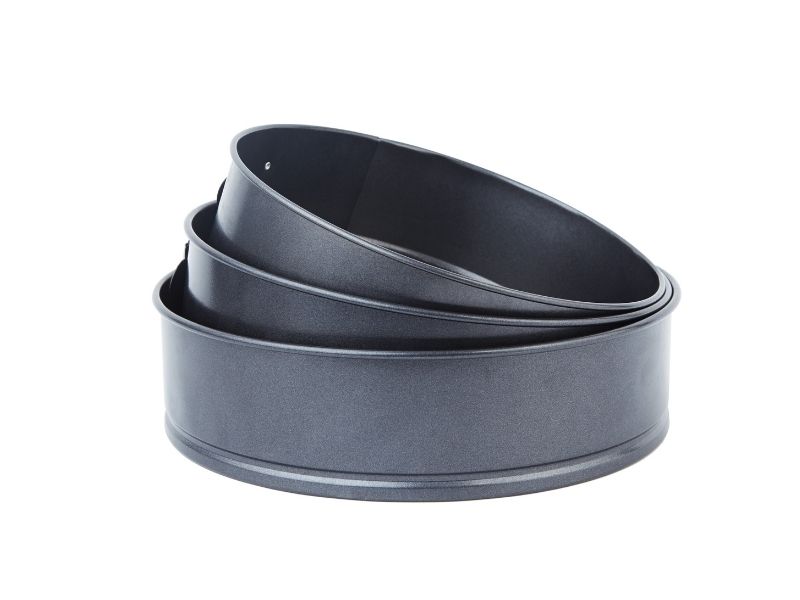
Different cake pans allow you to create different shapes and layer designs.
Round pans work well for layered cakes. Square pans suit brownies and snack cakes. Rectangular pans handle sheet cakes and larger batches.
Springform pans work particularly well for cheesecakes and delicate desserts that need easy removal.
Grease and line your pans according to the recipe. Proper preparation helps prevent sticking and broken cake layers.
If your cakes often produce disappointing results, read Why Your Cakes Keep Failing (and How to Fix Them) for useful troubleshooting guidance.
13. Muffin and Cupcake Pan
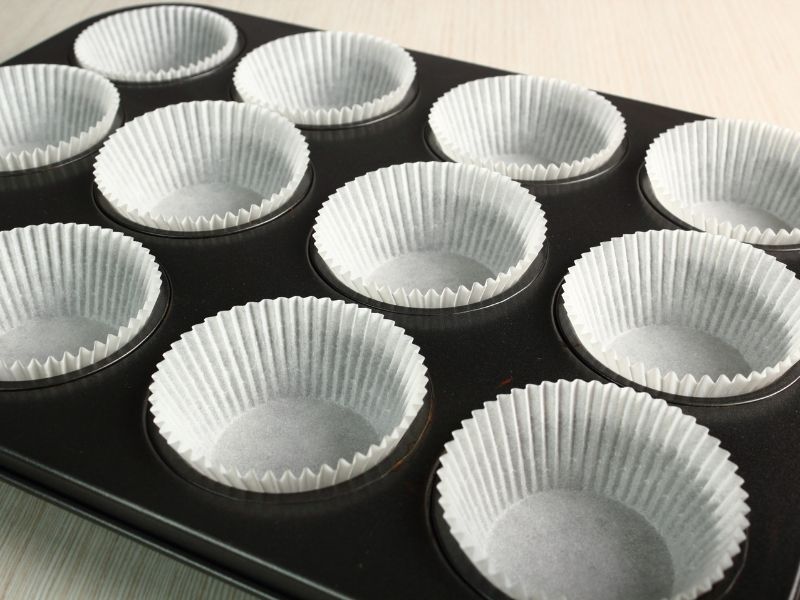
A muffin pan lets you make cupcakes, muffins, mini pies, individual cheesecakes, and other portioned desserts.
Pair the pan with paper liners for easier cleanup and attractive presentation.
Fill each cavity consistently to create evenly sized portions. An ice cream scoop can help distribute batter more evenly.
Choose a sturdy pan that maintains its shape during repeated use.
14. Cooling Rack
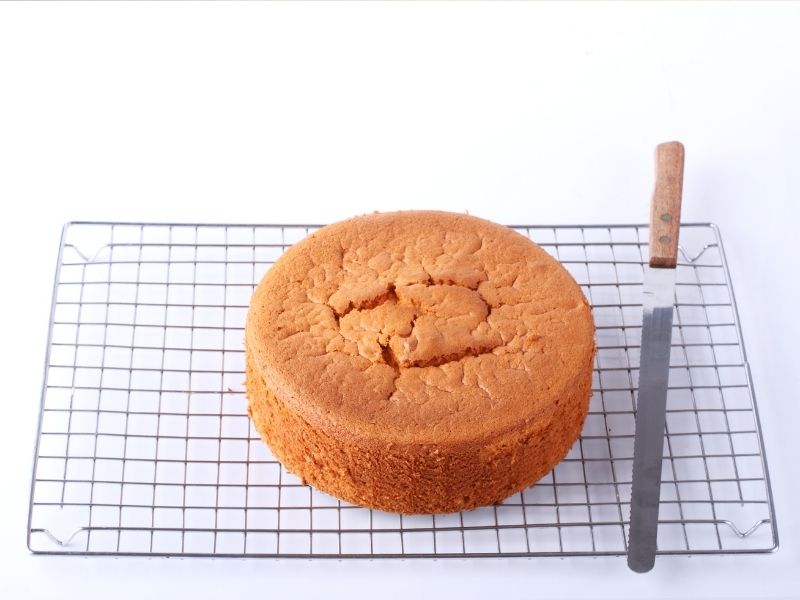
A cooling rack helps air circulate around freshly baked desserts.
Without proper airflow, the bottom of a cake or cookie can retain excess heat and moisture. That can affect texture.
Move cookies, cakes, and pastries onto a rack according to the recipe instructions.
Allow cakes to cool sufficiently before frosting. Warm cake layers can melt buttercream and create messy finishes.
15. Parchment Paper
Parchment paper reduces sticking and makes cleanup easier.
Use it to line baking sheets, cake pans, and brownie pans. It also creates a convenient surface for decorating cookies.
Parchment can help cookies release cleanly after baking. It also keeps delicate pastry bottoms from sticking to the tray.
Avoid confusing parchment paper with wax paper. They do not serve the same purpose in the oven.
16. Silicone Baking Mats
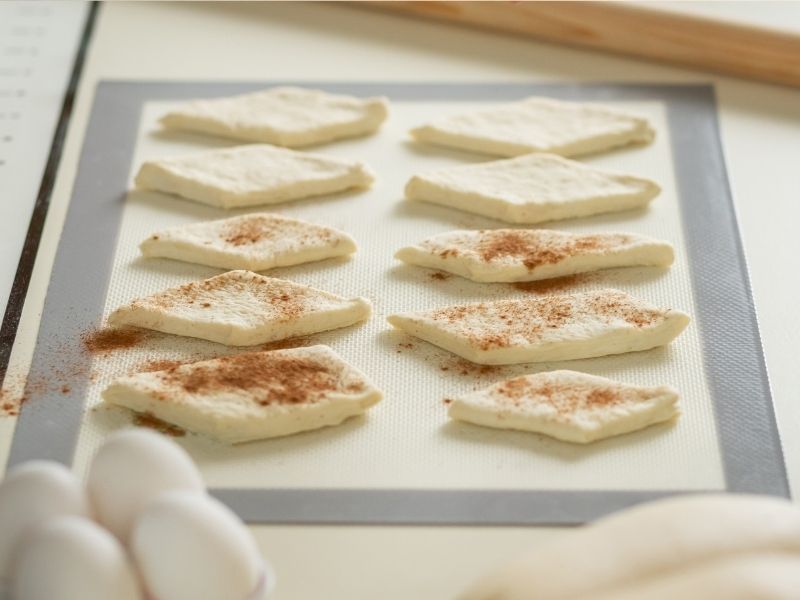
Silicone baking mats provide a reusable alternative to parchment paper for many baking tasks.
They work especially well for cookies, macarons, and other items that benefit from a consistent baking surface.
Wash the mat carefully after use and allow it to dry completely before storing.
Silicone mats also reduce disposable baking materials, making them useful for frequent home bakers.
If you enjoy creating an attractive workspace, Aesthetic Baking Setup Ideas For Beginners can provide additional inspiration.
17. Pastry Brush
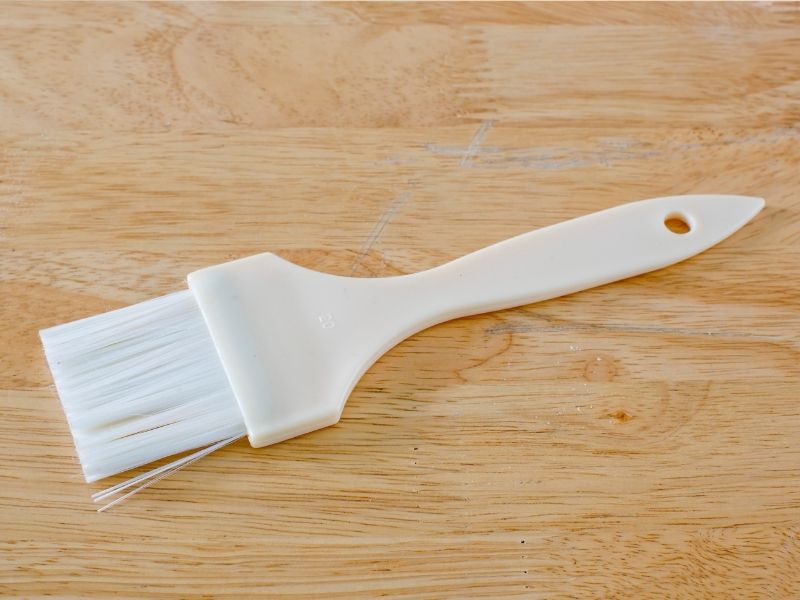
A pastry brush helps apply egg wash, melted butter, syrup, glaze, and sauces.
Use it to brush croissants, pastries, pie crusts, and biscuits before baking.
Silicone brushes are easy to clean and hold up well over repeated use.
Natural-bristle brushes can also work well, although they require careful cleaning.
A pastry brush becomes particularly useful when you want baked goods to develop an attractive finish.
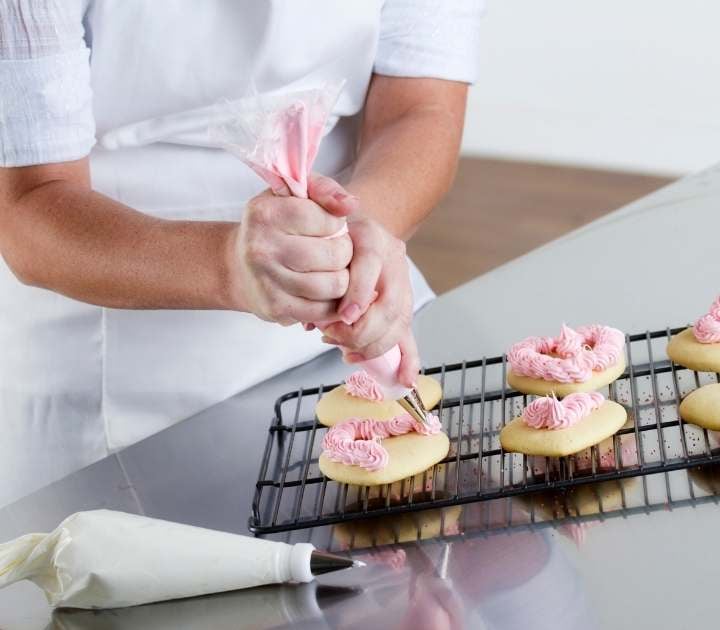
18. Piping Bags
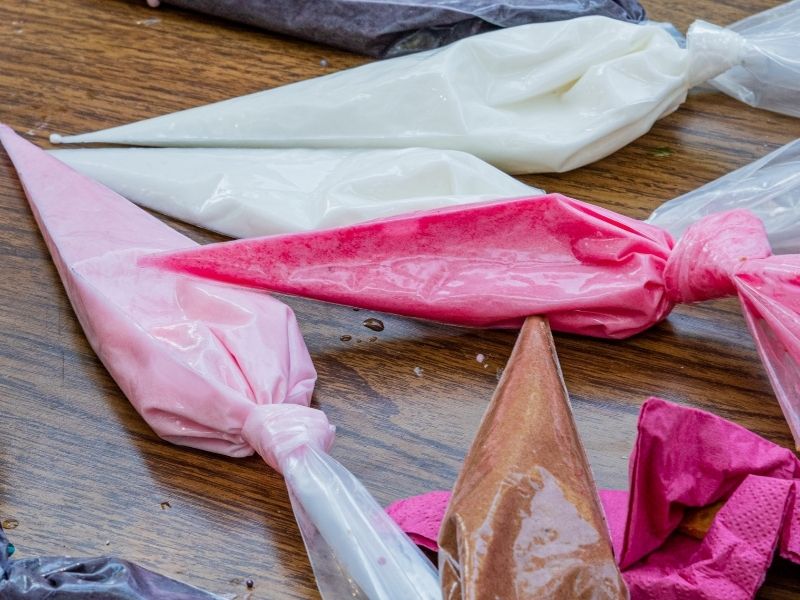
Piping bags give you control when decorating cakes, cupcakes, cookies, and pastries.
Disposable bags offer convenience, while reusable bags create less waste.
Fill the bag carefully and avoid overloading it. A smaller amount gives you better control while decorating.
Piping bags also help with filling cream puffs, macarons, éclairs, and other desserts.
19. Piping Tips
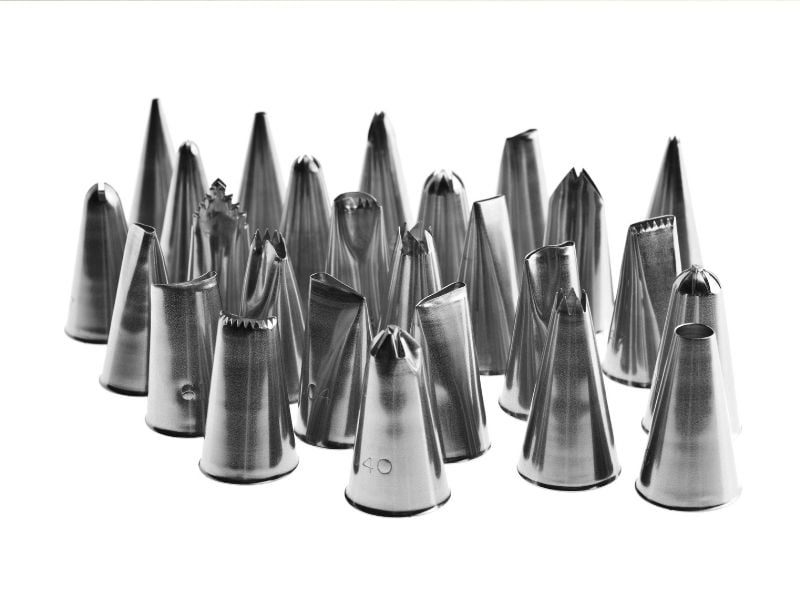
Piping tips transform simple frosting into decorative designs.
Round tips create dots, borders, lettering, and simple lines. Star tips create swirls and textured rosettes. Petal tips help produce flowers and ruffles.
You do not need dozens of tips at first. Start with a few versatile shapes.
Practice on parchment paper before decorating the actual cake. This approach helps you control pressure and movement.
For additional visual inspiration, explore 23 Beautiful Pastry Decorating Ideas.
20. Offset Spatula
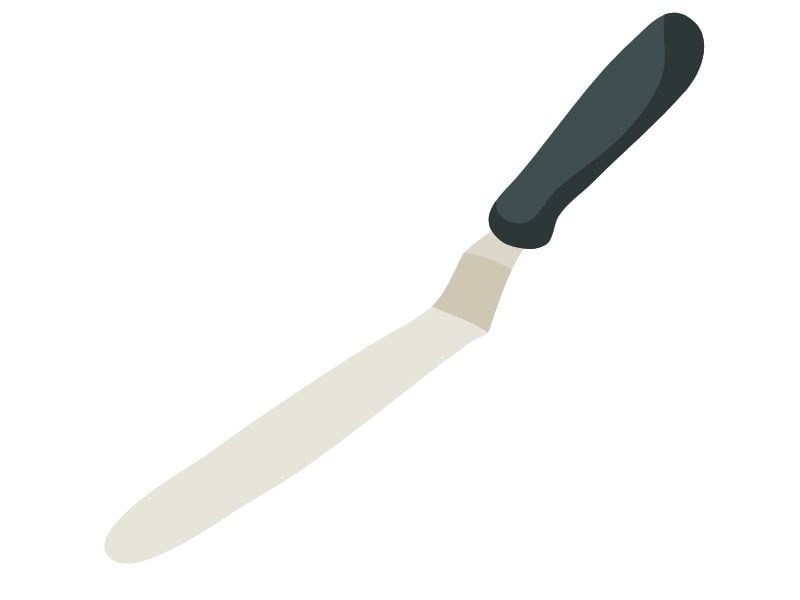
An offset spatula helps spread frosting across cake layers and smooth dessert surfaces.
Its angled blade gives your hand more clearance from the cake.
Use a small version for cupcakes and smaller cakes. Choose a larger blade for full-sized layer cakes.
You can also use it to spread brownie batter evenly across a pan.
21. Cake Turntable
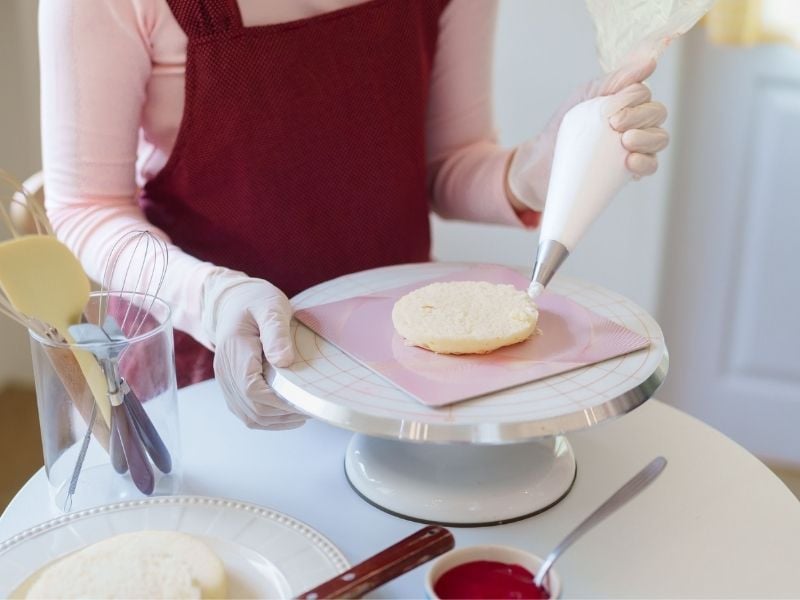
A cake turntable makes decorating layered cakes much easier.
Instead of walking around the cake, rotate the platform while keeping your decorating hand steady.
This technique helps create smoother frosting and cleaner borders.
A basic plastic turntable can work for beginners. More advanced bakers may prefer a heavier model with smoother rotation.
Pair your turntable with an offset spatula for better cake-finishing control.
22. Kitchen Thermometer
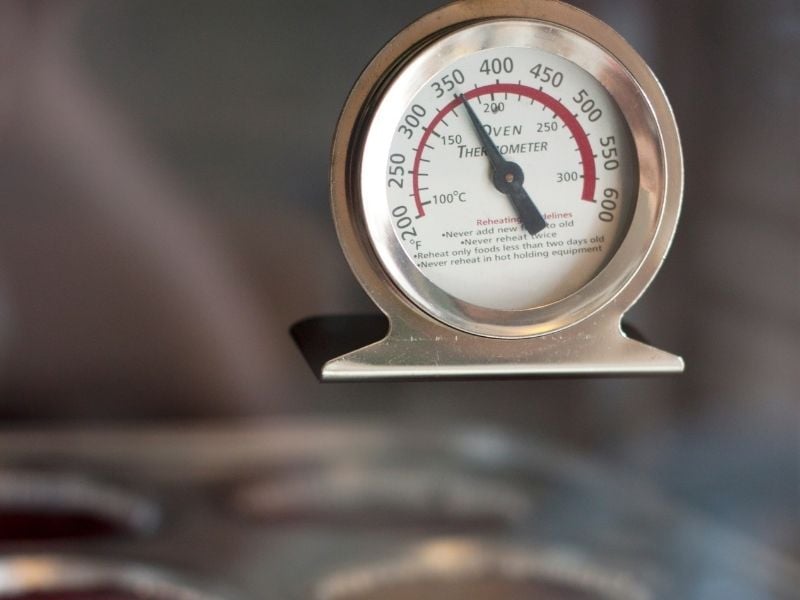
A kitchen thermometer helps you monitor temperatures that matter during dessert preparation.
Use it for melted chocolate, caramel, sugar syrups, custards, and certain frostings.
Temperature control becomes especially important when recipes require precise heating stages.
An oven thermometer can also help verify your oven’s actual temperature. Oven settings do not always match the temperature inside the baking chamber.
For better temperature awareness, read Understanding Baking Temperatures for Better Results.
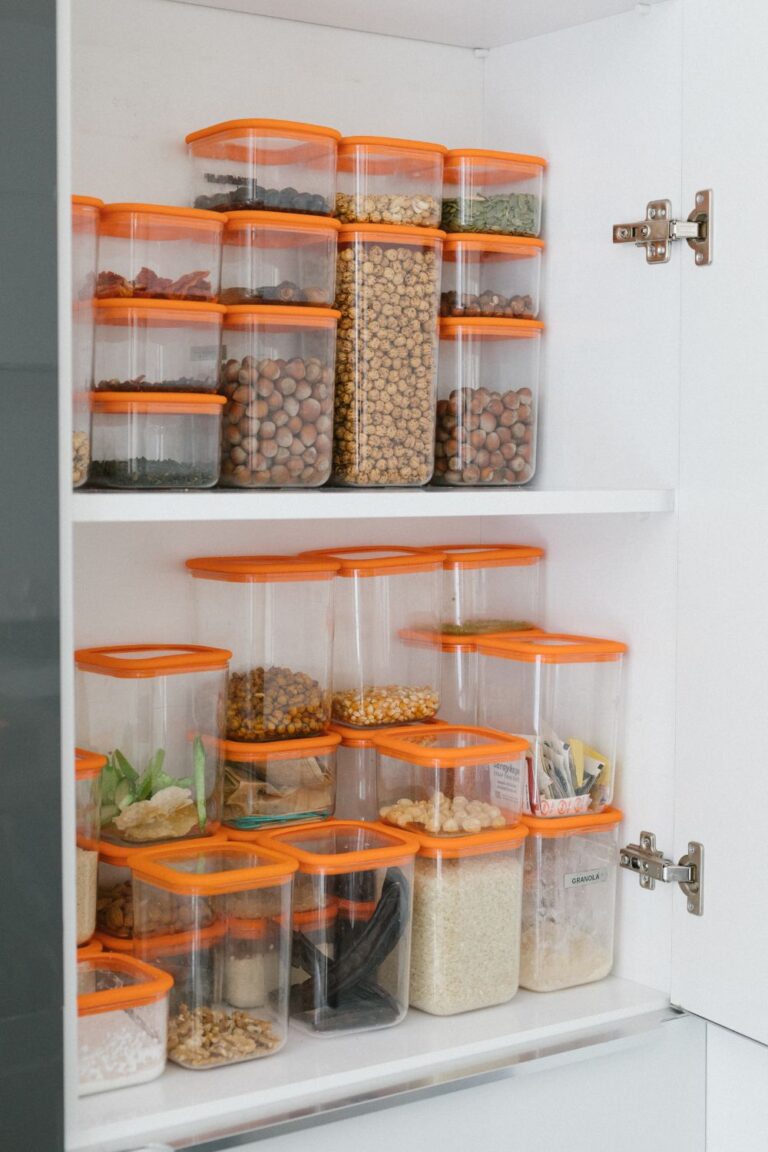
23. Food Storage Containers
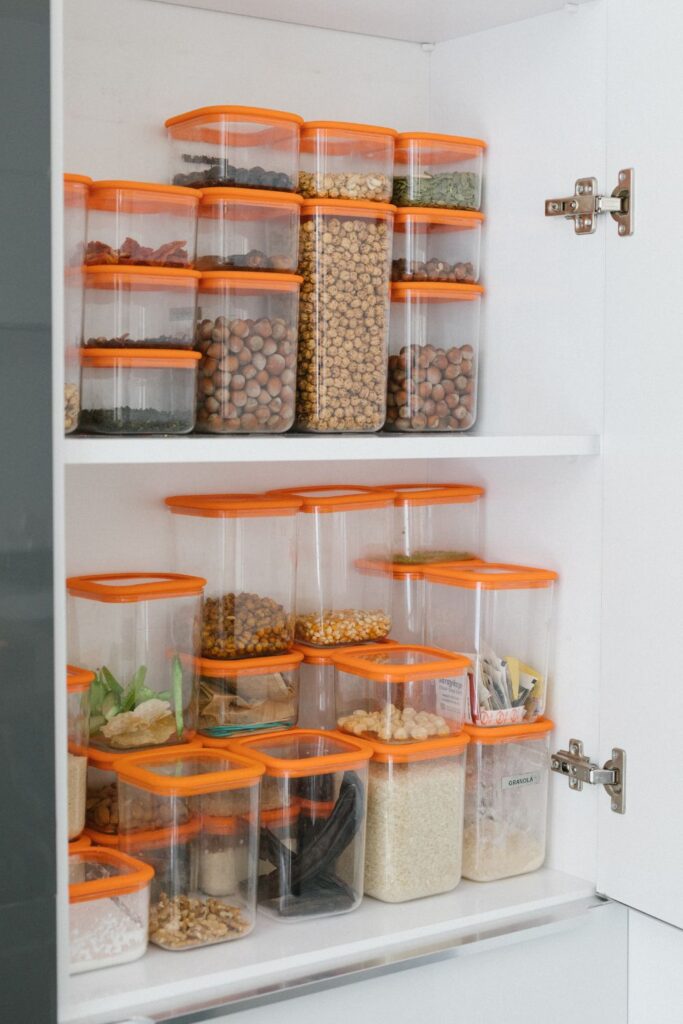
Good storage containers help protect desserts after baking.
Choose airtight containers for cookies, brownies, cupcakes, and other desserts that benefit from protection against air and moisture.
Use containers with enough height for decorated cakes. Crushing frosting can ruin an otherwise beautiful finish.
Separate crisp pastries from moist desserts during storage. Different textures need different environments to stay enjoyable.
For more guidance, see How to Store Baked Goods to Keep Them Fresh Longer.
How to Build Your Dessert Baking Tool Collection
You do not need to purchase all 23 tools immediately.
Start with equipment that supports the desserts you bake most often. A beginner who mainly makes cookies needs different priorities from someone who decorates elaborate cakes.
Begin with measuring tools, mixing bowls, a whisk, spatulas, baking sheets, cake pans, parchment paper, and a cooling rack.
Next, add a hand mixer if your recipes require frequent creaming or whipping. Then consider specialized equipment such as piping tips, a turntable, or a kitchen thermometer.
This gradual approach keeps your spending under control while giving you room to learn.
You can also organize your equipment efficiently with Baking Station Organisation Ideas That Will Transform Your Kitchen.
Choose Tools Based on the Desserts You Make
Your baking habits should determine your equipment choices.
Cookie lovers should prioritize baking sheets, cooling racks, measuring tools, silicone mats, and cookie scoops.
Cake decorators can benefit from cake pans, piping bags, piping tips, turntables, offset spatulas, and cake scrapers.
Pie bakers should focus on rolling pins, pie plates, pastry brushes, bench scrapers, and quality baking sheets.
Pastry enthusiasts may want specialized equipment for laminated dough, tart shells, and delicate fillings. Learn more about dough choices through Puff Pastry vs Phyllo Dough vs Shortcrust What’s the Difference.
Invest in Quality Where It Matters
Some baking tools deserve a larger investment because you will use them frequently.
A reliable digital scale can improve nearly every recipe. Good baking sheets can also last for years with proper care.
A sturdy mixer becomes valuable for frequent bakers. Meanwhile, decorative tools can remain inexpensive until your skills develop.
Do not assume expensive equipment automatically produces better desserts. Technique, measurements, ingredient quality, and temperature control matter greatly.
You can strengthen those fundamentals through The Science of Baking Made Simple for Beginners.
Keep Your Tools Clean and Ready
Clean equipment supports better baking results.
Wash mixing bowls, beaters, spatulas, piping tips, and measuring tools after each use. Remove dried batter before it hardens.
Dry tools thoroughly before storing them. Moisture can create unpleasant odors and damage some materials.
Keep frequently used equipment within easy reach. Store specialized tools together so decorating or pastry projects require less preparation.
An organized setup also makes baking more enjoyable. How to Organize Your Baking Ingredients Like a Pro offers useful organization ideas that complement a well-arranged baking station.
Avoid Buying Every Trendy Baking Tool
Social media constantly introduces new baking gadgets.
Some tools genuinely improve efficiency. Others solve problems that ordinary kitchen equipment already handles.
Before buying a new gadget, consider how frequently you will use it. Think about storage space, cleaning requirements, durability, and versatility.
A simple silicone spatula can perform several jobs. A specialized gadget might handle only one task.
Start with versatile equipment, then add specialty tools as your baking interests expand.
Tools That Help Beginners Bake With Confidence
The best dessert baking tools should make the process easier rather than more complicated.
Accurate scales reduce measurement guesswork. Quality pans support even baking. Cooling racks protect texture. Spatulas simplify mixing and decorating.
Good tools also help you repeat successful recipes consistently.
If you’re still developing your skills, Baking Confidence Tips for Complete Beginners can help you approach new recipes with greater confidence.
Final Thoughts
These 23 dessert baking tools cover the essentials for mixing, measuring, shaping, baking, decorating, cooling, and storing homemade desserts.
You can begin with the basics and expand your collection as your skills grow. Focus on tools that match your favorite recipes instead of filling your kitchen with equipment you rarely use.
A digital scale, quality baking pans, mixing bowls, spatulas, baking sheets, cooling racks, and reliable measuring tools provide an excellent foundation.
From there, add mixers, piping equipment, thermometers, turntables, and specialty tools based on your baking goals.
Most importantly, remember that equipment supports good technique. Learn how ingredients behave, follow recipes carefully, control temperatures, and practice consistently. Your tools then become valuable partners in creating better desserts.