
Baking Ingredients Explained: What Every Ingredient Actually Does
Disclosure: Some of the links in this post are affiliate links. This means if you click on the link and purchase an item, I will receive an affiliate commission at no extra cost to you.
Have you ever followed a baking recipe word for word, did everything it said, and still ended up with something completely different from what you expected? The cake was dense instead of fluffy. The cookies spread into one giant flat disc. The muffins came out rubbery. You did everything right or so you thought.
Here’s what nobody tells you when you’re starting out: following the steps isn’t always enough. Understanding why each ingredient is in a recipe is what actually takes your baking from unpredictable to consistent. Once you know what every ingredient is doing in there, you stop guessing and start baking with real confidence.
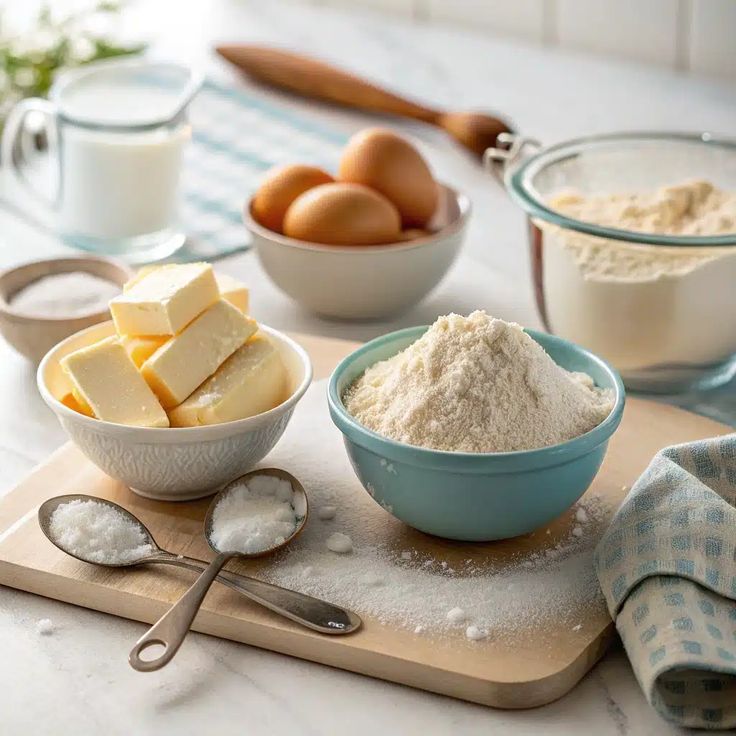
Butter isn’t just for flavor. Eggs aren’t just for binding. Every single ingredient in a baking recipe plays a specific chemical role, and when one of them is off wrong amount, wrong temperature, wrong type the whole thing shifts. That’s not your fault. That’s just baking science that nobody bothered to explain. If you’re just finding your footing in the kitchen, The Ultimate Beginner’s Guide to Baking is the best place to start before diving into the ingredient breakdown.
This post is going to change how you look at your ingredient list. We’re going through every core baking ingredient explained. We will talk about what it is, what it actually does inside your batter or dough, and why skipping or swapping it carelessly can completely change your result. Just clear, practical explanations that finally make everything click.
By the time you finish reading, you won’t just be following recipes you’ll be understanding them. And if you’ve ever had a bake go sideways without knowing why, Common Baking Mistakes and How to Fix Them Fast pairs perfectly with this post to help you connect the dots.
Baking Ingredients Explained: What Every Ingredient Actually Does
Most baking problems do not start with the technique. They start with a misunderstanding of the ingredients. When you know what every ingredient actually does inside your batter or dough, your results become more consistent. You stop second-guessing yourself. You start noticing things that would have confused you before.
This post breaks down every core baking ingredient. Not in a textbook way. In a real, practical way that helps you bake better starting with your very next recipe.
Flour: The Foundation of Almost Everything You Bake
Flour is the backbone of most baked goods. It builds structure. Without it, there is nothing to hold everything else together. When flour mixes with liquid, two proteins called glutenin and gliadin combine to form gluten. Gluten is an elastic, stretchy network that traps gas bubbles and gives your baked goods their shape and chew.
Understanding this one fact changes how you think about mixing. The more you mix flour with liquid, the more gluten develops. That is great for bread, where you want a chewy, structured crumb. It is not so great for cakes and muffins, where you want tenderness. Overmixing a cake batter after the flour goes in is one of the most common reasons cakes turn out tough and dense instead of soft and light.
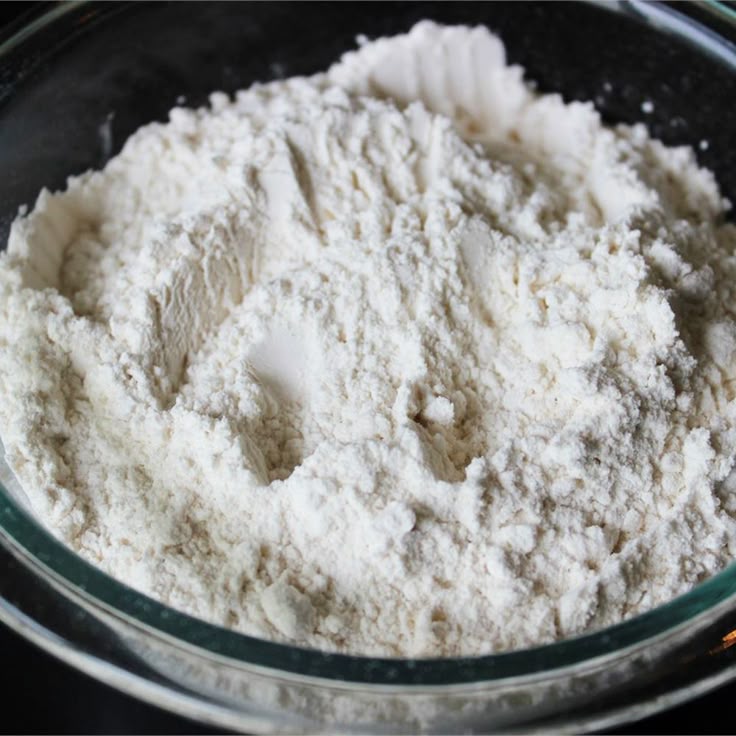
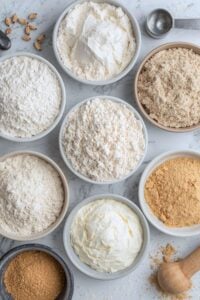
Different types of flour exist because different baked goods need different amounts of gluten. All-purpose flour sits in the middle, with a protein content that works across most recipes. Bread flour has higher protein, which builds more gluten for chewy, structured loaves. Cake flour has lower protein, which keeps the crumb delicate and fine. Knowing which flour to reach for is a skill that pays off immediately. Types of Baking Flour and When to Use Them explains each variety in plain language so you always grab the right one.
How you measure flour also matters enormously. Scooping directly from the bag packs flour into the cup. That can add as much as 30 percent more flour than the recipe actually needs. Spoon flour lightly into your measuring cup and level it off instead. Better yet, weigh it with a kitchen scale. Accurate measurement is the simplest way to improve your baking immediately.
Sugar: Not Just for Sweetness
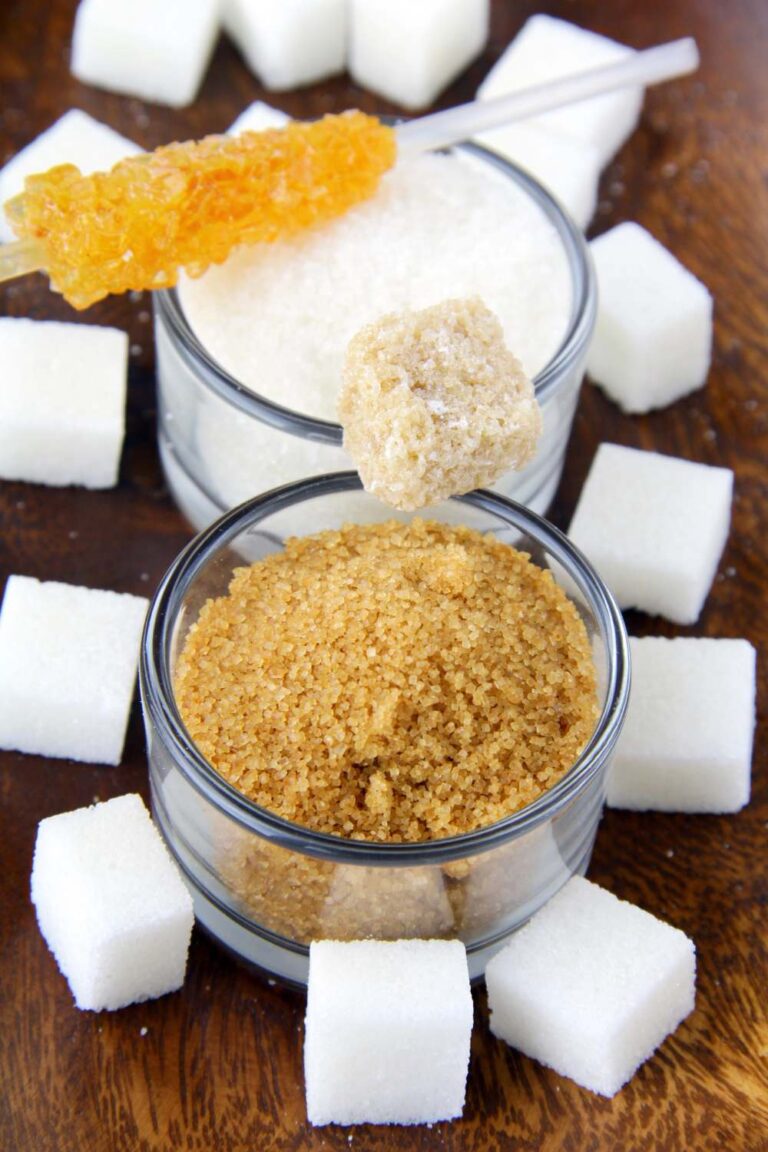
Sugar does far more than sweeten. This is one of the most misunderstood baking ingredients explained, and understanding it fully changes the way you approach recipes. Sugar tenderises baked goods by competing with flour proteins and slowing gluten development. It also attracts and holds onto moisture, which is why sugary cakes stay soft longer than low-sugar ones. On top of that, sugar browns at high heat through a process called caramelisation. That golden crust on a cookie, the crisp top on a muffin, the deep colour of a brownie edge all come partly from sugar reacting to heat.
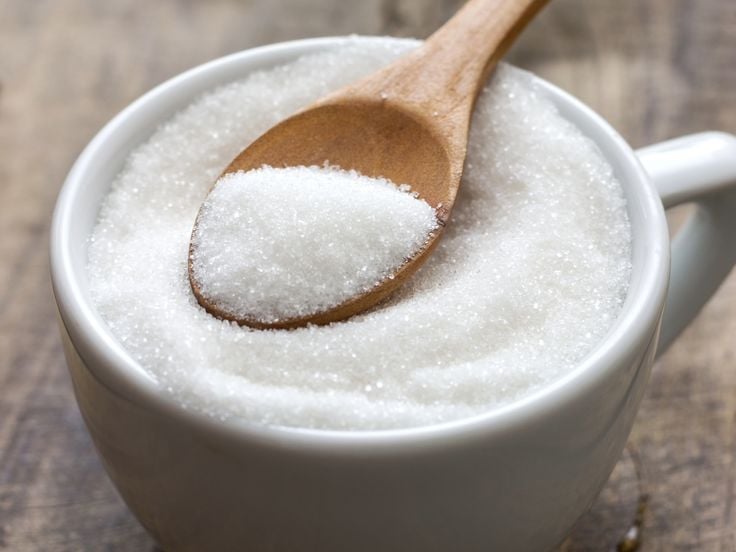
Granulated white sugar is the most neutral. It sweetens without adding extra flavour or moisture. Brown sugar contains molasses, which adds both moisture and a deeper, caramel-like flavour. Recipes using brown sugar tend to produce baked goods that are softer, chewier, and denser. Dark brown sugar has more molasses than light brown sugar and a more pronounced flavour. Swapping one for the other changes both taste and texture, even if the quantity stays the same.
Powdered sugar, also called icing sugar, dissolves almost instantly. It works well for frostings and glazes where a smooth texture matters. Using it in cookie dough, however, produces a different result than granulated sugar would. Each type of sugar plays a specific role, and substituting carelessly without understanding that role leads to unpredictable results. If you are still building your confidence in the kitchen, The Ultimate Beginners Guide to Baking covers all the foundational concepts that make these ingredient explanations even easier to apply.
Eggs: The Ingredient Doing the Most Work
Eggs are the multitaskers of baking. They provide structure, moisture, leavening, richness, and binding all at once. Understanding what eggs do makes it much easier to see why a recipe calls for a specific number of them, and what happens when you leave one out or add an extra.
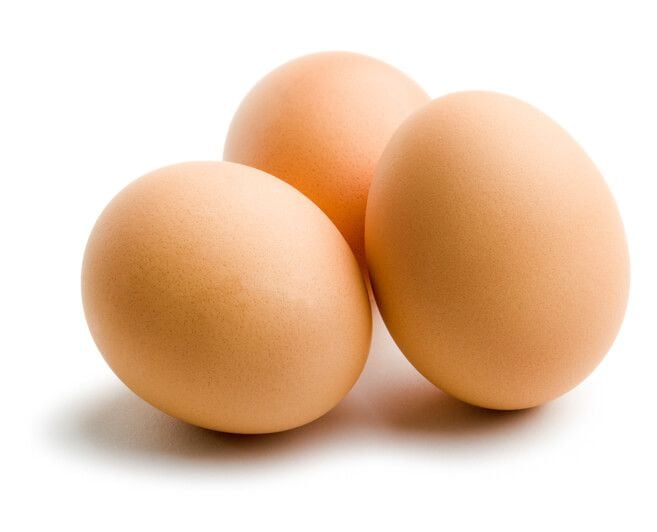
The whites and yolks do different things. Egg whites are mostly protein and water. When beaten, they trap air and create foam. That foam expands in the oven, which helps baked goods rise and become lighter. Egg yolks contain fat and lecithin, a natural emulsifier. Lecithin helps fat and water blend together smoothly, which creates a uniform batter and a consistent texture in the finished bake.
Whole eggs add structure because the proteins set when heated. They also add colour from the yolks and contribute to the overall richness of a recipe. Recipes that call for extra yolks, like a rich vanilla custard or a dense pound cake, are deliberately leaning into that richness. Recipes that call for extra whites, like an angel food cake or a pavlova, are leaning into lightness and lift.
Temperature matters with eggs too. Cold eggs do not emulsify as well as room temperature eggs. Cold eggs dropped into creamed butter can cause the batter to look curdled. This happens because cold fat and cold liquid do not blend easily. Taking eggs out of the fridge thirty to sixty minutes before baking solves this completely. If you have run into this exact problem, Common Baking Mistakes and How to Fix Them Fast walks through what causes it and how to fix it quickly.
Butter: Flavour, Texture, and So Much More
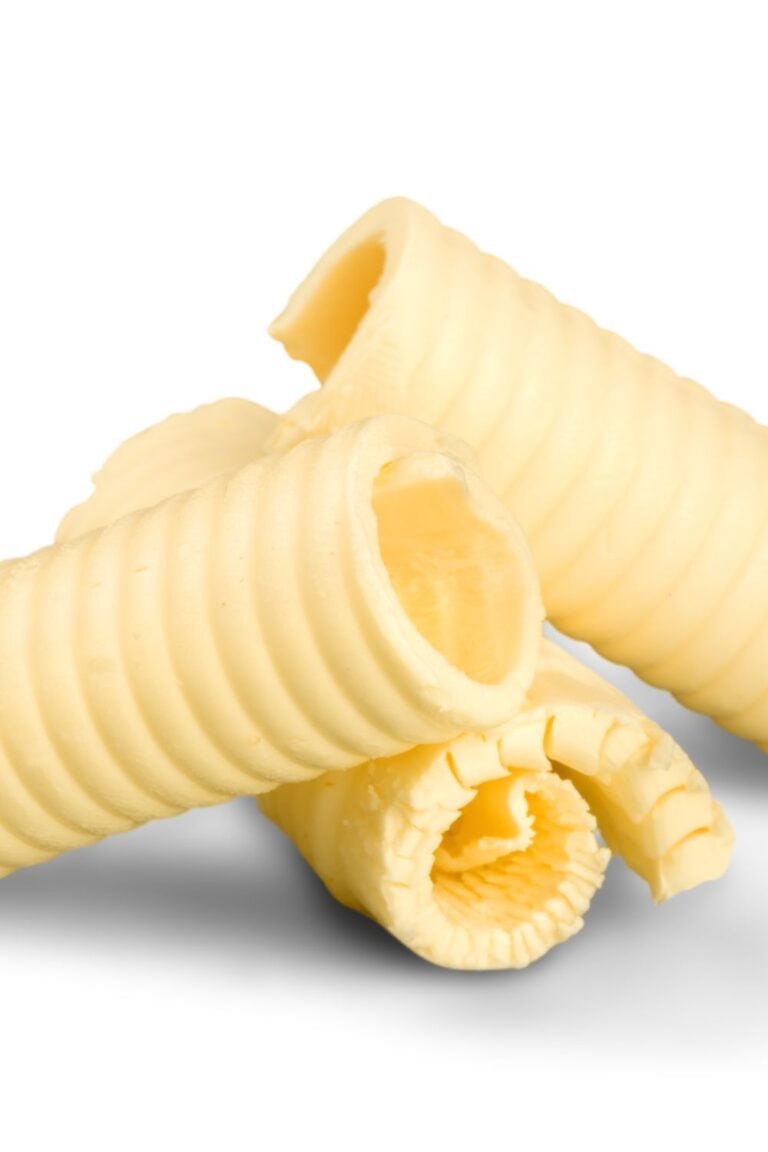
Butter is one of the most flavourful fats in baking, and it contributes to texture in ways that go far beyond taste. The fat in butter coats flour proteins, which limits gluten development and creates tenderness. It also traps air when creamed with sugar. Those tiny air pockets expand during baking and help the cake rise evenly.
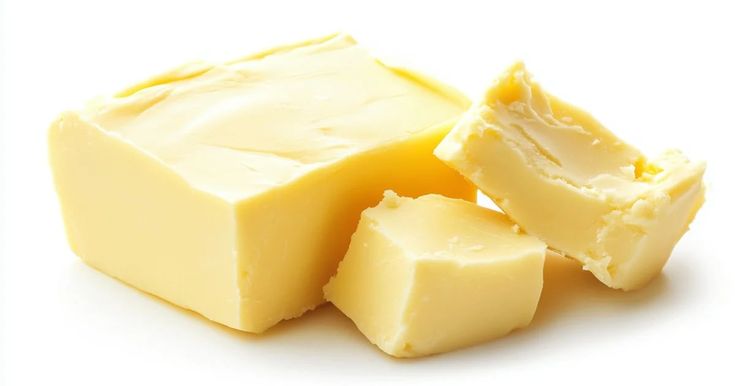
The temperature of butter completely changes what it does in a recipe. Softened butter, which holds a fingerprint when pressed but does not feel greasy, is ideal for creaming. It traps air efficiently and blends smoothly with sugar. Melted butter, on the other hand, does not trap air. Recipes that use melted butter, like brownies and some chocolate chip cookies, produce a denser, fudgier, chewier result. Cold butter, cut into flour, creates distinct pockets of fat that produce flaky layers in pastry and biscuits.
Unsalted butter is the standard choice for baking because it gives you full control over the salt level. Salted butter varies in sodium content between brands, which can throw off a recipe if you are not accounting for it. Using unsalted butter and adding your own measured salt gives you consistency every time. Understanding terms like creaming, which is the technique used with softened butter, is part of this learning curve. Baking Terms Explained breaks down all the technique language beginners encounter so nothing in a recipe feels confusing.
Leavening Agents: What Makes Things Rise
Leavening agents are responsible for the rise in most baked goods. Without them, cakes, muffins, and quick breads would bake up flat and dense. Understanding how each one works helps you use them correctly and troubleshoot when something goes wrong.
Baking soda is pure sodium bicarbonate. It is a base, and it needs an acid to activate. Common acids in baking recipes include buttermilk, yogurt, lemon juice, brown sugar, honey, and natural cocoa powder. When baking soda meets an acid and moisture, it releases carbon dioxide immediately. That gas gets trapped in the batter and creates lift. Because this reaction happens fast, batters using baking soda need to go into the oven quickly after mixing. Letting the batter sit means the gas escapes before baking can capture it.
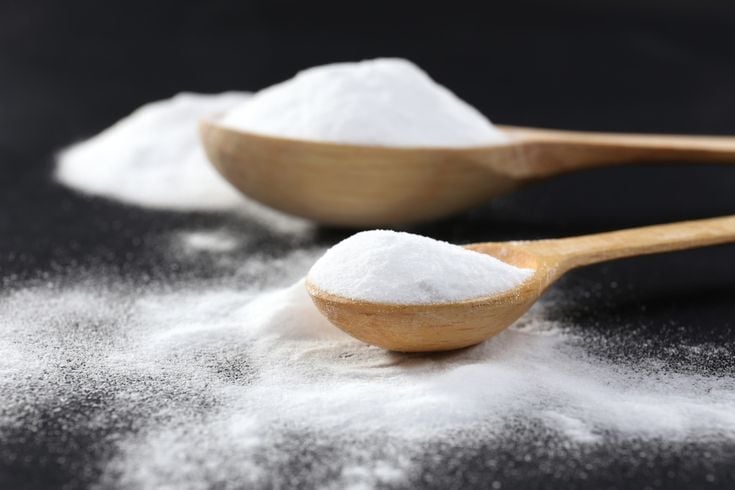
Baking powder contains baking soda, a dry acid, and a starch. Because it includes its own acid, it does not need an acidic ingredient in the recipe to activate. Most baking powder sold today is double-acting, meaning it releases gas twice. Once when it gets wet, and again when it hits heat. This gives bakers a slightly longer window before putting things in the oven.
Using too much of either leavening agent causes problems. Too much baking soda creates a metallic, soapy taste and can cause baked goods to over-rise and collapse. Too much baking powder makes things taste bitter. More is not better with leavening. Accurate measurement matters here more than almost anywhere else. A proper baking measurements conversion chart is worth bookmarking so you always convert and measure these ingredients correctly.
Yeast is the leavening agent used in bread. Unlike baking soda and baking powder, yeast is a living organism. It feeds on sugars and produces carbon dioxide as a byproduct. This process takes time, which is why bread doughs need to rest and rise before baking. The slow fermentation also develops flavour in a way that chemical leaveners simply cannot. Having a well-organised baking space actually makes working with time-sensitive ingredients like yeast far less stressful. Baking Station Organisation Ideas That Will Transform Your Kitchen is a practical guide for setting up a space that keeps everything within easy reach.
Salt: The Ingredient That Ties Everything Together
Salt does not just make things taste salty. It enhances every other flavour in a recipe by suppressing bitterness and amplifying sweetness and depth. A cake baked without salt tastes flat. Not bad exactly, just muted and one-dimensional. Salt wakes up all the other flavours and makes them brighter.
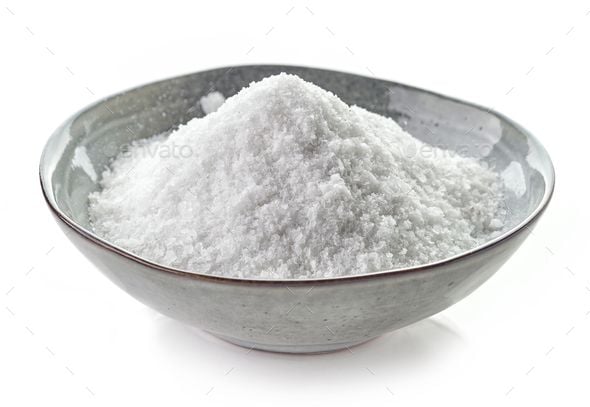
In bread baking, salt does additional work. It strengthens the gluten structure by tightening the protein network. It also slows down yeast activity, which gives bread dough more time to develop flavour. Bread baked without salt rises too quickly and has a weak, coarse structure. The flavour is also noticeably less complex.
Use fine table salt when a recipe does not specify a type. Kosher salt and sea salt have larger flakes and less sodium by volume. Using the same volume of these salts as you would table salt means you are actually adding less sodium. This can affect flavour noticeably in some recipes, especially those where salt plays a bigger structural role, like bread. Getting this right, along with all your other measurements, is easier when you have the right tools. Essential Baking Tools Every Home Baker Needs is a helpful guide that covers what is actually worth having in your kitchen before you start.
Dairy: Milk, Buttermilk, and Cream
Dairy adds moisture, tenderness, richness, and flavour. Different types of dairy serve different purposes in baking ingredients, and swapping one for another changes the final result.
Whole milk adds liquid and a small amount of fat. It keeps batters fluid and helps baked goods stay moist. Low-fat milk works in some recipes but tends to produce a slightly less tender result. The fat in whole milk contributes to both texture and flavour.
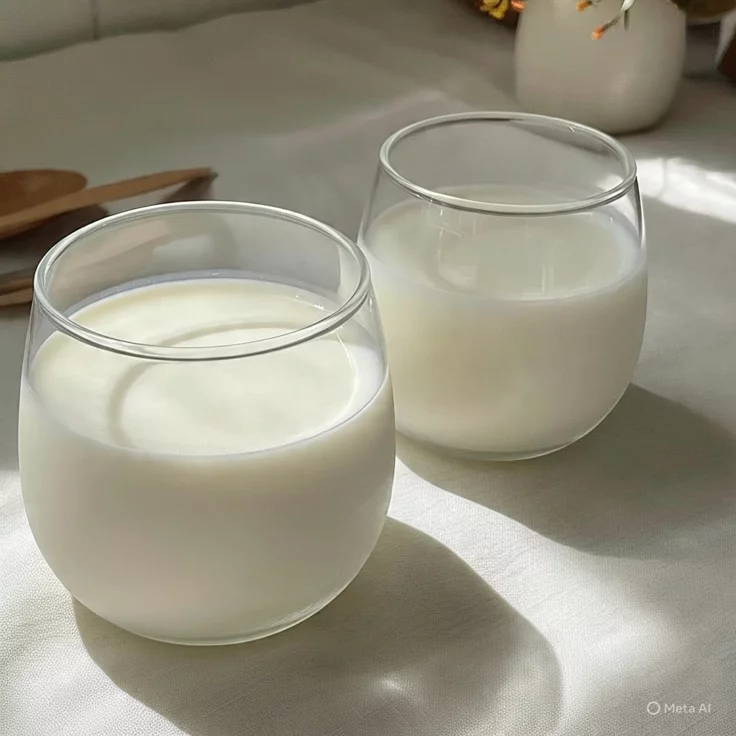
Buttermilk is a particularly useful baking ingredient. It is mildly acidic, which means it activates baking soda, tenderises gluten, and adds a subtle tang to the finished bake. Recipes using buttermilk tend to produce cakes and quick breads that are exceptionally soft and tender. If you do not have buttermilk on hand, you can make a substitute by adding one tablespoon of white vinegar or lemon juice to one cup of regular milk. Let it sit for five minutes before using. It is not identical, but it works well.
Heavy cream contains significantly more fat than milk. It adds richness and density to batters. It also produces ganache when combined with melted chocolate and whips into stable peaks for toppings. Sour cream and full-fat yogurt behave similarly to buttermilk in baking. They add moisture, acidity, and tenderness, and they work particularly well in dense, moist cakes. Knowing how to store your finished bakes properly keeps all that moisture and texture intact after the oven. How to Store Baked Goods to Keep Them Fresh Longer gives clear, practical guidance on keeping different types of bakes at their best.
Fats Beyond Butter: Oil and Shortening
Butter is not the only fat used in baking. Vegetable oil and shortening each behave differently and produce different results. Knowing when to use each one is part of understanding baking ingredients explained at a deeper level.
Vegetable oil is a liquid fat that coats flour proteins and prevents gluten from developing as much as butter does. Cakes made with oil tend to be more moist and stay soft longer than butter-based cakes. This is because oil remains liquid at room temperature, while butter solidifies. The trade-off is flavour. Oil adds little taste, while butter contributes a richness that oil simply cannot replicate.
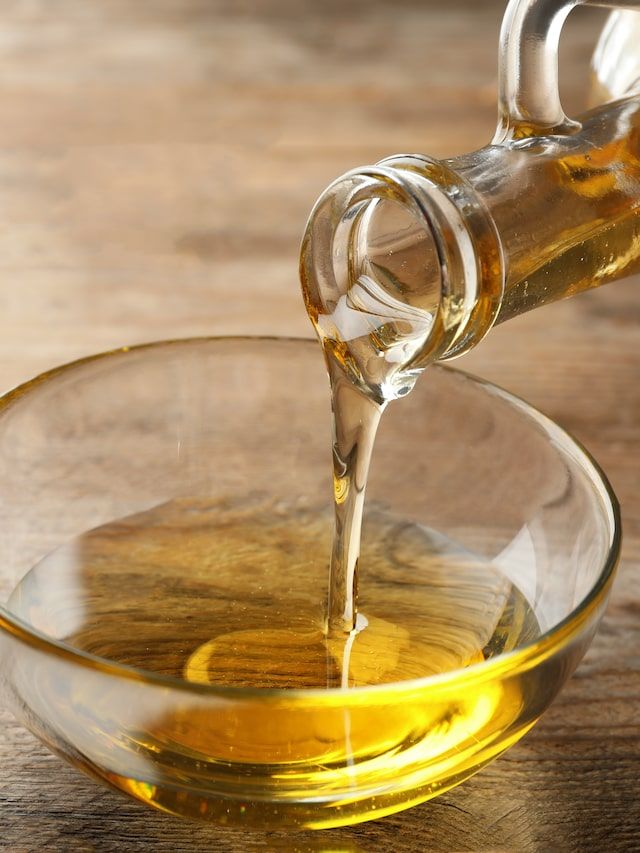
Oil-based cakes are often a better choice for layers that need to be made in advance or cakes that will be refrigerated and served later. The texture holds up better over time. Butter-based cakes are often more flavourful fresh out of the oven but can dry out or firm up once refrigerated.
Shortening is a solid fat made from vegetable oil. It produces a very tender crumb and an extremely flaky pastry. It also creates stable frostings that hold up well at room temperature. The downside is that shortening lacks the flavour that butter provides. Many bakers combine shortening and butter to get the structural benefits of shortening with the flavour of butter. If you are at the stage where you want to start making your baking work for you financially, How to Price Your Baked Goods For Profit is a smart next read once your foundational skills are solid.
Vanilla Extract: More Than a Flavouring
Vanilla extract is easy to overlook. It seems like a small addition, and in terms of volume, it is. But pure vanilla extract does something that goes beyond adding vanilla flavour. It enhances and deepens the other flavours around it. Chocolate tastes more chocolatey. Butter tastes richer. Sugar tastes more rounded. Vanilla acts almost like a flavour amplifier.
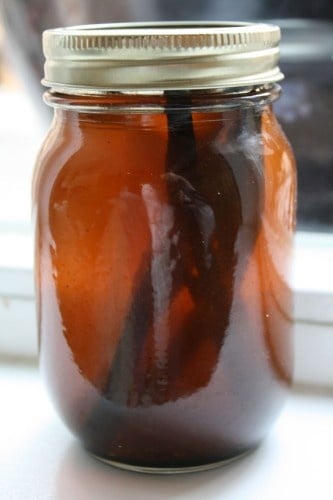
Pure vanilla extract comes from real vanilla beans steeped in alcohol. Imitation vanilla is made from synthetic vanillin and tastes noticeably thinner and less complex. In recipes where vanilla is prominent, like a vanilla sponge or a cream filling, the difference between pure and imitation is clear. In heavily chocolatey or spiced recipes, the difference is smaller. For most baking, pure extract is worth using. As you grow more comfortable with your baking ingredients, you might also start thinking about how to present and sell your bakes. How to Start a Baking Business From Scratch walks through the full process in a way that makes it feel genuinely achievable.
Cornstarch: The Secret Texture Ingredient
Cornstarch appears in baking recipes less often than flour or sugar, but it does a specific job that nothing else replicates in quite the same way. When added to cookie dough, cornstarch produces a softer, more tender texture by diluting the protein content of the flour. It is a trick used in shortbread and some sugar cookies to get that melt-in-the-mouth quality.
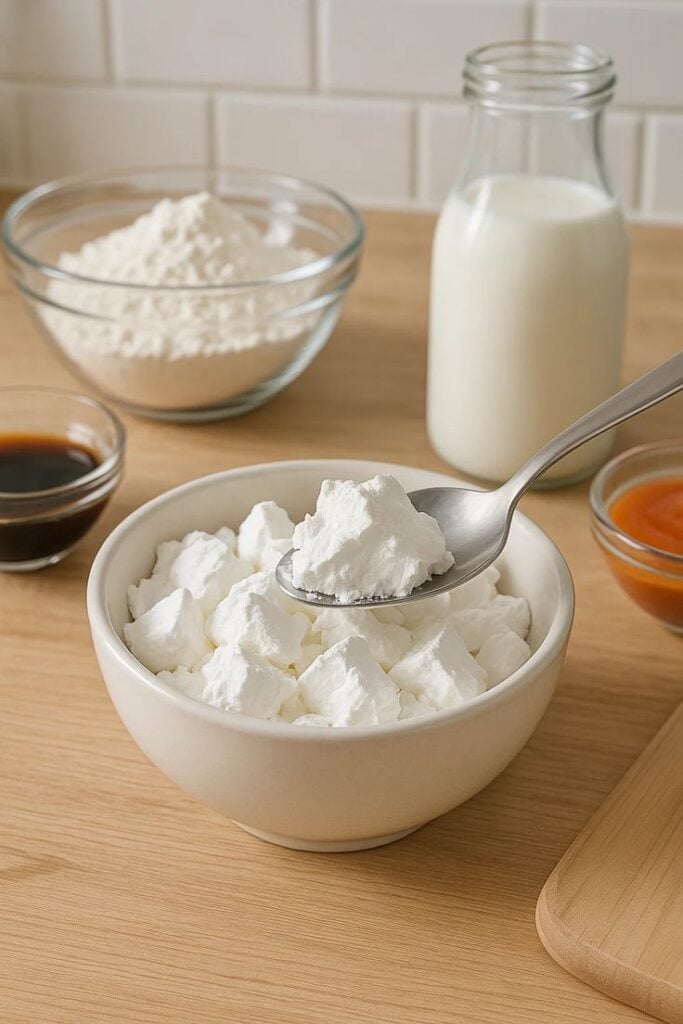
In custards, pastry creams, and pie fillings, cornstarch acts as a thickener. It absorbs liquid and sets into a smooth gel when heated. Unlike flour-based thickening, cornstarch produces a clearer, silkier texture. It is also used in some cake recipes, often blended with flour, to replicate the lower protein content of cake flour when only all-purpose is available. Having the right setup and supplies makes working with ingredients like this much smoother. Cute Baking Supplies You Didn’t Know You Needed highlights some genuinely practical additions that improve your baking process in small but meaningful ways.
Chocolate and Cocoa: Two Very Different Ingredients
Cocoa powder and chocolate are not interchangeable in recipes, even though they come from the same source. Natural cocoa powder is acidic. In recipes that use baking soda as the leavening agent, the acidity of natural cocoa activates the baking soda and helps the bake rise. Dutch-process cocoa has been treated to neutralise its acidity. It has a deeper, smoother flavour and a darker colour, but it does not activate baking soda. Using the wrong cocoa type can affect both rise and flavour.
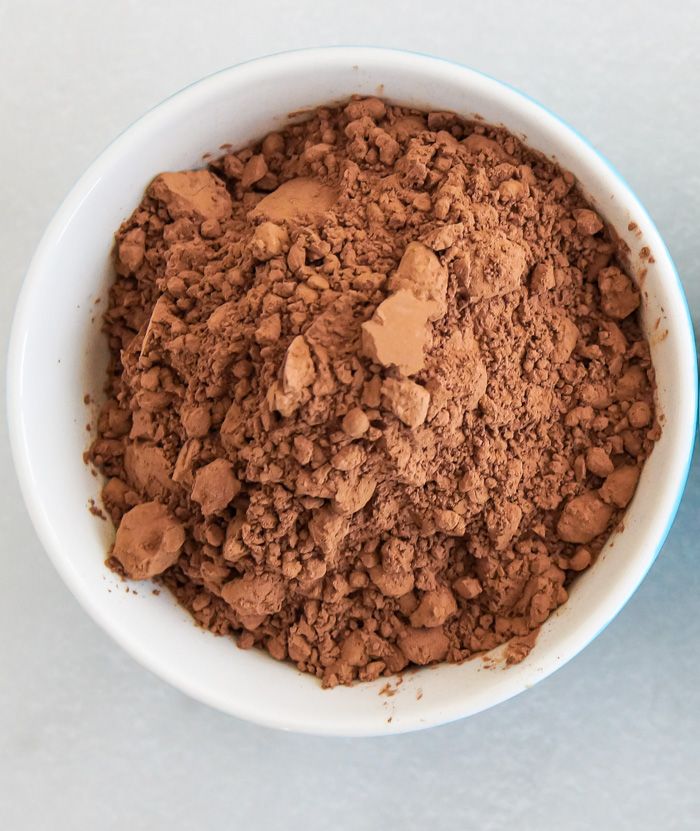
Chocolate itself adds fat, sugar, and flavour. The cocoa butter in chocolate contributes to a fudgier, more luxurious texture in brownies and ganache. Bittersweet and semisweet chocolate both work in most recipes, but they differ in sugar content, which affects how sweet the finished bake tastes.
Putting It All Together
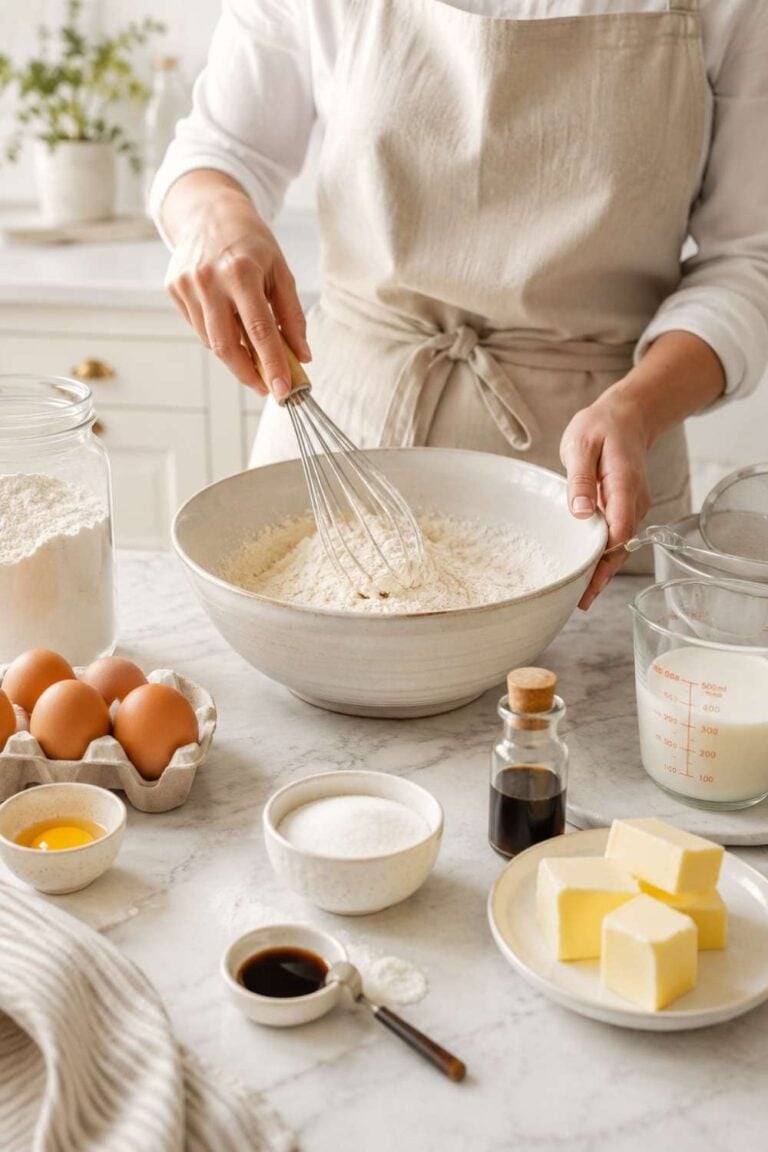
Understanding baking ingredients explained as individual parts is important. But the real shift happens when you start seeing how they work together. Butter and sugar create an aerated base that eggs build structure on. Flour provides the framework. Leavening agents push gas through it. Salt brings all the flavours into focus. Every ingredient has its role, and every role connects to the others.
When a recipe goes wrong, you now have a framework for working out why. Dense cake? Think about your leavening agents or your mixing. Flat cookies? Consider your butter temperature or sugar ratio. Tough muffins? You likely overmixed after adding the flour. Each problem points back to an ingredient or a technique. Knowing the ingredients makes the troubleshooting logical instead of guesswork. Why Your Cakes Keep Failing and How to Fix Them is a great companion post that shows exactly how ingredient missteps show up in finished bakes and what to do about them.
This is also where baking starts to feel genuinely creative.
Final Thoughts
Once you understand what each ingredient does, you can start making informed adjustments. You can swap ingredients with confidence. You can scale recipes up or down. You can look at a recipe you have never tried before and already have a sense of what to expect. That is what understanding baking ingredients explained at this level actually gives you. Not just better results today, but better instincts for every bake that comes after.
Start with one ingredient from this post on your next bake. Pay attention to what it does. Ask yourself what would change if it were missing. That kind of intentional attention is how knowledge turns into genuine skill. When you are ready to go even further and think about sharing your baking with others, How to Make Money From Baking Without Selling Cakes opens up a whole range of options you might not have considered yet.