Baking Pantry Essentials: What to Always Keep Stocked
Disclosure: Some of the links in this post are affiliate links. This means if you click on the link and purchase an item, I will receive an affiliate commission at no extra cost to you.
Running out of an important ingredient in the middle of baking can quickly turn an exciting project into a frustrating one. A well-stocked pantry saves time, reduces last-minute grocery trips, and helps you bake whenever inspiration strikes. Even if you only bake occasionally, keeping a few reliable staples on hand makes every recipe much easier to prepare.
Knowing which baking pantry essentials deserve a permanent place on your shelf helps you stay organized and ready for everything from cookies and cakes to bread and pastries. Once you build your collection, you’ll spend less time searching for ingredients and more time enjoying the baking process. If you’re just getting started, Baking Substitutions Guide (When You’re Missing Ingredients) is a great companion to help you build confidence in the kitchen.
The best baking pantry essentials are versatile, long-lasting, and useful in dozens of recipes. From different types of flour and sugars to leavening agents, spices, and flavorings, each ingredient plays an important role in creating delicious baked goods. Understanding what to keep stocked also helps you avoid unnecessary stress when a recipe calls for an ingredient you already have at home.
A thoughtfully stocked pantry does more than make baking convenient. It helps you prepare recipes with confidence, reduce food waste, and enjoy homemade treats whenever the craving hits.
Why Every Home Baker Needs a Well-Stocked Baking Pantry
Imagine deciding to bake a batch of chocolate chip cookies only to discover you’re out of baking powder. Or perhaps you gather all your ingredients for a birthday cake and realize there’s no vanilla extract left in the bottle. Situations like these happen to almost every baker.
A well-stocked pantry removes that frustration.
Instead of making last-minute grocery runs, you can focus on mixing, baking, and enjoying the process. Better yet, you’ll have the freedom to try new recipes whenever inspiration strikes.
Keeping the right ingredients on hand also helps you become a more confident baker. As you bake more often, you’ll learn how different ingredients work together and which ones you reach for most. Soon, you’ll spend less time worrying about what you have and more time creating delicious treats.
Building your collection doesn’t mean buying every baking product available. Most recipes rely on a surprisingly small group of reliable staples. Once you stock those ingredients, you’ll be ready to bake cakes, cookies, brownies, muffins, pies, biscuits, and even homemade bread.
If you’re new to baking, The Ultimate Beginners Guide to Baking (Everything You Need To Know to Start) will help you build a strong foundation before filling your pantry.
Building Your Baking Pantry One Shelf at a Time
The easiest way to create a baking pantry is by adding ingredients gradually.
Start with the items you will use most often.
Then expand your collection as you try new recipes.
This approach saves money and prevents waste.
Many ingredients stay fresh for months when stored correctly, so there’s no need to buy everything at once.
Let’s begin with the ingredients every baker uses regularly.
1. Flour: The Foundation of Almost Every Recipe
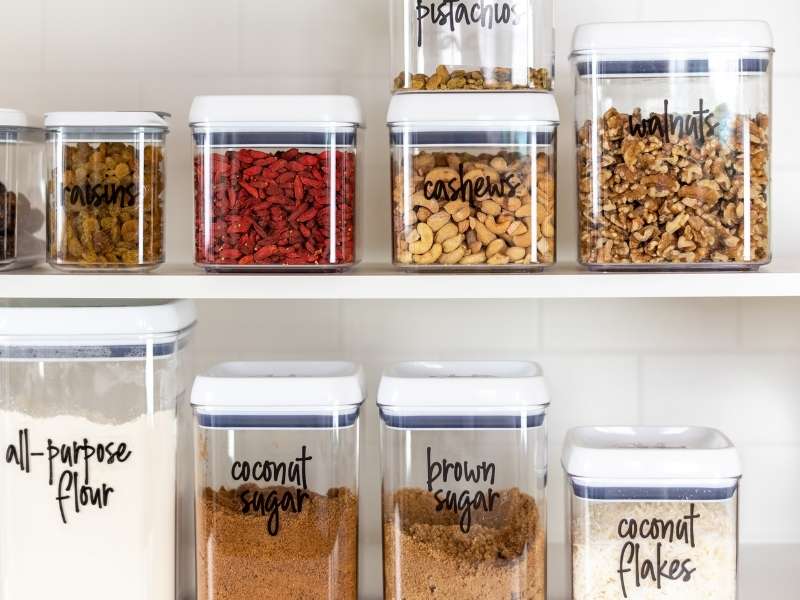
Flour sits at the heart of most baking pantry essentials.
Without it, you cannot bake cakes, cookies, breads, muffins, or pastries.
Still, not every flour serves the same purpose.
Keeping a few different types on hand makes baking much easier.
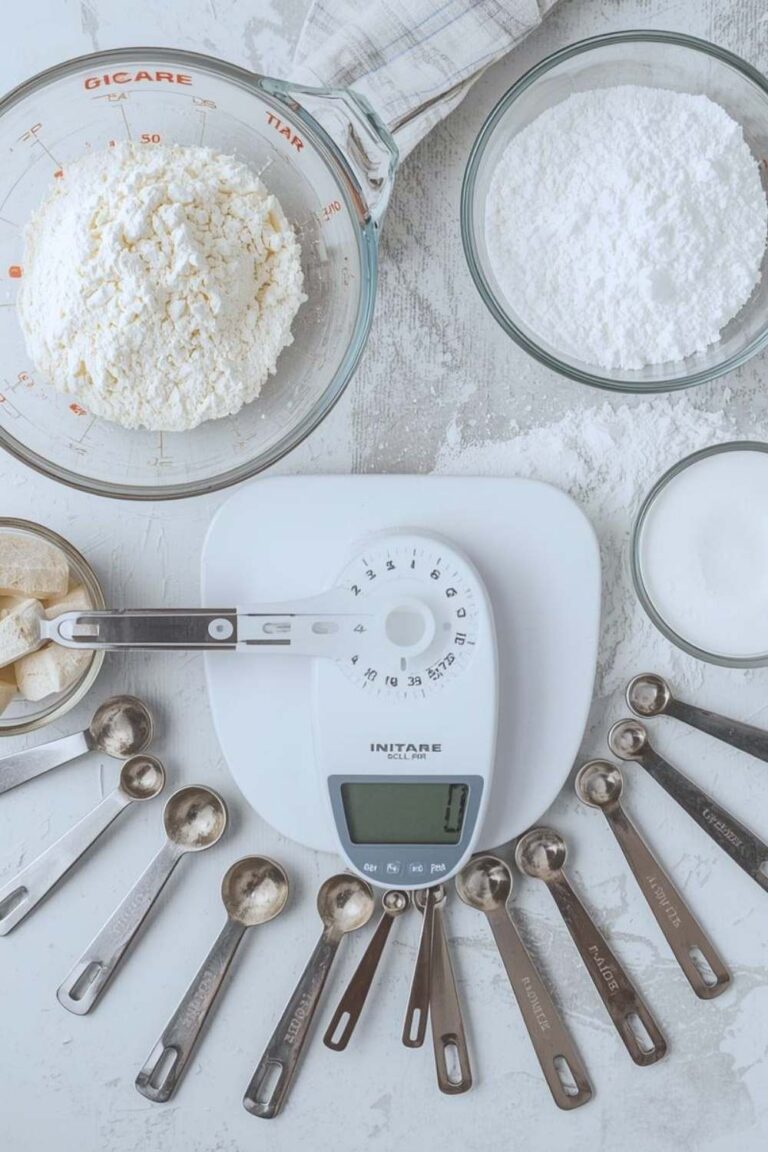
All-Purpose Flour
All-purpose flour deserves the first spot in your pantry.
It works well in countless recipes.
You can use it for cookies, brownies, pancakes, muffins, biscuits, and many cakes.
If you only buy one flour, make it this one.
Cake Flour
Cake flour contains less protein than all-purpose flour.
That creates lighter, softer cakes with a delicate crumb.
Many celebration cakes rely on cake flour for their tender texture.
Bread Flour
Bread flour contains more protein.
That extra protein helps develop gluten.
As a result, bread becomes chewy with excellent structure.
If you enjoy homemade bread, bread flour belongs in your pantry.
Not sure which flour to choose? Types of Baking Flour and When to Use Them explains exactly when each flour works best.
Storage Tips
Store flour inside airtight containers.
Keep it away from heat and moisture.
Label every container with the purchase date.
Replace flour if it develops an unusual smell.
2. Sugar
Many beginners think sugar only adds sweetness.
Actually, it also affects texture, moisture, color, and tenderness.
That’s why sugar remains one of the most important baking pantry essentials.
Granulated Sugar
Granulated sugar appears in hundreds of baking recipes.
You’ll use it for cakes, cookies, muffins, and quick breads.
Always keep plenty available.
Brown Sugar
Brown sugar adds moisture and a rich caramel flavor.
Soft cookies often depend on brown sugar.
Many cinnamon treats also use it.
Store brown sugar inside an airtight container to prevent it from drying out.
Powdered Sugar
Powdered sugar creates smooth frosting and icing.
You’ll also use it for glazes and dusting desserts.
A small bag lasts a surprisingly long time.
Want to understand how each sugar changes your baking? Read The Different Types of Sugar Used in Baking Explained.
3. Baking Powder and Baking Soda
These ingredients look similar.
They work differently.
Still, both belong in every collection of baking pantry essentials.
Without them, cakes and cookies may stay flat and dense.
Baking Powder
Baking powder contains its own acid.
That allows it to work in many recipes without additional acidic ingredients.
Most cakes and muffins rely on baking powder.
Baking Soda
Baking soda needs an acidic ingredient to activate.
Recipes using buttermilk, yogurt, lemon juice, or vinegar often include baking soda.
Never replace one with the other unless the recipe specifically allows it.
Need a better understanding of how ingredients work together? Baking Ingredients Explained: What Every Ingredient Actually Does makes every baking ingredient easier to understand.
Storage Tips
Store both ingredients somewhere cool and dry.
Replace them every few months after opening.
Old leavening agents lose strength over time.
That often leads to disappointing baking results.
4. Salt
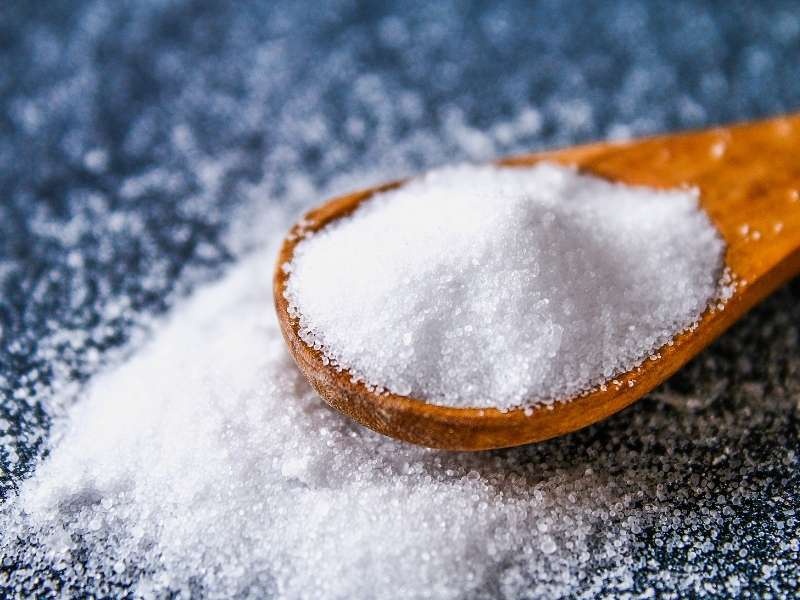
Salt may seem unimportant.
In reality, it improves almost every baked good.
It balances sweetness.
It strengthens flavor.
It also supports gluten development in bread.
Because of that, salt remains one of the simplest yet most valuable baking pantry essentials.
Table salt works for many recipes.
Fine sea salt also performs well.
If a recipe specifies kosher salt, follow the recommendation because crystal sizes differ.
Measure carefully.
Too much salt can overpower delicate flavors.
Too little can leave baked goods tasting flat.
5. Vanilla Extract: The Flavor Booster
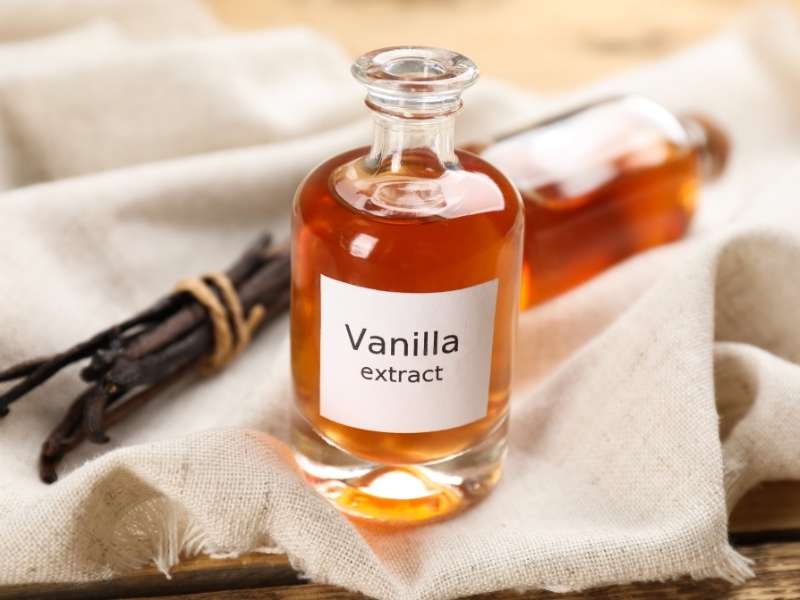
Open almost any cake recipe.
You’ll probably find vanilla extract.
It adds warmth and depth without overpowering other flavors.
Even chocolate desserts benefit from a little vanilla.
That’s why vanilla ranks among the most frequently used baking pantry essentials.
Pure vanilla extract offers the best flavor.
Imitation vanilla costs less.
Still, many bakers prefer pure vanilla for special occasions.
Use it in cakes, cupcakes, cookies, brownies, frostings, pancakes, and muffins.
One bottle goes a long way.
Store it in a cool cupboard away from direct sunlight.
6. Cocoa Powder for Chocolate Recipes
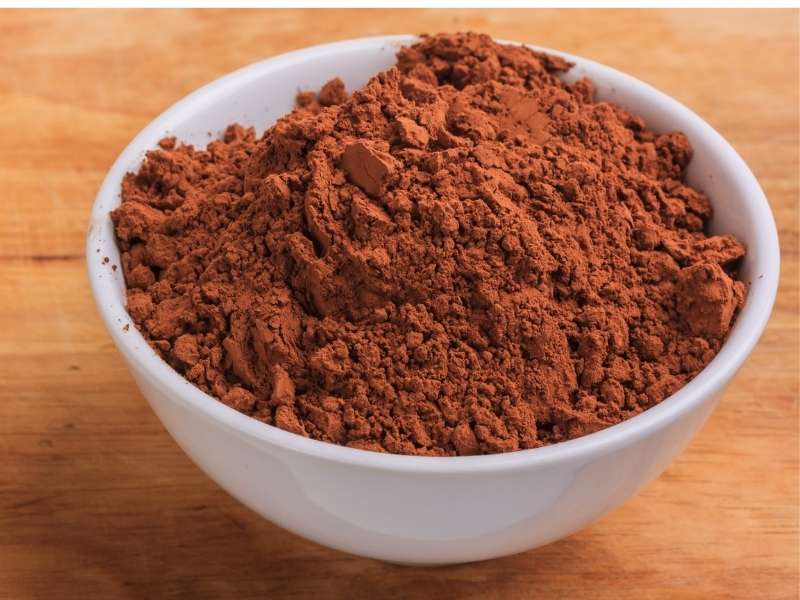
Chocolate lovers should never overlook cocoa powder.
It creates rich cakes, brownies, cookies, and frostings.
Unsweetened cocoa powder works in most baking recipes.
Dutch-process cocoa appears in specific recipes because it reacts differently with leavening agents.
Always check which type your recipe requires.
Keeping cocoa powder available means you’re always ready for chocolate cravings.
Learning ingredient science makes these choices much easier. The Science of Baking Made Simple for Beginners explains why small ingredient changes create different results.
7. Eggs
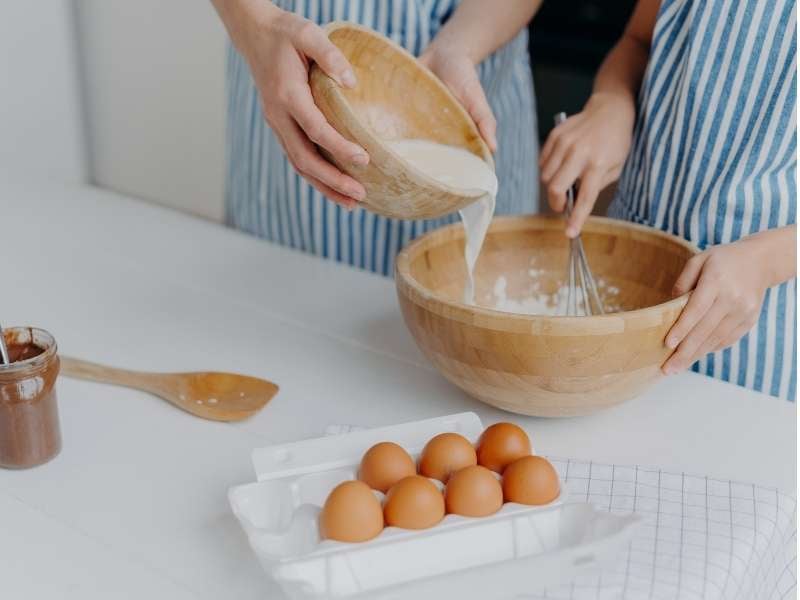
Although eggs don’t sit on your pantry shelf, they belong on every baking essentials list.
Eggs bind ingredients together.
They also create structure.
They add moisture and richness.
Many recipes simply cannot work without them.
Fresh eggs produce the best results.
Check expiration dates regularly.
Bring eggs to room temperature if your recipe recommends it.
That simple step helps create smoother batter.
Curious why eggs matter so much? Eggs in Baking: Why They Matter and How They Affect Results explains their role in every stage of baking.
Start With the Basics Before Buying Specialty Ingredients
Looking at a long ingredient list can feel overwhelming.
Fortunately, you don’t need to buy everything today.
Begin with flour, sugar, salt, vanilla, cocoa powder, baking powder, baking soda, and fresh eggs.
Those ingredients will allow you to bake dozens of popular recipes.
As your confidence grows, your pantry will naturally grow with you.
In Part 2, we’ll stock your pantry with dairy products, fats, spices, extracts, chocolate, nuts, and other ingredients that help you bake an even wider variety of delicious treats.
Expanding Your Baking Pantry With Everyday Essentials
Once you’ve stocked the basics, it’s time to add ingredients that give you more flexibility. These items help you bake everything from rich brownies and fluffy cupcakes to flaky pastries and homemade bread.
You don’t have to buy them all at once.
Instead, add one or two ingredients each time you shop. Before long, you’ll have a pantry that makes baking easier and far more enjoyable.
8. Butter and Other Baking Fats
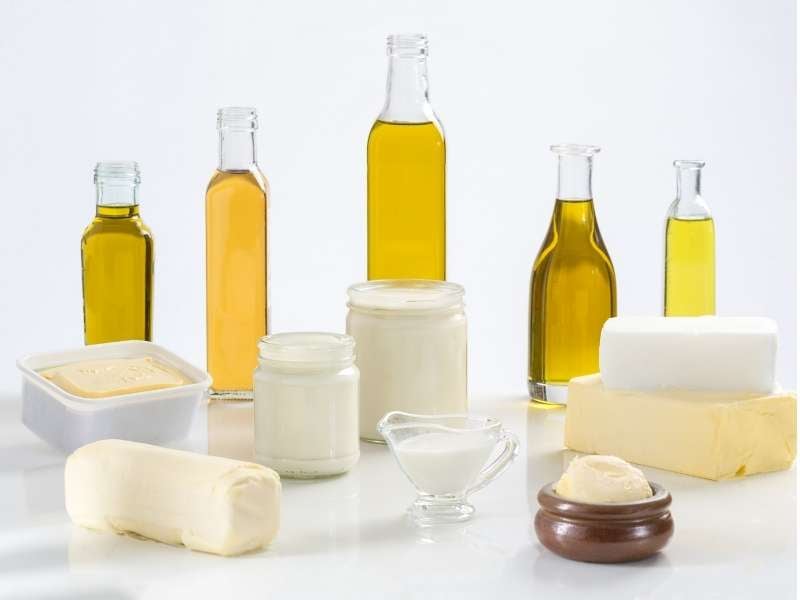
Every collection of baking pantry essentials should include a reliable baking fat.
Butter remains the favorite choice for many home bakers because it adds rich flavor and creates tender baked goods.
Unsalted butter gives you better control over the salt in your recipes.
Salted butter works well too, but remember to adjust the added salt if necessary.
Shortening creates flaky pie crusts and tender biscuits.
Vegetable oil keeps cakes moist for longer.
Each fat brings something different to a recipe.
Learning when to use each one helps improve your baking.
Still unsure which fat works best? Butter vs Margarine in Baking: Does It Really Matter? explains the differences and when to use each option.
Storage Tips
Keep butter in the refrigerator.
Freeze extra butter if you buy it in bulk.
Store oils in a cool, dark cupboard.
Replace oils if they develop an unpleasant smell.
9. Milk and Dairy Products
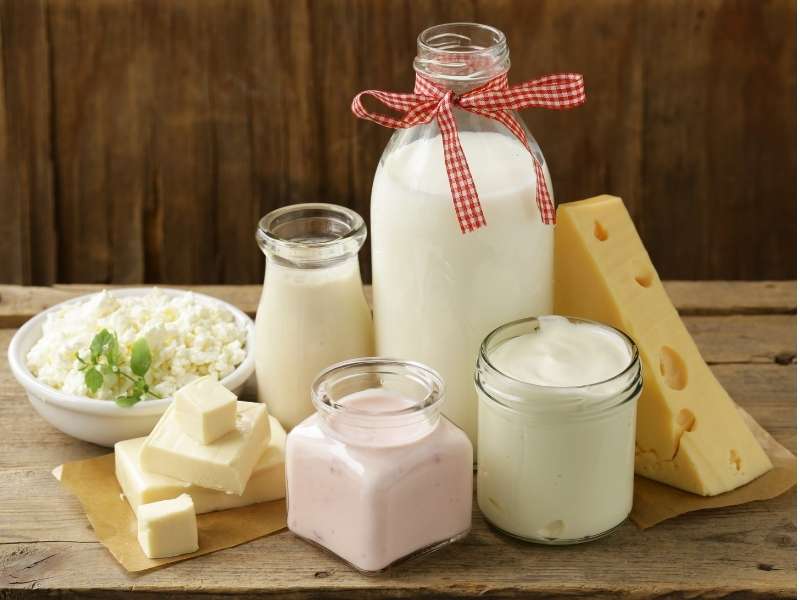
Many baked goods depend on dairy for moisture and richness.
Milk appears in cakes, pancakes, muffins, and breads.
Heavy cream creates silky frostings and rich ganache.
Sour cream makes cakes incredibly moist.
Buttermilk produces tender crumbs and helps activate baking soda.
These ingredients deserve a place alongside your baking pantry essentials, even though they belong in the refrigerator.
Storage Tips
Buy only what you’ll use.
Check expiration dates often.
Freeze buttermilk in small portions if you bake occasionally.
Keep powdered milk on hand as a backup for certain recipes.
10. Chocolate for Every Sweet Craving
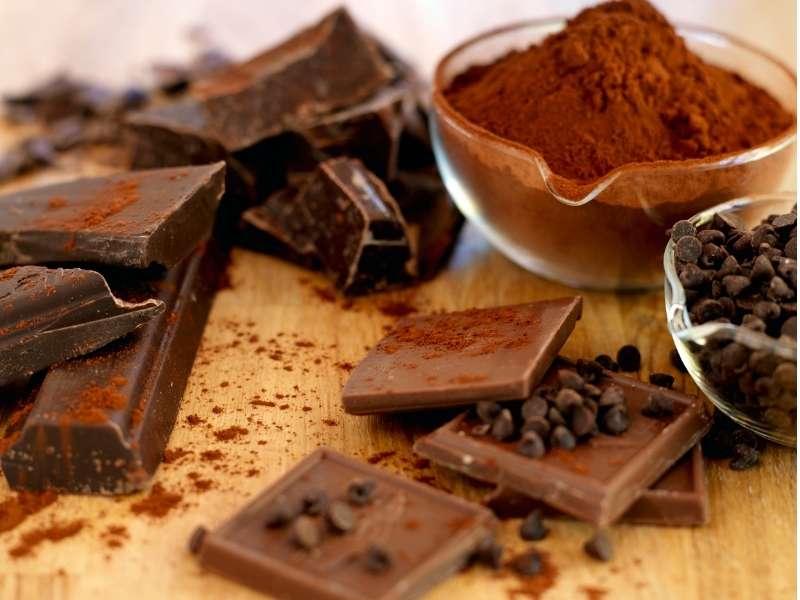
Few ingredients inspire excitement like chocolate.
Keeping different types available means you’re always ready to bake.
Dark chocolate works well in brownies and ganache.
Milk chocolate adds sweetness to cookies.
White chocolate creates beautiful drizzles and decorations.
Chocolate chips remain one of the most useful baking pantry essentials because they work in countless recipes.
Keep semi-sweet chocolate chips on hand first.
Then add dark and white chocolate as your collection grows.
Storage Tips
Store chocolate in a cool, dry place.
Avoid direct sunlight.
Keep strong-smelling foods away because chocolate absorbs odors.
11. Spices That Add Warmth and Flavor
A small jar of spice can completely change a recipe.
That’s why spices belong in every collection of baking pantry essentials.
Ground cinnamon tops the list.
You’ll use it in cookies, muffins, cinnamon rolls, coffee cakes, and apple desserts.
Nutmeg adds warmth without overpowering other flavors.
Ground ginger creates delicious holiday treats.
Pumpkin pie spice combines several favorite baking spices in one jar.
Cardamom offers a unique flavor for sweet breads and pastries.
Storage Tips
Replace spices every year or two.
Keep lids tightly closed.
Store spices away from heat and sunlight.
Fresh spices create stronger flavors.
12. Flavor Extracts Beyond Vanilla
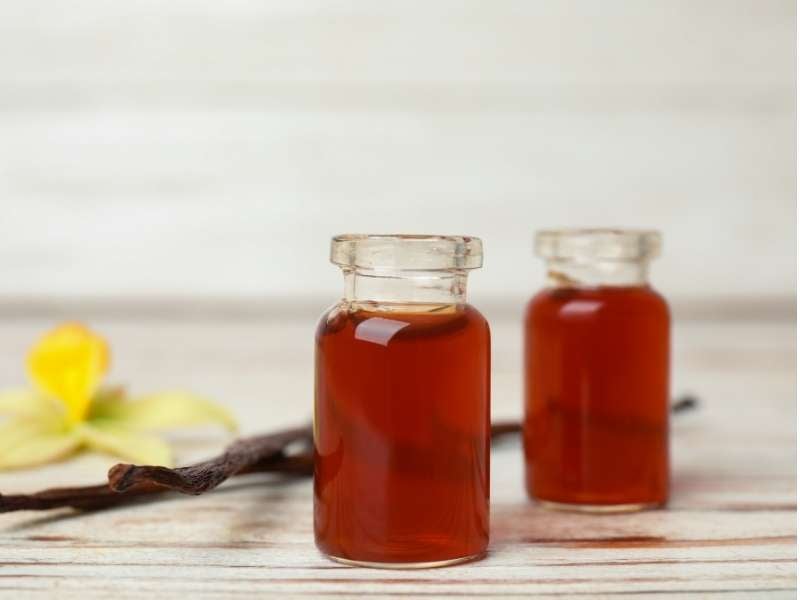
Vanilla handles most baking recipes.
Still, a few extra extracts can make your desserts even more exciting.
Almond extract adds rich flavor to cakes and cookies.
Lemon extract brightens citrus desserts.
Peppermint extract works beautifully during the holidays.
Orange extract pairs well with chocolate recipes.
These small bottles expand your collection of baking pantry essentials without taking much space.
Use extracts carefully because a little goes a long way.
13. Cornstarch and Other Thickening Ingredients
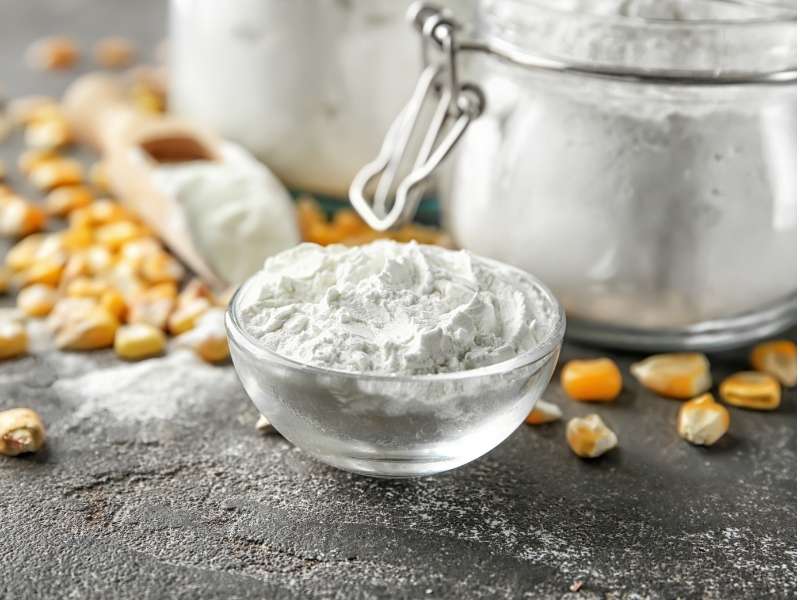
Cornstarch serves more purposes than many beginners realize.
It thickens fruit pie fillings.
It improves puddings.
Some cookie recipes even use it to create softer textures.
Cornstarch also appears in homemade frosting recipes.
Keeping a box available saves unexpected grocery trips.
Other useful thickening ingredients include gelatin and instant pudding mix for specialty desserts.
If you enjoy baking pies, you’ll also want to read 17 Pie Baking Mistakes That Ruin Perfect Crusts to learn how proper thickening prevents soggy fillings.
14. Yeast for Homemade Bread
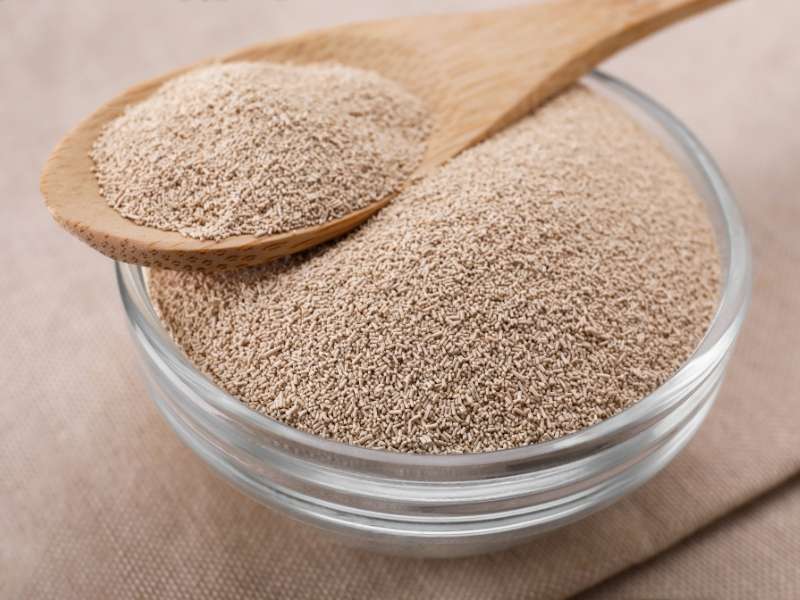
If homemade bread interests you, yeast belongs on your shopping list.
Active dry yeast works well for beginners.
Instant yeast offers a quicker option because you can mix it directly into dry ingredients.
Always check expiration dates before baking.
Fresh yeast creates lighter bread with better rise.
Yeast transforms simple pantry ingredients into beautiful homemade loaves.
If you’ve never baked bread before, Beginner’s Guide to Baking Bread at Home walks you through every step.
Storage Tips
Keep unopened yeast in a cool place.
Refrigerate opened packages.
Freeze extra yeast to extend its shelf life.
15. Nuts, Seeds, and Dried Fruit
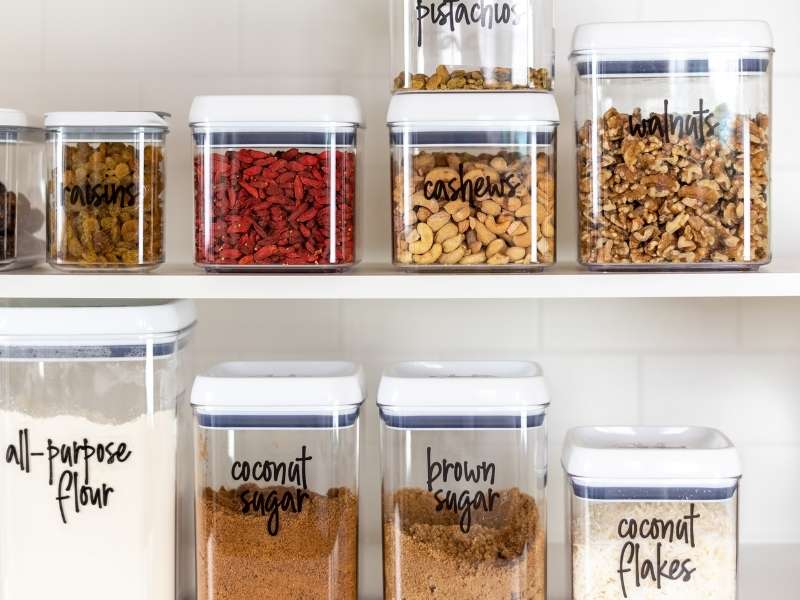
These ingredients add flavor, texture, and variety.
Chopped walnuts work well in brownies.
Pecans make delicious pies.
Almonds add crunch to cookies.
Raisins brighten oatmeal cookies.
Dried cranberries work beautifully in muffins.
Shredded coconut creates tropical flavor.
While these ingredients aren’t everyday necessities, they make excellent additions to your growing collection of baking pantry essentials.
Store nuts in the refrigerator or freezer to keep them fresh longer.
16. Decorative Baking Supplies
Presentation matters almost as much as flavor.
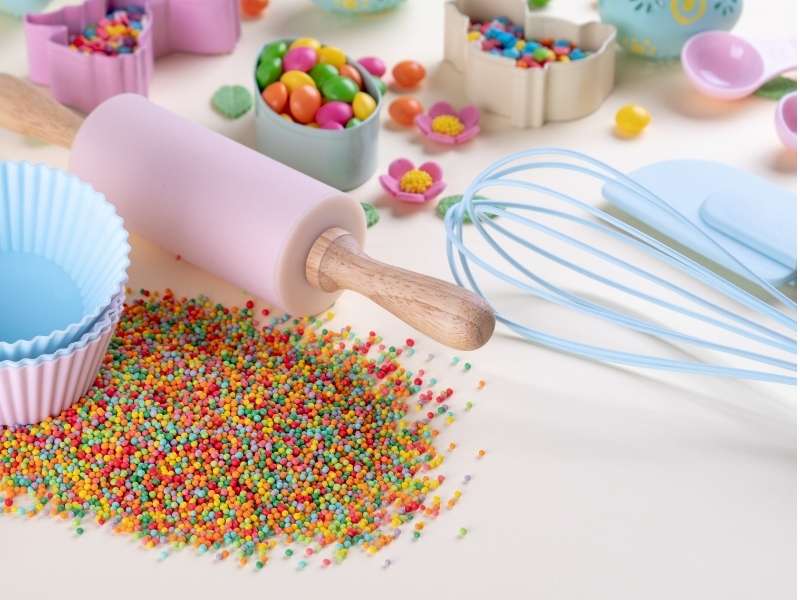
A few decorating supplies help homemade treats look extra special.
Keep colorful sprinkles for birthdays.
Store sanding sugar for cookies.
Chocolate sprinkles work well on cupcakes.
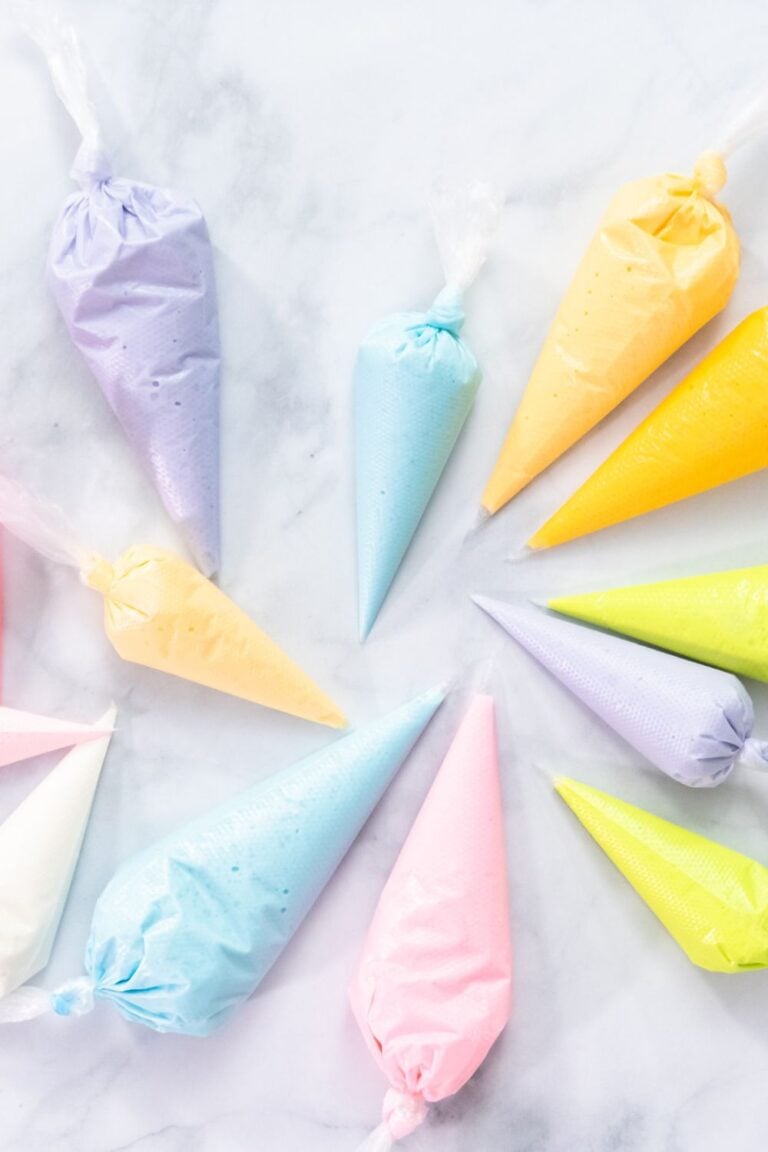
Food coloring creates vibrant frostings.
Simple decorations make homemade desserts feel more festive.
As your baking hobby grows, you can slowly expand your decorating collection.
If you enjoy beautiful baking spaces, you’ll find plenty of inspiration in Dream Baking Kitchen Inspiration (Pinterest-Worthy Setup).
Build Your Pantry Around the Recipes You Love
Every baker has favorite recipes.
Some love cookies.
Others enjoy bread.
Many prefer cakes or pastries.
Let your pantry reflect what you bake most often.
Buying ingredients you’ll actually use prevents waste and saves money.
Soon, your shelves will hold everything you need for spontaneous baking days.
Organize Your Baking Pantry for Easy Baking Days
Having the right ingredients is only half the job. You also need to know where everything is. An organized pantry saves time, reduces stress, and helps you enjoy baking even more.
You don’t need an expensive pantry makeover.
A few simple changes can make a big difference.
Use clear containers whenever possible.
Label every container with the ingredient name and purchase date.
Group similar ingredients together.
Keep flours on one shelf.
Store sugars in another area.
Place spices, extracts, and decorating supplies in small baskets or bins.
Arrange frequently used ingredients at eye level.
That way, you can grab them without searching through every shelf.
If you’re looking for more organization ideas, Baking Station Organisation Ideas That Will Transform Your Kitchen shares practical ways to create a functional baking space.
Store Your Baking Ingredients the Right Way
Even the best baking pantry essentials will not last forever.
Proper storage helps ingredients stay fresh and perform as expected.
Heat, moisture, sunlight, and air shorten the life of many baking staples.
Airtight containers protect flour and sugar from moisture and pests.
Keep baking powder and baking soda tightly sealed after every use.
Store cocoa powder in a cool, dry cupboard.
Protect chocolate from heat because it melts easily.
Refrigerate butter after opening.
Freeze extra butter if you buy it in bulk.
Place nuts in the refrigerator or freezer to prevent them from becoming rancid.
Check expiration dates every few months.
Replace ingredients that smell unusual or have changed in color or texture.
Fresh ingredients almost always produce better baking results.
If you’re unsure whether older ingredients still work, Common Baking Mistakes and How to Fix Them Fast explains how expired ingredients affect your baking.
Baking Pantry Essentials Shopping Checklist
Building your pantry feels much easier when you have a simple shopping list.
Start with the ingredients you will use most often.
Then add specialty items as your baking skills grow.
Basic Ingredients
- All-purpose flour
- Cake flour
- Bread flour
- Granulated sugar
- Brown sugar
- Powdered sugar
- Baking powder
- Baking soda
- Salt
- Vanilla extract
- Cocoa powder
- Eggs
- Butter
- Vegetable oil
- Milk
Helpful Extras
- Buttermilk
- Heavy cream
- Cornstarch
- Active dry yeast
- Chocolate chips
- Dark chocolate
- White chocolate
- Ground cinnamon
- Nutmeg
- Ginger
- Almond extract
- Lemon extract
- Chopped nuts
- Raisins
- Shredded coconut
- Food coloring
- Sprinkles
These baking pantry essentials cover hundreds of baking recipes.
You can always expand your collection later.
Common Pantry Stocking Mistakes to Avoid
Building a baking pantry should make life easier.
Unfortunately, some habits create unnecessary problems.
Here are a few mistakes worth avoiding.
Buying Too Much at Once
Large shopping trips look exciting.
Still, buying everything immediately can waste money.
Some ingredients may expire before you use them.
Ignoring Expiration Dates
Fresh ingredients perform better.
Old baking powder loses strength.
Stale spices lose flavor.
Expired flour may develop unpleasant odors.
Check dates regularly.
Replace ingredients when necessary.
Buying Specialty Ingredients You’ll Never Use
Some recipes call for unusual ingredients.
Ask yourself whether you’ll use them again.
Skip expensive products that only work in one recipe.
Instead, focus on versatile baking pantry essentials that appear in many recipes.
Leaving Ingredients in Open Bags
Paper bags and thin plastic packaging provide little protection.
Transfer dry ingredients into airtight containers.
Doing so keeps them fresh much longer.
Forgetting What You Already Own
Many bakers buy duplicate ingredients without realizing it.
Check your pantry before shopping.
Keeping a simple inventory can save both money and storage space.
How to Build Your Pantry on a Budget
Creating a complete baking pantry doesn’t have to happen overnight.
Start with ingredients that appear in the greatest number of recipes.
Buy larger bags only after you know you’ll use them regularly.
Watch for grocery store sales on flour, butter, chocolate, and vanilla.
Store extra ingredients correctly so they stay fresh.
Budget-friendly shopping makes building your baking pantry essentials much less overwhelming.
If you’re interested in turning your baking hobby into extra income, How to Start a Baking Business From Scratch (Step by Step Guide) is a great next read.
You may also enjoy Baking Business Ideas You Can Start With Little Money if you’re exploring affordable business opportunities.
Final Thoughts
A well-stocked pantry makes baking easier, faster, and far more enjoyable. Instead of stopping halfway through a recipe to buy one missing ingredient, you’ll have everything you need within reach. That convenience allows you to bake more often and experiment with new recipes without unnecessary stress.
Remember that building your collection of baking pantry essentials takes time. Start with the basics, then add new ingredients as your confidence grows. Focus on quality instead of quantity, store everything properly, and replace ingredients when they lose freshness.
Most importantly, stock the ingredients you actually use. Your pantry should match your favorite recipes and baking style. As you continue learning, you’ll discover which baking pantry essentials deserve a permanent place on your shelves. Before long, you’ll always be ready to bake fresh cookies, soft cakes, flaky pastries, and delicious homemade bread whenever inspiration strikes.