The Science of Baking Made Simple for Beginners
Disclosure: Some of the links in this post are affiliate links. This means if you click on the link and purchase an item, I will receive an affiliate commission at no extra cost to you.
I remember the first time a cake I baked came out completely wrong. Not just a little off. Completely flat, dense, and with a very strange taste I could not explain. I had followed the recipe. I had the right ingredients. I did everything it said. And yet, something had clearly gone wrong somewhere between the mixing bowl and the oven.
What I did not know then was that baking is chemistry. Every ingredient reacts with another. Every step triggers something specific. And when one small thing goes out of order, the whole chain of reactions shifts. Once I started understanding why a recipe works the way it does, my baking completely transformed. Not because I became more talented, but because I finally understood what I was actually doing.
That is what the science of baking is really about. Not complicated textbooks or lab coats. Just knowing that butter traps air when you cream it, that baking soda needs an acid to activate, that gluten forms when flour meets water, and that heat is the force that sets everything in place. Understanding the science of baking in simple terms gives you the kind of confidence that no recipe alone can give you. If you are still building your foundation, The Ultimate Beginners Guide to Baking is a brilliant place to get grounded before diving deeper.
Once you understand what is happening inside your oven, you stop feeling like you are just hoping for the best. You start baking with real intention. The science of baking does not need to feel overwhelming — and the explanation coming up makes it genuinely easy to follow. Baking Ingredients Explained is a great companion read that connects the science back to the specific ingredients you use every single day.
Why Baking Is Chemistry and What That Actually Means
The science of baking starts with one foundational idea. Baking is chemistry. Every ingredient you add to a recipe is a chemical compound. Every step you take, mixing, beating, heating, cooling, triggers a chemical reaction. Those reactions happen in a specific sequence, and that sequence determines your result.
This is what makes baking different from cooking in a fundamental way. Cooking allows for improvisation. You can taste as you go, adjust seasonings, change the heat, add more of something mid-process. Baking does not work that way. By the time your bake goes into the oven, most of the important decisions have already been made. The reactions that happen during baking are set in motion by what you did beforehand.
Understanding the science of baking means understanding the reactions you are setting up at every stage. It means knowing that when you cream butter with sugar, you are creating tiny air pockets that will expand in the oven. It means knowing that baking soda will not activate without an acid, and that if you do not have one in the recipe, nothing will happen. It means knowing that gluten is forming every time flour and water come into contact, and that how much gluten forms depends entirely on how much you mix.
These are not complicated ideas. They become obvious once someone explains them clearly. And once you understand them, you have real control over your baking in a way that no recipe alone can give you. The Ultimate Beginners Guide to Baking connects all of these foundational concepts together so you can see how the science of baking fits into the full picture of what makes a recipe work.
Gluten: The Structure Behind Every Bake
Gluten is one of the most important concepts in the science of baking, and it is also one of the most misunderstood. Gluten is not an ingredient you add. It forms naturally when two proteins found in wheat flour, glutenin and gliadin, come into contact with water and get worked together.
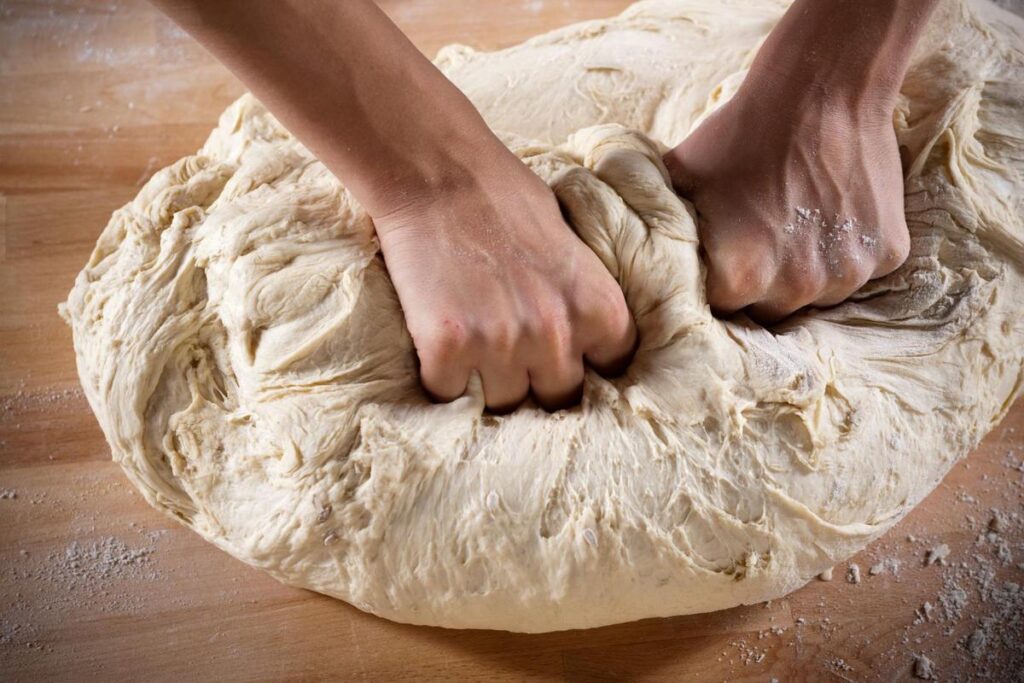
When these proteins hydrate and combine, they form long, elastic chains. Those chains create a stretchy network throughout your dough or batter. This network is gluten, and it is what gives baked goods their structure. It traps the gas produced by leavening agents and holds the shape of the bake as it cooks. Without gluten, most baked goods would not hold together at all.
The amount of gluten that develops depends on two things. The protein content of the flour you use, and how much you mix. High-protein flours like bread flour develop more gluten more readily. Low-protein flours like cake flour develop less. This is exactly why you use different flours for different bakes. Bread needs strong gluten to develop the chewy, structured crumb that makes it satisfying. Cake needs minimal gluten to stay light, tender, and delicate. Understanding how flour type connects to gluten development is one of the most practical applications of the science of baking. Types of Baking Flour and When to Use Them breaks down every major flour variety and when to reach for each one.
Mixing time controls gluten development once you know which flour to use. More mixing builds more gluten. This is useful when making bread, where you want a strong, developed gluten network. It is not useful when making muffins or quick breads, where overmixing after the flour goes in creates a rubbery, dense result. The instruction to mix just until combined in a muffin recipe is directly connected to the science of baking. It is there to protect the tenderness of the crumb. Knowing your way around a recipe so you can follow these kinds of instructions with confidence is a skill in itself. How to Read a Baking Recipe Correctly Before You Start shows you exactly how to read and interpret recipe instructions so nothing important gets missed or misunderstood.
Leavening Agents: The Science of Rise
One of the most visually dramatic parts of the science of baking is leavening. Watching a flat batter transform into a domed, risen cake inside the oven is impressive every time. The reason it happens is entirely chemical.
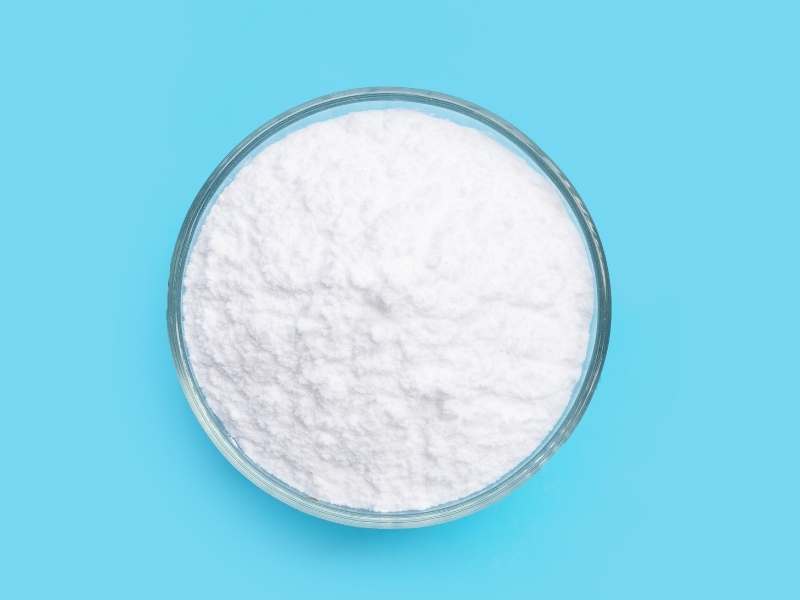
Leavening agents produce carbon dioxide gas. That gas gets trapped in the structure of the batter or dough. As the bake heats up, the gas expands and pushes the structure upward. This is rise. The leavening agents you use, and how you use them, determine how much rise you get, how evenly it happens, and how well the structure holds it once the gas is gone.
Baking soda is pure sodium bicarbonate. It is a base, which means it needs an acid to activate. Common acids in baking include buttermilk, yogurt, lemon juice, brown sugar, honey, and natural cocoa powder. When baking soda meets an acid and moisture, it releases carbon dioxide immediately. This means recipes using baking soda need to go into the oven quickly after mixing. The reaction is fast and if you wait too long, the gas escapes before the heat can trap it.
Baking powder contains baking soda, a dry acid, and a starch. Because it already contains its own acid, it does not need an additional acidic ingredient to activate. Most modern baking powder is double-acting, which means it releases gas twice. Once when it contacts moisture during mixing, and again when it contacts heat in the oven. This gives bakers a wider working window before needing to get the batter into the oven.
Yeast works completely differently from chemical leaveners. It is a living organism that feeds on sugars and produces carbon dioxide as a byproduct. The process is much slower, which is why yeast doughs need time to rest and rise. That slow fermentation also builds flavour in a way that chemical leaveners cannot replicate. Getting leavening amounts right is critical, because too much or too little changes everything. Baking Measurements Conversion Chart is a reliable reference to keep on hand so your conversions and quantities are always accurate.
The Maillard Reaction: Why Baked Goods Brown and Taste So Good
The Maillard reaction is one of the most important concepts in the science of baking, and most bakers have never heard its name even though they experience its results every single time they bake. It is the chemical reaction between amino acids and reducing sugars that happens when food is exposed to heat. It produces hundreds of new flavour compounds and creates the golden-brown colour on the surface of baked goods.
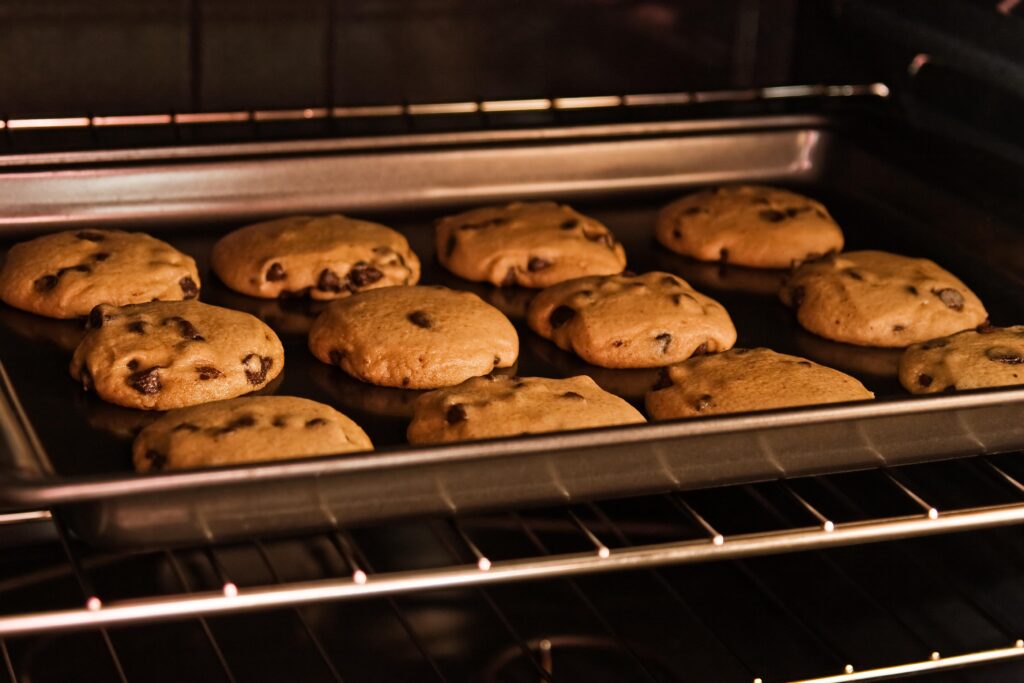
Every beautiful bake has the Maillard reaction to thank. The golden crust on a loaf of bread. The caramelised edges on a chocolate chip cookie. The deep brown top of a muffin. The colour on a croissant. All of these result from this reaction happening at the surface of your bake when it reaches the right temperature.
The Maillard reaction begins at around 280 to 330 degrees Fahrenheit and happens more intensely as the temperature increases. This is why oven temperature matters so much for colour and flavour development. An oven running too cool produces pale, flavour-flat baked goods even when they are technically baked through. An oven running too hot produces over-browned surfaces before the interior has time to cook properly.
Sugar type also affects how intensely the Maillard reaction occurs. Brown sugar, honey, and other unrefined sugars contain more reactive compounds than white sugar. This is part of why recipes using brown sugar produce a deeper colour and a more complex flavour than the same recipe made with white sugar. The science of baking shows up in flavour just as clearly as it shows up in texture and structure. The Different Types of Sugar Used in Baking Explained covers exactly how each sugar type behaves differently and why swapping them changes far more than just sweetness.
Caramelisation: A Separate but Related Reaction
Many people confuse caramelisation with the Maillard reaction. Both produce browning and flavour, but they are two separate processes. Understanding both is part of the science of baking at a practical level.

Caramelisation is the thermal breakdown of sugar when heat is applied. It does not require protein to occur. It is purely a reaction of sugar molecules breaking down and reforming into new compounds when they reach a high enough temperature. White sugar caramelises at around 320 degrees Fahrenheit. The compounds created during caramelisation produce the characteristic sweet, nutty, slightly bitter flavour of caramel.
In baking, caramelisation contributes to the flavour and colour of biscuits, toffees, caramel sauces, and some cake surfaces. It also plays a role in the crust of bread when the natural sugars in the dough reach the right temperature during baking. Because caramelisation and the Maillard reaction both occur at high temperatures, they often happen simultaneously in baking. Together they create the complex, multi-layered flavour that makes a properly baked good taste so different from an underbaked one. Knowing how to store your bakes once they come out of the oven keeps all of that developed flavour and texture intact for longer. How to Store Baked Goods to Keep Them Fresh Longer covers every type of baked good and the best approach for preserving what you worked to create.
Fats and Their Role in Baking Science
Fat is one of the most powerful ingredients in baking, and understanding what it does is central to the science of baking. Fat affects tenderness, moisture, flavour, and even how much rise a baked good achieves.
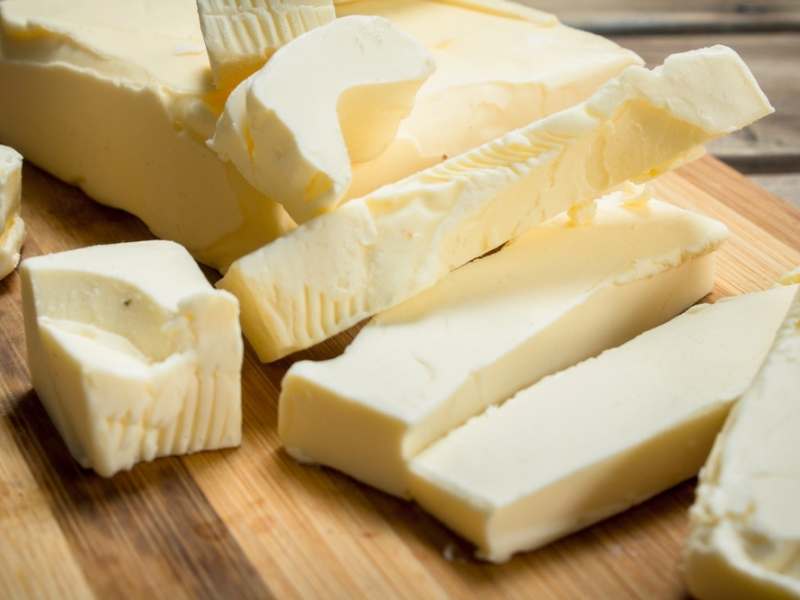
Fat coats flour proteins and prevents them from forming gluten as readily. This is called shortening, and it is where shortcrust pastry gets its name. The fat physically interrupts the protein strands before they can bond, which keeps the pastry tender and crumbly rather than chewy. The more fat in a recipe, the more tenderness in the result. This is why rich cakes made with a high ratio of butter feel so different to lean cakes made with less.
Butter specifically plays a role in leavening through a process called mechanical leavening. When softened butter gets creamed with sugar, the sugar crystals cut through the fat and create tiny air pockets. Those air pockets fill with carbon dioxide from the leavening agents during baking and expand in the oven. The more effectively you cream the butter and sugar, the more air you incorporate, and the lighter the final crumb. Undermixing during this stage produces a denser, less risen result.
The temperature of fat at the point of mixing also matters enormously to the science of baking. Cold butter cannot trap air during creaming. It is too firm to allow the sugar crystals to move through it effectively. Butter that is too warm and greasy loses the air as fast as it forms. Softened butter at the right temperature, which holds a fingerprint but does not feel slimy, produces the best air incorporation and the most consistent results. Butter vs Margarine in Baking explores how different fats behave differently in recipes and why the type of fat you choose changes the result in more ways than most people expect.
The Role of Eggs in Baking Science
Eggs are one of the most scientifically interesting ingredients in baking. They perform multiple chemical jobs simultaneously, which is why removing or substituting them always changes the result.
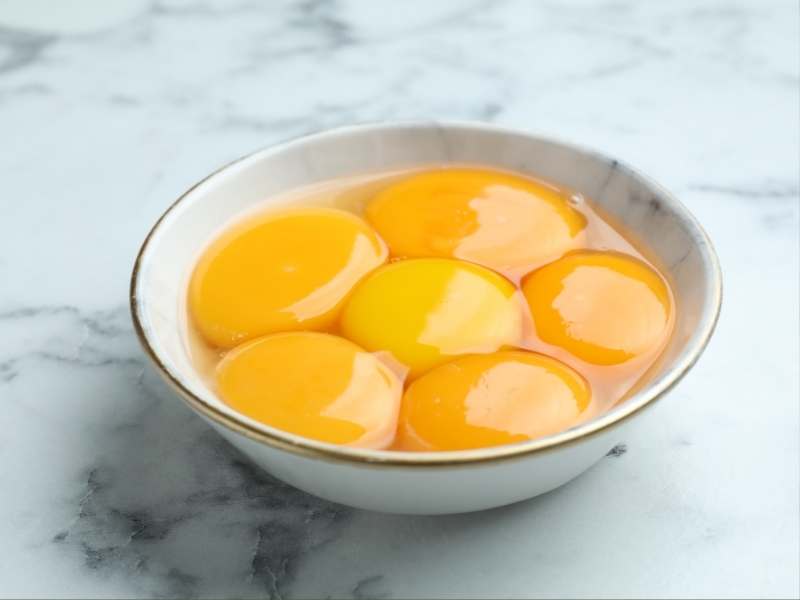
Egg proteins, found in both the white and the yolk, coagulate when heated. Coagulation means the proteins firm up and set, creating structure in the bake. This is what allows cakes to hold their shape after coming out of the oven. Without egg proteins setting during baking, most cake batters would collapse as soon as the heat was removed.
Egg yolks contain lecithin, a natural emulsifier. The science of baking depends on emulsification more than most beginners realise. An emulsifier is a molecule that helps fat and water blend together instead of separating. Without lecithin, the fat and liquid in a cake batter would remain separate, producing a grainy, uneven texture. With it, everything blends into a smooth, homogeneous mixture that bakes evenly and consistently. This is also why the temperature of your eggs matters as much as the temperature of your butter. Why Your Cakes Keep Failing and How to Fix Them connects these specific ingredient science details to the most common cake failures so you can trace problems back to their real cause.
Beaten eggs also provide leavening. When eggs are beaten, they trap air in the same way that creamed butter does. In genoise sponge cakes, beaten eggs provide virtually all of the rise because the recipe contains almost no chemical leavening. The trapped air expands in the oven and lifts the cake upward. The skill in these recipes lies in beating the eggs long enough to incorporate significant air, then folding in the other ingredients gently enough to keep it. Eggs in Baking: Why They Matter and How They Affect Results covers every role eggs play in baking with the same depth and clarity so you always know exactly what they are doing in a recipe.
How Heat Transforms a Batter Into a Baked Good
Heat is the final and most dramatic stage of the science of baking. It is the force that converts a liquid or semi-liquid batter into a solid, structured bake. Multiple reactions happen simultaneously when heat is applied, and they happen in a specific sequence that depends on the baking temperature.
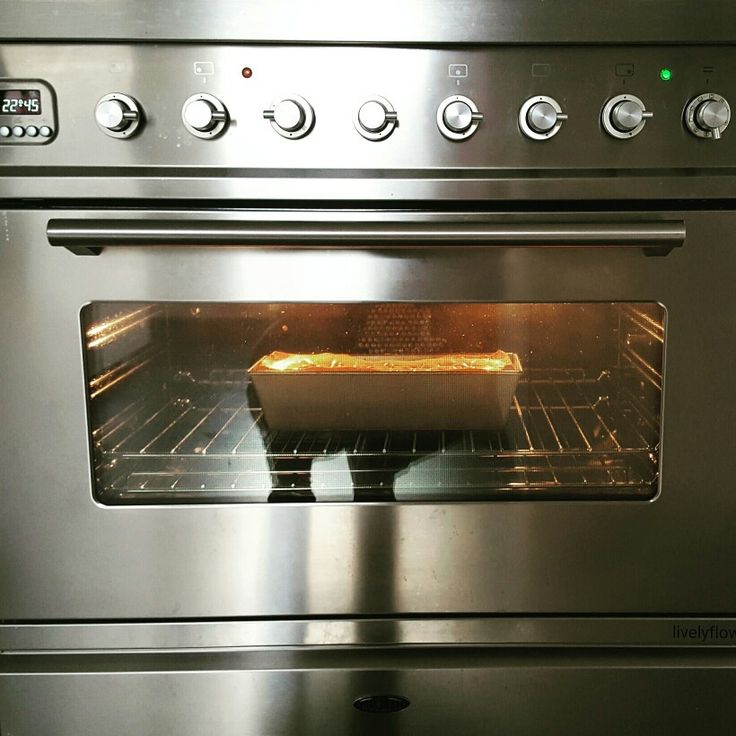
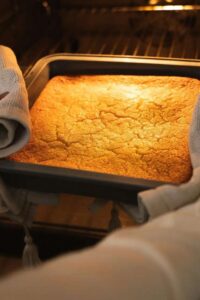
In the first few minutes of baking, the fat melts, the leavening agents release their gas, and the batter begins to warm through. The gas from the leavening expands and the batter rises. During this stage, the batter is still fluid enough to move and expand freely. This is why opening the oven door too early causes cakes to sink. The structure has not set yet, and the rush of cool air collapses the still-fluid batter.
As the temperature inside the batter increases, the egg proteins begin to coagulate. The starches in the flour gelatinise, meaning they absorb water and swell to form a solid, stable network. These two processes together are what set the structure of the bake and make it hold its risen shape. At the surface, the Maillard reaction and caramelisation begin to produce colour and flavour.
In the final minutes of baking, moisture continues to evaporate from the surface and interior. The crust firms and crisps. The crumb sets completely. By the time a bake is done, it has gone through a complete transformation driven entirely by heat. Understanding baking temperatures and how they control this sequence is one of the most impactful pieces of the science of baking a beginner can learn. Understanding Baking Temperatures for Better Results covers exactly this in detail and shows you how every degree matters to the outcome of your bake.
How Mixing Methods Apply Baking Science
The science of baking is not just about ingredients. It is also about how you handle those ingredients. Different mixing methods exist because different baked goods need different things from the mixing process.
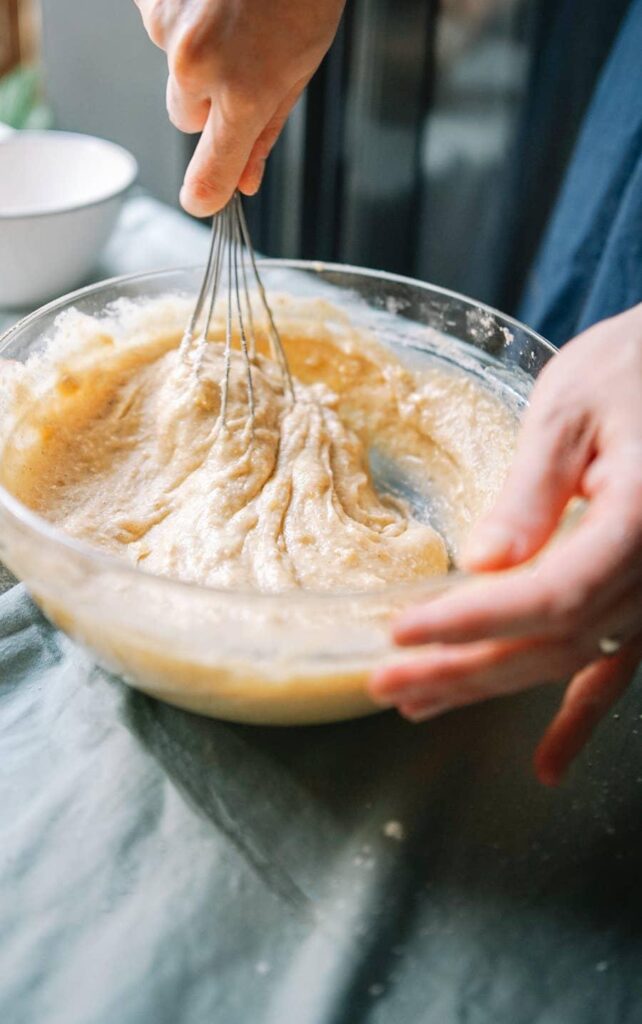
The creaming method builds air into the fat before the other ingredients are added. This produces a light, tender crumb and suits most standard cakes and cookies. The muffin method combines wet and dry ingredients separately and then folds them together with minimal mixing. This limits gluten development and produces a tender, moist crumb suited to quick breads and muffins. The rubbing-in method, used for pastry, works cold fat into flour until the mixture resembles breadcrumbs. The fat coats the flour and limits gluten, which produces a crumbly, short texture.
Each of these methods is an application of baking science. You are either building air, limiting gluten, or distributing fat in a specific way. When you use the wrong method for a recipe, or rush through the right one, the results shift noticeably. A cake mixed with the muffin method instead of the creaming method will be denser and less risen. A pastry made with warm fat instead of cold will lose its flakiness. The method is not arbitrary. It is the science of baking in action at the most practical level possible. Understanding these distinctions also means understanding the language recipes use to describe them. Baking Terms Explained translates all the technique language you encounter in recipes into plain explanations that make each method easy to follow and understand.
The Science of Baking and Why Mistakes Happen
Most baking mistakes are not random. They have a scientific explanation, and once you know the science of baking at even a basic level, most failures become immediately diagnosable.
A cake that sinks in the middle was underbaked. The egg proteins and starches never fully set, so the structure collapsed under its own weight once it left the oven’s heat. A cake that rises dramatically and then cracks across the top was baked at too high a temperature. The outside set too fast, trapping the still-rising centre, which forced its way through the surface. A dense, rubbery muffin was overmixed. Too much gluten developed after the flour was added and the resulting protein network was too tight to produce a light crumb.
Every variation connects directly back to the science of baking. Having the right tools to execute these techniques accurately makes putting the science into practice significantly easier. Essential Baking Tools Every Home Baker Needs covers everything from thermometers to scales that help you apply baking science with precision rather than guesswork.
Understanding this connection changes how you approach problems. Instead of feeling like baking is unpredictable, you start to see the logic behind every outcome. That shift in perspective is one of the most empowering things that happens when you truly engage with how baking works. Common Baking Mistakes and How to Fix Them Fast applies this scientific thinking to the most common failures beginners experience and gives you clear, logical solutions for each one.
How Substitutions Connect to Baking Science
The science of baking is also the reason that substitutions sometimes work and sometimes do not. Every ingredient substitution changes a chemical reaction somewhere in the recipe. Knowing the science helps you predict how significant that change will be.
Replacing butter with oil removes the mechanical leavening that comes from creaming. The result will be denser and moister. Replacing white sugar with brown sugar adds molasses to the recipe, which increases moisture, adds acidity, and deepens colour and flavour. Replacing whole milk with a non-dairy alternative changes the protein and fat content, which can affect how well the batter emulsifies and how the crumb develops.
Egg substitutes work by replacing one or more of the jobs eggs do. Flax eggs provide binding but not structure or lift. Aquafaba provides foam and lift but not richness. Silken tofu provides moisture and some binding but no air. Each substitute covers part of what eggs do, which is why the best substitute depends entirely on which role eggs were playing in that specific recipe.
The more you understand the science of baking, the more confidently you can make these calls. You stop guessing and start reasoning. Baking Substitutions Guide applies this reasoning to every major ingredient swap and explains not just what to use but precisely why each alternative works the way it does.
Putting the Science of Baking Into Practice
Understanding the science of baking does not happen all at once. It builds gradually as you bake more, pay attention to more, and connect results back to the processes that produced them. Each bake you do is an opportunity to observe the science in action.
Start noticing things. Watch how a creamed butter and sugar mixture looks before and after you add an egg. Feel the difference between a properly developed bread dough and one that has not been kneaded enough. Observe how the colour on your cake develops during the last ten minutes of baking. These observations are the science of baking becoming real in your hands rather than just existing on a page.
As your understanding of the science of baking grows, so does your confidence. You start approaching new recipes with curiosity rather than nervousness. You can see what a recipe is trying to achieve and how each ingredient is working toward that goal. You make fewer mistakes because you understand why each step matters. And when mistakes do happen, you know how to trace them back to their cause and fix them next time.
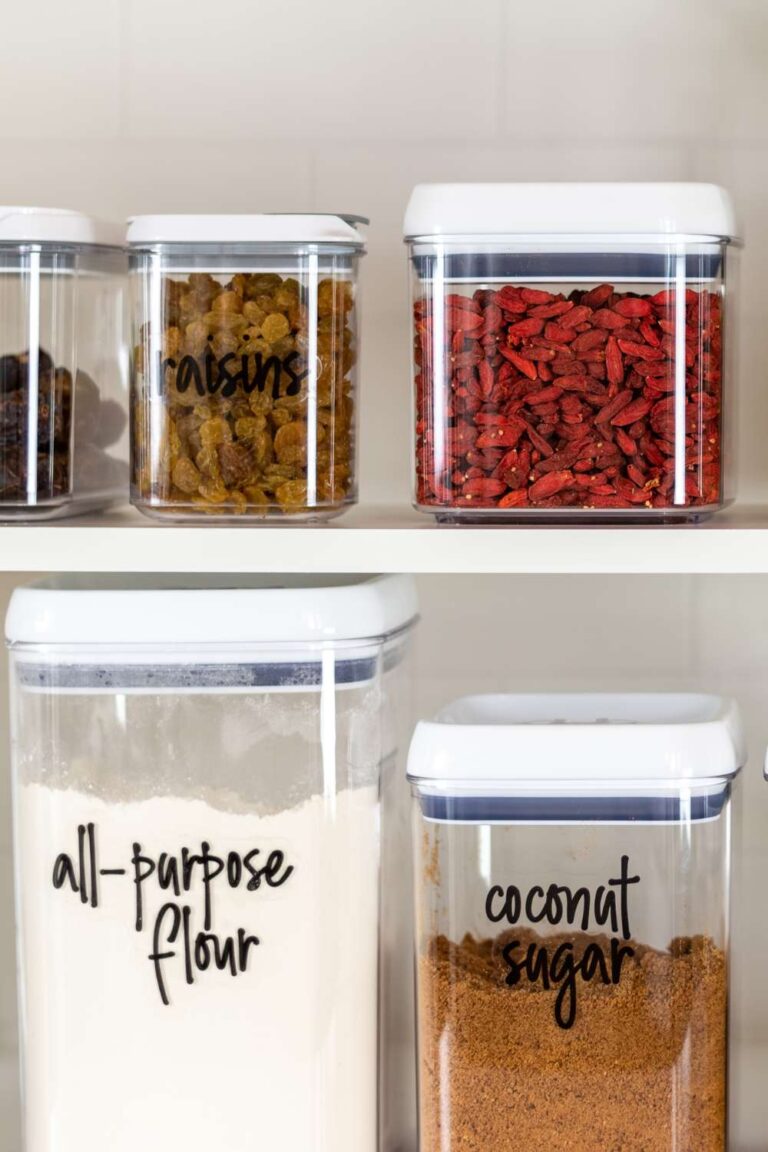
Baking well is ultimately a combination of knowledge and attention. The science of baking provides the knowledge. Your time in the kitchen builds the attention. Together, they produce results that feel genuinely satisfying. Getting your kitchen set up to support that kind of focused, intentional baking practice is also part of setting yourself up for success. Baking Station Organisation Ideas That Will Transform Your Kitchen is a practical, inspiring guide for creating a space that makes this kind of baking feel natural and enjoyable every time you step in.
As your baking knowledge deepens and your results improve consistently, you might also start to wonder what else is possible with what you know. Many bakers who understand the science deeply go on to share it, teach it, or turn it into something more. How to Start a Baking Business From Scratch is an encouraging, practical guide for anyone who has fallen in love with baking deeply enough to want to build something real with that passion.