17 Common Cookie Baking Mistakes and How to Fix Them
Disclosure: Some of the links in this post are affiliate links. This means if you click on the link and purchase an item, I will receive an affiliate commission at no extra cost to you.
I have baked plenty of cookie batches while my kids waited impatiently in the kitchen, hoping to grab one straight from the tray. Some turned out perfectly, while others spread into one giant cookie or came out dry and hard. Those little baking disasters taught me that great cookies are not just about following a recipe. The smallest details can completely change the final result.
Over time, I discovered that most cookie baking mistakes happen because of simple things we often overlook. Measuring ingredients the wrong way, using butter that is too soft, or skipping an important step can all affect your cookies. If you are still learning the basics, my The Ultimate Beginners Guide to Baking (Everything You Need To Know to Start) is a great place to build your confidence before tackling more recipes.
The good news is that you do not need fancy equipment or years of experience to bake delicious cookies. Once you understand the most common cookie baking mistakes, you will know exactly what to change the next time you bake. I still learn something new with almost every batch, and those little improvements have made baking feel much less stressful. You may also enjoy Understanding Baking Temperatures for Better Results, since oven temperature plays a much bigger role than many beginners expect.
A few small adjustments can turn disappointing cookies into batches that are soft, chewy, crisp, or perfectly golden, just the way you hoped. I am excited to share the lessons that have saved me countless trays of cookies, and I think they will make your next baking session much more enjoyable too.
Common Cookie Baking Mistakes and How to Fix Them
1. Measuring Flour Incorrectly
One of the biggest cookie baking mistakes happens before you even start mixing. Many beginners scoop flour straight from the container with a measuring cup. That simple habit packs too much flour into the cup.
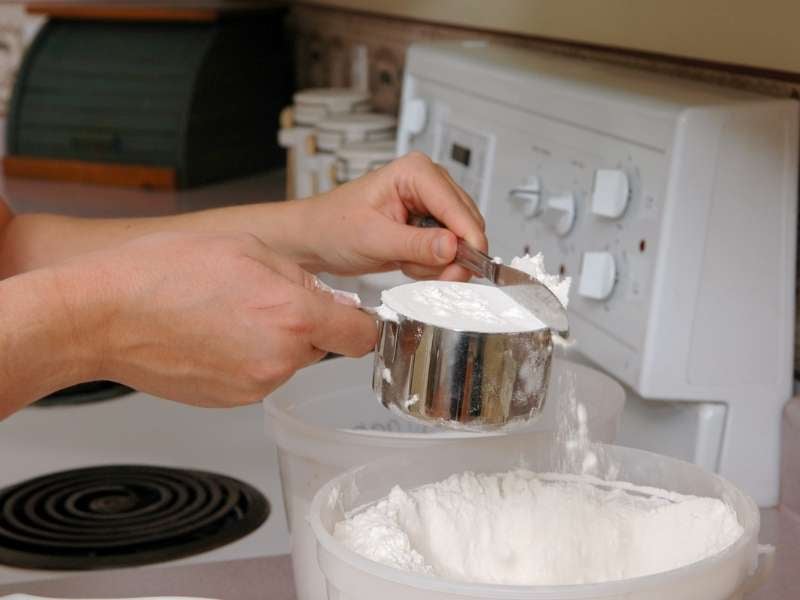
Extra flour creates dry, crumbly cookies. The dough feels stiff, spreads less, and often produces dense cookies instead of soft ones.
How to fix it
Use a spoon to fill your measuring cup instead of scooping directly. Then level the top with a flat knife.
A digital kitchen scale gives even better results. It removes the guesswork and keeps every batch consistent.
If measuring always confuses you, read Baking Measurements Conversion Chart (Cups, Grams, Ounces Explained) before your next baking session.
2. Using Butter at the Wrong Temperature
Butter affects almost every part of your cookies. Using butter that is too warm ranks among the most common cookie baking mistakes.
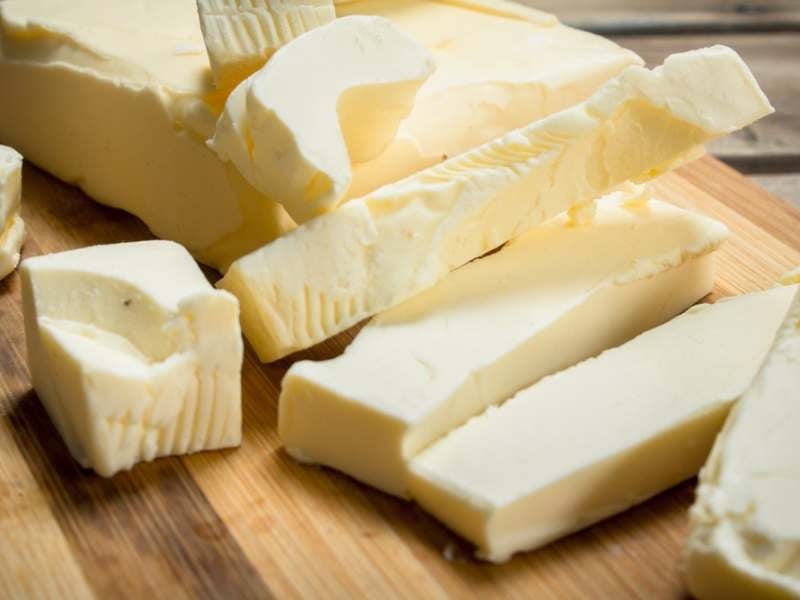
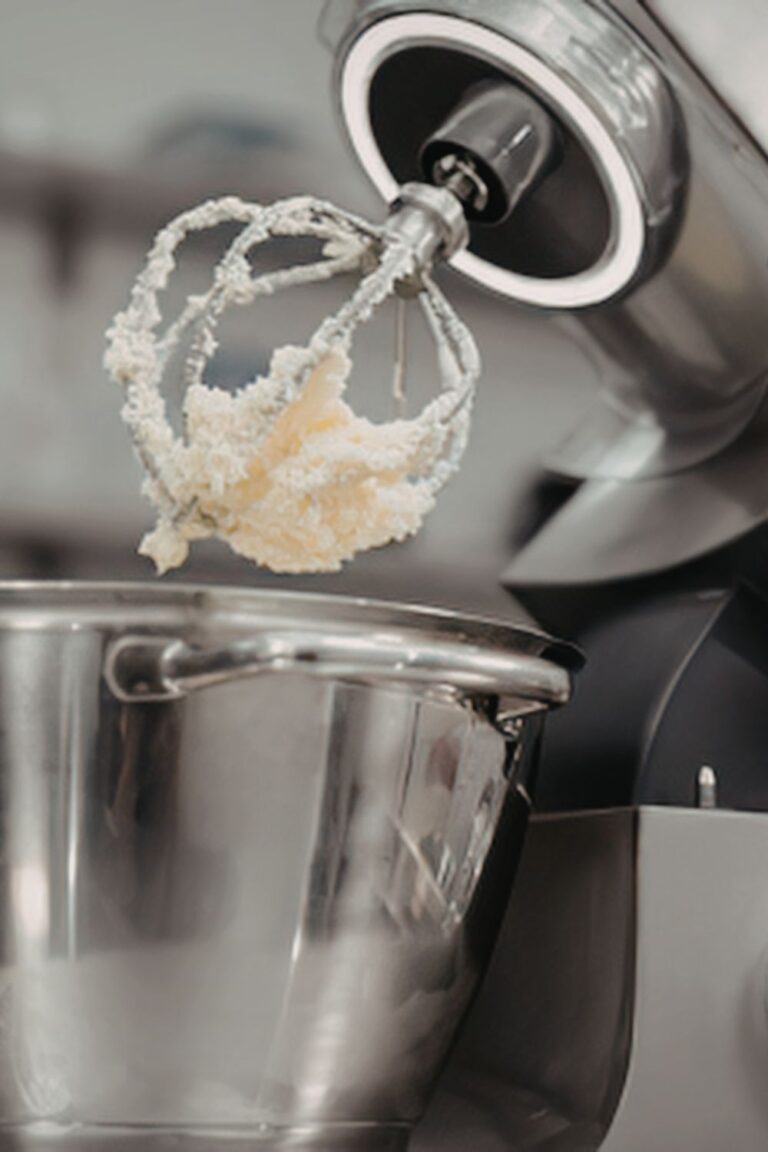
Soft butter should still feel cool. It should hold its shape when you press it gently.
Melted butter creates greasy dough that spreads quickly inside the oven. Cold butter causes uneven mixing and tough dough.
How to fix it
Leave refrigerated butter on the counter for about 30 to 60 minutes.
If you accidentally softened it too much, place it back inside the refrigerator for several minutes before mixing.
Understanding butter also helps you choose the right fat for each recipe. You can learn more in Butter vs Margarine in Baking: Does It Really Matter?
3. Forgetting to Preheat the Oven
Many people rush because they feel excited to bake. Unfortunately, placing cookies into a cold oven creates uneven results.
This simple mistake changes how butter melts and how the dough rises.
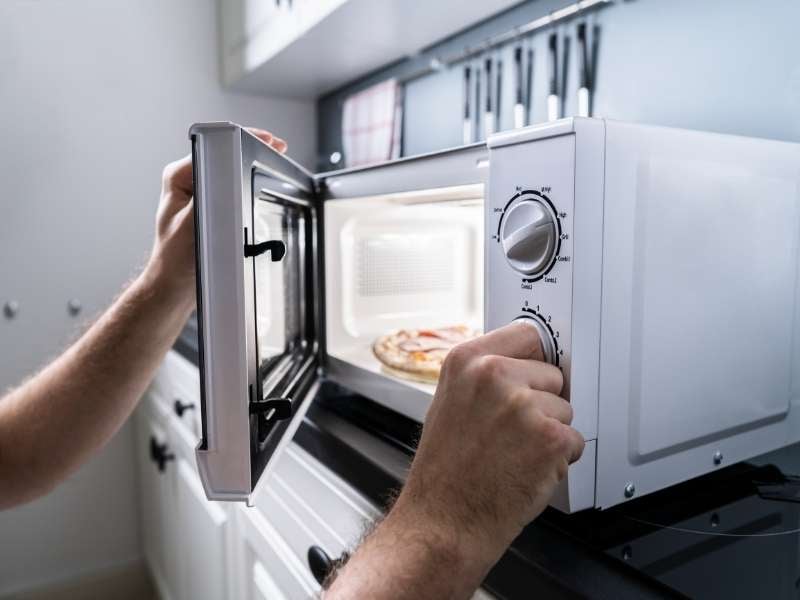
Some cookies spread too much before the oven reaches the correct temperature. Others bake unevenly with pale tops and dark bottoms.
How to fix it
Turn on your oven before mixing the dough.
Most ovens need at least 15 to 20 minutes to reach the correct temperature.
Use an oven thermometer if possible. Many home ovens run hotter or cooler than the display shows.
If baking temperatures still confuse you, read The Science of Baking Made Simple for Beginners to understand why heat changes every baked treat.
4. Overmixing the Dough
Overmixing sounds harmless, yet it causes another common group of cookie baking mistakes.
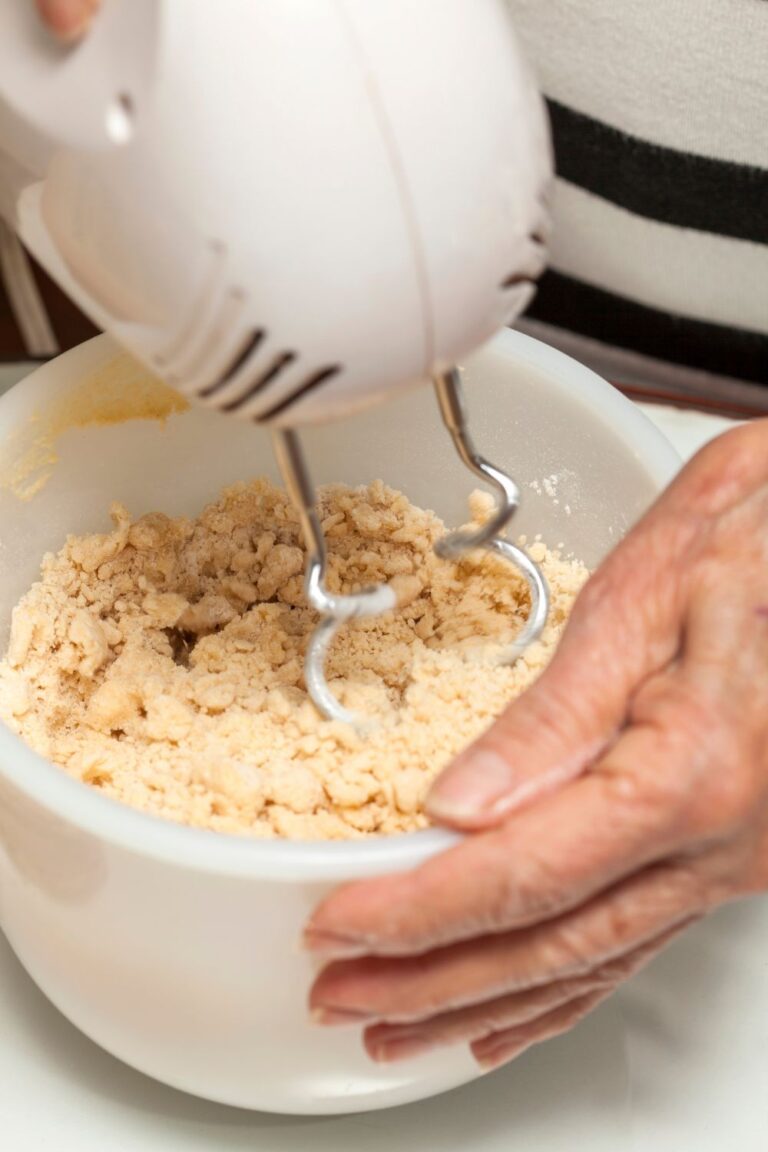
Too much mixing develops more gluten in the flour.
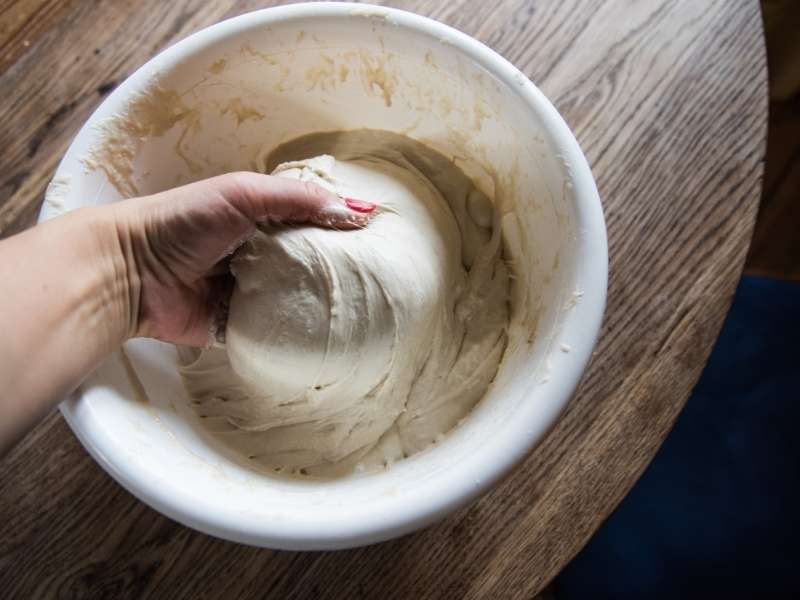
Instead of soft cookies, you often end up with cookies that feel chewy in the wrong way or become tough after cooling.
Chocolate chips and other mix-ins may also break apart if you continue mixing after the dough comes together.
How to fix it
Mix until the ingredients combine.
Stop once you no longer see dry flour.
Fold chocolate chips, nuts, or candies into the dough gently instead of beating them with the mixer.
If baking terms ever confuse you, visit Baking Terms Explained (Fold, Cream, Knead & More For Beginners) to understand exactly what each technique means.
5. Skipping the Dough Chilling Step
Many cookie recipes recommend chilling the dough.
People often ignore that instruction because they want cookies immediately.
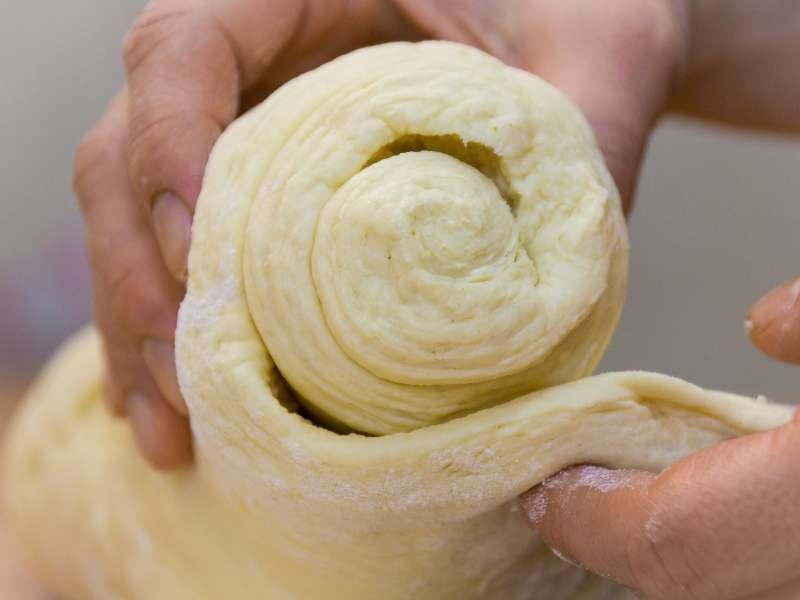
Unfortunately, skipping this step leads to several cookie baking mistakes, especially cookies that spread too much.
Cold dough melts more slowly.
That extra time allows the cookies to hold their shape while baking.
Chilling also gives the flour enough time to absorb moisture, creating richer flavor and better texture.
How to fix it
Follow the recipe carefully.
If the recipe recommends chilling for one hour, do not shorten the time.
For very soft dough, refrigerate it even longer.
While waiting, organize your baking supplies or read Essential Baking Tools Every Home Baker Needs (with Budget Options) to see which tools make baking much easier.
6. Using Old Baking Soda or Baking Powder
Leavening agents lose strength over time.
Many home bakers forget to check expiration dates, making this one of the easiest cookie baking mistakes to prevent.
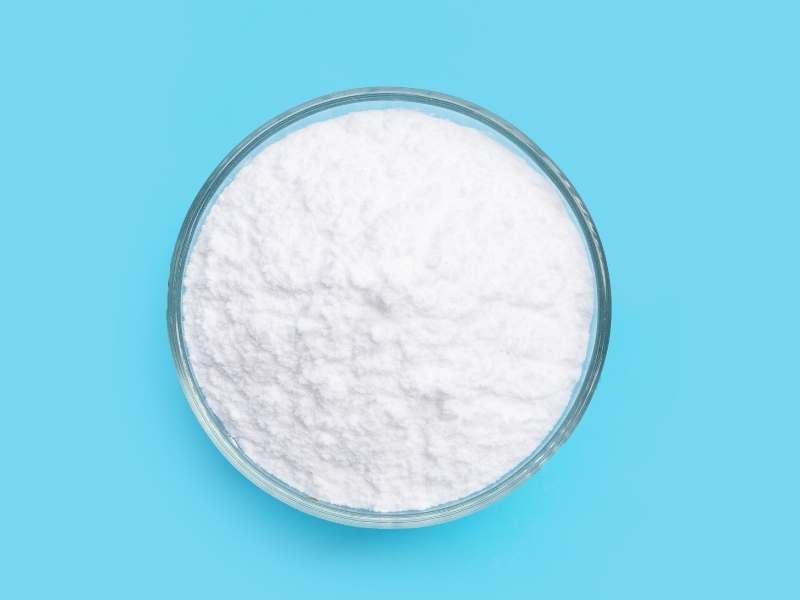
Weak baking soda or baking powder cannot produce enough lift.
Your cookies may stay flat, dense, or heavy even if you followed every other step correctly.
How to fix it
Replace baking soda and baking powder regularly.
Store both in airtight containers away from heat and moisture.
You can also test baking soda by mixing a small amount with vinegar. Fresh baking soda bubbles immediately.
Fresh baking powder should fizz quickly when mixed with hot water.
Understanding every ingredient makes baking much easier. You can also read Baking Ingredients Explained: What Every Ingredient Actually Does to learn how each ingredient affects your cookies.
7. Crowding Too Many Cookies on One Baking Sheet
It feels tempting to fit as many cookies as possible onto one tray. I have done it myself while my kids waited for snacks after school. Sadly, this creates another group of cookie baking mistakes that can ruin an entire batch.
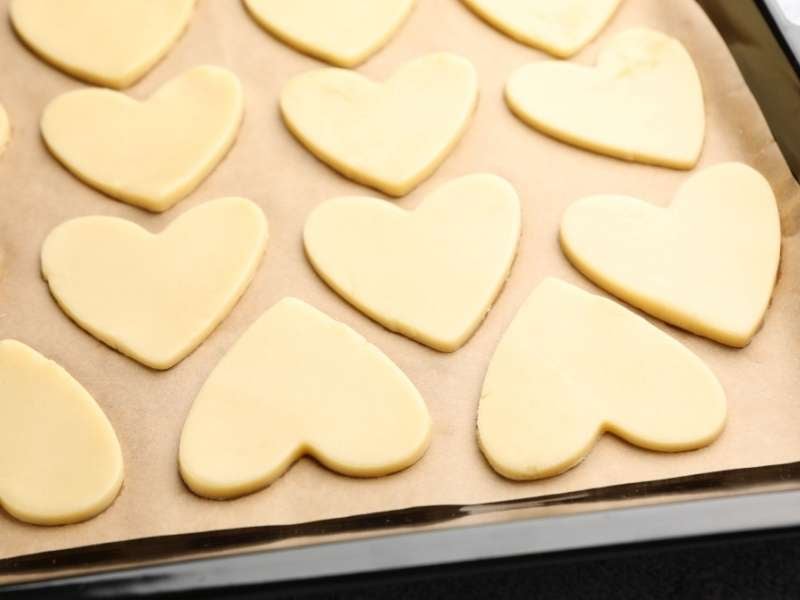
Cookie dough spreads as it bakes. If each scoop sits too close to the next one, the cookies run together and lose their shape.
Crowded cookies also bake unevenly. The centers may stay soft while the edges become overdone.
How to Fix It
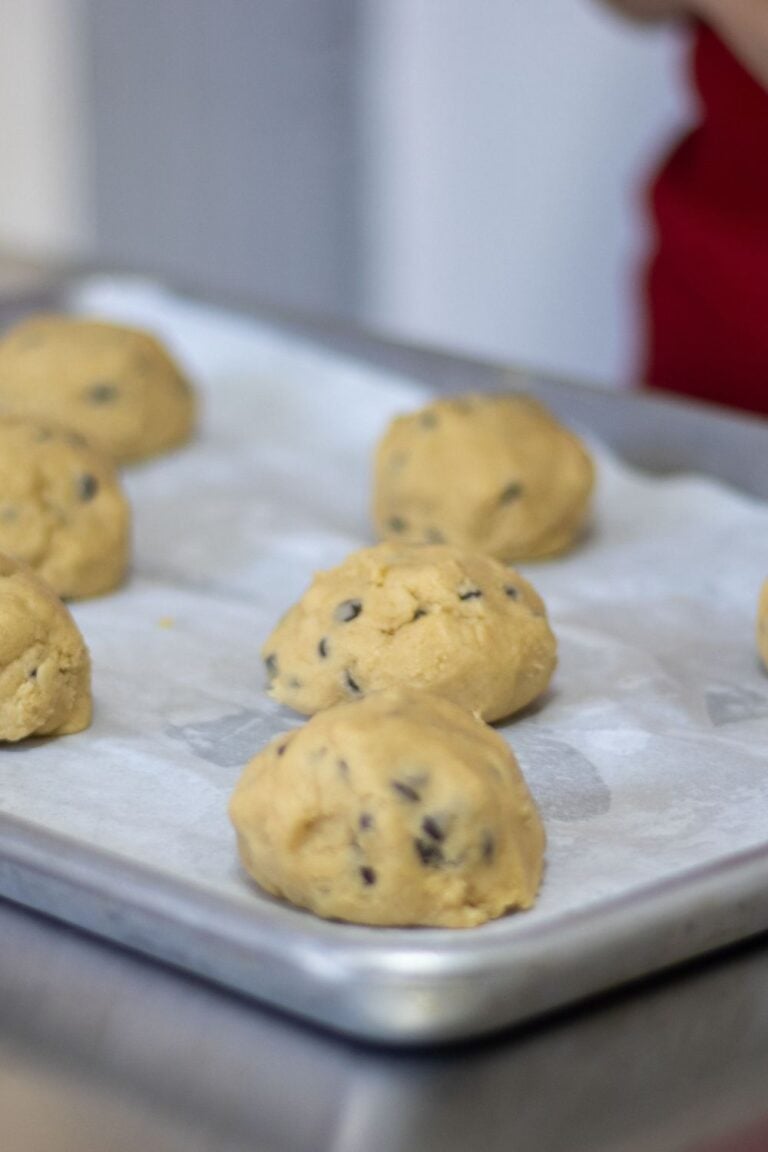
Leave at least 2 inches of space between each scoop of dough.
Bake in multiple batches instead of squeezing everything onto one tray.
A cookie scoop also helps you portion the dough evenly, so every cookie finishes baking at the same time.
If your baking area feels cramped, you may enjoy Baking Station Organisation Ideas That Will Transform Your Kitchen for simple ways to create a more efficient workspace.
8. Using the Wrong Baking Sheet
Many people overlook the baking sheet, yet it plays a huge role in baking success. Using the wrong pan causes more cookie baking mistakes than most beginners realize.
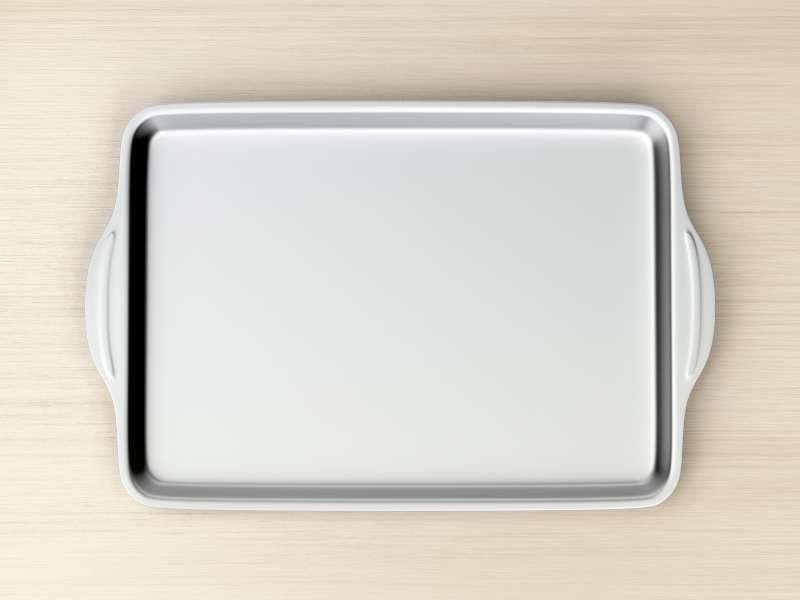
Dark baking sheets absorb more heat, which often creates darker bottoms before the centers finish baking.
Thin pans may warp inside the oven and bake cookies unevenly.
Old baking sheets with burnt residue also affect heat distribution.
How to Fix It
Choose a sturdy, light-colored aluminum baking sheet whenever possible.
Line it with parchment paper or a silicone baking mat for even baking and easy cleanup.
Avoid placing cookie dough directly on heavily greased trays unless the recipe recommends it.
Good tools make baking much easier. You can also explore Cute Baking Supplies You Didn’t Know You Needed for helpful additions to your kitchen.
9. Guessing Ingredient Amounts
Some people believe baking works like cooking. They add “a little more” flour or “just a splash” of vanilla.
Unfortunately, baking depends on accuracy. Guessing measurements leads to countless cookie baking mistakes because every ingredient affects the final texture.
Too much sugar creates excessive spreading.
Extra flour makes cookies dry.
Too much liquid changes the dough completely.
How to Fix It
Measure every ingredient carefully before mixing.
Read the recipe from beginning to end before you start.
Prepare everything ahead of time so you never rush through the process.
If you often skip preparation, How to Read a Baking Recipe Correctly Before You Start will help you build better baking habits.
10. Overbaking the Cookies
Many beginners wait until cookies look completely done before removing them from the oven.
That habit often creates dry, crunchy cookies instead of soft, chewy ones. It remains one of the easiest cookie baking mistakes to avoid.
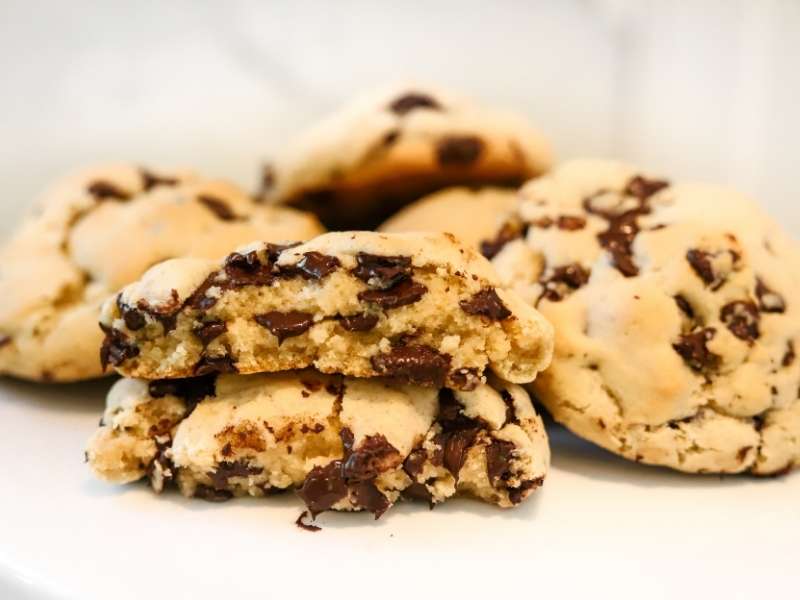
Cookies continue baking from the remaining heat after you remove them from the oven.
Waiting too long leaves little moisture inside.
How to Fix It
Take the cookies out when the edges look set but the centers still appear slightly soft.
Allow them to cool on the baking sheet for several minutes.
Then transfer them to a cooling rack.
Learning how baked goods continue cooking after leaving the oven improves every recipe you make.
11. Opening the Oven Door Too Often
Everyone wants to check on their cookies.
Still, opening the oven door every few minutes interrupts the baking process.
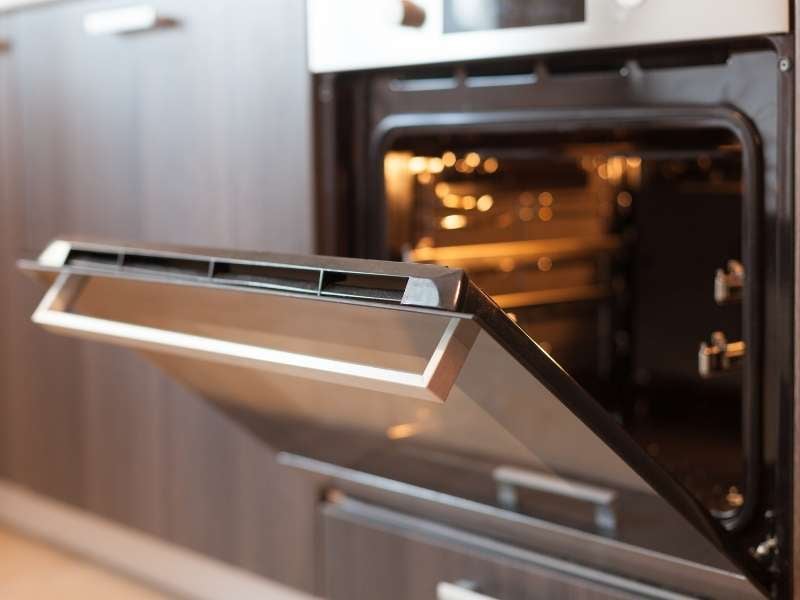
Each time you open the door, hot air escapes.
The oven temperature drops quickly, creating uneven baking and another common source of cookie baking mistakes.
How to Fix It
Use the oven light instead of opening the door.
Wait until the recommended baking time gets close before checking your cookies.
Trust your timer and avoid unnecessary peeking.
Understanding oven behavior becomes much easier after reading Understanding Baking Temperatures for Better Results if you have not already.
12. Ignoring Ingredient Quality
Fresh ingredients make better cookies.
Old flour, stale chocolate chips, or low-quality vanilla can affect both flavor and texture.
Many people focus only on the recipe while overlooking ingredient freshness. That leads to cookie baking mistakes that no baking technique can fix.
Every ingredient contributes something important.
Fresh ingredients always produce better results.
How to Fix It
Check expiration dates before baking.
Store baking ingredients properly after opening them.
Replace old ingredients instead of hoping they still work.
If you often wonder why different ingredients matter, read Types of Baking Flour and When to Use Them and The Different Types of Sugar Used in Baking Explained, Understanding each ingredient helps you bake consistently delicious cookies.
13. Taking Cookies Off the Tray Too Soon
Fresh cookies smell amazing, so it feels hard to leave them alone. I know the feeling because my kids always ask if they can grab one right away. Still, removing cookies too early causes another set of cookie baking mistakes.
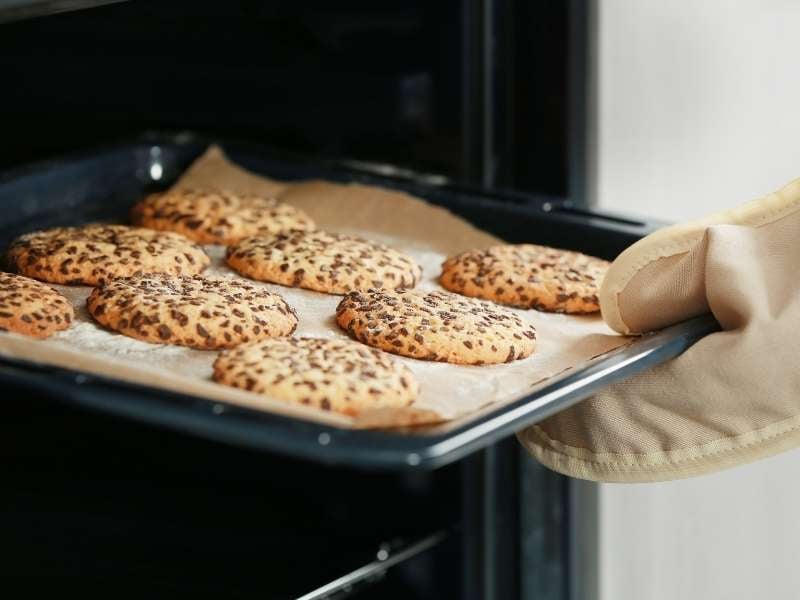
Fresh cookies stay very soft during the first few minutes after baking. They need time to finish setting.
Moving them too soon often causes them to break apart or lose their shape.
How to Fix It
Leave the cookies on the baking sheet for about 5 minutes.
Next, transfer them carefully to a wire cooling rack.
This simple step helps them firm up while staying soft inside.
14. Storing Cookies the Wrong Way
Even perfectly baked cookies can lose their texture if you store them incorrectly. Many cookie baking mistakes happen after the baking ends.

Leaving cookies uncovered dries them out quickly.
Mixing soft cookies with crisp cookies also changes their texture.
Warm cookies placed inside a container create moisture that makes them soggy.
How to Fix It
Let the cookies cool completely before storing them.
Use an airtight container to keep them fresh.
Separate different cookie varieties whenever possible.
If you want your baked treats to stay delicious longer, read How to Store Baked Goods to Keep Them Fresh Longer for more helpful storage tips.
15. Baking One Giant Batch Without Testing First
Excitement often makes us scoop every bit of dough onto baking sheets.
Unfortunately, this creates another common group of cookie baking mistakes.
Every oven behaves differently.

Small changes in ingredient brands or room temperature also affect the dough.
If something needs adjusting, an entire batch may turn out poorly.
How to Fix It
Bake one or two test cookies first.
Check how much they spread.
Taste them after they cool.
Adjust the dough if necessary before baking the remaining cookies.
That extra step saves both ingredients and time.
16. Forgetting to Rotate the Baking Sheet
Many home ovens have hot spots.
One side often bakes faster than the other.
Ignoring this difference leads to uneven browning and more cookie baking mistakes.
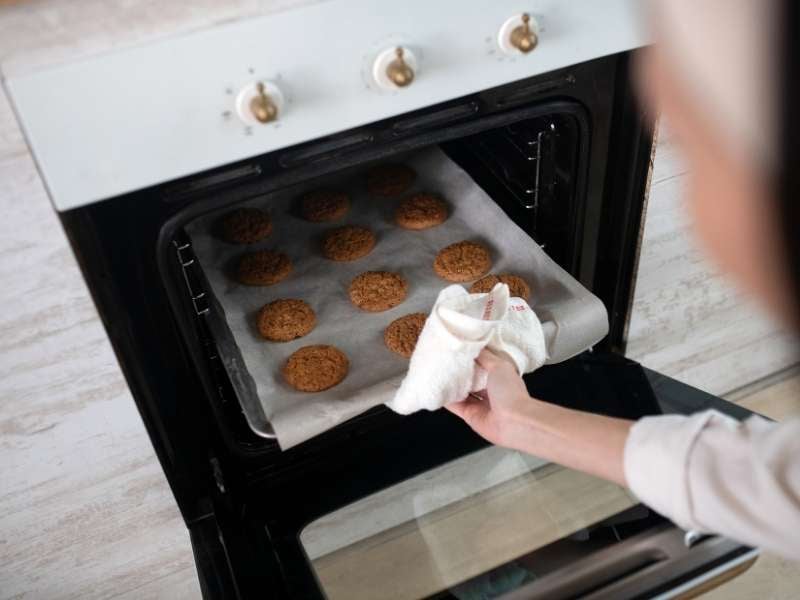
Some cookies become darker while others stay pale.
The finished batch looks inconsistent even though you used the same dough.
How to Fix It
Rotate the baking sheet halfway through baking.
Turn the pan 180 degrees instead of simply moving it to another rack.
Avoid rotating too early because opening the oven too soon can affect baking.
If baking still feels challenging, you may enjoy Baking Tips That Instantly Improve Your Results for even more practical advice.
17. Giving Up After One Bad Batch
Every baker makes mistakes.
I certainly have.
Some of my earliest cookie batches looked nothing like the pictures in the recipe book. Even now, I still learn something new from time to time.

One disappointing tray should never stop you from baking again.
The best bakers improve because they learn from every mistake.
That mindset helps you avoid future cookie baking mistakes and build confidence with every recipe.
How to Fix It
Take notes after each baking session.
Write down what worked well.
Record anything you want to change next time.
Those small observations quickly turn you into a better baker.
If you want to continue building your baking knowledge, these guides can help:
Final Thoughts
Learning to bake great cookies takes practice, patience, and a willingness to learn from every batch. Even experienced bakers still run into cookie baking mistakes, so do not feel discouraged if your cookies do not turn out perfectly every time. Every tray teaches you something valuable that helps you improve.
Most baking problems have simple solutions. Measuring ingredients carefully, using the right tools, paying attention to oven temperature, and following recipes closely all make a huge difference. Once you understand the causes of these cookie baking mistakes, you can fix them before they ruin your cookies.
The next time you pull a tray from the oven, remember that small details create big results. Keep experimenting, enjoy the process, and celebrate every improvement along the way. Before long, baking soft, chewy, crisp, or perfectly golden cookies will feel much easier, and your family will happily reach for seconds every single time.