23 Essential Cookie Baking Tools Every Home Baker Needs
Disclosure: Some of the links in this post are affiliate links. This means if you click on the link and purchase an item, I will receive an affiliate commission at no extra cost to you.
Great cookies start with more than a good recipe. The right tools can make measuring, mixing, shaping, baking, and decorating much easier.
A few dependable tools can also save time and reduce frustration in the kitchen. You do not need every gadget available, especially when you are just building your baking collection.
Start with practical basics that you will use often. A reliable mixing bowl, accurate measuring tools, sturdy baking sheets, a cookie scoop, and a cooling rack can handle most everyday cookie recipes.
As your skills grow, you can add specialized tools for decorating, shaping, and experimenting with different cookie styles. Your choices should match the types of cookies you actually enjoy making.
Good equipment also helps you work more consistently. When you use the same scoop, pan, and measuring method, you can compare batches and understand what changes affect your results.
If you are building your baking collection from scratch, Essential Baking Tools Every Home Baker Needs offers a useful starting point.
The best cookie tools do not need to look fancy or cost a fortune. Choose pieces that feel comfortable, perform reliably, and make baking more enjoyable.
With the right essentials within reach, you can spend less time struggling with preparation and more time creating cookies you genuinely love.
23 Essential Cookie Baking Tools Every Home Baker Needs
1. Digital Kitchen Scale
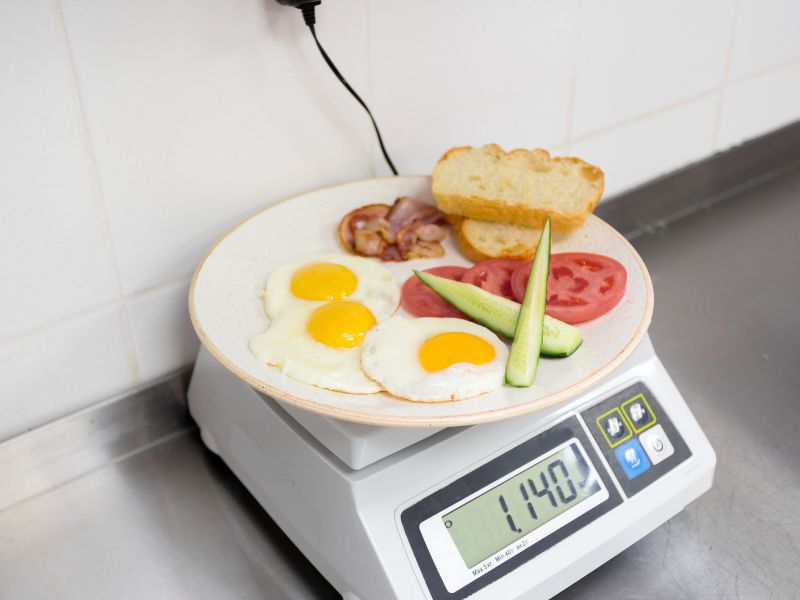
A digital kitchen scale is one of the most useful tools for serious cookie baking. It helps you measure ingredients accurately and repeat successful recipes with greater consistency.
Flour especially benefits from accurate weighing because cups can hold different amounts depending on how you fill them. A scale removes much of that guesswork from your preparation.
Choose a model with a clear display and a tare function. The tare button lets you reset the weight after placing another ingredient in the same bowl.
You do not need an expensive model to get reliable results. Look for a simple scale that measures grams and ounces.
If you are still learning measurement basics, keep this Baking Measurements Conversion Chart nearby for quick reference.
2. Large Mixing Bowls
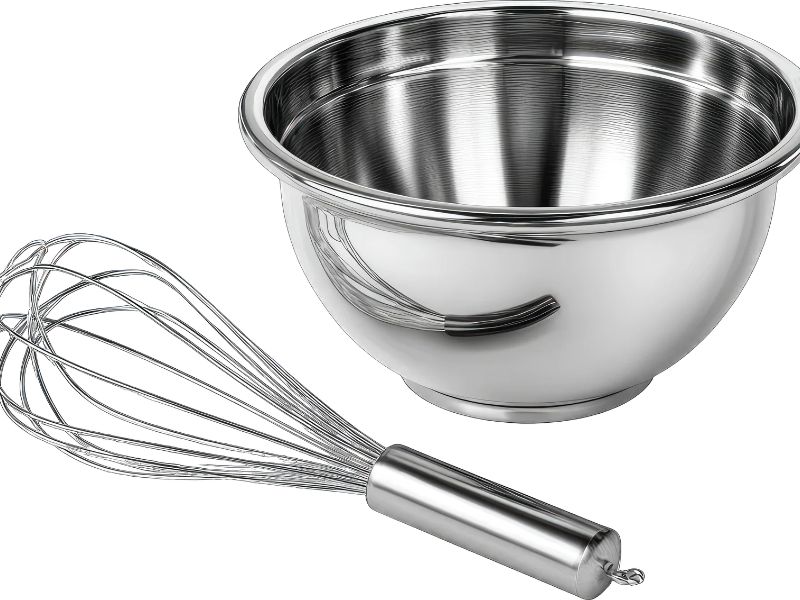
Every cookie baker needs dependable mixing bowls. Choose bowls that give you enough room to combine ingredients without sending flour across your countertop.
A set with different sizes gives you more flexibility. Use a smaller bowl for dry ingredients and a larger one for the main dough.
Stainless steel, glass, and sturdy plastic can all work well. Your choice mainly depends on your preferences and the recipes you make most often.
Look for bowls with stable bases. A bowl that slides around while you mix can quickly become frustrating.
You can also choose nesting bowls to save cabinet space. That option works especially well in smaller kitchens.
3. Measuring Cups
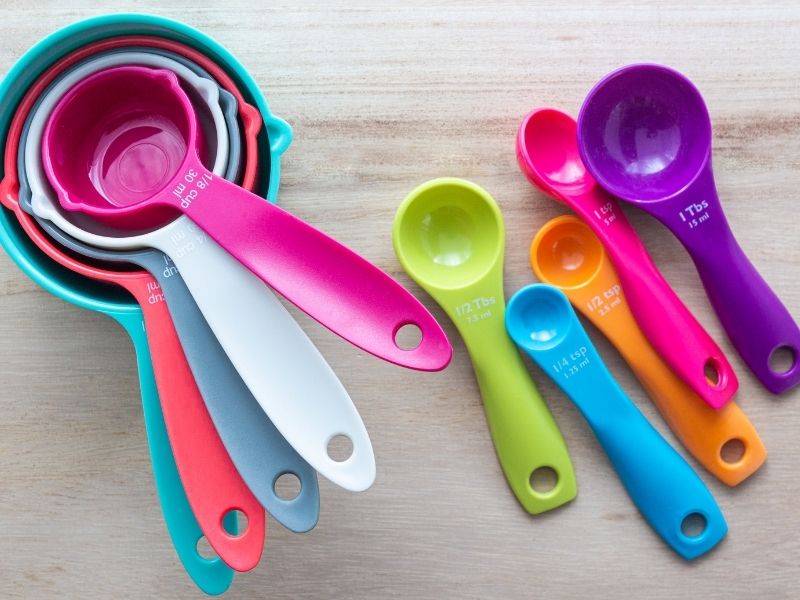
Measuring cups remain useful for ingredients that recipes list by volume. Keep both dry measuring cups and liquid measuring cups in your baking collection.
Dry measuring cups work well for flour, sugar, oats, and other solid ingredients. Liquid measuring cups make it easier to measure milk, cream, oil, and other fluids.
Use the correct type whenever possible. The different designs help you measure ingredients more accurately.
For ingredients such as flour, avoid packing the cup unless the recipe specifically tells you to do so.
4. Measuring Spoons
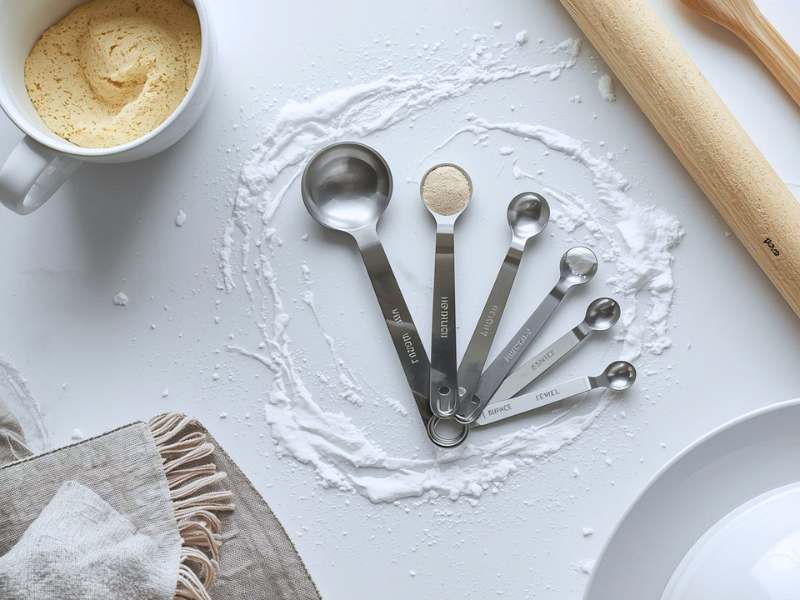
Small amounts of baking soda, baking powder, salt, vanilla, and spices require accurate measuring spoons.
A complete set should include common sizes such as a tablespoon, teaspoon, half teaspoon, and quarter teaspoon.
Choose spoons with clear measurements that will not disappear after repeated washing.
Metal spoons usually last for years and resist staining. Some sets also connect with a ring, which keeps them together in your drawer.
5. Silicone Spatula
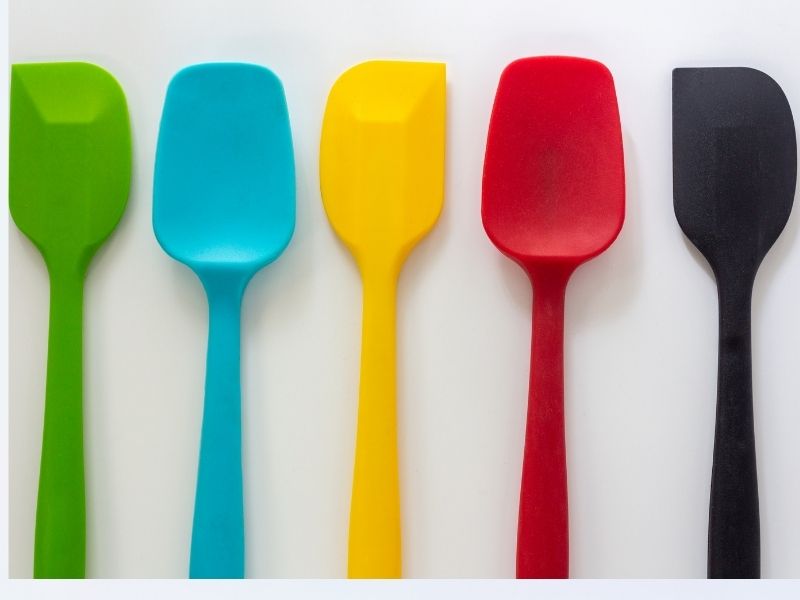
A silicone spatula helps you scrape every bit of dough from your mixing bowl. It also works well for folding ingredients and combining mixtures gently.
Choose a heat-resistant spatula with a sturdy handle. Flexible silicone should reach the curved edges of your bowl without bending excessively.
Keep at least two spatulas if you bake frequently. One can handle general mixing while another stays available for sticky ingredients.
A spatula also helps you avoid unnecessary waste. You can scrape the bowl clean instead of leaving valuable dough behind.
If you want to understand techniques such as folding and creaming, explore Baking Terms Explained.
6. Electric Hand Mixer
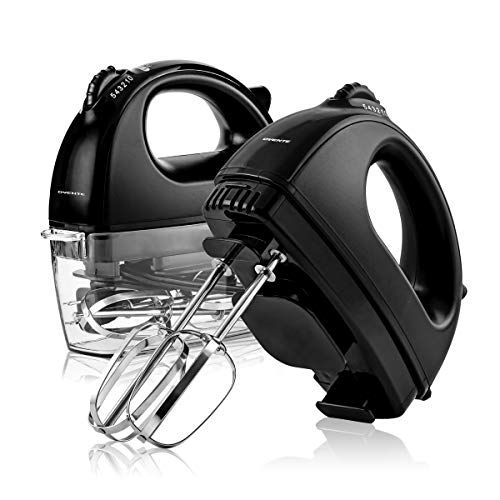
A hand mixer can make cookie preparation much faster. It works particularly well when recipes require you to cream butter and sugar.
Choose a model with several speed settings. Lower speeds help you combine ingredients without creating a cloud of flour.
Higher speeds can help with creaming butter and sugar or mixing thicker doughs.
You do not necessarily need a stand mixer for everyday cookies. A hand mixer can handle many recipes while taking up less storage space.
7. Stand Mixer
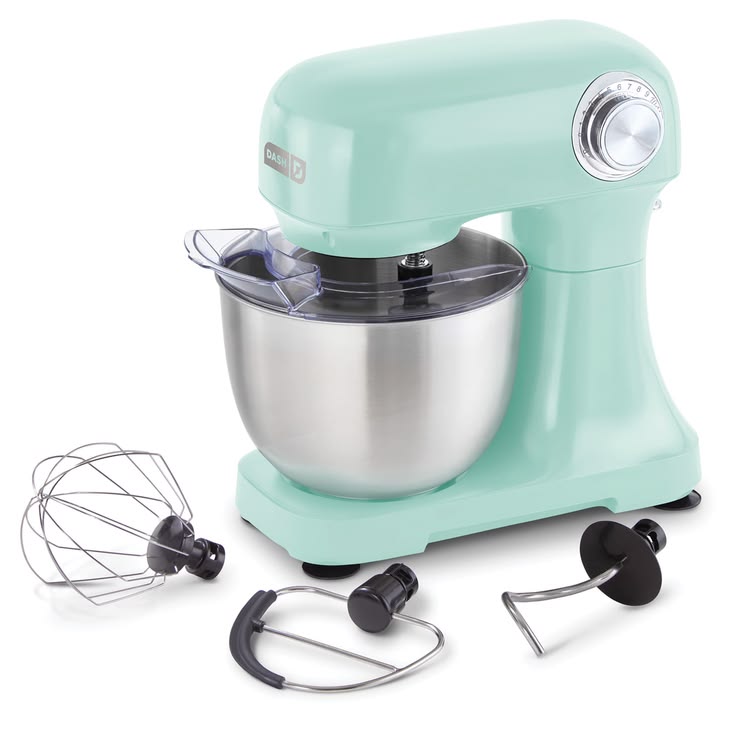
A stand mixer makes sense for bakers who make large batches regularly. Its hands-free operation lets you prepare other ingredients while the mixer works.
Choose a bowl size that matches the quantities you normally bake. An oversized mixer can take up unnecessary counter space.
Look for useful attachments such as a paddle, whisk, and dough hook. The paddle attachment will handle most cookie dough recipes.
A stand mixer also becomes valuable when you start experimenting with breads and other baked goods.
8. Cookie Scoop
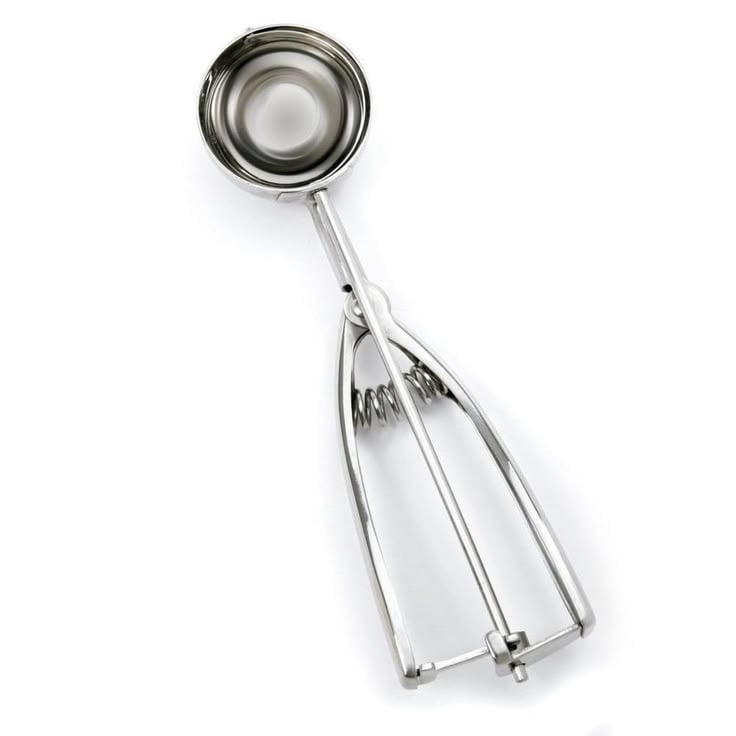
A cookie scoop helps you create cookies with consistent sizes. Consistent portions help cookies bake at similar rates.
You can choose a scoop based on your preferred cookie size. Smaller scoops work well for bite-sized cookies, while larger ones create bakery-style portions.
A scoop also speeds up the shaping process. Instead of estimating each portion by hand, you can create similar balls quickly.
Keep your scoop clean and lightly grease it when working with particularly sticky dough.
9. Baking Sheets
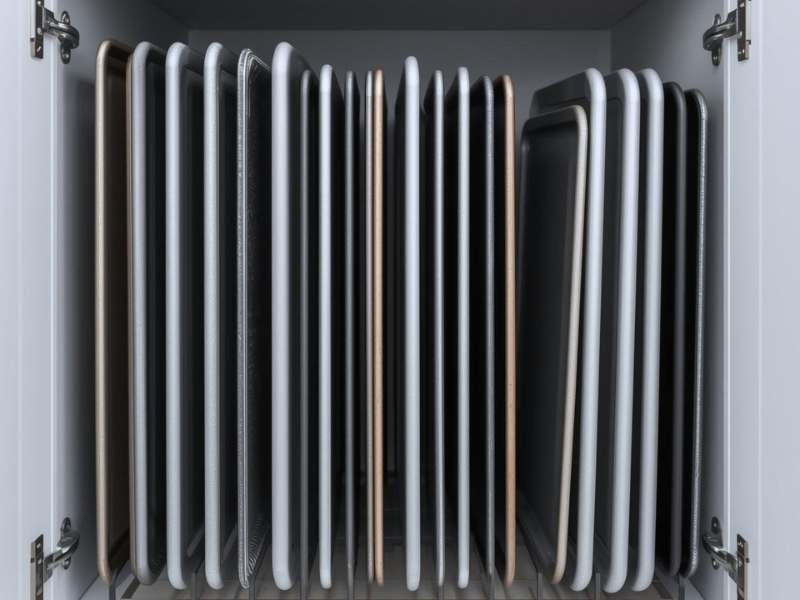
Quality baking sheets deserve a permanent place in your kitchen. Choose sturdy pans that resist warping under heat.
Light-colored aluminum sheets often work well for cookies because they promote more even browning.
Keep several sheets if you bake large batches. Multiple pans allow you to prepare the next batch while another tray sits in the oven.
Avoid overcrowding your baking sheet. Cookies need enough room to spread without touching each other.
For more essential equipment ideas, explore Essential Baking Tools Every Home Baker Needs.
10. Parchment Paper
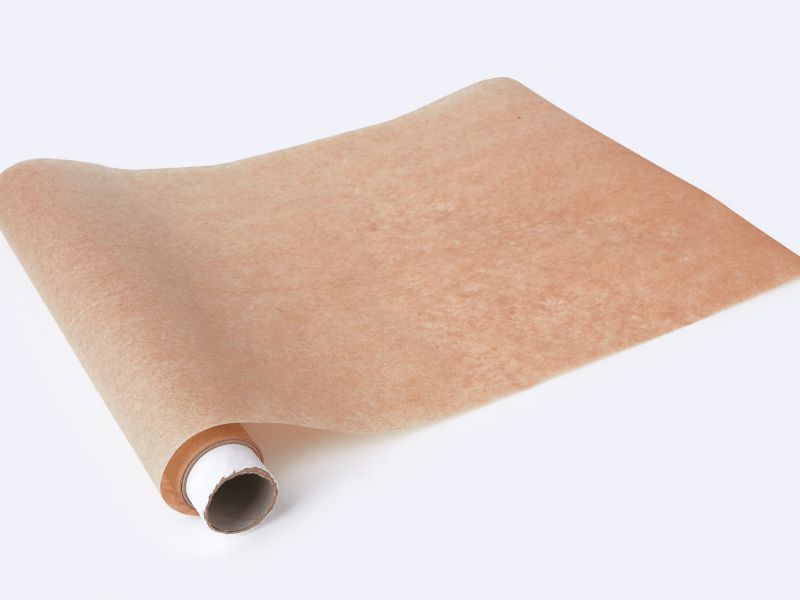
Parchment paper makes cookie baking easier and cleanup much faster. It creates a useful barrier between the dough and the baking sheet.
Cookies can release more easily from the pan when you use parchment. The paper also helps reduce stubborn baked-on residue.
Cut sheets to fit your pans before you begin. You can also purchase pre-cut sheets for convenience.
Avoid using wax paper as a direct substitute inside a hot oven. The two products serve different purposes.
11. Silicone Baking Mats
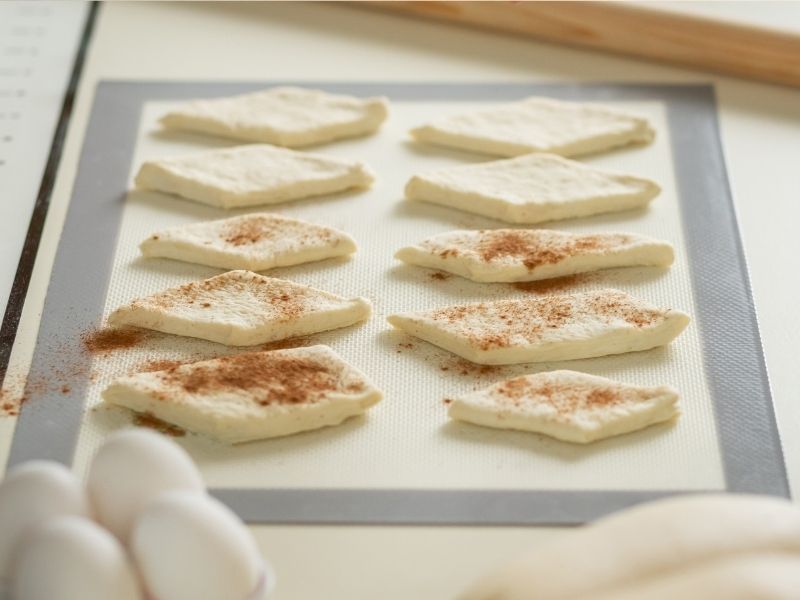
Reusable silicone baking mats offer another option for lining cookie sheets. They provide a nonstick surface and reduce your reliance on disposable parchment.
Choose a mat that fits your baking sheet properly. A mat that curls or extends beyond the pan can become inconvenient.
Silicone mats also make cleanup simple. Let the mat cool before washing it with warm soapy water.
You can keep both parchment and silicone mats in your kitchen. Different recipes may work better with one option than the other.
12. Cooling Racks
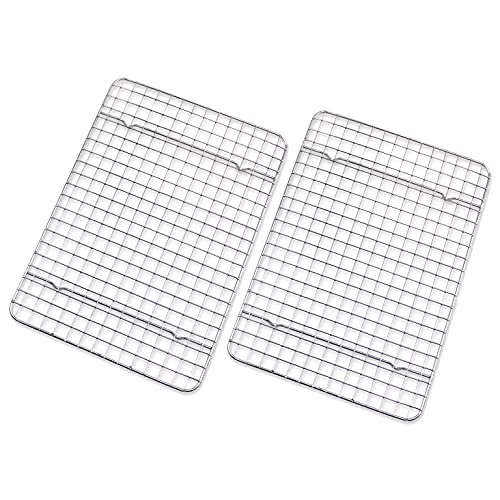
Cookies continue changing after you remove them from the oven. A cooling rack allows air to circulate around the cookies as they cool.
Place cookies on the rack after they have firmed enough to move. This prevents trapped heat from making their bottoms soggy.
Choose a rack that fits your available counter space. Stackable racks can provide more cooling space when you bake several batches.
A sturdy cooling rack also helps when you decorate cookies later.
13. Rolling Pin
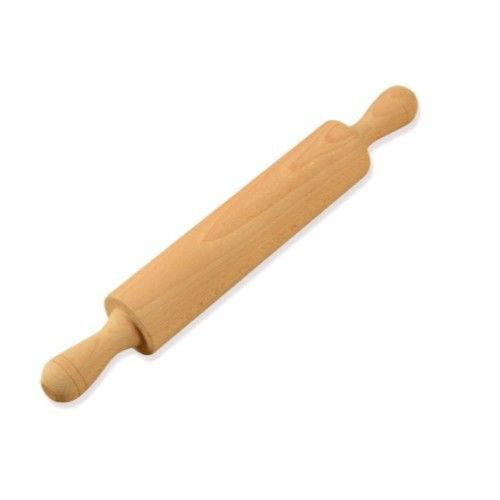
A rolling pin becomes essential when you make cut-out cookies. It helps you create an even sheet of dough before cutting shapes.
Choose a comfortable handle style that gives you good control. A simple wooden rolling pin can work beautifully without complicated features.
You can also use thickness guides to create evenly rolled dough. Consistent thickness helps your cookies bake more evenly.
Dust the work surface lightly when necessary. Too much flour can make the finished cookies dry or tough.
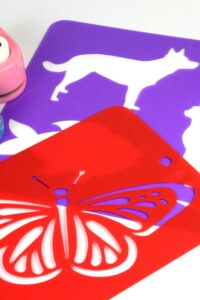
14. Cookie Cutters
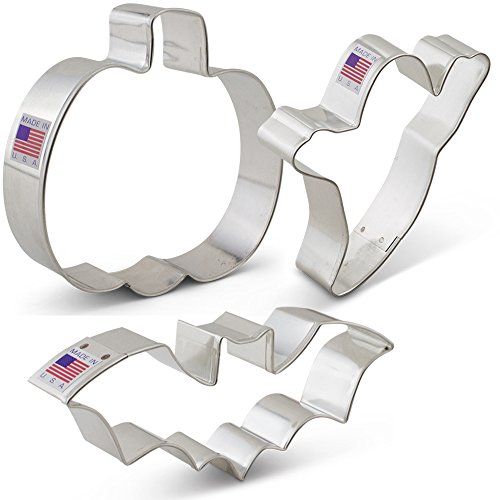
Cookie cutters let you create different shapes for holidays, birthdays, parties, and everyday baking.
Start with a few versatile shapes rather than buying a huge collection. Circles, stars, hearts, flowers, and seasonal shapes can cover many occasions.
Choose cutters with sharp enough edges to cut cleanly through the dough. Wash them thoroughly after each use.
If you enjoy holiday baking, you can find more inspiration in 15 Best Cookie Decorating Ideas for Every Holiday.
15. Bench Scraper
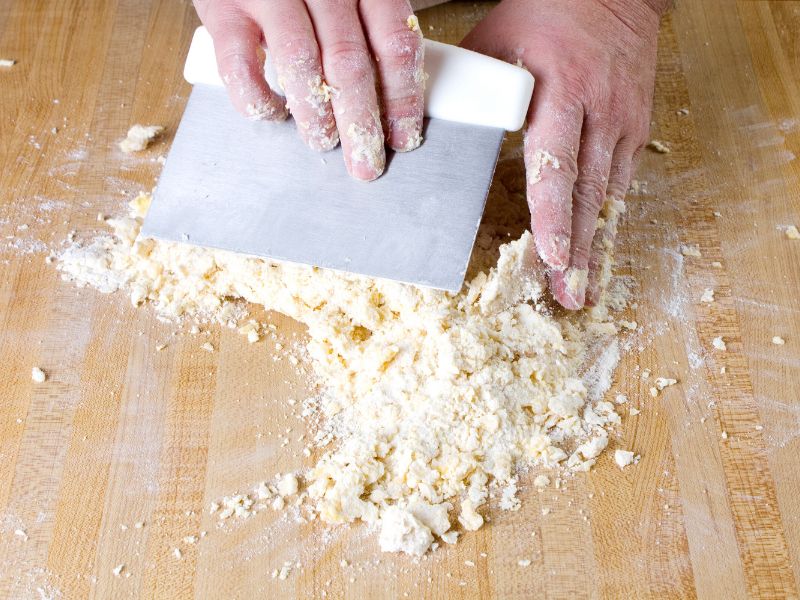
A bench scraper might not seem essential at first, but it can become incredibly useful.
Use it to divide dough, lift sticky pieces from your work surface, and clean flour or dough from countertops.
A metal scraper works well for sturdy doughs. Plastic versions can provide a gentler option for delicate surfaces.
You can also use the scraper to portion dough before shaping cookies.
16. Rolling Mat
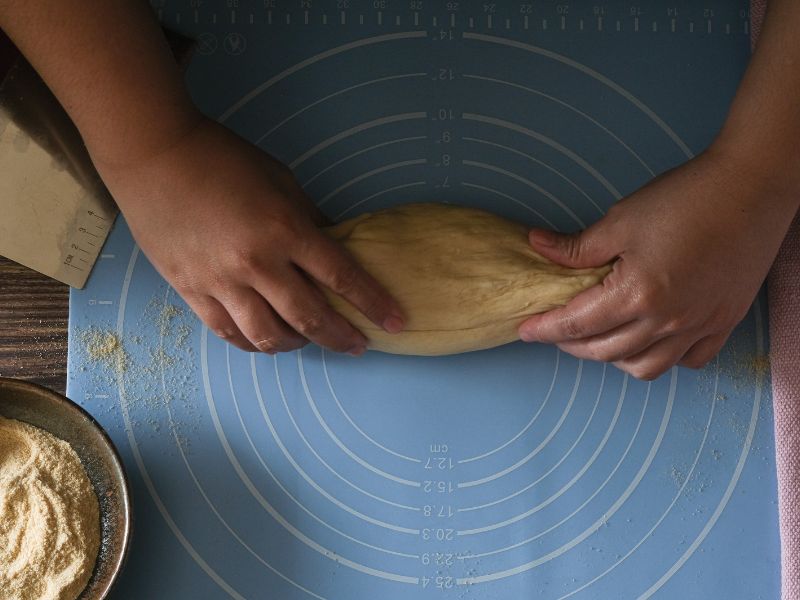
A rolling mat gives you a dedicated surface for working with cookie dough. Many mats include measurements that help you roll dough more evenly.
Choose a mat with a non-slip backing if possible. A stable surface makes rolling much easier.
Clean the mat thoroughly after each use. Dry it completely before storing it.
A rolling mat can also protect your countertop from excess flour and sticky dough.
17. Pastry Brush
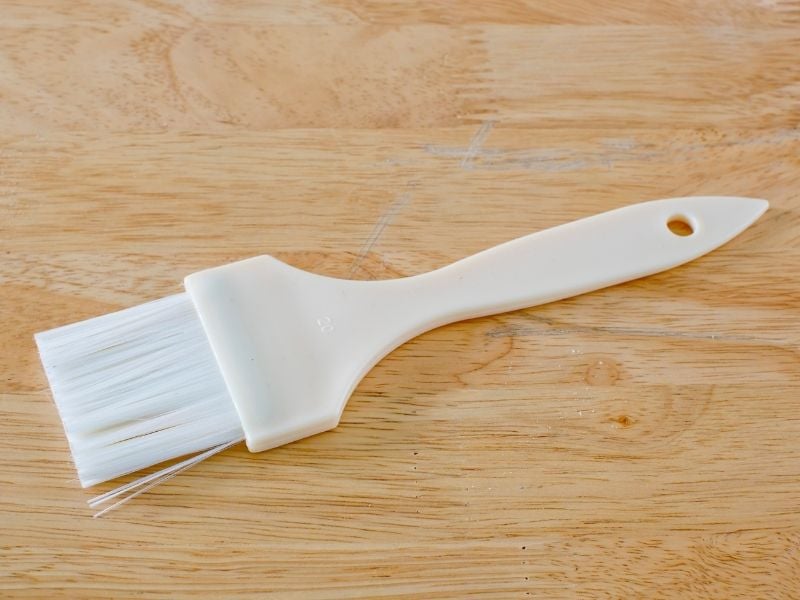
A pastry brush helps with glazes, egg washes, melted butter, and other finishes.
Choose a silicone brush if you want something easy to clean. Natural-bristle brushes can also work well when you prefer traditional baking tools.
Keep the brush separate from strong-flavored ingredients. This helps prevent unwanted flavors from transferring between recipes.
A pastry brush can also help you apply thin layers of melted chocolate or butter.
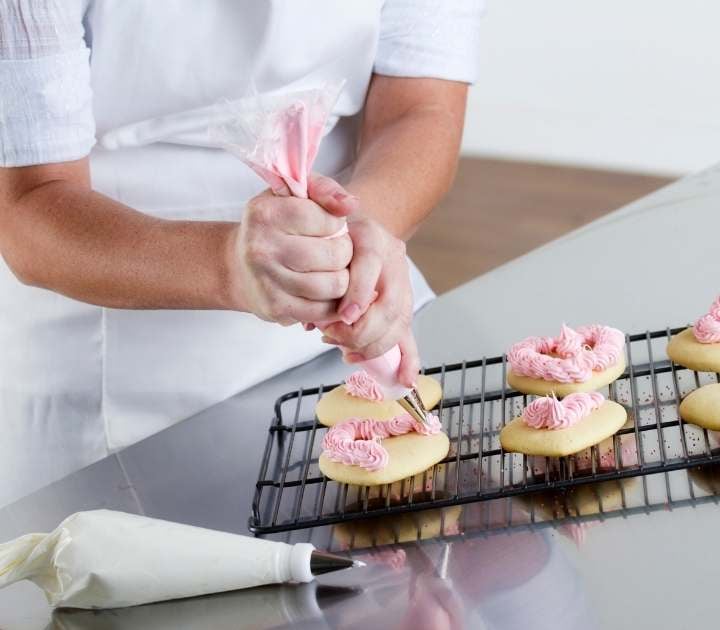
18. Piping Bags
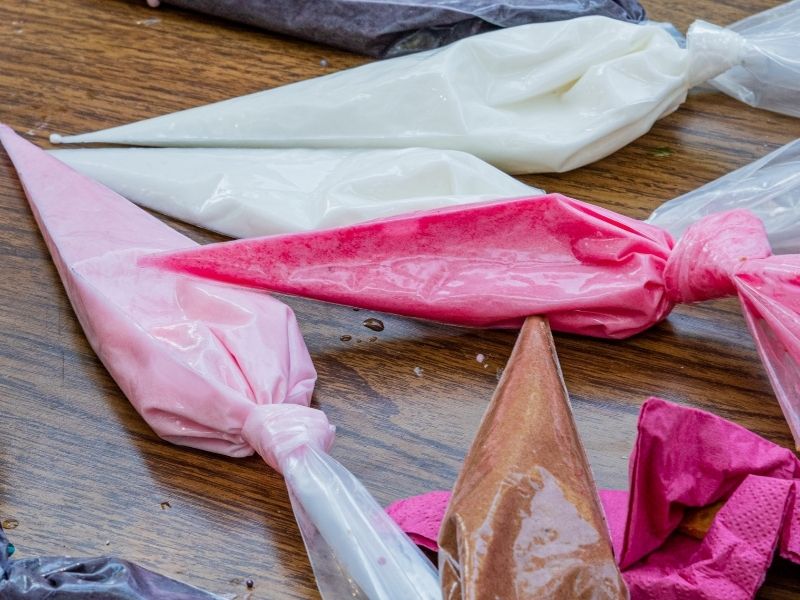
Piping bags become useful when you move from simple cookies into detailed decoration.
You can use them for royal icing, buttercream, chocolate, and other decorating mixtures.
Disposable bags offer convenience, while reusable bags create less waste.
Choose different sizes based on your decorating needs. Smaller bags give you better control over fine details.
You can also keep several bags prepared when decorating large batches.
19. Piping Tips
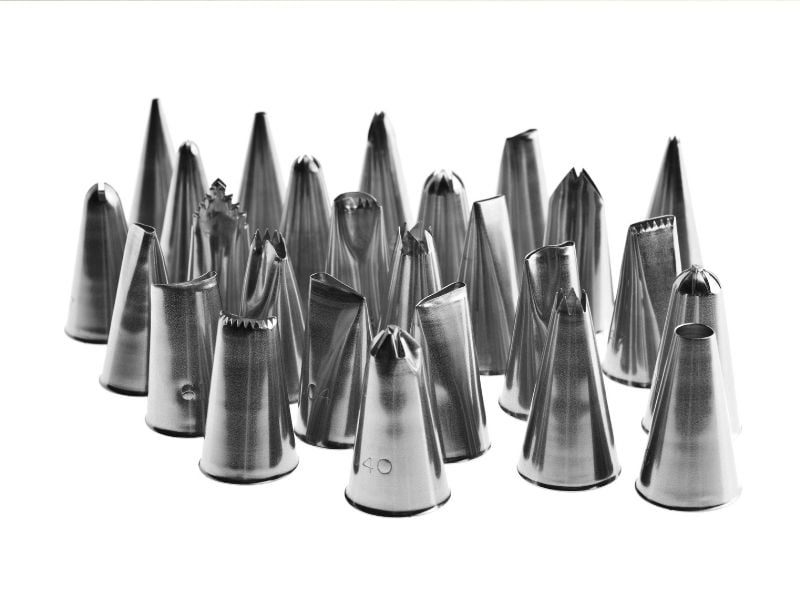
Piping tips help you control the shape and size of icing decorations.
Round tips work well for writing and outlines. Star tips can create textured borders and simple decorative shapes.
You do not need dozens of tips when you start. A small collection of versatile sizes can handle many designs.
Store tips together in a small container so they remain easy to find.
If you want to explore more decorating possibilities, take a look at 23 Beautiful Pastry Decorating Ideas.
20. Cookie Spatula
A thin cookie spatula makes transferring delicate cookies much easier. Its narrow edge can slide underneath cookies without breaking them.
Look for a spatula with a comfortable handle and a thin metal or heat-resistant surface.
Use it carefully when cookies still feel soft. Let them firm slightly on the baking sheet before moving them.
This tool also works well for brownies, bars, and other delicate baked treats.
21. Oven Thermometer
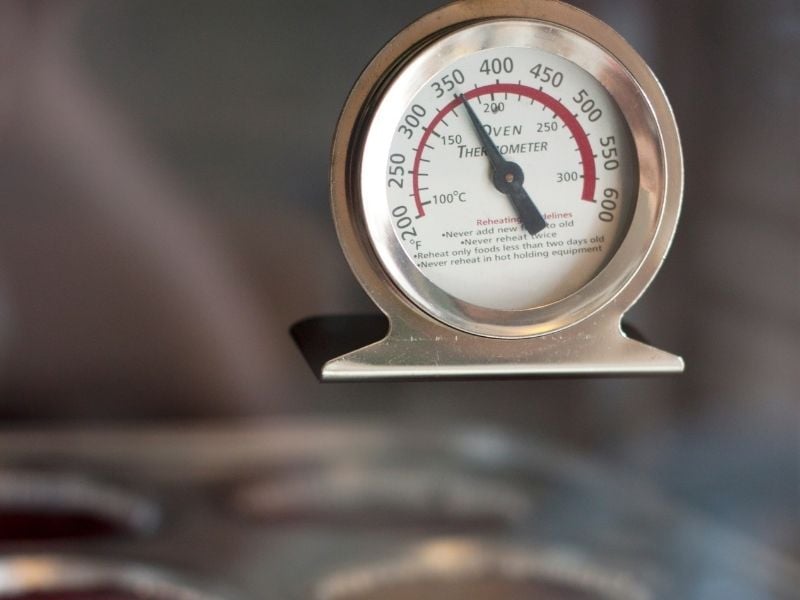
Your oven may not always maintain the temperature displayed on its control panel. An oven thermometer can help you understand what actually happens inside.
Place the thermometer inside the oven and compare its reading with your selected temperature.
Record noticeable differences in your baking journal. You may discover that your oven runs hotter or cooler than expected.
Temperature accuracy can make a major difference in cookie texture and spread. For a deeper explanation, explore Understanding Baking Temperatures for Better Results.
22. Airtight Storage Containers
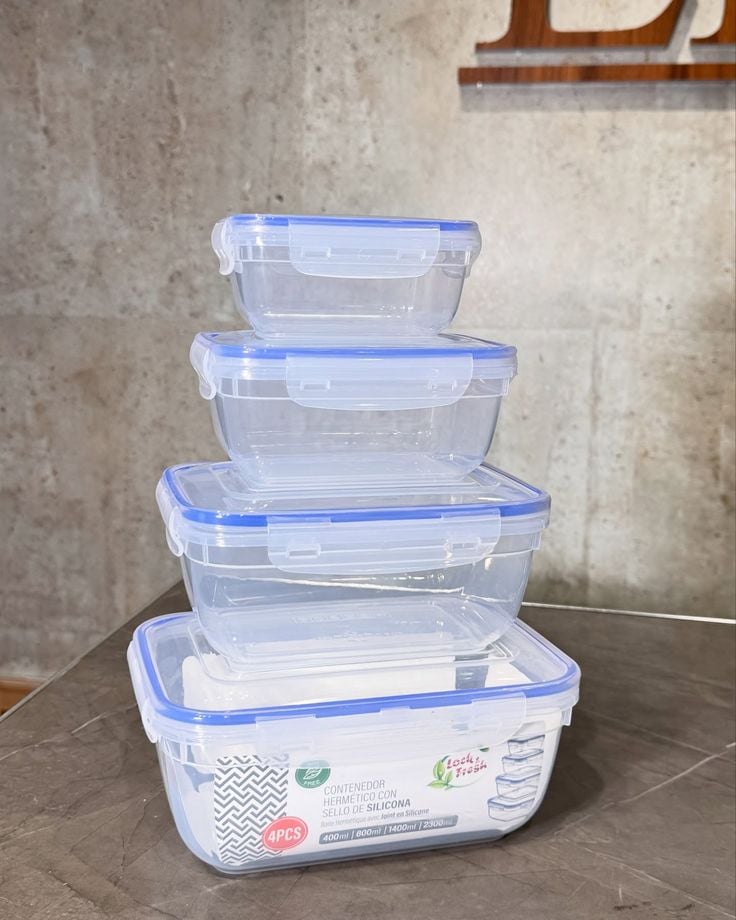
Freshly baked cookies need proper storage to maintain their texture. Airtight containers can help protect them from moisture and stale air.
Choose containers that fit the quantity you normally bake. Excessive empty space can allow cookies to lose freshness faster.
Keep different cookie textures separate when possible. Soft cookies and crisp cookies can affect each other when stored together.
Label containers with the baking date when you prepare several batches. That habit makes freshness easier to monitor.
For more storage guidance, read How to Store Baked Goods to Keep Them Fresh Longer.
23. Cookie Decorating Turntable
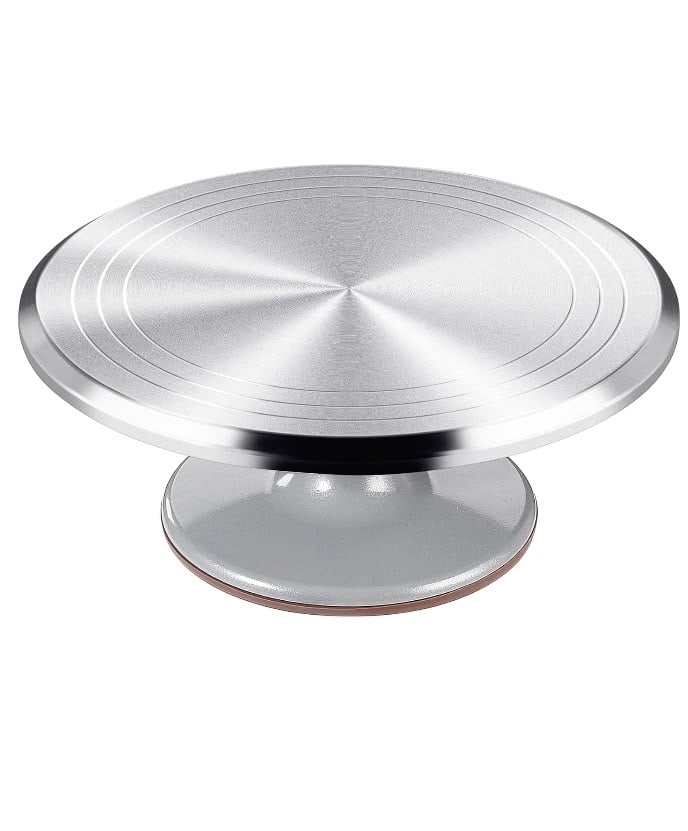
A small decorating turntable can make detailed cookie work easier. It lets you rotate your work instead of constantly moving your hands around the cookie.
This tool becomes especially useful when you pipe borders, add intricate patterns, or work with multiple layers of decoration.
Choose a compact model if you have limited counter space. You can store it away when you finish decorating.
Beginners do not need an elaborate decorating setup. A simple turntable can provide enough movement and control for everyday projects.
How to Choose the Right Cookie Tools
You do not need to purchase all 23 tools immediately. Start with the pieces that support the recipes you make most often.
A beginner might prioritize mixing bowls, measuring tools, baking sheets, parchment, a spatula, a cooling rack, and a cookie scoop.
Someone who loves decorated sugar cookies will need additional equipment. Rolling pins, cookie cutters, piping bags, and decorating tips become more important in that case.
Consider your available storage before buying larger equipment. Your baking tools should make your kitchen easier to use rather than create another source of clutter.
You can also improve your workspace with practical Baking Station Organisation Ideas.
Which Cookie Tools Should Beginners Buy First?
Beginners should focus on tools that serve several purposes. A good digital scale can support many recipes, while sturdy mixing bowls work for almost every baking project.
Baking sheets also deserve early attention because you will use them constantly. Add parchment paper, measuring spoons, a silicone spatula, and a cooling rack to complete the basic setup.
A cookie scoop makes sense once you start baking drop cookies regularly. Add a rolling pin and cutters when you begin making shaped cookies.
Do not feel pressured to buy specialized decorating equipment immediately. Build your collection according to your interests and baking frequency.
If you want more guidance while learning, Easy Baking Skills Every Home Baker Should Master First can help you focus on useful fundamentals.
How to Keep Cookie Baking Tools Organized
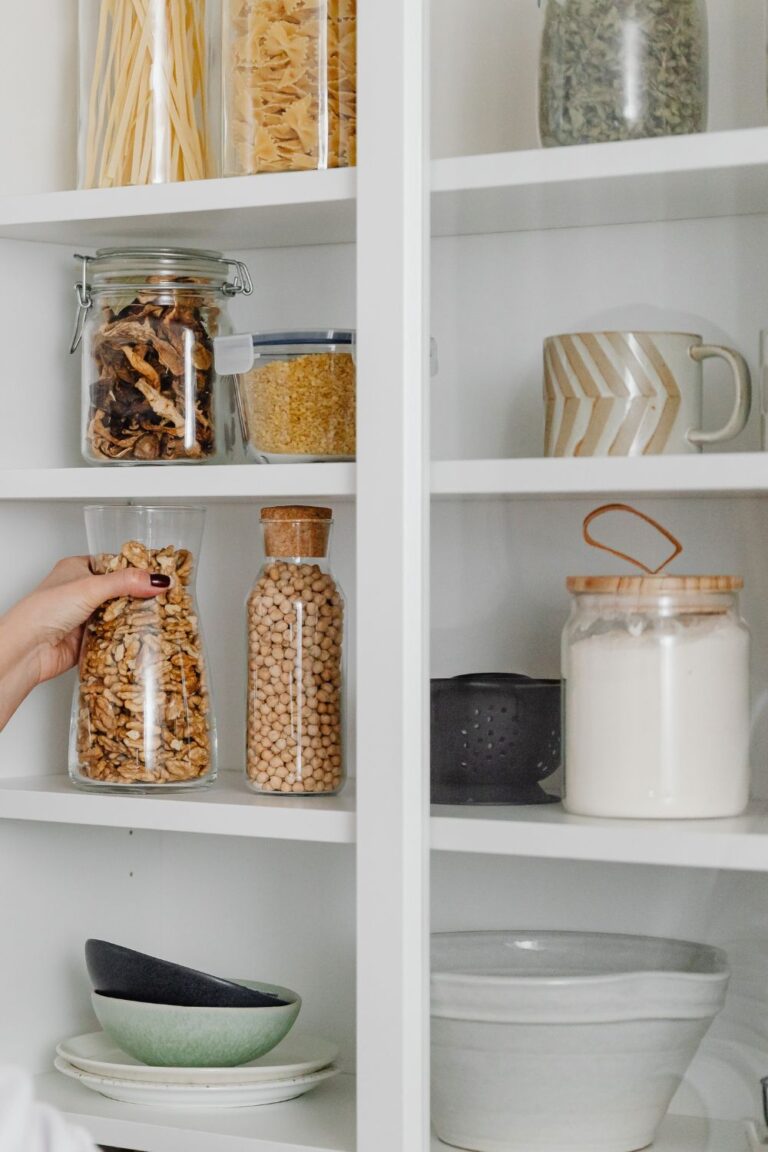
Organization makes baking much more enjoyable. You should be able to find your most-used tools without searching through crowded drawers.
Keep measuring tools together in one container. Store decorating tips, cutters, and piping supplies in separate containers.
Place frequently used equipment where you can reach it easily. Move specialty tools into less accessible storage areas when you rarely use them.
Clear containers can help you see smaller supplies quickly. Labels can also make shared baking spaces easier to maintain.
You can create even more room with these Kitchen Storage Hacks Every Baker Needs.
How to Clean Cookie Baking Tools
Clean your tools soon after baking whenever possible. Dried dough and icing become much harder to remove once they harden.
Soak stubborn equipment in warm water before scrubbing it. Follow the manufacturer’s cleaning instructions for electrical appliances.
Dry tools completely before storing them. Moisture trapped inside containers can encourage unpleasant odors and damage certain materials.
Pay special attention to piping tips and decorating tools. Small traces of icing can remain hidden inside narrow openings.
A clean baking setup also makes your next session faster. You can begin working immediately instead of dealing with yesterday’s mess.
Tools That Can Wait Until Later
Some cookie tools provide convenience rather than necessity. You can delay buying them until your baking becomes more advanced.
A decorating turntable, multiple piping tips, specialized cutters, and a stand mixer may not deserve priority for occasional bakers.
Start with equipment that solves your current problems. Then upgrade when you notice a repeated inconvenience.
This approach saves money and prevents your kitchen from filling with gadgets you rarely use.
You can also explore Cute Baking Supplies You Didn’t Know You Needed when you want to add a few fun extras.
Avoid Buying Tools Just Because They Look Useful
Baking stores contain countless gadgets that promise to make everything easier. Some genuinely help, while others simply create more clutter.
Ask yourself how often you will use a tool before buying it. Consider whether another item you already own can perform the same job.
Think about your favorite cookie recipes too. A tool designed for decorated sugar cookies may have little value if you mainly make chocolate chip cookies.
Practical equipment usually gives you more value than novelty gadgets.
How Good Tools Improve Cookie Results
The right tools do more than make baking convenient. They can help you achieve more consistent results.
Accurate scales improve ingredient measurements. Cookie scoops create similar portions, while oven thermometers help you understand temperature differences.
Cooling racks prevent cookies from sitting in trapped heat. Parchment makes removal easier and simplifies cleanup.
These small advantages add up. Consistency becomes easier when your tools reduce unnecessary variables.
If your cookies still give you trouble, 17 Common Cookie Baking Mistakes and How to Fix Them can help you identify common problems.
How to Build a Cookie Baking Collection on a Budget
You can build an excellent cookie toolkit without buying everything at once.
Start with basic measuring tools, bowls, baking sheets, a spatula, parchment, and a cooling rack. Add a cookie scoop when you begin making more drop cookies.
Buy specialized tools only when a recipe requires them regularly. You can also look for durable equipment during sales instead of purchasing everything at full price.
Prioritize quality for tools you use constantly. A sturdy baking sheet can serve you for years, while inexpensive disposable decorating tools may work perfectly well for occasional projects.
You can also save on ingredients while building your baking routine. Best Budget Baking Ingredients That Still Give Great Results offers useful ideas for keeping baking costs manageable.
Final Thoughts
The best cookie baking tools make your work easier without making your kitchen complicated. You can create excellent cookies with a relatively small collection of dependable equipment.
Start with accurate measuring tools, sturdy mixing bowls, reliable baking sheets, parchment, a spatula, and a cooling rack. Add specialized tools according to the types of cookies you enjoy making.
Cookie scoops can improve portion consistency, while rolling pins and cutters open the door to shaped cookies. Piping bags, tips, and decorating tools become useful when you want to create more detailed designs.
Do not rush to build the biggest collection possible. Choose tools that solve real problems and support the way you bake.
Over time, your baking collection will naturally grow alongside your skills. The right equipment can give you more control, but practice will always remain the most valuable tool in your kitchen.