Baking Confidence Tips for Complete Beginners
Disclosure: Some of the links in this post are affiliate links. This means if you click on the link and purchase an item, I will receive an affiliate commission at no extra cost to you.
Everyone starts baking with a little uncertainty, and that’s perfectly normal. You may worry about making mistakes, following recipes correctly, or wondering if your cakes and cookies will turn out the way you hoped. The good news is that confidence doesn’t appear overnight. It grows every time you practice, learn a new skill, and finish another recipe. These Baking Confidence Tips will help you replace doubt with steady progress and enjoy your time in the kitchen much more.
You don’t need years of experience or professional equipment to become a confident home baker. Building strong habits, mastering simple techniques, and learning from small mistakes will help you improve faster than chasing perfect results. If you’re just beginning your journey, The Ultimate Beginners Guide to Baking (Everything You Need To Know to Start) provides an excellent foundation before you continue developing your skills.
In this guide, you’ll discover practical Baking Confidence Tips that make baking feel less intimidating and far more enjoyable. By focusing on small wins, practicing consistently, and trusting the learning process, you’ll build the confidence to try new recipes, improve your techniques, and create delicious baked goods with pride.
Why Confidence Matters in Baking
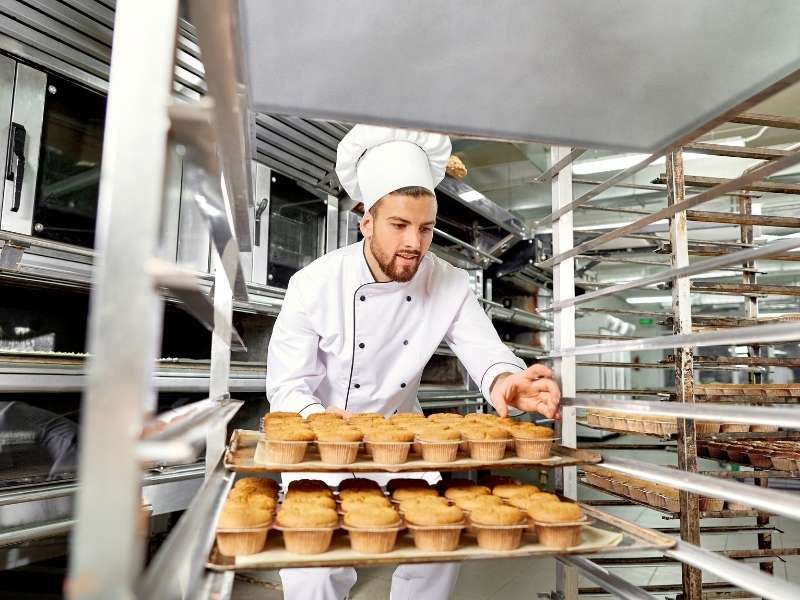
Every baker starts as a beginner.
Nobody pulls a perfect cake from the oven on the first attempt.
Confidence grows through practice, not perfection.
The more you bake, the more comfortable each recipe becomes.
These Baking Confidence Tips will help you trust yourself, enjoy the learning process, and stop fearing small mistakes.
Remember that every successful baker once asked the same questions you’re asking today.
Learning the basics first creates a strong foundation for everything that follows.
If you’re still building your skills, Aesthetic Baking Setup Ideas For Beginners is the perfect place to strengthen your foundation.
Baking Confidence Tips for Complete Beginners
Start With Simple Recipes
Many beginners lose confidence because they choose difficult recipes too soon.
Start with basic cakes.
Bake simple muffins.
Practice cookies.
Try banana bread.
These recipes teach valuable techniques without feeling overwhelming.
Each successful bake gives you another reason to believe in your abilities.
As your confidence grows, you’ll naturally feel ready for more advanced recipes.
Building confidence through small victories makes baking much more enjoyable.
See this next: Cute Baking Supplies You Didn’t Know You Needed

Stop Comparing Yourself to Experienced Bakers
Social media shows beautiful finished desserts.
It rarely shows the failed attempts behind them.
Comparing your first cake to someone else’s years of experience only creates frustration.
Focus on your own progress instead.
Celebrate small improvements.
Notice smoother frosting.
Recognize better texture.
Appreciate even tiny successes.
These small wins build lasting confidence.
If beautiful baking photos inspire you, Baking Flat Lay Ideas For Instagram & Pinterest can also motivate you to present your creations with pride.
Learn From Every Mistake
Mistakes help you improve.
Treat every unsuccessful bake as a lesson instead of a failure.
Ask yourself what happened.
Review the recipe carefully.
Think about what you could change next time.
Keeping simple notes after each bake helps you remember those lessons.
Every correction strengthens your baking skills.
Confidence grows much faster when you learn instead of giving up.
If you’re unsure why recipes fail, Common Baking Mistakes and How to Fix Them Fast explains many beginner problems and practical solutions.
Practice One Skill at a Time
Trying to learn everything at once often feels stressful.
Choose one technique.
Practice measuring accurately.
Learn proper mixing.
Master folding.
Work on kneading bread.
Improve cake decorating later.
Small goals feel much easier to achieve.
Each new skill becomes another building block for your confidence.
Steady progress always beats rushing through difficult techniques.
Bookmark this: Baking Measurements Conversion chart (Cups, Grams, Ounces Explained)
Prepare Before You Start Baking
Good preparation reduces unnecessary stress.
Read the recipe completely.
Measure your ingredients first.
Prepare your baking pans.
Gather your tools.
Preheat your oven.
These simple habits help everything run more smoothly.
Organization also reduces the chance of forgetting important steps.
The better prepared you feel, the more confident you’ll become.
If reading recipes sometimes feels confusing, How to Read a Baking Recipe Correctly Before You Start explains how to prepare before mixing your first ingredient.
Build Confidence With Repetition
You don’t need a new recipe every weekend.
Bake the same recipe several times.
Notice how each attempt improves.
Small adjustments teach valuable lessons.
You’ll begin recognizing proper batter consistency.
You’ll understand baking times more clearly.
Those familiar recipes become your confidence builders.
Once they feel easy, you’ll feel ready for bigger challenges.
These Baking Confidence Tips work because repetition removes uncertainty.
Use Reliable Recipes

Constantly switching between recipes can confuse beginners.
Choose recipes from trusted sources.
Follow them carefully before making changes.
Reliable recipes help you learn proper techniques.
They also make it easier to identify mistakes when something goes wrong.
Consistency builds confidence.
Changing too many ingredients too soon often creates unnecessary problems.
Stick with tested recipes until you fully understand the basics.
Save this guide: Baking Pantry Essentials: What to Always Keep Stocked
Celebrate Small Improvements
Not every success has to be dramatic.
Maybe your cookies spread less than last time.
Perhaps your cake rose more evenly.
Your bread may have developed a better crust.
Small improvements deserve recognition.
Each success proves you’re learning.
Confidence grows one bake at a time.
These Baking Confidence Tips remind you that progress happens gradually, not instantly.
Understand What Your Ingredients Do
Confidence grows when you understand your recipes instead of simply following them.
Every ingredient serves a purpose.
Flour provides structure.
Butter adds richness.
Eggs help bind ingredients together.
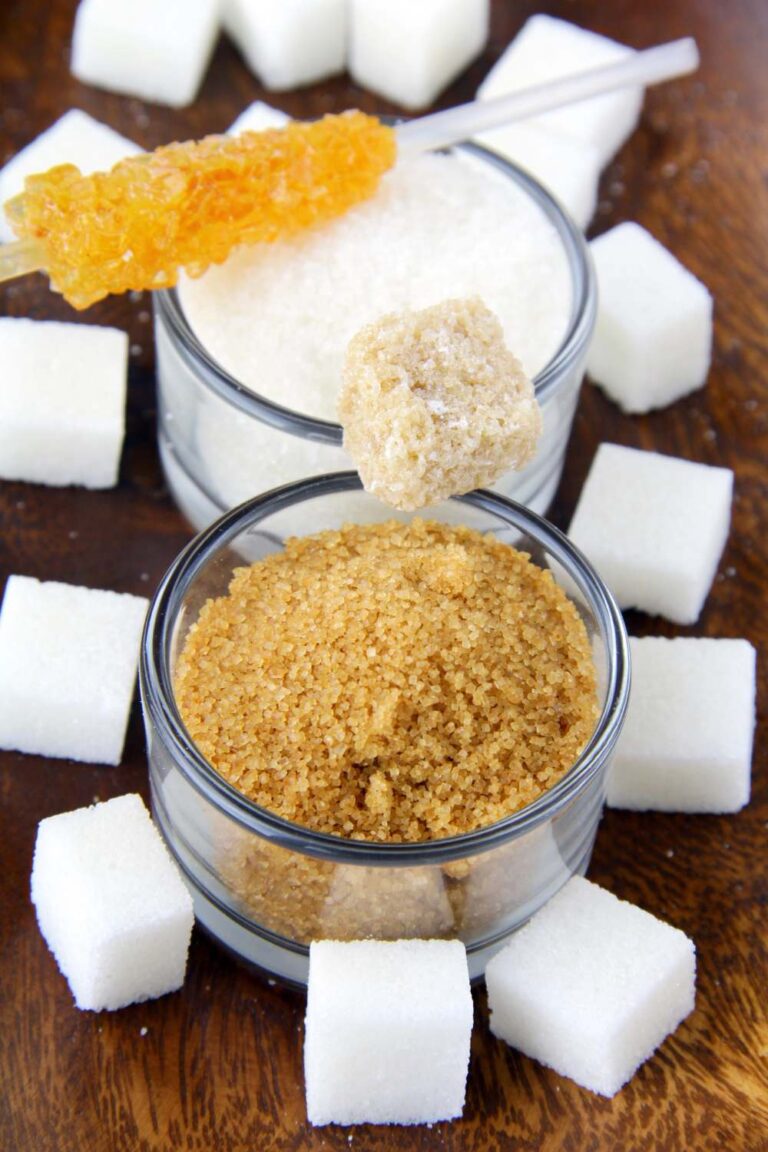
Sugar contributes sweetness while improving texture and color.
Knowing why each ingredient matters helps you make better decisions while baking.
You’ll also feel less nervous when trying new recipes.
Learning the purpose of ingredients removes much of the guesswork from baking.
If you’d like to understand them better, Baking Ingredients Explained: What Every Ingredient Actually Does explains the role of every common baking ingredient.
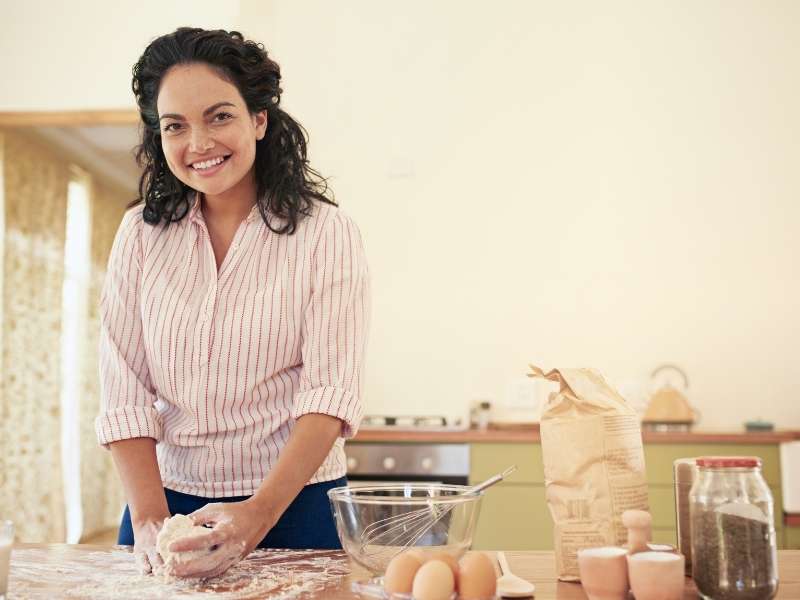
Trust Your Senses
Recipes provide helpful guidance.
Still, your eyes and hands also matter.
Watch how your batter looks.
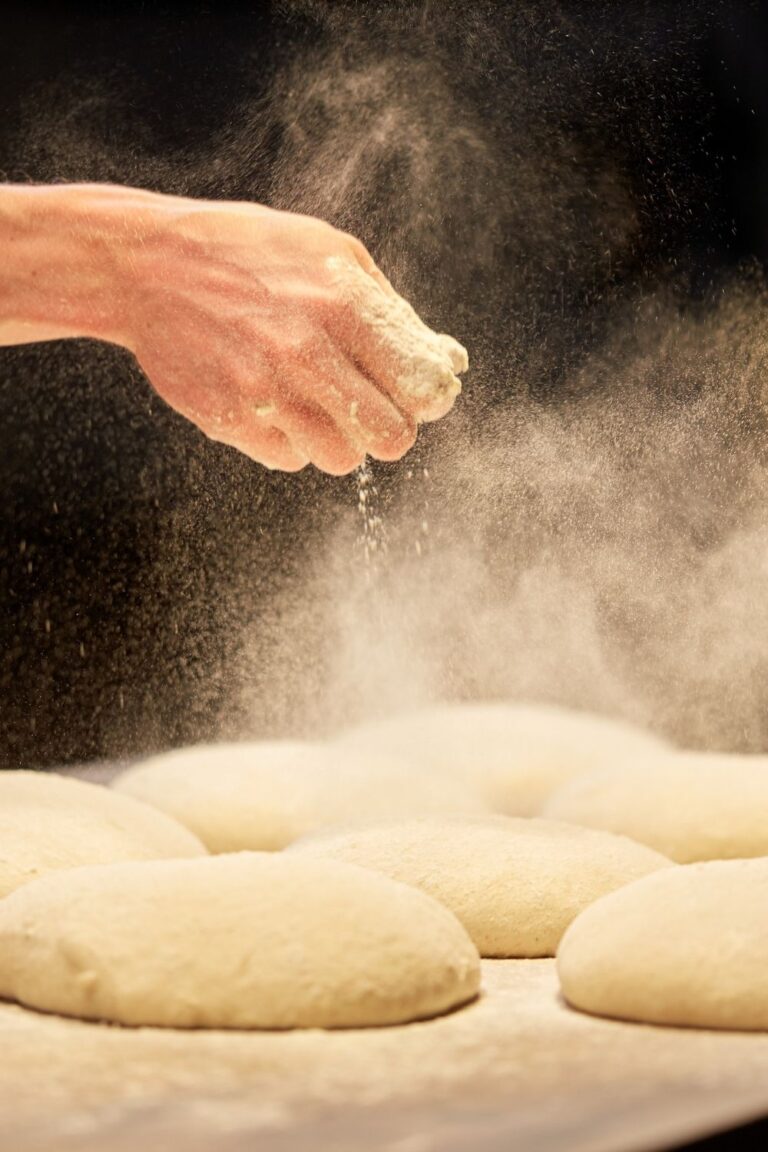
Feel your bread dough as you knead it.
Notice the aroma as your cake bakes.
Look for golden edges on cookies.
Check how your pastries brown in the oven.
These observations help you become a more confident baker.
Experience teaches lessons that recipes alone cannot.
Developing this habit is one of the most valuable Baking Confidence Tips you can learn.
If you’re unsure when cakes are finished, How to Know When Your Cake Is Properly Baked explains the easiest signs to watch for.
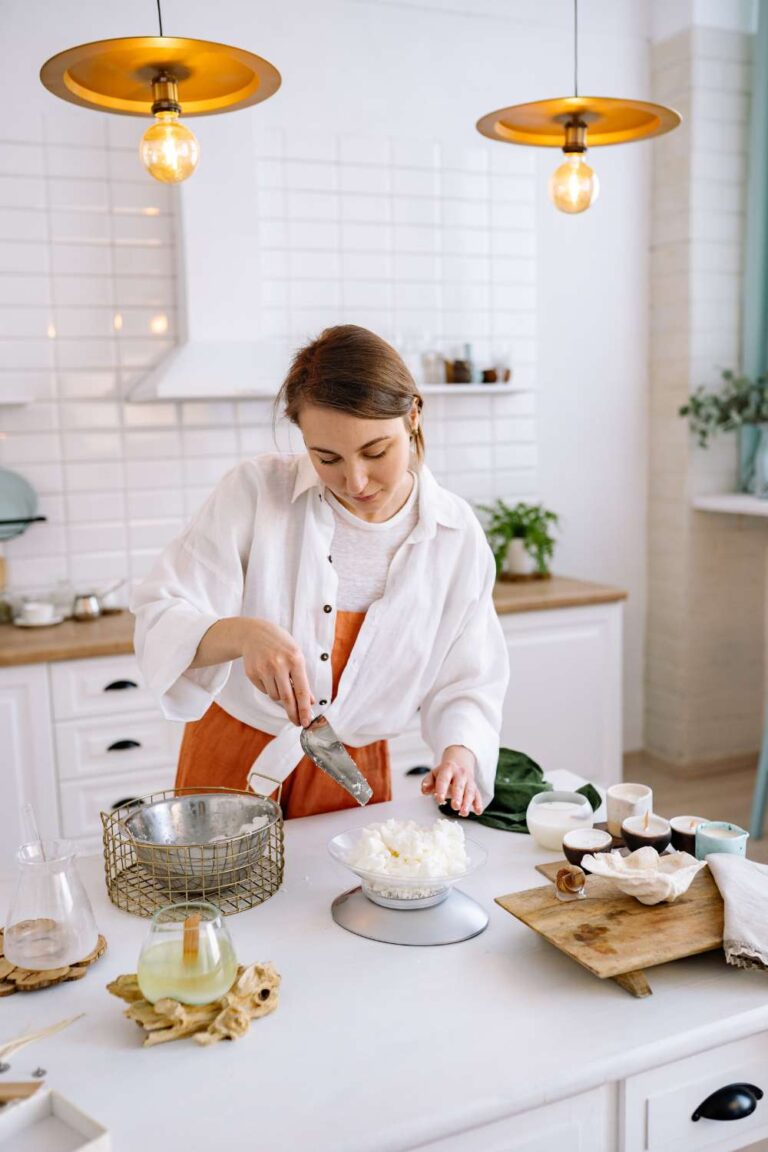
Keep Your Baking Space Organized
A clean workspace helps you stay calm.
Gather ingredients before you begin.
Arrange your tools nearby.
Prepare baking pans early.
Return ingredients after using them.
Wipe small spills immediately.
Organization reduces distractions and helps you focus on the recipe.
Working in an orderly kitchen also makes baking more enjoyable.
Confidence grows more easily when you feel prepared.
If your workspace needs improvement, Baking Station Organisation Ideas That Will Transform Your Kitchen offers practical organization tips.
Don’t Rush the Process
Many baking mistakes happen because of impatience.
Allow butter to soften properly.
Give dough enough time to rise.
Let cakes cool before decorating.
Wait until cookies firm up before moving them.
Each waiting period serves an important purpose.
Trying to speed things up often creates disappointing results.
Patience helps you enjoy baking while producing better desserts.
These Baking Confidence Tips become easier to follow as you gain experience.
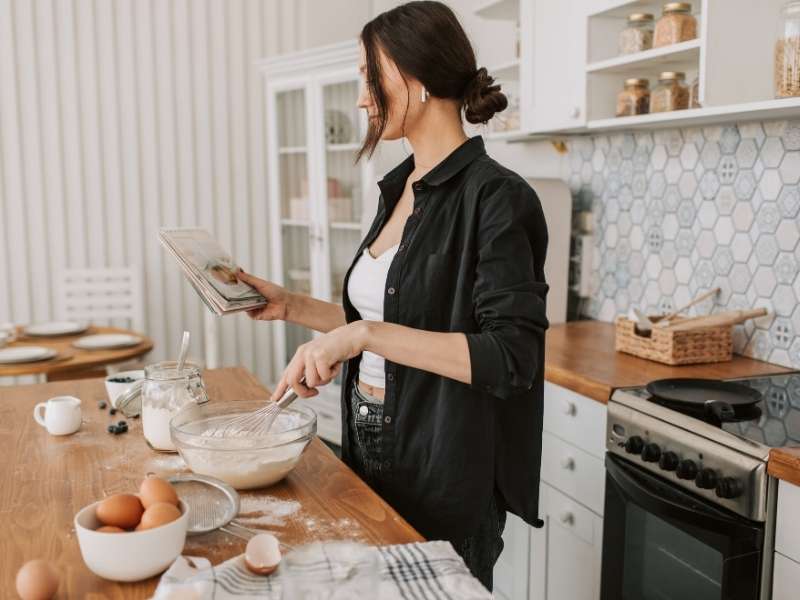
Ask Questions Whenever You Feel Stuck
Every baker continues learning.
Questions help you improve.
Don’t feel embarrassed when something seems confusing.
Look up reliable resources.
Read trusted baking guides.
Watch experienced bakers demonstrate techniques.
Every answer strengthens your understanding.
Curiosity is one of your greatest learning tools.
The more you learn, the more naturally your confidence grows.
Open this next: Baking Tips That Instantly Improve Your Results
Learn Basic Baking Science
Understanding why recipes work removes much of the mystery from baking.
Heat changes ingredients in predictable ways.
Steam helps pastries rise.
Yeast creates air inside bread.
Butter affects texture.
Sugar influences moisture.
Learning these simple concepts helps you troubleshoot problems with confidence.
Knowledge allows you to bake with intention instead of guessing.
If science has always seemed intimidating, The Science of Baking Made Simple for Beginners explains everything in an easy-to-understand way.
Build Confidence Through Preparation
Preparation begins before you turn on the oven.
Check your pantry.
Read your ingredient list.
Measure everything carefully.
Make sure your equipment is clean.
Prepare your baking pans.
Simple preparation reduces stress throughout the baking process.
Feeling organized allows you to focus on enjoying your recipe instead of solving last-minute problems.

Accept That Every Baker Improves Gradually
Confidence doesn’t appear after one successful recipe.
It grows little by little.
Some days everything works perfectly.
Other days you’ll face unexpected challenges.
Both experiences help you improve.
Avoid judging yourself too harshly.
Celebrate progress instead.
Every recipe brings another opportunity to practice your skills.
These Baking Confidence Tips remind you that steady improvement matters far more than immediate perfection.
If you’ve believed advice that slowed your progress, Baking Myths That Are Actually Holding You Back clears up many common misconceptions.
Create a Comfortable Baking Routine
Confidence often comes from familiarity.
Choose one or two baking days each week.
Practice regularly.
Keep your favorite recipes nearby.
Play relaxing music.
Prepare your workspace before starting.
Simple routines reduce stress and make baking feel more natural.
Over time, your kitchen becomes a place where confidence grows with every recipe.
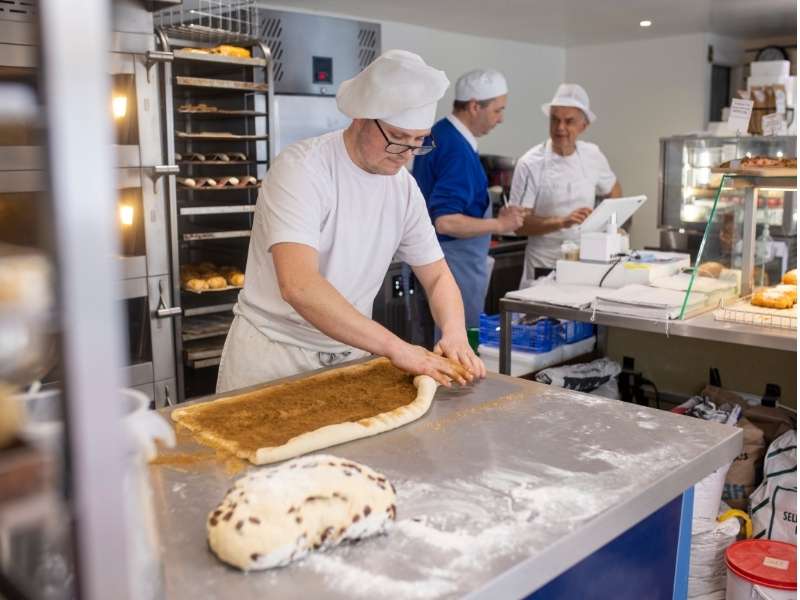
Focus on Progress Instead of Perfection
Perfect baking isn’t the goal.
Learning is.
Every cake teaches something.
Every batch of cookies improves your experience.
Every loaf of bread builds another skill.
Don’t wait until you feel completely confident before trying something new.
Confidence develops because you keep practicing.
Following these Baking Confidence Tips consistently will help you trust yourself much more with every bake.
Don’t Let Fear Stop You From Baking
Fear keeps many beginners from improving.
Some worry about wasting ingredients.
Others fear disappointing results.
Those feelings are completely normal.
Still, avoiding baking won’t build confidence.
Every recipe teaches something valuable.
Even unsuccessful bakes help you understand techniques, ingredients, and timing.
Treat every attempt as another opportunity to learn.
These Baking Confidence Tips encourage progress instead of perfection.
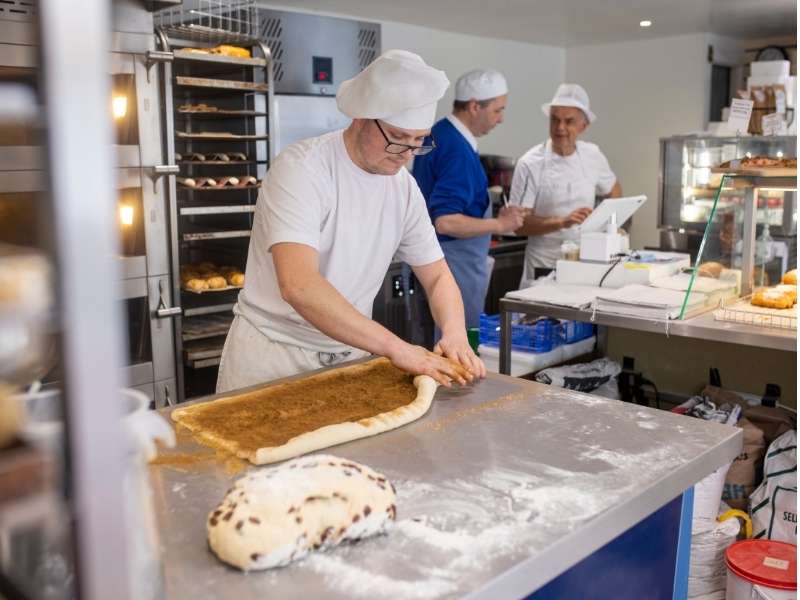
Create a Simple Practice Plan
Improvement happens faster with regular practice.
Choose one baking day each week.
Select one recipe.
Focus on one new technique.
Repeat that recipe until it feels comfortable.
Then move on to another challenge.
A simple routine removes pressure and builds confidence naturally.
Small steps often lead to the biggest improvements.
Keep this page open: Baking Content Ideas for Instagram, Pinterest, and TikTok
Keep a Baking Journal
Writing notes helps you improve much faster.
Record each recipe you bake.
Write down what worked well.
Describe any challenges.
Include baking times.
Mention ingredient changes.
Add photos if possible.
Review your notes before making the recipe again.
Your journal becomes a valuable learning tool.
Over time, you’ll clearly see how much you’ve improved.
Learn to Solve Problems Calmly
Every baker encounters challenges.
A cake may sink.
Cookies may spread too much.
Bread may not rise.
Instead of feeling discouraged, pause and think about what happened.
Review your recipe.
Check your measurements.
Consider your oven temperature.
Small adjustments often solve the problem.
Problem-solving is one of the most valuable Baking Confidence Tips because it teaches you to stay calm instead of giving up.
If cookies continue causing problems, 17 Common Cookie Baking Mistakes and How to Fix Them explains many simple solutions.
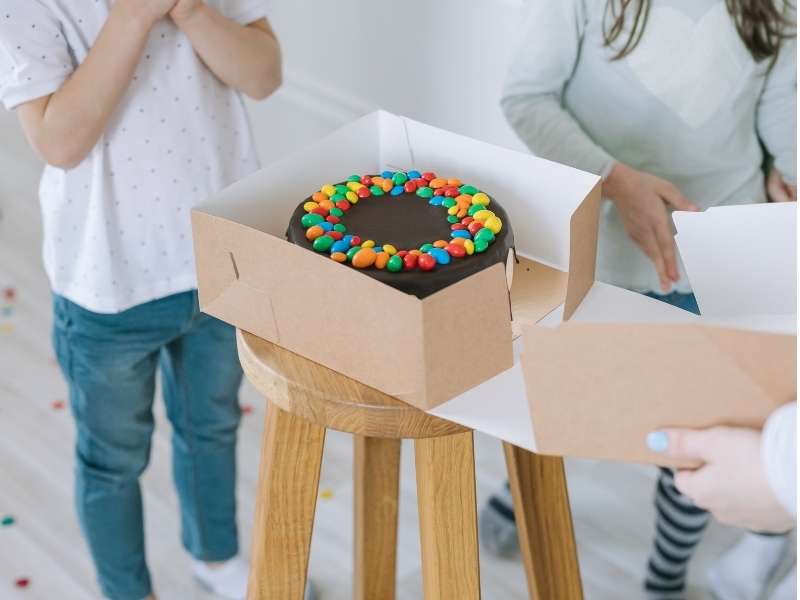
Build Confidence With Simple Successes
Every successful bake deserves recognition.
Celebrate evenly baked cupcakes.
Enjoy perfectly golden cookies.
Feel proud of a well-risen loaf of bread.
Confidence grows through repeated success.
Don’t wait until you’ve mastered advanced desserts before appreciating your progress.
Small victories create lasting motivation.
Take Care of Your Baking Ingredients
Fresh ingredients produce better results.
Check expiration dates regularly.
Store flour in airtight containers.
Keep baking powder tightly sealed.
Protect sugar from moisture.
Replace old ingredients when necessary.
Quality ingredients make recipes more reliable.
Reliable results naturally increase your confidence.
If you’re organizing your pantry, Baking Pantry Essentials: What to Always Keep Stocked explains which ingredients every baker should keep available.
Stay Curious and Keep Learning
Learning doesn’t end after mastering the basics.
Try new recipes.
Practice different techniques.
Read trusted baking resources.
Watch experienced bakers demonstrate new skills.
Ask questions whenever you feel uncertain.
Curiosity keeps baking exciting.
It also helps you continue growing year after year.
Every new lesson becomes another source of confidence.
Avoid These Common Confidence Killers
Some habits make baking feel harder than it really is.
Comparing yourself to professionals creates unnecessary pressure.
Skipping preparation often leads to mistakes.
Changing recipes before understanding them causes confusion.
Giving up after one unsuccessful bake slows your progress.
Replace those habits with patience, practice, and realistic expectations.
Confidence grows much faster when you focus on improvement instead of perfection.
Trust Yourself More With Every Bake
The more experience you gain, the easier decisions become.
You’ll recognize proper batter consistency.
You’ll know when dough has risen enough.
You’ll notice when cookies finish baking.
Those instincts develop through practice.
Trust yourself to learn.
Believe in the progress you’ve already made.
These Baking Confidence Tips become stronger every time you step into the kitchen.
Final Thoughts
Building confidence in the kitchen doesn’t happen overnight. These Baking Confidence Tips remind you that every experienced baker once stood exactly where you are today. Confidence grows through practice, patience, and a willingness to keep learning. Every recipe you complete adds another layer of experience that prepares you for bigger challenges.
Don’t measure your progress against someone else’s journey. Focus on improving one skill at a time, celebrating small victories, and learning from every mistake. Those simple habits will help you become a calmer and more capable baker.
Most importantly, enjoy the process. Baking should bring satisfaction, creativity, and a sense of accomplishment. Continue practicing these Baking Confidence Tips, trust yourself a little more with every recipe, and remember that every successful baker built their confidence one bake at a time. Before long, you’ll approach new recipes with excitement instead of hesitation and discover just how much you’ve grown.