
Baking Substitutions Guide (When You’re Missing Ingredients)
Disclosure: Some of the links in this post are affiliate links. This means if you click on the link and purchase an item, I will receive an affiliate commission at no extra cost to you.
You have already preheated the oven. The mixing bowl is out. You have mentally committed to baking something. And then you open the fridge and realize there’s no buttermilk. Or you reach into the pantry and the baking powder tin is completely empty.
This is a common thing that happens in the kitchen. We have all been there. That specific mix of frustration and determination where you are so close to baking something that you refuse to let one missing ingredient stop you. The good news is that most of the time, it does not have to.
Baking feels like a strict science, and in many ways it is. But experienced bakers know something beginners do not always realise most ingredients have a substitute that works well enough to save the bake. The key is knowing which swap to make and why it works, because not all substitutions are equal. Some are seamless. Others change the texture or flavor slightly, and that is worth knowing going in. If you are still learning how individual ingredients behave in recipes, Baking Ingredients Explained is a great companion read that makes every substitution in this guide make even more sense.
This is your go-to baking substitutions guide for the moments when life does not cooperate with your plans. Whether you are mid-recipe or just planning ahead, you will find practical, tried-and-tested swaps for the ingredients that run out most often. No panic, no abandoned recipes just smart alternatives that keep the bake going.
And if the reason you are missing something is because a recipe went sideways before you even got started, Common Baking Mistakes and How to Fix Them Fast is worth bookmarking right alongside this one.
Baking Substitutions Guide (When You’re Missing Ingredients)
Egg Substitutes: What to Use and When
Eggs do several jobs at once in baking. They add structure, moisture, richness, and lift. Choosing the right egg substitute depends on what role the egg was playing in the specific recipe you are making. A substitute that works in a dense chocolate cake might not work in a delicate sponge. That nuance is what makes egg substitutions worth understanding properly.

Flax eggs are one of the most reliable replacements for a whole egg. Combine one tablespoon of ground flax seed with three tablespoons of water and let it sit for five minutes. It becomes gel-like and binds ingredients together in a way that closely mimics what a whole egg does. Flax eggs work especially well in cookies, muffins, and quick breads where binding is the main job. They add a very slight nuttiness that most people do not notice in a finished bake.
Chia eggs work exactly the same way. Use one tablespoon of chia seeds to three tablespoons of water, let it gel, and use it as a one-to-one swap. Chia seeds are flavour-neutral, which makes them a good choice when you want no impact on taste at all.
Unsweetened applesauce replaces eggs effectively in many cake and muffin recipes. Use a quarter cup of applesauce for each egg. It adds moisture and acts as a binder, though it does not provide lift. Recipes that rely heavily on eggs for rise are better served by a different substitute. Applesauce also adds a faint sweetness, which works beautifully in spiced and fruit-based bakes.
Mashed ripe banana also works as an egg replacement at a quarter cup per egg. It adds moisture and binding, but it does bring its own distinct flavour. Banana works best in recipes where its taste complements the overall flavour profile, like banana bread, chocolate muffins, or oat-based bakes. Understanding how eggs behave before substituting them makes choosing the right swap much easier. Baking Ingredients Explained breaks down exactly what eggs and other core ingredients do inside a recipe so every substitution decision makes more sense.
Aquafaba is the liquid from a can of chickpeas, and it is surprisingly effective as an egg white substitute. Three tablespoons replaces one whole egg. Two tablespoons replaces one egg white. It whips into foam just like egg whites do, which makes it particularly useful in meringues, mousses, and recipes that need the structure of beaten whites. It has no noticeable taste in a finished bake.
Silken tofu blended until smooth replaces one egg with a quarter cup. It adds density and moisture. It works best in brownies, dense cakes, and baked cheesecakes where a rich, firm texture is the goal. It does not provide lift, so it is not ideal for anything that needs to be light and airy.
Yogurt and sour cream replace eggs at a quarter cup per egg. Both add moisture and a little acidity, which also activates baking soda if it is in the recipe. They work particularly well in cakes and quick breads where the goal is a moist, tender crumb.
Buttermilk Substitutes: Getting the Acidity Right
Buttermilk is acidic, and that acidity does two important things. It activates baking soda and it tenderises gluten, which gives bakes that noticeably soft, delicate crumb. Any good baking substitutions guide will tell you that the most important thing to replicate when swapping buttermilk is its acidity, not just its liquid volume. If you are still getting comfortable with how terms like gluten and acidity apply to real recipes, Baking Terms Explained is a straightforward breakdown of all the language you will keep encountering as you bake more.
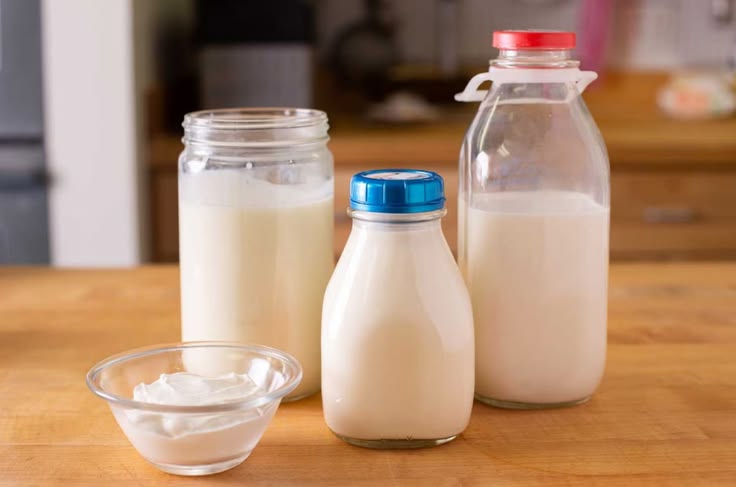
The simplest substitute is milk with an acid added. Pour one tablespoon of white vinegar or fresh lemon juice into a measuring cup, then top it up to one cup with whole milk. Stir it and let it sit for five minutes. The milk will curdle slightly, which is exactly what you want. That curdling is the acid working. Use it in a one-to-one swap for buttermilk in any recipe.
Plain yogurt works well as a buttermilk substitute, especially in cakes and muffins. Thin it with a small amount of milk to reach a pourable consistency similar to buttermilk, then use it in the same quantity the recipe calls for. Full-fat yogurt produces the closest result in terms of both texture and flavour.
Sour cream works the same way as yogurt. It is thicker, so thinning it slightly with milk or water before using gives you a consistency that incorporates into batter more easily. Both yogurt and sour cream bring richness alongside the acidity, which often improves the finished bake.
Non-dairy milk with an acid added works in exactly the same way as regular milk. Use unsweetened almond milk, oat milk, or soy milk with one tablespoon of vinegar or lemon juice per cup. Soy milk produces the most similar result because it curdles and behaves most like dairy milk when acid is introduced. Getting comfortable with these kinds of adjustments also means having the right tools to measure them accurately. Essential Baking Tools Every Home Baker Needs covers everything from measuring spoons to the tools that make small, precise adjustments easy to handle.
Butter Substitutes: When You Need a Fat Swap
Butter contributes flavour, tenderness, and in some cases, structure to baked goods. Swapping it requires matching both the fat content and the texture of the butter the recipe calls for.
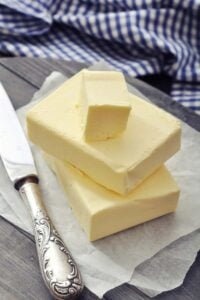
Coconut oil is the closest solid fat substitute for butter. Use it in a one-to-one ratio. Refined coconut oil has a neutral flavour. Unrefined coconut oil adds a light coconut taste, which works well in some recipes and is noticeable in others. Coconut oil works particularly well in cookies, quick breads, and some cakes. Because it has a lower water content than butter, it can produce a slightly crisper texture in some bakes. Once your baking confidence grows and your substitutions become second nature, you might want to think about how your skills could earn you an income. How to Make Money From Baking Without Selling Cakes is a genuinely eye-opening read about the different directions baking knowledge can take you.

Vegetable oil works as a substitute for melted butter in recipes that already call for melted butter. Use three-quarters of the amount of butter the recipe specifies. So if a recipe calls for one cup of melted butter, use three-quarters of a cup of oil instead. Oil produces a moister, denser result and keeps baked goods soft for longer. It does not work as a substitute for creamed butter because it cannot trap air the same way.
Greek yogurt replaces butter in some recipes, particularly those where butter adds moisture more than structure. Swap half the butter for an equal amount of Greek yogurt. This reduces the fat while keeping the bake moist. It works best in muffins, quick breads, and some cakes. For a deeper understanding of how fat temperature and type affect your baking results, Why Your Cakes Keep Failing and How to Fix Them connects these ingredient details to real outcomes in the oven.
Mashed avocado substitutes for butter in a one-to-one ratio in dense, moist recipes. It works well in brownies and chocolate bakes where its flavour is completely masked by the cocoa. It adds a very soft, fudgy texture and keeps things incredibly moist. It is not a universal substitute, but for the right recipes it produces excellent results.
Sugar Substitutes: Keeping the Balance
Sugar does far more than sweeten in baking. It affects texture, moisture, colour, and how well a bake keeps. A baking substitutions guide needs to address sugar carefully because swapping it without understanding its role can change a recipe significantly.
Brown sugar substitutes for white granulated sugar in a one-to-one ratio, but it adds moisture and a richer, caramel-like flavour. Baked goods made with brown sugar instead of white will be slightly denser and chewier. This swap works particularly well in cookies and quick breads.
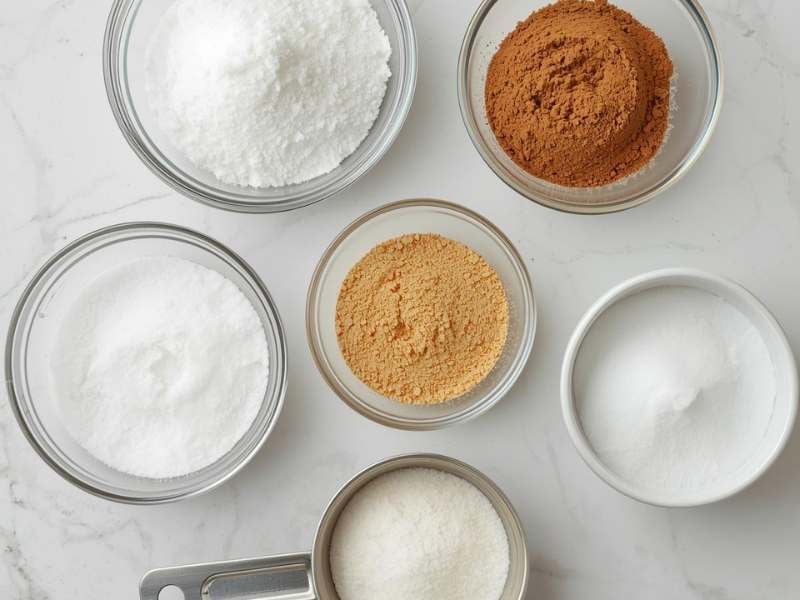
White sugar substitutes for brown sugar in a one-to-one ratio. To replicate the moisture and flavour that molasses adds to brown sugar, stir one teaspoon of molasses into each cup of white sugar before using. This creates a very close approximation of brown sugar.
Honey replaces granulated sugar but requires a few adjustments. Use three-quarters of a cup of honey for every one cup of sugar. Reduce the other liquids in the recipe slightly to account for the moisture honey adds. Also reduce the oven temperature by 25 degrees because honey causes baked goods to brown faster. Honey adds a distinct flavour that works beautifully in spiced bakes, fruit cakes, and some breads.
Maple syrup works similarly to honey. Use three-quarters of a cup per cup of sugar, reduce other liquids slightly, and watch for faster browning. It adds a warm, subtle flavor that pairs particularly well with oats, nuts, and warm spices. Knowing how to price your bakes accurately matters even more when you are experimenting with ingredient swaps, since alternatives can sometimes affect the perceived quality or cost of the final product. How to Price Your Baked Goods For Profit helps you factor in ingredients and substitutions when calculating what your bakes are actually worth.
Coconut sugar substitutes for white or brown sugar in a one-to-one ratio. It has a lower glycemic index than refined sugar and adds a mild caramel flavor. It behaves most like brown sugar and works well in cookies, granola bars, and dense cakes. Getting these ratios exactly right matters, which is why having a reliable baking measurements conversion chart on hand is genuinely useful when making substitutions that involve volume and weight adjustments.
Flour Substitutes: When Your Pantry Runs Low
Flour substitutions are some of the trickiest to make because flour provides the structure that holds everything together. The protein content of different flours varies, and that variation changes how a bake develops in the oven.
Cake flour substitutes for all-purpose flour when you want a more tender, delicate crumb. Use one cup plus two tablespoons of cake flour for every one cup of all-purpose flour the recipe calls for. The lower protein content creates less gluten and a softer result.
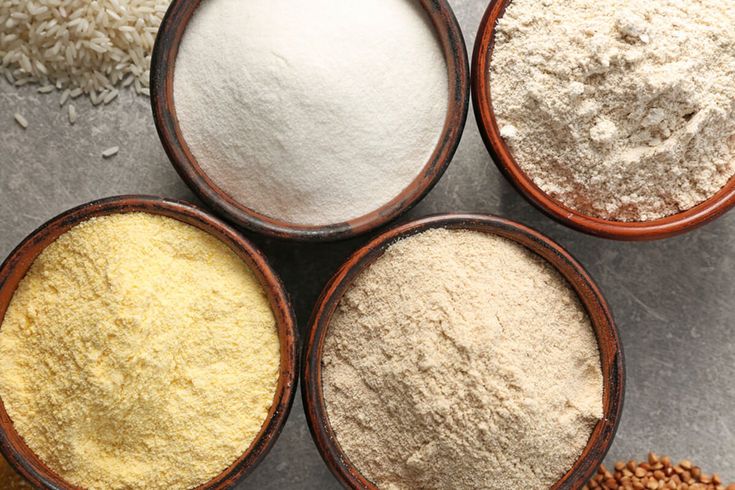
All-purpose flour substitutes for cake flour in a pinch. For every cup of cake flour, use three-quarters of a cup plus two tablespoons of all-purpose flour mixed with two tablespoons of cornstarch. The cornstarch dilutes the protein content and brings it closer to the lower-protein makeup of cake flour.
Bread flour substitutes for all-purpose flour in most recipes, but it will make cakes and muffins slightly chewier because its higher protein content builds more gluten. For bread and pizza dough, the swap is seamless and often produces a better result than all-purpose flour would.
Whole wheat flour replaces all-purpose flour but produces a denser, more robust result. Start by substituting half the all-purpose flour with whole wheat. Full substitution makes most bakes noticeably heavier. Adding an extra tablespoon or two of liquid to the batter compensates for the extra absorption that whole wheat flour requires. A full breakdown of how each flour variety behaves is worth reading alongside this guide. Types of Baking Flour and When to Use Them covers every major variety in plain language with clear guidance on when each one works best.
Oat flour made from blended rolled oats works as a partial flour substitute in quick breads, muffins, and cookies. Replace up to half the all-purpose flour with oat flour for a slightly denser, nuttier result. Because oat flour contains no gluten, using it as a full substitute will result in a crumbly bake that does not hold together well without additional binders like extra egg or flax.
Baking Powder and Baking Soda Substitutes
Running out of a leavening agent is one of the most common mid-bake crises, and it is also one of the most fixable. A good baking substitutions guide always covers these because they come up so often.
If you run out of baking powder, you can make your own. Combine one part baking soda with two parts cream of tartar to substitute for baking powder in a one-to-one ratio. This works because the cream of tartar provides the acid that baking soda needs to activate. Use it immediately.
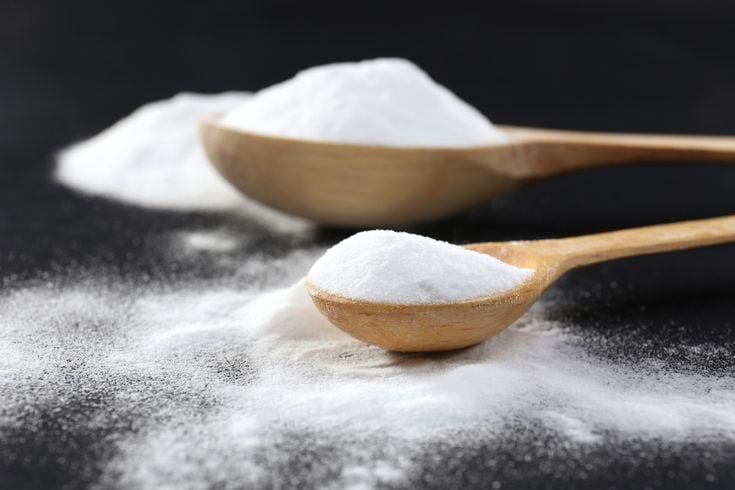
Baking soda with acid substitutes for baking powder when you have no cream of tartar. For every teaspoon of baking powder needed, use a quarter teaspoon of baking soda plus half a teaspoon of white vinegar, lemon juice, or another acid from the recipe. The acid activates the baking soda and creates the carbon dioxide needed for rise.
For baking soda itself, baking powder works as a substitute but in larger quantities. Use three teaspoons of baking powder for every one teaspoon of baking soda the recipe calls for. Keep in mind that this may add a slightly more pronounced baking powder taste if used in large amounts.
Buttermilk or yogurt already contains acid, so if your recipe uses either of these and calls for baking soda, the leavening system still works even if amounts are slightly off. The acid in the dairy activates whatever baking soda is present. Understanding why these reactions happen connects directly to reading recipes with more confidence. How to Read a Baking Recipe Correctly Before You Start explains how leavening instructions fit into the broader structure of a recipe.
Milk Substitutes: Dairy and Non-Dairy Options
Milk adds moisture and a small amount of fat to baked goods. In most recipes, it is one of the easiest swaps to make because its primary job is liquid, and many liquids work in its place.
Any non-dairy milk substitutes for whole milk in a one-to-one ratio. Oat milk, soy milk, almond milk, and coconut milk all work. Soy milk produces the closest result because its protein content is most similar to dairy milk. Oat milk has a slightly sweet, neutral flavour that works well in most bakes. Almond milk is lighter and can make some bakes slightly less rich. Full-fat coconut milk adds richness and a very faint coconut flavour.

Water substitutes for milk in a pinch, particularly in recipes where milk plays a minor role. The result will be slightly less rich and less tender, but the recipe will still work. Adding a teaspoon of butter per cup of water used adds some of the fat that milk would have contributed.
Evaporated milk diluted with an equal part of water substitutes for fresh milk in a one-to-one ratio. It produces a richer result than regular milk because of its higher concentration. It works well in cakes, breads, and custards. Keeping your finished bakes as fresh as possible after all that careful baking and substituting is just as important as the process itself. How to Store Baked Goods to Keep Them Fresh Longer gives clear guidance on the best storage methods for different types of bakes so nothing goes to waste.
Vanilla Extract Substitutes: When the Bottle Is Empty
Vanilla extract is one of those ingredients people assume they have until they do not. It is used in almost every sweet bake, which makes running out particularly inconvenient.
Vanilla bean paste replaces extract in a one-to-one ratio and produces an even richer vanilla flavour with visible seeds. It is a direct and often superior swap.
Vanilla powder made from dried vanilla beans replaces extract at half a teaspoon of powder per teaspoon of extract. It works particularly well in dry mixes and recipes where adding extra liquid is not ideal.

Maple syrup replaces vanilla in a one-to-one ratio and adds a warm, complementary sweetness. It works best in bakes where a subtle background flavour is acceptable. Almond extract used at half the amount of vanilla the recipe calls for adds depth and warmth. Because almond extract is stronger than vanilla, using less is important. It changes the flavour profile noticeably, so it works best in bakes where almond pairs naturally with the other ingredients.
Cinnamon, nutmeg, or other warm spices used in small amounts replace vanilla in spiced recipes where adding another layer of flavour makes sense. This is not a neutral swap, but it can produce a delicious result in the right recipe. Building the habit of always checking your pantry before baking helps avoid these situations entirely. The Ultimate Beginners Guide to Baking includes a full pantry checklist that makes sure you are always stocked with the essentials before starting any recipe.
Oil Substitutes: Swapping Liquid Fats
Oil appears in many cake, muffin, and quick bread recipes. It adds moisture and keeps baked goods soft and tender. Most oil substitutes work by providing a similar fat or moisture content.
Melted butter replaces oil in a one-to-one ratio and usually improves the flavour. Butter contains water, which makes the bake slightly less moist than oil would, but the richer taste more than compensates. It is the most seamless oil substitute in most recipes.

Melted coconut oil replaces vegetable oil in a one-to-one ratio. Refined coconut oil is flavour-neutral. Unrefined adds a light coconut note. Both produce a similar texture to recipes made with vegetable oil.
Unsweetened applesauce substitutes for oil at a one-to-one ratio. It significantly reduces the fat content and adds moisture. The result is denser and slightly less rich, but in muffins and quick breads it often works beautifully. It adds a faint sweetness that suits most recipes. Mistakes made during substitutions are some of the most common baking problems beginners encounter, and understanding the reason behind each one makes them far easier to fix. Common Baking Mistakes and How to Fix Them Fast walks through the most frequent errors and exactly what to do when they happen.
Greek yogurt replaces oil at a three-quarter ratio. Use three-quarters of a cup of yogurt for every cup of oil. It adds moisture and a very subtle tang. It works best in cakes and muffins where the texture can absorb the extra protein without becoming too dense.
Cream Cheese Substitutes: For Frostings and Fillings
Cream cheese appears in frostings, cheesecakes, and some batters. It contributes richness, tang, and a specific texture that other ingredients need to approximate.
Mascarpone replaces cream cheese in a one-to-one ratio. It is richer and less tangy, which makes frostings made with it creamier and slightly sweeter. It works beautifully in cheesecakes and creamy fillings.
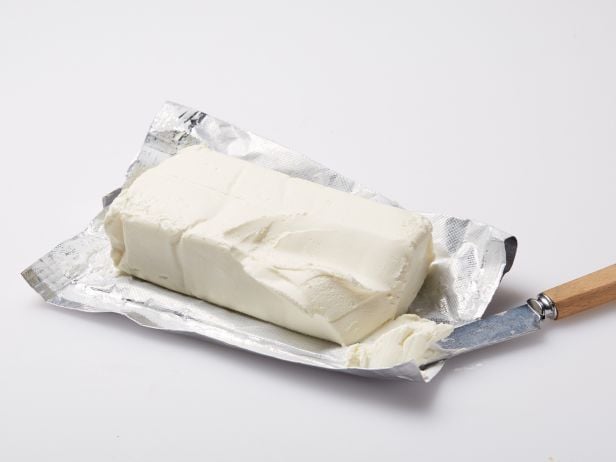
Full-fat Greek yogurt strained overnight through a cheesecloth produces a thick, tangy spread that works as a lighter cream cheese substitute. It is lower in fat but delivers a similar tang. It works best in recipes where cream cheese contributes flavour more than structure.
Ricotta blended until completely smooth replaces cream cheese in some applications. It is less tangy and slightly grainy if not blended well. For cheesecakes and baked fillings, it produces a lighter, more delicate result that many people prefer. As you build your baking skills and start using substitutions confidently, you might also start thinking about building a platform around what you know. Baking Niche Ideas For Starting a Profitable Blog explores how real bakers turn their practical knowledge into content that reaches and helps other people.
Making Substitutions Work Every Time
Understanding your baking substitutions guide at this level means you approach every recipe with flexibility. Missing an ingredient is no longer a reason to stop. It becomes an opportunity to understand the recipe more deeply and work with what you have.
The most successful substitutions happen when you understand what the original ingredient was doing. Fat, acid, structure, moisture, lift, these are the jobs ingredients perform. When you find a substitute that performs the same job, the bake works. When you grab something random without thinking about function, results become unpredictable. Keeping your kitchen organised and your pantry stocked reduces how often you need to substitute at all. Baking Station Organisation Ideas That Will Transform Your Kitchen is a genuinely practical read for setting up a space that supports consistent, confident baking.
Conclusion
Every baker reaches a point where substitutions become second nature. That point comes faster when you understand your ingredients, read your recipes carefully, and approach each bake as a learning experience. Use this baking substitutions guide as a reference. Come back to it every time you hit a missing ingredient situation. Over time, you will start to remember the swaps instinctively, and baking with an imperfect pantry will feel like a skill rather than a problem. If you want to take that skill even further and start building a real baking practice, How to Start a Baking Business From Scratch is a logical next step for anyone who has fallen in love with what baking can do.