Beginner-Friendly Baking Ingredients Shopping List
Disclosure: Some of the links in this post are affiliate links. This means if you click on the link and purchase an item, I will receive an affiliate commission at no extra cost to you.
Creating your first baking shopping list can feel confusing when store shelves are packed with different ingredients. A well-planned Beginner-Friendly Baking Ingredients Shopping List helps you avoid unnecessary purchases while ensuring you have everything needed for successful baking projects. Instead of filling your cart with specialty products, focus on versatile ingredients that work in cakes, cookies, muffins, brownies, and quick breads.
Many new bakers spend too much money on ingredients they rarely use. Starting with a small collection of essentials makes baking easier, more affordable, and less overwhelming. Once you understand how each ingredient works, expanding your pantry becomes much simpler. If you’re still learning the basics, The Ultimate Beginners Guide to Baking (Everything You Need To Know to Start) provides a great foundation before your first shopping trip.
This Beginner-Friendly Baking Ingredients Shopping List will help you stock your kitchen with practical baking essentials that support dozens of recipes while keeping your budget under control.
Why Start With Essential Ingredients?
Many new bakers become overwhelmed because they purchase ingredients for one recipe at a time.
This approach often leads to cluttered cabinets and wasted money.
A focused shopping list helps you build a practical pantry that supports multiple baking projects.
Understanding ingredient functions also improves your confidence in the kitchen. If you want a deeper understanding of ingredient roles, read Baking Ingredients Explained: What Every Ingredient Actually Does.
When you know why ingredients matter, shopping becomes much easier.
Beginner-Friendly Baking Ingredients Shopping List
1. All-Purpose Flour
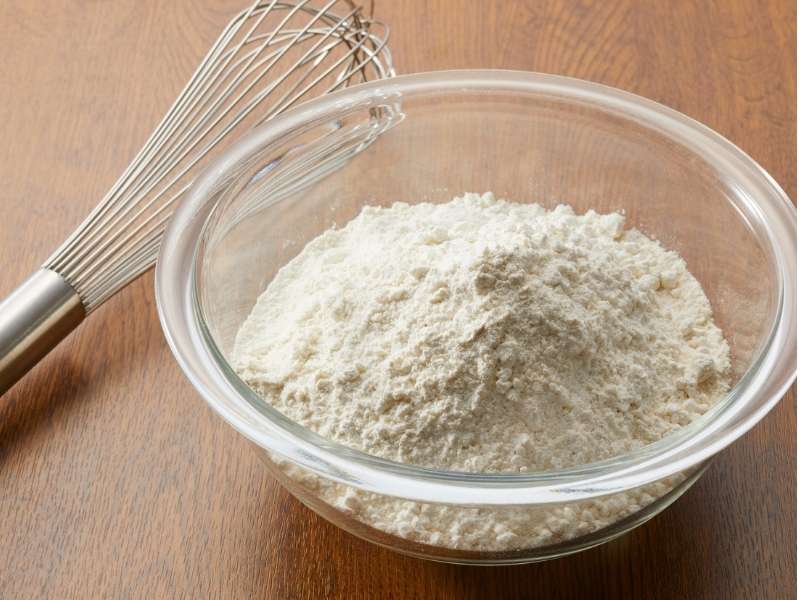
All-purpose flour belongs at the top of every Beginner-Friendly Baking Ingredients Shopping List.
It serves as the foundation for countless baked goods.
Cookies, cakes, muffins, brownies, pancakes, biscuits, and quick breads all rely on flour.
Beginners do not need multiple flour varieties immediately.
A large bag of all-purpose flour provides excellent value and versatility.
As your skills improve, you can explore specialty flours through Types of Baking Flour and When to Use Them.
Proper storage keeps flour fresh for longer periods.
2. Granulated Sugar
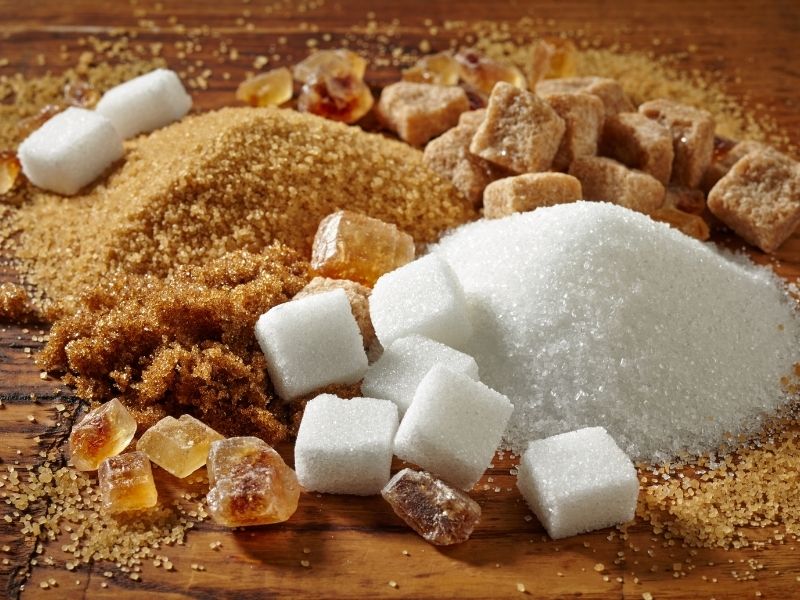
Sugar does much more than sweeten desserts.
It contributes moisture, texture, tenderness, and browning.
Most beginner recipes call for granulated sugar.
Keeping a large container available allows you to bake without frequent grocery trips.
Sugar stores well when protected from moisture.
Many recipes use sugar differently depending on the desired texture. Learning more about sweeteners becomes easier with The Different Types of Sugar Used in Baking Explained.
3. Brown Sugar
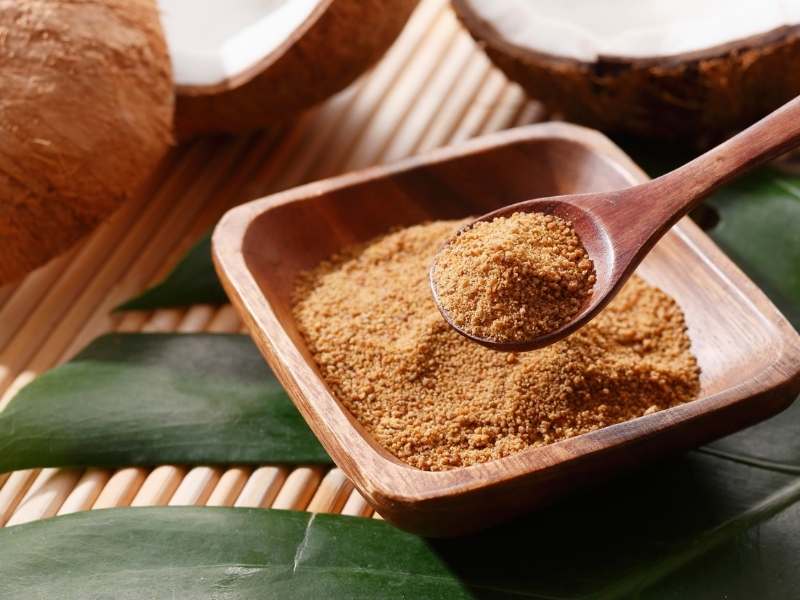
Brown sugar deserves its own place in your pantry.
Its molasses content creates softer textures and deeper flavor.
Chocolate chip cookies, spice cakes, and many bars rely on brown sugar for richness.
Light brown sugar works well for most beginner recipes.
Store it in airtight containers to prevent hardening.
When stored properly, it remains usable much longer.
Read this: Baking Terms Explained (Fold, Cream, Knead & More For Beginners)
4. Baking Powder
Baking powder helps baked goods rise.
Without it, cakes and muffins often become dense and heavy.
Many beginners underestimate its importance.
A small container lasts through numerous recipes.
Always check expiration dates because old baking powder loses effectiveness.
Reliable leavening helps prevent disappointing baking results.
Open this: Cute Baking Supplies You Didn’t Know You Needed
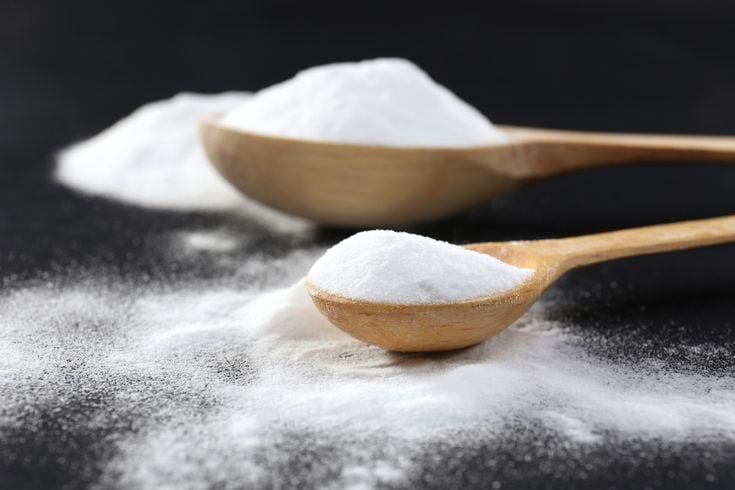
5. Baking Soda
Baking soda works differently from baking powder.
It reacts with acidic ingredients to create lift and structure.
Cookies, quick breads, and certain cakes depend on it.
Because recipes use small amounts, one container can last for many months.
Keeping both baking powder and baking soda available gives you greater recipe flexibility.
Check this guide: What You Need to Start Selling Cakes From Home
6. Salt
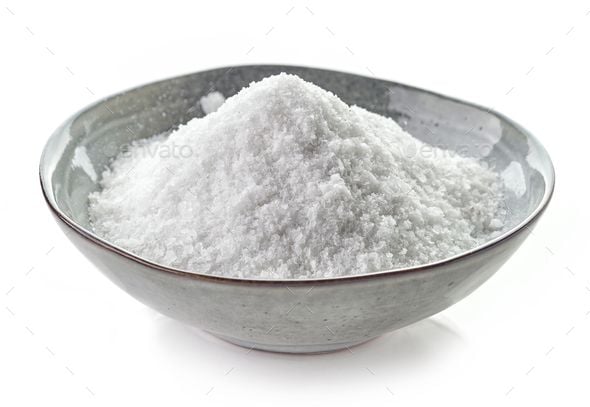
Salt may seem like a minor ingredient.
Its impact on flavor is surprisingly significant.
Even sweet desserts benefit from small amounts of salt.
It balances sweetness and enhances overall flavor.
A container of fine salt costs very little and supports countless recipes.
Many beginner bakers notice immediate improvements when recipes include proper seasoning.
See this guide: How to Read a Baking Recipe Correctly Before You Start
7. Eggs
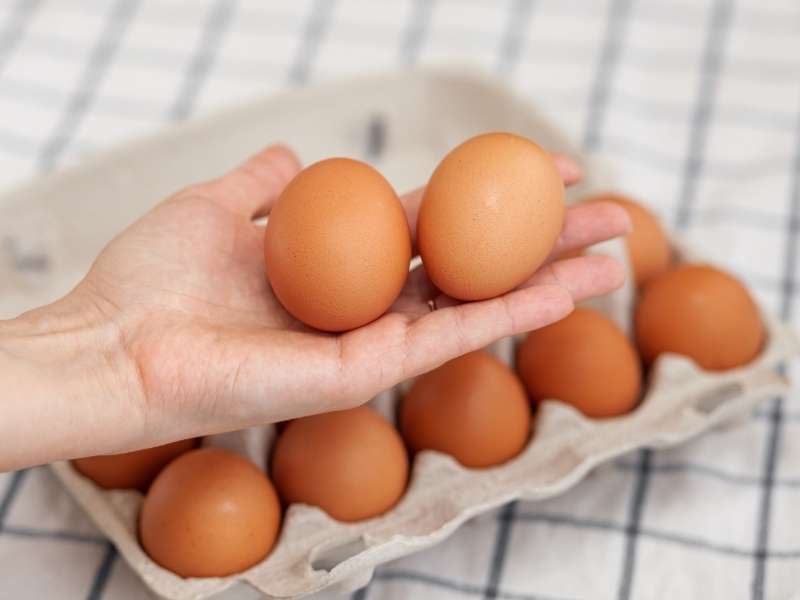
Eggs serve several important functions.
They add structure, moisture, richness, and stability.
Many cakes, cookies, brownies, and pastries depend on eggs for successful results.
Keeping eggs available expands your baking options significantly.
Understanding egg functions becomes easier after reading Eggs in Baking: Why They Matter and How They Affect Results.
Eggs remain one of the most versatile baking ingredients available.
8. Butter
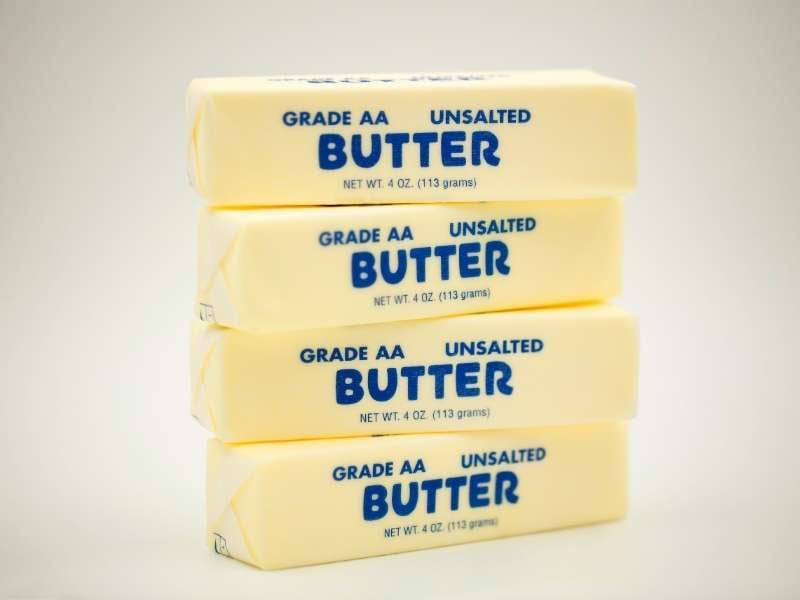
Butter contributes flavor and texture that many bakers prefer.
It creates rich cakes, tender cookies, and flavorful frostings.
Many recipes specifically call for butter because of its unique characteristics.
Buying extra during sales can reduce long-term costs.
Frozen butter stores well for future baking projects.
You can also learn about alternatives in Butter vs Margarine in Baking: Does It Really Matter?.
9. Vegetable Oil
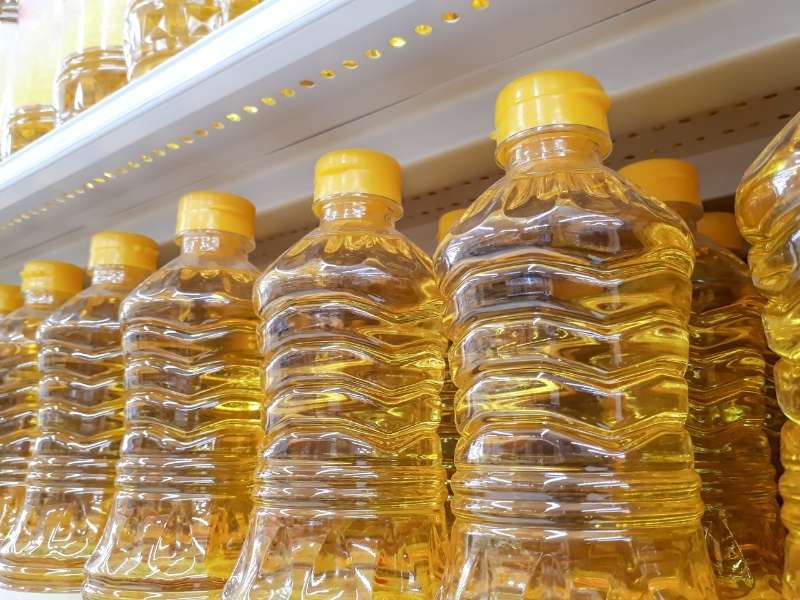
Oil creates moist baked goods.
Many cakes and quick breads rely on oil instead of butter.
Keeping a bottle available ensures greater recipe flexibility.
Oil often produces softer textures and longer-lasting moisture.
Because it has a long shelf life, it remains a practical pantry staple.
Beginners frequently find oil-based recipes easier to prepare successfully.
10. Vanilla Extract
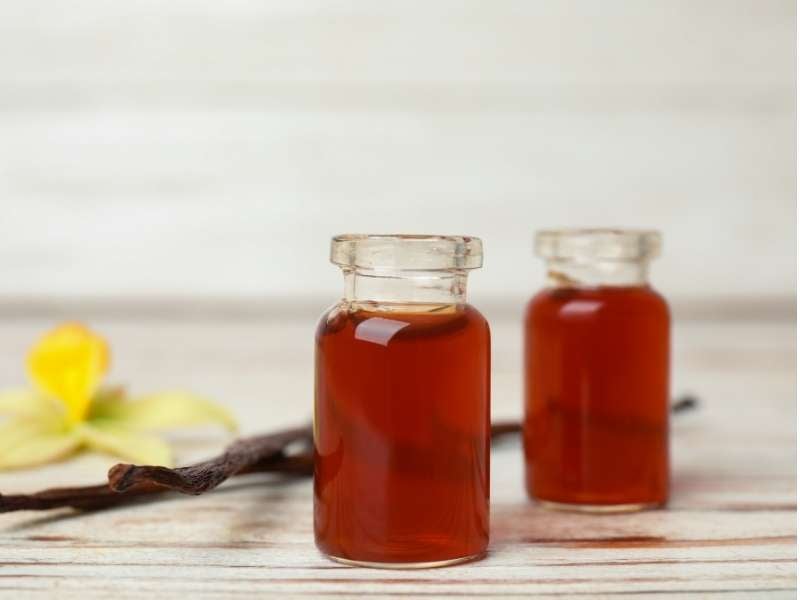
Vanilla adds warmth and depth to desserts.
Even small amounts improve flavor significantly.
Cakes, cookies, frostings, muffins, and pastries often contain vanilla.
Although pure vanilla costs more initially, a bottle lasts through many recipes.
Using quality vanilla can noticeably improve finished desserts.
Its versatility makes it a valuable pantry investment.
11. Cocoa Powder
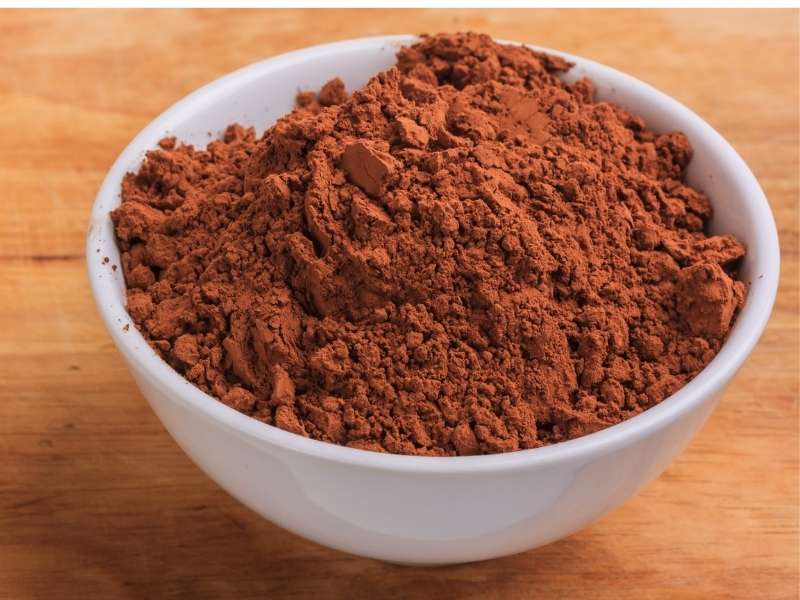
Chocolate desserts remain popular among beginner bakers.
Cocoa powder allows you to create brownies, chocolate cakes, cookies, and frostings.
It offers excellent value because a small amount delivers strong flavor.
Unsweetened cocoa powder works best for most recipes.
Proper storage helps maintain freshness and flavor.
Many bakers consider cocoa powder a permanent pantry staple.
12. Milk
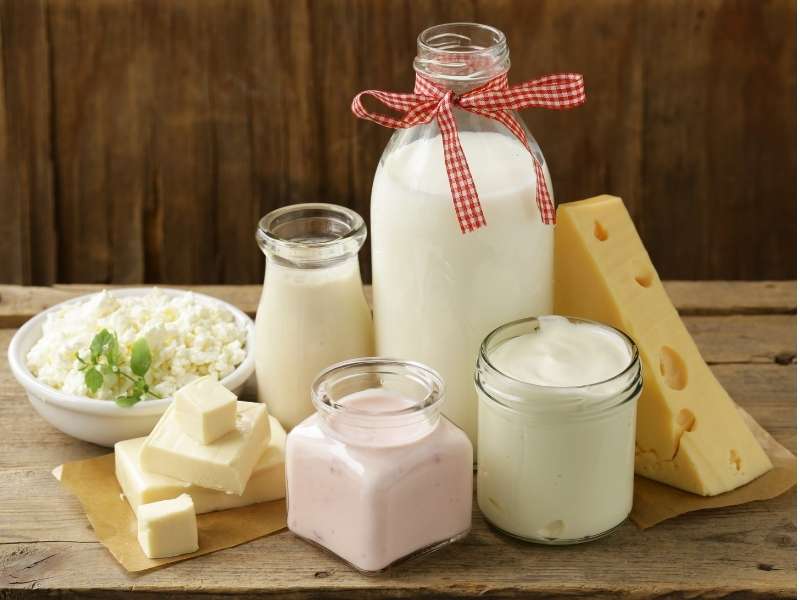
Milk contributes moisture and structure.
Many cakes, muffins, pancakes, and frostings require it.
Keeping milk available expands your baking possibilities.
Whole milk often produces richer results, though many recipes work with lower-fat alternatives.
Milk also helps create smoother batters and improved texture.
Bookmark this: Baking Business Ideas You Can Start With Little Money
13. Powdered Sugar
Powdered sugar is essential for frostings and glazes.
Its fine texture dissolves quickly.
Many beginner decorating projects rely on powdered sugar.
A single bag can support numerous baking sessions.
Because it stores well, it remains a useful pantry addition.
Beginners interested in decorating often use powdered sugar regularly.
14. Chocolate Chips
Chocolate chips offer versatility beyond cookies.
They work in muffins, brownies, cakes, bars, and dessert toppings.
Keeping a bag available allows spontaneous baking projects.
Chocolate chips also store well for extended periods.
Many beginner-friendly recipes include them.
Their convenience makes them a valuable pantry ingredient.
See this next: Butter vs Margarine in Baking: Does It Really Matter?
15. Cornstarch
Cornstarch improves texture in several recipes.
It thickens fillings, sauces, and puddings.
Some cookie recipes use cornstarch to create softer textures.
A small container lasts a long time because recipes usually require only small amounts.
Its affordability makes it worth adding to your pantry.
How to Shop on a Budget
Building a baking pantry does not require buying everything immediately.
Start with core ingredients.
Add additional items gradually during regular grocery trips.
This strategy spreads costs over time.
For more money-saving tips, visit How to Build a Baking Pantry on a Budget.
Patience often creates a stronger pantry than one large shopping trip.
Buy Ingredients You Will Actually Use
Many beginners purchase specialty ingredients that sit unused for months.
Focus on ingredients that appear repeatedly in recipes.
Versatile ingredients provide better value.
They also reduce clutter and waste.
As your baking interests develop, you can add specialty products based on your favorite recipes.
A focused pantry often works better than an oversized one.
Store Ingredients Properly
Proper storage protects your investment.
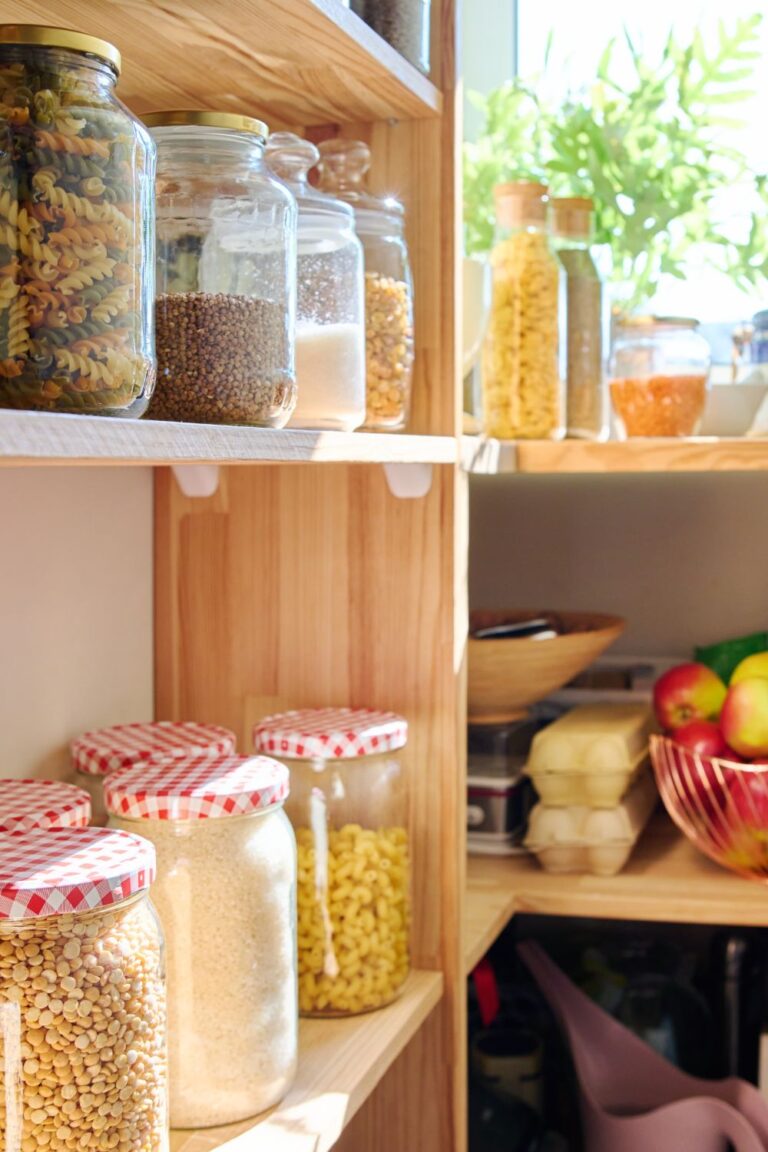
Flour, sugar, cocoa powder, and other dry ingredients stay fresher in sealed containers.
Good storage reduces waste and prevents pests.
A well-organized pantry also makes baking faster and more enjoyable.
You can improve organization with How to Organize Your Baking Ingredients Like a Pro.
Simple storage habits save money over time.
Learn Shelf Life Basics
Not every ingredient lasts forever.
Understanding expiration timelines prevents waste.
Some ingredients remain usable for months while others require more frequent replacement.
Knowing shelf lives helps you purchase appropriate quantities.
This knowledge becomes especially useful when buying ingredients on sale.
Many bakers save money simply by storing ingredients correctly.
Avoid Common Beginner Shopping Mistakes
One common mistake involves buying ingredients without a plan.
Another involves purchasing expensive specialty items too early.
Some beginners also overlook expiration dates.
Others buy quantities too large for their baking frequency.
Following a simple shopping list reduces these problems significantly.
You can avoid additional errors through Common Baking Mistakes and How to Fix Them Fast.
Smart shopping supports better baking results.
Build Your Pantry Gradually
A great baking pantry develops over time.
Professional bakers did not acquire every ingredient overnight.
Each grocery trip presents an opportunity to strengthen your collection.
Adding one or two essentials regularly creates steady progress.
This approach feels manageable and budget-friendly.
Eventually, you’ll have most ingredients needed for spontaneous baking sessions.
Ingredients Worth Buying in Larger Quantities
Some ingredients offer better value when purchased in larger packages.
Flour often costs less per pound in larger bags.
Sugar provides similar savings.
Cocoa powder and chocolate chips sometimes offer discounts during sales.
Only buy larger quantities if you can store them properly.
Storage space should always influence purchasing decisions.
Ingredients You Can Delay Purchasing
Not every ingredient belongs on a beginner shopping list.
Specialty extracts, decorative sugars, fondant, and advanced decorating supplies can wait.
Mastering basic recipes provides more value initially.
Focus on ingredients that support a wide variety of projects.
Expanding gradually keeps your budget under control.
This approach also reduces waste from unused ingredients.
Building Confidence Through Preparation
A stocked pantry builds confidence.
Instead of postponing baking because of missing ingredients, you can start recipes immediately.
Preparation removes many common barriers.
Confidence grows when ingredients remain available and organized.
Many successful home bakers credit their pantry setup for helping them bake more consistently.
Preparation often leads to better results and more enjoyment.
Final Thoughts
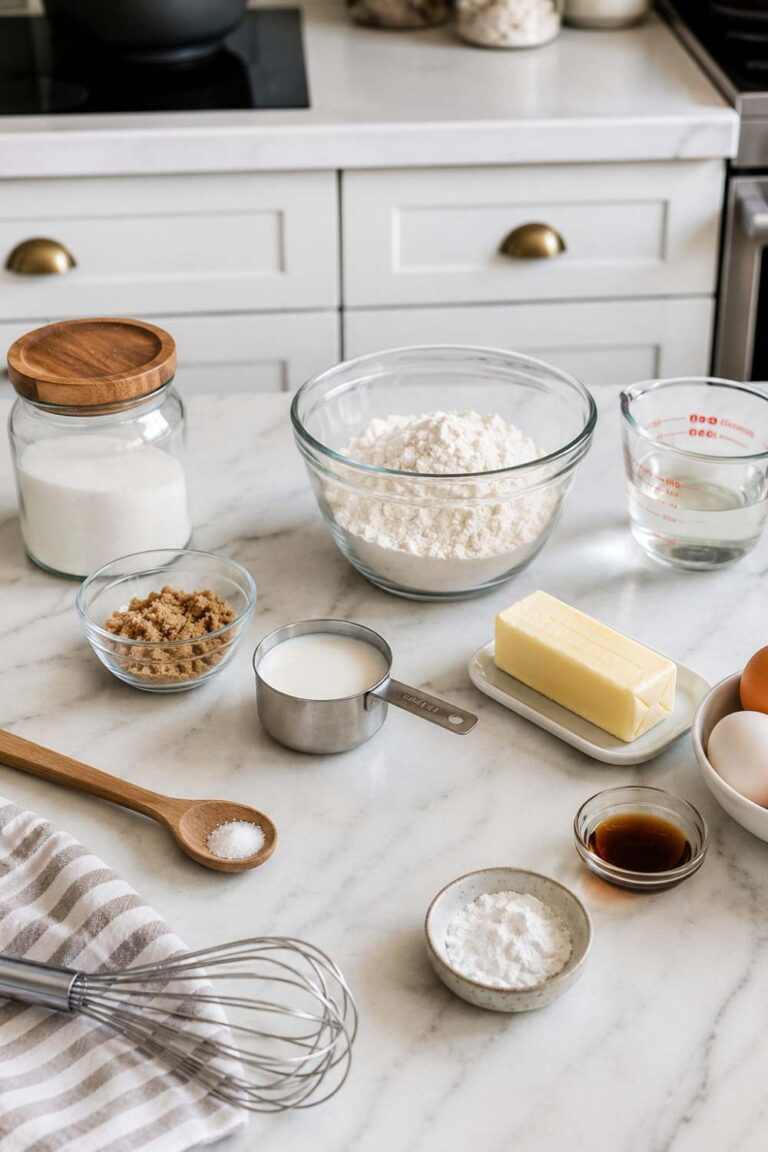
Creating a Beginner-Friendly Baking Ingredients Shopping List does not require expensive specialty products or overflowing cabinets. A handful of versatile ingredients can support hundreds of recipes while keeping your budget manageable. Flour, sugar, eggs, butter, baking powder, baking soda, salt, vanilla, cocoa powder, milk, and powdered sugar form the foundation of a strong beginner pantry.
Focus on purchasing ingredients you will use frequently. Store them properly, monitor expiration dates, and expand your collection gradually. This approach saves money, reduces waste, and makes baking far less stressful.
As your confidence grows, your pantry will naturally evolve alongside your skills. Starting with the right ingredients creates a solid foundation for cakes, cookies, breads, pastries, and countless other delicious baking projects for years to come.