9 Best Bread Proofing Boxes for Perfectly Risen Homemade Bread
Disclosure: Some of the links in this post are affiliate links. This means if you click on the link and purchase an item, I will receive an affiliate commission at no extra cost to you.
Making homemade bread can be incredibly rewarding, but getting your dough to rise properly isn’t always easy. Sometimes, your kitchen feels too cold, while other days, the temperature changes throughout the proofing process. These conditions can affect fermentation and leave you with bread that doesn’t rise as expected. That’s where a bread proofing box becomes useful.
A bread proofing box provides a controlled environment that helps your dough rise more consistently. Instead of guessing whether your kitchen feels warm enough, you can create suitable conditions for fermentation. Some models also offer adjustable temperature settings, timers, and humidity control. These features can make bread preparation easier, especially when you bake frequently.
If you’re making sourdough, sandwich loaves, baguettes, or dinner rolls, a reliable proofing box can support your baking routine. It can also help beginners understand how temperature affects dough fermentation. Meanwhile, experienced bakers can enjoy greater control over their proofing conditions.
However, choosing the right bread proofing box takes some consideration. You’ll want to think about its capacity, temperature range, controls, storage requirements, and overall convenience. Some options suit occasional home baking, while others offer features for more frequent bread making.
If you’re still learning how dough fermentation works, check out this beginner’s guide to baking bread at home. It will help you understand the basics before choosing your equipment.
In this guide, we’ll explore 15 bread proofing boxes worth considering for your home baking setup.
9 Best Bread Proofing Boxes for Perfectly Risen Homemade Bread
1. Folding Bread Proofing Box with 50–113°F Temperature Control and 48-Hour Timer
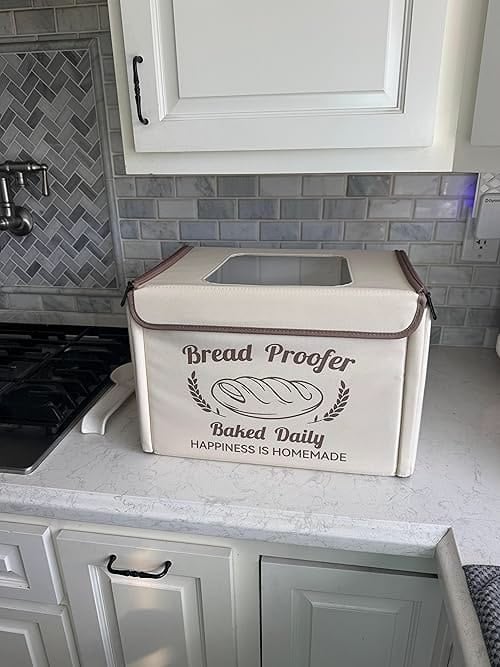
A folding bread proofing box can be a practical addition to a home baking setup. This option offers temperature control between 50°F and 113°F, along with a 48-hour timer.
The adjustable temperature range gives bakers more control over their proofing environment. This can be useful when your kitchen gets too cold for consistent dough fermentation.
The folding design also makes this option worth considering if you have limited storage space. You can fold it away when you finish using it, provided you follow its storage instructions.
The 48-hour timer offers another useful feature for managing longer proofing schedules. However, always monitor your dough because fermentation time depends on your recipe and conditions.
Why consider it?
- Adjustable temperature from 50°F to 113°F.
- 48-hour timer.
- Folding design for storage.
- Useful for home dough-proofing routines.
This option may suit bakers who want temperature control without keeping a permanent proofing cabinet on their counters.
If you’re building your bread-making setup, explore these essential baking tools every home baker needs.
2. Extra Large Dough Proofing Box with 50–130°F Temperature Control and 24-Hour Timer
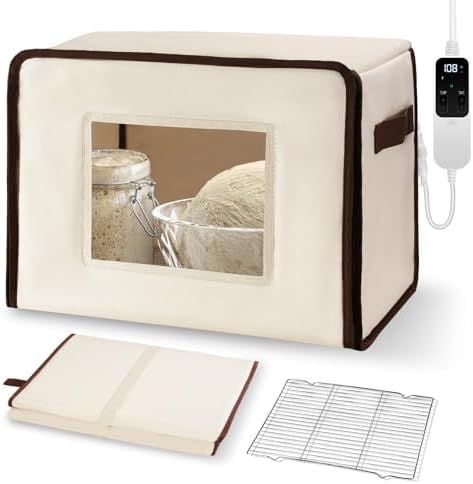
If you regularly prepare larger dough batches, an extra-large proofing box may deserve your attention.
This option offers temperature control between 50°F and 130°F. It also features three-sided heating and a 24-hour timer.
The extra-large design may provide more room for proofing containers and dough preparations. This can help when you’re preparing several portions for family meals or baking projects.
Its three-sided heating system is another feature to consider. However, always follow the manufacturer’s instructions for arranging containers inside the unit.
The 24-hour timer gives you a convenient way to manage your proofing schedule. Still, check your dough regularly rather than relying only on the timer.
Why consider it?
- Extra-large design.
- Temperature range of 50°F to 130°F.
- Three-sided heating.
- 24-hour timer.
This proofing box may work well for bakers who prepare larger quantities and want more control over fermentation.
If you enjoy experimenting with different bread recipes, read this guide to baking ingredients explained.
3. Saint Germain Bakery Premium Round Bread Banneton Basket
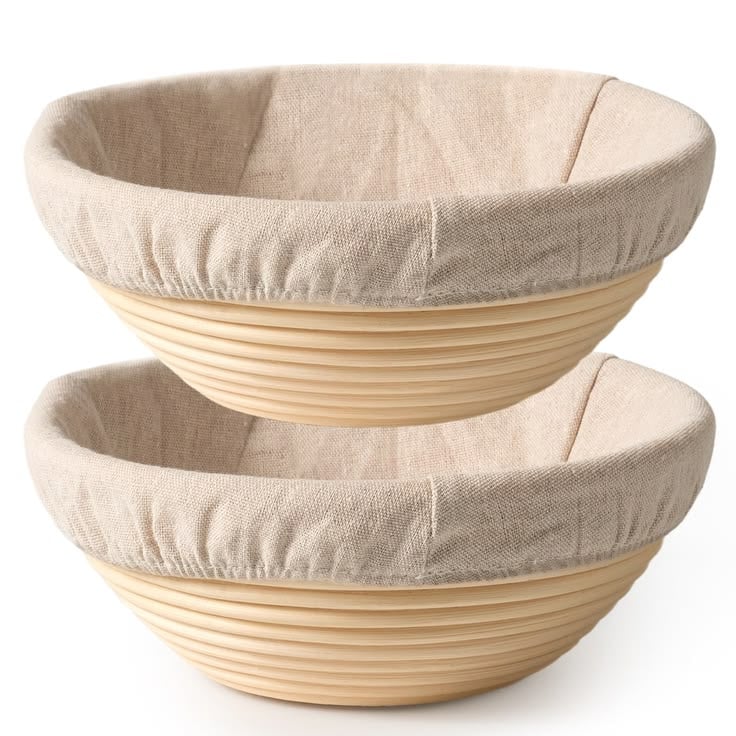
A banneton basket serves a different purpose from an electric bread proofing box. It supports shaped dough during its final proofing stage.
This round banneton basket can be useful when preparing artisan-style bread. It helps hold the dough’s shape while it rests before baking.
Banneton baskets also create the familiar pattern often associated with artisan sourdough loaves. However, the exact result depends on the basket’s construction and how you prepare your dough.
Remember that this product doesn’t provide adjustable temperature control. Instead, it works as a dough-supporting accessory.
Why consider it?
- Round shape for suitable bread preparations.
- Supports dough during final proofing.
- Useful for artisan-style bread.
- Adds structure to your bread-making routine.
If you enjoy making sourdough, this guide to the best proofing baskets for sourdough offers more options to explore.
You can also learn about different types of pastries from around the world for more baking inspiration.
4. Tripho Extra Thick Bread Bags for Homemade Bread
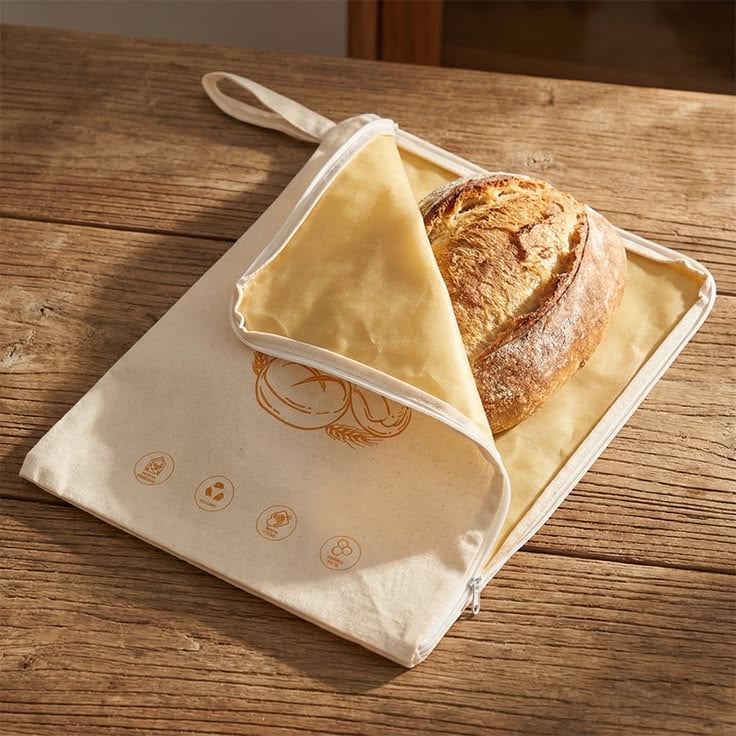
Bread bags don’t proof dough, but they help with storing finished loaves after baking.
This option offers extra-thick bread bags designed for homemade bread. They can be useful when you regularly bake several loaves and need suitable storage.
Once your bread cools completely, proper storage helps protect it from unnecessary exposure to air and kitchen mess.
These bags may also come in handy when preparing homemade bread for gifting. However, check the product listing for the exact bag dimensions and quantity before purchasing.
Why consider it?
- Designed for homemade bread storage.
- Extra-thick construction according to the product title.
- Useful for storing finished loaves.
- Convenient for home bread bakers.
Keep in mind that storage bags aren’t substitutes for proofing boxes. They serve a different stage of your baking routine.
For more storage advice, explore how to store baked goods to keep them fresh.
You may also find these best food storage containers for bakers helpful.
5. Brod & Taylor Proofing Containers, Two-Pack with 6L Capacity
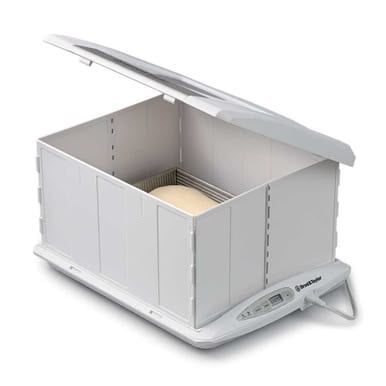
Proofing containers help you organize and hold dough during fermentation.
This option comes as a two-pack, with each container offering a stated 6L capacity. The product title also mentions that the containers fit up to 30, although you should check the full listing for what that measurement refers to.
Having two containers can be convenient when you prepare separate dough batches. You can also use them to keep different preparations organized.
Unlike an electric proofing box, these containers don’t advertise temperature control in the supplied product title. Therefore, you should consider them supporting proofing equipment rather than temperature-controlled proofers.
Why consider it?
- Two containers included.
- 6L capacity.
- Useful for organizing separate dough batches.
- Convenient for home bread preparation.
If you bake frequently, having dedicated containers can make your preparation process more organized.
You can also explore these baking station organization ideas for a more functional workspace.
6. FOHERE Bread Proofing Box with Temperature Control and 48-Hour Timer
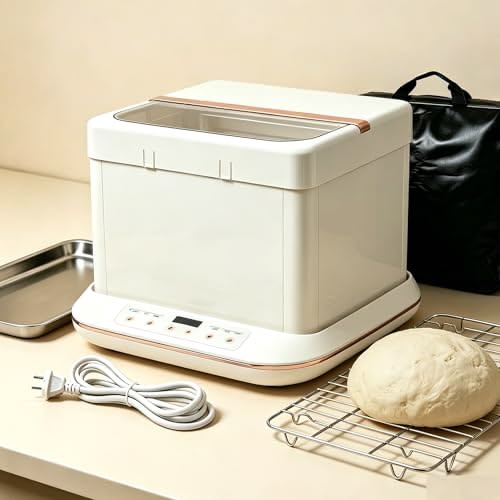
The FOHERE bread proofing box is another option worth considering for home bakers.
Its product title advertises temperature control and a 48-hour timer. The listed temperature range appears inconsistent between the title and product URL, so check the manufacturer’s current specifications before purchasing.
A timer can help you organize your proofing schedule. Meanwhile, adjustable temperature control gives you a way to manage the warmth inside the unit.
This type of appliance can be particularly useful when your kitchen temperature changes throughout the day.
However, remember that different dough recipes need different fermentation conditions. Always follow your recipe and monitor the dough’s progress.
Why consider it?
- Temperature-control functionality.
- 48-hour timer.
- Designed for bread dough proofing.
- Suitable for bakers who want a dedicated proofing space.
Before choosing this model, confirm its exact temperature range, interior dimensions, and operating instructions.
For more helpful guidance, read these baking tips that instantly improve your results.
7. MQUPIN Folding Bread Proofing Box with 68–131°F Temperature Control
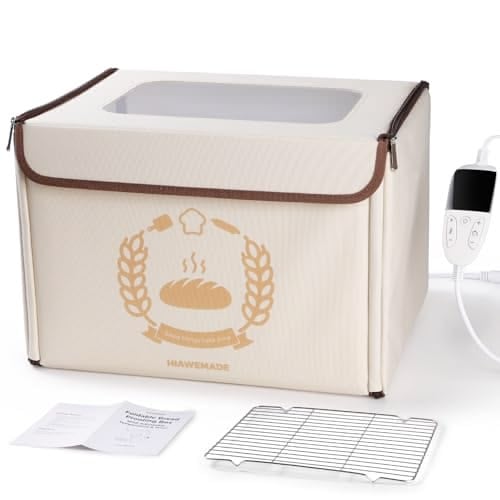
The MQUPIN folding bread proofing box offers a stated temperature range of 68°F to 131°F.
Its folding design can be helpful when you don’t want a large appliance taking up permanent counter space.
The adjustable temperature range also gives you more flexibility when preparing different dough recipes. However, always check your recipe’s recommended proofing conditions before selecting a temperature.
This option may appeal to bakers who want a dedicated proofing appliance with a foldable design.
Why consider it?
- Temperature range of 68°F to 131°F.
- Folding design.
- Designed for sourdough proofing.
- Useful for controlled dough fermentation.
Check the full product specifications for its timer, dimensions, heating arrangement, and storage requirements.
If you’re interested in sourdough, explore these best bread lames for sourdough.
8. Electric Bread Proofing Box with Three-Sided Heating
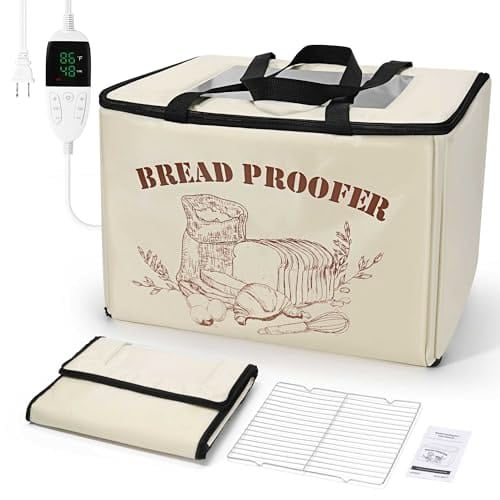
This electric bread proofing box offers another option for bakers who want a dedicated dough-proofing space.
Its product title highlights three-sided heating and a foldable design. It also lists a temperature range of 68°F to 131°F.
Three-sided heating is an important feature to examine when comparing proofing boxes. However, you should follow the manufacturer’s instructions for positioning dough containers inside the appliance.
The folding construction may also help with storage when the appliance isn’t in use.
Why consider it?
- Electric heating system.
- Three-sided heating.
- Temperature range of 68°F to 131°F.
- Foldable design.
Before buying, check whether the unit includes a timer and whether its interior dimensions suit your usual dough containers.
For more bread-making equipment ideas, see these best Dutch ovens for homemade bread.
9. Vababa Two-Pack 16L Pizza Dough Proofing Boxes with Lids
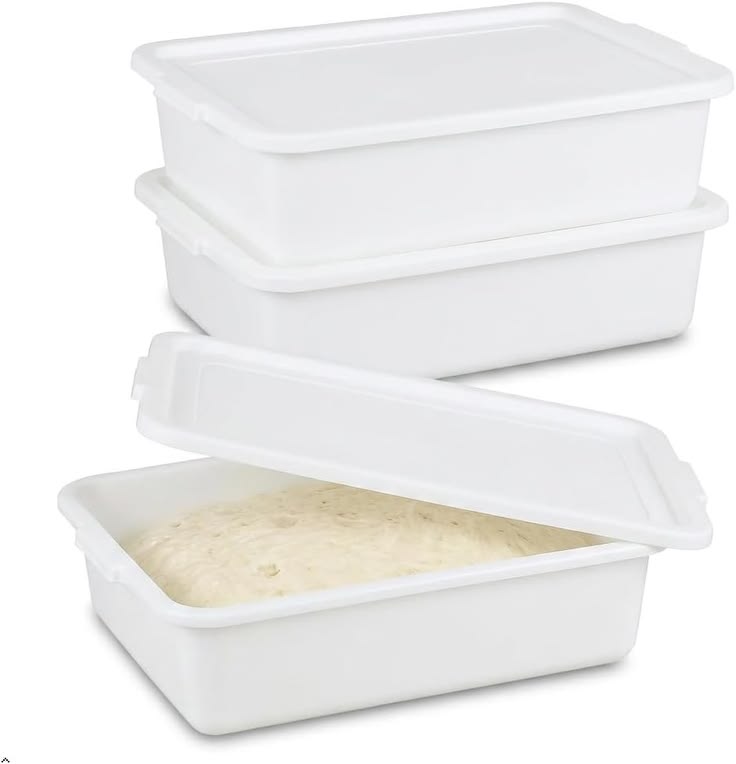
Pizza dough proofing boxes are useful accessories for preparing and storing dough portions during fermentation.
This option comes as a two-pack, with a stated 16L capacity and lids.
The covered design can help keep dough contained during proofing. It also makes the containers useful when preparing pizza dough ahead of time.
However, these containers don’t offer the adjustable heating features of an electric proofing box. They rely on the surrounding environment for temperature conditions.
You should also check the exact dimensions to ensure they fit your refrigerator or storage area.
Why consider it?
- Two containers included.
- 16L capacity.
- Lids included.
- Designed for pizza dough preparation and proofing.
These containers may suit home bakers who prepare pizza dough regularly or prefer dividing larger batches into portions.
For more useful baking equipment, explore these best dough scrapers for bread bakers.
What to Look for When Choosing a Bread Proofing Box
Choosing a bread proofing box involves more than comparing prices and appearances. You should consider how each model fits your baking routine.
Here are some important features to examine before buying.
1. Temperature Control
Temperature control is one of the most important features of an electric bread proofing box.
Dough fermentation responds to temperature changes. Therefore, adjustable settings can help you create more consistent proofing conditions.
Compare the available temperature ranges and check whether the appliance offers reliable controls.
Also, make sure the available settings suit the dough recipes you prepare most often.
If you want to understand temperature better, read this guide to understanding baking temperatures.
2. Interior Capacity
Consider how much dough you usually prepare.
A small proofing box may work well for occasional baking. However, larger batches may require more interior space.
Check whether your preferred mixing bowls, containers, and dough trays fit comfortably.
You should also leave enough room for the dough to expand.
3. Timer Settings
A timer can make your baking schedule easier to manage.
Some proofing boxes offer longer timer settings than others. Therefore, compare the available durations before choosing one.
Remember that a timer doesn’t determine when your dough has finished proofing. You should still monitor its appearance and development.
4. Heating System
Different proofing boxes use different heating arrangements.
For example, some models advertise three-sided heating. Others may use different heating configurations.
Check the manufacturer’s explanation of how the system works.
You should also follow the instructions for arranging containers and maintaining safe operating conditions.
5. Folding and Storage Design
A folding proofing box may suit a kitchen with limited storage space.
Instead of keeping the appliance permanently assembled, you may be able to fold it after use.
However, check its folded dimensions and storage instructions before buying.
These small kitchen baking ideas for limited spaces can also help you make better use of your kitchen.
6. Humidity Management
Some dough preparations benefit from an environment that prevents excessive surface drying.
Therefore, check whether a proofing box offers humidity control or requires you to manage moisture separately.
Don’t assume every model includes this feature.
Always confirm the manufacturer’s specifications before purchasing.
7. Ease of Cleaning
Proofing equipment should be easy to maintain.
Dough residue, flour, and moisture can collect inside containers and appliances.
Check whether removable parts allow easy cleaning. Also, follow the manufacturer’s instructions for cleaning electrical components.
Benefits of Using a Bread Proofing Box
A bread proofing box can make home bread baking more manageable.
Here are some benefits worth considering.
More Consistent Proofing Conditions
Room temperatures can change throughout the day.
A temperature-controlled proofing box gives you more control over the environment surrounding your dough.
This can make it easier to follow your preferred proofing routine.
Better Control Over Fermentation
Temperature affects how quickly dough ferments.
A proofing box allows you to select conditions that suit your recipe.
However, you should still monitor your dough because flour type, yeast activity, and hydration also influence fermentation.
More Convenient Baking Schedules
A dedicated proofing space can make it easier to organize different dough preparations.
This becomes useful when you bake several times each week.
Support for Different Bread Recipes
You can use suitable proofing equipment for many bread preparations.
These may include sourdough, sandwich bread, dinner rolls, and pizza dough.
Always check the appliance’s capacity and temperature range for your particular recipe.
If you want to explore more bread recipes, read these easy baking skills every home baker should know.
How to Use a Bread Proofing Box
Using a bread proofing box is fairly straightforward, but you should follow the instructions for your specific model.
Here is a simple general process:
- Prepare your dough according to your recipe.
- Check the recommended proofing temperature.
- Set up your proofing box according to its instructions.
- Select the appropriate temperature.
- Place your covered dough container inside.
- Set the timer if your model includes one.
- Check the dough regularly.
- Remove the dough when it reaches the required proofing stage.
Avoid relying on time alone. Dough can rise faster or slower depending on its ingredients and environment.
If you’re experiencing problems with dough development, explore why bread doesn’t rise and common reasons.
Common Bread Proofing Mistakes to Avoid
Even with a good proofing box, certain mistakes can affect your bread.
Watch out for these common problems.
Setting the Temperature Too High
Excessive warmth can cause dough to ferment too quickly.
It can also affect yeast activity and dough structure.
Always follow your recipe’s recommended temperature.
Ignoring the Dough
A timer doesn’t replace checking your dough.
Look for signs of proper fermentation instead of assuming every batch needs the same amount of time.
Leaving Dough Uncovered
Exposed dough can develop a dry surface.
Use an appropriate cover or container to protect it during proofing.
Using the Wrong Container
Choose containers that provide enough room for dough expansion.
Avoid overcrowding the proofing space.
Proofing for Too Long
Overproofed dough may lose its structure and become difficult to handle.
Check your dough regularly and learn to recognize the signs of proper proofing.
For more troubleshooting advice, explore common baking mistakes and how to fix them fast.
How to Maintain Your Bread Proofing Box
Proper maintenance helps keep your proofing equipment in good condition.
Follow these simple practices:
- Switch off and unplug electrical models before cleaning.
- Allow heated components to cool before handling them.
- Clean removable surfaces according to the manufacturer’s instructions.
- Avoid pouring water directly onto electrical components.
- Store folding models only when completely dry.
- Keep electrical cords away from water and heat.
- Inspect the appliance regularly for visible damage.
- Avoid using cleaning products that may damage its surfaces.
You should also keep your other baking supplies organized.
These baking station organization ideas can help you create a cleaner workspace.
Frequently Asked Questions
What is a bread proofing box?
A bread proofing box is equipment that provides a controlled environment for dough fermentation.
Electric models may offer adjustable temperature settings and timers. These features help bakers manage the conditions surrounding their dough.
Is a bread proofing box necessary for home baking?
No, a bread proofing box isn’t essential for every home baker.
You can proof dough using suitable covered containers and an appropriate environment.
However, a temperature-controlled model can make proofing more consistent and convenient.
What temperature should I use for proofing bread?
The ideal temperature depends on your recipe and the type of dough.
Check your recipe’s instructions before setting your proofing box.
You should also consider the dough’s ingredients and fermentation requirements.
Can I use a bread proofing box for sourdough?
Yes, suitable proofing boxes can support sourdough fermentation.
However, sourdough requires careful monitoring because fermentation depends on starter activity, temperature, and dough conditions.
Can I proof pizza dough in a bread proofing box?
Yes, if the appliance provides enough space for your pizza dough containers.
You can also use dedicated pizza dough proofing containers for holding individual portions.
Are banneton baskets the same as bread proofing boxes?
No, they serve different purposes.
An electric proofing box helps control the environment during fermentation. A banneton basket supports shaped dough during its final proofing stage.
Do bread proofing boxes need humidity control?
Not every model includes humidity control.
Some proofing setups require you to manage moisture separately. Check the manufacturer’s specifications before purchasing.
Can I use a bread proofing box for overnight fermentation?
That depends on the appliance’s settings and your recipe.
Some models offer longer timer settings. However, you must choose suitable temperatures and monitor fermentation to prevent overproofing.
Final Thoughts
Choosing the best bread proofing box depends on your baking habits, available space, and preferred bread recipes.
Electric proofing boxes offer more control over temperature. Meanwhile, banneton baskets and covered containers provide useful support during different stages of dough preparation.
You don’t need every option to make excellent homemade bread.
Start with equipment that solves your biggest proofing challenges. Then, expand your baking setup as your skills and needs grow.
With the right equipment, careful temperature management, and regular dough checks, you can make your bread-proofing routine more consistent and enjoyable.