Shelf Life of Common Baking Ingredients (Printable Guide)
Disclosure: Some of the links in this post are affiliate links. This means if you click on the link and purchase an item, I will receive an affiliate commission at no extra cost to you.
Keeping fresh ingredients in your pantry is one of the easiest ways to improve your baking results. Many baking problems happen because ingredients have lost their freshness, even when they still look perfectly fine. Knowing the Shelf Life of Common Baking Ingredients helps you avoid flat cakes, dense bread, stale flour, and wasted money. A well-organized pantry also makes baking easier because you’ll always know what needs replacing.
Every ingredient has a different storage life. Flour, sugar, baking powder, cocoa powder, yeast, spices, and chocolate all stay fresh for different lengths of time. Learning how to store them correctly can extend their freshness and help every recipe turn out better. If you’re setting up your pantry for success, Baking Pantry Essentials: What to Always Keep Stocked is a great companion guide that explains which ingredients every home baker should always have available.
In this guide, you’ll learn the Shelf Life of Common Baking Ingredients, how to store each one properly, signs that ingredients have gone bad, and simple tips to reduce waste. You’ll also discover practical storage habits that help you keep your pantry organized and ready for baking whenever inspiration strikes.
Why Shelf Life Matters in Baking
Fresh ingredients play a bigger role in baking than many beginners realize. A recipe may look perfect on paper, but old ingredients can completely change the outcome. Flat cakes, dense bread, weak flavors, and poor texture often happen because something in the pantry has lost its freshness. Learning the Shelf Life of Common Baking Ingredients helps you avoid these frustrating problems while saving money at the same time.
Every baking ingredient changes over time. Some last for years when stored correctly. Others begin losing quality after only a few months. Understanding those differences allows you to replace ingredients before they affect your recipes. Good storage habits also reduce waste because you’ll know exactly what to keep, what to use first, and what needs replacing.
Building a reliable pantry starts with understanding which ingredients deserve permanent space in your kitchen. Baking Pantry Essentials: What to Always Keep Stocked explains how to create a pantry that supports successful baking throughout the year.
Shelf Life of Common Baking Ingredients
Flour Shelf Life
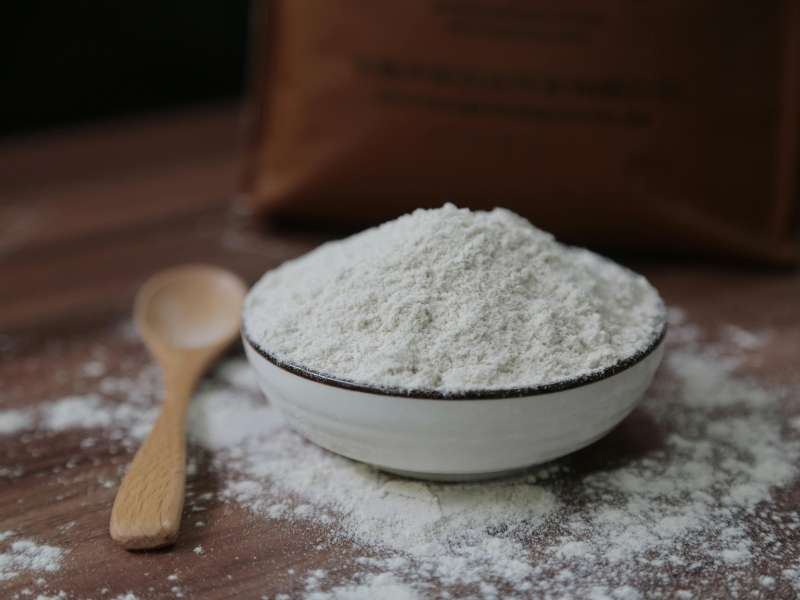
Flour forms the foundation of countless baking recipes.
Its freshness directly affects texture and structure.
All-purpose flour usually stays fresh for about one year when stored in an airtight container inside a cool, dry pantry.
Whole wheat flour has a much shorter shelf life because its natural oils spoil faster.
Many bakers refrigerate or freeze whole wheat flour to extend its freshness.
Always smell flour before using it.
Fresh flour smells mild and clean.
Old flour develops a sour or stale odor.
Discard any flour that smells unpleasant or shows signs of insects.
Proper storage protects flour from moisture, pests, and strong kitchen odors.
Keeping it sealed also preserves its quality for much longer.
Understanding which flour works best for each recipe becomes much easier once you know how to store it correctly. Types of Baking Flour and When to Use Them explains the purpose of every common baking flour.
Sugar Shelf Life
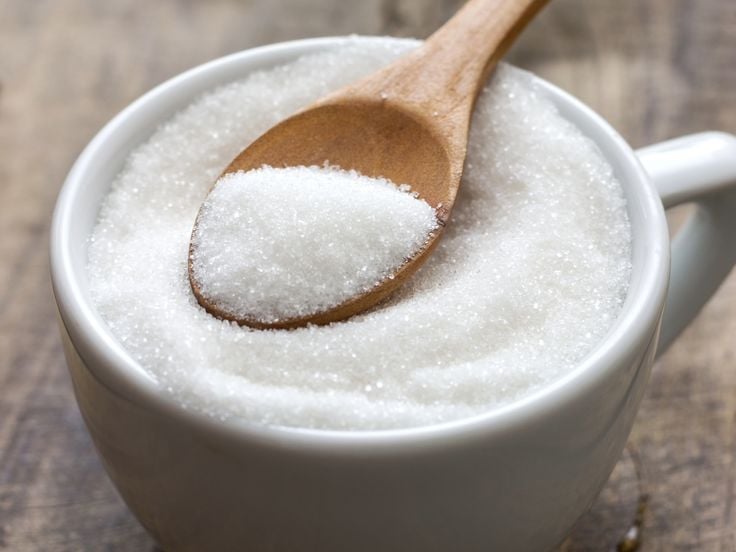
Sugar has one of the longest storage lives in any baking pantry.
Granulated sugar can remain usable for many years when protected from moisture.
Brown sugar behaves differently.
Its molasses content causes it to harden if left exposed to air.
Store brown sugar inside a tightly sealed container.
Adding a food-safe moisture keeper helps prevent hardening.
Powdered sugar also lasts a long time but may develop lumps if moisture enters the package.
Fortunately, most sugar remains perfectly safe long after its best-by date.
Quality storage matters much more than the printed date.
Keeping sugar dry preserves both texture and performance in baking.
Knowing how different sugars behave also improves recipe results. The Different Types of Sugar Used in Baking Explained explores the purpose of each variety.
Baking Powder and Baking Soda Shelf Life
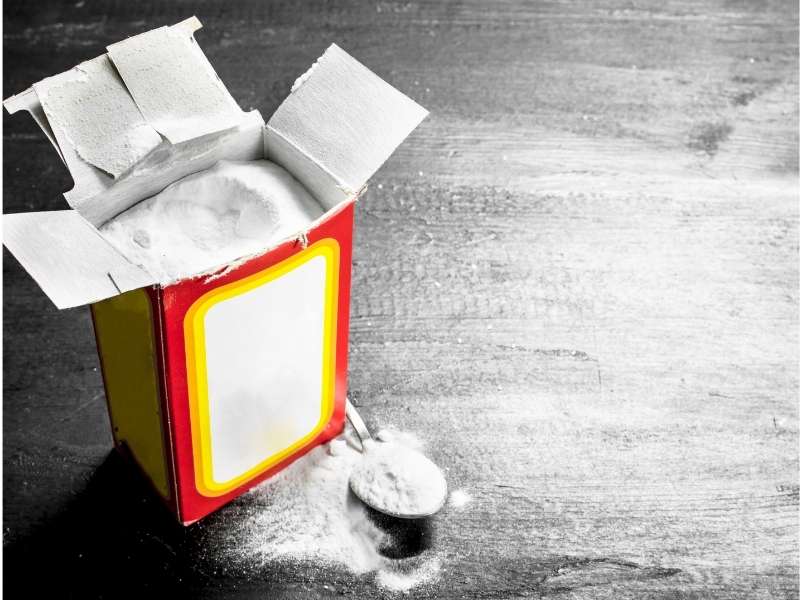
Leavening agents lose strength over time.
Old baking powder often causes cakes to rise poorly.
Expired baking soda creates similar problems.
Many beginners blame themselves when the real issue comes from inactive ingredients.
Most baking powder stays fresh for about six to twelve months after opening.
Baking soda often lasts longer but still benefits from regular replacement.
Testing these ingredients before baking saves both time and disappointment.
A simple freshness test takes only a few minutes.
Fresh baking powder bubbles vigorously in warm water.
Fresh baking soda reacts immediately with vinegar.
Replacing inactive leavening agents improves nearly every baked recipe.
If your cakes continue falling flat, Why Your Cakes Keep Failing (and How to Fix Them) explains several common causes besides expired ingredients.
Yeast Shelf Life
Yeast requires extra attention because it is a living ingredient.
Active dry yeast usually stays fresh for several months after opening when refrigerated.
Unopened packets often last much longer.
Instant yeast follows similar guidelines.
Always seal opened packages tightly before returning them to the refrigerator.
Many bakers also freeze yeast to extend its life.
Testing yeast before baking bread provides extra peace of mind.
Mix a small amount with warm water and sugar.
Healthy yeast becomes foamy within several minutes.
Weak yeast produces little or no activity.
Using fresh yeast creates lighter, better-risen bread with improved texture.
If you’re beginning your bread-making journey, Beginner’s Guide to Baking Bread at Home explains how fresh yeast contributes to successful loaves.
Butter Shelf Life
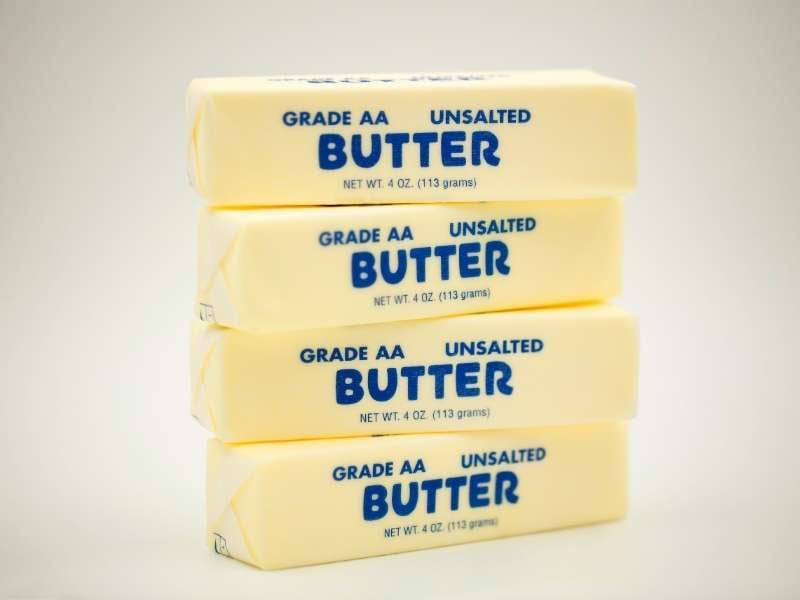
Butter performs best while fresh.
Salted butter generally lasts longer than unsalted butter because salt slows spoilage.
Refrigerated butter often remains fresh for several months.
Freezing extends its life even further.
Always keep butter wrapped tightly to protect it from absorbing odors inside the refrigerator.
Butter that smells sour or develops discoloration should not be used for baking.
Fresh butter contributes better flavor and texture to cakes, cookies, and pastries.
Using quality butter also creates more consistent baking results.
Understanding how butter affects texture becomes easier once you know its proper storage methods. Butter vs Margarine in Baking: Does It Really Matter? compares both options and explains when each one works best.
Eggs Shelf Life
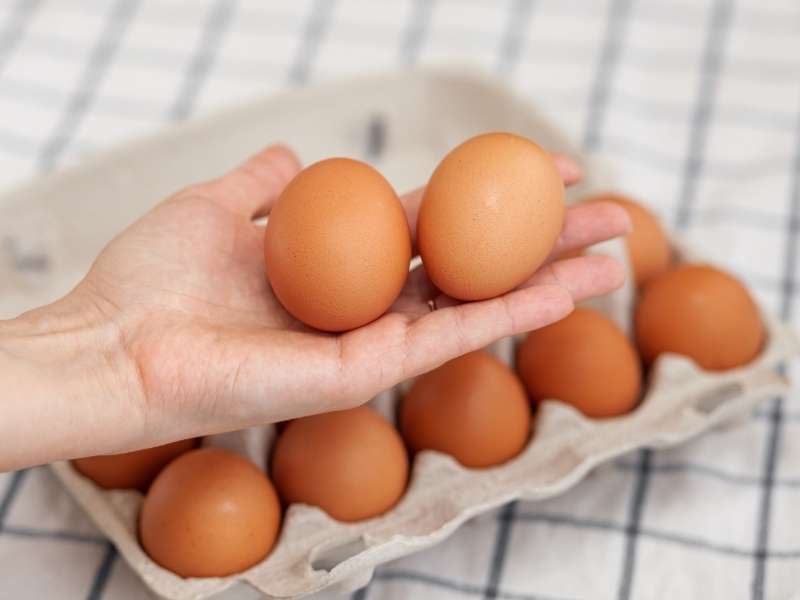
Eggs appear in countless baking recipes.
Their freshness influences structure, moisture, and stability.
Most refrigerated eggs remain fresh for several weeks after purchase.
A simple water test helps determine freshness.
Fresh eggs sink to the bottom of a bowl of water.
Older eggs begin standing upright.
Spoiled eggs float completely because air has entered the shell.
Never crack questionable eggs directly into your mixing bowl.
Instead, crack each egg into a small separate bowl first.
This habit protects your entire recipe if one egg has spoiled.
Learning how eggs affect baking improves much more than food safety. Eggs in Baking: Why They Matter and How They Affect Results explains why eggs remain one of the most important baking ingredients.
Vanilla Extract Shelf Life
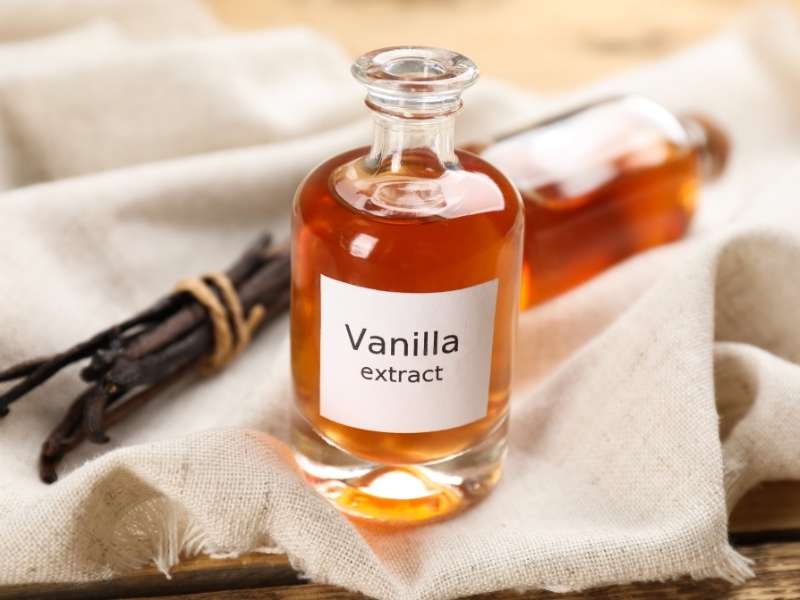
Pure vanilla extract lasts surprisingly long.
Its alcohol content acts as a natural preservative.
Properly stored vanilla often remains flavorful for many years.
Artificial vanilla also lasts well but gradually loses some aroma over time.
Store vanilla inside a cool cabinet away from direct sunlight.
Keep the bottle tightly sealed after every use.
Although vanilla rarely spoils, freshness still affects flavor intensity.
Using fresh, aromatic vanilla gives cakes, cookies, and frostings a richer taste.
Even long-lasting ingredients deserve proper storage to maintain their quality.
Learning the Shelf Life of Common Baking Ingredients helps you recognize which pantry staples require frequent replacement and which ones simply need proper storage.
Cocoa Powder Shelf Life
Cocoa powder stays fresh much longer than many people expect.
An unopened container often keeps its quality for several years.
Opened cocoa powder usually performs well for about two years when stored correctly.
Keep it inside an airtight container.
Store it in a cool, dry cupboard away from heat and sunlight.
Moisture causes cocoa powder to clump and lose quality.
Fresh cocoa has a rich chocolate aroma and deep color.
Old cocoa often smells dull and produces less flavorful desserts.
Proper storage preserves both taste and baking performance.
If you enjoy making chocolate desserts, The Ultimate Guide to Different Types of Desserts includes many recipes that benefit from fresh cocoa powder.
Chocolate Shelf Life
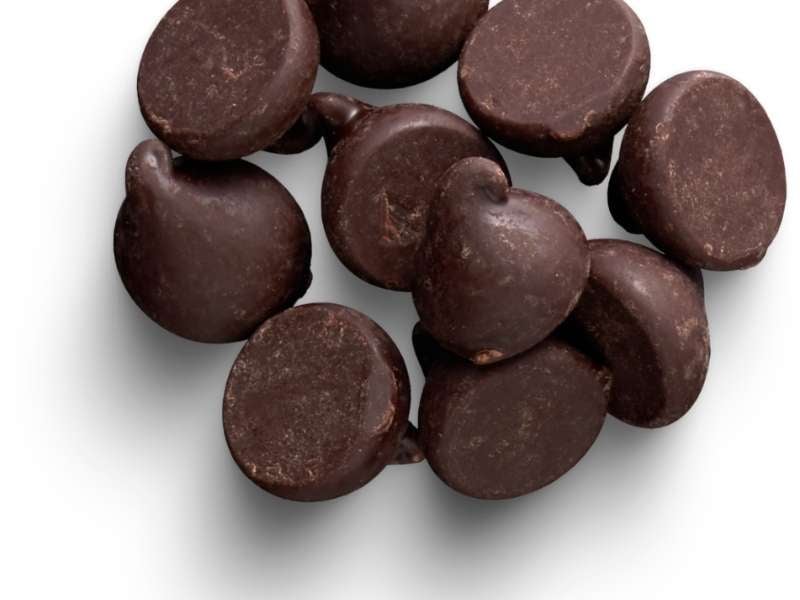
Chocolate lasts a long time when stored properly.
Dark chocolate generally stays fresh longer than milk or white chocolate.
Heat remains its biggest enemy.
Warm temperatures cause chocolate bloom, which creates white streaks on the surface.
Although bloomed chocolate usually remains safe to eat, its appearance changes.
Keep chocolate in a cool cupboard instead of the refrigerator whenever possible.
Seal opened packages tightly.
Strong odors can affect chocolate’s flavor over time.
Fresh chocolate melts more smoothly and tastes much richer in baked goods.
Using quality chocolate improves everything from brownies to pastries.
Read this next: 19 Bread Baking Mistakes That Ruin Homemade Loaves
Spices Shelf Life
Spices slowly lose their strength as they age.
Ground cinnamon, nutmeg, ginger, and cloves usually remain flavorful for one to three years.
Whole spices often last even longer.
Fresh spices produce stronger flavors and better aromas.
Store spice jars away from direct sunlight.
Keep lids tightly closed.
Avoid sprinkling spices directly over steaming pots because moisture shortens their life.
Replacing old spices brings noticeable improvement to cookies, cakes, breads, and pies.
If your baked goods seem less flavorful than expected, old spices may be the reason.
Understanding ingredient quality makes recipes much more consistent. Baking Tips That Instantly Improve Your Results shares additional habits that improve flavor and texture.
Nuts Shelf Life
Nuts contain natural oils that eventually become rancid.
Room-temperature storage works for only a few months.
Refrigeration extends freshness significantly.
Freezing helps preserve nuts for even longer.
Always store nuts inside airtight containers.
Smell them before baking.
Fresh nuts smell sweet and pleasant.
Spoiled nuts develop a bitter or paint-like odor.
Using fresh nuts improves both texture and flavor.
Proper storage also protects them from moisture and insects.
Keeping nuts fresh helps every dessert taste its best.
Open this next: The Science of Baking Made Simple for Beginners
Cooking Oils Shelf Life
Vegetable oil, canola oil, and other baking oils eventually spoil.
Light, heat, and air speed up that process.
Store oils in tightly sealed bottles inside cool cabinets.
Avoid placing them next to the stove.
Fresh oil smells neutral.
Rancid oil develops a sharp, unpleasant odor.
Using spoiled oil changes the flavor of your baked goods.
Checking oils regularly helps prevent disappointing results.
Simple storage habits keep them fresh much longer.
Bookmark this: The Complete Beginner’s Guide to French Macarons
Milk and Cream Shelf Life
Fresh dairy products require careful attention.
Always check expiration dates before baking.
Store milk and cream inside the coldest part of your refrigerator.
Avoid leaving them on the counter while preparing recipes.
Return them immediately after measuring.
Spoiled dairy often develops a sour smell or unusual texture.
Fresh dairy contributes moisture and richness to cakes, muffins, and frostings.
Proper refrigeration protects both flavor and food safety.
If you enjoy baking frequently, keeping only the amount you’ll use helps reduce waste.
Cream Cheese Shelf Life
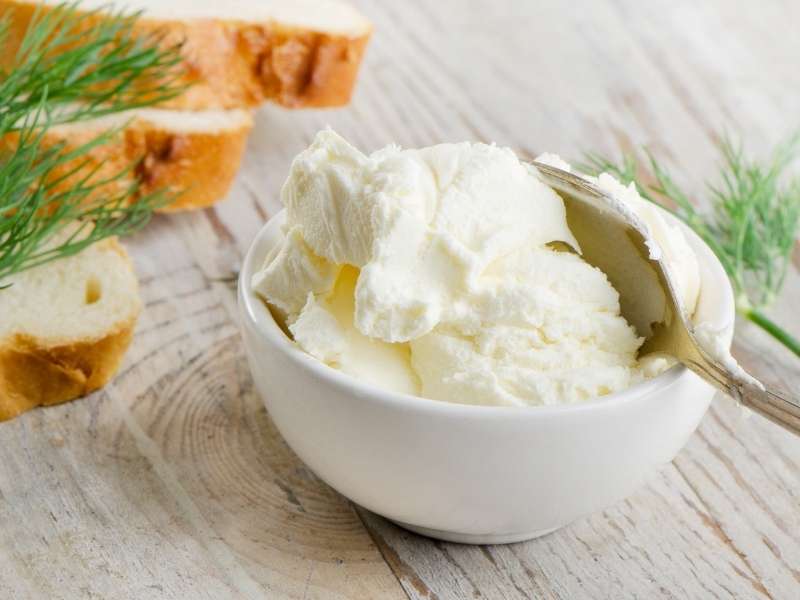
Cream cheese appears in many frostings and cheesecakes.
Refrigeration remains essential.
Opened packages should stay tightly sealed.
Discard cream cheese that develops mold, unusual odors, or watery separation.
Fresh cream cheese creates smoother frostings and creamier fillings.
Using quality dairy ingredients improves both taste and texture.
If cheesecake interests you, understanding ingredient freshness becomes even more important.
See this next: How to Make Money From Baking without Selling Cakes
Dried Fruit Shelf Life
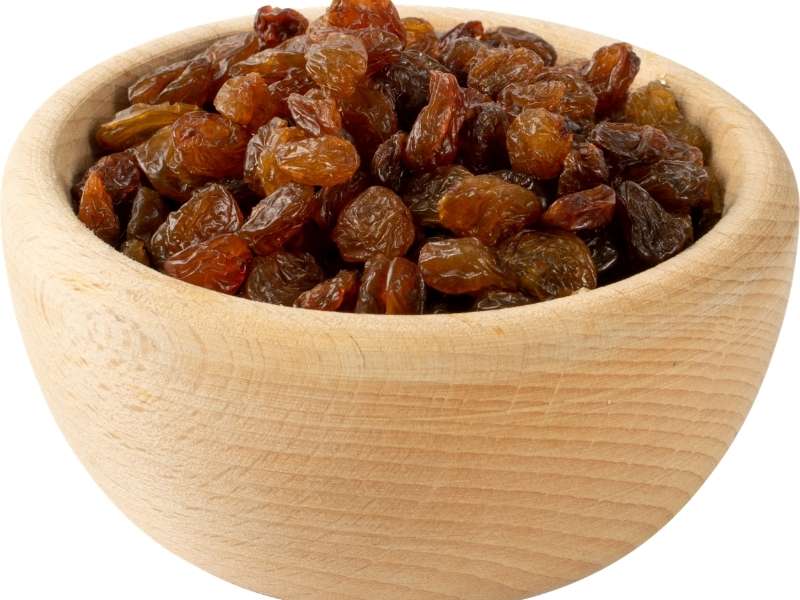
Raisins, cranberries, dates, and other dried fruits last surprisingly long.
Store them in airtight containers.
Keep them away from humidity.
Properly stored dried fruit usually stays fresh for several months.
Refrigeration extends freshness even more.
Dry, hardened fruit often benefits from soaking before baking.
Fresh dried fruit stays soft, chewy, and naturally sweet.
Quality ingredients create more enjoyable baked goods.
How to Organize Your Pantry for Longer Shelf Life
Good organization helps ingredients stay fresh.
Group similar ingredients together.
Place older products toward the front.
Move newly purchased items behind them.
Label containers with purchase dates.
Use clear storage containers whenever possible.
Regularly check expiration dates.
Clean pantry shelves every few months.
Good organization reduces waste and prevents duplicate purchases.
Keeping everything visible also makes baking more enjoyable.
If your kitchen needs better organization, Baking Station Organisation Ideas That Will Transform Your Kitchen offers practical storage ideas that simplify every baking session.
Signs Your Baking Ingredients Need Replacing
Many ingredients show clear warning signs before they stop performing well.
Pay attention to unusual smells.
Watch for changes in color.
Notice clumping caused by moisture.
Look for insects inside flour or grains.
Test baking powder and baking soda before important recipes.
Check yeast for proper activity.
Small inspections prevent disappointing results.
Replacing old ingredients often solves baking problems immediately.
If you’ve experienced repeated recipe failures, Common Baking Mistakes and How to Fix Them Fast explains how ingredient quality affects baking success.
Create a Pantry Rotation Routine
One of the easiest ways to keep ingredients fresh is by rotating your pantry regularly.
Place newly purchased ingredients behind older ones.
Use older products first.
Check expiration dates every month.
Wipe containers before returning them to the shelf.
Simple habits like these reduce waste and help you avoid baking with expired ingredients.
A few minutes of organization each month can save money and improve every recipe you bake.
Keeping your pantry current also makes shopping much easier because you always know what you already have.
Buy Only What You Will Use
Buying large quantities may seem like a bargain.
Still, it isn’t always the smartest choice.
Ingredients lose quality while sitting in the pantry.
Purchase larger bags only if you bake frequently.
Otherwise, smaller packages often stay fresher.
This habit reduces waste and helps every recipe taste its best.
Planning your shopping around the recipes you actually bake also prevents unnecessary spending.
If you’re trying to stretch your baking budget, Best Budget Baking Ingredients That Still Give Great Results explains where you can save money without sacrificing quality.
Store Ingredients in Airtight Containers
Original packaging doesn’t always provide the best protection.
Transfer flour, sugar, cocoa powder, and other dry ingredients into airtight containers whenever possible.
Clear containers make it easy to see how much remains.
They also protect ingredients from moisture, insects, and strong odors.
Choose containers with tight-fitting lids.
Label each one clearly.
Adding the purchase date helps you monitor freshness more accurately.
Good storage keeps your pantry organized while extending the Shelf Life of Common Baking Ingredients.
Protect Ingredients From Heat and Light
Heat shortens the life of many baking ingredients.
Direct sunlight also reduces quality over time.
Choose a cool, dry cupboard for most pantry staples.
Avoid storing ingredients beside the oven or dishwasher.
Warm temperatures affect flour, chocolate, spices, oils, and nuts much faster than many people realize.
Simple changes in storage location often make ingredients last significantly longer.
Creating a cooler storage space helps preserve flavor, aroma, and texture.
Keep Moisture Away
Moisture creates many pantry problems.
It causes sugar to harden.
It encourages flour to spoil.
It creates lumps in cocoa powder.
Always use clean, dry measuring cups.
Close containers immediately after use.
Never leave ingredient containers open while baking.
These small habits help protect the Shelf Life of Common Baking Ingredients and reduce unnecessary waste.
Label Everything Clearly
Labels remove the guesswork from pantry organization.
Write the ingredient name on every container.
Include the purchase date whenever possible.
Some bakers also write the expected replacement date.
Simple labels help you identify ingredients quickly while baking.
They also remind you which items need attention first.
Organized storage creates a more enjoyable baking experience.
Check Your Pantry Before Shopping
Many bakers accidentally buy ingredients they already own.
Checking your pantry before making a shopping list prevents duplicate purchases.
Take a few minutes to inspect every shelf.
Replace only the ingredients that actually need replacing.
Planning ahead also helps you avoid last-minute grocery trips while baking.
Developing this routine saves both time and money throughout the year.
Don’t Ignore Best-By Dates
Best-by dates provide useful guidance.
Still, they don’t always tell the complete story.
Many ingredients remain usable beyond those dates when stored correctly.
Others lose quality much sooner because of poor storage.
Use your senses along with the printed date.
Smell your ingredients.
Look for changes in texture.
Inspect their appearance.
Testing freshness before baking often prevents disappointing results.
Understanding these signs becomes easier as you gain more experience.
If you’re still learning baking fundamentals, The Science of Baking Made Simple for Beginners explains why fresh ingredients perform so much better.
Build Good Pantry Habits
Strong baking habits begin long before you mix your ingredients.
Keep your pantry clean.
Organize ingredients by category.
Replace expired products regularly.
Seal every container after use.
Store ingredients in suitable locations.
Review your pantry every month.
These habits protect the Shelf Life of Common Baking Ingredients while making every baking session more enjoyable.
Consistent organization also reduces stress because everything stays easy to find.
A Printable Pantry Checklist
Creating a simple pantry checklist helps you stay organized throughout the year.
List every ingredient you keep on hand.
Write the purchase date beside each one.
Add the expected replacement date.
Review the list once each month.
Update it after every shopping trip.
Cross off ingredients that need replacing.
Keeping this checklist inside a kitchen cabinet or pantry door makes it easy to maintain. A simple routine like this protects the Shelf Life of Common Baking Ingredients while helping you avoid unnecessary waste and forgotten supplies.
Final Thoughts
Understanding the Shelf Life of Common Baking Ingredients is one of the easiest ways to improve your baking. Fresh ingredients create better flavor, stronger rise, improved texture, and more reliable results. Good storage habits also save money because you’ll waste fewer ingredients and replace items only when necessary.
Remember that every ingredient has different storage needs. Flour, yeast, butter, chocolate, spices, and nuts all stay fresh for different lengths of time. Learning those differences allows you to prepare every recipe with confidence. A well-organized pantry also makes baking less stressful because everything stays fresh, easy to find, and ready whenever inspiration strikes.
Start building better pantry habits today. Check expiration dates regularly, organize your shelves, label your containers, and protect ingredients from heat, moisture, and air. These simple routines will extend the Shelf Life of Common Baking Ingredients, improve every recipe you bake, and help you enjoy more consistent results throughout your baking journey.