The Ultimate Guide to Different Types of Desserts
Disclosure: Some of the links in this post are affiliate links. This means if you click on the link and purchase an item, I will receive an affiliate commission at no extra cost to you.
Dessert has a funny way of making any meal feel a little more special. From a soft slice of cake to a warm cookie straight from the oven, sweet treats come in so many textures, flavors, and styles. I used to group almost every sweet bake together until I started learning more about how each dessert gets its unique texture. Honestly, understanding the differences made baking much more interesting.
Learning about the different types of desserts can also help you decide what to bake next. Cakes feel soft and fluffy, while cookies can range from chewy to crisp. Pastries bring flaky layers, and creamy desserts offer a completely different experience. Once you understand these basic groups, choosing recipes feels much easier. If you are still finding your way around the kitchen, The Ultimate Beginners Guide to Baking (Everything You Need To Know to Start) can help you build confidence with the basics.
What I love most about exploring the different types of desserts is discovering how simple ingredients can create completely different results. Flour, sugar, butter, and eggs may appear in several recipes, yet the final desserts can look and taste nothing alike. You may also enjoy Baking Ingredients Explained: What Every Ingredient Actually Does because it explains why those familiar ingredients behave differently in each recipe.
From rich chocolate treats to light pastries and chilled sweets, every dessert category has something exciting to discover. By the time you explore these delicious groups, you may have a much longer baking list and plenty of sweet inspiration for your next kitchen adventure.
Why Understanding Dessert Types Makes Baking Easier
Desserts can look completely different, yet many use similar basic ingredients. Flour, sugar, butter, eggs, and cream appear in countless recipes. The way you mix and bake those ingredients changes everything.
Understanding the different types of desserts helps you choose recipes that match your skills and cravings. You also start noticing why one dessert feels light while another tastes rich and dense.
For example, cakes rely on proper mixing and structure. Pastries need careful handling to create flaky layers. Custards depend on gentle heat for their smooth texture.
Once you understand these differences, baking feels less confusing. You can also spot mistakes more easily.
If you are new to baking, The Science of Baking Made Simple for Beginners explains why small recipe changes create completely different results.
Now, let’s explore the sweet categories you will often see in recipes and bakeries.
Different Types of Desserts
1. Cakes
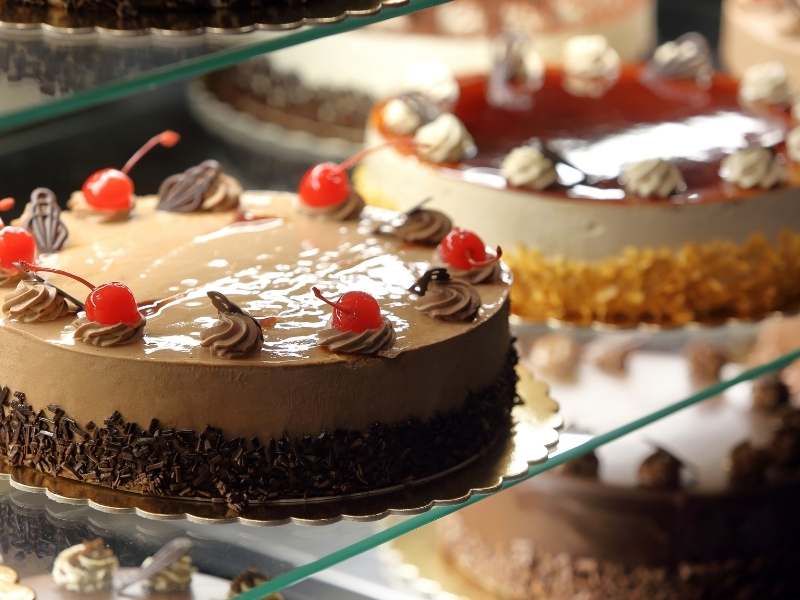
Cakes remain one of the most popular different types of desserts around the world. They come in countless flavors, shapes, and textures.
Some cakes feel light and airy. Others taste rich, moist, and dense.
Butter cakes usually get their soft texture from creaming butter and sugar. Sponge cakes rely heavily on whipped eggs for their light structure.
Popular cake varieties include:
- Chocolate cake
- Vanilla cake
- Red velvet cake
- Carrot cake
- Sponge cake
- Pound cake
- Angel food cake
The mixing method can completely change your cake. Even using the wrong butter temperature may affect the final texture.
If your cakes often sink, dry out, or bake unevenly, Why Your Cakes Keep Failing (and How to Fix Them) can help you identify the problem.
2. Cookies
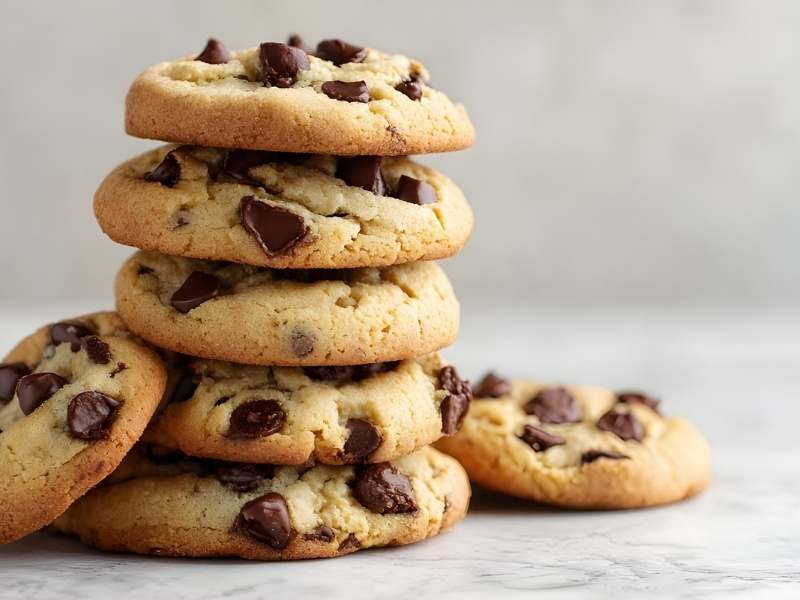
Cookies may seem simple, but this dessert category offers plenty of variety.
Some cookies feel soft and chewy. Crisp cookies snap when you bite them. Others have thick, cakey centers.
Ingredients play a huge role in the final texture.
Brown sugar often adds moisture and chewiness. Granulated sugar encourages spreading and crisp edges.
Butter temperature also changes how the dough behaves.
Popular cookies include chocolate chip cookies, sugar cookies, shortbread, oatmeal cookies, and peanut butter cookies.
Among the different types of desserts, cookies make a great starting point for new bakers.
Still, small mistakes can ruin a batch quickly. 17 Common Cookie Baking Mistakes and How to Fix Them explains why cookies spread, turn dry, or bake unevenly.
3. Pastries
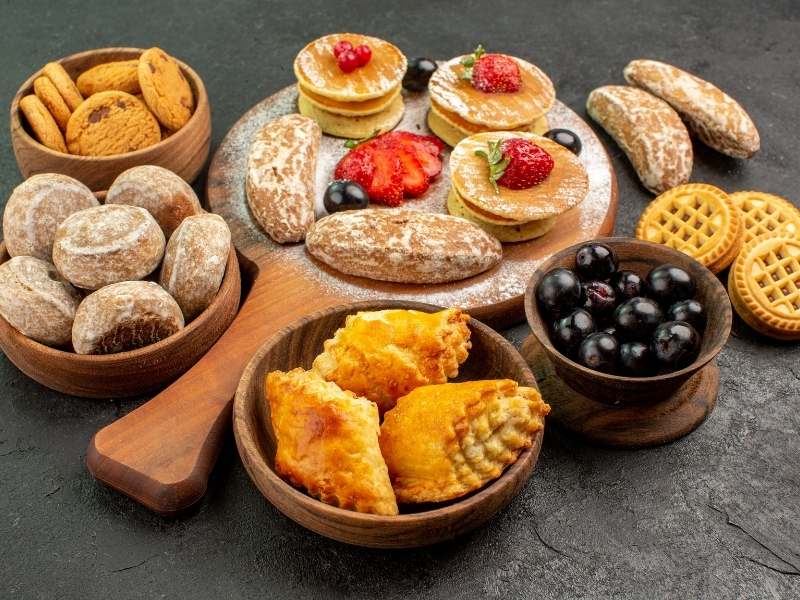
Pastries bring buttery layers, delicate textures, and beautiful shapes to the dessert table.
This category includes treats made with different pastry doughs.
Puff pastry creates thin, flaky layers. Choux pastry produces light shells with hollow centers. Shortcrust pastry gives tarts a crumbly base.
Popular pastry desserts include:
- Croissants
- Danish pastries
- Éclairs
- Cream puffs
- Fruit turnovers
- Palmiers
Pastries often need careful temperature control.
Warm butter can ruin delicate layers. Rough handling may also affect the final texture.
Beautiful finishing touches make these treats even more impressive. Try some 23 Beautiful Pastry Decorating Ideas if you want your homemade pastries to look extra special.
4. Pies and Tarts
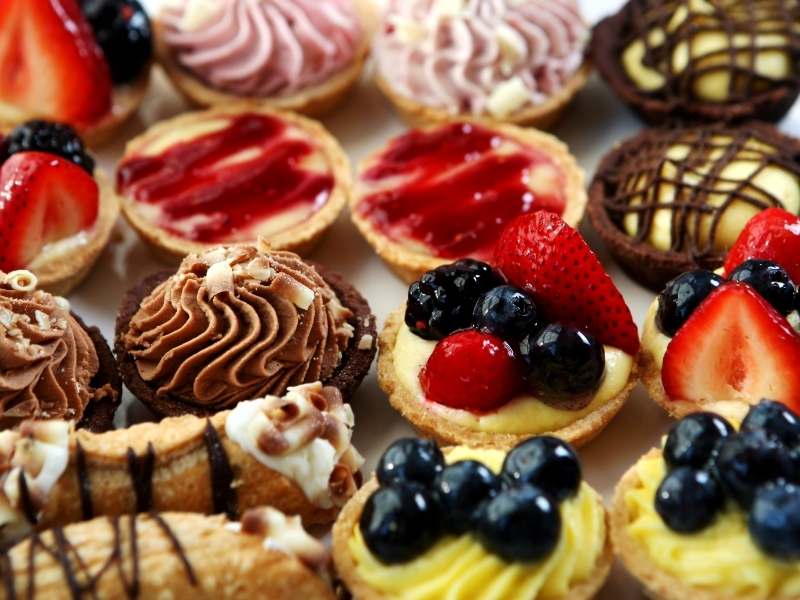
Pies and tarts combine a pastry base with sweet fillings.
Fruit, chocolate, custard, and nuts all work beautifully.
Although people often group pies and tarts together, they have a few differences.
Pies usually bake inside deeper dishes. Many also have a top crust.
Tarts often use shallow pans and leave the filling visible.
These different types of desserts allow you to experiment with seasonal ingredients and creative flavors.
Popular choices include apple pie, lemon tart, pecan pie, chocolate tart, and berry pie.
Accurate measurements matter when making pastry crust. Too much flour can create a tough base.
For better measuring habits, read Baking Measurements Conversion Chart (Cups, Grams, Ounces Explained) before preparing your next crust.
5. Custards
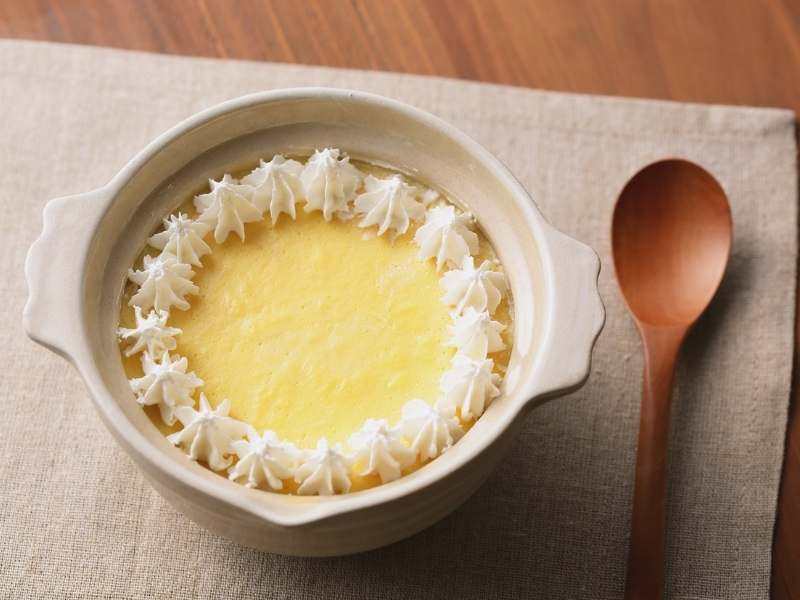
Custards have a smooth, creamy texture that feels rich without needing a cake base.
Eggs usually help thicken the mixture.
Milk or cream adds richness.
Sugar brings sweetness and balances the egg flavor.
Popular custard desserts include crème brûlée, flan, pastry cream, and baked custard.
Heat control matters greatly with custards.
High temperatures can cause the eggs to cook too quickly. The mixture may turn grainy instead of silky.
Learning how eggs behave can make custard recipes much easier. Eggs in Baking: Why They Matter and How They Affect Results explains their role in structure, texture, and richness.
6. Puddings
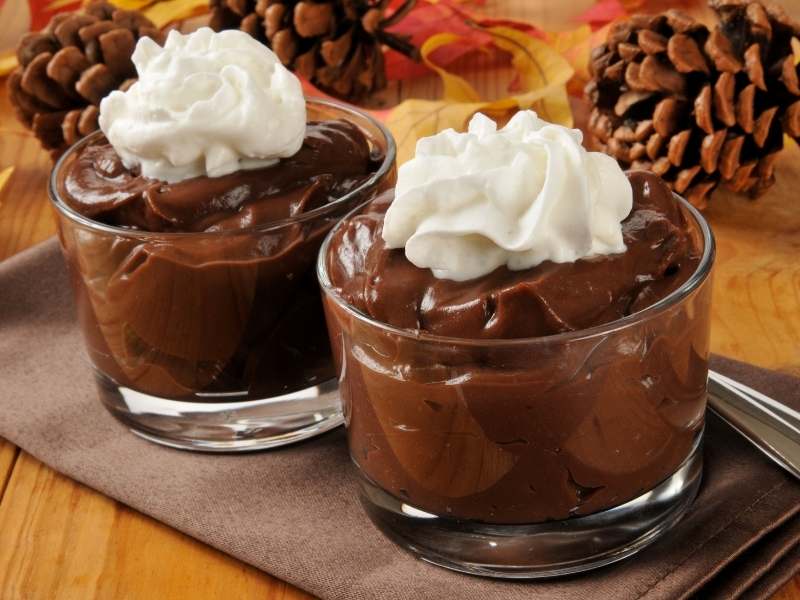
Puddings offer a soft, creamy texture that makes them perfect for simple desserts.
Chocolate and vanilla remain classic flavors.
Still, you can also make caramel, banana, coconut, or butterscotch pudding.
Many puddings use starch for thickening.
Others rely on eggs.
Some recipes combine both ingredients.
Puddings stand out among the different types of desserts because they require very little decorating.
A spoonful of whipped cream or fresh fruit often provides the perfect finish.
Ingredient substitutions can affect pudding texture, especially when changing milk or thickeners. Baking Substitutions Guide (When You’re Missing Ingredients) can help you make smarter recipe swaps.
7. Mousses
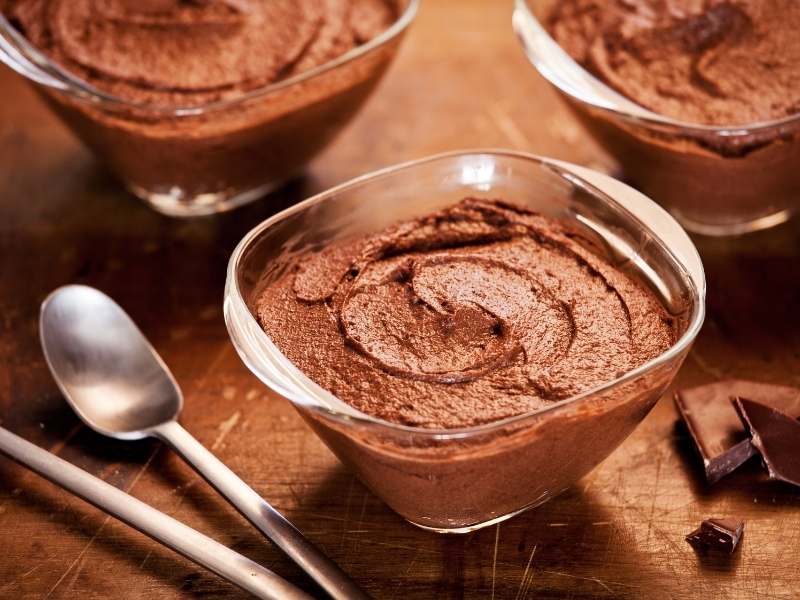
Mousse feels light, airy, and creamy.
Unlike pudding, mousse usually gets its fluffy texture from whipped cream or whipped egg whites.
Chocolate mousse remains a popular favorite.
Fruit mousses also taste delicious and refreshing.
The key lies in folding ingredients gently.
Aggressive mixing removes the air and creates a heavier dessert.
If the word “fold” leaves you confused, Baking Terms Explained (Fold, Cream, Knead & More For Beginners) explains this technique in simple language.
Mousses prove that the different types of desserts can create completely different textures from similar ingredients.
A little cream, sugar, and chocolate can become something light instead of dense.
These first dessert categories cover everything from fluffy cakes to creamy mousses. Each one uses different techniques to create its signature texture and flavor.
8. Cheesecakes
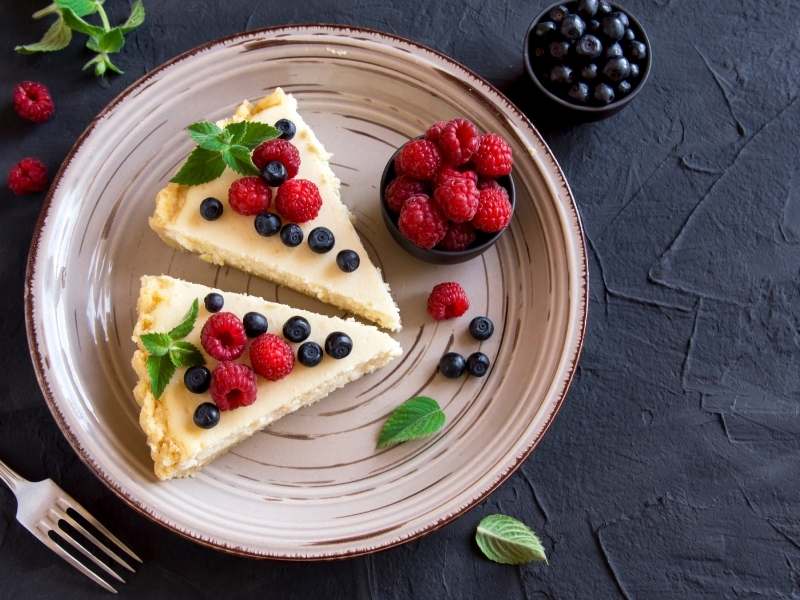
Cheesecake has a rich, creamy texture that feels completely different from traditional cake.
Cream cheese usually creates the smooth base.
Eggs add structure, while sugar brings sweetness.
Some cheesecakes bake in the oven. Others set inside the refrigerator without baking.
These different types of desserts give you plenty of room to experiment with flavors.
Popular cheesecake flavors include strawberry, chocolate, lemon, caramel, and vanilla.
Avoid mixing the batter too aggressively.
Extra air can cause cracks during baking.
Oven temperature also matters. If heat control feels confusing, Understanding Baking Temperatures for Better Results explains how temperature affects baked desserts.
9. Frozen Desserts
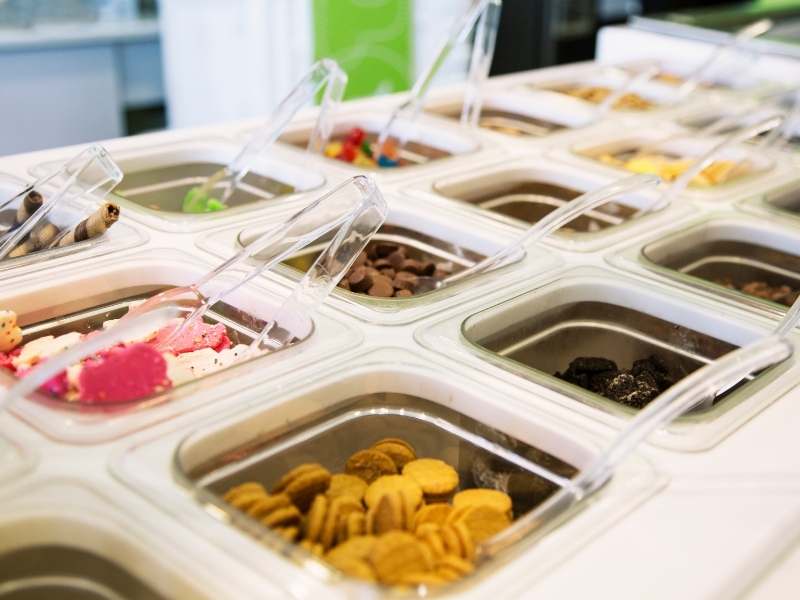
Frozen treats feel especially refreshing during warm weather.
This dessert category includes ice cream, sorbet, gelato, frozen yogurt, and granita.
Each option has a different texture.
Ice cream usually contains cream and milk.
Sorbet mainly uses fruit, sugar, and water.
Gelato has a dense, smooth texture with less air.
Among the different types of desserts, frozen sweets offer endless flavor combinations.
Fresh fruit, chocolate, vanilla, coffee, and nuts all work beautifully.
Proper storage matters because temperature changes can create unwanted ice crystals.
If you often store homemade treats, How to Store Baked Goods to Keep Them Fresh Longer shares practical storage tips.
10. Doughnuts
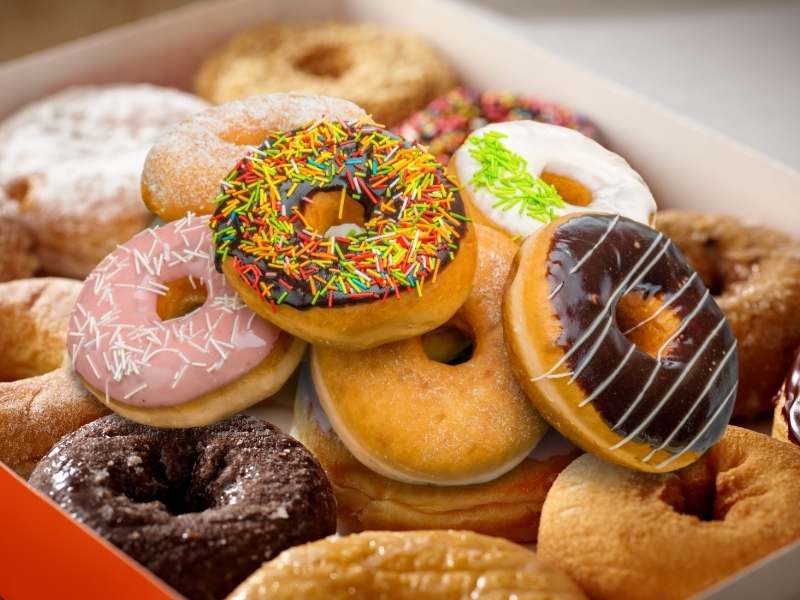
Doughnuts bring together soft dough and sweet toppings.
Some recipes use yeast.
Others rely on baking powder for lift.
Yeast doughnuts usually feel light and fluffy.
Cake doughnuts have a denser crumb.
Both options belong among the most loved different types of desserts.
You can coat doughnuts with cinnamon sugar, powdered sugar, chocolate, or glaze.
Filled versions also taste delicious.
Jam, custard, and cream remain popular choices.
Fresh ingredients create better dough and flavor. Baking Ingredients Explained: What Every Ingredient Actually Does can help you understand why each ingredient matters.
11. Sweet Breads
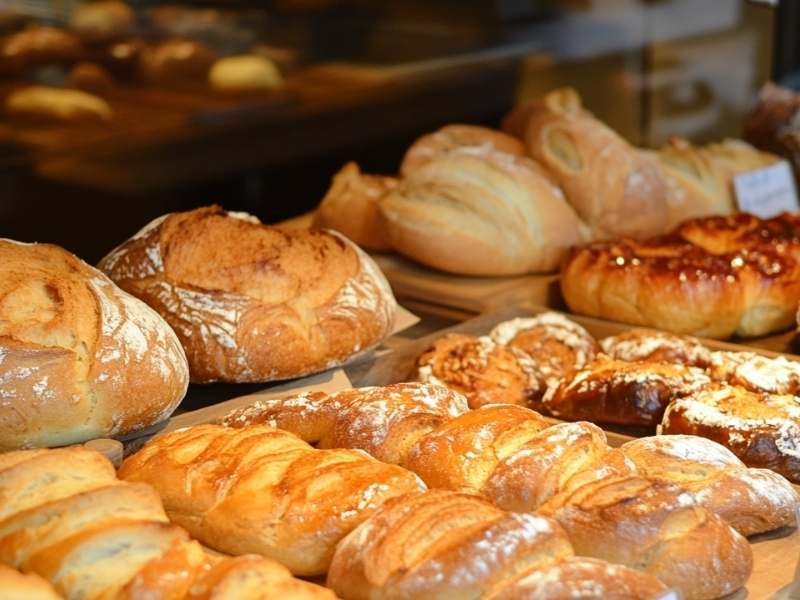
Not every loaf belongs beside soup or sandwiches.
Sweet breads bring rich flavors and tender textures to the dessert table.
Banana bread remains one of the most popular examples.
Other options include pumpkin bread, lemon loaf, cinnamon bread, and chocolate bread.
These different types of desserts often use simple mixing methods.
That makes them great for beginners.
Some recipes use yeast, while quick breads rely on baking soda or baking powder.
If you want to become more comfortable with homemade loaves, Beginner’s Guide to Baking Bread at Home covers the basic techniques every new baker should know.
12. Brownies and Dessert Bars
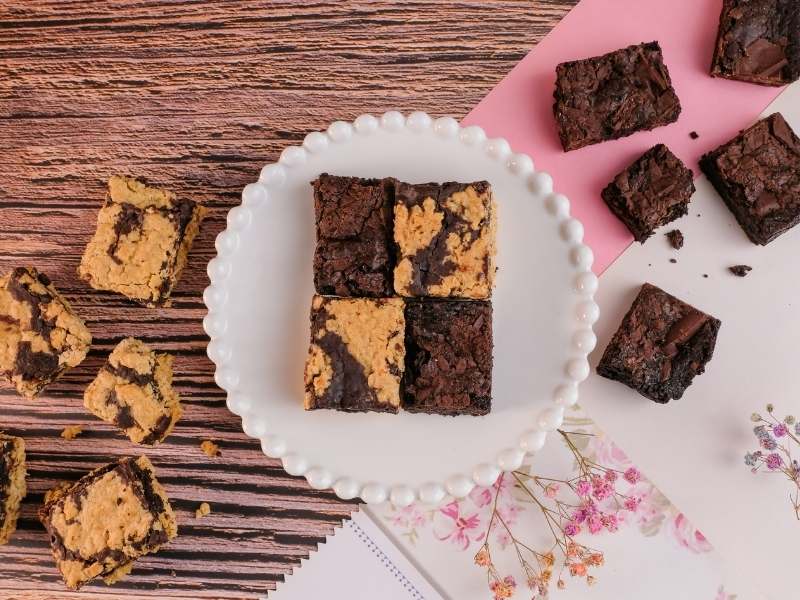
Brownies sit somewhere between cookies and cakes.
Their texture can range from fudgy to cakey.
The ingredient ratios determine the final result.
More fat often creates richer brownies.
Extra flour can produce a firmer texture.
Dessert bars also include lemon bars, blondies, cheesecake bars, and cookie bars.
These different types of desserts work well for gatherings because you can cut them into easy portions.
Always read the recipe before mixing.
Small instructions often make a huge difference. How to Read a Baking Recipe Correctly Before You Start can help you avoid simple mistakes.
13. Candies and Confections
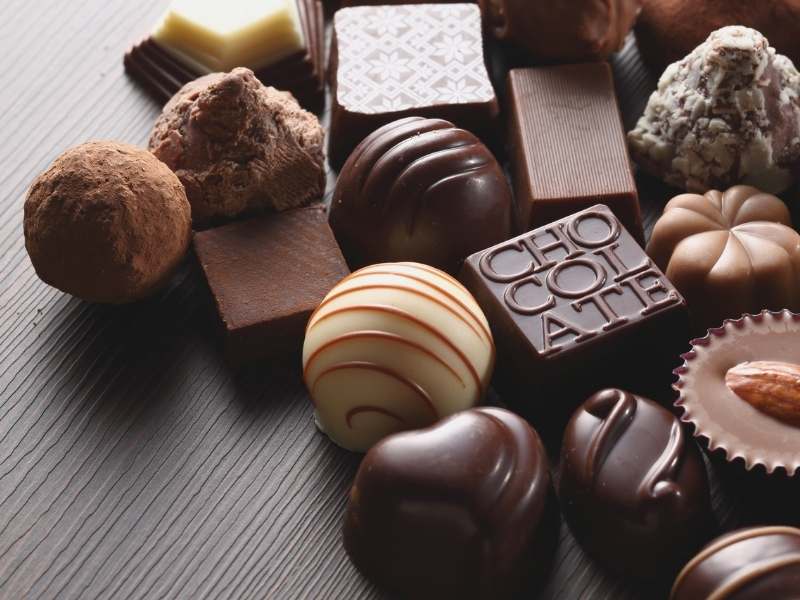
Candy making brings sugar into the spotlight.
This dessert category includes fudge, caramel, brittle, truffles, marshmallows, and toffee.
Sugar temperature affects the final texture.
Small changes can turn soft caramel into hard candy.
That makes accuracy especially important.
Among the different types of desserts, candies often require the most attention to temperature.
A candy thermometer can make the process easier.
Different sugars also behave in unique ways. The Different Types of Sugar Used in Baking Explained will help you understand how sugar affects sweetness, texture, and color.
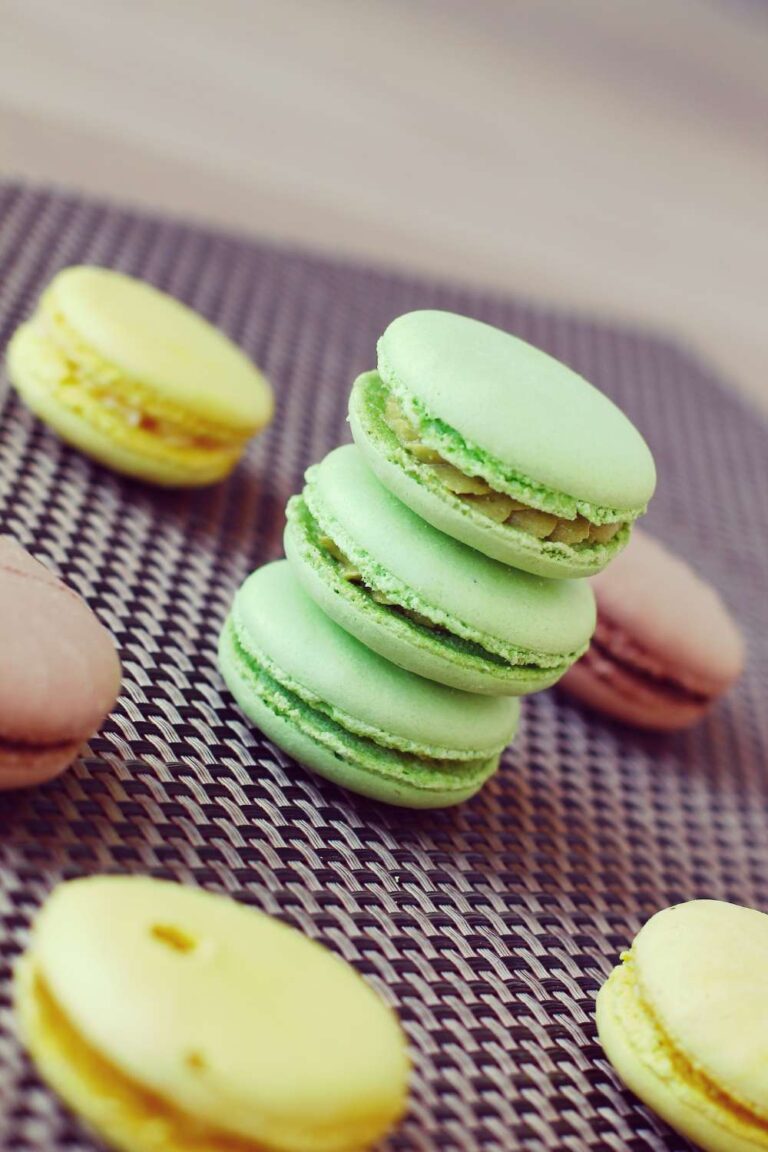
14. French Macarons
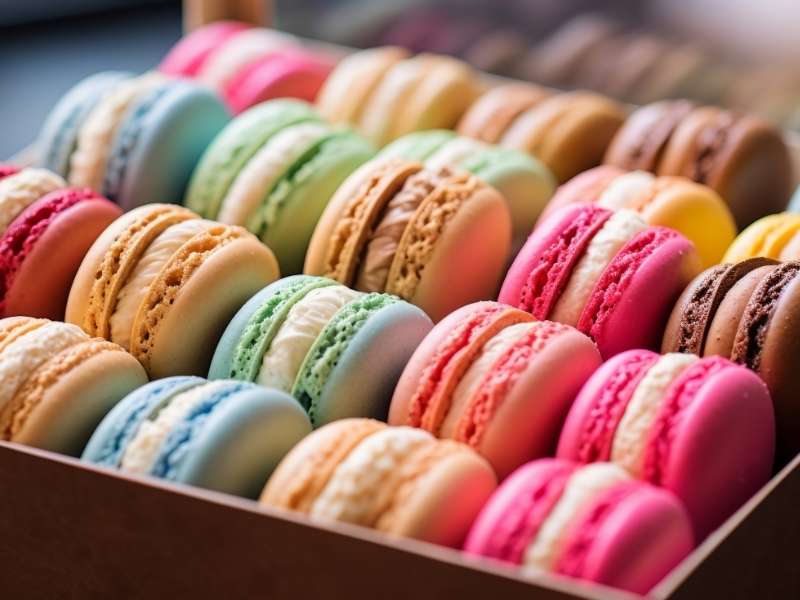
French macarons look delicate and elegant.
Two almond shells sandwich a creamy filling.
The shells should have smooth tops and small ruffled feet.
Egg whites create the structure.
Almond flour gives macarons their signature texture.
Careful folding controls the batter consistency.
These different types of desserts may seem intimidating, but practice makes the process easier.
Precise measuring also improves your results.
If you want to try them yourself, The Complete Beginner’s Guide to French Macarons walks you through every important step.
Macarons come in countless flavors.
Vanilla, chocolate, pistachio, raspberry, and lemon remain popular choices.
Once you master the basic shell, you can experiment with creative fillings and colors.
15. Meringues
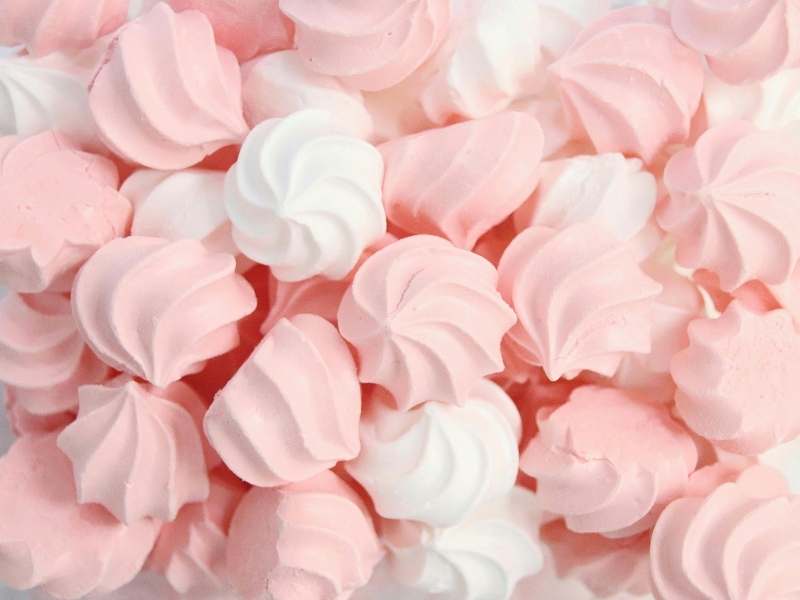
Meringues look simple, but they rely on careful technique.
Egg whites and sugar create their light structure.
Whipping traps air inside the mixture.
Heat then helps the meringue hold its shape.
Some meringues feel crisp throughout. Others have soft, marshmallow-like centers.
Popular varieties include French, Swiss, and Italian meringue.
Among the different types of desserts, meringues show how two basic ingredients can create something impressive.
Grease can stop egg whites from whipping properly.
Always use a clean, dry bowl.
Understanding common problems can save a disappointing batch. Common Baking Mistakes and How to Fix Them Fast covers simple habits that affect many desserts.
16. Trifles
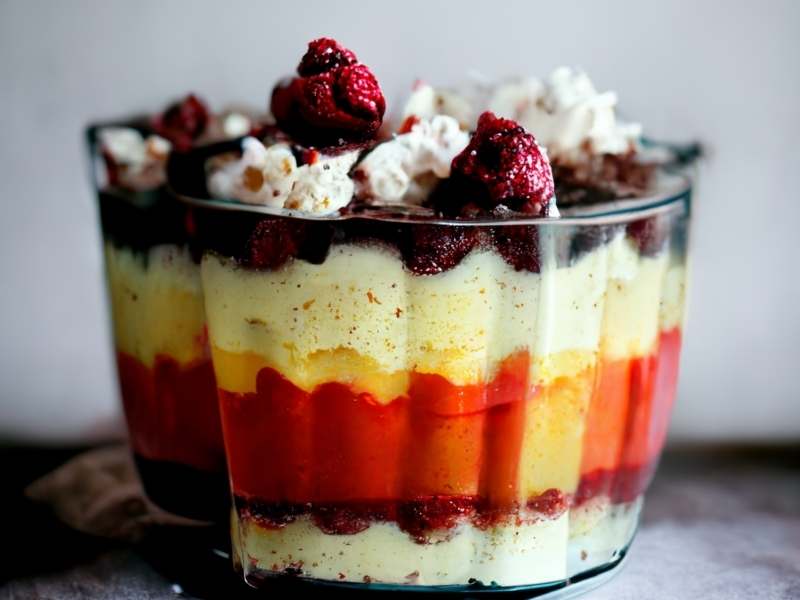
Trifles bring several delicious layers into one dessert.
Cake usually forms the base.
Custard adds creaminess.
Fresh fruit brings color and flavor.
Whipped cream finishes everything beautifully.
These different types of desserts look especially impressive inside clear glass bowls.
You can see every layer before serving.
Chocolate trifles may include brownies and chocolate pudding.
Fruit versions often use berries, vanilla cake, and cream.
Trifles also give you room to use leftover cake.
Arrange each layer neatly for a beautiful presentation.
If you enjoy making your baking space look just as lovely, Aesthetic Baking Setup Ideas For Beginners offers simple inspiration.
17. Cobblers, Crisps, and Crumbles
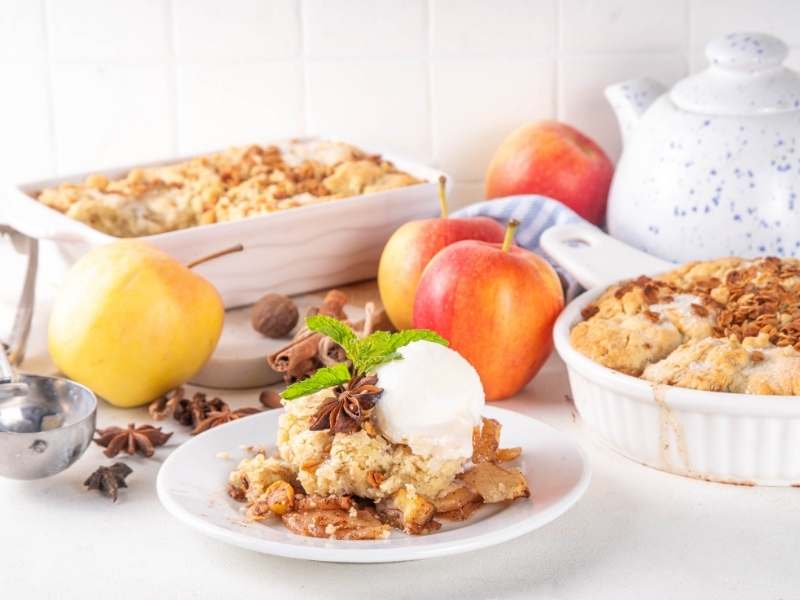
Warm fruit desserts bring comfort to the table.
Cobblers, crisps, and crumbles may look similar, but their toppings differ.
Cobblers usually have biscuit-style dough on top.
Crisps often include oats.
Crumbles use a buttery flour and sugar topping.
These different types of desserts work beautifully with apples, peaches, berries, and pears.
Fresh fruit releases juice while baking.
The topping becomes golden and crisp.
Serve the dessert warm for the best texture.
Proper oven heat helps the fruit cook without burning the topping. Baking Tips That Instantly Improve Your Results shares more simple ways to improve your baking.
18. Fruit Desserts
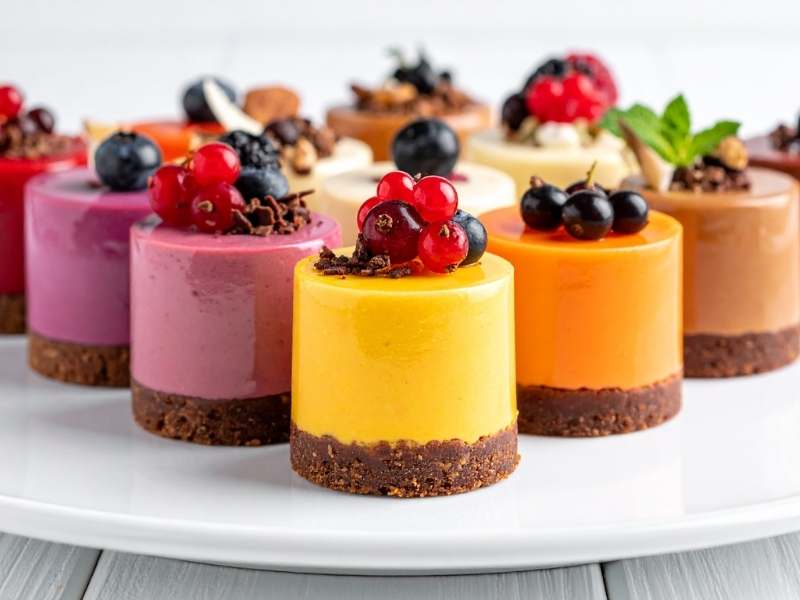
Fresh fruit can become a delicious dessert with very little effort.
Baked apples offer warm spice and sweetness.
Poached pears feel elegant.
Grilled peaches taste wonderful with cream.
Fruit parfaits create colorful layers.
Among the different types of desserts, fruit-based treats often feel light and refreshing.
Seasonal fruit usually provides the best flavor.
Choose ripe pieces without bruises.
Simple toppings allow the natural sweetness to shine.
A little sugar can enhance fruit, but different sugars create different results.
19. Soufflés
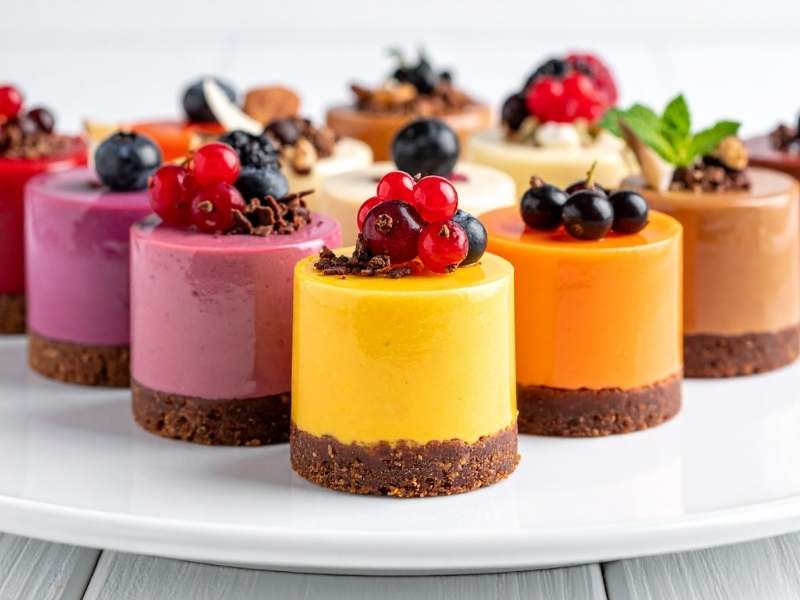
Soufflés have a reputation for feeling difficult.
Still, understanding the basics makes them less intimidating.
Whipped egg whites create their famous rise.
Gentle folding keeps air inside the mixture.
The oven heat expands those air bubbles.
That process gives soufflés their tall appearance.
These different types of desserts require careful timing.
Serve them quickly because they naturally begin to fall after leaving the oven.
Avoid opening the oven door too early.
Sudden temperature changes can affect the rise.
If oven baking often causes problems, Why Your Cakes Keep Failing (and How to Fix Them) explains several temperature and mixing mistakes.
20. Dessert Pastries
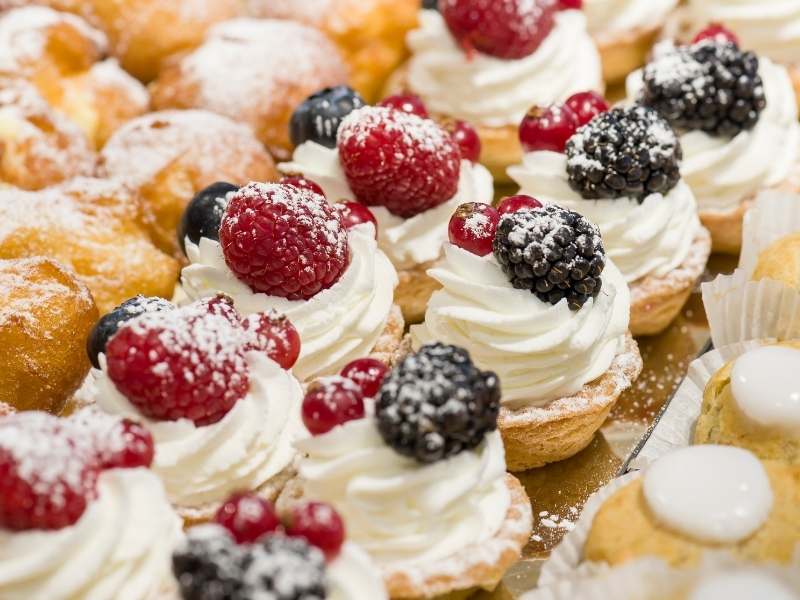
Dessert pastries include many flaky and buttery treats.
Fruit turnovers offer sweet fillings.
Cream puffs have light, hollow centers.
Éclairs combine choux pastry with creamy fillings and glaze.
Danish pastries often include fruit or custard.
These different types of desserts allow plenty of creativity.
You can change fillings, toppings, and decorations.
Simple finishing touches also make pastries look more impressive.
If you want fresh decorating inspiration, 23 Beautiful Pastry Decorating Ideas shares easy ways to create bakery-style finishes.
21. No-Bake Desserts
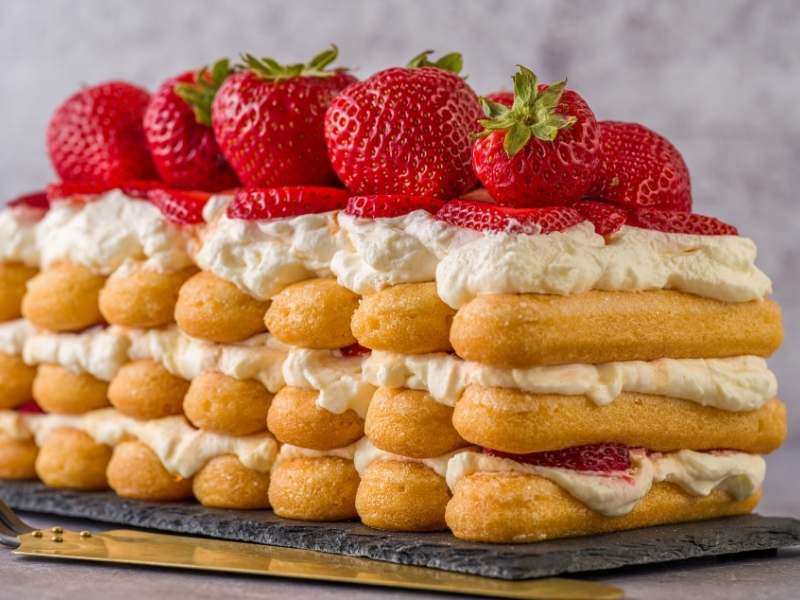
No-bake desserts offer a simple option when you do not want to use the oven.
Cheesecake cups work beautifully.
Chocolate refrigerator bars feel rich and indulgent.
Fruit parfaits taste fresh.
Icebox cakes become soft and creamy after chilling.
These different types of desserts often work well for beginners.
Most recipes need simple mixing and chilling.
That makes them less intimidating than advanced baked desserts.
No oven does not mean boring desserts.
If you need more creative cooking options, How to Bake Without an Oven (Realistic Methods That Work) shares practical ideas for making treats without traditional baking.
How to Choose the Right Dessert to Make
With so many different types of desserts, choosing one can feel difficult.
Start by thinking about your baking experience.
Beginners may enjoy cookies, brownies, quick breads, or no-bake treats.
More confident bakers can try macarons, soufflés, or layered pastries.
Next, consider how much time you have.
Cookies often come together quickly.
Yeast-based desserts need more patience.
Frozen treats may require several hours of chilling.
Think about the occasion too.
Cakes work beautifully for birthdays.
Pastries feel elegant for brunch.
Dessert bars make serving large groups easier.
Most importantly, choose something you actually want to eat.
Excitement makes the baking process much more enjoyable.
Simple Tips for Making Better Desserts
Good baking habits improve almost every dessert.
Measure ingredients carefully.
Read the full recipe before starting.
Bring ingredients to the correct temperature.
Preheat your oven completely.
Avoid changing several ingredients at once.
Allow baked desserts to cool properly.
Store leftovers correctly.
Small habits often create the biggest improvements.
Having an organized workspace also makes baking feel easier. Baking Station Organisation Ideas That Will Transform Your Kitchen can help you create a smoother routine.
You may also enjoy Cute Baking Supplies You Didn’t Know You Needed if you love practical tools that make baking more fun.
More Ways to Grow Your Baking Skills
Exploring the different types of desserts may inspire you to spend more time baking.
As your confidence grows, you might even want to share or earn from your skills.
These guides can help with your next steps:
- Essential Baking Tools Every Home Baker Needs (with Budget Options)
- Butter vs Margarine in Baking: Does It Really Matter?
- How to Start a Baking Business From Scratch (Step by Step Guide)
Each guide covers a different part of the baking journey. Choose the one that matches where you want to go next.
Final Thoughts
Learning about the different types of desserts makes the sweet side of baking feel much more exciting. Cakes, cookies, pastries, custards, frozen treats, and no-bake desserts each bring something unique to the table.
You do not need to master every dessert at once. Start with the recipes that feel comfortable and slowly challenge yourself with new techniques. Each baking session will teach you something useful.
The best part of exploring the different types of desserts is discovering what you genuinely enjoy making. Maybe you love decorating pastries. Perhaps cookies feel more relaxing. You may even find yourself obsessed with mastering French macarons.
Give yourself room to experiment, make mistakes, and have fun. Your next favorite dessert could be one recipe away.