17 Pie Baking Mistakes That Ruin Perfect Crusts
Disclosure: Some of the links in this post are affiliate links. This means if you click on the link and purchase an item, I will receive an affiliate commission at no extra cost to you.
Few things feel more disappointing than spending time making a homemade pie, only to end up with a soggy bottom or tough crust. I have had pies that looked beautiful before baking but came out completely different than expected. Sometimes the crust shrank, cracked, or refused to turn flaky. Those frustrating moments taught me that small details can make a huge difference.
Many pie baking mistakes happen before the pie even reaches the oven. Warm butter, too much water, incorrect flour measurements, or overworking the dough can quickly change the texture. Thankfully, most of these problems have simple fixes once you understand what causes them. If you are still learning the basics, The Ultimate Beginners Guide to Baking (Everything You Need To Know to Start) can help you build stronger baking habits before your next pie.
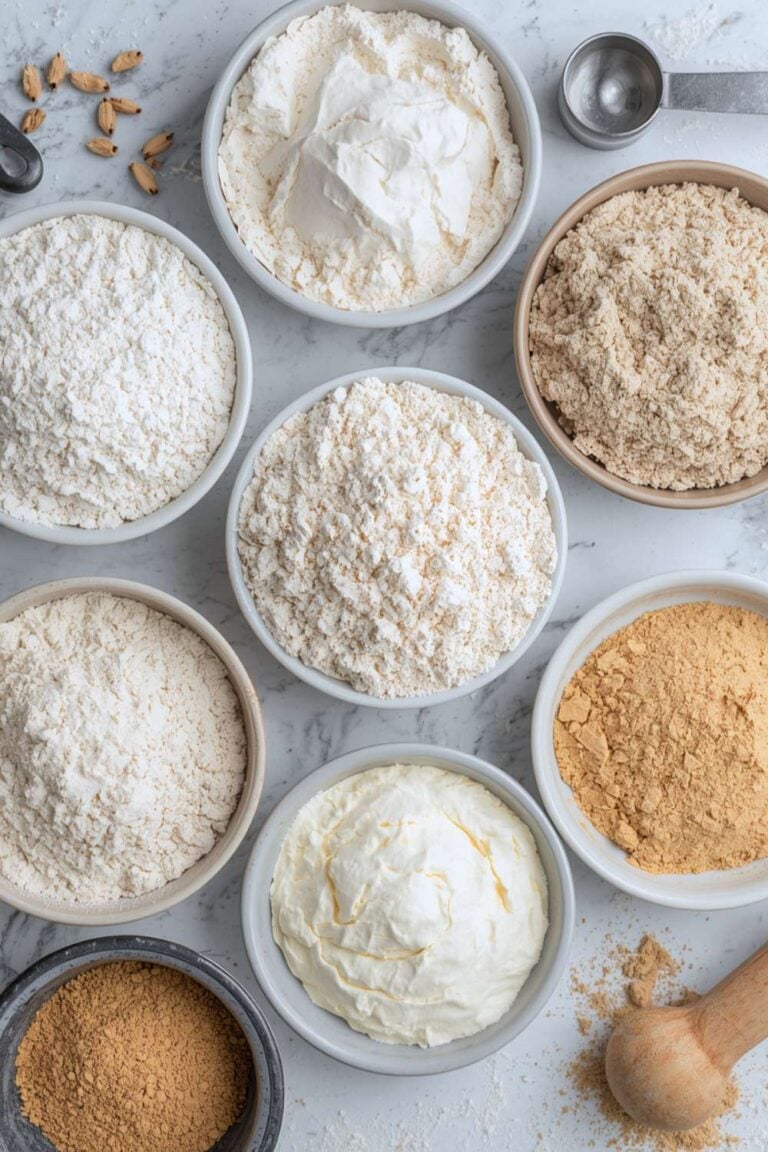
Learning to recognize common pie baking mistakes makes the whole process feel much less unpredictable. You start understanding why the dough needs cold ingredients and why resting time matters. Even oven temperature can decide whether your crust becomes crisp or disappointingly soggy. You may also find Types of Baking Flour and When to Use Them helpful because choosing the right flour can affect your pie crust’s tenderness and structure.
A beautiful homemade pie does not require professional baking skills. A few careful changes can help you create a crust that feels tender, flaky, and delicious instead of tough or soggy. Once you know which mistakes to avoid, your next pie will have a much better chance of coming out exactly as you imagined.
Why Pie Crust Can Be So Tricky
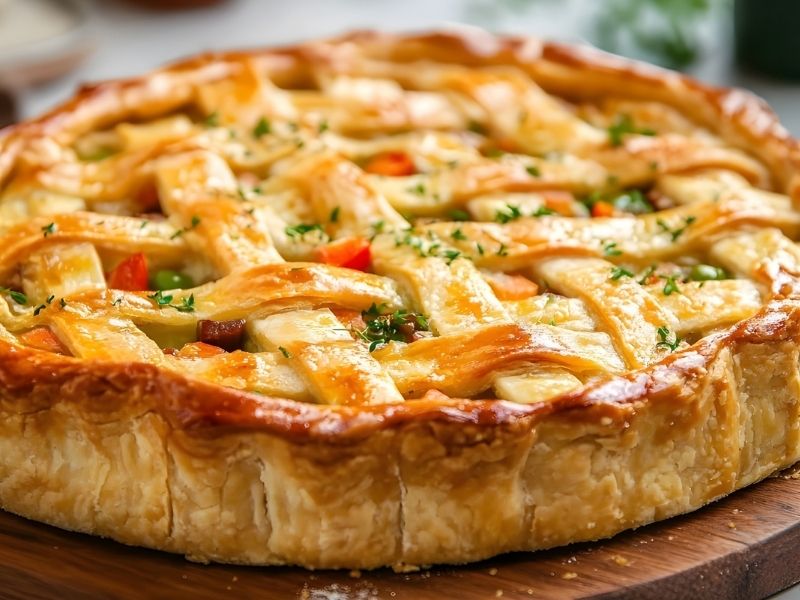
Pie crust uses only a few basic ingredients, yet small changes can completely affect the final result. Flour provides structure, while fat creates tenderness and flaky layers. Water brings the dough together, and salt improves the flavor.
Understanding how these ingredients work makes pie baking mistakes much easier to prevent. Warm ingredients can make the crust tough. Too much water may create excess gluten. Incorrect oven temperatures can also leave you with a pale or soggy bottom.
The good news is that pie baking becomes easier with practice. Once you understand what the dough should look and feel like, you can spot problems early.
If you want to understand why baking ingredients behave differently, Baking Ingredients Explained: What Every Ingredient Actually Does offers a helpful starting point.
Now, let’s look at the mistakes that can ruin a beautiful homemade pie crust.
17 Pie Baking Mistakes That Ruin Perfect Crusts
1. Using Warm Butter
Cold butter plays a huge role in creating flaky pie crust.
When small pieces of cold butter enter the hot oven, they release steam. That steam creates tiny pockets between the layers of dough.
Warm butter blends completely into the flour.
As a result, the crust loses those flaky layers.
Using warm butter ranks among the most common pie baking mistakes for beginners.
How to Fix It
Keep your butter refrigerated until you need it.
Cut it into small cubes before adding it to the flour.
Work quickly so your hands do not warm the dough.
If the butter starts feeling soft, place the mixture inside the refrigerator for several minutes.
Different fats also create different baking results. Butter vs Margarine in Baking: Does It Really Matter? explains how each option affects texture and flavor.
2. Adding Too Much Water
Pie dough needs enough water to hold together.
Still, adding too much creates problems.
Extra water encourages more gluten development.
That can turn a tender crust into a tough one.
Many pie baking mistakes begin when bakers pour in water too quickly.
The dough may look dry at first, but that does not always mean it needs more liquid.
How to Fix It
Add ice water one tablespoon at a time.
Mix gently after each addition.
Stop once the dough holds together when pressed.
Avoid creating a wet or sticky dough.
Accurate measurements make this step much easier. Baking Measurements Conversion Chart (Cups, Grams, Ounces Explained) can help you measure ingredients more consistently.
3. Overworking the Dough
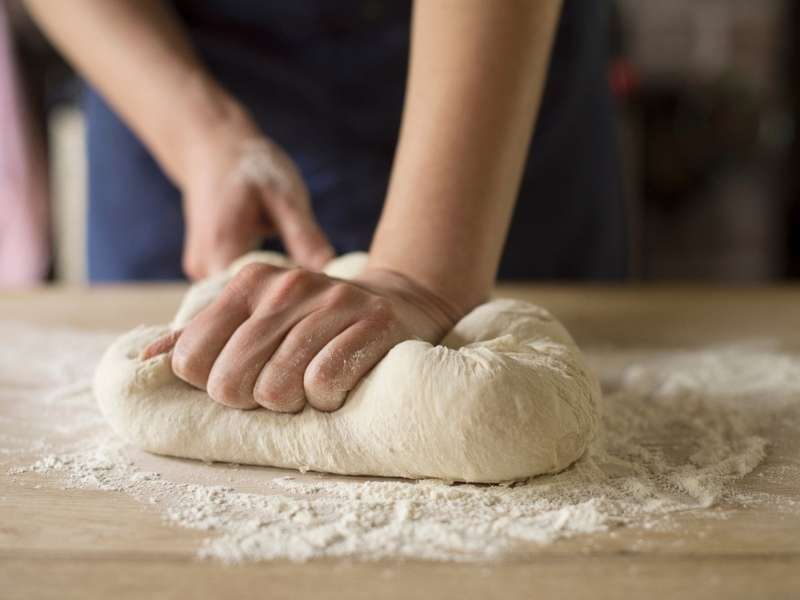
Pie dough does not need aggressive kneading.
Too much mixing develops gluten.
That extra gluten creates a chewy crust instead of a tender one.
Overworking remains one of the easiest pie baking mistakes to make because beginners often want perfectly smooth dough.
Pie dough can look slightly rough.
Small visible pieces of butter actually help create flaky layers.
How to Fix It
Mix only until the dough starts coming together.
Avoid kneading it like bread dough.
Press the mixture gently into a disk.
Stop handling it once it holds its shape.
If baking instructions sometimes feel confusing, Baking Terms Explained (Fold, Cream, Knead & More For Beginners) explains common techniques in simple language.
4. Measuring Flour Incorrectly
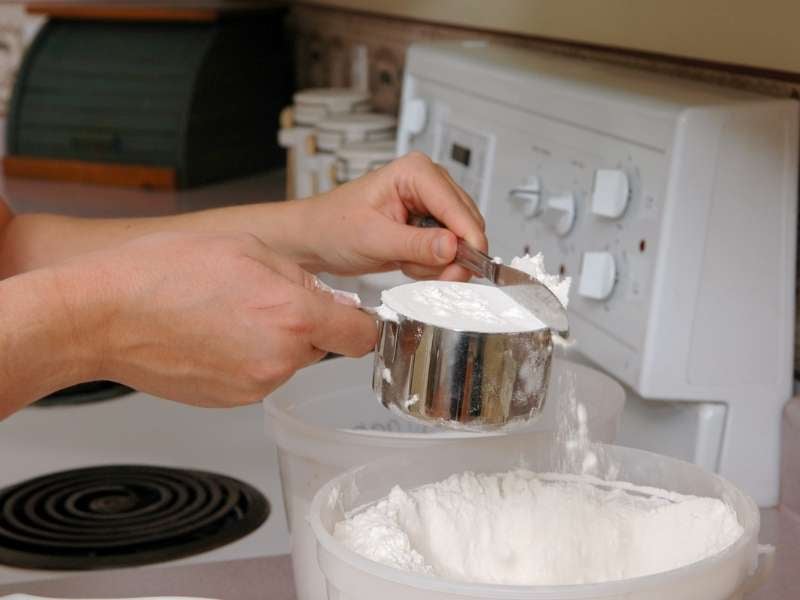
Too much flour creates dry, crumbly pie dough.
Not enough flour can make the crust difficult to handle.
Both problems affect the final texture.
Many pie baking mistakes happen because people scoop flour directly from the container.
That method packs extra flour into the measuring cup.
Even a small difference can change the dough.
How to Fix It
Use a kitchen scale whenever possible.
If you use cups, spoon the flour into the measuring cup.
Level the top with a straight edge.
Never shake or press the flour down.
The type of flour also matters. Types of Baking Flour and When to Use Them explains which options work best for different baking projects.
5. Skipping the Chilling Time
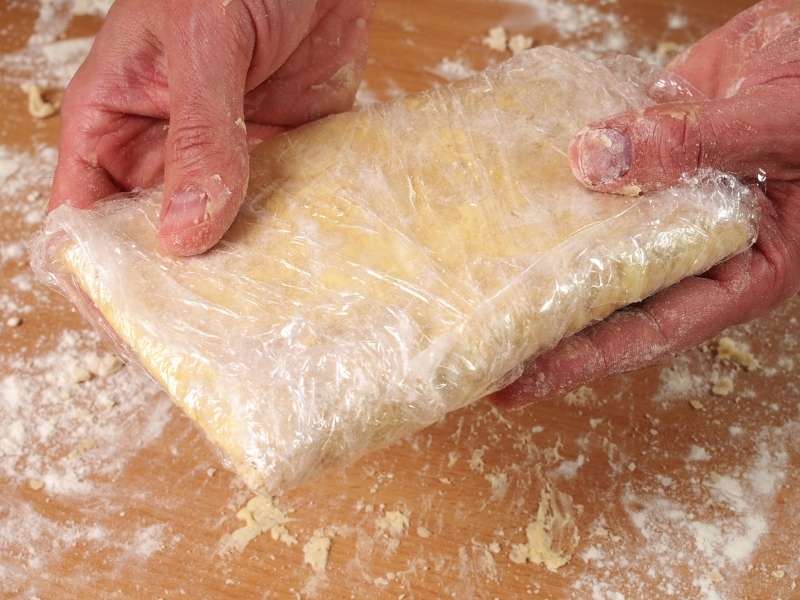
Resting pie dough may feel like an unnecessary delay.
However, chilling serves several important purposes.
Cold temperatures firm the butter again.
Resting also allows the gluten to relax.
Skipping this step often leads to shrinking, tough, or misshapen crusts.
That makes rushing one of the most frustrating pie baking mistakes.
How to Fix It
Shape the dough into a flat disk.
Wrap it well.
Refrigerate it for the recommended time.
Most recipes need at least 30 minutes of chilling.
If your kitchen feels warm, give the dough extra time.
Patience makes rolling much easier later.
For more simple habits that improve baking results, read Baking Tips That Instantly Improve Your Results.
6. Rolling the Dough Unevenly
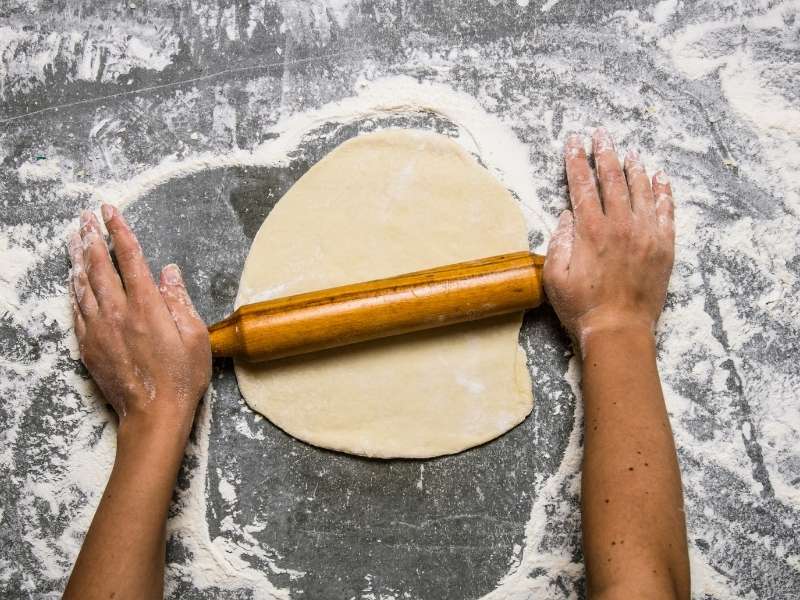
Uneven dough creates uneven baking.
Thin sections may burn before thick sections finish cooking.
The crust can also tear when you move it into the pie dish.
Among common pie baking mistakes, uneven rolling often happens because beginners press harder on one side.
A consistent thickness gives the crust a better chance of baking evenly.
How to Fix It
Start rolling from the center.
Move the rolling pin outward.
Turn the dough regularly.
Avoid pressing too hard.
Aim for an even circle with consistent thickness.
Lightly flour the work surface if the dough begins sticking.
Do not add excessive flour because it can dry the crust.
Having the right tools also makes rolling easier. Essential Baking Tools Every Home Baker Needs (with Budget Options) can help you choose useful equipment without filling your kitchen with unnecessary items.
7. Using Too Much Flour While Rolling
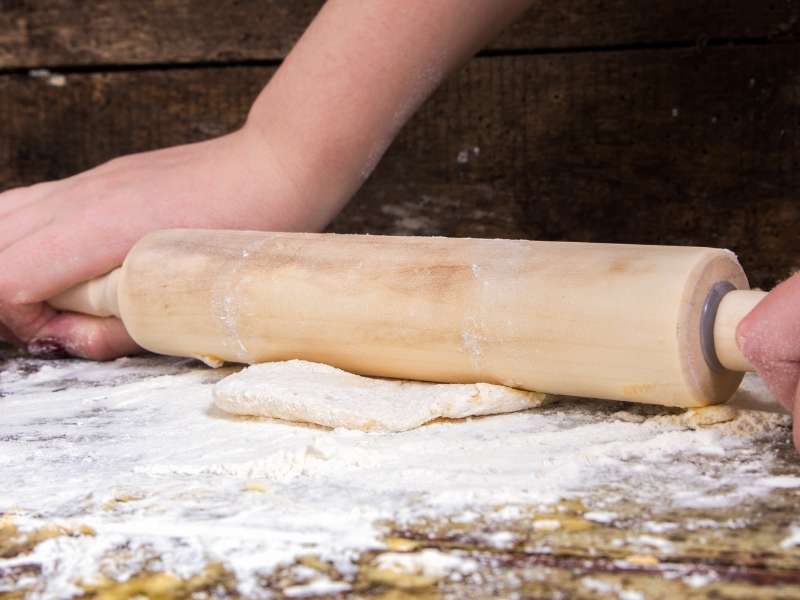
A little flour stops pie dough from sticking.
Too much flour creates a different problem.
Extra flour works its way into the dough as you roll.
That can make the finished crust dry, tough, and powdery.
Many pie baking mistakes happen because bakers keep adding flour instead of chilling sticky dough.
How to Fix It
Dust your work surface lightly.
Add only enough flour to prevent sticking.
Turn the dough regularly while rolling.
If the dough becomes soft, refrigerate it for several minutes.
Cold dough usually needs less flour.
Learning how ingredients interact can make troubleshooting easier. The Science of Baking Made Simple for Beginners explains why small changes create different results.
8. Choosing the Wrong Pie Dish
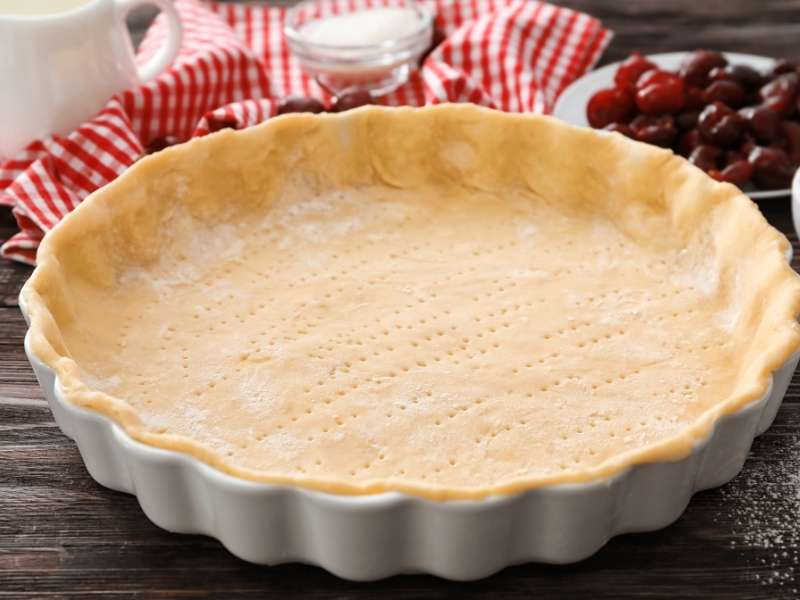
Your pie dish affects how the crust bakes.
Glass, ceramic, and metal pans conduct heat differently.
A dark metal pan may brown the crust quickly.
Thick ceramic dishes often take longer to heat.
Ignoring your bakeware can lead to several pie baking mistakes, including pale bottoms and burnt edges.
How to Fix It
Use the pie dish recommended in your recipe.
Glass dishes make it easier to check the bottom crust.
Metal pans usually heat quickly.
Ceramic dishes hold heat well but may need extra baking time.
Avoid changing pan sizes without adjusting the recipe.
9. Forgetting to Blind Bake the Crust
Some pie fillings do not spend enough time in the oven to cook the crust properly.
Others add too much moisture.
Blind baking helps the crust develop structure before you add the filling.
Skipping this step can leave you with a soggy or undercooked base.
It remains one of the most common pie baking mistakes with custard and cream pies.
How to Fix It
Line the chilled crust with parchment paper.
Fill it with pie weights or dried beans.
Bake according to the recipe.
Remove the weights when instructed.
Return the crust to the oven if it needs more browning.
Always read the entire recipe before starting. How to Read a Baking Recipe Correctly Before You Start can help you catch important instructions like blind baking.
10. Skipping Pie Weights During Blind Baking
An empty pie crust can puff, bubble, or slide down the sides.
Pie weights hold the dough in place.
Without them, the crust may lose its shape.
Many pie baking mistakes happen because beginners assume parchment paper alone will stop the dough from moving.
Unfortunately, it cannot provide enough pressure.
How to Fix It
Cover the chilled crust with parchment paper.
Fill the dish generously with pie weights.
Dried beans or uncooked rice can also work.
Make sure the weights reach the sides of the crust.
That support helps prevent shrinking.
If you enjoy collecting useful baking equipment, Cute Baking Supplies You Didn’t Know You Needed may introduce you to practical tools for your kitchen.
11. Adding a Wet Filling to a Raw Crust
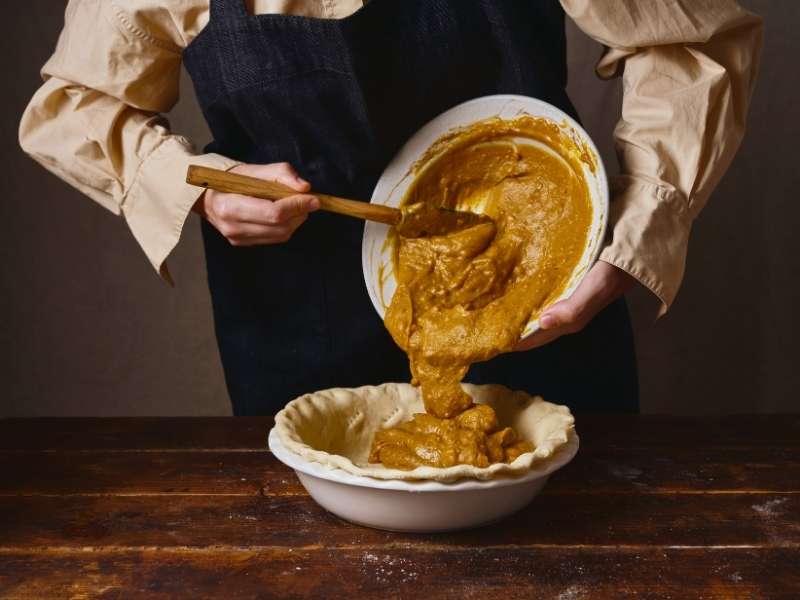
Juicy fillings taste delicious.
Still, too much liquid can soak directly into the dough.
The bottom struggles to become crisp.
Instead, it may stay pale and soft.
This problem causes some of the most frustrating pie baking mistakes because the top can look perfectly baked.
How to Fix It
Follow the recipe’s thickening instructions carefully.
Drain extremely juicy fruit when necessary.
Use the correct amount of flour, cornstarch, or another thickener.
Avoid preparing wet fillings too early.
Some fruits release more juice as they sit with sugar.
Ingredient choices matter here too. The Different Types of Sugar Used in Baking Explained can help you understand how sugar affects moisture and texture.
12. Baking at the Wrong Temperature

Oven temperature affects every part of your pie.
Low heat may leave the bottom pale.
Excessive heat can burn the edges before the filling finishes cooking.
Incorrect temperatures cause many pie baking mistakes, even when you prepare the dough perfectly.
Your oven may also run hotter or cooler than its display suggests.
How to Fix It
Preheat the oven completely.
Use an oven thermometer for better accuracy.
Follow the temperature listed in the recipe.
Avoid opening the oven door repeatedly.
Check the pie near the end of the recommended baking time.
For a deeper understanding of oven heat, read Understanding Baking Temperatures for Better Results.
13. Stretching the Dough Into the Pie Dish
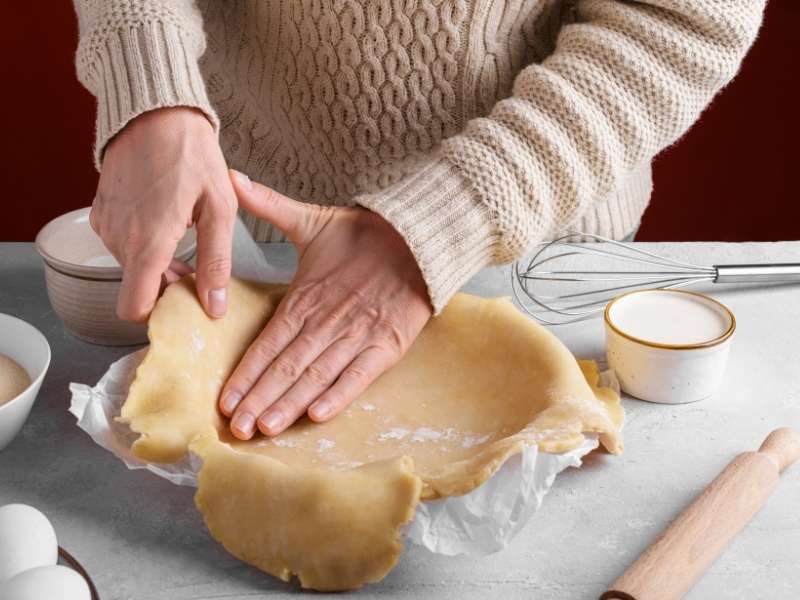
Pie dough sometimes looks slightly smaller than the dish.
You may feel tempted to pull it until it reaches the edges.
Unfortunately, stretched dough often shrinks during baking.
This problem ranks among the most frustrating pie baking mistakes because the crust may look perfect before entering the oven.
Dough naturally tries to return to its original shape.
Stretching creates tension that causes the sides to pull inward.
How to Fix It
Roll the dough wide enough before moving it.
Lower it gently into the pie dish.
Press the dough into the corners without pulling.
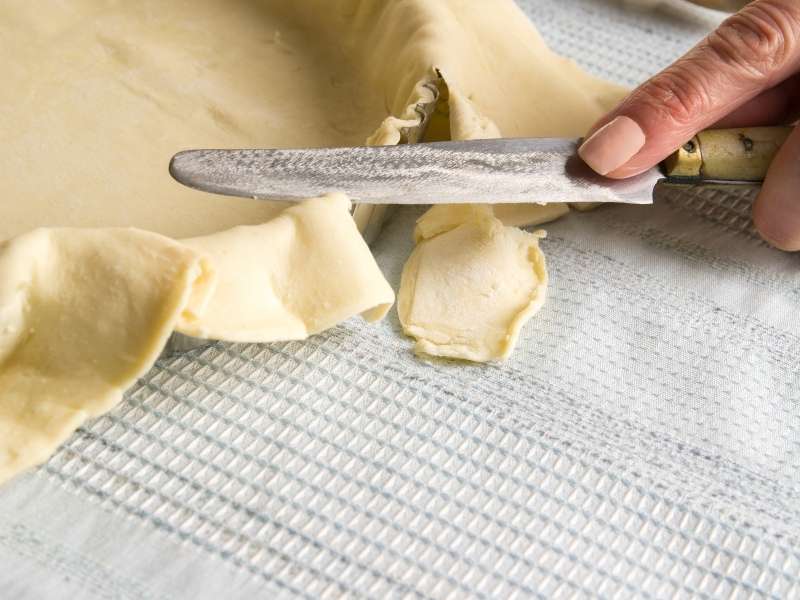
Allow extra dough to hang slightly over the edge.
Trim and crimp only after the crust sits comfortably inside the dish.
If your dough keeps shrinking, refrigerate the shaped crust before baking.
Small preparation habits often prevent bigger problems. Common Baking Mistakes and How to Fix Them Fast covers more simple errors that affect homemade treats.
14. Forgetting to Protect the Crust Edges
The outer edges of a pie crust bake faster than the center.
Without protection, they may become dark before the filling finishes cooking.
Burnt edges remain one of the easiest pie baking mistakes to prevent.
The problem often appears during recipes with long baking times.
How to Fix It
Check the crust during baking.
Cover the edges with aluminum foil if they brown too quickly.
A reusable pie shield also works well.
Leave the center uncovered so the rest of the pie can continue baking.
Remove the shield near the end if the edges need more color.
15. Cutting the Pie Too Soon
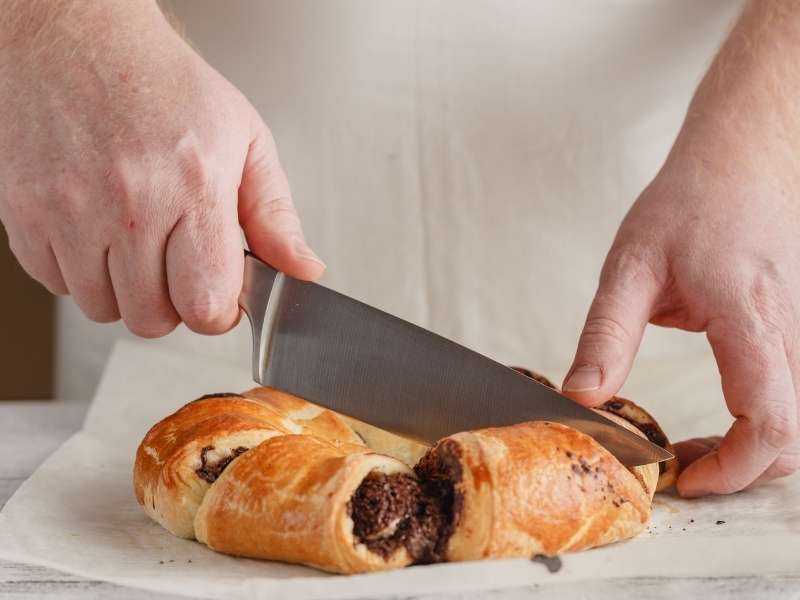
A warm pie smells incredible.
Still, slicing it immediately can create a messy filling.
Fruit fillings need time to thicken as they cool.
Custard pies also need time to set properly.
Rushing this stage causes pie baking mistakes that can ruin a beautiful presentation.
The flavor may taste wonderful, but every slice can collapse onto the plate.
How to Fix It
Place the pie on a cooling rack.
Follow the cooling time in your recipe.
Allow fruit pies to rest before slicing.
Chill cream or custard pies when necessary.
Use patience even when the pie smells impossible to resist.
If you often struggle to judge when baked treats have finished cooking, How to Know When Your Cake Is Properly Baked can help strengthen your baking instincts
16. Storing the Pie Incorrectly
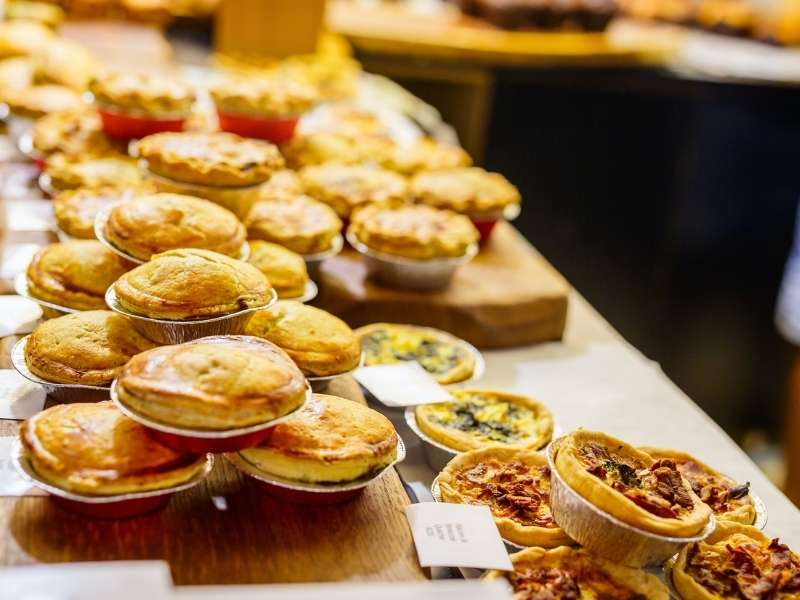
A perfect crust can lose its texture after baking.
Poor storage often turns crisp pastry soft.
Leaving some pies uncovered can also dry them out.
These pie baking mistakes happen after all the hard work has finished.
Different pies need different storage methods.
Fruit pies often tolerate room temperature for a limited period.
Cream, custard, and egg-based pies usually need refrigeration.
How to Fix It
Allow the pie to cool completely first.
Follow safe storage instructions for the filling.
Cover the pie without crushing the crust.
Keep moisture away from crisp pastry whenever possible.
For more practical storage advice, read How to Store Baked Goods to Keep Them Fresh Longer.
17. Giving Up After One Imperfect Pie
Not every homemade pie will look perfect.
Some crusts crack.
Others shrink slightly.
You may even end up with a soggy bottom despite following the recipe carefully.
Giving up after one disappointing result becomes one of the biggest pie baking mistakes because practice teaches you what instructions cannot.
Every batch helps you understand the dough better.
How to Fix It
Write down what happened.
Think about the dough temperature.
Check your ingredient measurements.
Notice how your oven behaved.
Change one thing during your next attempt.
Avoid changing everything at once because you will not know which adjustment worked.
If you want to continue building confidence, The Ultimate Beginners Guide to Baking (Everything You Need To Know to Start) can help strengthen your overall baking foundation.
How to Prevent a Soggy Pie Crust
A soggy bottom can ruin an otherwise delicious pie.
Thankfully, a few simple habits can help.
Start with cold dough.
Preheat the oven completely.
Blind bake when the recipe requires it.
Control excess liquid in fruit fillings.
Use enough thickener.
Avoid leaving wet fillings inside raw crust for too long before baking.
Placing the pie on a preheated baking sheet can also help the bottom receive stronger heat.
These simple habits prevent several pie baking mistakes at once.
How to Make Pie Crust More Flaky
Flaky crust depends on cold fat and gentle handling.
Keep the butter cold throughout the process.
Avoid blending every piece completely into the flour.
Small butter pieces create steam during baking.
That steam forms delicate layers.
Use only enough water to bring the dough together.
Rest the dough before rolling.
Handle it as little as possible.
Following these steps helps you avoid the pie baking mistakes that create dense or tough crusts.
If you need to replace an ingredient, check Baking Substitutions Guide (When You’re Missing Ingredients) before making changes.
More Baking Guides to Help You Improve
Once you understand these pie baking mistakes, other baking techniques often become easier too. Many of the same skills apply to cookies, cakes, bread, pastries, and other desserts.
You may also enjoy these helpful guides:
- 17 Common Cookie Baking Mistakes and How to Fix Them
- Beginner’s Guide to Baking Bread at Home
- 23 Beautiful Pastry Decorating Ideas
- The Complete Beginner’s Guide to French Macarons
Each guide can help you understand another part of baking and build more confidence in the kitchen.
Final Thoughts
Learning how to make a beautiful pie crust takes practice.
Even experienced bakers occasionally deal with cracks, shrinking, or soggy bottoms.
The important thing is understanding what caused the problem.
Most pie baking mistakes come from simple details. Warm butter, too much water, excessive handling, or incorrect oven temperatures can completely change the final crust.
Once you recognize those problems, fixing them becomes much easier.
Work with cold ingredients.
Measure everything carefully.
Give the dough enough time to rest.
Follow the recipe closely.
Most importantly, do not rush the process.
Avoiding these pie baking mistakes will help you create crusts that feel tender, flaky, and delicious. With every pie you bake, you will understand the dough a little better and feel more confident creating beautiful homemade desserts.