23 Cake Baking Mistakes and How to Avoid Them
Disclosure: Some of the links in this post are affiliate links. This means if you click on the link and purchase an item, I will receive an affiliate commission at no extra cost to you.
Baking a cake feels exciting until you slice into it and discover it is dry, sunken, dense, or uneven. I have baked cakes that looked perfect through the oven door but turned out completely different once they cooled. Those moments reminded me that even small baking habits can make a huge difference. The good news is that most cake problems have simple solutions.
Many cake baking mistakes happen before the batter even reaches the oven. Measuring ingredients incorrectly, using butter at the wrong temperature, or mixing too much can all affect the final result. Once you understand what causes these problems, baking becomes much less stressful and far more enjoyable. If you are still learning the basics, The Ultimate Beginners Guide to Baking (Everything You Need To Know to Start) will help you build the confidence every home baker needs.
Learning to spot common cake baking mistakes also helps you troubleshoot recipes much faster. Instead of wondering why a cake sank or turned dry, you will know exactly what to adjust the next time you bake. You may also find Baking Ingredients Explained: What Every Ingredient Actually Does helpful because understanding how flour, eggs, butter, and sugar work together makes it easier to bake soft, delicious cakes.
Why Cakes Go Wrong More Often Than You Think
Baking a cake looks simple, but every step matters. A small mistake can change the texture, height, or flavor. Even experienced bakers occasionally deal with cakes that sink, crack, or bake unevenly.
Most cake baking mistakes happen before the batter reaches the oven. Measuring ingredients incorrectly, rushing the mixing process, or using the wrong ingredient temperature can all affect your results. Once you understand these common problems, you can bake with much more confidence.
If you’re still learning the basics, How to Read a Baking Recipe Correctly Before You Start is a great place to begin.
23 Cake Baking Mistakes and How to Avoid Them
1. Measuring Ingredients Incorrectly
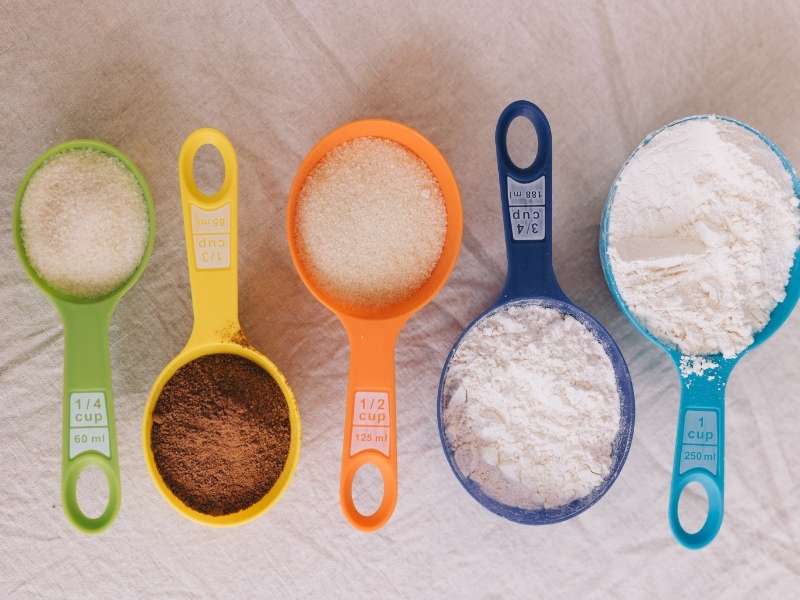
Accurate measurements build the foundation of every successful cake.
Adding too much flour creates a dry, heavy cake.
Using too little flour may leave the cake weak and fragile.
Extra sugar or liquid can also affect the final texture.
Many cake baking mistakes begin because ingredients were measured by guesswork.
How to Avoid It
Measure ingredients before you start mixing.
Use a kitchen scale whenever possible.
If you use measuring cups, spoon flour into the cup.
Level the top with a straight edge.
Avoid packing flour tightly into the cup.
Need help converting measurements? Baking Measurements Conversion Chart (Cups, Grams, Ounces Explained) makes baking much easier.
2. Ignoring Ingredient Temperature
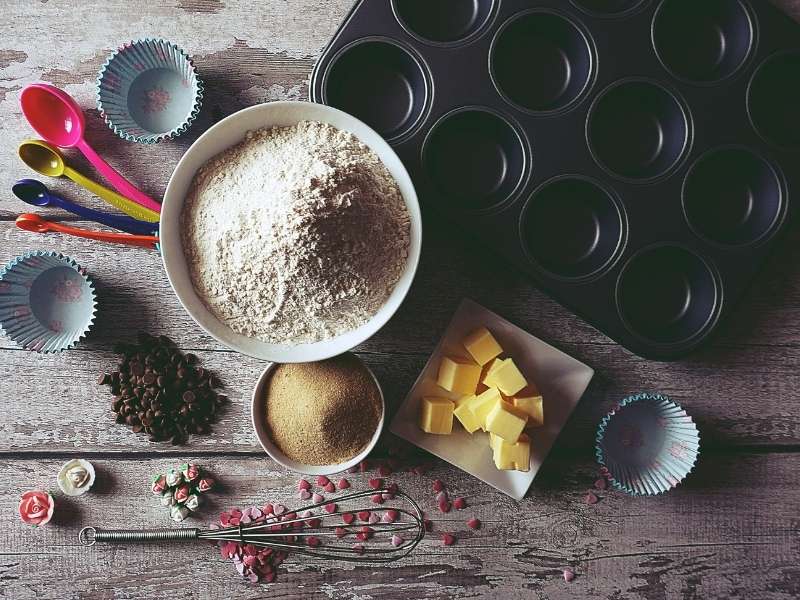
Cold butter does not cream properly.
Cold eggs may create a lumpy batter.
Meanwhile, melted butter changes the cake’s texture.
Ingredient temperature affects how everything mixes together.
This remains one of the easiest cake baking mistakes to overlook.
How to Avoid It
Read the recipe before starting.
Bring butter, eggs, and dairy to room temperature when required.
Avoid microwaving butter until it melts.
Plan ahead instead of rushing.
Learning how ingredients behave can save many future baking disasters. Baking Ingredients Explained: What Every Ingredient Actually Does explains each ingredient’s role.
3. Using the Wrong Flour
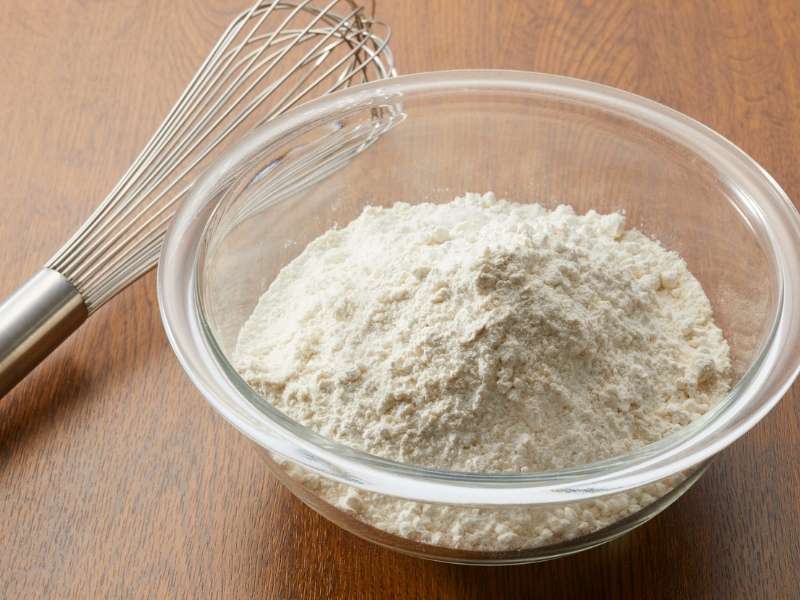
Different flours produce different cakes.
Bread flour contains more protein.
That creates more gluten.
Cake flour produces a softer crumb.
All-purpose flour works for many recipes.
Using the wrong flour causes several cake baking mistakes, especially with delicate sponge cakes.
How to Avoid It
Follow the recipe carefully.
Choose the recommended flour.
Avoid swapping flours without understanding the differences.
Store flour properly to keep it fresh.
Want to know which flour works best? Types of Baking Flour and When to Use Them explains every option.
4. Overmixing the Batter
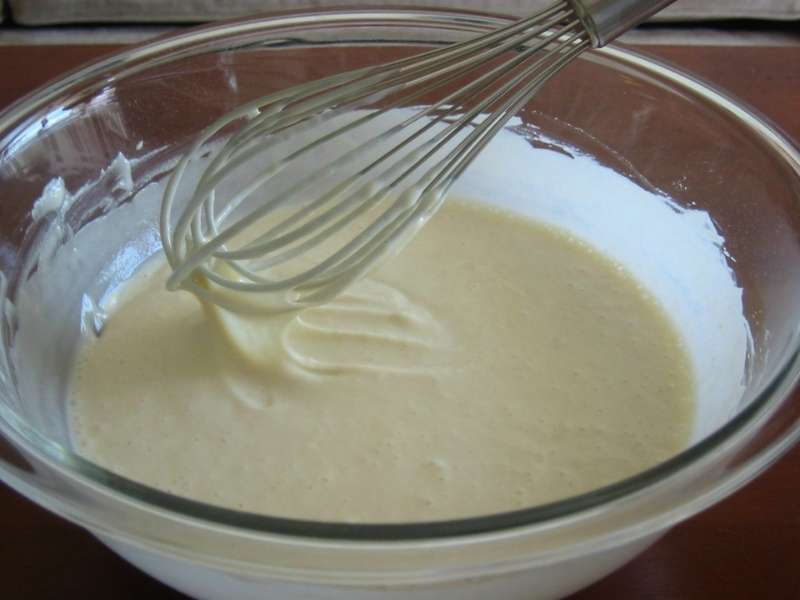
Mixing develops gluten.
Too much gluten creates a dense cake.
Many beginners believe longer mixing produces smoother batter.
Unfortunately, the opposite often happens.
Overmixing ranks among the most common cake baking mistakes.
How to Avoid It
Mix dry ingredients only until combined.
Stop once the flour disappears.
Use low speed after adding flour.
Scrape the bowl gently instead of mixing longer.
If baking terms sometimes confuse you, Baking Terms Explained (Fold, Cream, Knead & More For Beginners) explains exactly what each technique means.
5. Undermixing the Batter
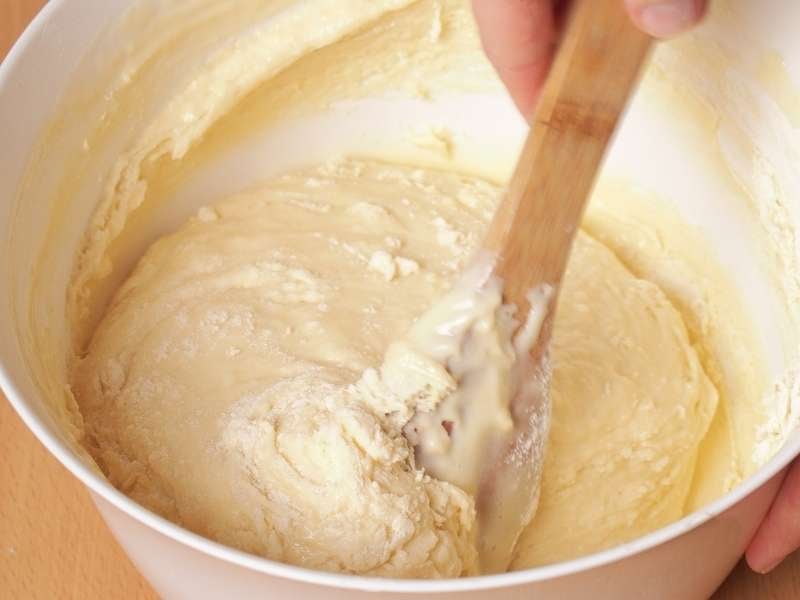
Overmixing causes problems.
Undermixing does too.
Dry flour pockets may remain hidden inside the batter.
Uneven mixing creates cakes with inconsistent texture.
Some bites feel soft.
Others feel dry.
These cake baking mistakes often appear when bakers rush through the final mixing stage.
How to Avoid It
Fold carefully until everything combines.
Scrape the sides and bottom of the bowl.
Check for hidden flour before pouring the batter.
Stop mixing once everything looks smooth.
Understanding the balance between mixing too much and too little becomes easier after reading The Science of Baking Made Simple for Beginners.
6. Opening the Oven Door Too Early
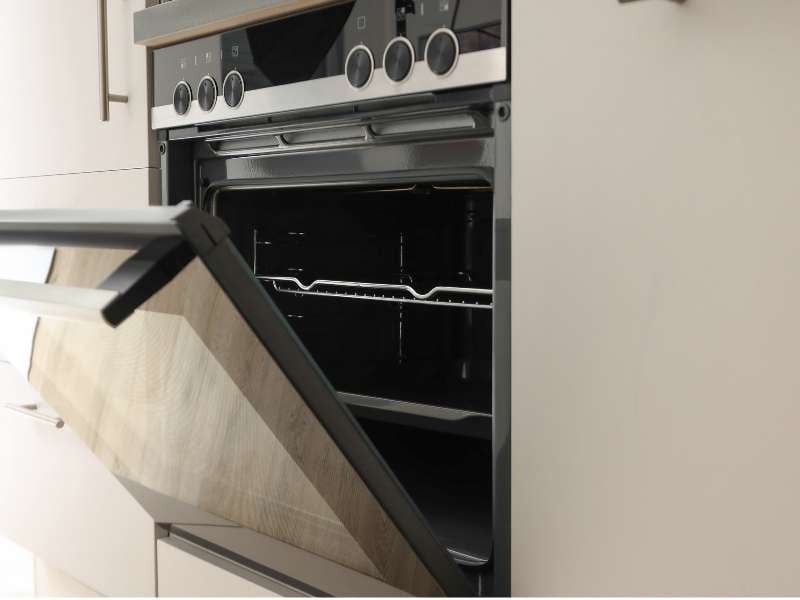
It feels tempting to check your cake.
Still, opening the oven too soon releases heat.
That sudden temperature drop may cause the center to sink.
Many frustrating cake baking mistakes happen because curiosity wins.
How to Avoid It
Keep the oven door closed during the first part of baking.
Use the oven light instead.
Wait until the recipe recommends checking.
Test for doneness near the end of the baking time.
Want to understand oven heat better? Understanding Baking Temperatures for Better Results explains why temperature matters so much.
7. Baking in an Oven That Isn’t Fully Preheated
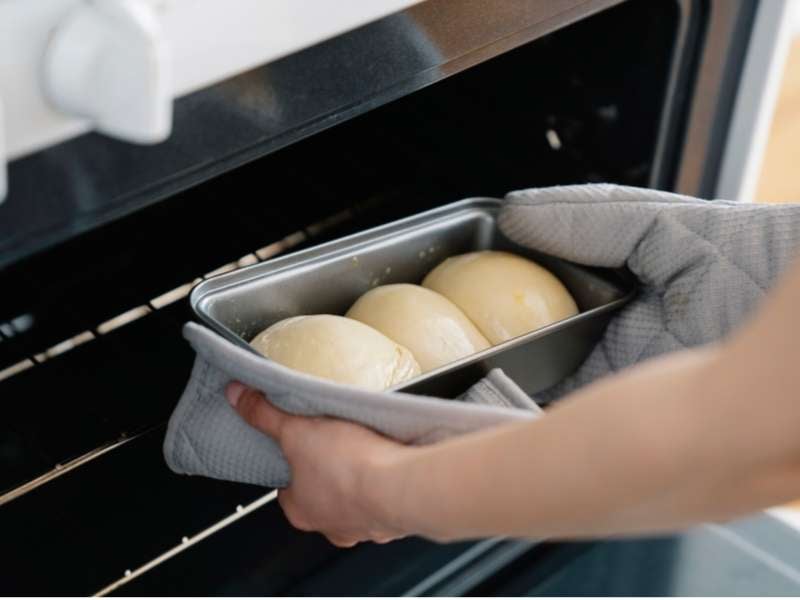
Cake batter starts reacting immediately.
A cold oven slows those reactions.
The cake may rise unevenly.
The texture may also become dense.
Many cake baking mistakes start before baking even begins.
How to Avoid It
Turn on the oven before preparing the batter.
Allow enough time for full preheating.
Use an oven thermometer if your oven runs hot or cold.
Double-check the temperature before placing the cake inside.
Need more simple baking habits? Baking Tips That Instantly Improve Your Results shares practical tips every beginner should know.
8. Using the Wrong Cake Pan
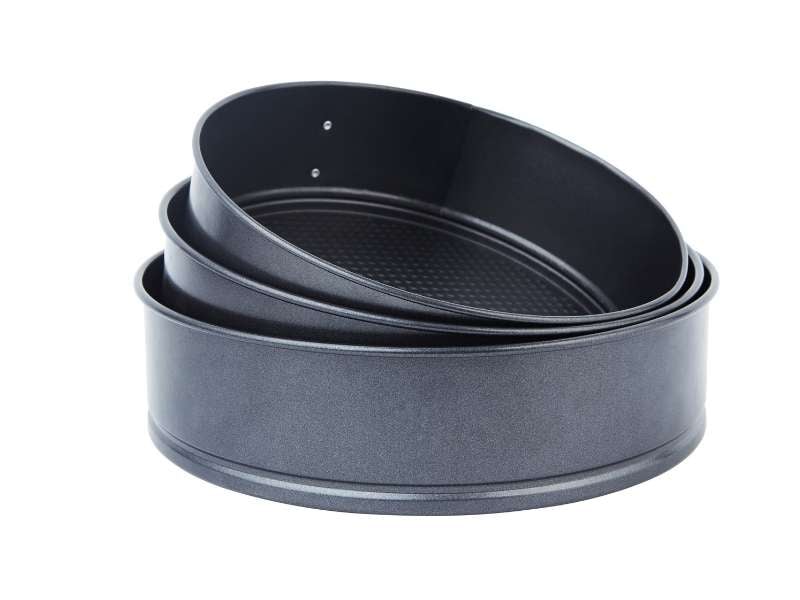
Pan size affects baking time.
Pan material changes how heat travels.
A small pan creates thicker batter.
A large pan creates thinner layers.
Using the wrong pan leads to uneven baking and several cake baking mistakes.
How to Avoid It
Use the pan size listed in the recipe.
Avoid filling pans more than two-thirds full.
Grease the pan properly.
Line the bottom with parchment paper if needed.
Quality tools also make baking easier. Essential Baking Tools Every Home Baker Needs (with Budget Options) can help you build a useful baking collection without overspending.
Perfect cakes do not happen because of luck. They come from simple techniques, careful preparation, and a little patience. Once you know which mistakes to avoid, you will feel much more confident baking cakes that look beautiful, taste amazing, and make every celebration a little sweeter.
9. Using Expired Baking Powder or Baking Soda
Leavening agents help cakes rise.
Old baking powder or baking soda loses strength over time.
As a result, your cake may turn out flat and dense.
Many cake baking mistakes happen because bakers forget to check expiration dates.
Fresh ingredients produce more reliable results.
How to Avoid It
Check the expiration date before baking.
Store leavening agents in a cool, dry place.
Replace them regularly.
Test baking powder if you are unsure about its freshness.
A small ingredient can make a huge difference.
10. Substituting Ingredients Without Understanding the Recipe

Running out of one ingredient happens to everyone.
Still, random substitutions rarely end well.
Each ingredient has a specific job.
Butter adds flavor and tenderness.
Eggs provide structure.
Sugar helps with moisture and browning.
Changing one ingredient can create several cake baking mistakes.
How to Avoid It
Follow the recipe whenever possible.
Research substitutions before making changes.
Replace only one ingredient at a time.
Write down what you changed.
Need safe replacement ideas? Baking Substitutions Guide (When You’re Missing Ingredients) offers plenty of reliable options.
11. Using Too Much Sugar
Sugar does much more than sweeten a cake.
It helps keep cakes moist.
It also affects browning and texture.
Too much sugar may cause the cake to collapse or bake unevenly.
This issue causes many unexpected cake baking mistakes.
How to Avoid It
Measure sugar carefully.
Avoid estimating amounts.
Follow the recipe exactly.
Reduce sugar only when the recipe allows.
Learn how different sweeteners work in The Different Types of Sugar Used in Baking Explained.
12. Using Too Many or Too Few Eggs
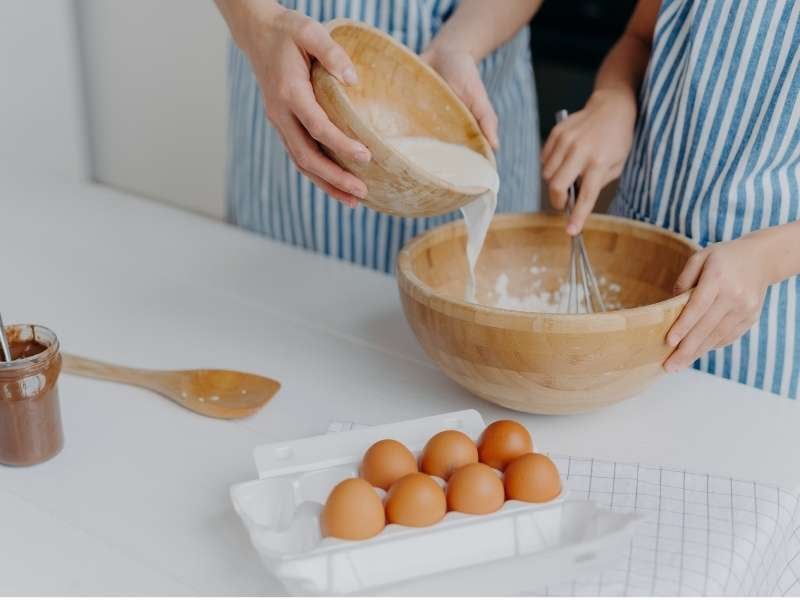
Eggs help bind ingredients together.
They also create structure and richness.
Too many eggs can make cakes rubbery.
Too few eggs may leave cakes fragile and dry.
These cake baking mistakes often appear after ingredient substitutions.
How to Avoid It
Use the egg size listed in the recipe.
Bring eggs to room temperature before mixing.
Measure carefully when using liquid eggs.
Avoid skipping eggs unless the recipe includes an alternative.
Want to know why eggs matter so much? Read Eggs in Baking: Why They Matter and How They Affect Results.
13. Filling the Cake Pan Too Full
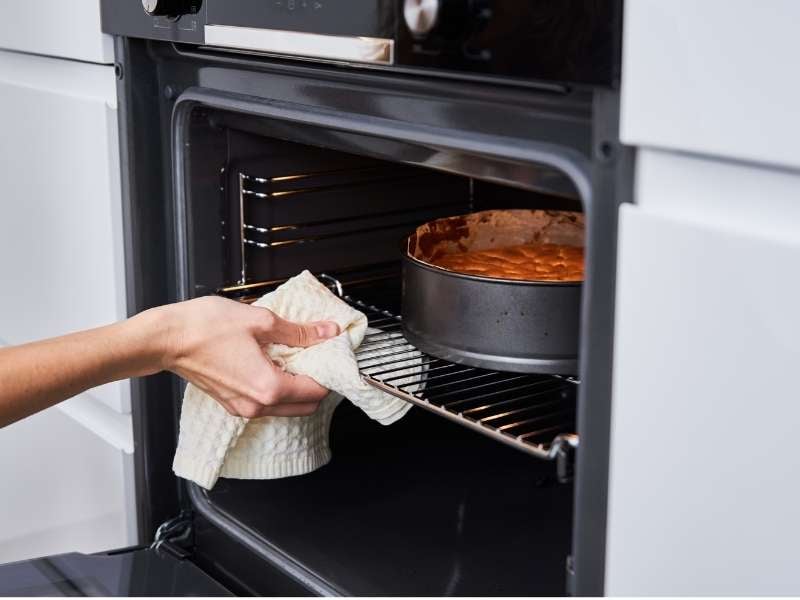
Overfilled pans create overflowing batter.
The center may stay underbaked.
Meanwhile, the edges become overdone.
Several cake baking mistakes begin because the batter has nowhere to expand.
How to Avoid It
Fill cake pans about two-thirds full.
Use extra batter for cupcakes if needed.
Level the batter with a spatula.
Tap the pan gently to remove large air bubbles.
14. Removing the Cake Too Early
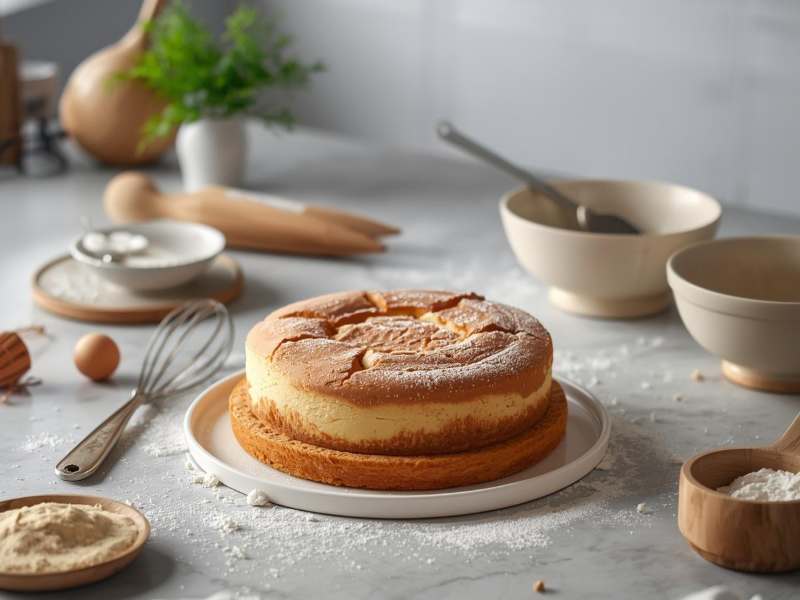
A cake can look done on the outside while the center remains raw.
Cutting the baking time short often leads to sinking.
The middle may collapse after cooling.
This remains one of the most disappointing cake baking mistakes.
How to Avoid It
Check the cake near the end of the baking time.
Insert a toothpick into the center.
Look for moist crumbs instead of wet batter.
The cake should spring back when lightly touched.
Need more confidence? How to Know When Your Cake Is Properly Baked explains every sign to watch for.
15. Removing the Cake From the Pan Too Soon
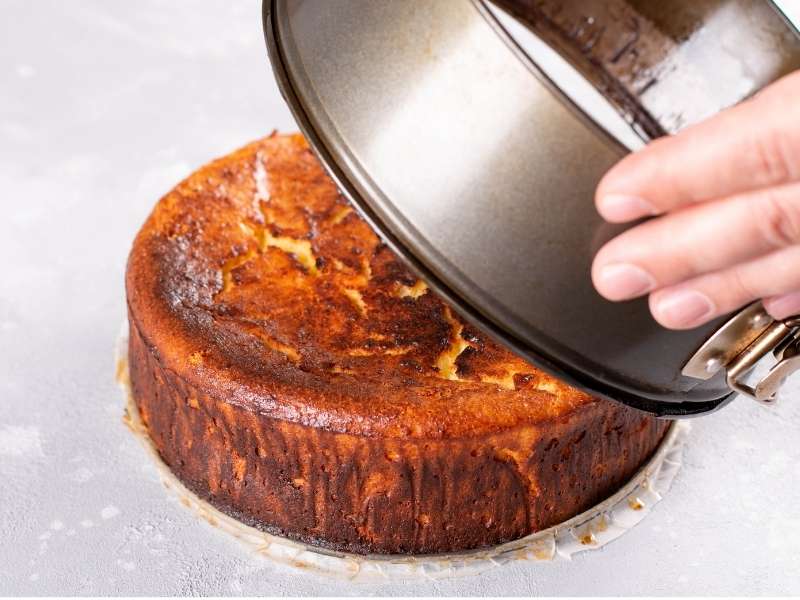
Fresh cakes feel delicate.
Trying to remove them immediately can cause cracks or broken layers.
Many cake baking mistakes happen after baking because patience disappears.
A few extra minutes can save your cake.
How to Avoid It
Cool the cake in the pan for the recommended time.
Run a thin knife around the edges.
Turn the pan gently onto a cooling rack.
Allow the cake to cool completely before decorating.
If cakes often give you trouble, Why Your Cakes Keep Failing (and How to Fix Them) offers more practical solutions.
16. Storing the Cake the Wrong Way
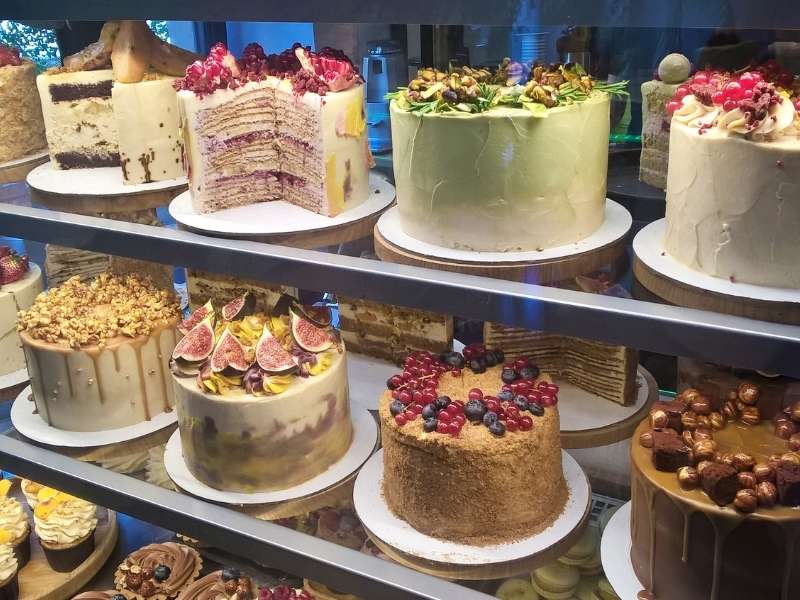
A perfectly baked cake can dry out overnight.
Poor storage also affects flavor and texture.
Many people overlook this step.
As a result, they experience cake baking mistakes after the cake leaves the oven.
How to Avoid It
Cool the cake completely first.
Wrap unfrosted cakes tightly.
Store frosted cakes in a suitable container.
Keep cakes away from direct sunlight and heat.
Freeze extra layers if you will not use them soon.
Want cakes to stay fresh longer? How to Store Baked Goods to Keep Them Fresh Longer shares simple storage tips that really work.
17. Frosting a Warm Cake
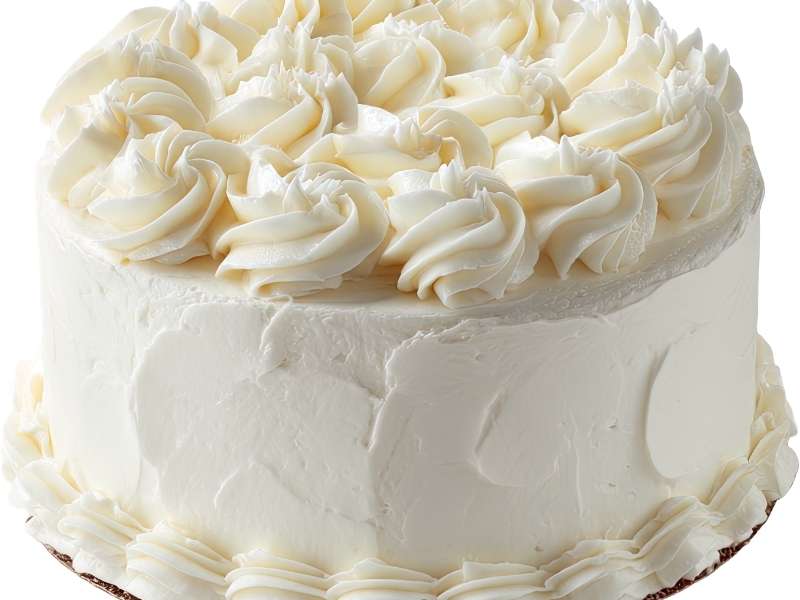
Freshly baked cake smells amazing.
Still, warm cake cannot hold frosting properly.
The frosting melts and slides off the surface.
Layers may even shift or break apart.
Many cake baking mistakes happen because bakers rush to decorate.
How to Avoid It
Let the cake cool completely.
Place the layers in the refrigerator for a short time if needed.
Use a cooling rack to speed up cooling.
Start decorating only when the cake feels cool to the touch.
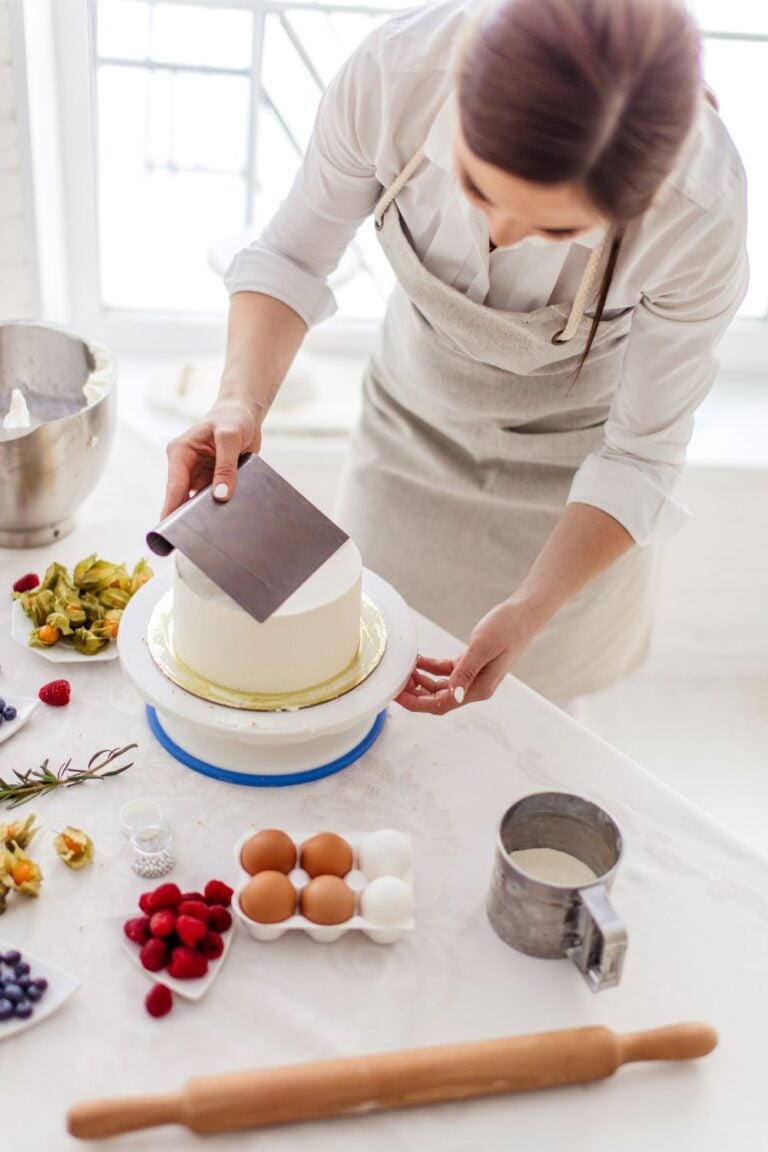
If you enjoy creating beautiful desserts, you’ll love 23 Beautiful Pastry Decorating Ideas for simple decorating inspiration.
18. Skipping the Recipe Instructions
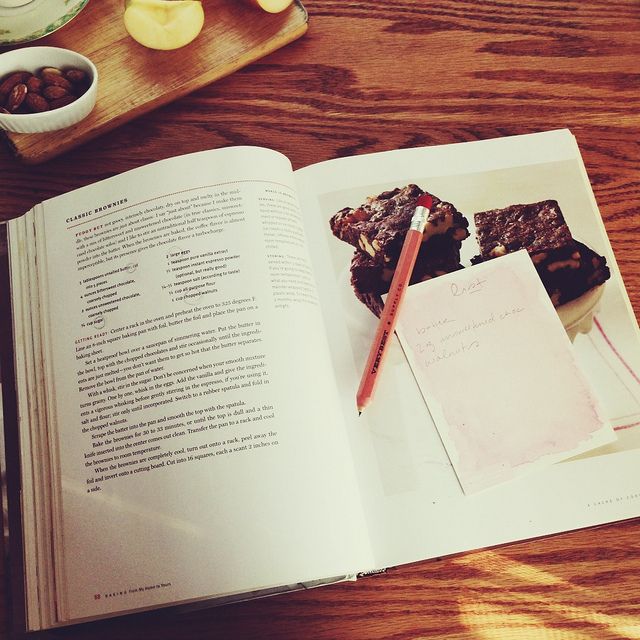
Every cake recipe works differently.
Some require creaming butter and sugar first.
Others call for mixing wet and dry ingredients separately.
Ignoring these instructions can lead to several cake baking mistakes.
Each step has a purpose.
How to Avoid It
Read the recipe before gathering ingredients.
Follow the mixing order carefully.
Prepare every ingredient before turning on the mixer.
Check each step as you bake.
If you often miss important details, How to Read a Baking Recipe Correctly Before You Start will help you avoid common errors.
19. Baking Too Many Cakes at Once
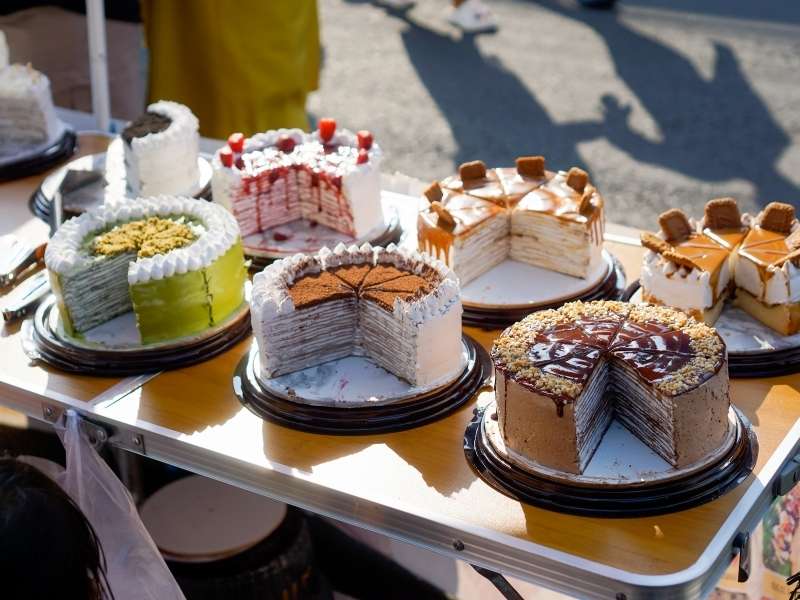
Multiple cake pans can block airflow.
Heat may not circulate evenly.
One cake might bake faster than another.
Uneven baking causes frustrating cake baking mistakes.
How to Avoid It
Leave space between cake pans.
Bake in batches if your oven feels crowded.
Rotate the pans only if your oven has hot spots.
Avoid stacking pans directly above one another.
20. Decorating Before Planning
Decoration looks easier with a plan.
Jumping in without one often creates uneven frosting and messy designs.
While decoration does not change the cake’s flavor, it affects the finished presentation.
Small decorating errors often become memorable cake baking mistakes.
How to Avoid It
Choose your decorating style before baking.
Prepare frosting in advance.
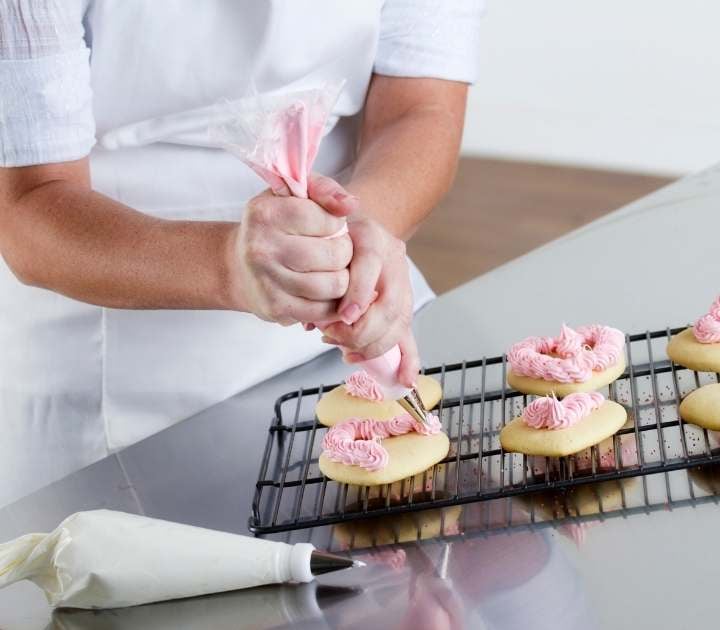
Gather piping bags and tools early.
Practice simple designs before trying advanced techniques.
You can also explore Baking Flat Lay Ideas For Instagram & Pinterest if you love photographing your finished cakes.
21. Baking Without the Right Workspace
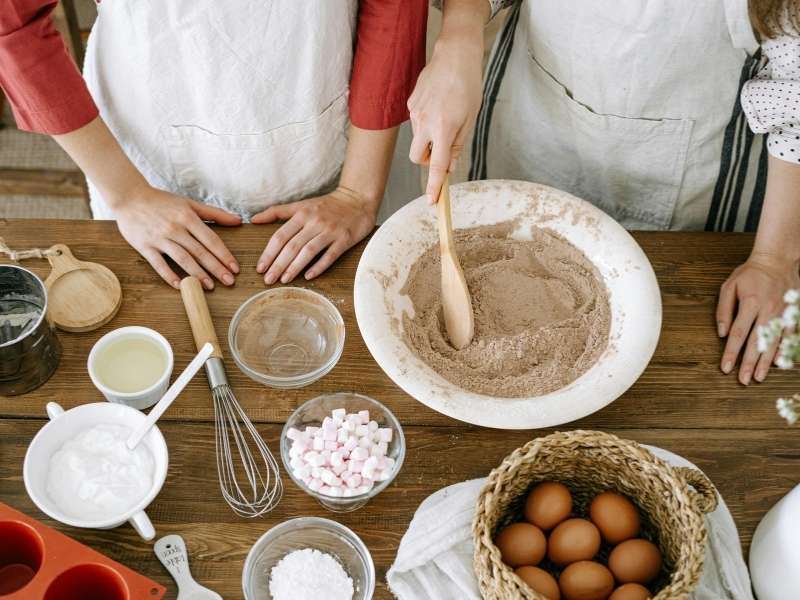
A cluttered kitchen slows everything down.
Searching for tools while mixing wastes valuable time.
Butter may soften too much.
Batter may sit longer than intended.
These small delays can contribute to cake baking mistakes.
How to Avoid It
Clear your work surface first.
Arrange ingredients before mixing.
Keep measuring tools nearby.
Clean as you go.
Need inspiration? Baking Station Organisation Ideas That Will Transform Your Kitchen shares practical ideas for creating an efficient baking space.
You can also see Aesthetic Baking Setup Ideas For Beginners for beautiful and functional workspace inspiration.
22. Buying Every Baking Tool You See
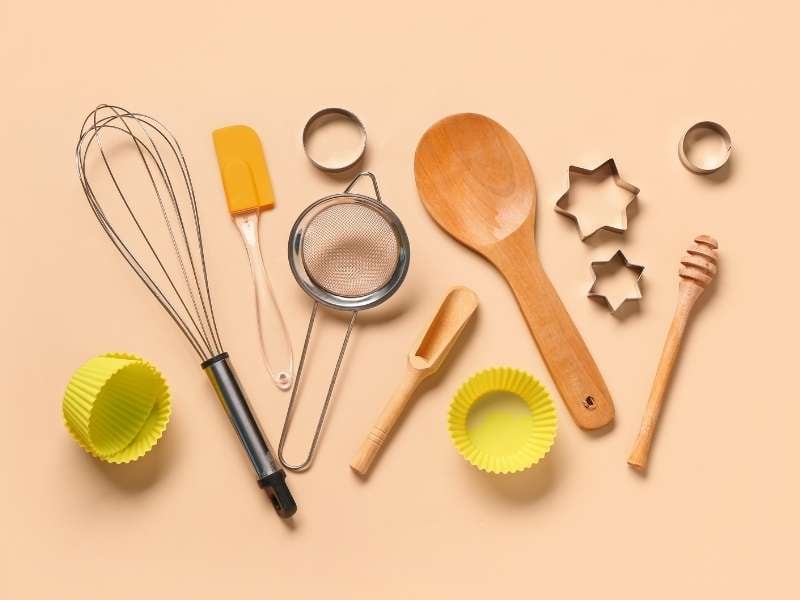
Fancy gadgets look exciting.
Still, they do not guarantee better cakes.
Many beginners spend too much before learning the basics.
That creates unnecessary frustration instead of improving results.
How to Avoid It
Start with essential tools.
Upgrade your equipment slowly.
Invest in quality over quantity.
Choose tools you will actually use.
If you’re building your collection, Cute Baking Supplies You Didn’t Know You Needed highlights practical items worth considering.
23. Expecting Perfection Every Time
No baker succeeds every single time.
Even professionals make mistakes.
Every cake teaches something new.
Treat each bake as a learning experience.
This mindset helps you overcome future cake baking mistakes with confidence.
Practice improves your skills.
Patience builds consistency.
Enjoy the process as much as the finished cake.
How to Avoid It
Keep notes after each bake.
Record ingredient changes.
Write down baking times.
Learn from every success and every mistake.
Small improvements quickly add up.
Quick Cake Troubleshooting Guide
Even careful bakers sometimes run into problems.
Here are quick solutions to some of the most common cake baking mistakes.
Cake Sank in the Middle
- Check that your baking powder is fresh.
- Avoid opening the oven door too early.
- Bake until the center finishes cooking.
- Measure ingredients carefully.
Cake Turned Dry
- Measure flour correctly.
- Avoid overbaking.
- Do not overmix the batter.
- Store the cake properly after cooling.
Cake Didn’t Rise
- Replace expired leavening agents.
- Preheat the oven fully.
- Mix ingredients according to the recipe.
- Use the correct pan size.
Cake Stuck to the Pan
- Grease the pan well.
- Line the base with parchment paper.
- Cool the cake before removing it.
- Run a knife around the edges first.
Cake Cracked on Top
- Check your oven temperature.
- Avoid placing the pan too close to the top heating element.
- Use the recommended pan size.
- Bake at the temperature listed in the recipe.
Final Thoughts
Every great baker starts somewhere. Making cake baking mistakes does not mean you lack skill. Instead, each mistake shows you what to improve next. Focus on the basics first. Measure ingredients accurately. Use fresh ingredients. Follow the recipe carefully. Give your cake enough time to bake and cool.
Practice one technique at a time, and enjoy the process. Confidence grows with every cake you bake. Before long, you’ll recognize cake baking mistakes early and know exactly how to fix them. Every recipe teaches a valuable lesson, and each success builds your confidence in the kitchen. Keep baking, keep learning, and soon you’ll create cakes that look beautiful, taste delicious, and make every occasion even more special.