Baking Myths That Are Actually Holding You Back
Disclosure: Some of the links in this post are affiliate links. This means if you click on the link and purchase an item, I will receive an affiliate commission at no extra cost to you.
Many baking “rules” get passed down from one generation to the next, but not all of them are true. Some are outdated, while others have been misunderstood over time. Believing these Baking Myths can leave you frustrated when your cakes don’t rise, your cookies spread too much, or your bread doesn’t turn out as expected. Instead of improving your baking, these myths often make the process more confusing.
The truth is that successful baking relies on understanding ingredients, techniques, and a little bit of science rather than following old misconceptions. Once you learn what actually works, you’ll bake with more confidence and make fewer mistakes. If you’re just getting started, Baking Tips That Instantly Improve Your Results is an excellent resource for building a strong foundation before tackling more advanced recipes.
In this guide, we’ll uncover the most common Baking Myths that may be holding you back and explain the facts behind them. By separating fact from fiction, you’ll gain practical knowledge that leads to better cakes, cookies, breads, and desserts every time you bake.
Why So Many Baking Myths Still Exist Even Now
Baking has been around for centuries, so it’s no surprise that plenty of advice has been passed from one generation to another. Some of that advice is incredibly helpful. Other tips started as guesses, old traditions, or misunderstandings that people continued repeating without testing them.
That’s how many Baking Myths are created.
The problem is that these myths can make baking feel much harder than it really is. You may blame yourself when a recipe fails, even though you simply followed incorrect advice.
The good news is that baking becomes much easier once you understand the facts. Small changes in your technique often produce much better results.
If you’re still learning the basics, Baking Terms Explained (Fold, Cream, Knead & More For Beginners) will help you understand many techniques that recipes expect you to know.
Baking Myths That Are Actually Holding You Back
1: Baking Is Too Difficult for Beginners

This is one of the biggest Baking Myths you’ll ever hear.
Many beginners believe baking requires years of experience before they can make good desserts.
That simply isn’t true.
Every experienced baker started with their very first recipe.
Success comes from learning one skill at a time.
Begin with simple recipes.
Practice measuring carefully.
Follow directions closely.
Learn from each bake.
Your confidence will grow much faster than you expect.
Even professional bakers continue learning new techniques throughout their careers.
Don’t let fear stop you from getting started.
2: Expensive Baking Tools Always Produce Better Results
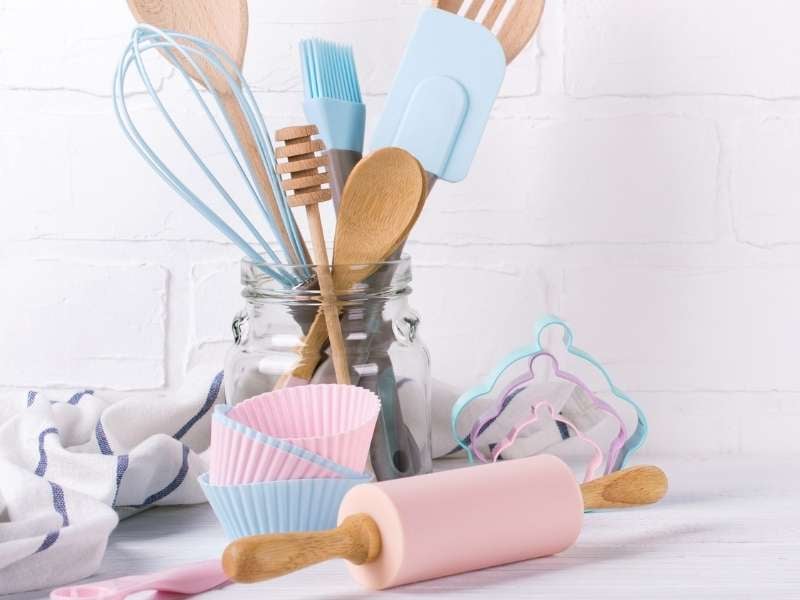
Many people believe they need expensive mixers, premium bakeware, and professional equipment before they can bake successfully.
That’s another common myth.
Quality tools certainly help.
However, you don’t need the most expensive equipment to bake delicious treats.
Many home bakers create amazing cakes using simple equipment.
A sturdy mixing bowl.
Reliable measuring cups.
Good baking pans.
An accurate oven.
Those basics can take you surprisingly far.
As your skills improve, you can gradually upgrade your equipment.
If you’re wondering what you truly need, Essential Baking Tools Every Home Baker Needs (with Budget Options) explains which tools deserve your investment first.
3: You Can Measure Ingredients Any Way You Like

Many beginners think measuring doesn’t matter.
After all, cooking often allows room for adjustment.
Baking is different.
Even small measurement errors can affect the final result.
Too much flour creates dry cakes.
Too little baking powder reduces rising.
Extra liquid changes the texture completely.
Accurate measuring creates consistent results.
Learning proper conversions also prevents confusion when following recipes from different countries.
That’s why Baking Measurements Conversion Chart (Cups, Grams, Ounces Explained) is such a valuable resource for every baker.
4: Every Flour Works the Same
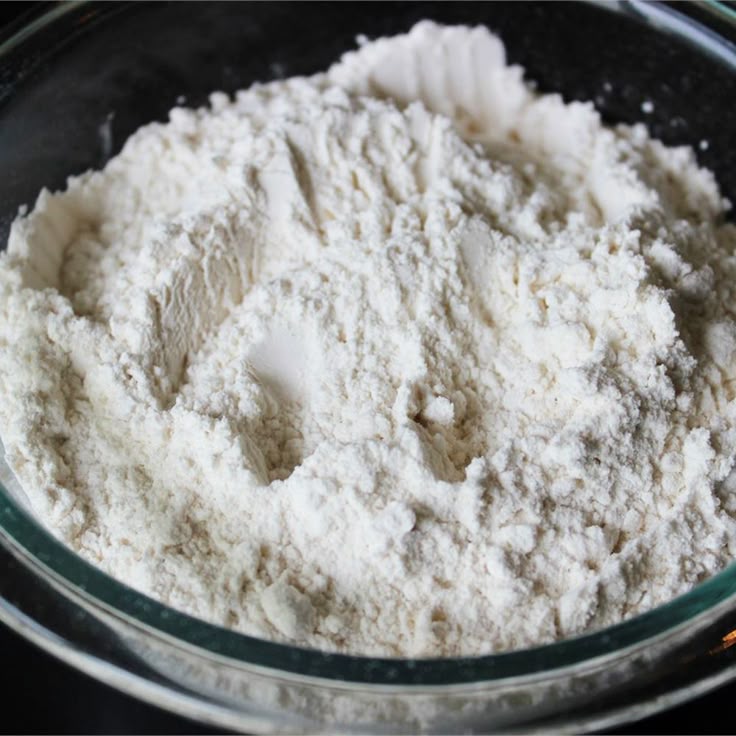
Flour may look similar on the shelf.
Still, different flours behave very differently.
Bread flour contains more protein than cake flour.
Cake flour creates softer textures.
Whole wheat flour absorbs more liquid.
Using the wrong flour can completely change a recipe.
Understanding these differences makes baking much easier.
Before replacing one flour with another, learn how each type behaves.
Types of Baking Flour and When to Use Them explains exactly which flour works best for different recipes.
5: Baking Is Only About Following Recipes
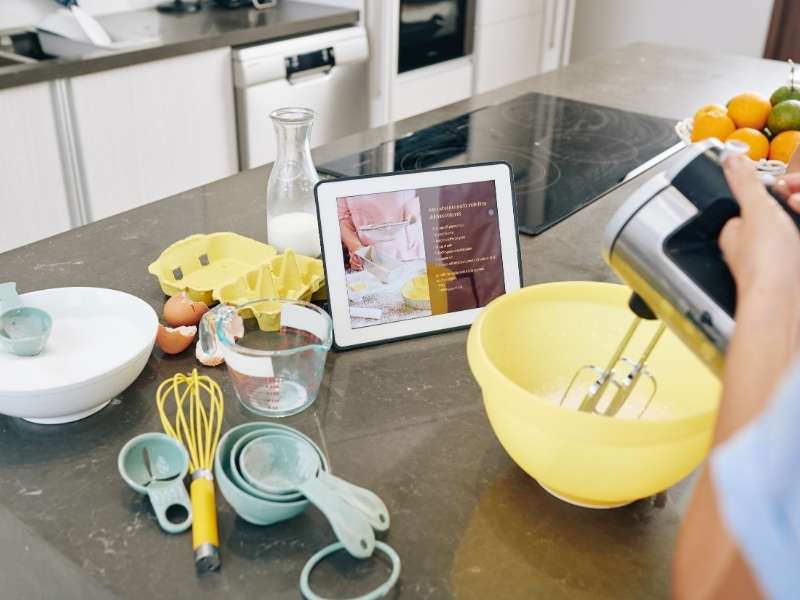
Recipes matter.
Still, they aren’t the whole story.
Understanding why recipes work helps you become a better baker.
For example, ingredients react together in specific ways.
Temperature affects rising.
Mixing changes texture.
Resting dough improves flavor.
Once you understand these principles, you’ll solve problems much more easily.
That’s one reason experienced bakers can confidently adjust recipes when necessary.
If you’re curious about what happens inside the mixing bowl, The Science of Baking Made Simple for Beginners explains these reactions in simple language.
6: Opening the Oven Door Always Ruins Your Cake
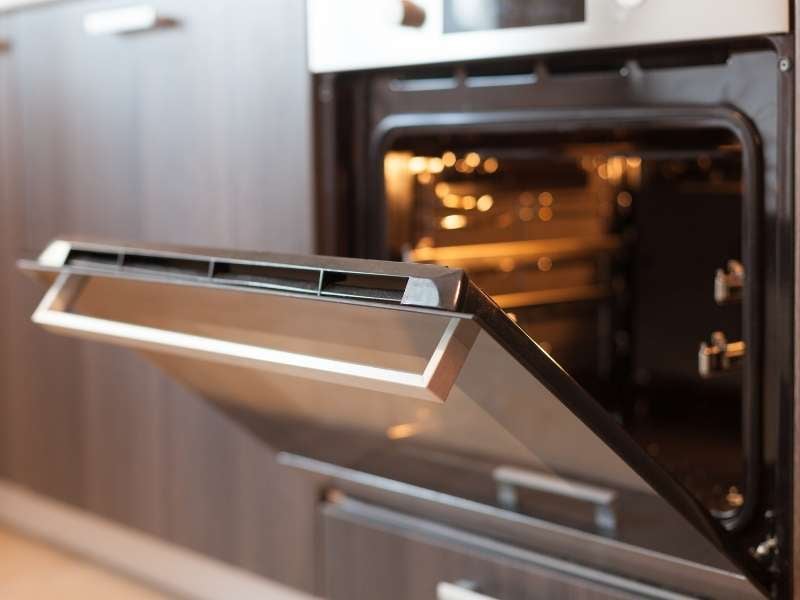
Many people refuse to open the oven because they’ve heard it instantly ruins every cake.
This is one of those Baking Myths that contains only part of the truth.
Opening the oven repeatedly during the early baking stages can cause problems.
The sudden temperature drop may affect rising.
However, carefully checking your cake near the end of baking is perfectly reasonable.
The key is timing.
Avoid opening the oven too early.
Wait until the structure has set before checking.
Learning when your cake has finished baking prevents overbaking just as much as underbaking.
That’s why How to Know When Your Cake Is Properly Baked is such a helpful guide for beginners.
7: A Higher Oven Temperature Bakes Faster and Better
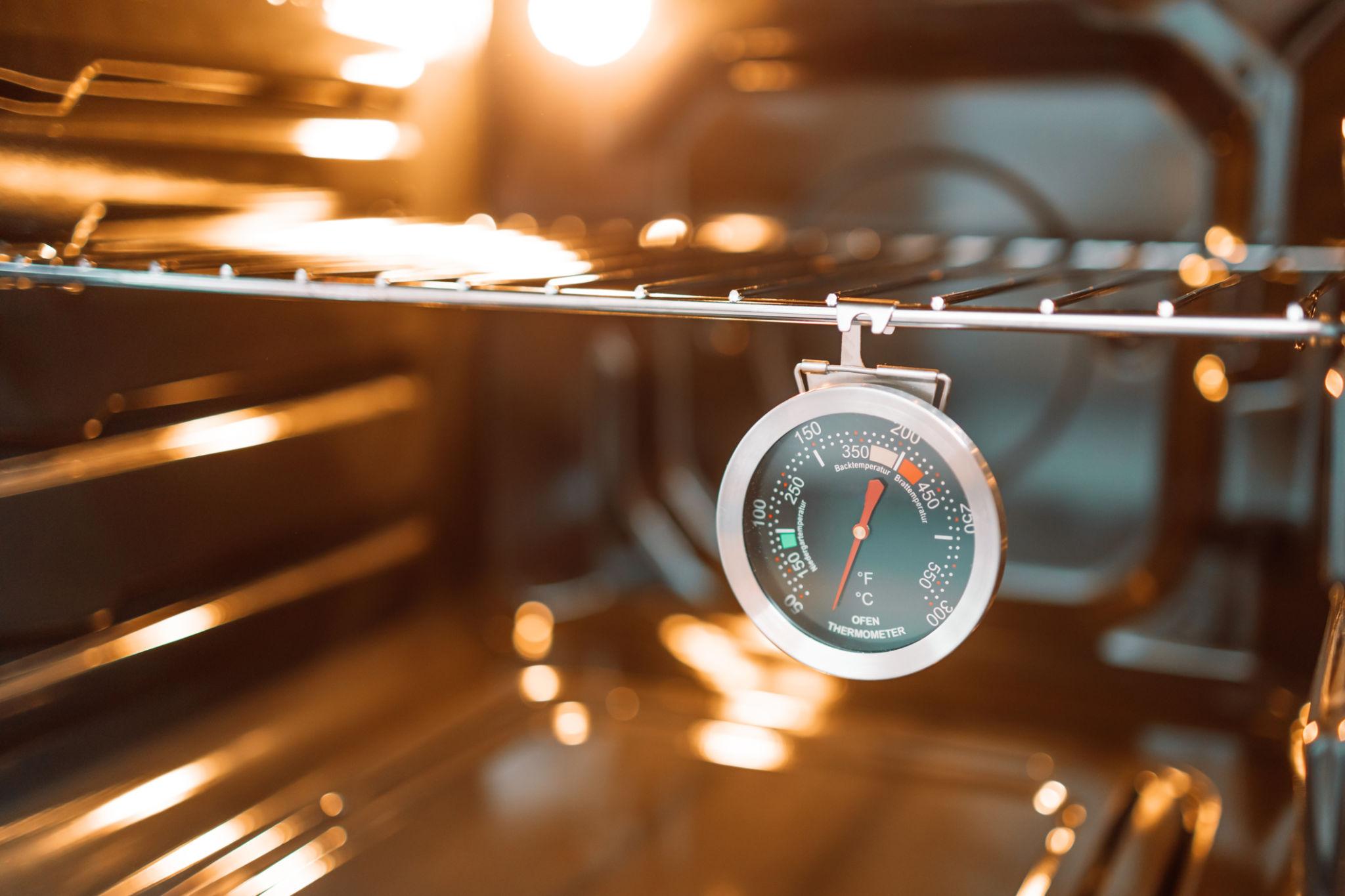
Waiting for desserts can test anyone’s patience.
Some beginners increase the oven temperature to speed things up.
Unfortunately, this usually creates new problems.
The outside may brown too quickly.
The inside often remains undercooked.
Cookies spread differently.
Bread develops uneven texture.
Following the recommended temperature gives ingredients enough time to react properly.
If your baking results often seem unpredictable, Understanding Baking Temperatures for Better Results explains why temperature matters so much.
8: Butter and Margarine Always Produce the Same Results
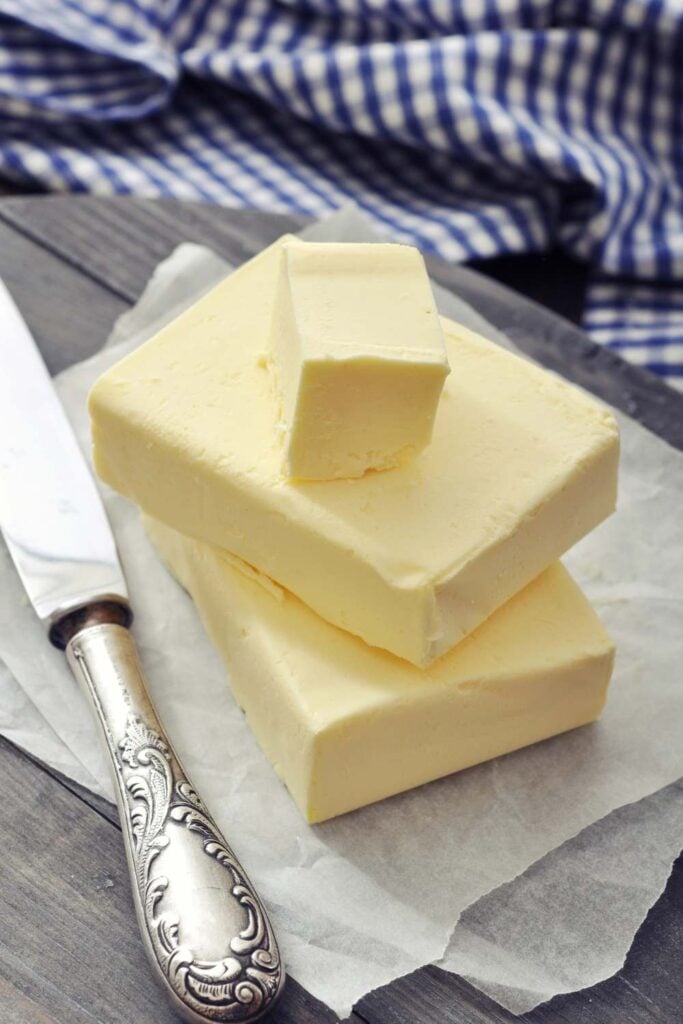
Many people believe butter and margarine are completely interchangeable.
This is one of the most common Baking Myths.
While both contain fat, they do not behave exactly the same.
Butter adds a rich flavor and creates a tender texture.
Margarine often contains more water, which can affect the final bake.
Some recipes work well with either option.
Others rely on butter’s specific properties.
Before making substitutions, understand how each ingredient affects your recipe.
If you’ve ever wondered which one to choose, Butter vs Margarine in Baking: Does It Really Matter? explains the differences in detail.
9: Eggs Only Hold Ingredients Together
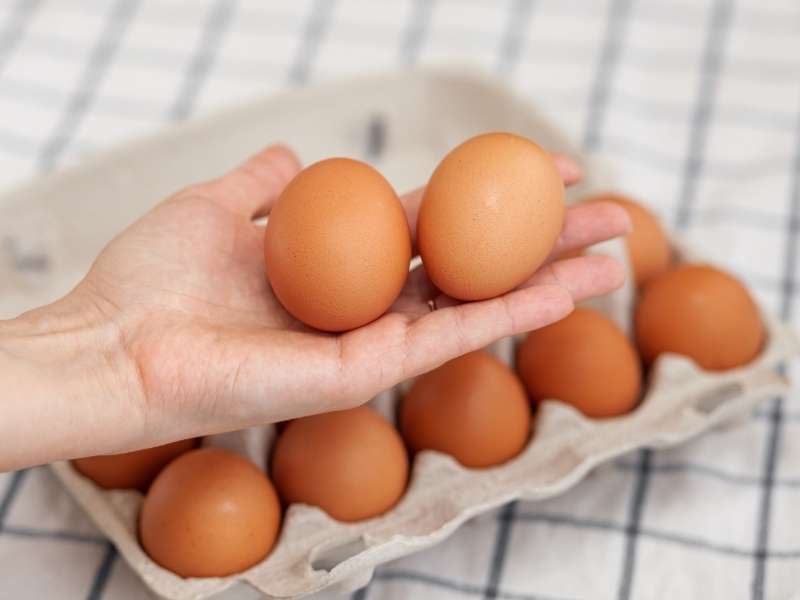
Eggs do much more than act as glue.
They help cakes rise.
They add moisture.
They improve texture.
They create structure.
They even contribute to color and flavor.
Leaving eggs out without making the right adjustment can completely change a recipe.
Understanding the role of eggs makes troubleshooting much easier.
If you’re curious about everything eggs do, Eggs in Baking: Why They Matter and How They Affect Results is worth reading.
10: Sugar Only Makes Desserts Sweet
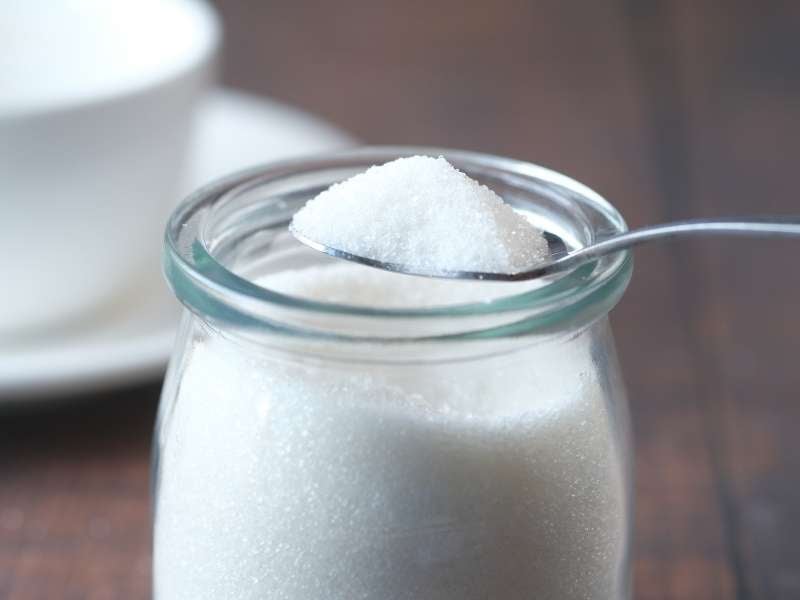
Many beginners think sugar has one job.
Sweetness.
In reality, sugar performs several important functions.
It helps baked goods stay moist.
It creates soft textures.
It contributes to browning.
It improves flavor.
Different sugars also behave differently.
Brown sugar creates more moisture than white sugar.
Powdered sugar works differently again.
Learning these differences helps you choose the right ingredient every time.
For a closer look, The Different Types of Sugar Used in Baking Explained breaks everything down in simple terms.
11: You Can Substitute Any Ingredient Without Changing the Recipe
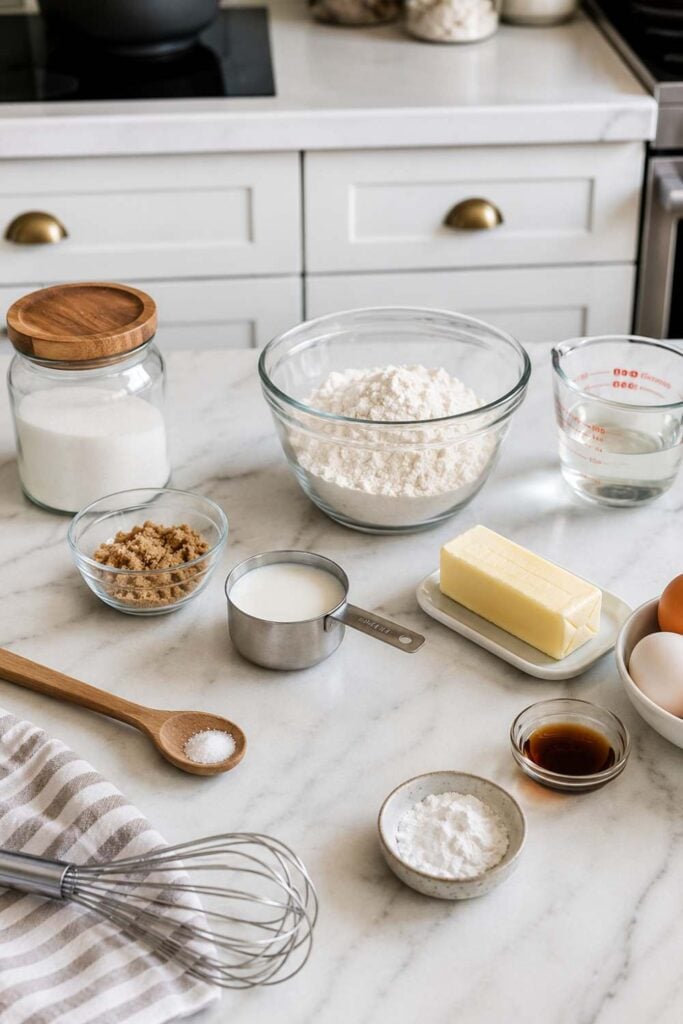
Running out of an ingredient happens to everyone.
That doesn’t mean every replacement works perfectly.
Some substitutions produce excellent results.
Others completely change the texture, flavor, or structure.
For example, replacing butter with oil changes moisture levels.
Using self-rising flour instead of all-purpose flour changes the leavening.
Knowing which substitutions work prevents disappointing results.
If you’re ever missing an ingredient, Baking Substitutions Guide (When You’re Missing Ingredients) can help you choose a reliable replacement.
12: Reading the Recipe Once Is Enough
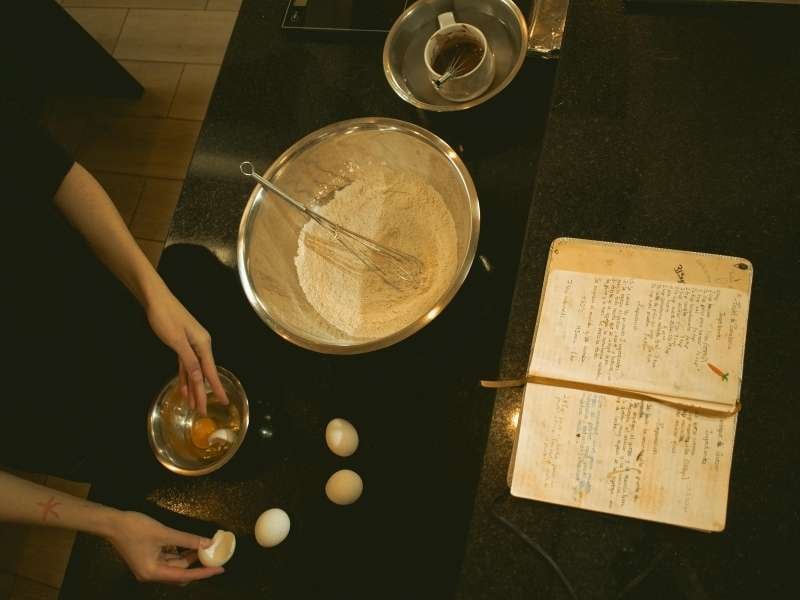
Many baking failures begin before the mixing bowl comes out.
Some people skim a recipe and start baking immediately.
Important details often get missed.
You may overlook chilling time.
You might forget to preheat the oven.
Perhaps ingredients should reach room temperature first.
Reading the recipe carefully from beginning to end helps you prepare properly.
That simple habit prevents many common mistakes.
If you’d like to improve this skill, How to Read a Baking Recipe Correctly Before You Start offers practical advice.
13: Baking Powder and Baking Soda Do the Same Thing
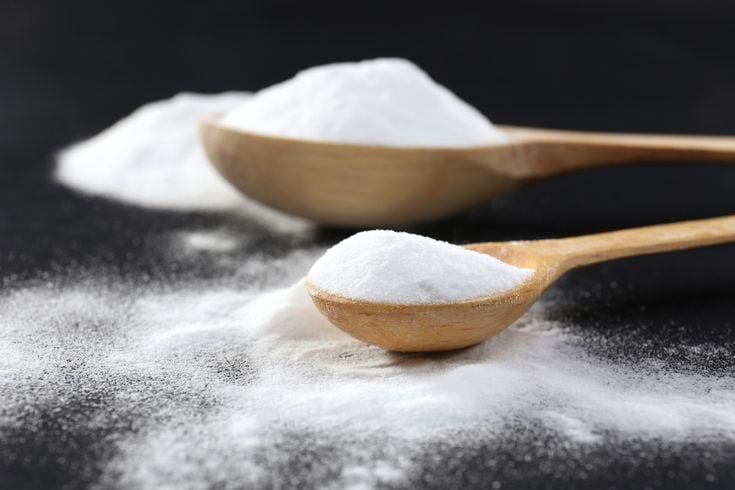
These ingredients may look similar.
They are not identical.
Baking soda needs an acidic ingredient to activate.
Baking powder already contains its own acid.
Replacing one with the other without adjusting the recipe usually causes problems.
Understanding the difference helps your cakes, muffins, and cookies rise properly.
It also reduces the frustration of flat or dense baked goods.
14: You Should Mix Batter as Much as Possible
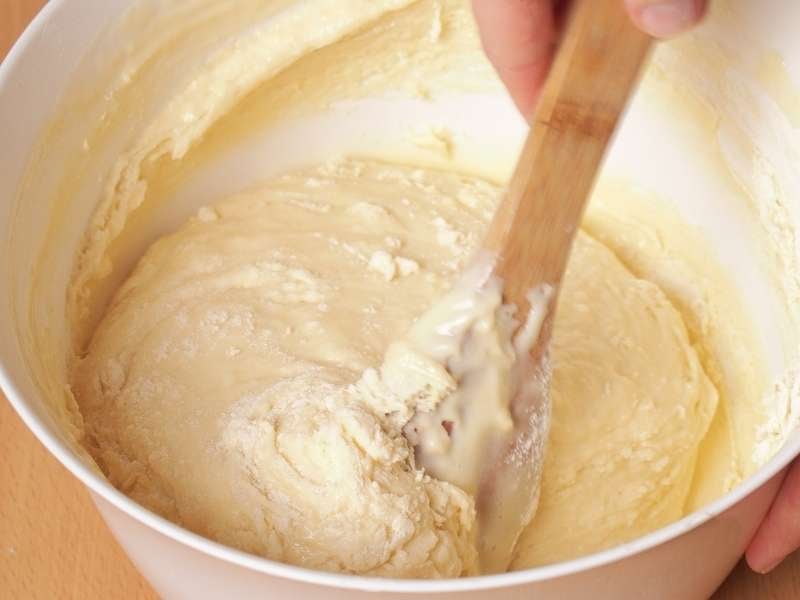
Some beginners believe more mixing creates better batter.
Actually, overmixing often produces tough baked goods.
Mixing develops gluten.
That is useful for bread.
It is not ideal for soft cakes or tender muffins.
Most recipes tell you exactly when to stop mixing.
Following those instructions helps create lighter textures.
If your cakes often turn out dense, Why Your Cakes Keep Failing (and How to Fix Them) explains several possible reasons.
15: Baking Failures Mean You’re a Bad Baker
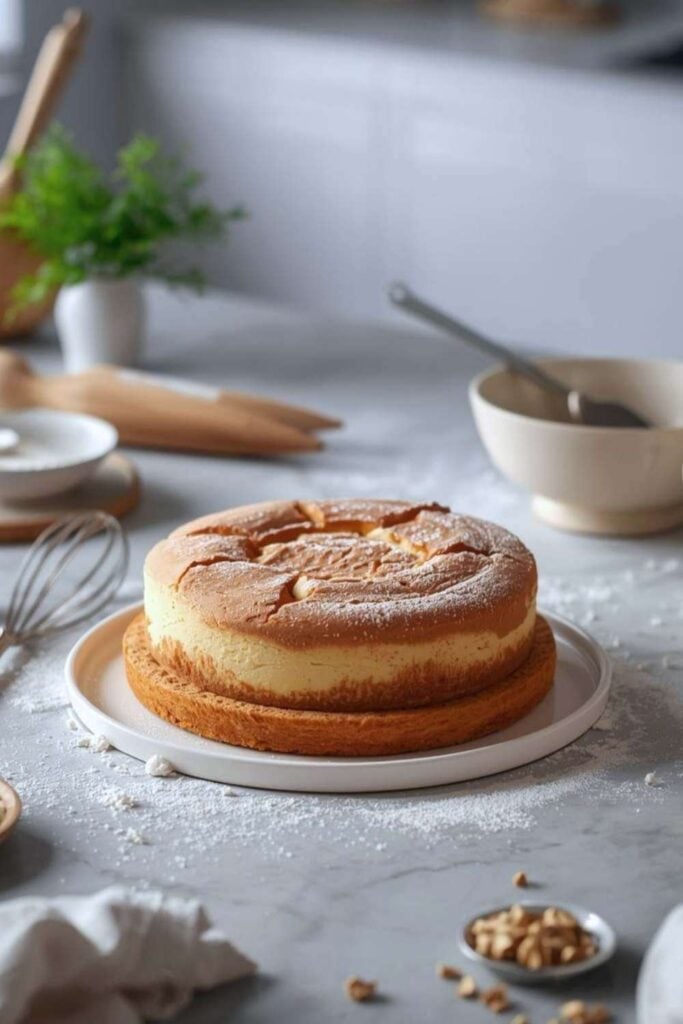
Every baker has disappointing results.
Even professionals burn cookies.
Cakes sometimes sink.
Bread occasionally refuses to rise.
Mistakes are part of learning.
The important thing is understanding why something happened.
Each failed recipe teaches a valuable lesson.
Instead of giving up, ask questions.
Change one thing at a time.
Practice again.
Every successful baker improves through experience.
If you’re making frequent mistakes, 23 Cake Baking Mistakes and How to Avoid Them can help you recognize common problems before they happen.
16: You Must Bake Perfectly Every Time
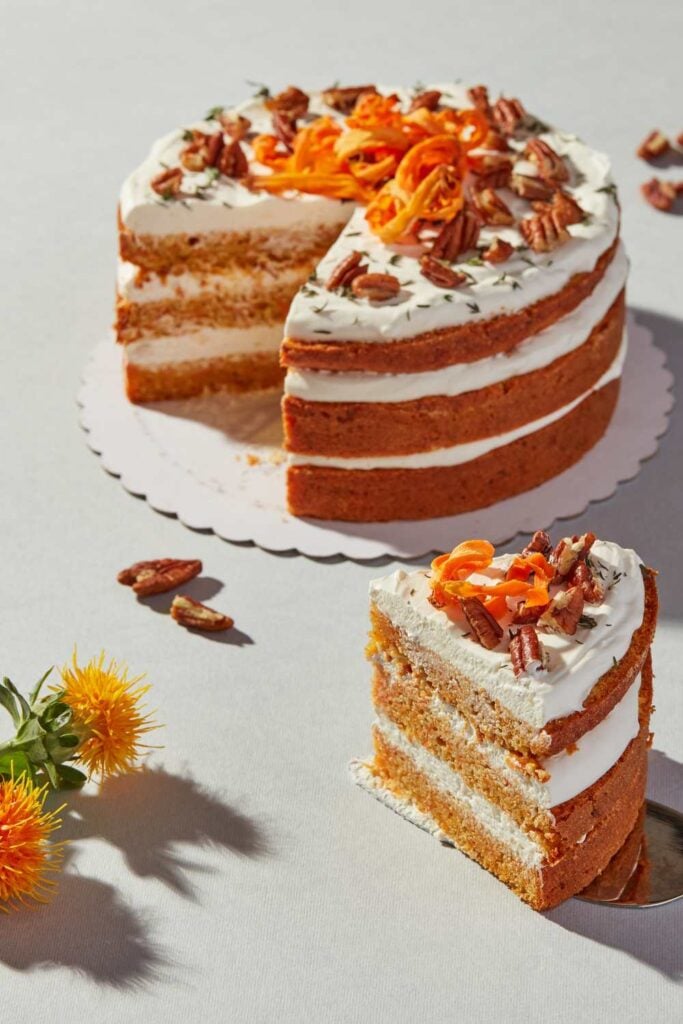
Social media often creates unrealistic expectations. Some expectations like,
Every cake looks flawless.
Every cookie appears identical.
Reality looks different.
Small imperfections are completely normal.
Homemade baking has character.
Your desserts do not need to look like bakery display pieces to taste amazing.
Focus on steady improvement instead of perfection.
As your skills grow, your confidence will grow too.
17: Homemade Bread Is Too Hard to Make
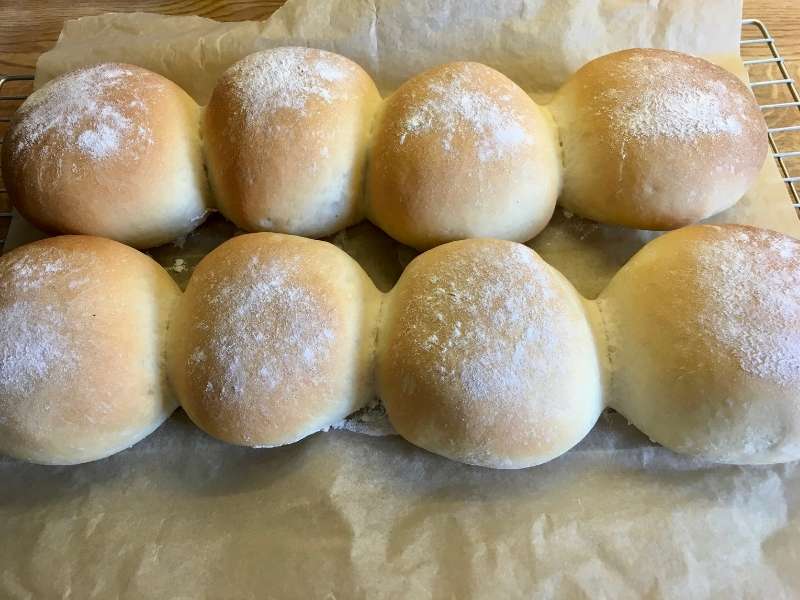
Fresh bread can seem intimidating.
Many beginners avoid it because they think it requires years of practice.
That simply isn’t true.
Like any baking skill, bread making improves with experience.
Start with a simple recipe.
Measure carefully.
Give the dough enough time to rise.
Practice shaping techniques.
Each loaf teaches you something new.
If you’ve always wanted to bake your own bread, Beginner’s Guide to Baking Bread at Home will help you get started with confidence.
18: Baking Without an Oven Is Impossible
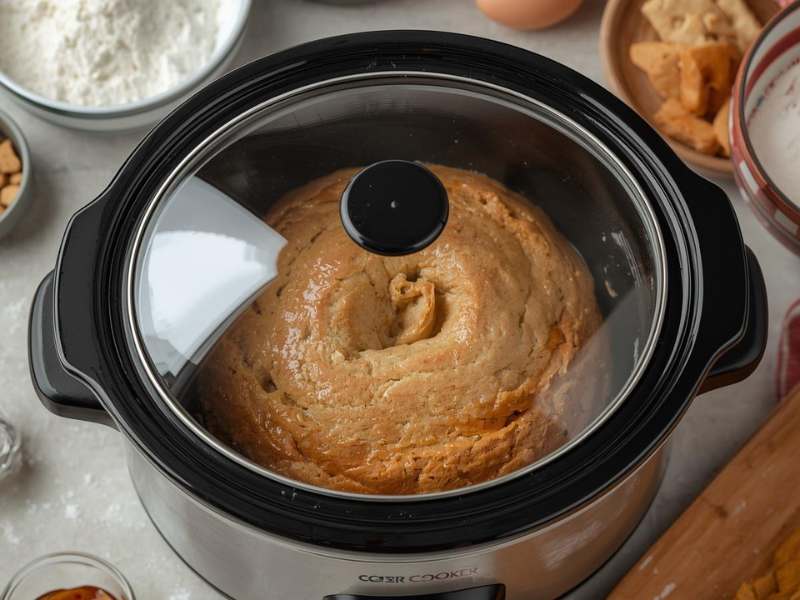
Many people believe an oven is the only way to bake.
That is another one of the common Baking Myths.
While an oven is convenient, it isn’t your only option.
People successfully bake using stovetops, air fryers, pressure cookers, and other methods.
The results may vary slightly, but delicious desserts are still possible.
Don’t let limited equipment stop you from enjoying baking.
If you don’t own an oven, How to Bake Without an Oven (Realistic Methods That Work) explores several practical alternatives.
19: Fancy Decorations Matter More Than Flavor
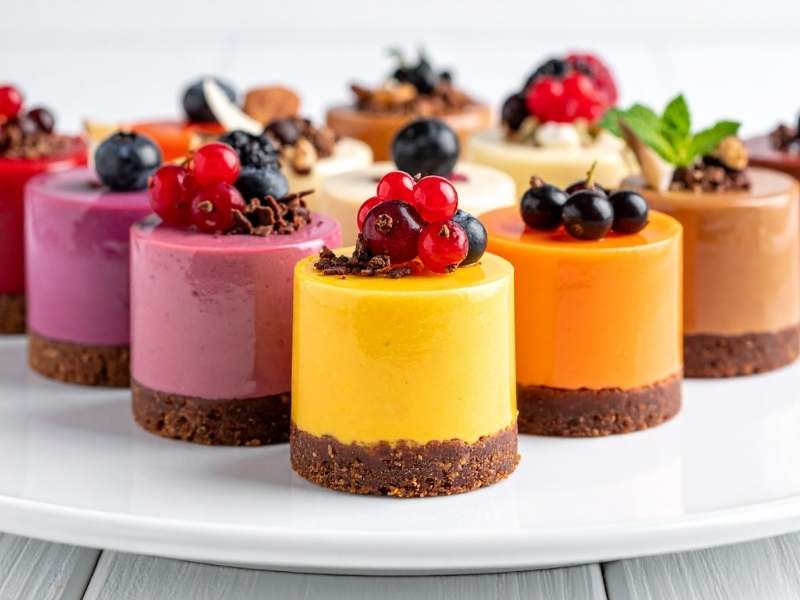
Beautiful desserts certainly attract attention.
However, customers usually remember the taste long after they forget the decorations.
Focus on creating desserts that look appealing and taste delicious.
Practice decorating as your confidence grows.
Simple designs often feel elegant.
They also allow the quality of your baking to shine.
If you’re looking for creative decorating inspiration, 23 Beautiful Pastry Decorating Ideas offers ideas for every skill level.
20: Macarons Are Impossible to Master
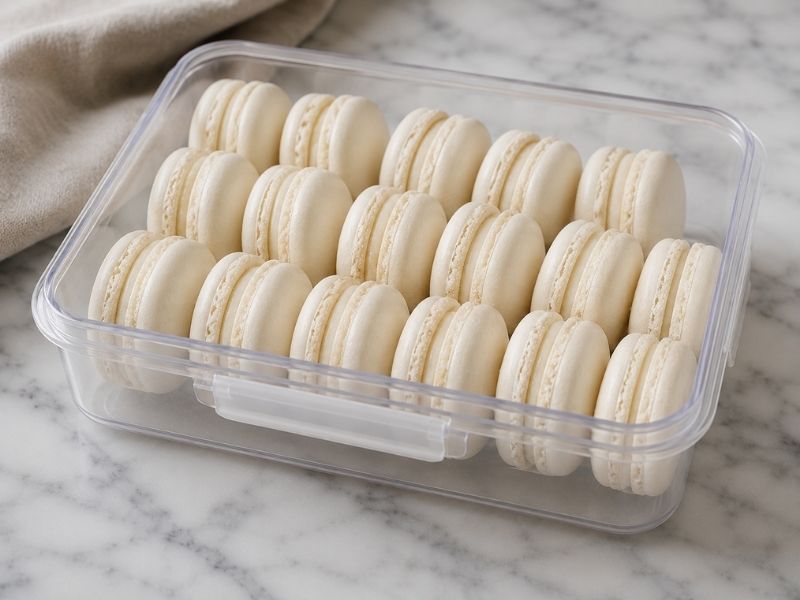
French macarons have a reputation for being extremely difficult.
While they require precision, they are not impossible.
Most successful bakers improve through practice.
They learn from each batch.
They adjust one variable at a time.
Patience matters more than perfection.
Once you understand the process, macarons become much less intimidating.
If you’re ready for the challenge, The Complete Beginner’s Guide to French Macarons walks you through each step.
21: One Failed Recipe Means You Should Quit
Every baker experiences failure.
Some cakes sink.
Cookies spread too much.
Pie crusts crack.
Bread sometimes refuses to rise.
These moments are frustrating.
Still, they are also valuable teachers.
Instead of giving up, ask yourself what happened.
Review the recipe.
Check your measurements.
Consider your oven temperature.
Make one adjustment and try again.
Progress comes from persistence.
22: Baking Doesn’t Require Organization
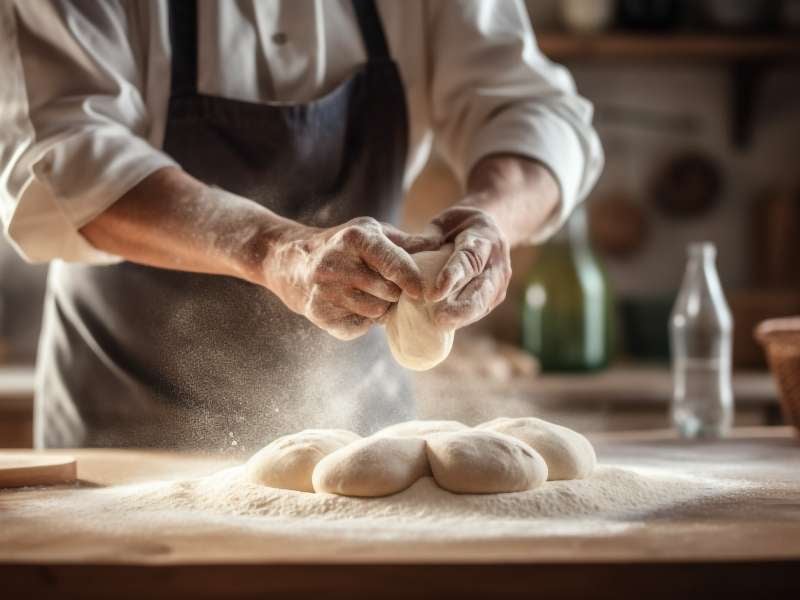
A cluttered kitchen often creates unnecessary stress.
Searching for ingredients wastes time.
Misplacing tools interrupts your workflow.
Forgetting what you already have leads to unnecessary purchases.
Good organization makes baking smoother and more enjoyable.
Arrange your ingredients logically.
Keep frequently used tools within reach.
Label storage containers clearly.
If you’re ready to improve your workspace, Baking Station Organisation Ideas That Will Transform Your Kitchen shares practical organization tips.
23: Great Bakers Never Stop Learning
This statement sounds true.
Actually, the myth is the opposite.
Some people believe they already know everything once they become experienced.
The best bakers continue learning throughout their lives.
They test new recipes.
They explore different ingredients.
They improve old techniques.
They stay curious.
Learning keeps baking exciting.
It also helps you continue producing better results year after year.
Simple Ways to Leave Baking Myths That Are Actually Holding You Back
Breaking old habits doesn’t happen overnight.
Start with small changes.
Question advice that has no explanation.
Learn how ingredients work together.
Practice one new technique at a time.
Keep notes after every bake.
Celebrate small improvements.
Confidence grows through experience.
The more you understand baking, the less likely you are to believe misleading advice.
If you’d like to continue improving, Baking Tips That Instantly Improve Your Results is full of practical techniques you can apply right away.
Final Thoughts On Baking Myths That Are Actually Holding You Back
Many Baking Myths have survived for years because people repeat them without questioning whether they are true. While some contain a small grain of truth, many create unnecessary confusion and prevent beginners from enjoying the baking process. The more you understand ingredients, techniques, and baking science, the easier it becomes to separate fact from fiction.
Don’t let outdated advice limit your confidence. Every successful baker improves through practice, curiosity, and a willingness to learn from mistakes. Instead of worrying about following every old baking rule, focus on understanding why recipes work and how each ingredient contributes to the final result.
The next time you hear a baking “rule,” take a moment to question it. Test new ideas, keep learning, and trust your growing experience. As you leave these Baking Myths behind, you’ll enjoy better results, waste fewer ingredients, and discover that baking is far more rewarding than you ever imagined.