How to Freeze Pastries for Easy Make-Ahead Baking
Disclosure: Some of the links in this post are affiliate links. This means if you click on the link and purchase an item, I will receive an affiliate commission at no extra cost to you.
Freezing pastries can save time, reduce waste, and make busy baking days much easier. With the right method, you can prepare dough, shape pastries, or bake them ahead without sacrificing their texture or flavor.
The key involves choosing the right freezing stage for each pastry. Some doughs freeze beautifully before baking, while others perform better after baking and cooling completely. Puff pastry, croissants, Danish pastries, pie dough, turnovers, and shortcrust shells can all benefit from thoughtful freezer storage.
Temperature control matters from preparation through thawing. Poor wrapping can cause freezer burn, moisture loss, or unwanted odors. Fortunately, a few simple habits can protect your pastries and keep your make-ahead baking routine organized.
If you want to strengthen your foundation before preparing freezer-friendly pastries, explore The Ultimate Beginners Guide to Baking. It covers essential techniques and principles that help you approach pastry preparation with greater confidence.
Why Freeze Pastries Ahead of Time?
Freezing pastries gives home bakers a practical way to prepare ahead without making every baking day stressful. Instead of starting from scratch each time, you can prepare dough, shape pastries, or bake complete treats before you need them.
The freezer can preserve quality remarkably well when you control moisture, temperature, wrapping, and timing. However, every pastry responds differently to freezing. Puff pastry may need different treatment from pie dough. Croissants also require a different approach from baked turnovers.
Before freezing anything, make sure you understand the recipe completely. How to Read a Baking Recipe Correctly Before You Start can help you identify preparation stages that affect freezing.
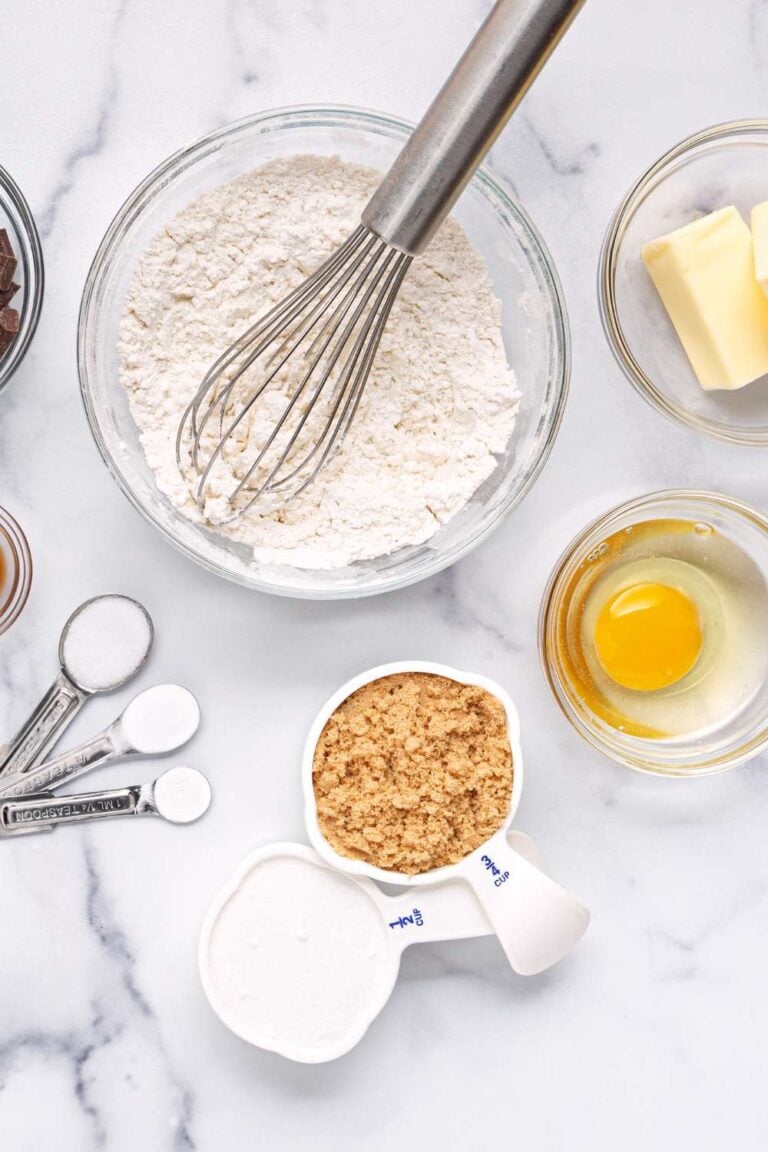
Freezing also works best when your baking process stays organized. Measure ingredients accurately, prepare your equipment, and clear enough freezer space before you begin.
If you need to strengthen your basic baking knowledge first, Essential Baking Tools Every Home Baker Needs can help you create a practical setup without buying unnecessary equipment.
Should You Freeze Pastry Before or After Baking?
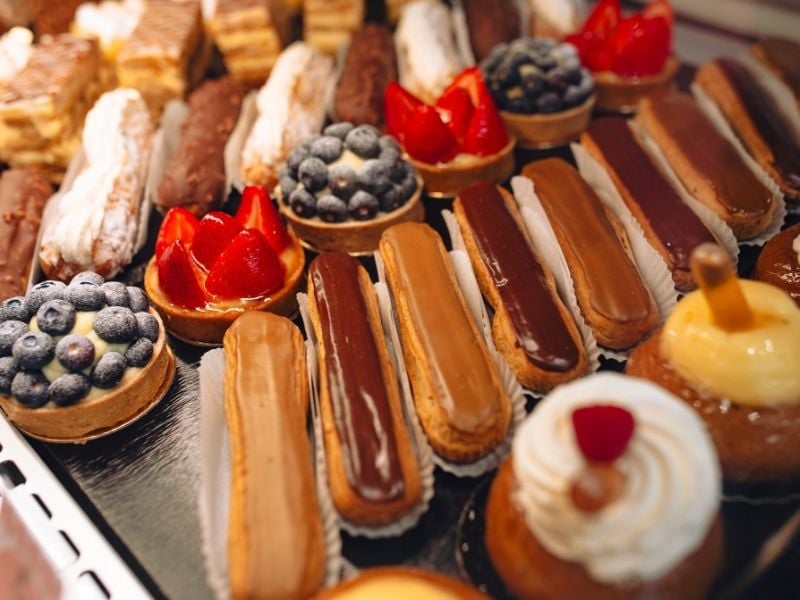
You can freeze pastries before baking or after baking. The better option depends on the pastry and the result you want.
Freezing unbaked pastry often produces fresher results because the final bake happens later. This approach works especially well for shaped croissants, turnovers, hand pies, and some puff pastry creations.
Freezing baked pastries offers greater convenience. You can simply thaw them and refresh them before serving.
Unbaked pastry requires careful packaging because exposure to air can cause freezer burn. Baked pastries require equally thoughtful storage because moisture can soften crisp layers.
Your choice should therefore match your schedule.
Freeze unbaked pastries when you want freshly baked results later. Freeze baked pastries when convenience matters more than achieving that just-baked texture.
For more information about pastry structures, explore Puff Pastry vs Phyllo Dough vs Shortcrust.
How to Freeze Pastries for Easy Make-Ahead Baking
Prepare Your Pastry Properly Before Freezing
Preparation begins long before the freezer.
Use fresh ingredients and follow the recipe carefully. Poor-quality ingredients can become even more noticeable after freezing and thawing.
Accurate measurements also matter. Too much liquid can create softer dough, while too little liquid can produce a crumbly mixture.
Use Baking Measurements Conversion Chart when converting between grams, cups, and ounces.
Your flour choice also affects the final texture. Different flours contain different protein levels, which can influence tenderness and gluten development.
For a deeper explanation, read Types of Baking Flour and When to Use Them.
Keep your ingredients within their recommended storage period as well. Old flour, rancid butter, or stale ingredients can compromise your pastry before freezing even begins.
How to Freeze Pie Dough
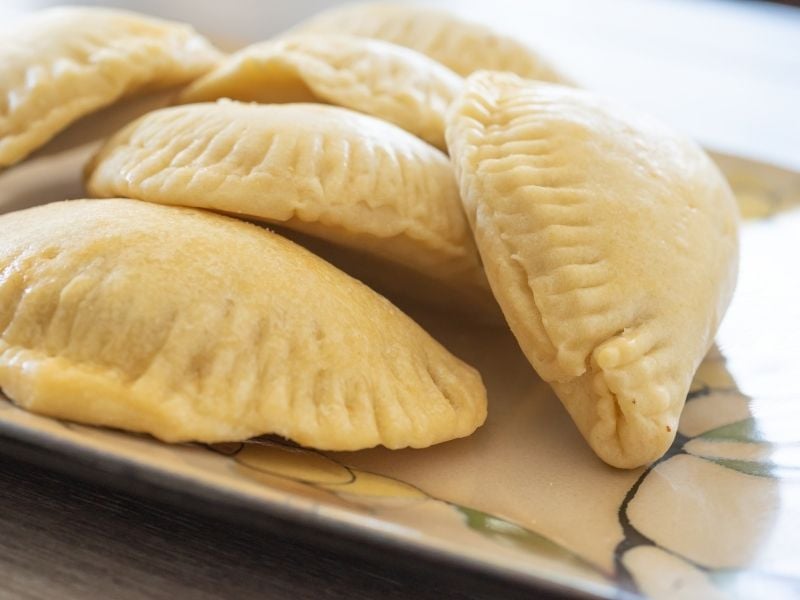
Pie dough freezes exceptionally well.
You can freeze prepared dough as a disc, flattened portion, or already rolled crust. Flattening the dough slightly before freezing makes later thawing much easier.
Wrap the dough tightly with plastic wrap. Then place it inside a freezer-safe bag or airtight container.
Remove as much excess air as possible.
Label the package with the pastry name and freezing date. That small step prevents confusion later.
For best quality, use frozen pie dough within a few months.
When you need it, move the dough into the refrigerator. Allow gradual thawing rather than leaving it on a warm counter for several hours.
Once flexible but still cool, roll the dough and continue with your recipe.
Avoid kneading thawed pastry unnecessarily.
Excessive handling can develop gluten and produce a tougher crust. You can review common crust problems through 17 Pie Baking Mistakes That Ruin Perfect Crusts.
How to Freeze Puff Pastry
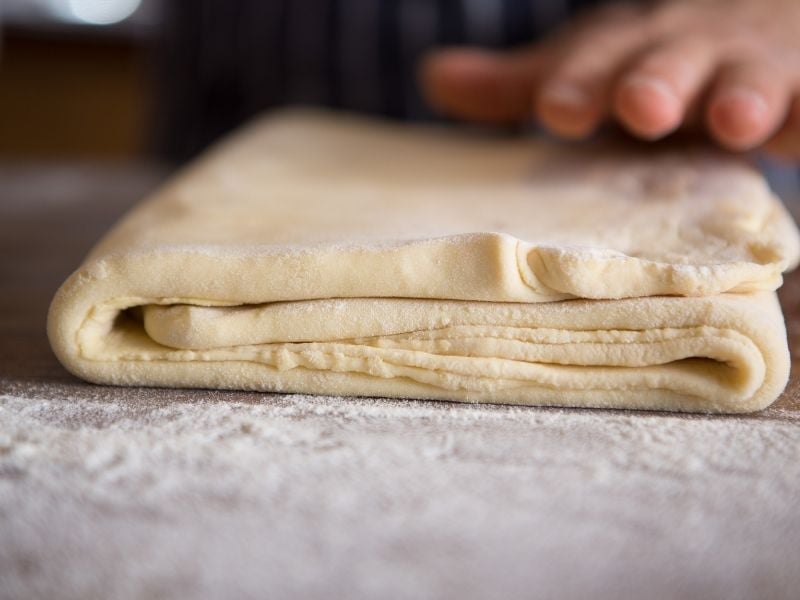
Puff pastry responds very well to freezing.
You can freeze homemade puff pastry dough after completing the required folds. Wrap it tightly before placing it inside a freezer bag.
You can also freeze shaped puff pastry pieces before baking.
Arrange the pieces on a parchment-lined tray. Leave enough space between them so they do not stick together.
Freeze the tray until the pastries become firm. Then transfer the pieces into an airtight freezer container.
This method prevents delicate shapes from becoming crushed.
When you want to bake them, follow the recipe’s instructions for thawing or baking from frozen. Avoid allowing the butter layers to become excessively warm.
Temperature plays a major role in puff pastry performance. Read Understanding Baking Temperatures for Better Results before adjusting your oven settings.
How to Freeze Croissants
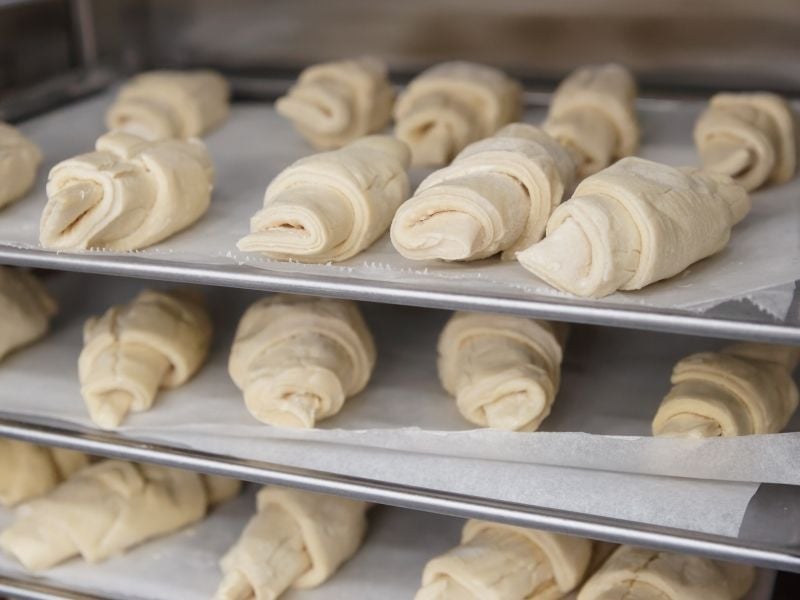
Croissants make excellent make-ahead pastries.
The ideal freezing stage depends on your schedule. Many bakers freeze shaped croissants before the final proof.
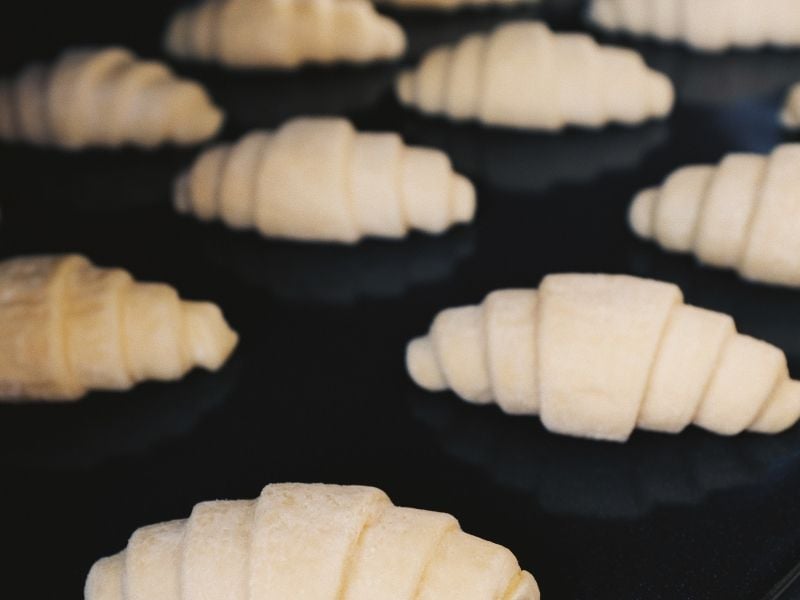
Shape the croissants after lamination. Arrange them on a lined tray and freeze them until firm.
Then place them inside freezer-safe packaging.
When you want to bake them, thaw them in a controlled environment. Allow enough time for the dough to become flexible and complete its final rise.
Do not rush the proofing stage.
A properly proofed croissant should feel light and airy before baking. Underproofing can produce dense layers, while excessive proofing can weaken the structure.
If you are new to bread-based doughs, Beginner’s Guide to Baking Bread at Home offers helpful foundational techniques.
How to Freeze Danish Pastries
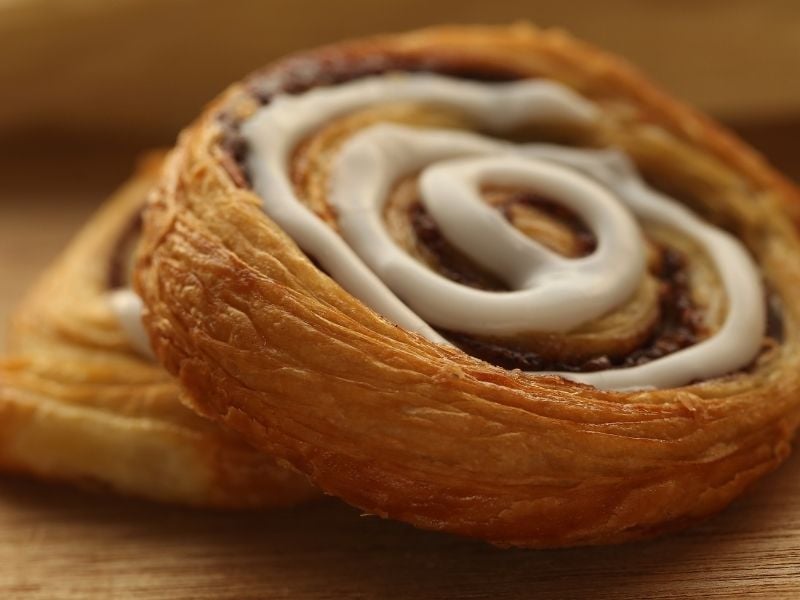
Danish pastries can also become convenient make-ahead treats.
Prepare the dough according to your recipe. Complete the necessary folds before shaping.
Add fillings carefully.
Cream cheese, fruit, chocolate, and other fillings can affect freezing and thawing performance. Avoid adding excessively wet fillings because they can release moisture during storage.
Freeze shaped pastries on a tray before transferring them into airtight packaging.
Keep delicate toppings separate when possible.
You can add certain glazes, powdered sugar, or fresh garnishes after baking.
This approach keeps the finished pastry looking fresher.
For decoration inspiration, explore 23 Beautiful Pastry Decorating Ideas.
How to Freeze Shortcrust Pastry
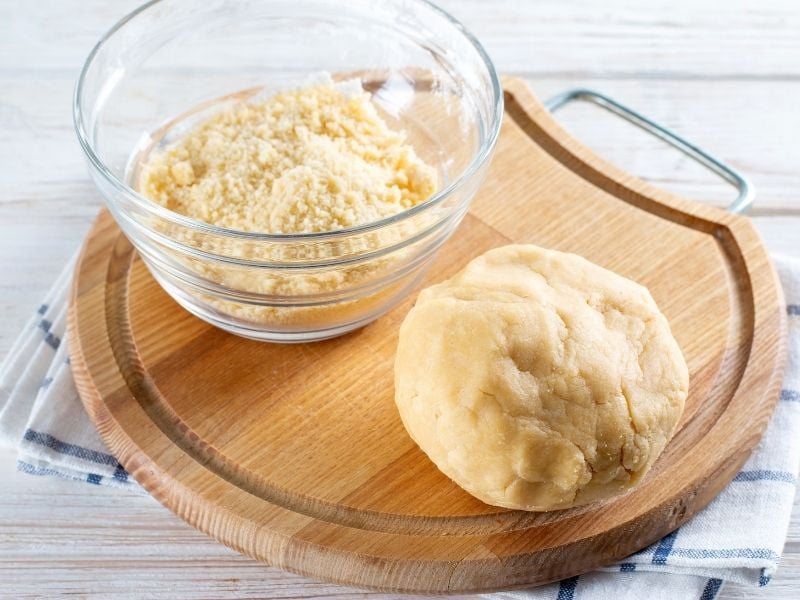
Shortcrust pastry freezes beautifully.
You can freeze the dough before rolling or freeze an already shaped tart shell.
For dough, flatten the portion into a thick disc. Wrap it securely and place it inside a freezer-safe container.
For shaped shells, chill the pastry first. Then wrap the shells carefully to prevent cracks.
Frozen tart shells can make future baking sessions much faster.
Simply thaw the dough in the refrigerator before rolling.
Avoid leaving it at room temperature until it becomes completely soft.
Cool pastry handles better and holds its shape more effectively.
You can also learn more about pastry structure through Baking Terms Explained.
How to Freeze Baked Pastries
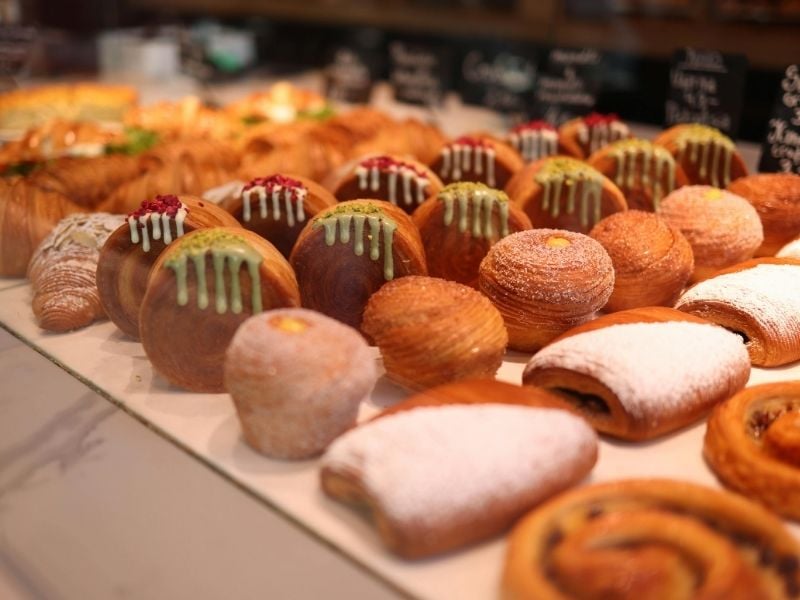
Baked pastries need to cool completely before freezing.
Never place hot pastries directly into the freezer.
Steam trapped inside packaging can create condensation. That moisture can damage crisp layers and encourage freezer burn.
Allow the pastries to cool on a rack.
Once completely cool, wrap each item individually when possible.
Then place the wrapped pastries inside a freezer-safe container or heavy-duty freezer bag.
Remove excess air before sealing.
Label the package with the pastry name and date.
For additional storage guidance, read How to Store Baked Goods to Keep Them Fresh Longer.
Your storage containers matter as well. Best Food Storage Containers for Bakers can help you choose suitable containers for different baked goods.
Why Airtight Packaging Matters
Air remains one of the biggest enemies of frozen pastry.
It carries moisture and odors.
Pastries can absorb strong freezer smells from foods stored nearby.
Use packaging designed for freezing.
Press excess air from freezer bags before sealing them. For containers, choose a size that leaves limited empty space.
Do not cram delicate pastries into a container.
Crushing can damage layers, toppings, and decorative shapes.
Freeze individual portions separately when possible.
This approach also makes serving easier because you can remove only what you need.
How Long Can You Freeze Pastries?
Freezing duration depends on the pastry.
Homemade pastry dough generally maintains good quality for several months when properly wrapped.
Baked pastries often perform best within a shorter period.
Laminated pastries deserve particular attention because their texture can decline with prolonged storage.
Fillings also influence storage quality.
Cream-based fillings, fruit fillings, and custards may change texture after freezing.
Always consider the complete pastry rather than the dough alone.
For ingredient storage information, see Shelf Life of Common Baking Ingredients.
How to Label Frozen Pastries
Labels make freezer organization much easier.
Write the pastry name, preparation date, and recommended use-by period on each package.
Include important information about fillings.
For example, write “apple turnovers” instead of simply writing “pastry.”
You can also include baking instructions.
A simple note such as “Bake from frozen” or “Thaw overnight” can save time later.
Clear labels become especially useful when you freeze several pastry varieties at once.
Good organization prevents forgotten food from sitting in the freezer for months.
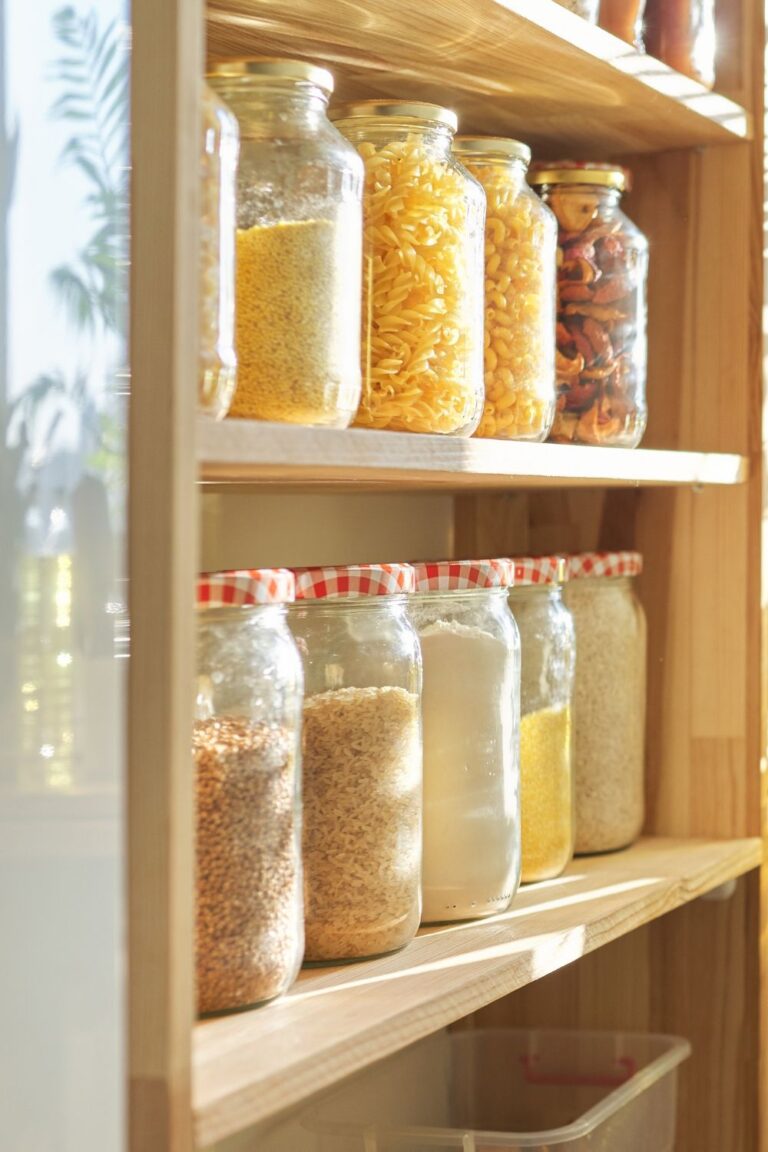
For more organization ideas, explore How to Organize Your Baking Ingredients Like a Pro.
How to Thaw Frozen Pastry Dough
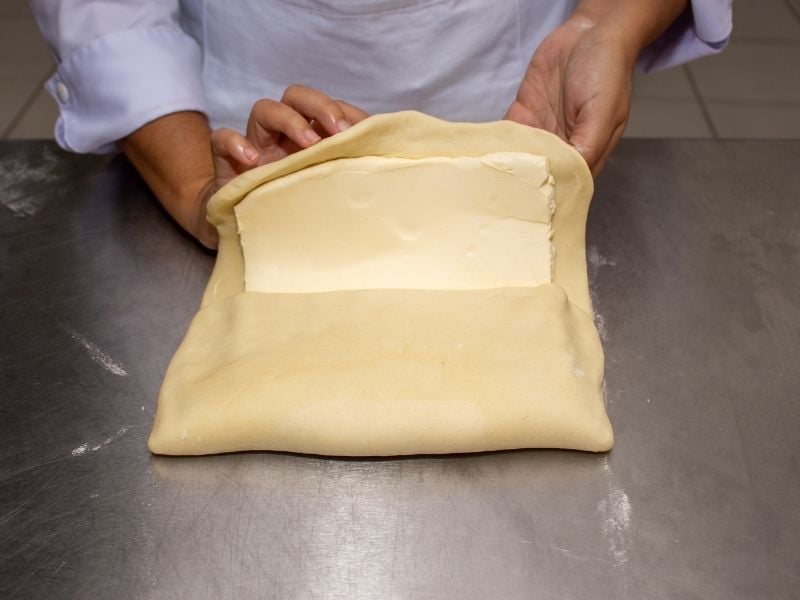
Thawing requires patience.
Move frozen dough from the freezer into the refrigerator.
Allow enough time for the dough to soften gradually.
Rapid thawing can soften the fat too much.
That problem becomes especially important with laminated dough.
Once the dough becomes flexible, continue with the recipe.
Do not force a frozen block of dough with a rolling pin.
Cracking can damage the layers and create uneven thickness.
If the dough still feels too firm, give it more time.
A controlled thaw produces better results than rushing.
Can You Bake Pastries Straight From the Freezer?
Some pastries can go directly from the freezer into the oven.
Others require thawing or proofing first.
Always follow the recipe’s instructions.
Puff pastry shapes can often bake successfully from frozen.
Croissants usually require a proper proofing stage before baking.
Pie shells may need partial thawing before shaping or filling.
Turnovers can often bake from frozen, depending on their size and filling.
The key involves understanding the pastry structure.
Never assume every frozen pastry requires the same treatment.
How to Refresh Frozen Baked Pastries
Frozen baked pastries can regain some of their original texture after reheating.
Use an oven or toaster oven when appropriate.
Avoid relying on a microwave for crisp pastries because microwave heating can soften the crust.
A moderate oven can restore crispness while warming the interior.
Place pastries on a baking tray rather than inside a sealed container.
Allow enough space for heat to circulate.
Check them frequently during reheating.
Overheating can dry the filling and darken the crust.
For more general baking guidance, explore Baking Tips That Instantly Improve Your Results.
How to Protect Crispy Pastry Layers
Crispy pastry needs special attention.
Moisture can quickly soften delicate layers.
Allow freshly baked pastries to cool completely before packaging.
Never wrap warm puff pastry tightly.
Steam needs an opportunity to escape.
After cooling, wrap the pastry securely before freezing.
When reheating, use dry heat.
Avoid adding sauces, glazes, or wet toppings until serving time.
This strategy works especially well for turnovers, puff pastry shells, and Danish pastries.
For additional ideas, see How to Keep Pastries Crispy After Baking.
How to Freeze Pastries With Cream Fillings
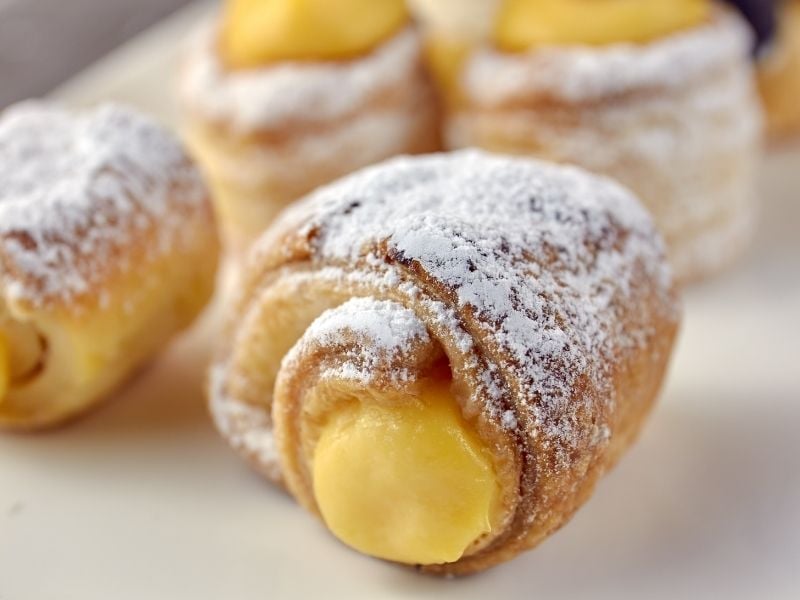
Cream-filled pastries require extra care.
Some cream fillings freeze well, while others can separate after thawing.
Custards may change texture.
Whipped cream can lose its structure.
Cream cheese fillings often tolerate freezing better than delicate whipped fillings, but results still depend on the recipe.
If possible, freeze the pastry shell separately and add delicate fillings later.
This approach gives you greater control over the final texture.
Always follow food-safety guidance when working with dairy-based fillings.
Keep frozen pastries at a stable freezer temperature.
Avoid repeatedly thawing and refreezing them.
How to Freeze Fruit-Filled Pastries
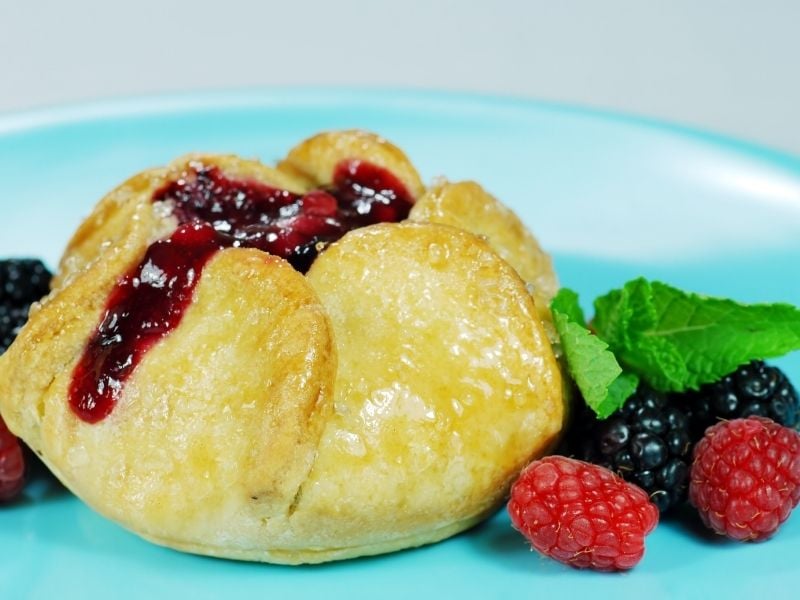
Fruit pastries can freeze successfully.
However, fruit contains water.
That water can migrate into the pastry and soften the crust.
Choose fillings with controlled moisture.
Cook fruit fillings when the recipe recommends it.
Allow the filling to cool completely before assembly.
Do not add hot filling to pastry dough.
Excess moisture can weaken the dough before freezing.
Thicken fruit fillings appropriately.
Then seal the pastry carefully.
When baking, allow enough time for the filling to become hot and the pastry to brown properly.
If presentation matters to you, explore Baking Flat Lay Ideas for Instagram & Pinterest for inspiration on showcasing finished pastries.
Common Freezing Mistakes to Avoid
One major mistake involves freezing warm pastries.
Always allow baked goods to cool completely first.
Another problem involves poor wrapping.
Loose packaging allows air to reach the pastry.
Avoid placing unprotected pastries directly into the freezer.
Do not overload containers.
Crowded packaging can crush delicate shapes.
Organizing your baking station can make this process smoother. Baking Station Organisation Ideas That Will Transform Your Kitchen offers practical ideas for keeping ingredients and equipment accessible.
Avoid freezing pastries without labels.
You may forget when you prepared them.
Another common mistake involves thawing pastry at room temperature for too long.
Warm conditions can soften the fat and damage laminated layers.
Finally, avoid refreezing pastries repeatedly.
Each freeze-thaw cycle can reduce quality.
If you regularly encounter baking problems, explore Common Baking Mistakes and How to Fix Them Fast.
How Ingredients Affect Freezing Results
Ingredients influence how well pastries tolerate freezing.
Butter provides a different structure from margarine.
Sugar affects moisture retention.
Eggs contribute structure and richness.
Flour determines the strength of the dough.
Fillings can introduce additional moisture.
Understanding each ingredient helps you predict how a pastry will behave after freezing.
Read Baking Ingredients Explained: What Every Ingredient Actually Does when you want to understand how individual ingredients influence texture.
Fat selection also matters.
Compare butter and margarine before choosing one for your recipe through Butter vs Margarine in Baking: Does It Really Matter?.
How Sugar Affects Frozen Pastries
Sugar does more than add sweetness.
It affects browning, moisture, texture, and tenderness.
High-sugar fillings may behave differently after freezing.
Certain pastries may become softer after thawing because sugar attracts and retains moisture.
Use the recipe’s recommended sugar quantity.
Avoid changing the amount casually when you plan to freeze the finished pastry.
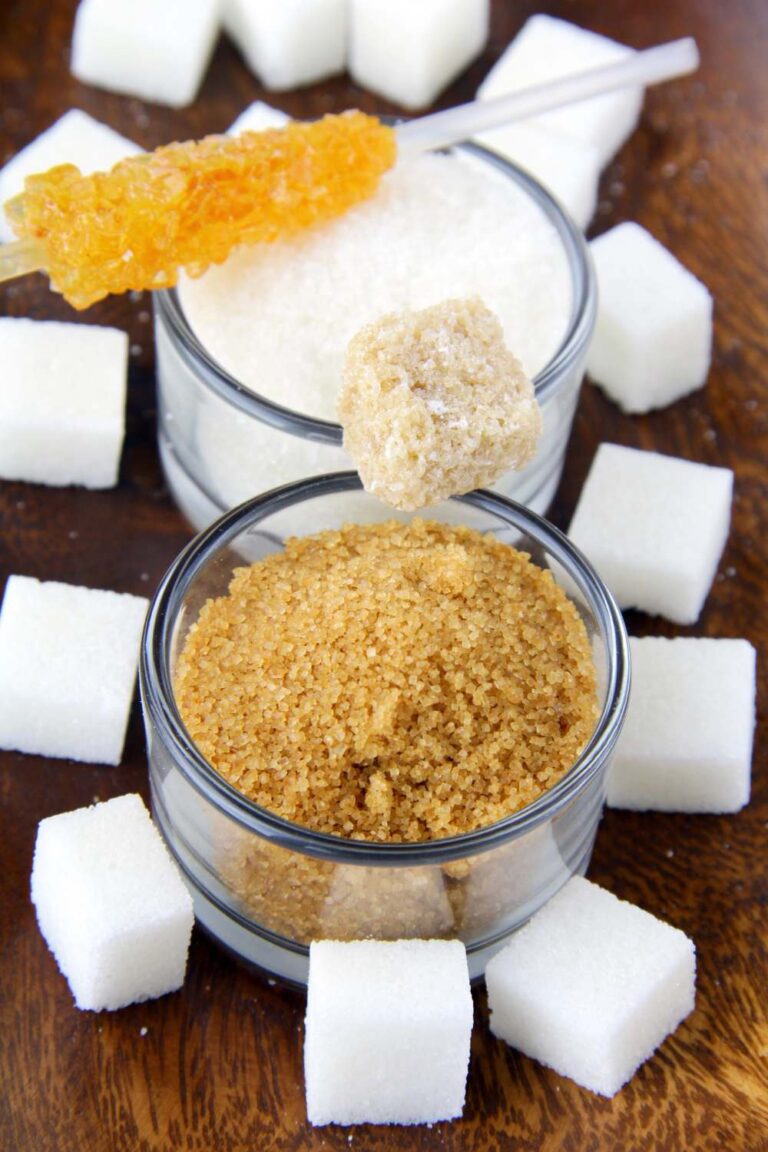
For more information, read The Different Types of Sugar Used in Baking Explained.
How Eggs Affect Frozen Pastries
Eggs can contribute structure, color, richness, and moisture.
Egg-based fillings may respond differently to freezing than simple dough.
Custard fillings require special attention because their texture can change after thawing.
Egg wash also affects the finished appearance.
For a deeper look at eggs in baking, explore Eggs in Baking: Why They Matter and How They Affect Results.
Make-Ahead Pastries Worth Freezing
Several pastries work particularly well with make-ahead preparation.
Pie dough provides one of the easiest options.
Puff pastry also freezes beautifully.
Turnovers can save considerable preparation time during busy weeks.
For beginners who want to build stronger fundamentals, The Ultimate Beginners Guide to Baking provides a useful starting point.
Croissants require more planning, but freezing shaped dough can make future baking much easier.
Danish pastries offer another useful option.
Shortcrust dough works well for future tarts and pies.
You can also freeze certain baked cookies and pastry-based desserts.
The best candidates usually have sturdy structures and controlled moisture.
Avoid freezing delicate decorations until you understand how they respond to condensation.
How to Protect Pastries From Freezer Odors
Freezers contain many foods with strong aromas.
Pastries can absorb those odors through weak packaging.
Use airtight packaging.
Double-wrap strongly scented pastries.
Keep seafood, heavily seasoned foods, and pastries separated when possible.
A dedicated freezer container can provide additional protection.
Never leave pastry exposed for long periods.
Strong packaging preserves both flavor and texture.
How to Know When Frozen Pastry Has Lost Quality
Frozen pastry does not necessarily become unsafe simply because its quality declines.
However, freezer burn can affect taste and texture.
Look for dry patches, unusual discoloration, excessive ice crystals, or stale aromas.
Severe freezer burn can make pastry unpleasant to eat.
Poor packaging often causes these problems.
Repeated temperature fluctuations can also affect quality.
Keep your freezer temperature stable.
Avoid leaving the freezer door open for long periods.
Organize frequently used items where you can reach them quickly.
A Simple Make-Ahead Pastry Routine
Start by choosing the pastry you want to prepare.
Read the complete recipe.
Measure every ingredient.
Prepare the dough carefully.
Shape the pastries according to your intended freezing stage.
Freeze delicate pieces individually on a tray.
Transfer firm pastries into airtight packaging.
Label every package.
Record the freezing date.
Move frozen dough into the refrigerator when you need it.
Allow enough time for thawing or proofing.
Bake according to the recipe.
Refresh baked pastries with dry heat when necessary.
Finish with fresh toppings, glaze, or powdered sugar after reheating.
This routine can turn pastry baking into a much more manageable process.
Final Thoughts
Freezing pastries can transform the way you approach homemade baking.
You can prepare dough during a free afternoon and enjoy freshly baked treats later.
You can also freeze complete pastries for quick breakfasts, desserts, parties, and unexpected guests.
The most important factors involve temperature, packaging, moisture control, and timing.
Choose the correct freezing stage for each pastry.
Cool baked goods completely before wrapping them.
Protect every pastry from air and freezer odors.
Thaw laminated dough gradually.
Use dry heat to refresh baked pastries.
Avoid repeated freeze-thaw cycles.
With consistent preparation, freezing becomes less of a storage trick and more of a practical baking system.
You can even turn the process into a profitable production strategy once you understand how your pastries respond to freezing. If you plan to expand your baking activities, Baking Business Ideas You Can Start With Little Money offers ideas worth exploring.
Most importantly, test your chosen method with a small batch first. Record what works, adjust what does not, and create a freezing routine that fits your kitchen, schedule, and favorite pastries.